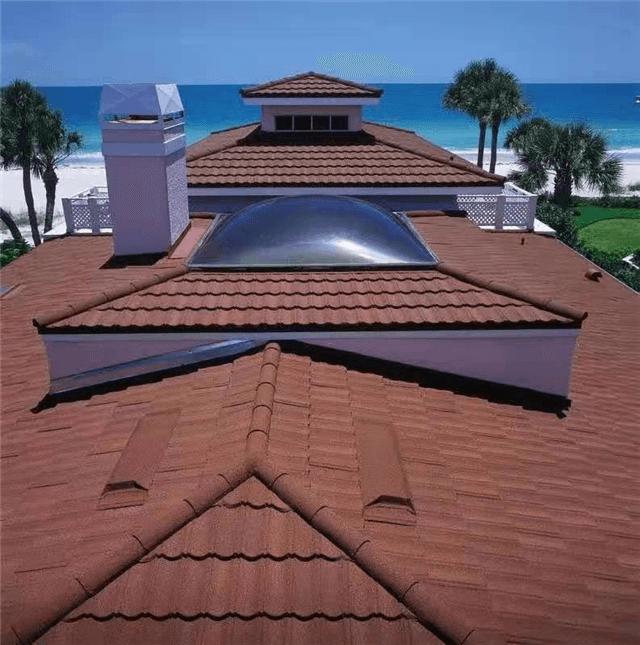
Order Milano ridge hip accessories against the selected panel drawing and a list of roof junctions. Ask the supplier to name the parts for each run, end, and meeting point. The quote should show which parts it includes and who supplies the rest.
Ridges and hips meet the roof panels in different ways. A ridge usually runs along the top of two slopes. A hip follows the sloping outside line where two roof planes meet.
The buyer needs enough detail to check quantities and scope. The designer and installer need the drawings for the exact roof system. A shared schedule lets them check the same part codes before the order goes ahead.
Map Milano ridge hip accessories to the roof plan
Mark the runs and meeting points
Give each ridge and hip a short label on the roof plan. Mark both ends and note where two hips meet a ridge. Also show roof lines that end against a wall or meet the rake at a gable.
Record the adjoining roof planes beside each label. If one slope changes, the designer can then find every junction that the change affects. Give the supplier the plan date so its response can refer to the same layout.
Add the length the estimator uses for each run. For a hip, record whether that length follows the slope or comes from a plan projection. Ask the estimator to confirm the basis before sending the takeoff out for prices.
Keep a separate field for the count of ends and junctions. A roof with shorter runs can still have several ends and meeting points. These counts help the supplier show where it expects a distinct piece or site work.
Identify the panel and proposed roof system
Ask for the model code and drawing revision that match the quoted panel. Then confirm that the drawings for the caps and other fittings refer to that version. Start with the exact product being offered. Milano Tile
The roof team also needs to know which support arrangement the supplier has used for its offer. Send the relevant roof section with the plan. Ask the supplier to flag any detail it cannot identify from those files.
Record panel counts and accessory counts under their own units. Panels may follow area, while caps may follow run length or piece count. For help checking the panel portion, see the Milano dimensions and coverage guide.
Check the details behind each accessory line
Read the cap and panel section together
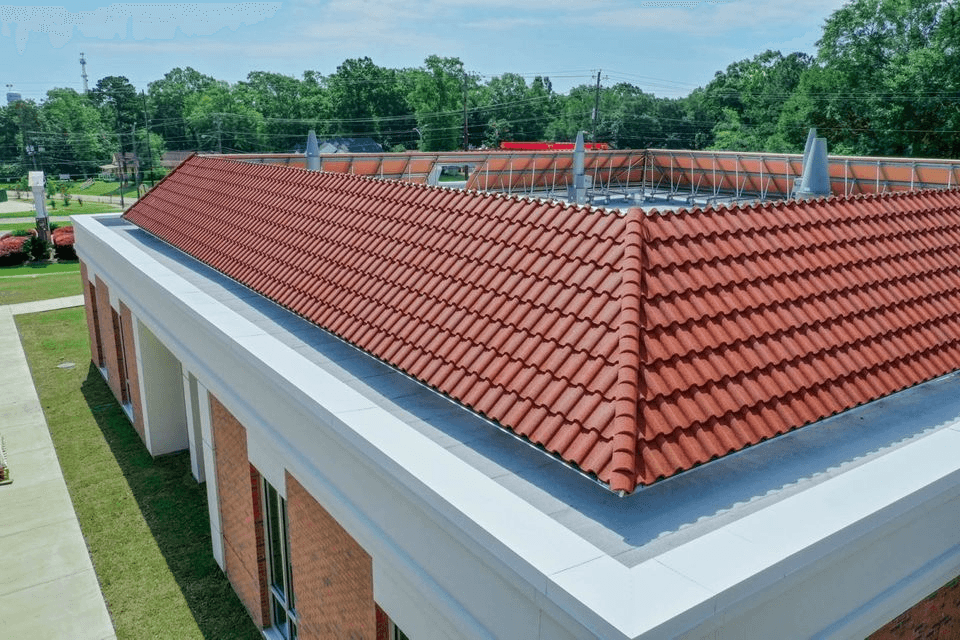
A picture of a cap helps you review its shape and finish. A section shows how the cap, panels, and support relate at the junction. Ask for the drawing number that covers the part on your quote.
Look for each layer or piece that the selected system calls for beneath the cap. The detail may name a flashing, support, closure, or vent. Ask the supplier to put any such part on the schedule with its own code.
Check where the drawing locates the fasteners and which support they connect to. Then ask for the fastener reference and supply unit for the part it names. The installer can use that record to locate the applicable instructions.
In the DECRA Africa Milano document, the hip and ridge sections identify different parts and show junction details. The ridge section names a profiled flashing in that system. That example shows why a buyer should ask for the specific drawing behind each line. DECRA Africa Milano guide
Request end and junction drawings
Ask the supplier to show the detail at the lower end of each hip. Also request the detail at its upper meeting point. The two ends can require different parts or work, so give them separate lines.
For a ridge end, mark whether it meets another roof edge or a wall. Ask how the drawing handles that meeting point and which items come with the order. Record any detail the project team still needs to resolve.
Some drawings show a named junction piece. Others identify a part the installer prepares from supplied material. Ask who supplies that material and who checks the final shape against the design.
If a junction includes a vent, ask the designer to confirm where it begins and stops. Then request the matching vent, closure, and cap references for that run. Put closed runs on separate schedule lines so the supplier can price both conditions.
Build a supply schedule that covers every junction
Give each part a code, unit, and owner
Ask the supplier to list each part under the drawing it serves. Include its finish, price unit, and pack count. Show items sourced by the installer beside supplier items so the team can see the full package.
For an offer from JCROOF, send the marked plan and identify the panel version and finish. Ask for the proposed accessory codes against the roof labels. Have the designer review the junction details before you confirm the list.
| Supply line | What to record |
|---|---|
| Straight ridge or hip run | Roof label, cap code, and effective cover |
| Start or end | Location, drawing reference, and named part or supply material |
| Junction | Drawing number, required parts, and supply owner |
| Vent or closure | Runs served and the matching system reference |
| Support and fasteners | Detail reference, supply unit, and responsible party |
| Finish and packing | Finish code, approved sample, pieces per pack, and labels |
If one cap serves several runs, keep the run labels in the count record. This allows the estimator to check how the total arose. It also helps when a revised roof plan changes only one run.
Check compatibility across the package
Ask for written confirmation that each offered part fits the panel and detail listed beside it. For a shared fitting, request a drawing for each use on this roof. A supplier can then explain which parts are common and which require their own code.
Compare the visible caps and panels using samples for the finish you plan to buy. Record the accepted sample or finish code with the order. If the manufacturer offers different finishes for the same part, make the choice explicit.
Use the same record for a proposed alternate. Ask for the revised drawing and identify any other parts the change affects. For broader checks across the roof, see the roofing accessories checklist.
Compare quantities, prices, and exclusions
Check what each count covers
Ask for the overall length and installed cover of the proposed cap. Use the stated cover to check the count for straight runs. Let the estimator account for the layout, ends, and pieces that serve special junctions.
Record allowances for cuts and spares separately from the base count. When a supplier rounds to packs, ask it to show the ordered pieces and the pieces per pack. Both figures help the receiving team check what arrives.
If a cap is priced by the piece, ask whether the quote includes the whole count needed for the run. A separate line for a junction may use a different unit. Keep the units next to the prices as you compare offers.
Price the same package across offers
Use the same roof plan and parts schedule for each supplier. Check whether both offers include the same ends, closures, vents, and supports. Add a named line for any site work that affects the comparison.
An accessory subtotal may cover caps only. Ask for a list of inclusions, exclusions, and items that still need a choice. Keep those notes beside the prices. Stone coated roofing accessories cost guide
If an item has a different supply date, ask which roof area needs it and when. Record that date with the part code. Then the buyer can see whether the order covers each area in the planned work sequence.
Keep the approved drawings with the order
Review the documents before release
Check the roof plan, parts schedule, quote, and drawings together. Each run should have an identified detail and a supply owner for each required item. Record unresolved questions next to the affected roof labels so the team can close them before release.
Ask whether the designer wants a sample fit check for a complex junction. If the team chooses one, record the panel, cap, and other parts it reviews. Keep the accepted sample record with the drawing revision.
When a part changes, update both the drawing reference and the order line. Send the revision to the people who price, pack, receive, and install the roof. That gives each team a way to identify the part the designer reviewed.
Check what arrives against the approved list
Ask for labels that show accessory codes, finish, and pack counts. Compare the labels and quantities with the packing list and order. Record damaged pieces or missing packs by code so the supplier can identify the item.
Keep small fittings and end pieces tied to their roof labels during distribution. If goods go to more than one building, give each team the relevant list. Save the same records for follow-up orders and any later changes.
Planning a Milano ridge and hip package? Send us an inquiry with your roof plan and proposed panel. Our team will help identify the drawings and parts to request.