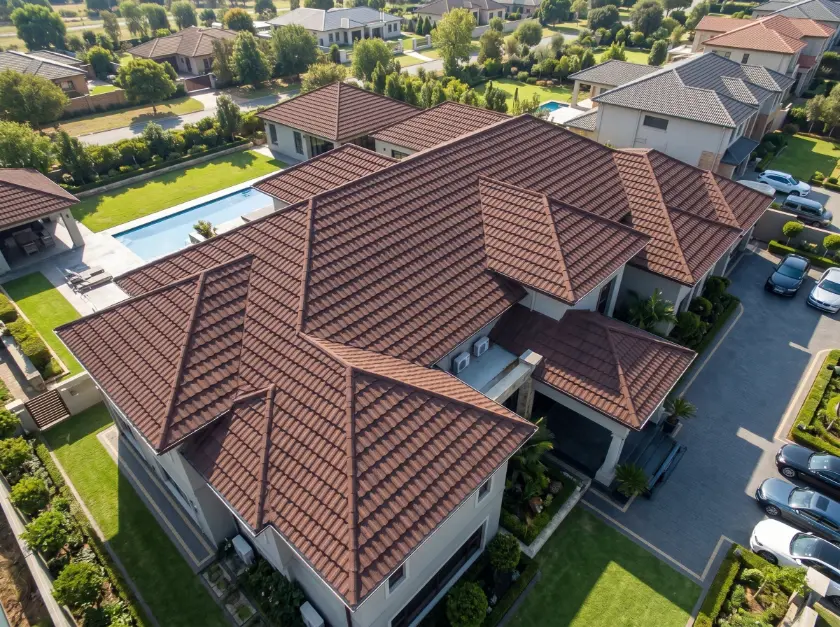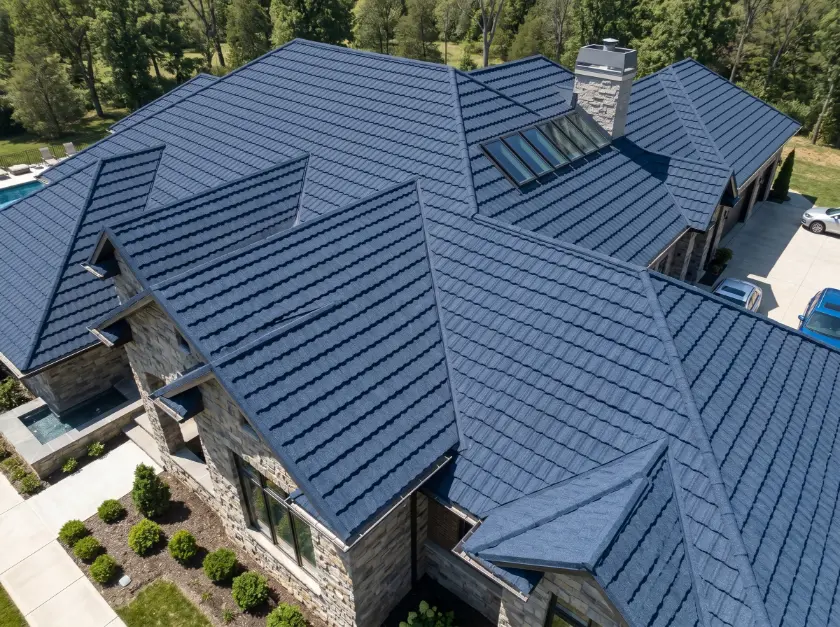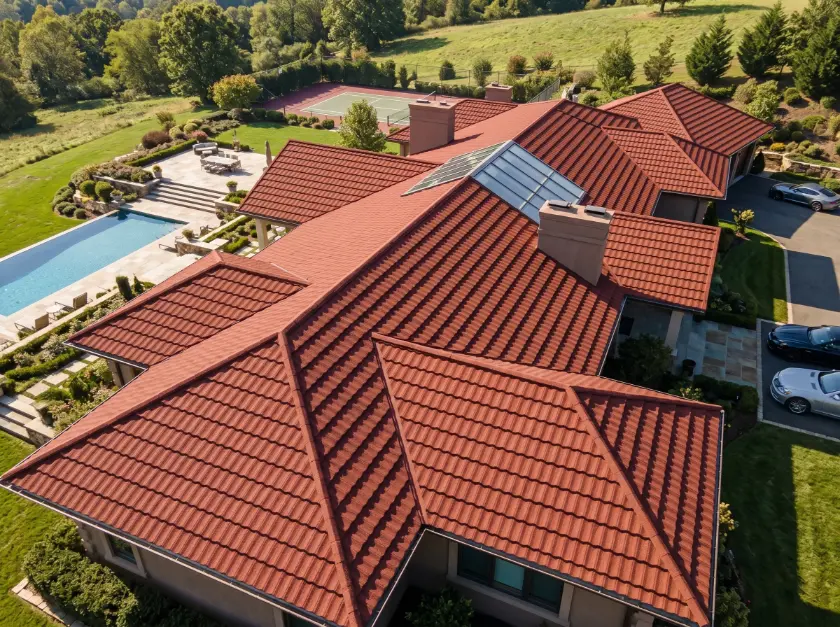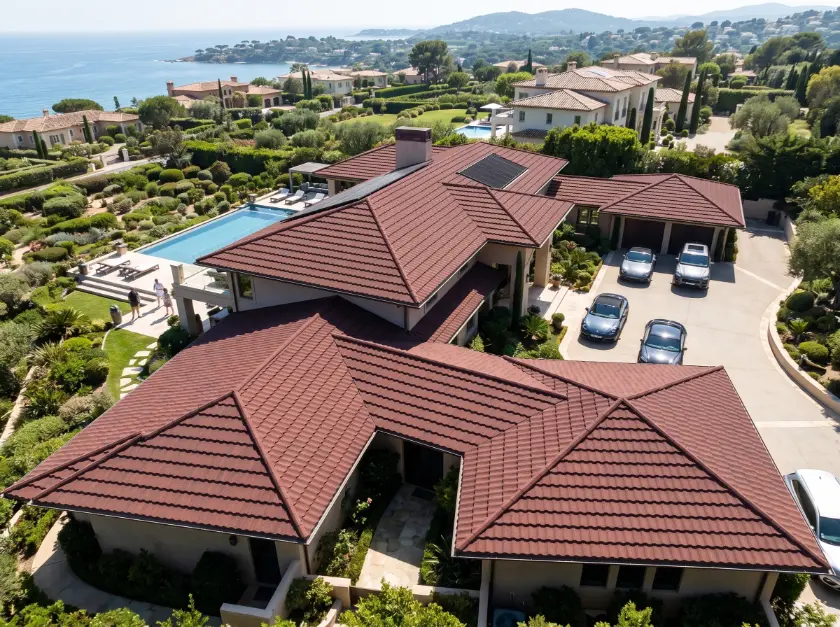

In the highly competitive commercial construction sector, the longevity of a building envelope depends entirely on advanced manufacturing processes. B2B procurement officers understand that premium raw materials only deliver exceptional performance when combined with flawless factory engineering. Historically, cheap roofing panels failed rapidly because manufacturers used inferior cold-pressed glues or rushed single-bake methods. Consequently, these substandard panels lost their protective stone granules after just a few severe rainstorms. To combat this catastrophic structural failure, elite manufacturers developed the Three-Coating, Two-Baking production process. This advanced methodology has become the undisputed gold standard for manufacturing stone coated steel. This technical guide explores the material science behind this multi-layered thermal curing process and explains why it guarantees a 50-year commercial asset lifespan.
The Chemistry of the Three-Coating Defense System
Creating an indestructible exterior panel requires building a complex, multi-layered chemical defense. Standard roofing materials utilize a single layer of adhesive, leaving the system highly vulnerable to moisture penetration and ultraviolet degradation. The Three-Coating process isolates the steel core completely by applying three distinct, specialized polymer layers. Each microscopic layer serves a highly specific structural purpose. When combined, these three layers create a synergistic weatherproofing shield that outlasts traditional construction materials by decades. Consequently, architects specify this manufacturing standard to eliminate future maintenance liabilities completely.
Layer One and Two: The Primer and Heavy Base Coat
The process begins by treating the Aluzinc steel substrate with a specialized chemical primer. This initial coating ensures perfect molecular adhesion between the slick metal and the subsequent adhesive layers. Following the primer, automated factory sprayers apply a thick, heavy-duty acrylic base coat. This specific acrylic resin acts as the primary foundational glue. While this heavy base coat remains wet, the factory drops the sintered stone granules onto the panel. The thickness and chemical quality of this base coat determine the exact impact resistance of the finished roof. If this layer is too thin, the stone granules will bounce off during heavy hailstorms, leaving the steel entirely exposed to rust.
Layer Three: The Pure Acrylic Overglaze
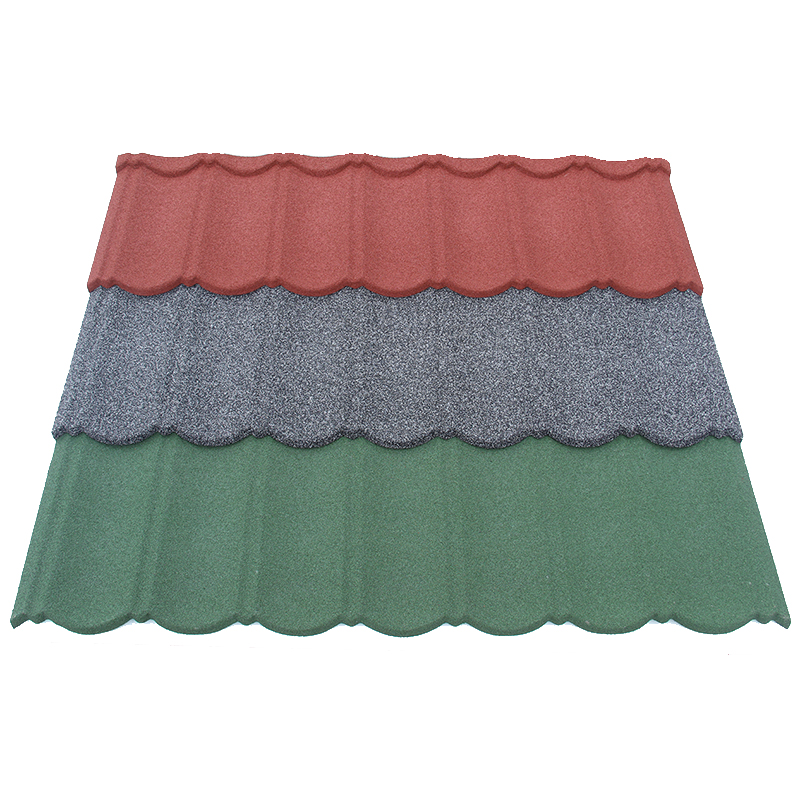
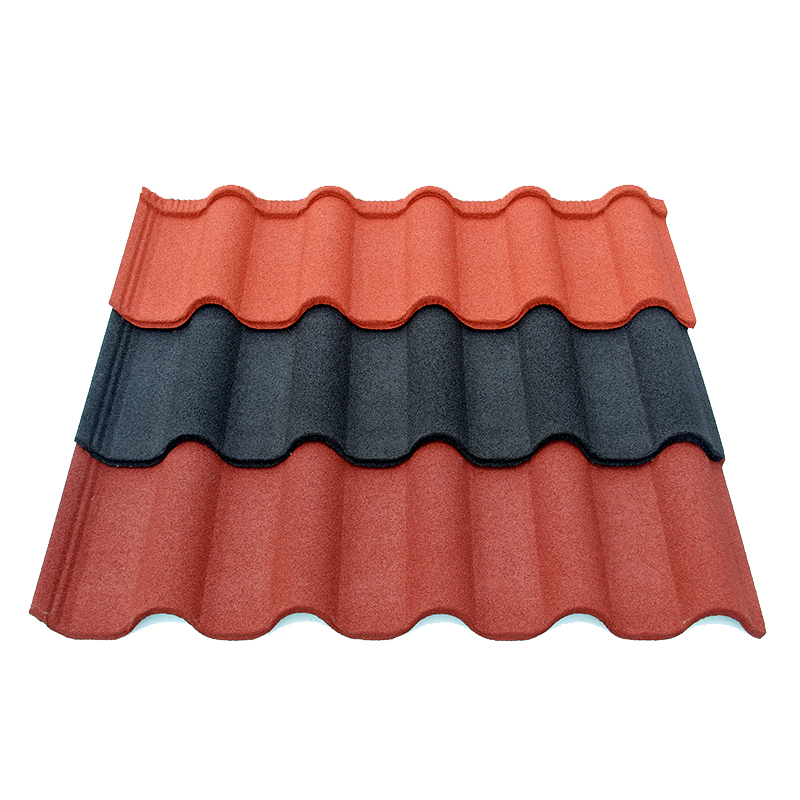
Once the stone granules are secured in the base coat, the factory applies the critical third layer. This final coating is a pure, highly UV-stabilized clear acrylic overglaze. Standard cold-pressed roofs completely lack this final protective shield. The overglaze encapsulates the rough stone granules, creating a smooth, dirt-repelling exterior surface. Furthermore, this clear coat contains advanced chemical stabilizers that neutralize destructive ultraviolet radiation. Therefore, the sun cannot bleach the color pigments out of the stone. This third coating ensures that premium profiles like the Milano Tile maintain their vibrant, luxurious Italian aesthetic permanently without any chalking or fading.
The Thermal Physics of the Two-Baking Cycle
Applying the chemical coatings represents only half of the engineering equation. The adhesives must polymerize correctly to achieve maximum physical strength. Cheap factories skip the baking process entirely to save electricity, relying on weak air-drying methods. Air-dried glue remains brittle and cracks instantly under minor thermal expansion. The Two-Baking cycle utilizes massive, precision-controlled industrial kilns to cure the acrylic resins perfectly. This intense thermal management transforms the liquid acrylics into an unbreakable, solid polymer matrix.
First Bake: Fusing the Base Coat
Immediately after applying the stone granules, the panels enter the first high-temperature baking oven. This initial thermal cycle strictly controls the evaporation of water and solvents from the heavy base coat. The intense heat causes the acrylic molecules to cross-link and fuse directly to both the steel primer and the individual stone granules. Consequently, the stone becomes permanently embedded into the substrate. This first bake prevents the dreaded “balding” effect, where inferior panels shed their stone layer into the commercial gutter system during heavy monsoon rains.
Second Bake: Hardening the Protective Shield
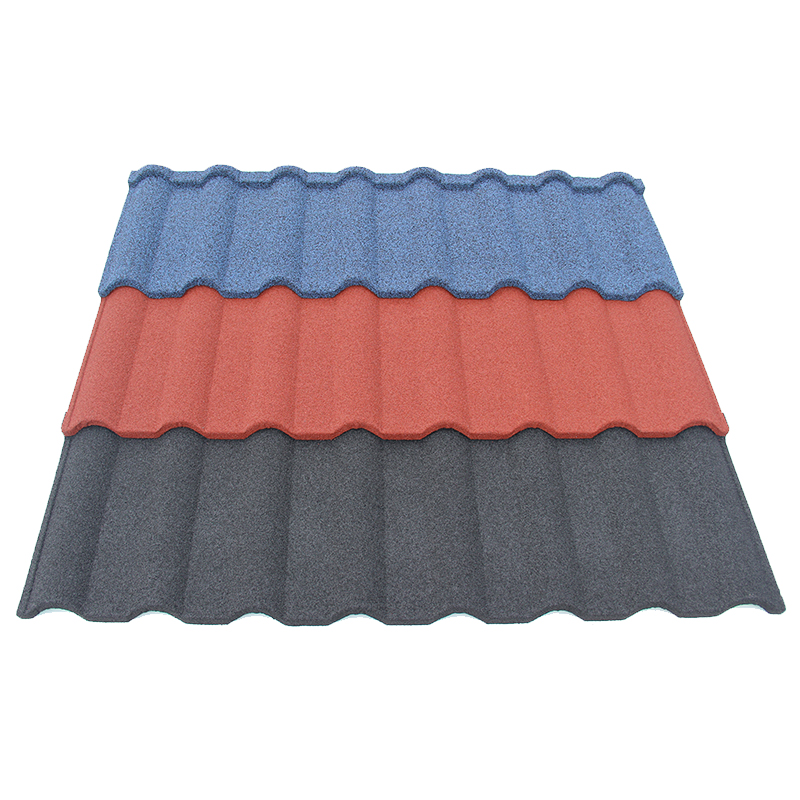
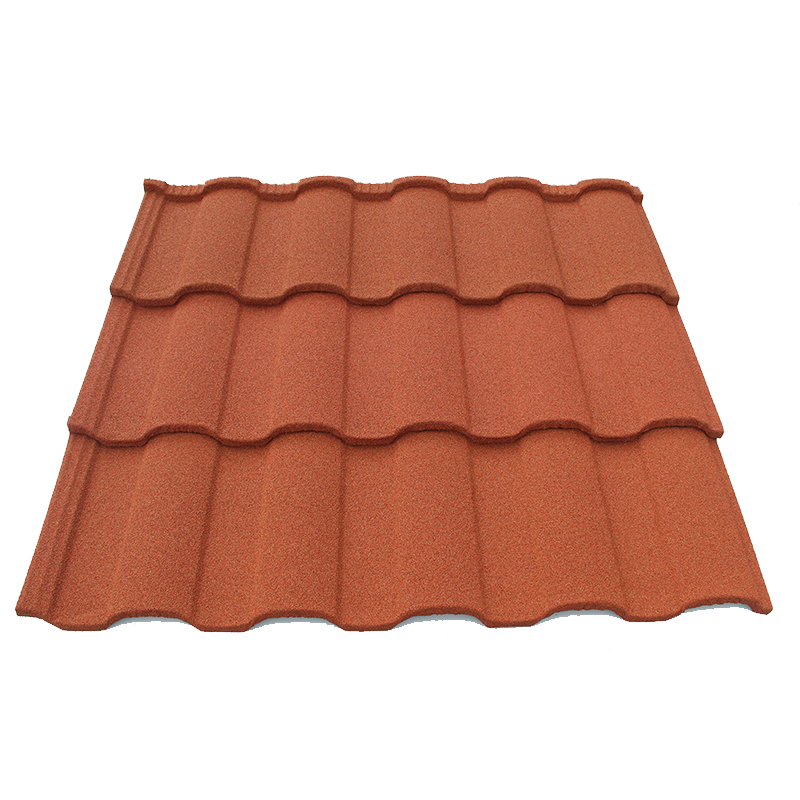
After applying the clear acrylic overglaze, the panels enter a secondary baking kiln. This final thermal stage cures the topcoat, creating a hardened, non-porous environmental seal. Because the base coat and topcoat are baked separately, they each reach their absolute maximum chemical strength without interfering with one another. This independent curing process is vital for deep-pressed profiles. For example, the steep valleys of the Roman Tile require this hardened topcoat to flush heavy debris and water away rapidly without scratching. The secondary bake guarantees that this protective clear layer will not peel or blister under extreme tropical heat.
B2B Procurement and Financial ROI
Commercial developers must analyze the total lifecycle cost of their building materials. Procuring panels manufactured with the Three-Coating, Two-Baking process requires a slightly higher initial capital investment. However, this rigorous factory standard eliminates decades of expensive commercial roof maintenance completely. Panels produced via single-bake methods require constant patching and cosmetic cleaning. By specifying the highest manufacturing standard available, procurement managers protect the long-term profitability of the real estate asset. This strict sourcing strategy guarantees massive financial returns over the life of the building.
Comparative Manufacturing Standards and Performance
| Manufacturing Process | Granule Adhesion Strength | UV and Color Stability | Estimated Structural Lifespan |
|---|---|---|---|
| Cold-Pressed (No Oven) | Very Weak (Severe Granule Loss) | Poor (Rapid Fading) | 5 – 10 Years |
| Single-Coating, Single-Bake | Moderate (Prone to Peeling) | Moderate | 15 – 20 Years |
| Three-Coating, Two-Baking | Maximum (Indestructible Bond) | Exceptional (Zero Chalking) | 50+ Years |
Architectural Profiles Engineered for Longevity
The true value of advanced thermal manufacturing becomes obvious when inspecting complex architectural profiles. Bending and stamping high-tensile steel places immense stress on the exterior coatings. The Three-Coating, Two-Baking process ensures that the acrylic polymers remain highly elastic even after they harden. Therefore, the panels can expand and contract safely during massive daily temperature swings. This elasticity prevents microscopic surface cracks from forming along the structural ridges of the roof.
Securing Flat and Rugged Aesthetics
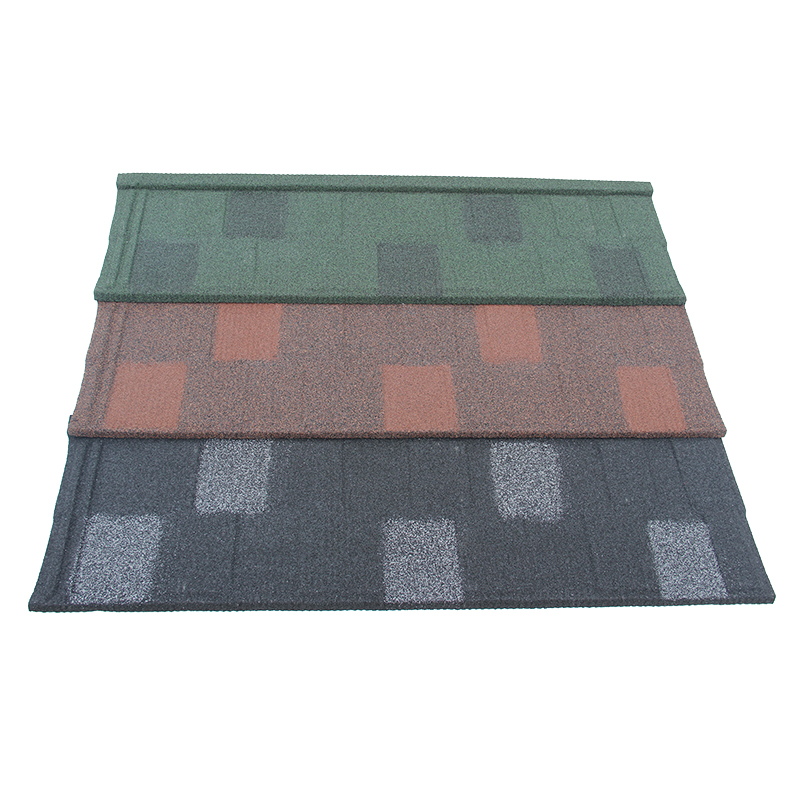
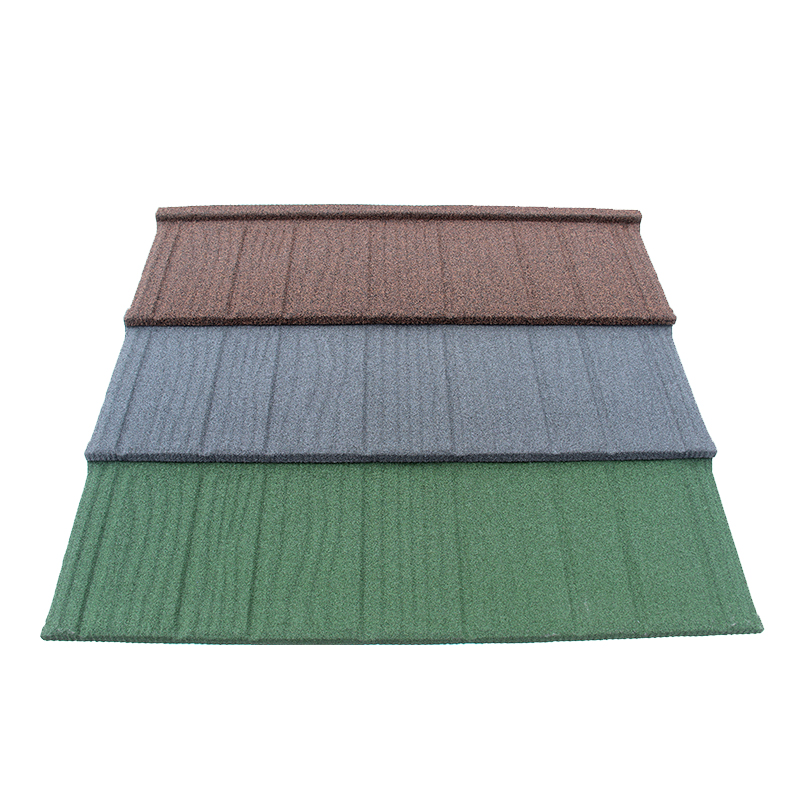
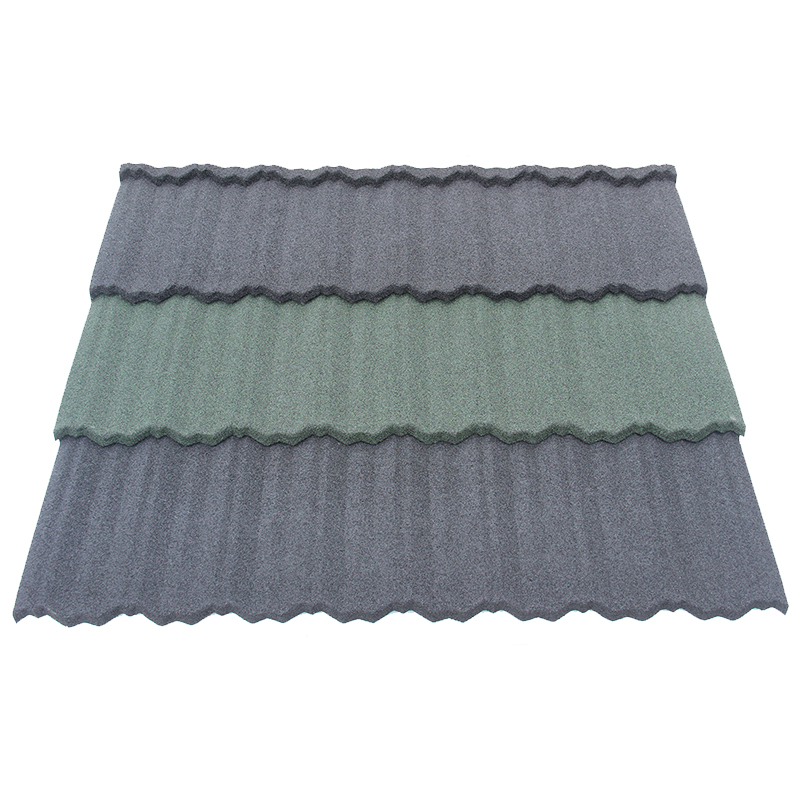
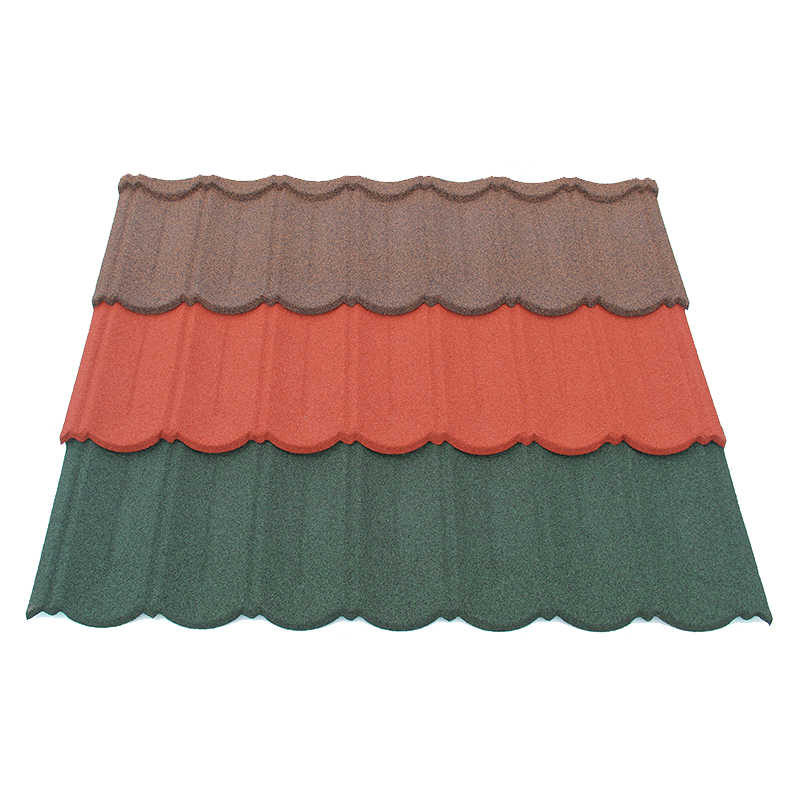
Modern commercial office parks frequently utilize the sleek, low-profile Shingle Tile to achieve a sophisticated corporate aesthetic. The double-baked clear coat ensures this flat surface sheds industrial pollution and urban dust effortlessly. Conversely, luxury mountain resorts specify the rugged Shake Tile for its heavily textured, rustic appearance. The intense baking process ensures the thick base coat holding this heavy texture never separates from the steel substrate. Consequently, the building perfectly mimics natural timber without ever succumbing to rot, moss, or fire hazards.
Auditing the Supplier Supply Chain
To guarantee building security, B2B buyers must audit their overseas suppliers rigorously. Procurement officers must demand video evidence or technical documentation proving the factory operates massive, continuous baking kilns. Elite brands like JCROOF openly showcase their advanced Three-Coating, Two-Baking production lines to international B2B clients. They utilize state-of-the-art temperature monitoring software to ensure every single panel cures at the exact optimal temperature. By partnering with factories that strictly adhere to this ultimate gold standard, developers ensure their heavy duty Bond Tile installations survive the harshest global climates flawlessly.