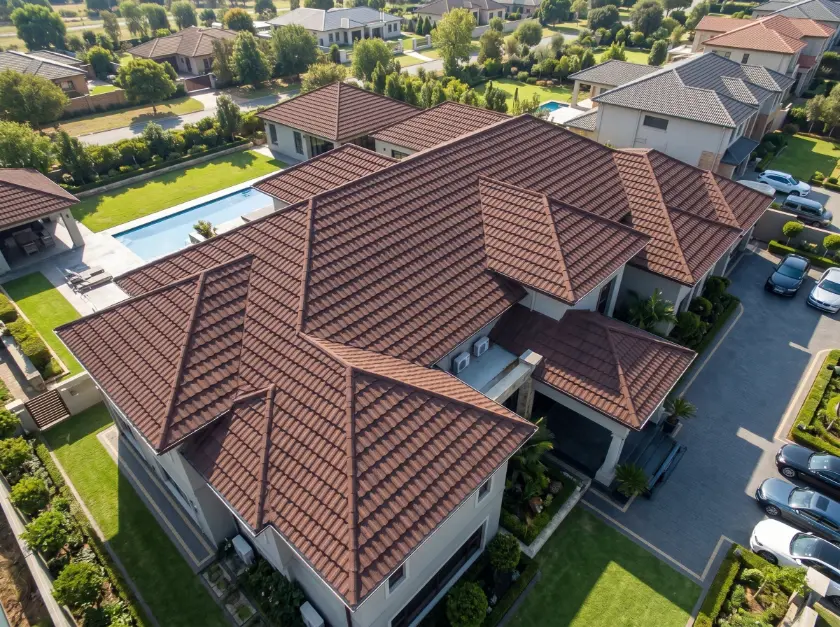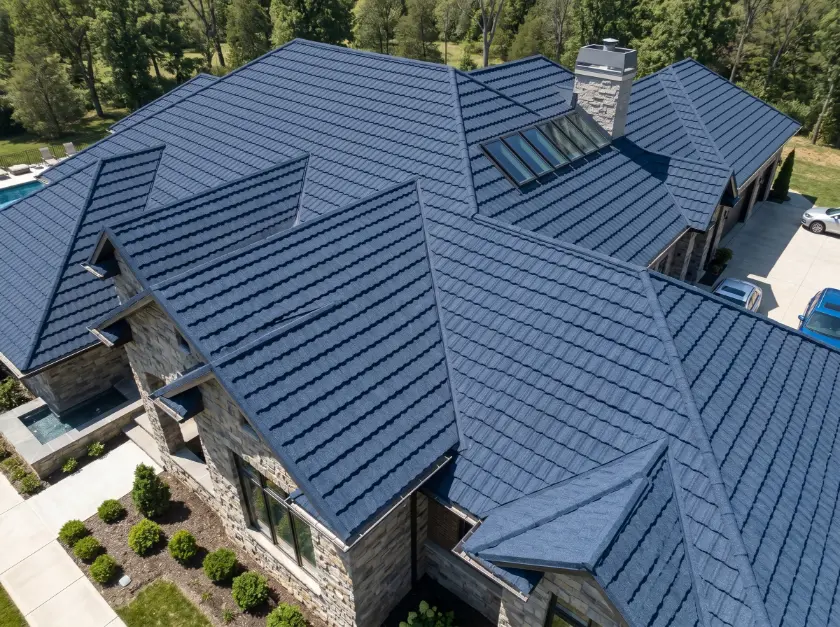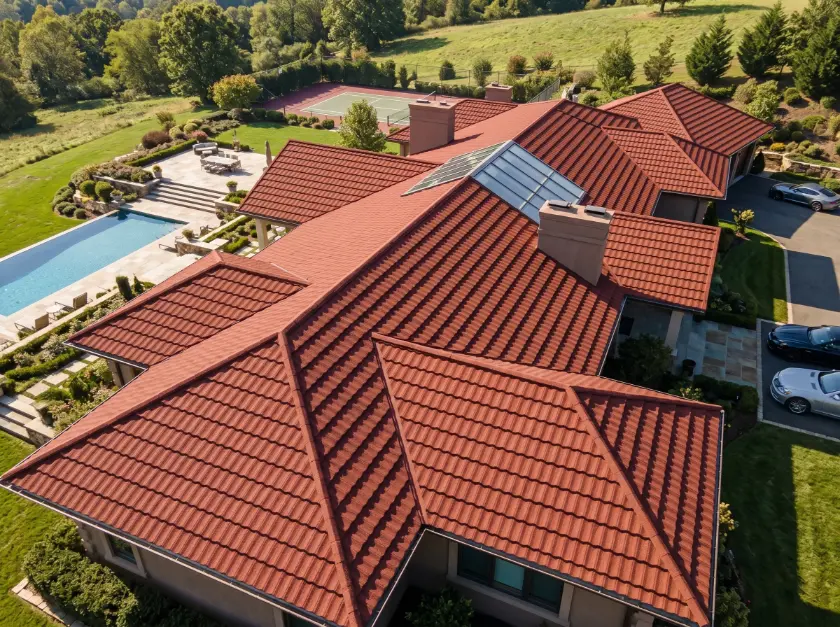

In the highly technical realm of commercial real estate development and B2B building material procurement, optimizing the exterior envelope is critical for long-term asset profitability. When sourcing advanced building materials, buyers quickly realize that the physical product is only half of the engineering equation; the structural installation methodology is equally vital. The introduction of Stone Coated Steel Roof Panels has revolutionized global commercial construction, offering unmatched durability, lightweight logistics, and superior weather resistance. However, project managers and lead architects frequently face a crucial structural decision before construction even begins: should the installation utilize a traditional raised batten framework, or a batten-less, direct-to-deck fastening system? This highly debated engineering choice directly impacts total labor costs, thermal efficiency, moisture management, and ultimately, the fifty-year lifespan of the commercial property. This comprehensive procurement guide breaks down the complex physics, financial logistics, and structural realities of both installation methods, empowering developers to make highly informed, profitable decisions.
The Engineering Mechanics of Batten Installations
A batten installation system fundamentally alters the architecture of the roof deck by introducing a raised structural grid. Before laying any metal panels, framing carpenters install a matrix of horizontal wooden or steel purlins (battens) directly over the waterproof underlayment and vertical counter-battens. This specific framing technique elevates the primary roofing material several inches above the solid plywood or OSB decking. For massive commercial applications, this elevated grid is widely considered the industry gold standard because it creates a continuous, highly functional airspace between the exterior weather shield and the interior building envelope. This microscopic gap provides massive thermodynamic and structural advantages that dictate the long-term survival of the real estate asset.
Thermal Ventilation and Above-Sheathing Airspace (ASV)
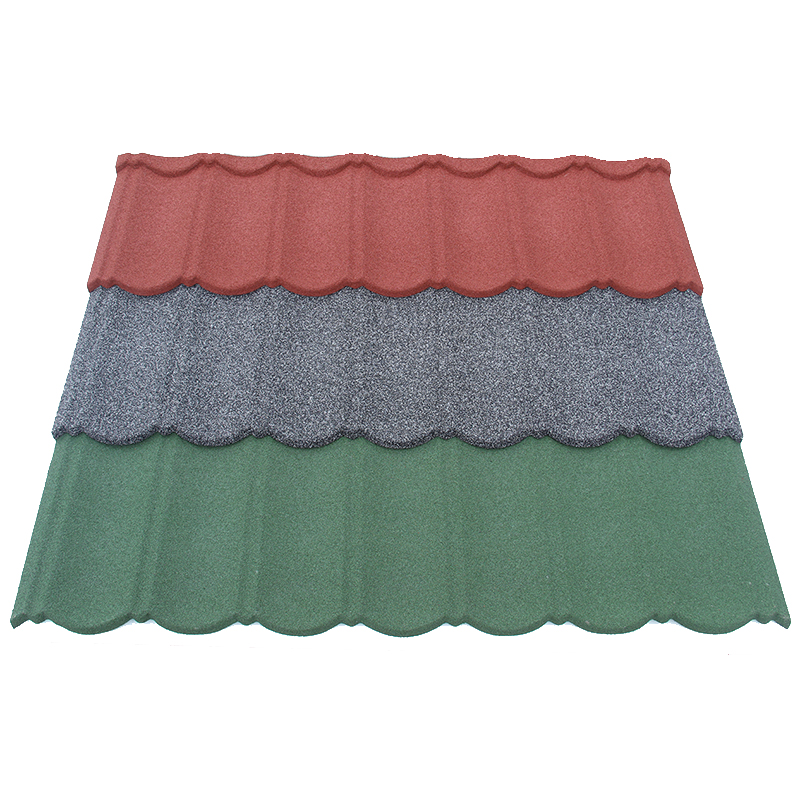
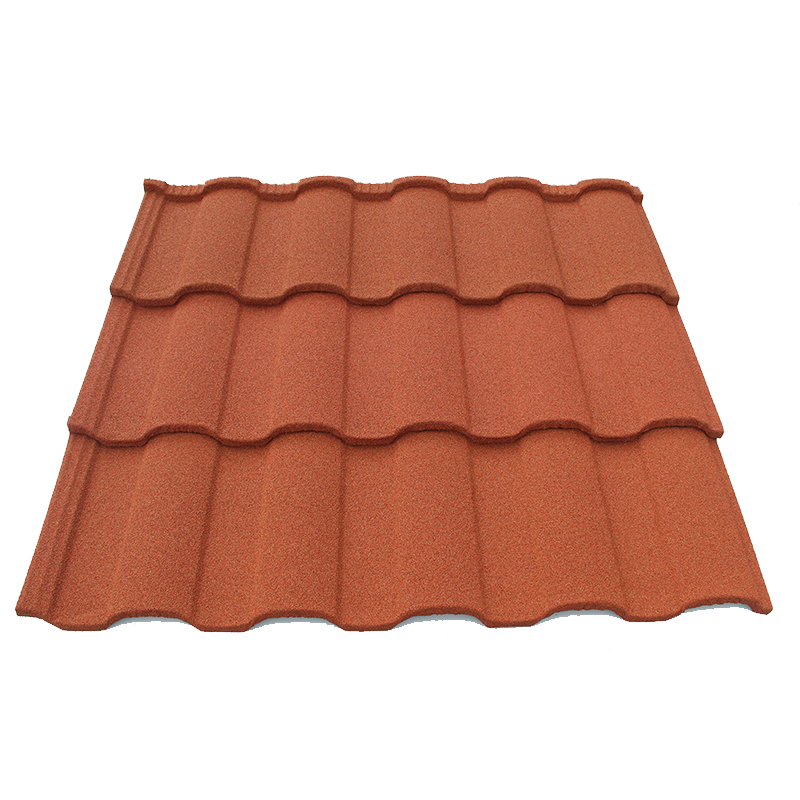
The primary financial advantage of a batten grid lies in its profound impact on commercial HVAC efficiency. By raising the Stone Coated Steel Roof Panels off the deck, the system creates an Above-Sheathing Ventilation (ASV) airspace. When intense solar radiation heats the exterior steel, this trapped air gap acts as a powerful thermal buffer. The hot air naturally rises and vents out through the ridge caps, preventing the solar heat from transferring directly into the commercial attic space. Consequently, this passive ventilation slashes monthly operational cooling expenses dramatically. Complex architectural profiles maximize this airflow; for example, the sweeping, elevated Mediterranean curves of the Milano Tile allow significant volumes of ambient air to flow freely beneath the panel, effectively decoupling the exterior heat from the interior building structure.
Concealed Fastening and Extreme Wind Resistance
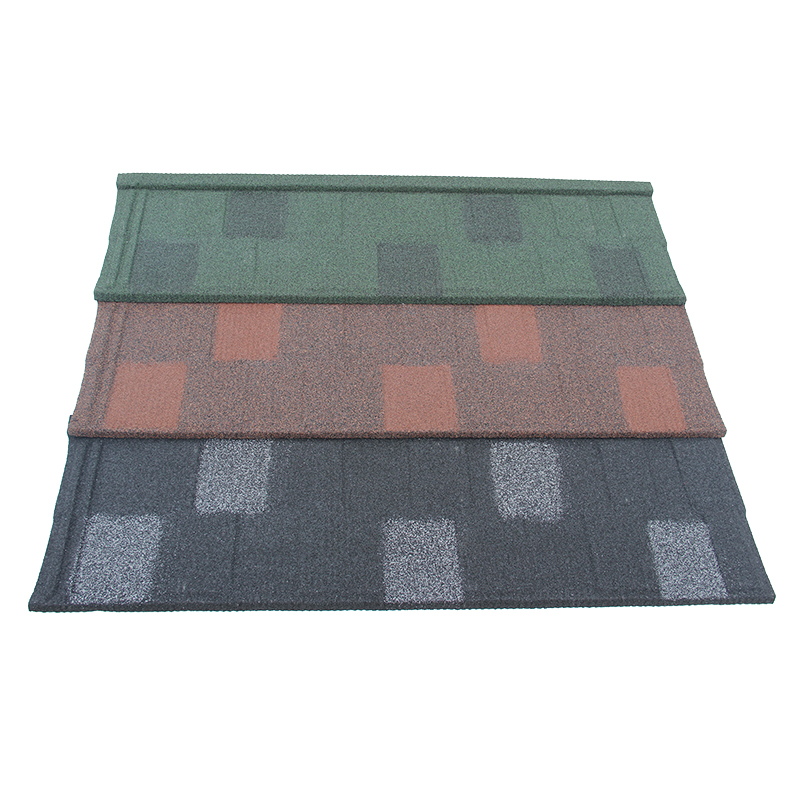
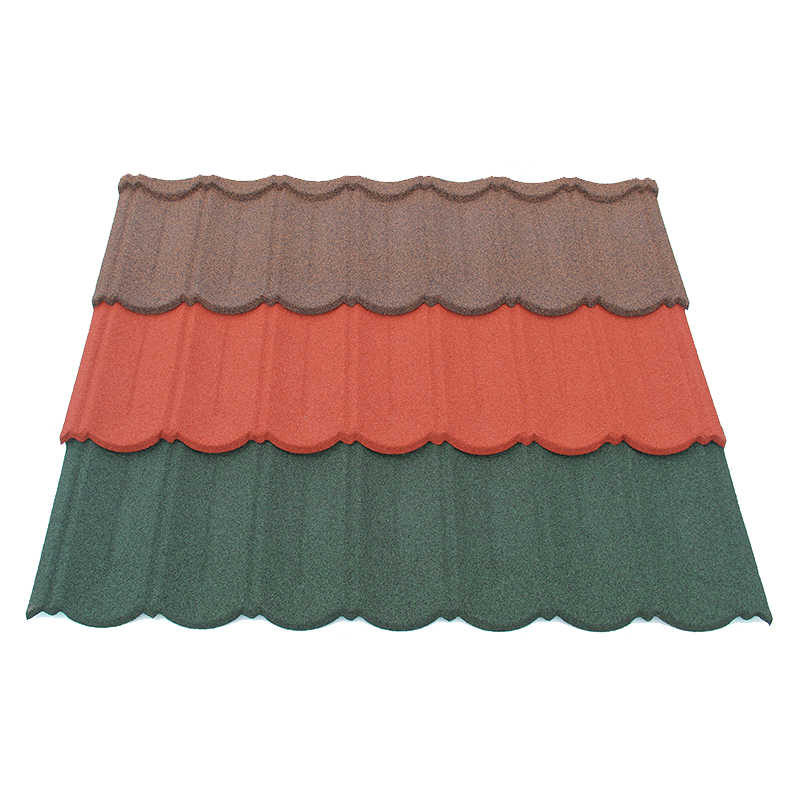
Beyond thermal management, the raised batten grid completely transforms the mechanical fastening process. Fastening directly into a flat deck often forces installers to drive screws straight down through the face of the panel, creating potential long-term leak points as thermal expansion wears down rubber washers. Conversely, batten grids allow for advanced side-nailing or horizontal fastening techniques. This is particularly critical for specific interlocking designs; for instance, high-performance interlocking Shingle Tile systems require battens for installation precisely because this raised framework ensures that the nails used for installation are driven horizontally and are completely hidden from the elements. Because the fasteners are not exposed to direct rain or UV degradation, the building envelope achieves absolute, permanent waterproof security, even during hurricane-force horizontal wind events.
Understanding Batten-less (Direct-to-Deck) Roofing Systems
In direct contrast to the raised grid methodology, a batten-less installation fastens the exterior metal panels directly onto the solid plywood or oriented strand board (OSB) roof deck. Installers roll out a premium synthetic underlayment and then immediately begin securing the metal panels flush against the roof surface. This streamlined approach completely bypasses the secondary carpentry phase, eliminating the need for thousands of linear feet of wooden or steel purlins. While it sacrifices the thermodynamic benefits of the ASV airspace, direct-to-deck installations are highly favored in specific rapid-scaling residential retrofits and distinct high-velocity hurricane zones where minimizing the overall aerodynamic profile of the roof is the primary engineering objective.
Speed of Installation and Carpentry Labor Savings
The most immediate and obvious B2B advantage of a batten-less system is the massive reduction in preliminary framing labor. Building a perfectly aligned batten grid requires precise chalk lines, meticulous measuring, and extensive carpentry labor. By skipping this entire phase, general contractors can accelerate the roofing schedule by several days on large commercial projects. This rapid installation velocity is highly attractive for massive residential subdivisions where developers must close the building envelope instantly to protect interior finishing work from impending weather. The elimination of batten materials also reduces inbound logistics, meaning fewer delivery trucks congest the active construction site and less capital is tied up in raw timber or steel framing.
Aesthetic Integration and Structural Dead Load
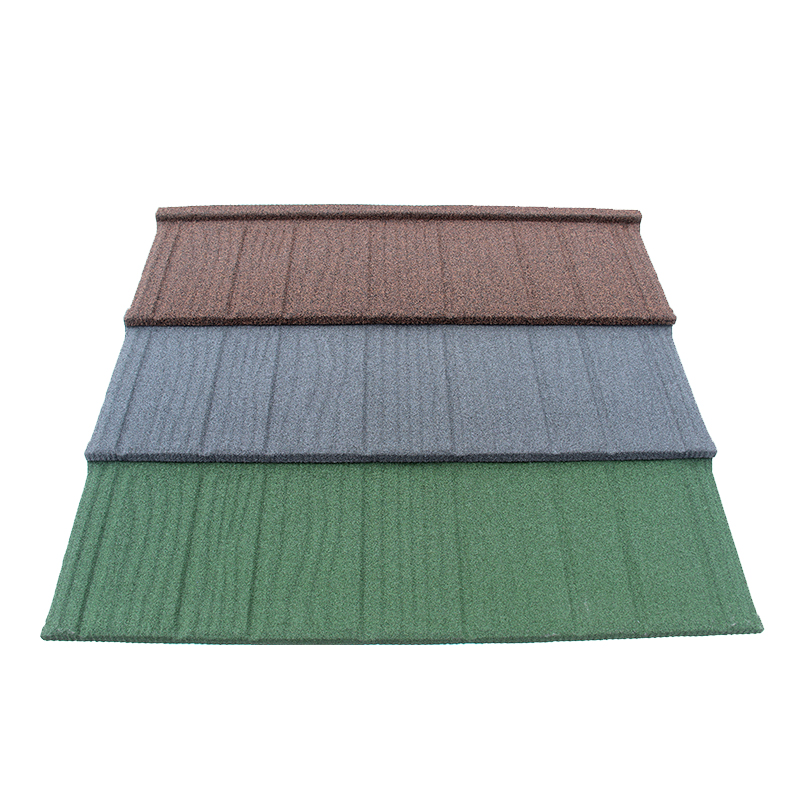
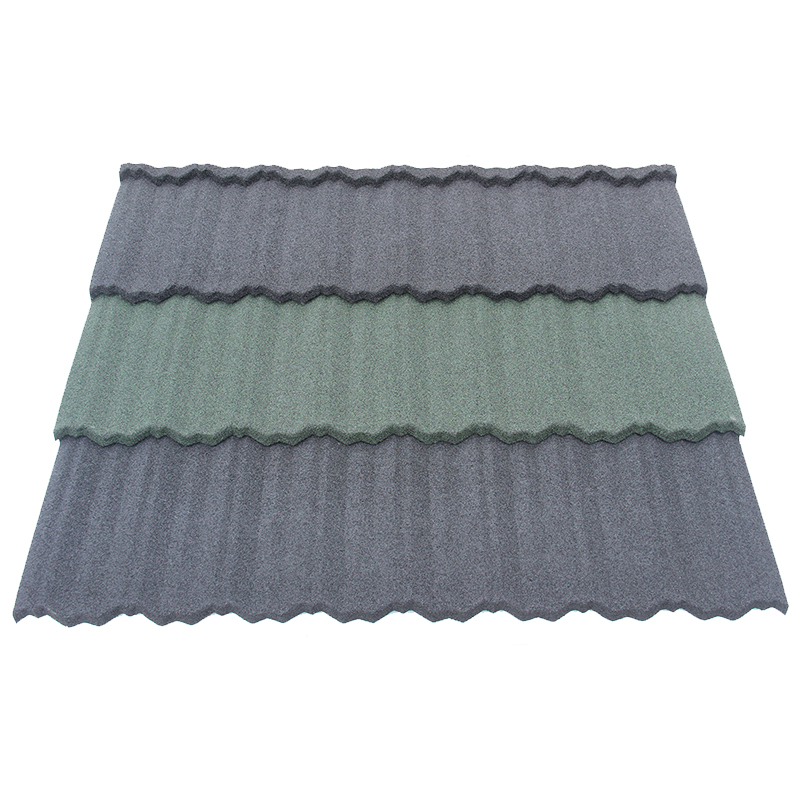
Fastening Stone Coated Steel Roof Panels directly to the deck can also simplify complex architectural geometries, such as steep mansard roofs or elaborate dormer windows, where building a raised grid becomes mathematically tedious. Furthermore, it keeps the roof profile incredibly low and tight to the fascia boards. For developers seeking a highly rustic, natural aesthetic, specifying a rugged Shake Tile and applying it direct-to-deck visually replicates the tight, overlapping look of authentic hand-split timber. Because the metal panels themselves weigh a mere fraction of actual wood or concrete, the total structural dead load on the building is minimized, preserving the integrity of the underlying trusses without requiring the additional weight of a wooden batten grid.
Comparative Analysis: Climate, Condensation, and Structural Load
For procurement officers and structural engineers, choosing between a batten grid and a direct-to-deck installation is not merely a matter of upfront cost; it requires a rigorous analysis of the local geographical climate data. The chosen installation framework heavily dictates how the commercial building will manage internal condensation, rapid thermal shock, and external kinetic forces such as heavy winter snow accumulation. Failing to align the installation method with the specific environmental threats of the region will inevitably lead to premature material failure, voided warranties, and massive long-term liability for the property management firm.
Managing Internal Moisture and Condensation
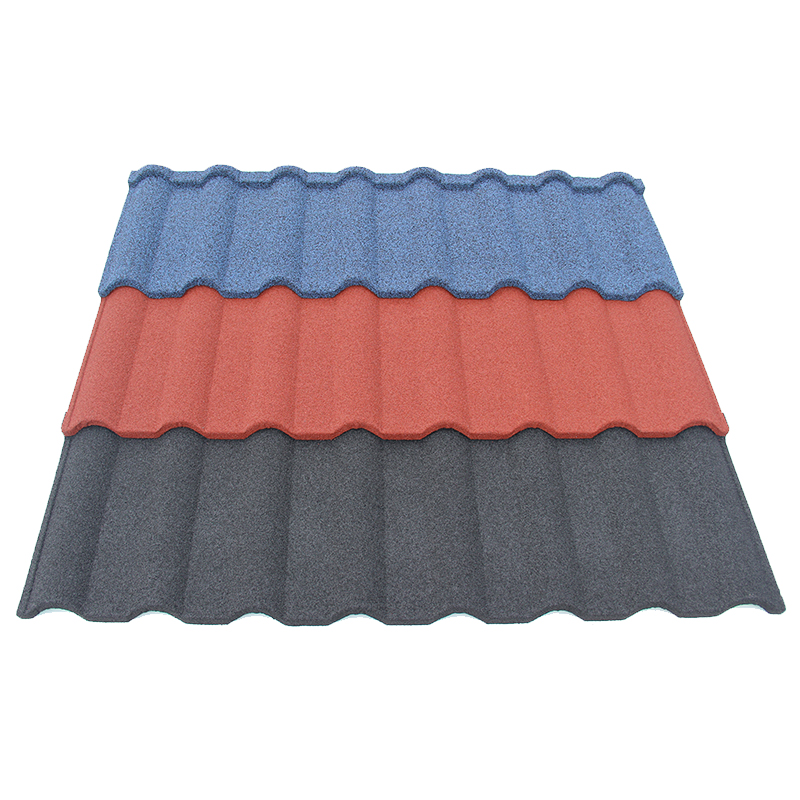
In regions with extreme temperature swings, managing internal moisture is just as critical as repelling external rain. Commercial buildings generate massive amounts of internal humidity. During freezing winters, this warm, moist air rises and hits the cold roof deck. If the Stone Coated Steel Roof Panels are installed direct-to-deck without proper attic ventilation, this moisture becomes trapped, leading to severe condensation, wood rot, and dangerous black mold within the plywood sheathing. The batten system is vastly superior in this regard. The continuous airflow beneath the panels actively dries out any minor condensation. Even highly specialized profiles engineered for rapid water evacuation, like the deeply channeled Roman Tile, rely on the underlying airspace of a batten grid to ensure that the solid decking below remains perfectly dry and free from fungal degradation.
Load-Bearing Capabilities for Heavy Snow
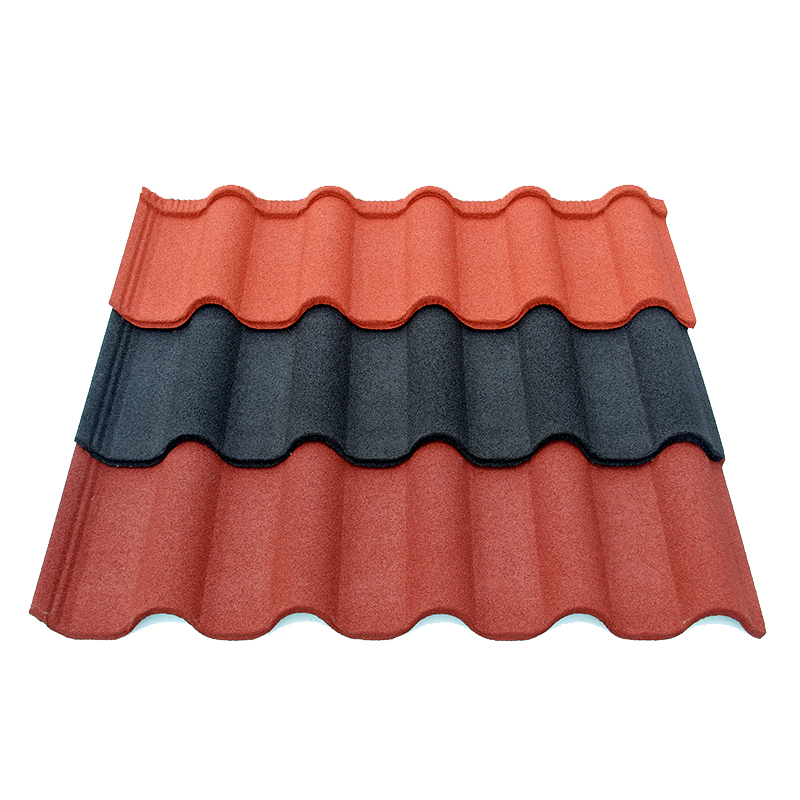
Alpine regions and northern commercial developments face the brutal reality of massive, accumulating snow loads. Heavy snow acts as a tremendous dead weight that can crush improperly supported roofing materials. A batten installation distributes this massive physical weight highly efficiently. The horizontal battens transfer the kinetic load directly into the heavy vertical roof trusses, rather than allowing the thin plywood sheathing to bear the brunt of the weight. This structural synergy is why advanced manufacturers engineer their panels specifically for grid systems. For example, the premium heavy duty Bond Tile is engineered not just with standard corrugation, but features a specific difference in modeling with a single line groove in the middle of the arc. This specific geometric rib locks flawlessly over standard wooden battens, providing unprecedented rigidity and preventing the panel from buckling under tons of compacted winter snow.
| Engineering Metric | Batten Grid Installation | Batten-less (Direct-to-Deck) |
|---|---|---|
| Thermal Efficiency (HVAC) | Exceptionally High (ASV Airspace) | Moderate (Relies heavily on attic insulation) |
| Installation Speed | Slower (Requires extensive framing carpentry) | Very Fast (Immediate panel placement) |
| Moisture & Condensation Control | Superior (Active cross-ventilation) | Vulnerable (Requires highly breathable underlayment) |
| Concealed Fastening Support | Ideal for horizontal side-nailing | Limited (Often requires face-fastening) |
| Material Procurement Cost | Higher (Cost of purlins and extra fasteners) | Lower (Eliminates framing lumber logistics) |
B2B Procurement and Contractor Selection Guidelines
Making the final procurement decision requires synthesizing financial budgets, regional climate threats, and the specific architectural profile being purchased. B2B sourcing managers cannot allow rogue installation crews to dictate the framing methodology on the job site. The installation strategy must be officially documented in the architectural blueprints and aligned perfectly with the manufacturer’s technical specifications. Utilizing the wrong installation method for a specific panel geometry will instantly void the 50-year structural warranty, exposing the commercial real estate firm to massive, unmitigated financial risk down the road.
Validating Manufacturer Warranties and Technical Specs
Before issuing any bulk purchase orders, procurement teams must request and review the official installation manuals from the overseas factory. Many elite Stone Coated Steel Roof Panels are explicitly engineered for batten systems and will fail structurally if forced into a direct-to-deck application. High-end, reliable factory-direct exporters like JCROOF provide explicit, highly detailed technical documentation to B2B buyers, clearly outlining the required batten spacing, gauge requirements, and fastening techniques to ensure their massive 50-year warranties remain completely valid. Working with a dedicated industrial manufacturer guarantees that the engineering team has access to correct load-bearing mathematics and wind-uplift data, ensuring absolute compliance with local municipal building codes.
Standardizing the Supply Chain for Quality Control
Regardless of whether the developer chooses a batten or batten-less system, the quality of the raw materials cannot be compromised. Fastening a cheap imitation panel to a premium batten grid still results in a failed roof. Procurement officers must ensure that all Stone Coated Steel Roof Panels utilize an AZ150 Aluzinc steel core, 100% pure acrylic resin glue, and high-temperature sintered colored sand. Furthermore, the supply chain must be standardized; buyers should source the exact color-matched screws, specialized batten nails, and interlocking accessories directly from the primary factory. This unified sourcing strategy prevents installation delays caused by mismatched local hardware and guarantees that every single component of the commercial building envelope performs flawlessly together over the next half-century.