
Commercial real estate faces massive pressure to increase energy efficiency globally. Consequently, developers rapidly integrate photovoltaic solar arrays into massive corporate projects. However, mounting heavy solar panels requires an incredibly durable underlying structure. Substandard roofs collapse or leak under this massive industrial weight. Therefore, procurement teams must specify Stone Coated Metal Roofing Systems constantly. This advanced cladding provides the perfect structural foundation for heavy solar infrastructure. Furthermore, it guarantees a watertight commercial building envelope indefinitely. As a result, B2B buyers maximize their total return on investment confidently. This technical guide explains the exact engineering protocols for commercial solar integration. Indeed, understanding these mechanics prevents catastrophic financial liabilities completely. Thus, developers achieve sustainable energy goals without sacrificing structural safety. Ultimately, mastering solar integration defines modern, highly profitable real estate development.
The Structural Synergy of Metal Roofs and Solar Arrays
Installing heavy solar infrastructure requires rigorous mathematical load calculations. Therefore, the base roofing material must possess immense mechanical strength. Flimsy asphalt shingles simply cannot handle the kinetic stress of solar mounting hardware. Consequently, Stone Coated Metal Roofing Systems offer unprecedented structural advantages for these upgrades. Thus, architects leverage this heavy-duty metallurgy to support massive photovoltaic arrays effortlessly. Ultimately, this synergy guarantees a permanent, indestructible commercial facility.
Load-Bearing Capabilities and Dead Weight Management
Solar panels add significant permanent dead weight to any commercial facility. Furthermore, extreme winter weather adds heavy, compacted snow on top constantly. Therefore, the underlying roof must distribute this massive kinetic force perfectly. An engineered Bond Tile excels incredibly in this high-stress structural environment. Specifically, its unique single-line groove creates massive physical rigidity across the deck. As a result, the panels support heavy solar racks without bending or buckling. Consequently, the commercial attic trusses remain completely safe from crushing loads. Thus, developers avoid paying for expensive secondary structural timber reinforcements. Indeed, specifying heavy-duty metal saves massive capital during the framing phase. Therefore, the total construction budget remains incredibly lean and highly profitable.
Lifespan Alignment Between Solar and Roofing Cladding
Premium solar panels operate efficiently for twenty-five to thirty years continuously. Therefore, the underlying roof must match or exceed this long lifecycle perfectly. Replacing a failed roof beneath an active solar array is incredibly expensive. Consequently, facility managers must remove and reinstall the entire solar system completely. This double-labor penalty destroys corporate energy savings instantly and permanently. However, Stone Coated Metal Roofing Systems deliver a verified fifty-year operational lifespan reliably. As a result, the roof easily outlasts the solar panels installed above. Indeed, this perfect lifecycle alignment guarantees massive financial profitability globally. Thus, property owners eliminate disastrous deferred maintenance liabilities from their balance sheets. Ultimately, durability dictates the true financial success of any solar integration.
Mounting Mechanisms: Penetrating vs. Non-Penetrating Brackets
Securing solar racks requires highly specialized mechanical fastening techniques continuously. Consequently, installers must avoid driving screws blindly into the exterior cladding. Improper penetrations cause immediate, catastrophic water leaks during heavy rainstorms. Therefore, specific mounting brackets integrate with Stone Coated Metal Roofing Systems flawlessly. Thus, engineers ensure absolute aerodynamic stability without compromising the watertight building envelope. Indeed, proper bracket selection prevents massive structural failures entirely.
Utilizing the Raised Structural Batten Grid
Commercial metal panels rely heavily on a raised structural batten framework. Consequently, this wooden grid provides the perfect anchor point for solar mounts. Installers attach specialized solar hooks directly to these heavy wooden purlins. Therefore, the massive wind uplift forces transfer directly into the building’s deep trusses. Furthermore, the fasteners never penetrate the flat face of the steel panels. As a result, the critical water-shedding surface remains perfectly intact and secure. Thus, the roof deflects hurricane winds while supporting massive solar arrays safely. Indeed, leveraging the batten grid is a brilliant structural engineering strategy. Consequently, B2B procurement managers must mandate this specific installation method strictly. Therefore, the building envelope achieves absolute, permanent watertight security globally.
Specialized Solar Hooks for Corrugated Geometries
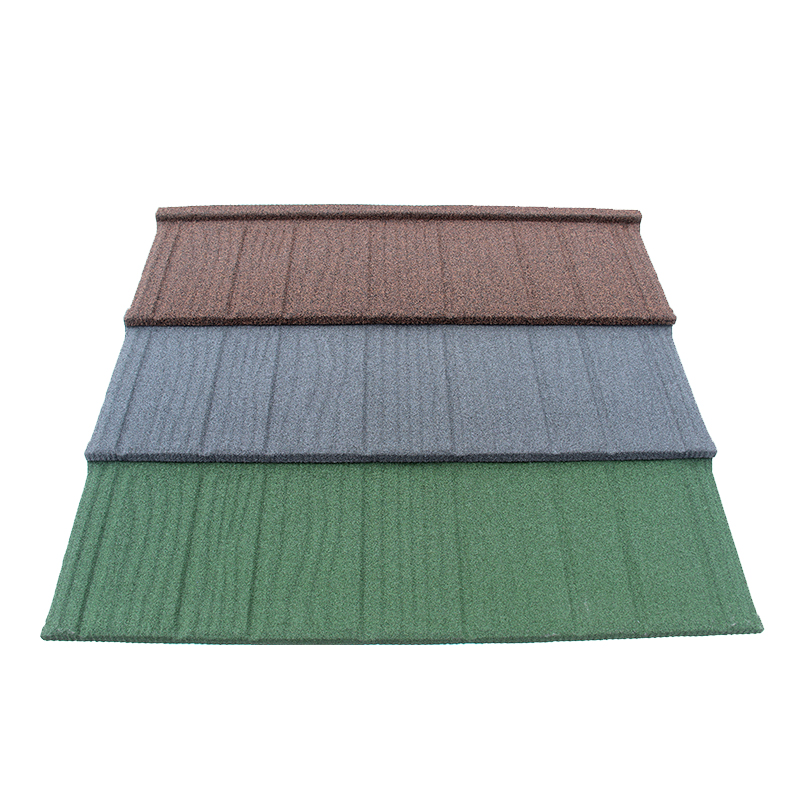
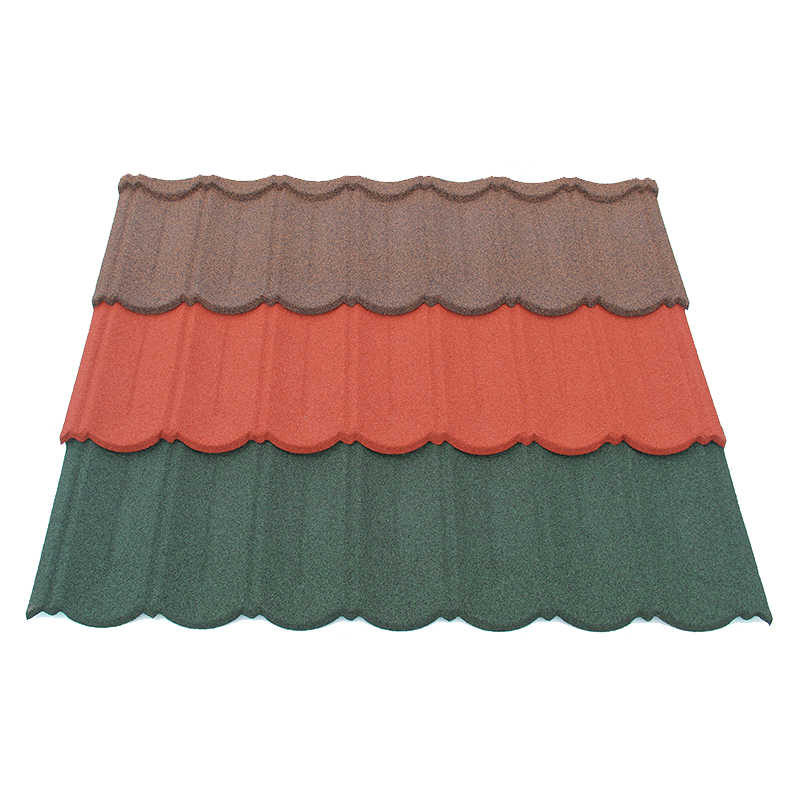
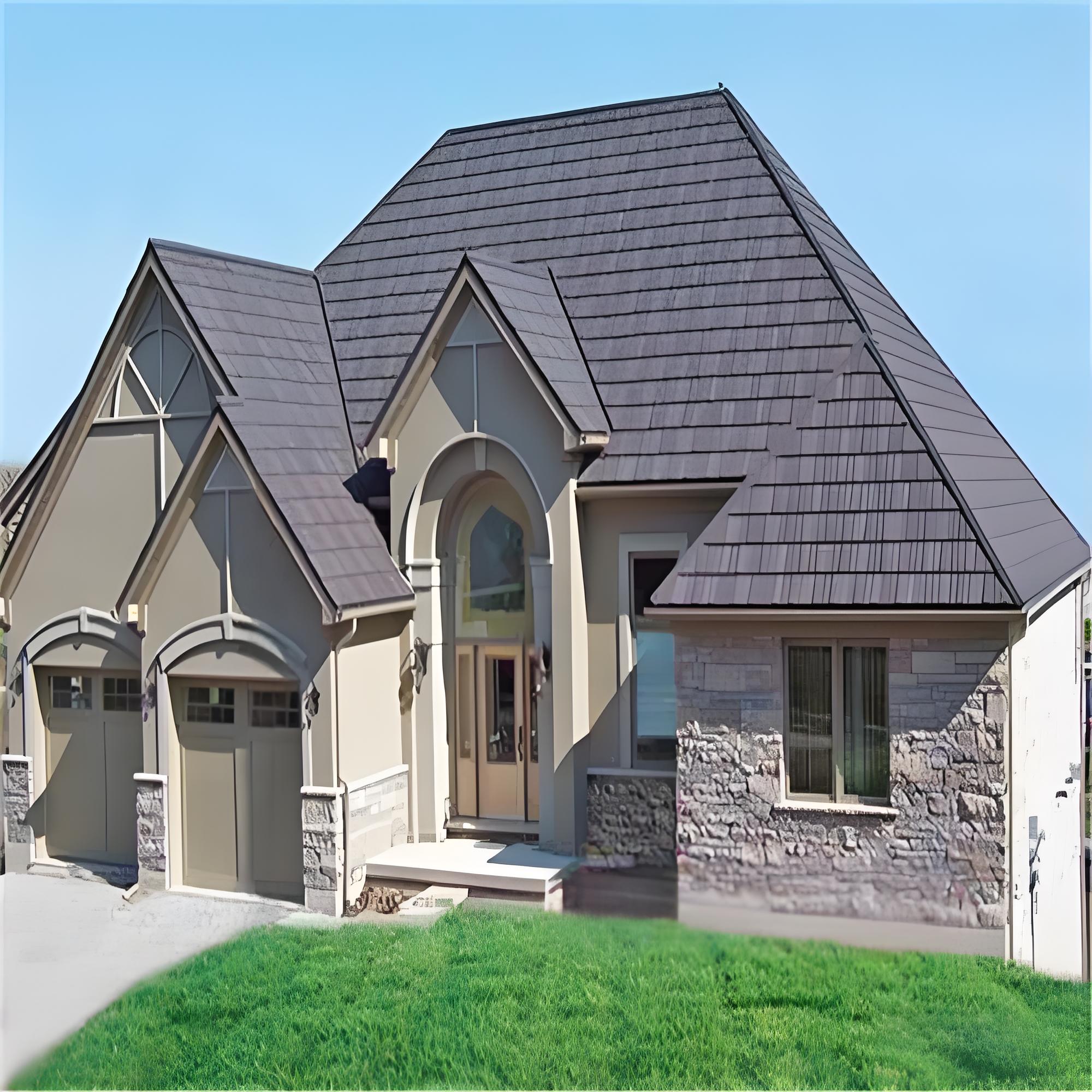
Standard flush-mount solar brackets fail completely on deeply stamped metal roofs. Therefore, solar contractors must utilize custom-designed, profile-specific mounting hooks exclusively. These specialized hooks curve gracefully underneath the overlapping steel panel noses safely. Consequently, they emerge seamlessly without requiring any destructive surface drilling whatsoever. A rustic Shake Tile requires these specific hooks to maintain its rugged aesthetic. Thus, the heavy wood-grain texture remains completely unblemished and physically intact. Furthermore, these specific hooks preserve the massive 50-year B2B commercial manufacturer warranty entirely. As a result, property managers avoid frustrating legal disputes over damaged materials. Indeed, specifying the correct hook geometry is a mandatory procurement task. Therefore, structural harmony is achieved effortlessly and highly profitably.
Profile-Specific Solar Engineering Strategies
Different architectural roof shapes interact with solar hardware very differently globally. Therefore, engineers must adapt their mounting strategies to the specific cladding geometry. Flat modern profiles require vastly different hardware than deeply curved Mediterranean designs. Consequently, understanding these geometric nuances prevents dangerous installation errors onsite. Thus, precise architectural mapping guarantees a flawless, leak-proof solar integration phase. Ultimately, matching the hardware to the profile ensures absolute project success.
Navigating Deep Hydraulic Valleys Safely
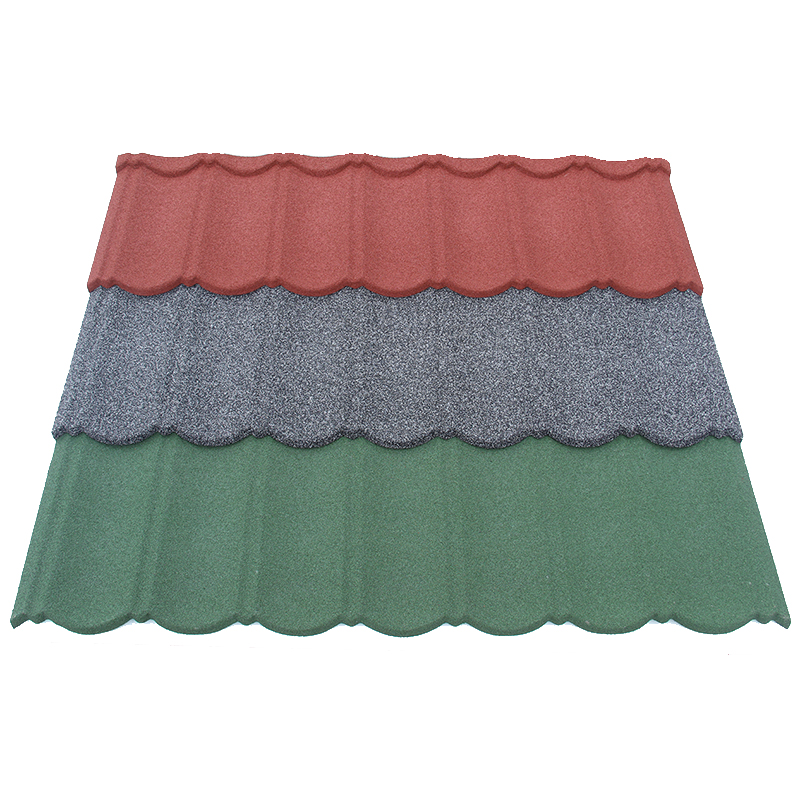
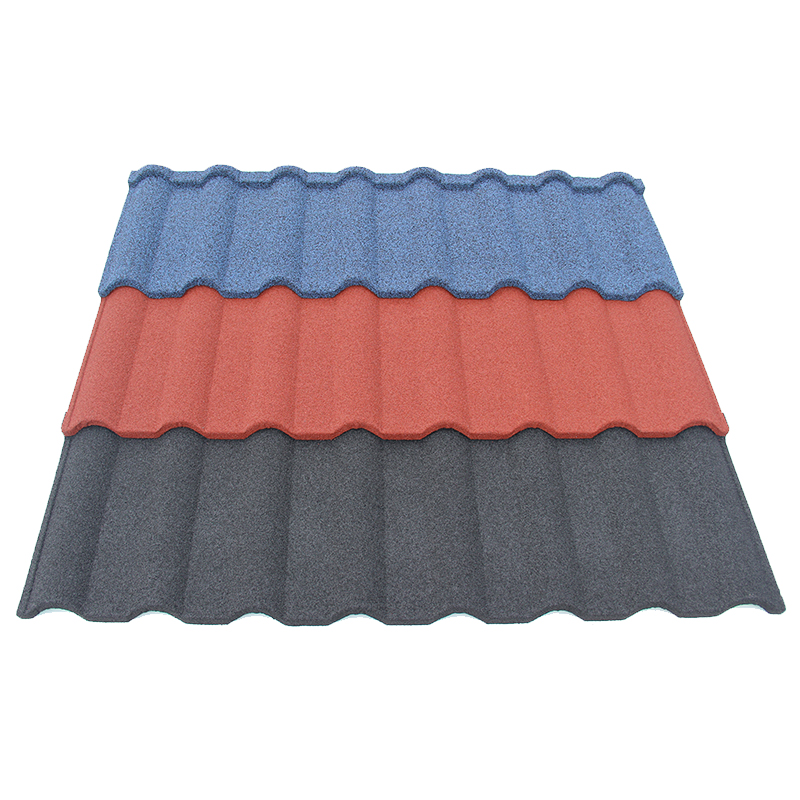
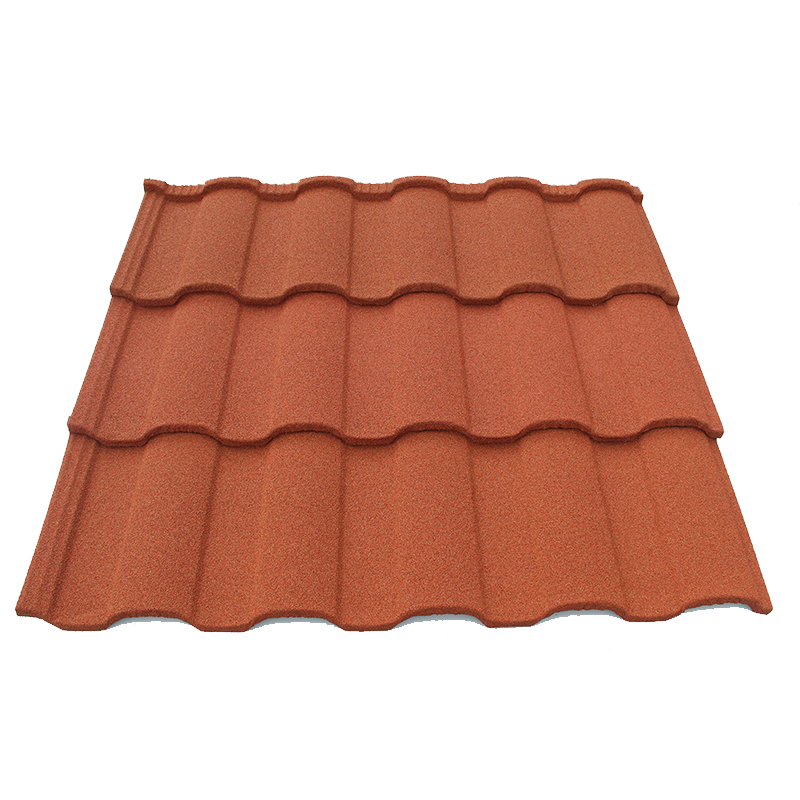
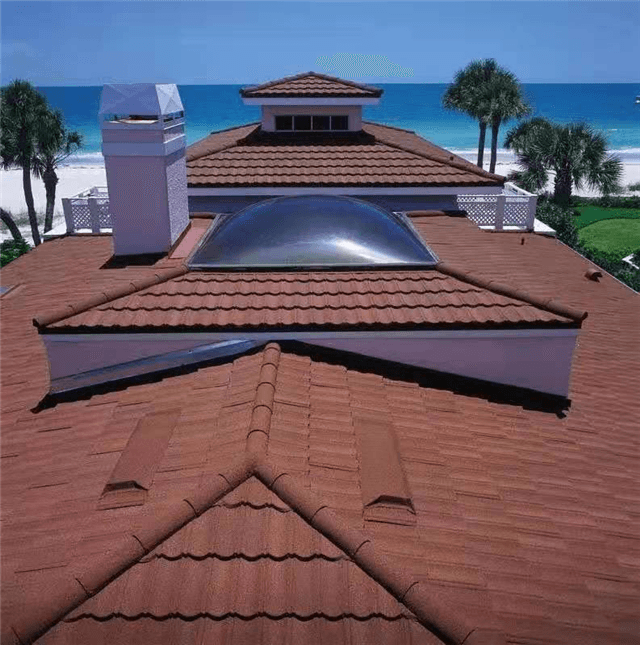
Deeply channeled profiles channel massive volumes of water rapidly downward constantly. Consequently, mounting solar hardware over these hydraulic zones requires extreme technical caution. The sweeping elevated curves of a Milano Tile demand specialized standoff brackets perfectly. Therefore, these tall brackets elevate the solar rails high above the water channels. As a result, massive volumes of tropical rainwater flow completely unobstructed underneath. Furthermore, trapped organic debris flushes away naturally without causing destructive water backups. Thus, the building manages extreme monsoon weather while generating maximum solar energy. Indeed, preserving the hydraulic flow is absolutely critical for long-term survival. Consequently, contractors must never block these vital structural water paths. Therefore, careful bracket placement prevents catastrophic interior moisture damage completely.
Flat Architectural Profiles and Flush Mounting
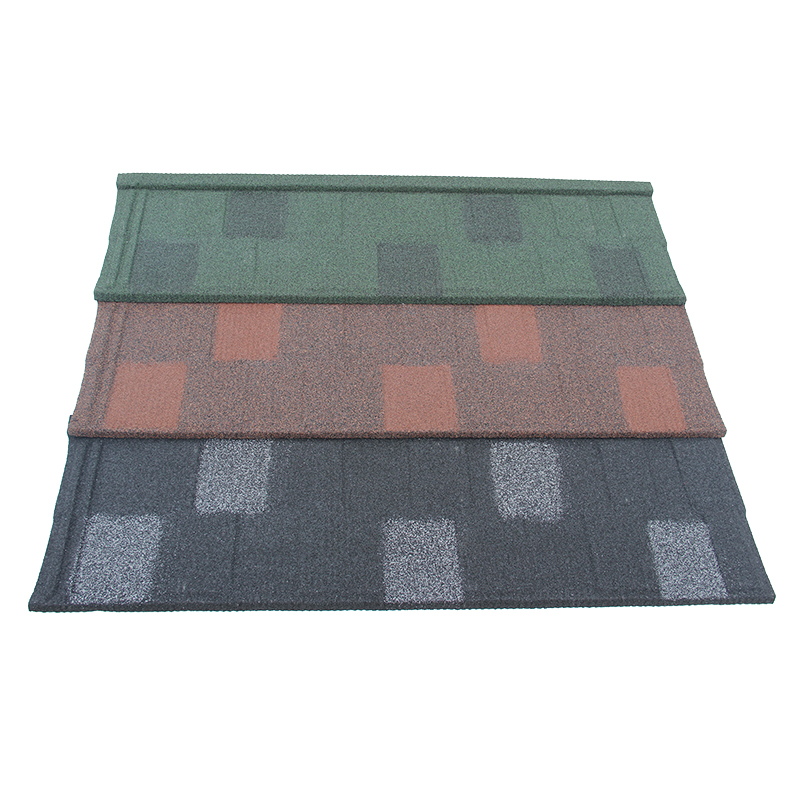
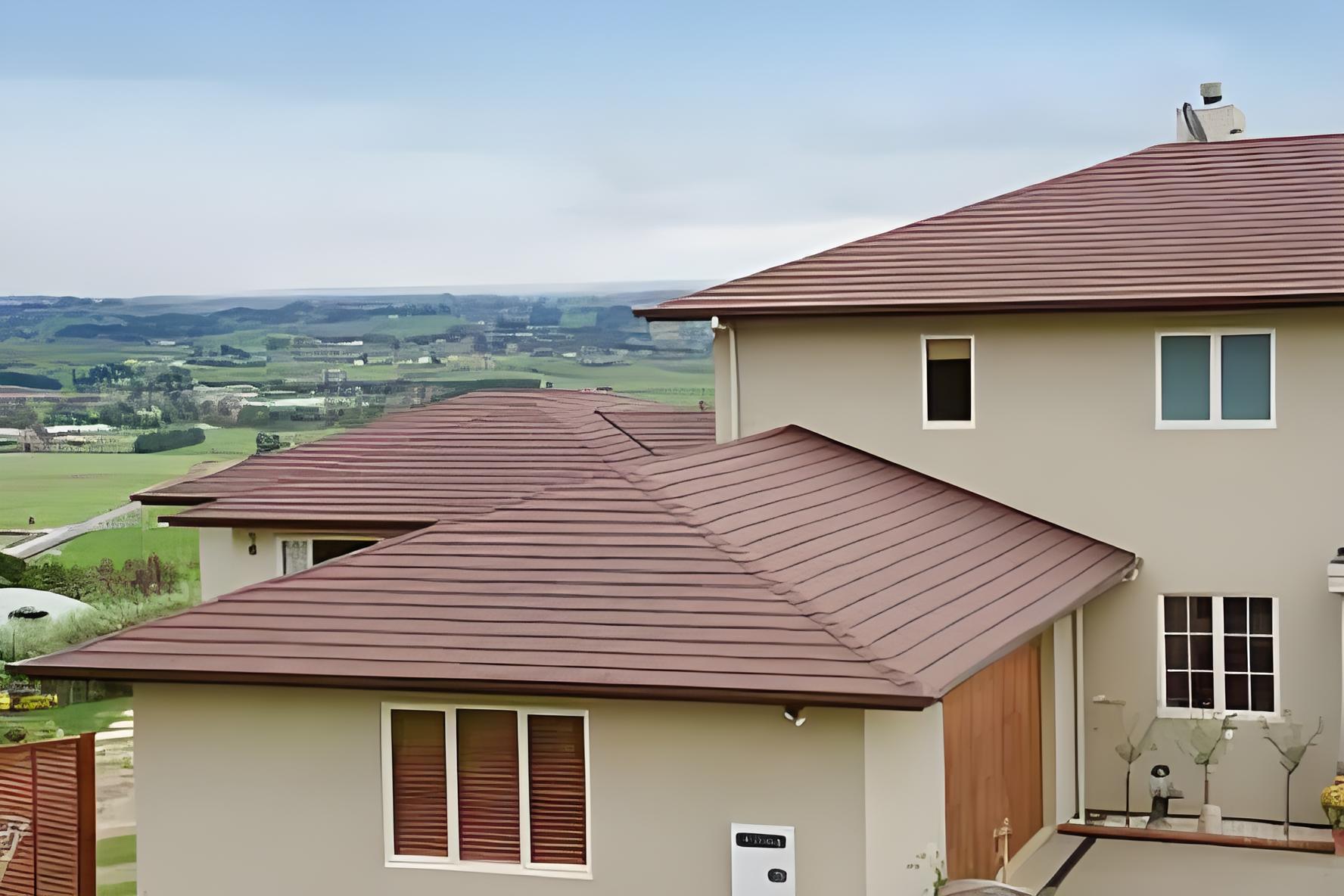
Modern corporate facilities frequently utilize sleek, low-profile roofing designs globally. Consequently, these flatter roofs allow for incredibly tight, flush-mounted solar arrays. A premium Shingle Tile provides the ideal foundation for this flush aesthetic. Therefore, solar rails sit incredibly low, reducing dangerous aerodynamic wind drag significantly. As a result, the entire solar system becomes incredibly stable during violent storms. Furthermore, the concealed fastening system integrates perfectly with low-profile solar hooks securely. Thus, developers achieve a stunning, high-tech architectural appearance effortlessly. Indeed, maintaining a low profile improves both aesthetics and physical wind resistance. Consequently, this pairing dominates modern commercial real estate developments worldwide. Therefore, architects specify this exact combination for maximum corporate curb appeal.
Avoiding Catastrophic Solar Installation Failures
Reckless solar contractors destroy premium commercial roofs incredibly quickly globally. Consequently, B2B procurement managers must mandate strict installation protocols in all contracts. Careless foot traffic and cheap sealant cause irreversible damage to the cladding. Therefore, enforcing technical discipline onsite prevents massive financial liabilities completely. Thus, developers protect their real estate assets from disastrous third-party workmanship. Ultimately, aggressive site auditing secures the massive structural capital investment.
Preventing Thermal Degradation and Coating Damage
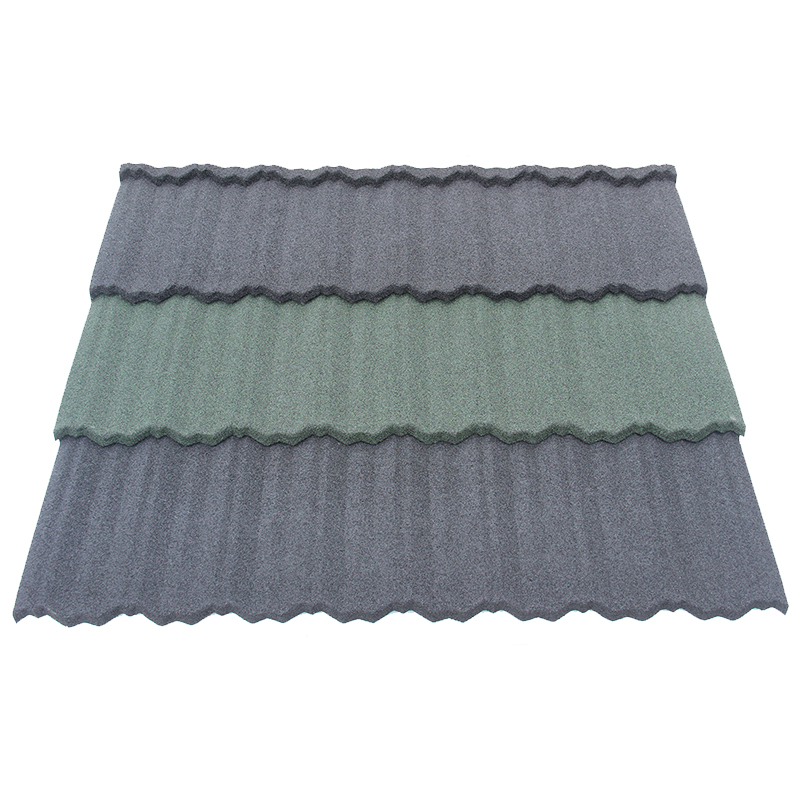
Careless solar installers frequently drag heavy metal rails across the finished roof. Consequently, this abrasive action grinds off the protective sintered stone granules instantly. Therefore, the exposed aluminum-zinc core becomes highly vulnerable to aggressive atmospheric oxidation. Furthermore, workers must step exclusively on the reinforced panel noses constantly. Specifically, stepping directly on a high corrugation crushes the underlying steel instantly. As a result, the interlocking seams separate, inviting massive water leaks inside immediately. Thus, strict site management preserves the pristine Stone Coated Metal Roofing Systems flawlessly. Indeed, preventing abrasive damage guarantees the fifty-year operational lifespan perfectly. Consequently, general contractors must train all solar personnel before roof access. Therefore, proactive hygiene prevents massive, ugly cosmetic failures globally.
Maintaining Airflow and Cooling Efficiency
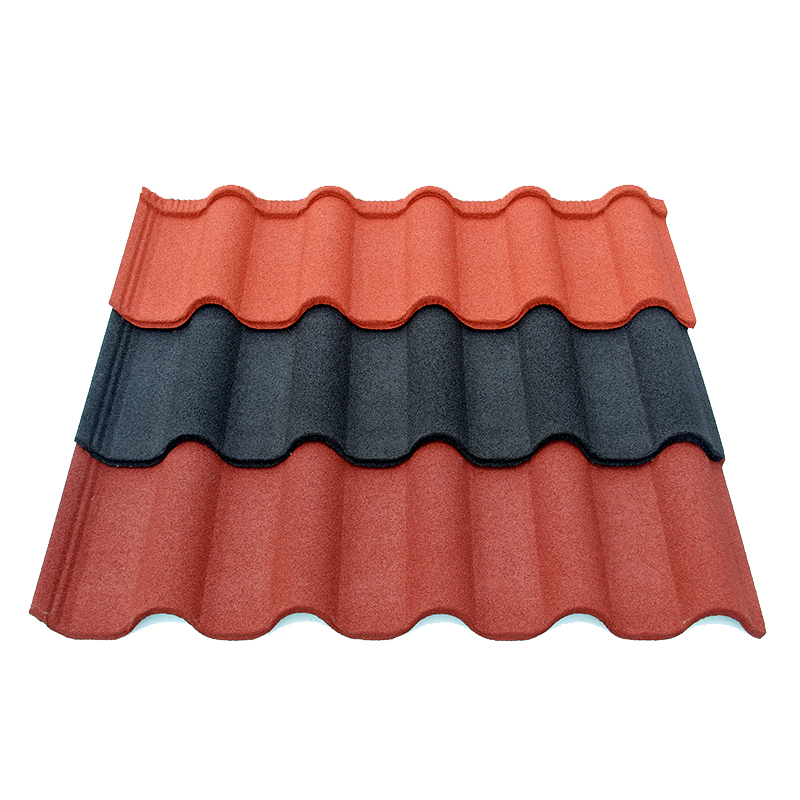
Solar panels generate massive amounts of intense radiant heat during operation. Consequently, this thermal energy transfers downward into the commercial building rapidly. Therefore, installers must maintain an adequate airspace between the panels and the roof. This critical ventilation gap allows hot air to escape safely and efficiently. Furthermore, a deeply grooved Roman Tile maximizes this ambient cross-ventilation naturally. As a result, the solar panels operate at a cooler, more efficient temperature globally. Thus, corporate energy production increases while indoor HVAC cooling costs drop significantly. Indeed, proper thermal engineering benefits both the roof and the solar array. Consequently, ignoring airflow dynamics destroys system efficiency entirely and rapidly. Therefore, specifying high standoffs is a highly profitable engineering decision.
| Solar Integration Metric | Traditional Asphalt Shingles | Stone Coated Metal Roofing Systems |
|---|---|---|
| Lifecycle Alignment | Poor. Roof fails long before the solar panels. | Perfect. 50-year roof outlasts the 25-year solar array. |
| Mounting Fasteners | Requires destructive drilling directly through the roof. | Utilizes non-penetrating hooks secured to the batten grid. |
| Dead Load Capacity | Weak. Heavy panels cause severe structural sagging. | Exceptional. Aluzinc steel supports massive kinetic loads. |
| Thermal Ventilation | Minimal. Heat transfers directly into the commercial attic. | Maximum. Corrugated profiles provide active ambient cooling. |
| B2B Financial ROI | Negative. Double replacement labor destroys energy savings. | Highly Profitable. Permanent structure maximizes corporate gains. |
B2B Procurement and Supply Chain Standardization
Integrating solar technology successfully demands a highly unified global supply chain. Consequently, B2B buyers must source compatible materials from elite industrial manufacturers simultaneously. Buying mismatched mounting hardware from local vendors ruins the engineering tolerances completely. Therefore, proactive procurement secures the entire structural system flawlessly. Thus, massive corporate projects finish strictly on schedule and under budget perfectly. Indeed, supply chain mastery dictates ultimate construction success entirely. Consequently, intelligent sourcing eliminates massive onsite integration bottlenecks.
Sourcing Compatible Solar Hardware Safely
Procurement officers must guarantee that solar hooks match the roof perfectly. Consequently, they should request official technical compatibility charts from the roofing manufacturer. Therefore, B2B buyers avoid purchasing generic brackets that warp the metal panels. Furthermore, specifying the correct fastener metallurgy prevents dangerous galvanic corrosion onsite. As a result, stainless steel solar hardware interacts safely with the Aluzinc roof. Thus, the entire structural grid remains completely rust-free for fifty years. Indeed, preventing dissimilar metal corrosion is absolutely vital globally. Consequently, strict hardware specifications protect the massive real estate investment entirely. Therefore, buyers must reject cheap galvanized brackets instantly.
Partnering with Elite Industrial Suppliers
Securing premium materials requires partnering directly with massive, established industrial factories. Consequently, elite B2B suppliers provide precise engineering guidance for complex solar integrations. Specifically, JCROOF operates exclusively as a highly trusted, factory-direct wholesale exporter globally. Therefore, they deliver absolute batch consistency for massive commercial real estate developments. Furthermore, their strictly wholesale approach eliminates unreliable third-party retail middlemen completely. As a result, procurement teams secure the highest quality Stone Coated Metal Roofing Systems effortlessly. Thus, developers eliminate quality control risks and maximize their total corporate ROI. Indeed, aligning with an industry leader guarantees flawless execution. Therefore, smart B2B sourcing builds indestructible, sustainable corporate properties.