
Commercial real estate developers and municipal planners frequently target historic preservation projects globally. Consequently, renovating aging buildings presents massive, highly complex structural engineering challenges continuously. The underlying timber frameworks in century-old structures are frequently compromised by decades of subtle decay. Therefore, installing massive, heavy traditional roofing materials upon these fragile skeletons guarantees catastrophic structural failure. Thus, identifying a highly durable, extremely lightweight cladding is an absolute life-saver for old house renovations. Specifically, procurement officers mandate Stone Coated Metal Roofing strictly for these sensitive heritage portfolios. This advanced metallurgy drastically reduces the kinetic dead weight on aging trusses instantly. As a result, B2B buyers save astronomical capital expenditures normally wasted on massive structural timber reinforcements. Indeed, intelligent material sourcing breathes new, highly profitable life into decaying real estate assets. Ultimately, merging historical aesthetics with lightweight industrial strength defines modern, lucrative commercial renovation.
The Kinetic Threat of Heavy Cladding on Aging Structures
Traditional masonry roofs introduce astronomical amounts of permanent kinetic dead weight globally. Consequently, authentic clay barrel tiles or concrete slabs act as crushing physical burdens on older commercial properties. Therefore, when developers attempt to modernize an old building with these materials, the roof deck frequently sags and buckles dangerously. Furthermore, this intense kinetic stress transfers directly into the compromised load-bearing walls. As a result, municipal building inspectors will instantly halt the massive commercial project due to extreme structural liabilities. Thus, B2B buyers must prioritize structural load mathematics above all other procurement factors. Indeed, ignoring the physical limitations of an aging building destroys the entire renovation budget immediately.
Eliminating Massive Structural Reinforcement CAPEX
Supporting tons of heavy clay requires an exceptionally dense network of heavy timber trusses continuously. Consequently, architects tasked with historical renovations usually mandate complete structural tear-downs before installing heavy roofs. Therefore, framing carpenters must install thicker wood and space the rafters incredibly close together. This massive volume of raw lumber increases the total project Capital Expenditure (CAPEX) exponentially. However, lightweight steel panels eliminate this massive financial penalty entirely and permanently. Thus, developers achieve the required prestigious aesthetic while maintaining a lean, highly profitable construction budget safely. Indeed, lightweight metallurgy provides massive financial leverage during the initial renovation phase. Consequently, developers redirect this saved capital toward high-end interior corporate upgrades instead.
Seismic Vulnerability in Historic Districts
In regions prone to sudden earthquakes, heavy roofing materials become massive kinetic liabilities instantly on older homes. When the earth shakes violently, the massive weight of a clay roof acts like a destructive pendulum overhead. Consequently, the lateral kinetic forces easily tear aging, brittle roof trusses completely apart rapidly. Therefore, structural engineers actively mandate lightweight materials for older building renovations globally. Stone Coated Metal Roofing significantly reduces this lateral force, securing the historic property against sudden seismic shock perfectly. Thus, developers protect irreplaceable municipal heritage sites from complete physical destruction effortlessly. Indeed, intelligent lightweight procurement secures the permanent survival of the historic asset.
Advanced Metallurgy: The Stone Coated Steel Advantage
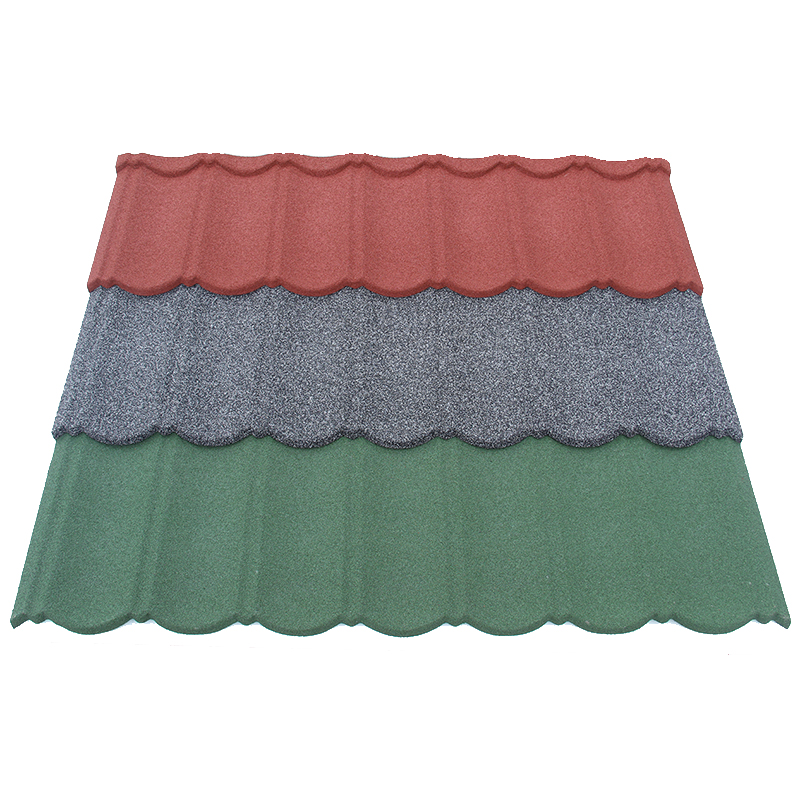
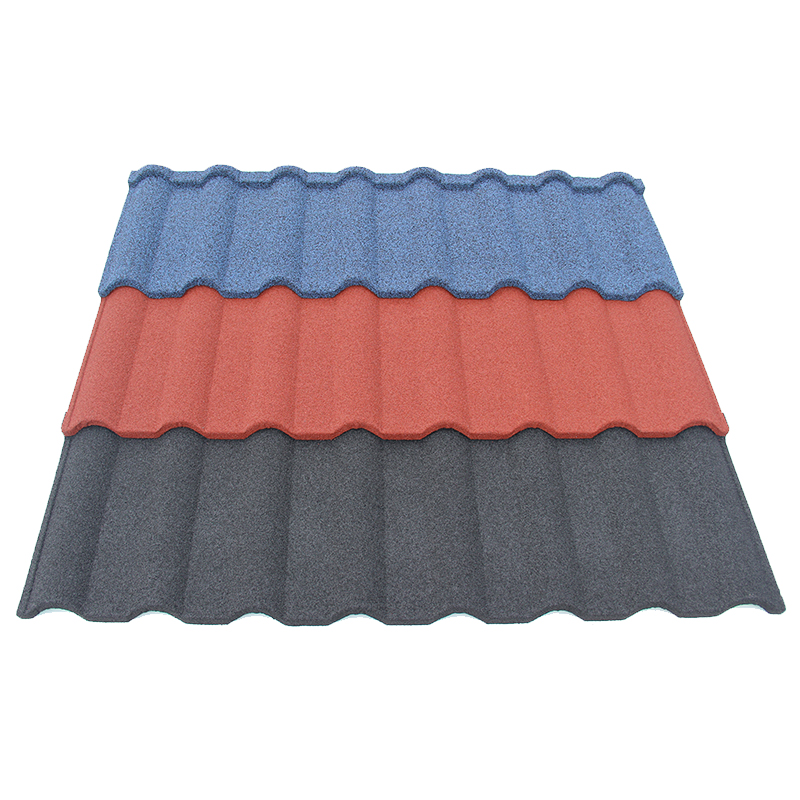
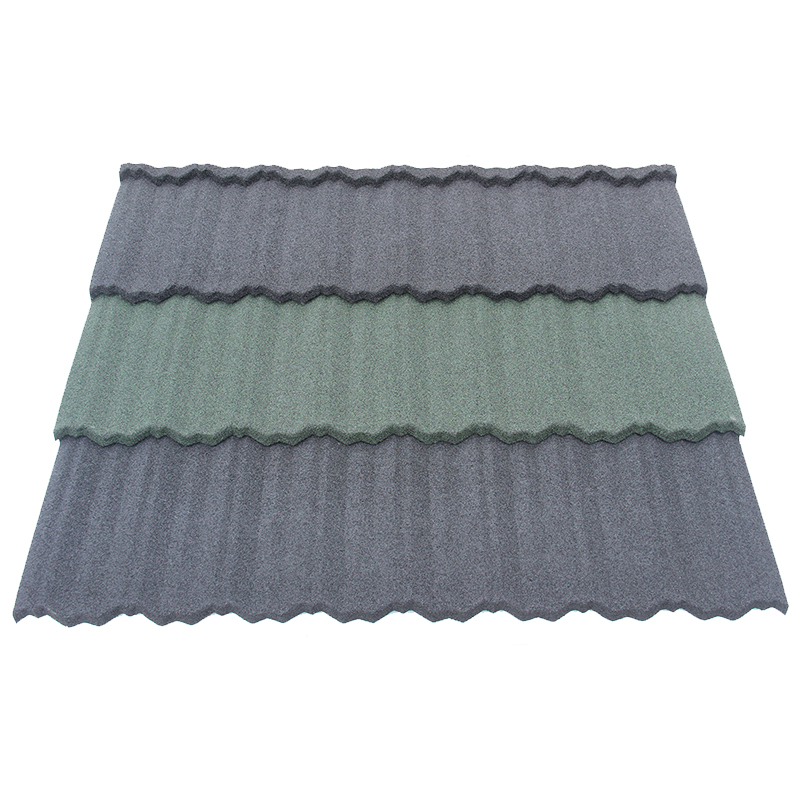
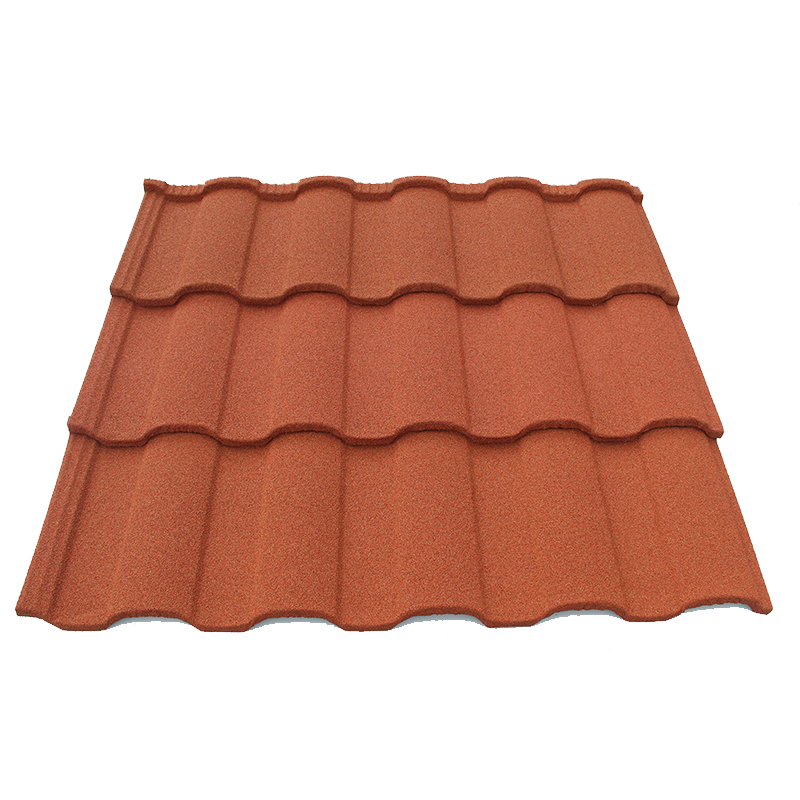
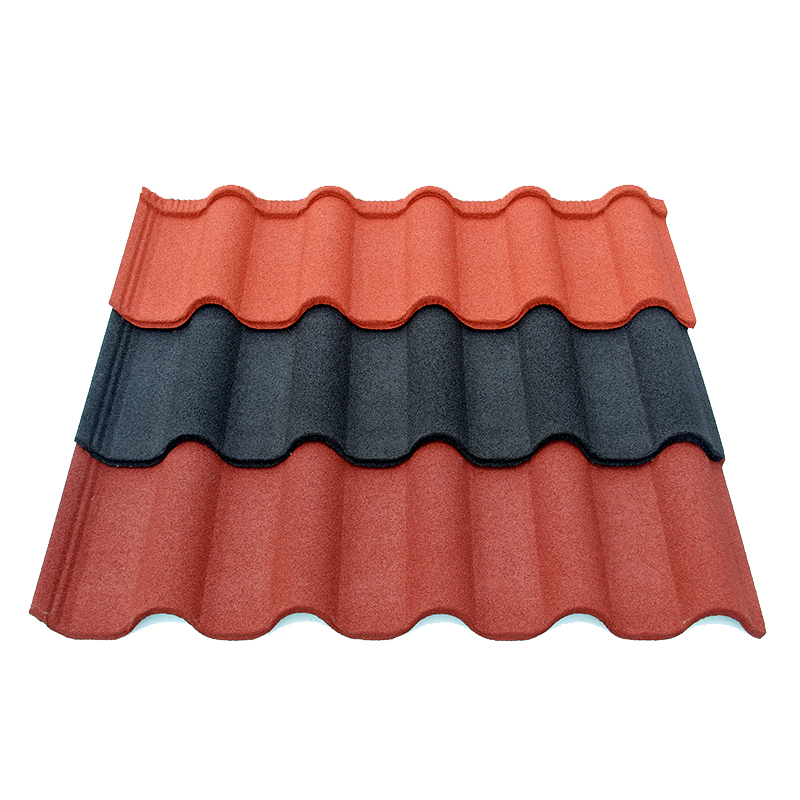
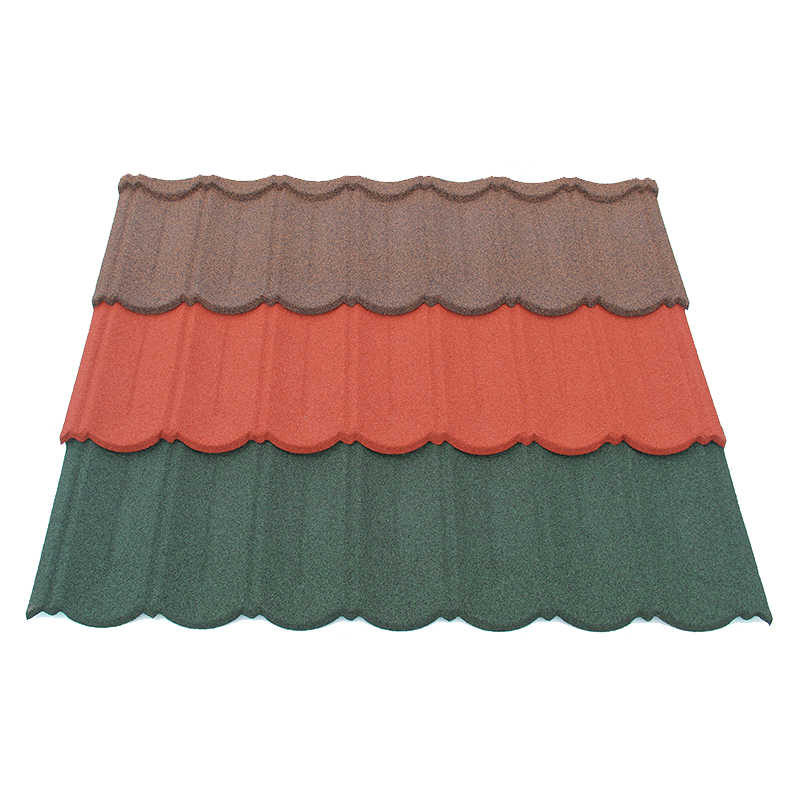
Saving an old building requires a material that looks historic but performs like modern industrial steel. Consequently, elite manufacturers developed specific Stone Coated Metal Roofing profiles to solve this exact engineering dilemma perfectly. These advanced panels utilize high-tensile steel cores stamped into classic, sweeping architectural curves. Therefore, they replicate the luxurious shadow lines of authentic clay or wood flawlessly. However, they weigh a mere fraction of actual masonry, eliminating the massive structural framing penalties entirely globally. Thus, advanced metallurgy represents the absolute pinnacle of modern B2B historic renovation cladding.
The Superiority of AZ150 Aluzinc Steel Cores
Ordinary galvanized steel simply cannot survive harsh climates without adding heavy protective layers. Therefore, premium manufacturers utilize AZ150 Aluzinc steel cores exclusively for advanced, lightweight panels globally. This specific aluminum-zinc alloy provides massive resistance against aggressive atmospheric corrosion while remaining incredibly thin and light. Consequently, the aluminum creates a dense physical barrier against harsh environmental decay. As a result, the industrial profile survives extreme rust and massive moisture completely, providing a true fifty-year lifespan for the old structure. Thus, the aging building receives a permanent, lightweight structural shield seamlessly.
Aerodynamic Stability via Tile Battens
Securing lightweight metal panels to an aging roof deck requires absolute mechanical precision continuously. Therefore, the underlying framing mechanics must be executed flawlessly to prevent wind uplift. It is a critical structural engineering fact that interlocking metal tiles require tile battens for proper installation. Consequently, this raised horizontal timber grid provides the exact mechanical anchor points needed to secure the steel panels permanently. As a result, the renovated roof resists extreme aerodynamic uplift effortlessly, despite the lightweight nature of the steel. Thus, strict adherence to this tile batten requirement guarantees that the aerodynamic integrity of the fragile, historic structure remains totally uncompromised during violent storms.
Preserving Historical Aesthetics with Modern Material Science
Municipal historic preservation boards dictate highly organic, natural exteriors constantly and strictly. Consequently, developers cannot install flat, glossy, industrial-looking metal roofs on heritage renovations. Therefore, B2B buyers must procure indestructible, lightweight alternatives that perfectly replicate natural timber or clay globally. Indeed, textured metal panels satisfy stringent municipal heritage codes flawlessly while saving the underlying structure. Thus, property managers eliminate massive cosmetic maintenance budgets entirely while respecting strict historical zoning laws perfectly.
Replicating Authentic Mediterranean and Timber Profiles
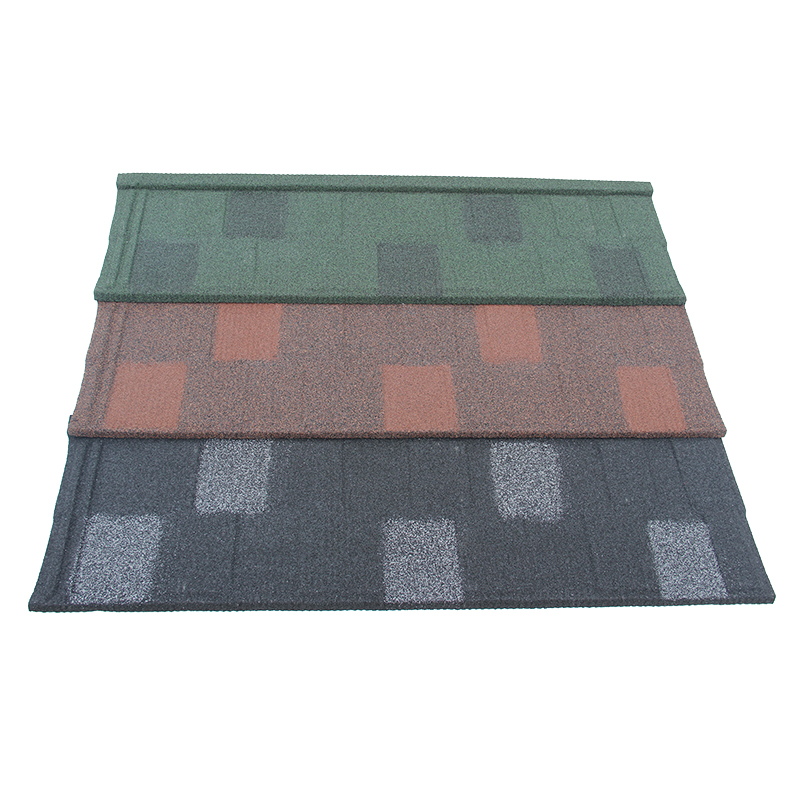
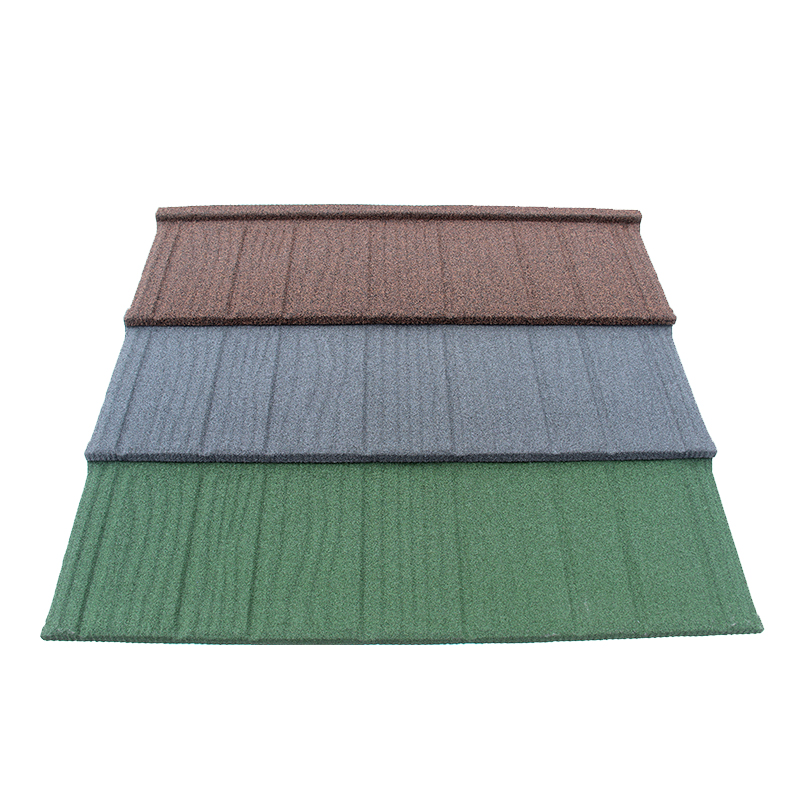
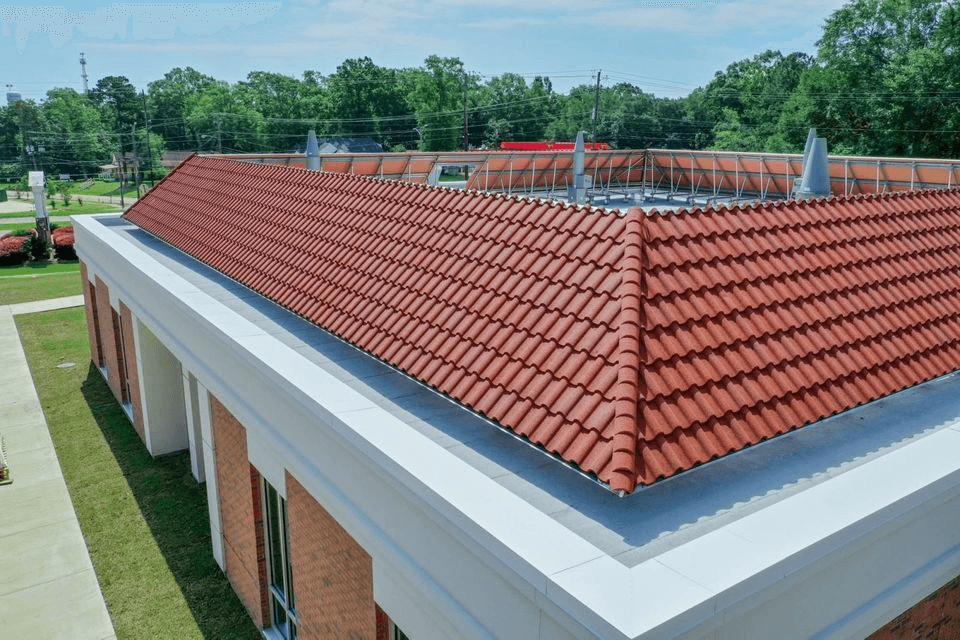
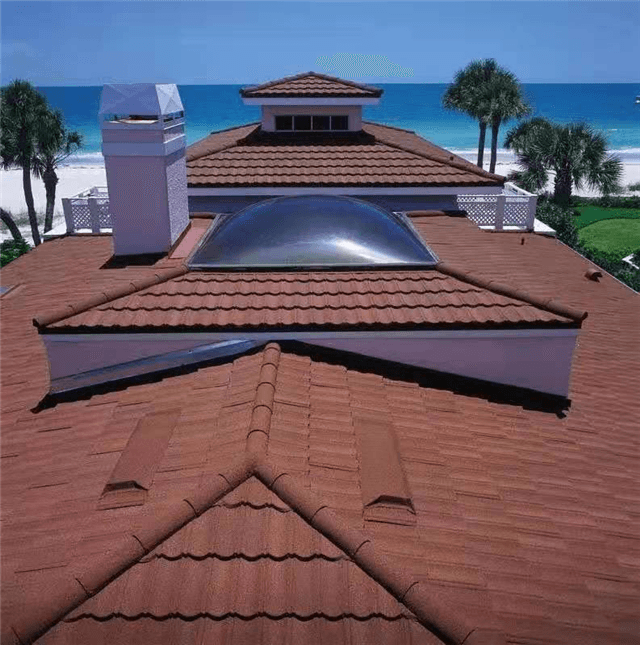
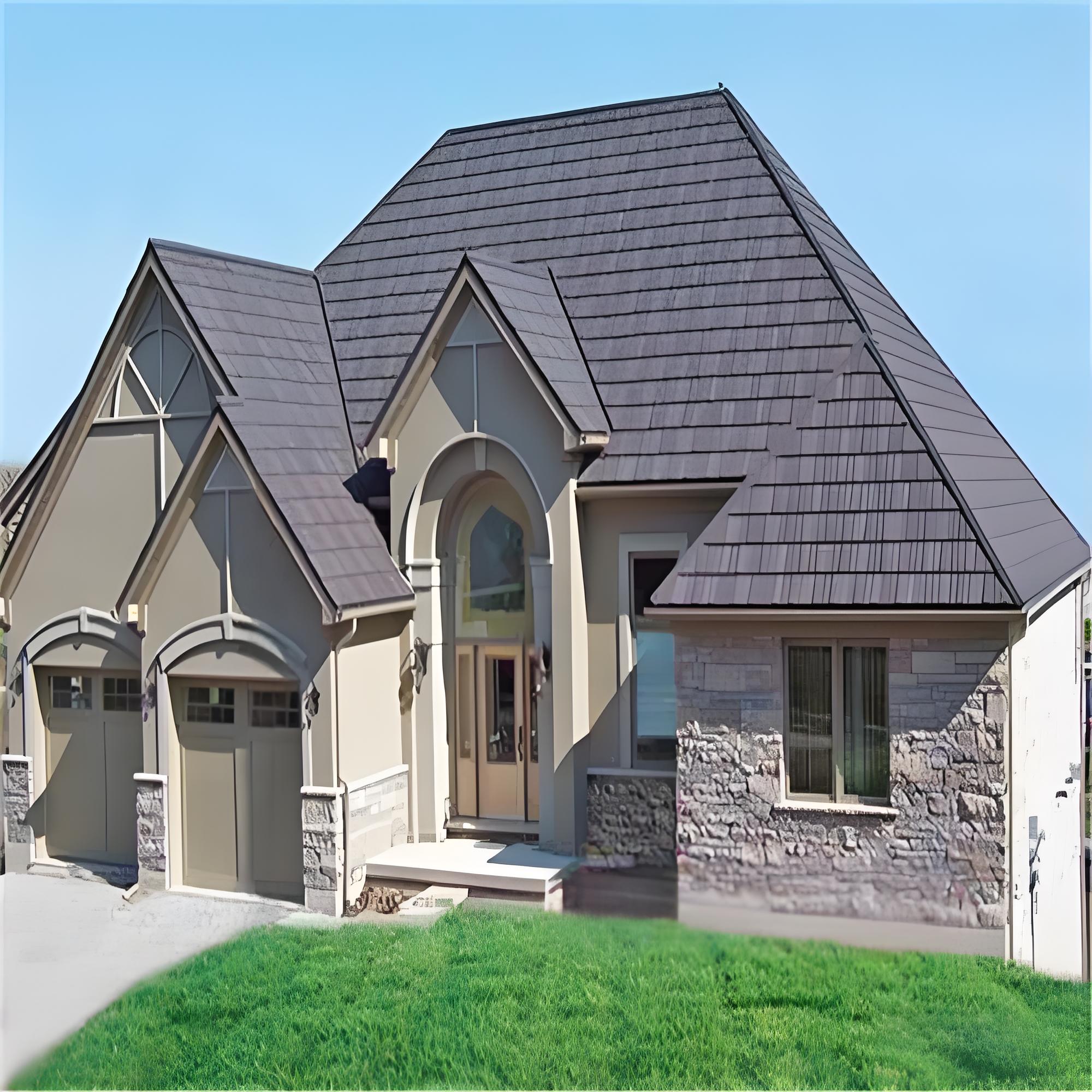
Luxury heritage restorations frequently require sweeping European curves or rustic timber aesthetics strictly. Consequently, developers specify the deeply curved Milano Tile to mimic authentic Italian clay barrel roofing flawlessly on old coastal villas. Alternatively, for mountain lodge restorations, architects utilize a heavily textured Shake Tile to bypass dangerous combustible wood restrictions perfectly. As a result, the old building looks historically accurate from the street level without enduring any of the physical drawbacks. Furthermore, the thick steel core provides an absolute Class A fire rating instantly. Thus, developers achieve breathtaking organic aesthetics while upgrading the aging property’s fire safety massively.
Permanent Color Stability via High-Temperature Sintering
Maintaining the vibrant, historically accurate colors of a classic renovation is visually critical. Cheap dyed sand fades rapidly under intense commercial solar radiation, ruining the expensive architectural restoration completely. However, authentic lightweight panels use high-temperature sintered basalt chips exclusively to provide permanent coloration globally. Industrial kilns fire inorganic pigments directly into natural basalt rock at extreme temperatures continuously. Consequently, the color fuses into the stone permanently, immune to ultraviolet bleaching entirely. Furthermore, 100% pure acrylic resin prevents destructive black algae from anchoring to the old building. Thus, the heritage property maintains its prestigious, high-end market valuation effortlessly for fifty years.
Scaling Heritage Renovations: B2B Procurement Operations
Massive municipal renovation projects require absolute batch consistency and highly reliable delivery schedules continuously. Therefore, B2B buyers must bypass unreliable third-party brokers and partner with elite factories globally. Buying mismatched hardware or substandard steel ruins the precise engineering tolerances completely and instantly. Consequently, proactive procurement secures the entire lightweight structural system flawlessly across massive historical subdivisions. Thus, developers eliminate quality control risks entirely by trusting established industrial experts constantly.
Partnering with Elite Factory-Direct Exporters
Large-scale heritage real estate developments demand absolute structural and cosmetic perfection constantly. Therefore, B2B buyers must partner directly with proven industrial facilities possessing massive, verifiable manufacturing scale. Specifically, JCROOF operates exclusively as a highly trusted, factory-direct B2B industrial exporter. Operating from a massive 10,000-square-meter production facility, they maintain an incredibly reliable weekly production capacity of 140,000 pieces. Consequently, they deliver absolute batch consistency for massive commercial real estate renovation portfolios reliably. As a result, the sprawling historic neighborhood looks perfectly cohesive and beautifully unified globally. Thus, developers secure massive global fulfillment rapidly, ensuring the renovation finishes strictly on schedule and firmly under budget.
| Renovation Structural Metric | Heavy Traditional Masonry (Clay/Concrete) | Lightweight Stone Coated Steel Tiles |
|---|---|---|
| Kinetic Dead Weight | Massive. Frequently causes aging roof decks to sag or collapse entirely. | Extremely Light. Preserves fragile century-old timber framing flawlessly. |
| Structural CAPEX Requirement | Astronomical. Requires complete tear-downs and heavy timber reinforcements. | Minimal. Installs directly over existing frameworks safely and efficiently. |
| Seismic Survival (Earthquakes) | High Risk. Heavy mass tears older structures apart during tremors. | Highly Secure. Lightweight profile significantly reduces lateral kinetic destruction. |
| Installation Mechanics | Slow and dangerous due to heavy physical lifting on compromised structures. | Rapid and highly secure. Interlocking tiles rely on secure tile battens for wind resistance. |
| B2B Supply Chain Scalability | Often fragmented with high breakage rates during global shipping logistics. | Massive. Verified 140,000 pieces weekly capacity ensures rapid municipal scaling. |