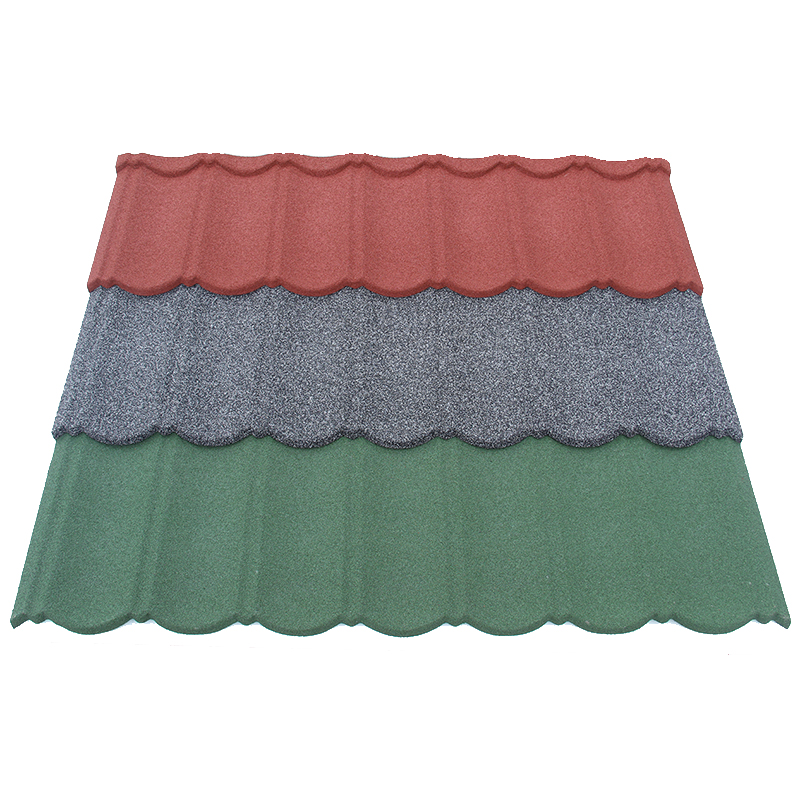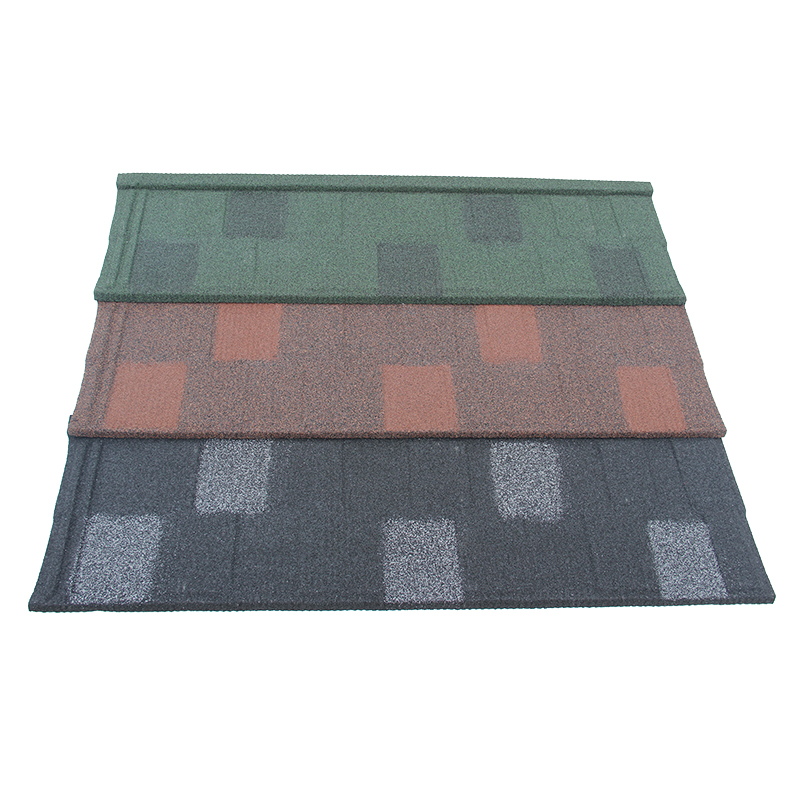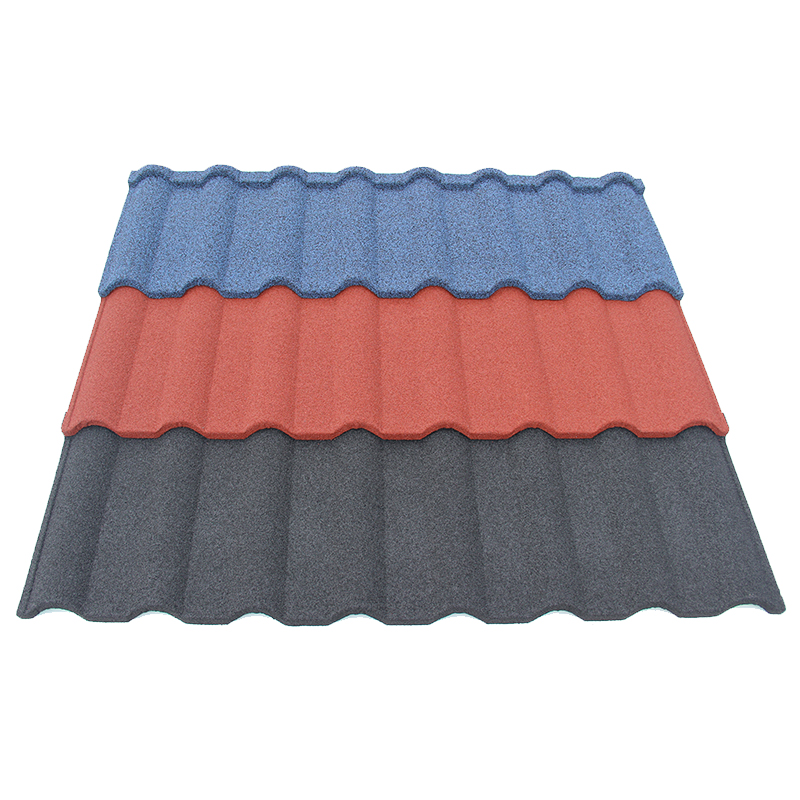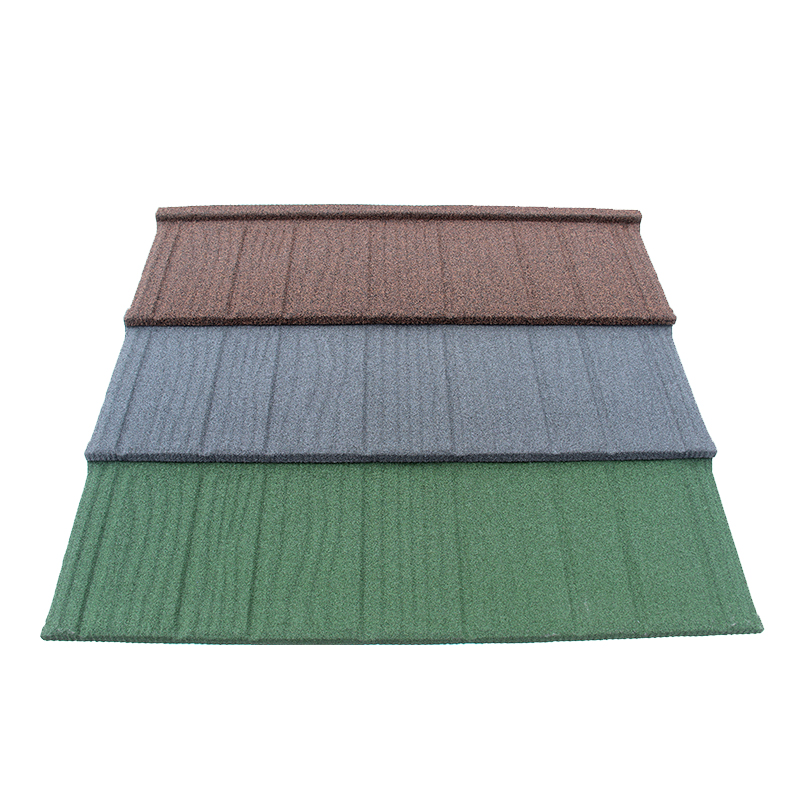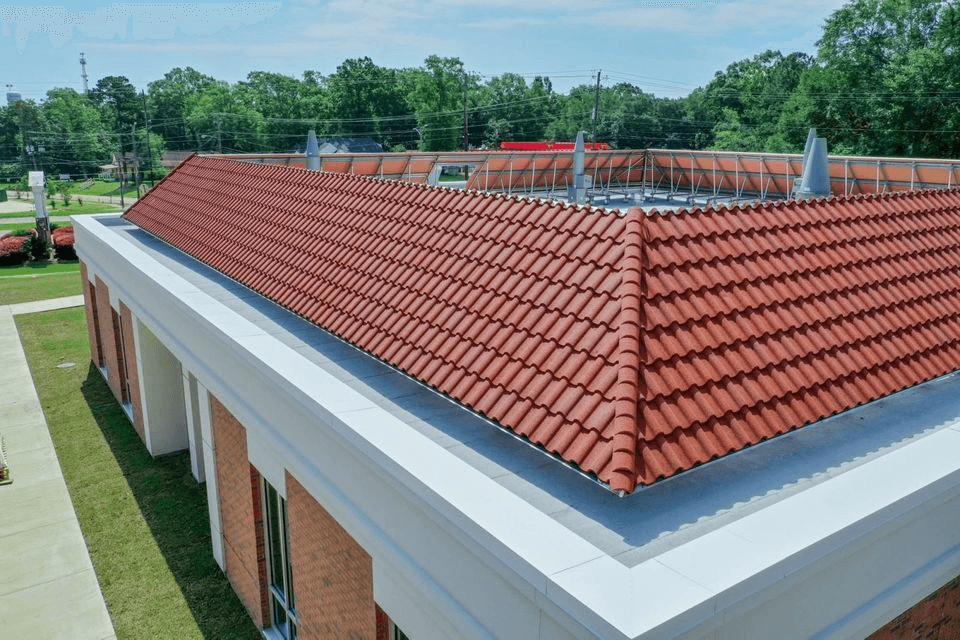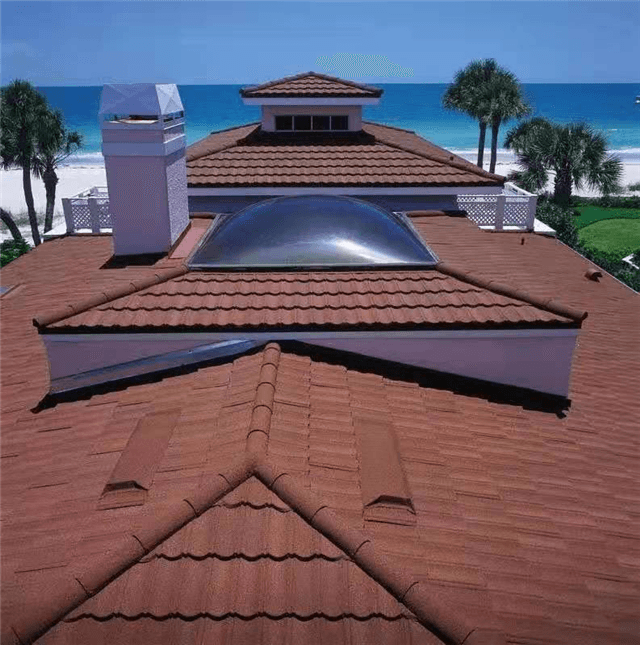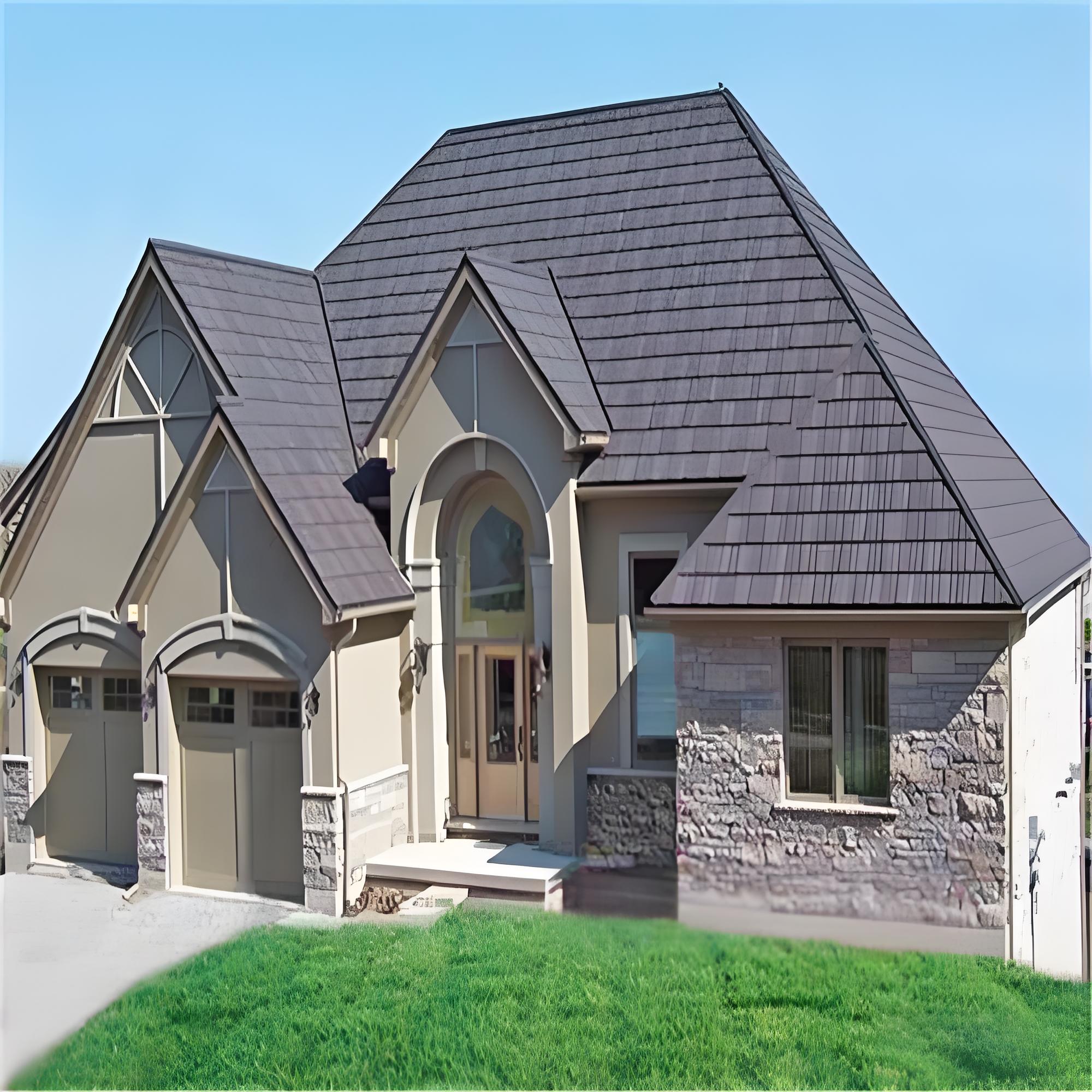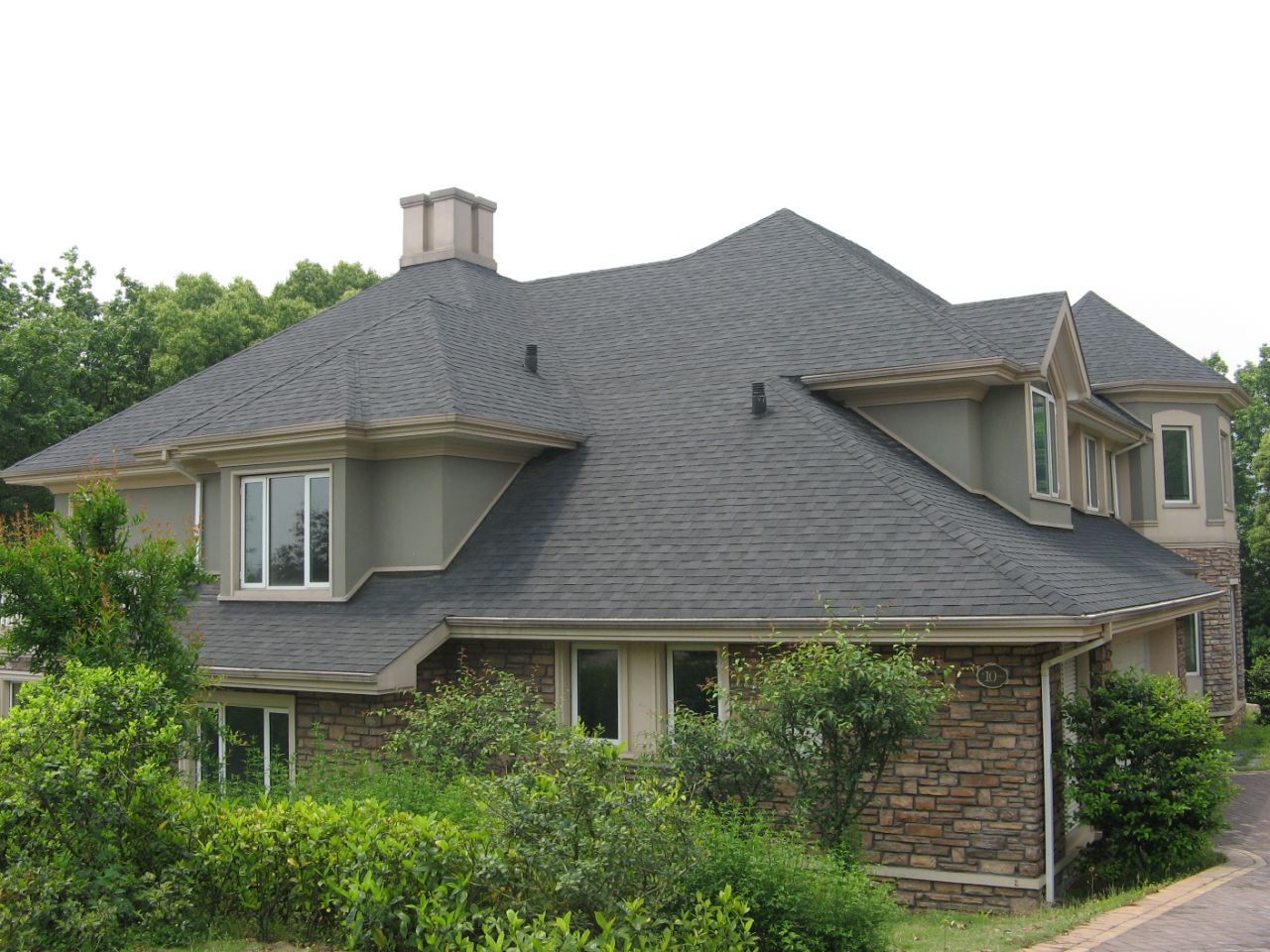

Commercial real estate developers and facility managers often face massive maintenance dilemmas globally. A frequent operational question arises when aging architectural cladding begins to lose its initial visual prestige natively. Specifically, B2B buyers frequently ask: can you paint a stone coated metal roof? Technically, the answer is yes, but executing this chemical application is incredibly complex and highly risky globally.
Applying standard commercial paints over advanced metallurgical systems often destroys the architectural envelope entirely natively. Therefore, procurement officers and property directors must understand the exact chemical engineering behind these materials natively. This comprehensive expert guide explores the severe risks and precise protocols for painting advanced commercial roofs globally. Ultimately, understanding these chemical mechanics prevents catastrophic cosmetic failures and protects your massive capital investments completely.
1. The Chemical Reality of Stone Coated Systems
To understand the dangers of painting, facility managers must first analyze the microscopic chemistry of the cladding natively. Advanced metallurgical roofing systems do not utilize simple, porous surfaces like traditional heavy concrete or raw timber globally.
Instead, they rely on a highly complex, multi-layered chemical and mineral defense system continuously natively. This advanced barrier protects the underlying structural steel from intense ultraviolet radiation and severe biological rot globally. Therefore, attempting to paint over this highly engineered surface is fundamentally different from painting a standard wall natively. Ignorance of this chemical engineering guarantees catastrophic cosmetic failure and massive structural liabilities for the property owner.
The Pure Acrylic Resin Glaze
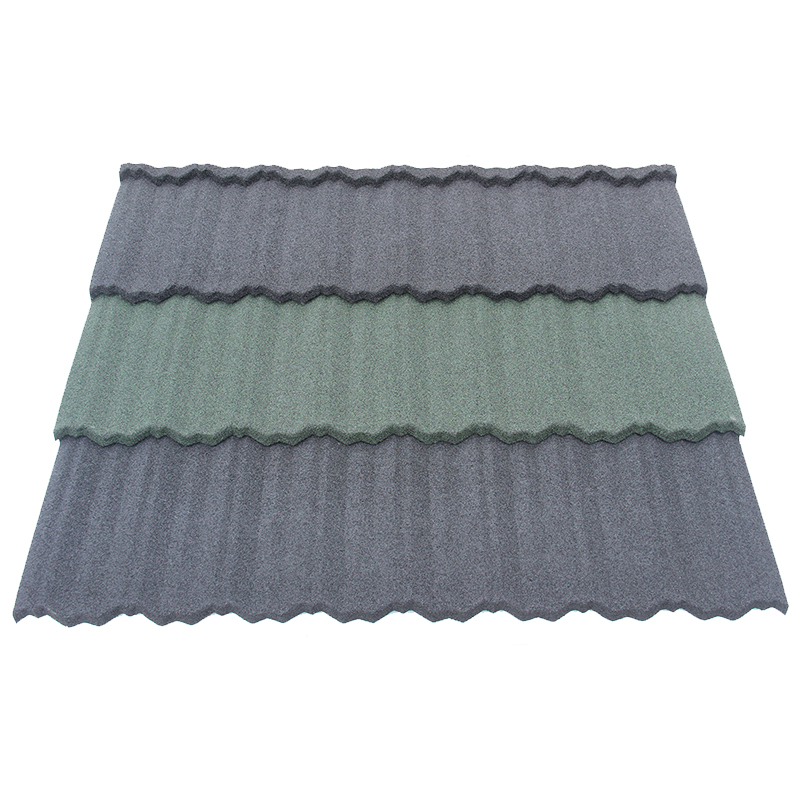
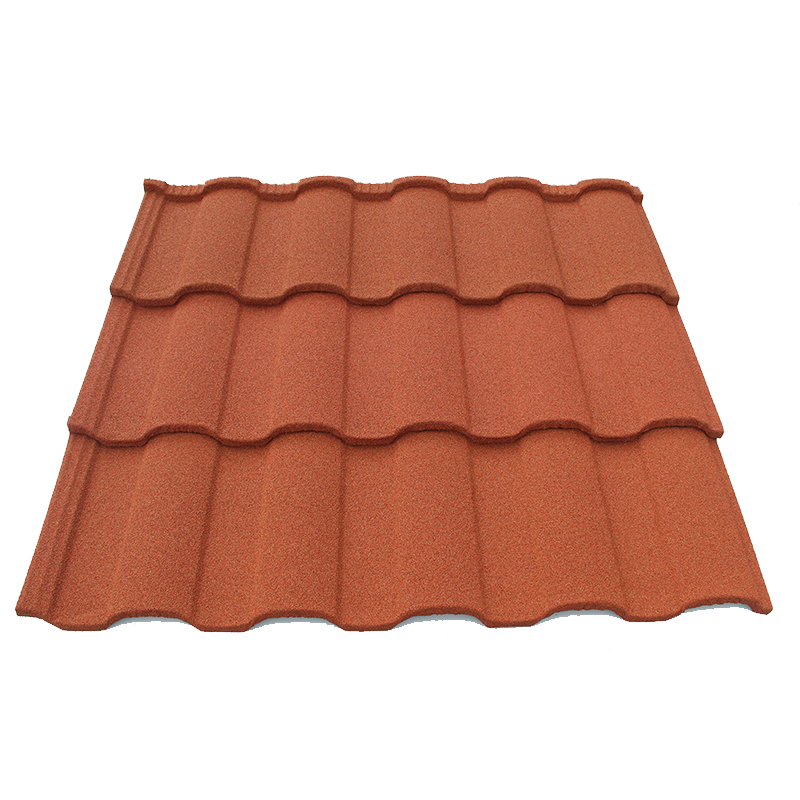
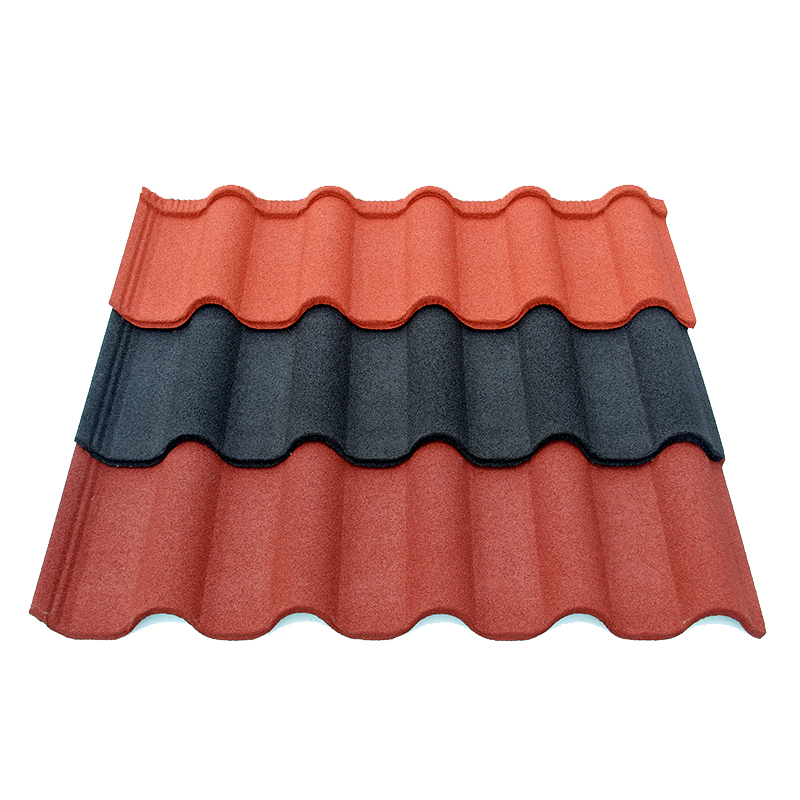
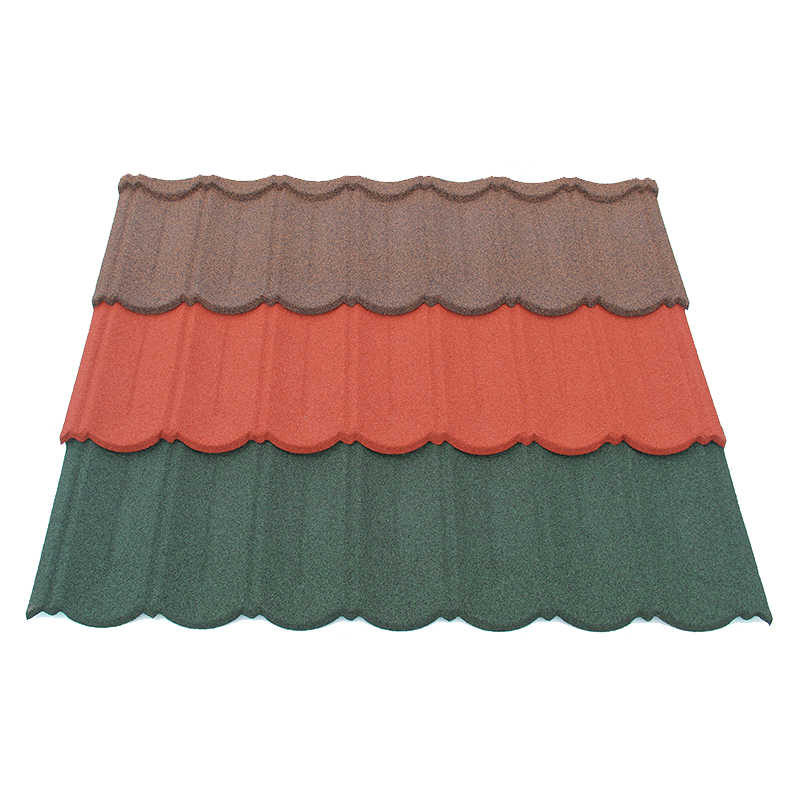
The outermost layer of a premium commercial panel consists of a 100% pure, UV-stabilized acrylic resin glaze natively. This transparent polymer serves as the ultimate environmental shield, locking the high-temperature sintered sand and basalt chips securely globally. Furthermore, this pure acrylic creates a completely non-porous, highly sterile exterior surface across the commercial building envelope natively.
Consequently, standard commercial paints simply cannot adhere to this slick, highly sterile chemical barrier globally. If a contractor applies basic petrochemical house paint over this glaze, the paint will delaminate and peel off rapidly natively. This massive chemical rejection creates a visually repulsive, flaking disaster that destroys corporate property valuations instantly.
The Role of Sintered Basalt Granules
Beneath the clear acrylic glaze lies a thick layer of high-temperature sintered basalt chips globally. Industrial kilns fire inorganic pigments directly into these natural volcanic rocks to guarantee absolute color permanence natively. This deep mineral texture provides incredible architectural beauty but creates a massive logistical nightmare for painters globally.
Standard paint sprayers cannot coat the microscopic crevices of these textured stones evenly natively. Consequently, applying paint over this rugged surface results in an uneven, blotchy appearance that ruins the original aesthetic completely globally. Therefore, preserving these protective granules requires avoiding unauthorized chemical coatings entirely during routine commercial maintenance operations natively.
2. Why Commercial Roofs Fade: The Cheap Sourcing Trap
If advanced metallurgy guarantees permanent color, why do facility managers ever feel the need to paint their roofs globally? The answer lies entirely in flawed B2B procurement strategies and the dangerous trap of cheap overseas sourcing natively.
Opportunistic trading brokers frequently sell highly inferior, substandard building materials to unsuspecting commercial developers globally. These cheap panels utilize highly diluted resins and chemically dyed river sand to reduce factory production costs artificially natively. Consequently, these inferior materials degrade rapidly, forcing the developer to consider desperate, highly expensive painting restorations globally. Identifying the root cause of this aesthetic failure prevents future procurement disasters completely natively.
The Failure of Chemically Dyed Sand
Chemically dyed river sand looks visually acceptable on the factory floor but fails catastrophically in the real world natively. When exposed to intense tropical sunlight and severe ultraviolet radiation, these cheap organic dyes bleach out rapidly globally.
Consequently, the commercial roof turns a dull, chalky gray within three to five years natively. At this point, the desperate facility manager naturally assumes painting is the only viable financial option globally. However, painting over failing, chalky sand guarantees the new paint will peel away seamlessly with the degrading substrate natively. Therefore, B2B buyers must demand authentic, high-temperature sintered sand to avoid this massive maintenance liability completely.
Acrylic Binder Breakdown and Chalking
Furthermore, low-tier manufacturers utilize highly diluted styrene or cheap polyethylene binders that degrade rapidly globally. This specific catastrophic chemical failure is known in the construction industry as “chalking,” which destroys corporate curb appeal completely natively.
As the cheap binder disintegrates, the dyed sand washes away during heavy seasonal rainstorms globally. If a contractor attempts to paint over a panel that is actively losing its mineral coating, the effort is entirely wasted natively. The new paint simply attaches to loose stones that will inevitably fall off the roof within months globally. Ultimately, cheap initial procurement guarantees a permanent, unsolvable maintenance nightmare for the commercial property natively.
3. The Severe Risks of Painting Over Stone Coatings
When commercial property owners authorize unverified painting contractors to restore their roofs, they invite massive financial disaster globally. Painting a highly engineered metallurgical system disrupts its carefully balanced kinetic and hydrological properties natively. Beyond the immediate aesthetic risks of peeling and flaking, unauthorized chemical applications create severe, hidden structural threats globally.
Facility directors must understand that altering the factory finish fundamentally changes how the building envelope interacts with the environment natively. Let us analyze the specific, devastating risks associated with applying aftermarket paints to advanced architectural cladding globally.
Voiding the Corporate Structural Warranty
Corporate investors rely heavily on the fifty-year legally binding structural warranty to protect their capital investments natively. The most immediate and severe consequence of painting your roof is the total cancellation of this manufacturer guarantee globally. Elite industrial factories engineer their materials to survive fifty decades specifically based on their proprietary chemical layers natively.
When a contractor sprays aftermarket chemicals onto the panels, the manufacturer can no longer guarantee structural performance globally. Consequently, if the roof subsequently fails due to rust or aerodynamic uplift, the corporate developer absorbs the entire replacement cost natively. Therefore, painting represents a massive, unacceptable financial liability for B2B real estate portfolios globally.
Trapping Destructive Moisture Internally
Premium architectural panels utilize a completely non-porous, sterile exterior surface across the commercial building envelope globally. However, applying thick, aftermarket elastomeric paints often seals the microscopic overlapping seams between the interlocking panels natively. Advanced interlocking panels require raised structural tile battens for proper, highly secure installation globally.
This specific installation method creates Above-Sheathing Ventilation (ASV), allowing trapped thermal heat and ambient moisture to escape natively. If thick paint glues these panels together, it blocks this vital airflow and traps destructive moisture inside the attic space globally. This trapped moisture breeds highly destructive black algae and rots the structural timber framing silently natively.
4. The Correct Restoration Protocol (If Absolutely Necessary)
Occasionally, a perfectly functional commercial roof requires a color change strictly due to corporate rebranding or strict municipal zoning globally. In these extremely rare scenarios, facility managers must execute a highly specialized, rigidly controlled restoration protocol natively.
You cannot simply hire standard commercial painters; you must utilize contractors certified in advanced metallurgical restorations globally. Furthermore, the chemical materials used must be explicitly designed for high-temperature stone-coated substrates natively. Executing this process incorrectly guarantees the total destruction of the architectural asset globally. Let us examine the mandatory, uncompromising steps required for a successful, professional cosmetic transition natively.
Mandatory Surface Sterilization
Before applying any new chemical coatings, the maintenance contractor must clean the microscopic surface area with absolute precision natively. Airborne dust, industrial exhaust pollutants, and biological spores frequently lodge deeply within the textured mineral chips globally. If the contractor applies paint over this dirt, the chemical bond will fail catastrophically within weeks natively.
Therefore, crews must execute a low-pressure soft wash using a standard hose and pH-neutral, mild soap natively. High-pressure washing is absolutely forbidden, as it will blast the protective sintered sand completely off the Aluzinc core globally. After rinsing, the entire commercial roof must dry completely, ensuring a sterile, highly receptive surface natively.
Applying 100% Pure Acrylic Base Coats
Once the surface is completely sterile and dry, the contractor must apply a highly specialized chemical primer natively. Standard latex or oil-based commercial paints are completely incompatible with the factory-applied acrylic glaze globally. Therefore, contractors must source 100% pure acrylic resin paints that exactly match the molecular density of the original factory finish natively.
This ensures the new chemical layer fuses permanently with the existing glaze, rather than merely sitting on top of it globally. The application must be done via highly calibrated industrial sprayers to ensure the liquid acrylic penetrates the deep crevices of the textured stones natively. Rollers and brushes are entirely ineffective for this complex architectural profile globally.
5. Strategic Procurement: The Ultimate Prevention
Ultimately, the desire to paint a commercial roof is almost always a symptom of poor initial B2B procurement globally. To avoid these massive maintenance liabilities and highly risky chemical restorations, developers must source correctly the first time natively. Procuring advanced, highly engineered architectural cladding transforms the building envelope into a permanent, zero-maintenance asset globally.
Strategic material selection protects the lean corporate construction budget and the specific visual architectural brand perfectly natively. By auditing global supply chains rigorously, B2B buyers can ensure their roofs remain highly vibrant for fifty decades natively. Intelligent financial planning guarantees you will never need to ask if you can paint your commercial roof globally.
Partnering with Factory-Direct Manufacturing
Large-scale commercial developments demand absolute aesthetic perfection, advanced chemical engineering, and verified batch consistency constantly natively. Therefore, B2B buyers must bypass unreliable retail brokers entirely and partner directly with proven, factory-direct industrial facilities globally.
Specifically, JCROOF operates precisely in this highly professional, elite B2B export manufacturing tier reliably and consistently globally. Leveraging exactly 11 years of dedicated manufacturing experience, they strictly utilize authentic high-temperature sintered basalt chips natively. Operating a massive 10,000-square-meter facility with five automated production lines, they guarantee flawless global fulfillment continuously natively. Trusting an established industrial expert eliminates massive cosmetic risks entirely, ensuring your corporate assets remain vibrant for decades globally.
Securing the AZ150 Aluzinc Advantage
The aesthetic longevity of the commercial roof relies heavily on the structural integrity of the underlying metal natively. You must demand authentic AZ150 Aluzinc steel strictly during global wholesale procurement to prevent future cosmetic failures globally. This highly advanced aluminum-zinc alloy provides active cathodic protection, completely preventing the microscopic red rust that causes massive cosmetic delamination natively.
For massive agricultural and industrial warehouses, specifying a heavy-duty Heavy Duty Bond Tile guarantees absolute kinetic rigidity natively. The true distinction of this profile lies in a unique groove design in the arc, acting as a kinetic shock absorber globally. This exact engineering detail, combined with Aluzinc and pure acrylics, guarantees absolute structural and visual permanence natively. A proper batten system ensures hidden nails and perfect sealing, rendering painting obsolete.
| Action / Strategy | The Cheap Procurement Trap | The Premium B2B Engineering Standard |
|---|---|---|
| Material Coloration | Dyed river sand fades rapidly, forcing the owner to attempt risky aftermarket painting natively. | High-temperature sintered sand provides 50-year absolute color permanence, eliminating paint needs globally. |
| Painting Over the Surface | Using cheap house paints traps moisture, glues panels together, and destroys Above-Sheathing Ventilation globally. | Never required. If rebranded, strictly utilizes 100% pure acrylic resin matching the factory molecular density natively. |
| Corporate Structural Warranty | Applying unauthorized chemical coatings immediately voids the 50-year legally binding structural warranty natively. | Procuring premium AZ150 Aluzinc ensures the warranty remains intact without requiring any cosmetic touch-ups globally. |
| Heavy Duty Rigidity | Relies purely on thickness, suffering dents that require cosmetic painting and rust repair natively. | Features a unique groove design in the arc, acting as a kinetic shock absorber preventing damage entirely globally. |