

Global commercial procurement demands precise financial and logistical management constantly. Shipping massive building materials internationally introduces immense complexity immediately. Consequently, choosing the correct freight agreement impacts your total project budget directly. Specifically, importing advanced stone coated steel tiles requires highly careful maritime planning. This highly engineered material optimizes international ocean container volume incredibly well. However, B2B buyers must clearly understand the fundamental differences between FOB and CIF shipping terms. Failing to negotiate proper Incoterms frequently destroys incredibly tight construction budgets entirely. Furthermore, relying on vague supplier promises causes massive operational delays onsite. Therefore, evaluating these specific logistical frameworks is a strictly mandatory modern business practice. In fact, optimizing your ocean freight strategy directly protects your massive capital investment completely. In this comprehensive B2B guide, we will analyze both shipping agreements deeply. Ultimately, this detailed logistical breakdown perfectly helps your procurement team eliminate wasted freight expenses permanently.
Decoding International Commerce Terms in Logistics
Navigating international shipping requires a firm grasp of standardized global commerce rules continually. These standardized rules dictate exactly who pays for freight, insurance, and local handling. Therefore, confusing these strict legal terms creates massive financial liabilities immediately upon arrival. Furthermore, selecting the entirely wrong term can leave your valuable cargo completely unprotected during transit. Consequently, B2B buyers must thoroughly evaluate how each option impacts their specific supply chain globally. Ignorance regarding international trade laws is never an acceptable excuse for expensive procurement failures. Let us carefully break down the core mechanics of these two dominant shipping agreements now.
The Mechanics of Free On Board (FOB)
Under a Free On Board agreement, the overseas seller handles initial export clearance perfectly. Furthermore, they cover all domestic transport costs until the goods reach the departure port securely. However, their physical responsibility ends the exact moment the cargo passes the ship’s rail. From that precise moment forward, the buyer assumes all financial risks and major freight costs. Consequently, FOB provides the buyer with absolute operational control over the selected ocean carrier. Therefore, the buyer directly negotiates the actual shipping rates with their own trusted freight forwarder. Thus, highly experienced commercial importers heavily prefer this method to secure much better wholesale freight rates. Ultimately, this direct control safely eliminates completely unnecessary third-party logistical markups entirely.
The Structure of Cost, Insurance, and Freight (CIF)
Alternatively, a CIF contract places significantly more logistical responsibility directly on the overseas supplier. Specifically, the seller actively arranges the ocean freight and pays for maritime transport directly upfront. Furthermore, they must strictly purchase a minimum level of transit insurance for the commercial cargo. Therefore, the buyer only pays for local import duties and final inland transportation upon delivery. For new commercial importers, this simplified structure initially seems incredibly attractive and highly convenient. Indeed, delegating these complex logistical tasks saves a massive amount of initial administrative planning time. However, this apparent convenience often hides massive, completely unexpected logistical financial markups silently. Consequently, buyers frequently overpay for shipping without ever realizing the true underlying market cost.
Evaluating Risk Transfer and Freight Control
Understanding exactly when cargo liability shifts is absolutely critical for total commercial procurement safety. Many novice buyers completely misunderstand how international maritime insurance actually functions during severe ocean transit. Therefore, assuming the overseas seller simply covers everything is a highly dangerous financial mistake constantly. In fact, precise risk transfer points dictate exactly who suffers financially if the massive cargo sinks. Consequently, carefully mapping out these strict liability shifts prevents devastating capital losses highly effectively. Ultimately, protecting your commercial assets requires deep technical knowledge of maritime legal frameworks continuously. We will thoroughly explore the precise legal boundaries of cargo liability below.
When Does Liability Actually Shift?
Interestingly, the actual risk transfer point is perfectly identical for both of these shipping agreements. Risk strictly transfers from the seller to the buyer once goods are loaded safely onboard. Therefore, if a severe ocean storm destroys the massive cargo ship, the buyer suffers the loss. This specific legal fact remains entirely true even if the seller arranged the freight under CIF. Consequently, understanding this specific legal detail is absolutely vital for ambitious commercial project managers. Many buyers falsely believe CIF completely protects them until the cargo reaches the final destination. Thus, you must actively ensure your cargo carries comprehensive coverage regardless of the officially chosen Incoterm. Ultimately, precise risk management dictates the overall success of your massive international procurement operations.
Managing Maritime Insurance Gaps
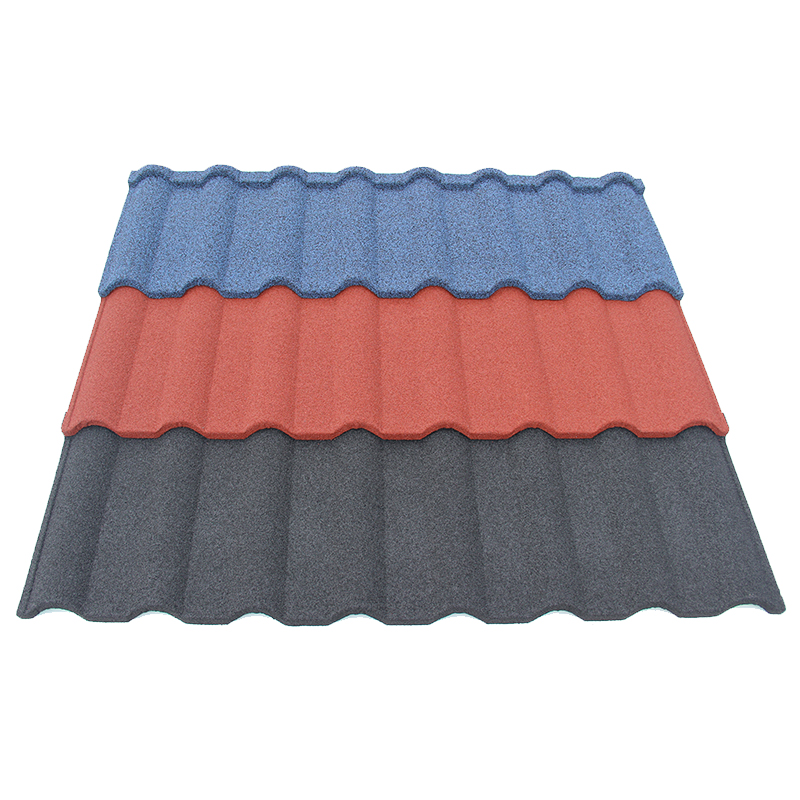
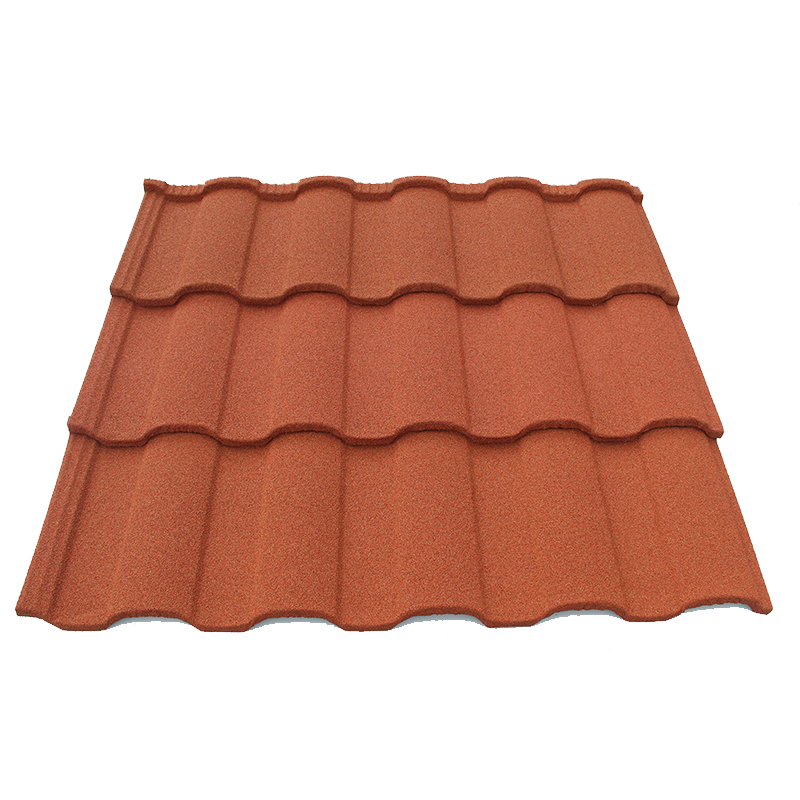
Relying solely on supplier-provided insurance under a CIF agreement is incredibly risky business today. Specifically, overseas sellers only purchase the absolute minimum required legal coverage to save their own money. Unfortunately, this basic coverage strictly excludes moisture damage, port theft, and incredibly rough container handling. Therefore, importing highly delicate architectural profiles requires much better customized physical protection continuously. For example, shipping an incredibly elegant Roman Tile requires highly careful handling to protect its deep Mediterranean curves. Basic CIF insurance completely fails to cover minor cosmetic transit scratches or dented panel edges. Thus, utilizing FOB allows buyers to actively purchase highly comprehensive, custom maritime insurance policies directly. Consequently, your massive capital investment remains perfectly safe against all unpredictable maritime logistical threats.
Financial Implications and Hidden Shipping Costs
Evaluating basic factory price quotes without calculating total landed costs is a terrible B2B strategy. Overseas suppliers frequently manipulate international freight quotes specifically to maximize their own internal profits continuously. Therefore, B2B buyers must aggressively audit every single hidden logistical fee immediately before signing contracts. Consequently, aggressively uncovering these silent charges safely protects your massive commercial construction budget entirely. Furthermore, absolute pricing transparency directly guarantees highly predictable cash flow during massive real estate developments. Ignoring these specific financial implications guarantees massive cost overruns during the final delivery phase. Let us carefully analyze exactly where these completely unexpected shipping costs typically hide globally.
Supplier Freight Markups Under CIF
CIF pricing intentionally bundles the raw material cost with the selected ocean freight rate entirely. However, suppliers frequently add massive, highly hidden profit markups directly to the actual freight cost. Consequently, buyers unknowingly pay significantly more for shipping than the actual standard global market rate. Therefore, smart procurement teams must strictly request separated, fully itemized freight quotes constantly during negotiations. Furthermore, they aggressively compare the supplier’s CIF quote directly against independent, localized freight forwarder rates. In fact, overseas factories often view CIF freight margins as a highly lucrative secondary profit center. Ultimately, this aggressive mathematical comparison frequently proves that utilizing FOB pricing is vastly cheaper overall.
Local Destination Charges and Demurrage
Once the massive shipping container finally arrives, CIF shipments often trigger extremely expensive destination fees. Because the seller strictly chose the specific freight forwarder, their local agents heavily inflate local unloading charges. Therefore, the buyer is completely trapped paying extortionate port fees just to successfully release the cargo. Furthermore, untrustworthy local destination agents frequently delay paperwork deliberately to trigger highly expensive port demurrage penalties. Conversely, utilizing FOB agreements allows you to strictly select highly trusted, fully transparent local logistics partners. Consequently, you actively prevent these devastating, completely unexpected local port demurrage penalties entirely and permanently. Thus, maintaining absolute local logistical control easily saves thousands of dollars per single ocean shipping container.
Strategic Selection for Commercial Roofing Procurement
Selecting the optimal shipping term heavily depends directly on your company’s actual annual import volume. Furthermore, your internal logistical experience strongly dictates which specific shipping method is actually safest overall. Therefore, standardizing a single procurement strategy globally everywhere is highly inefficient and totally dangerous financially. Instead, savvy commercial project managers dynamically adapt their specific shipping terms based strictly on order complexity. Consequently, this careful logistical matching expertly prevents devastating future transit delays completely during active construction. Maximizing freight efficiency is absolutely critical for maintaining strict profitability across massive development portfolios. Here is exactly how expert B2B buyers perfectly optimize their massive global material orders efficiently.
High-Volume Container Sourcing
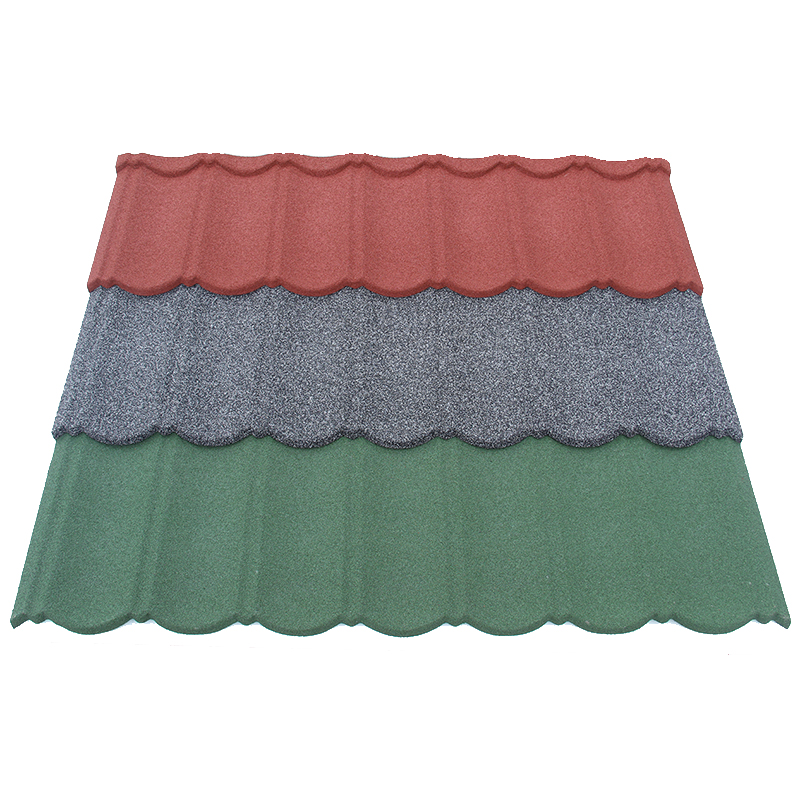
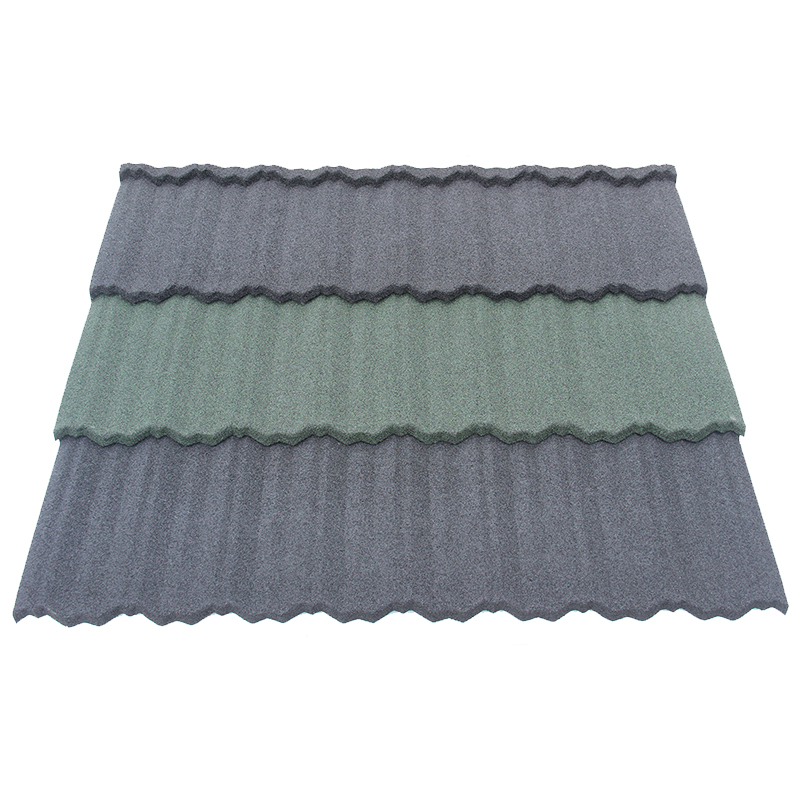
For massive tract housing developments, B2B buyers frequently import multiple shipping containers simultaneously and continuously. Ordering massive bulk quantities securely locks in drastically lower per-unit manufacturing material prices immediately. Therefore, high-volume commercial importers should absolutely utilize FOB terms exclusively to maximize their total freight savings. Specifically, combining massive orders of a classic Bond Tile allows for incredibly dense export pallet packing. Its highly symmetrical physical shape nests perfectly, completely eliminating all wasted expensive internal container air pockets. Consequently, using your own dedicated global freight forwarder guarantees the absolute lowest consolidated wholesale shipping rate. Ultimately, experienced buyers heavily leverage their massive import volume to totally dominate ocean freight rate negotiations.
Managing Complex Architectural Accessories
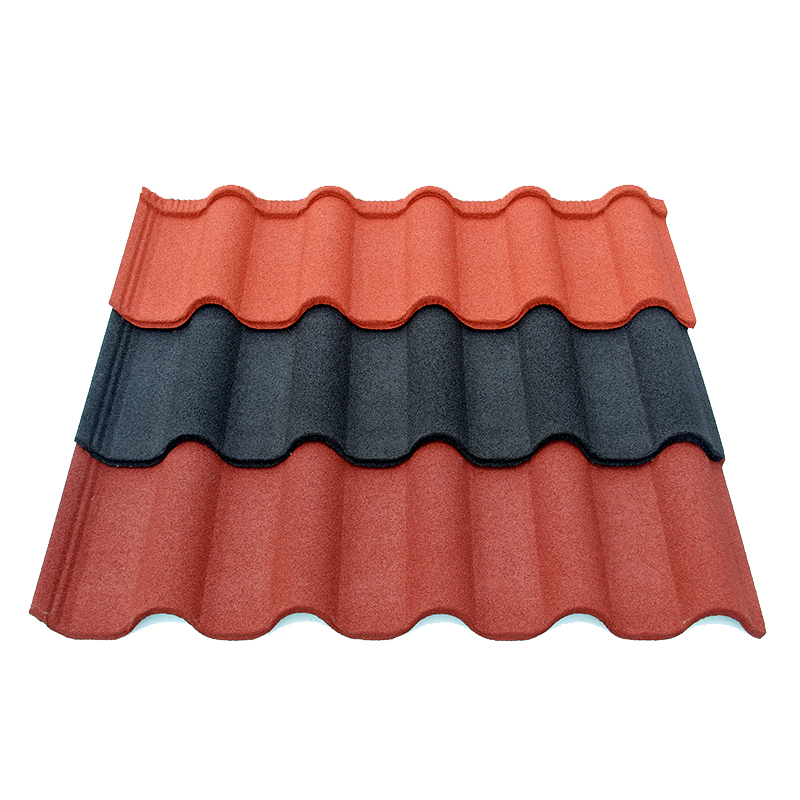
Premium luxury commercial projects demand incredibly precise logistical accessory matching strictly during ocean transit preparation. Simply ordering flat main panels without perfectly matched custom flashings is a massive logistical procurement mistake. For instance, successfully installing a sleek Milano Tile requires exact matching circular ridge caps immediately onsite. Therefore, expertly packing these small accessory boxes carefully maximizes the total container cargo yield beautifully. If a commercial buyer is completely new to managing these complex mixed containers, CIF provides initial simplicity. However, successfully partnering with a highly reputable manufacturer like JCROOF ensures flawless container loading regardless of the shipping term. They strictly ensure every single vital component arrives exactly as specified without highly expensive secondary shipments.
Common Import Pitfalls and Mitigation Strategies
Even highly experienced commercial procurement teams make incredibly costly logistical execution errors quite frequently today. Executing massive international shipments flawlessly requires strict, highly rigorous technical oversight continually from start to finish. Therefore, establishing highly strict container loading guidelines is an absolute requirement for modern project managers. Consequently, B2B buyers must clearly understand highly specific underlying environmental transit threats completely before ordering. Active logistical mitigation effortlessly prevents massive future financial liabilities and entirely ruined architectural materials successfully. Failing to anticipate these specific problems practically guarantees a totally catastrophic international shipping experience. Let us comprehensively explore exactly how to actively avoid the absolute most destructive international transit disasters.
Inadequate Moisture Protection During Transit
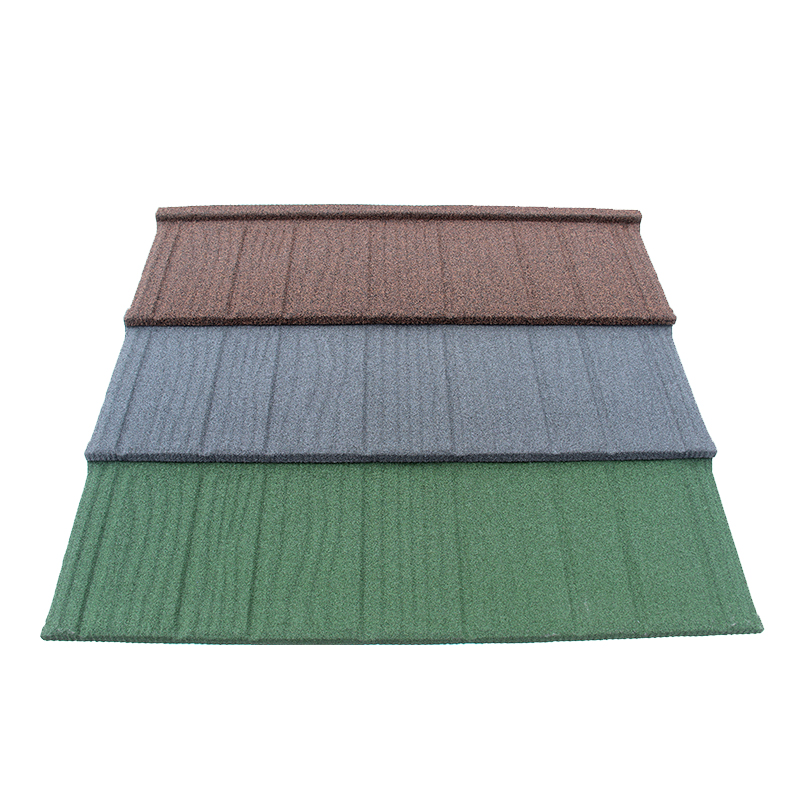
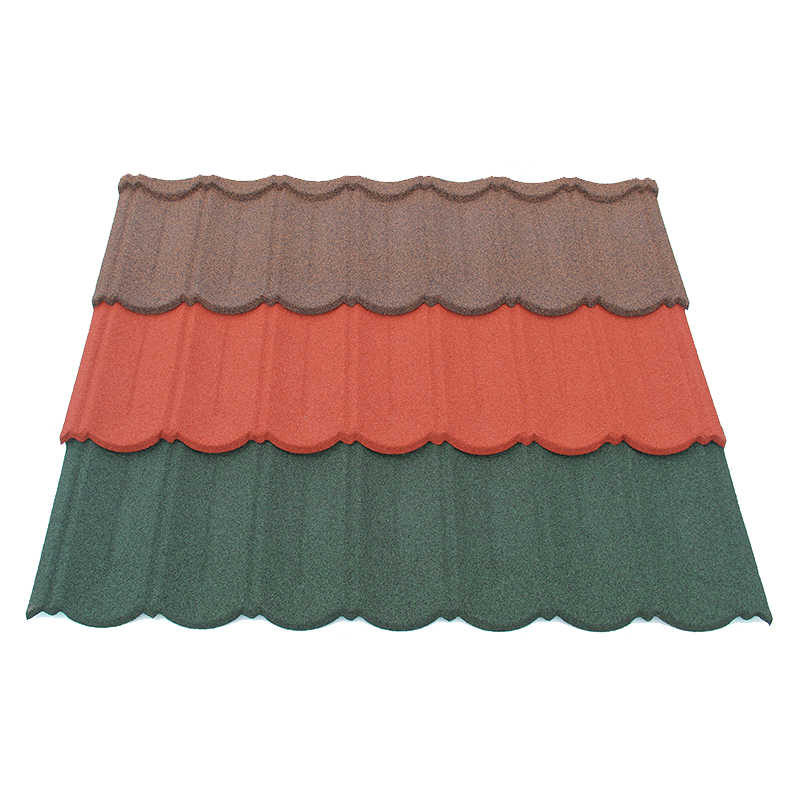
International ocean freight naturally exposes shipping containers to extreme thermal atmospheric temperature fluctuations constantly. Consequently, trapped internal humidity easily condenses into highly destructive commercial container rain rapidly overnight. If warm liquid moisture heavily accumulates, standard wooden export shipping pallets will inevitably rot away quickly. Therefore, shipping highly textured architectural materials like a rugged Shake Tile requires extremely aggressive moisture control. Its deeply grooved, highly irregular physical surface easily traps dangerous atmospheric condensation during prolonged ocean transit. Buyers must firmly demand high-capacity industrial chemical desiccants explicitly inside the massive ocean container immediately. Thus, utilizing FOB allows you to legally dictate highly exact internal packaging requirements directly to the factory.
Documentation and Customs Delays
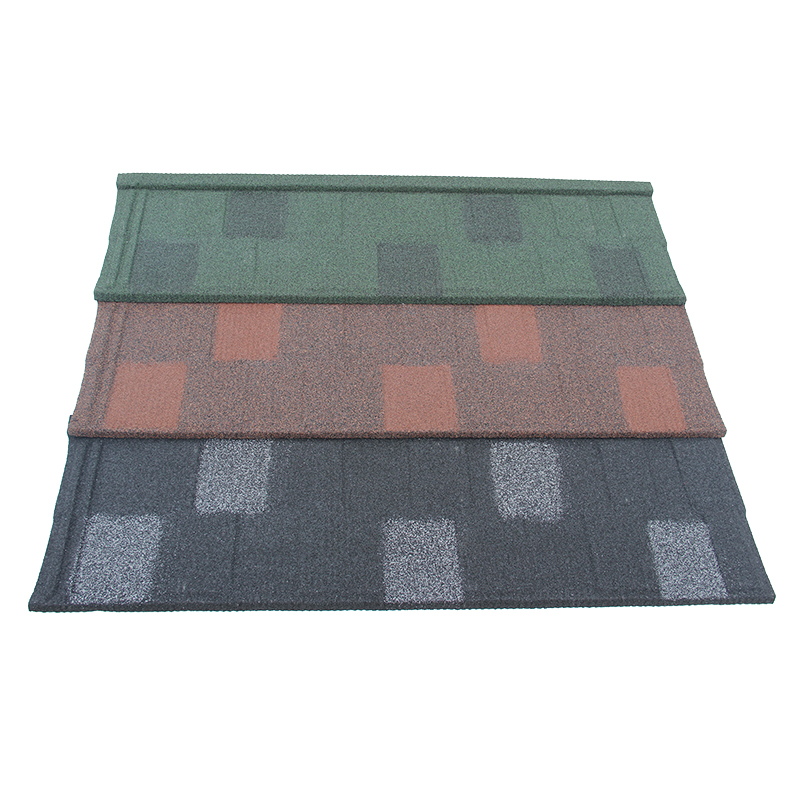
Navigating international customs regulations is incredibly difficult and highly complex for modern commercial buyers today. Incorrect international customs paperwork traps highly expensive commercial cargo at the destination port indefinitely and expensively. Therefore, seamless, highly transparent communication between the overseas factory and your local customs broker is strictly vital. If you specify a traditional Shingle Tile, the exact Harmonized Tariff Schedule (HTS) code must be perfectly accurate. Under CIF, the overseas seller’s cheap freight agent might completely misclassify the cargo accidentally. This foolish mistake directly causes massive, completely unexpected governmental tax penalties upon local port arrival. Conversely, FOB shipping gives your dedicated, highly trusted local broker complete control over the vital import documentation entirely.
| Logistics Factor | Free On Board (FOB) Strategy | Cost, Insurance, Freight (CIF) Strategy |
|---|---|---|
| Ocean Freight Cost | Paid directly by the buyer (Highly transparent). | Paid by the seller (Often heavily marked up). |
| Maritime Insurance | Buyer chooses customized, highly comprehensive coverage. | Seller strictly provides basic, minimum legal coverage. |
| Risk Transfer Point | When goods are loaded safely on the vessel. | When goods are loaded safely on the vessel. |
| Ideal Procurement Fit | Experienced, high-volume commercial B2B buyers. | Novice importers or small commercial test orders. |