

Global commercial procurement requires incredibly strict financial management every single day. Therefore, controlling international shipping logistics is absolutely critical for B2B developers. Furthermore, freight rates fluctuate wildly across volatile global logistics markets constantly. Consequently, maximizing cargo efficiency directly impacts your massive project profitability immediately. Specifically, sourcing advanced stone coated steel roofing panels offers a truly massive logistical advantage. This highly engineered, lightweight material completely revolutionizes international container shipping dynamics. It allows commercial buyers to transport massive material quantities highly efficiently. Thus, optimizing your container loading strategy is a strictly mandatory modern business practice. In this comprehensive B2B guide, we will analyze commercial shipping and loading strategies deeply. Ultimately, this detailed technical breakdown helps your procurement team eliminate wasted freight expenses permanently.
Modern commercial property development demands highly strategic supply chain optimization continuously. Buyers can no longer afford to ship empty air across the ocean. Instead, they must prioritize genuine packaging efficiency and proven cargo consolidation tactics. Therefore, evaluating your factory’s specific container loading procedures is absolutely vital. Indeed, aggressive spatial optimization drastically lowers total operational costs over several massive shipments. Let us thoroughly explore exactly how to maximize your container payload safely today.
The Logistics of Global Building Material Procurement
Ocean freight logistics heavily dictate the total landed cost of commercial building materials. Therefore, B2B procurement teams must thoroughly understand global shipping dynamics continuously. Standardizing massive international shipments requires deep analytical planning and rigorous mathematical oversight. For example, traditional heavy masonry completely ruins tight shipping budgets instantly. Conversely, highly engineered metallic systems optimize limited container space incredibly well. Consequently, savvy project managers strictly evaluate material weight ratios before making final purchasing decisions. Let us carefully analyze exactly how weight and volume interact during international transit.
Analyzing Freight Weight vs. Volume Limitations
Standard ocean shipping containers face two primary physical limitations constantly. Specifically, massive cargo ships enforce strict maximum weight limits to ensure total vessel safety. Traditional terracotta clay tiles are exceptionally heavy and incredibly dense physically. Consequently, a standard twenty-foot container hits its maximum weight limit very quickly. Thus, a massive amount of internal vertical volume remains completely empty and totally wasted. This wasted air space drastically increases the total freight cost per individual tile. Alternatively, advanced stone coated steel roofing panels utilize interior space much more efficiently. They actively allow commercial buyers to fill containers completely without ever exceeding strict port weight limits.
The Cost-Saving Advantages of Lightweight Systems
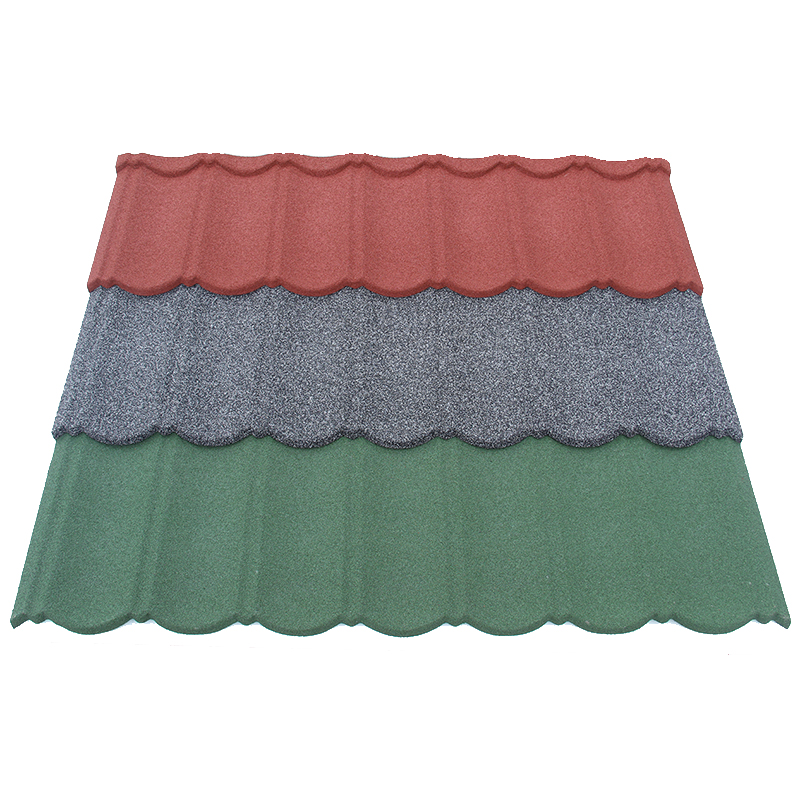
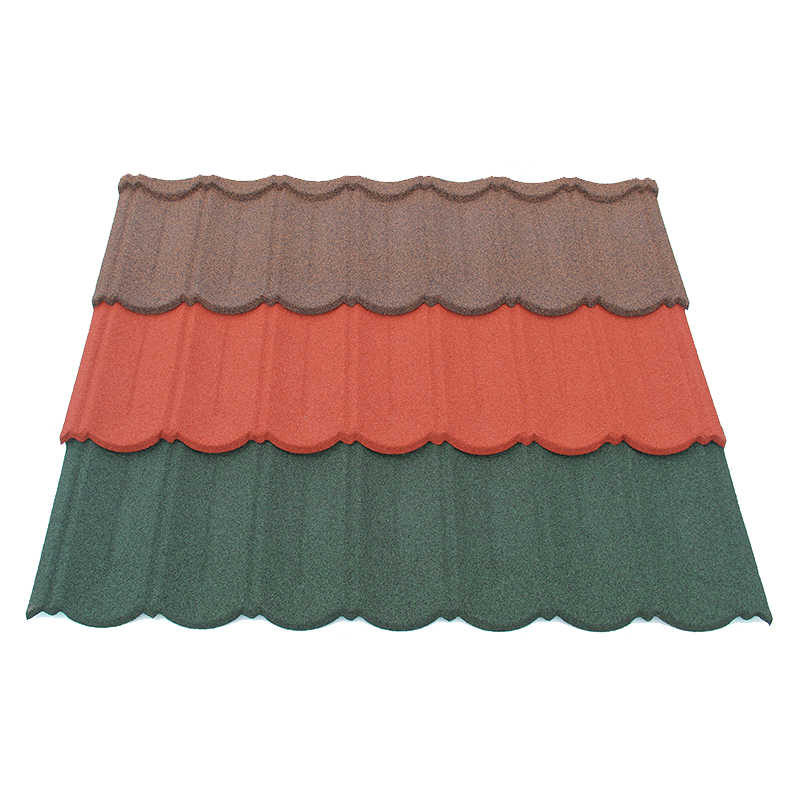
Transitioning to lightweight engineered materials solves massive logistical problems instantly. Advanced metallic roofing systems weigh merely a tiny fraction of traditional heavy masonry products. Therefore, procurement teams can safely pack thousands of additional pieces into a single standard container. For highly efficient, large-scale tract housing developments, specifying the Bond Tile is incredibly popular. Its classic, gentle scalloped shape nests together beautifully on standard wooden export pallets. As a result, B2B buyers drastically lower the final landed shipping cost per square meter. Ultimately, this massive ocean freight savings significantly boosts the overall commercial project profit margin entirely.
Container Capacity Comparison for Roofing Materials
| Material Type | Container Size | Limiting Factor | Estimated Coverage Area per Container |
|---|---|---|---|
| Traditional Clay Tiles | 20ft Heavy Duty | Max Weight Reached Fast | Low (High shipping cost per sq meter) |
| Standard Concrete Tiles | 20ft Heavy Duty | Max Weight Reached Fast | Low (Wastes internal volume) |
| Stone Coated Steel Roofing Panels | 20ft Standard | Volume Reached Before Weight | Extremely High (Maximum ROI) |
Packaging Strategies to Maximize Container Yield
Proper commercial material packaging is not just about basic physical protection. Indeed, it is a strict mathematical optimization of complex spatial geometry entirely. Palletizing cargo correctly ensures absolute maximum yield per international shipping container. Therefore, procurement managers must firmly demand highly specific stacking protocols from their global factory partners. Inefficient packaging instantly destroys any potential freight savings completely. Consequently, understanding precise wooden pallet dimensions and tight nesting techniques is absolutely critical today. We will comprehensively explore exactly how to structure your massive cargo loads perfectly below.
Standard Wooden Pallet Optimization
Global factories must strictly utilize heavy-duty, certified fumigated wooden pallets for all international ocean freight. Specifically, these standardized pallets must fit perfectly side-by-side within the steel container walls. If wooden pallets are built too wide, massive amounts of edge space are wasted entirely. Furthermore, building massive pallets too tall creates highly dangerous physical instability during turbulent ocean transit. Therefore, strict dimensional standardization is strictly mandatory for safe, highly cost-effective international shipping. Expert suppliers meticulously calculate the exact pallet height to match rear container doors perfectly. Thus, they successfully squeeze every single possible inch of available volume highly efficiently.
Utilizing Interlocking Material Geometries
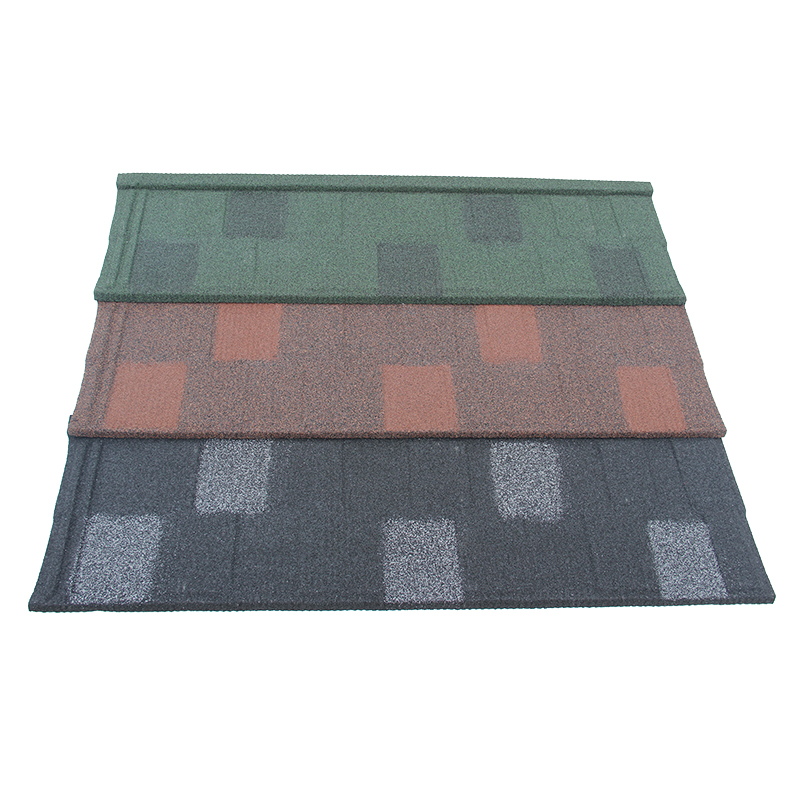
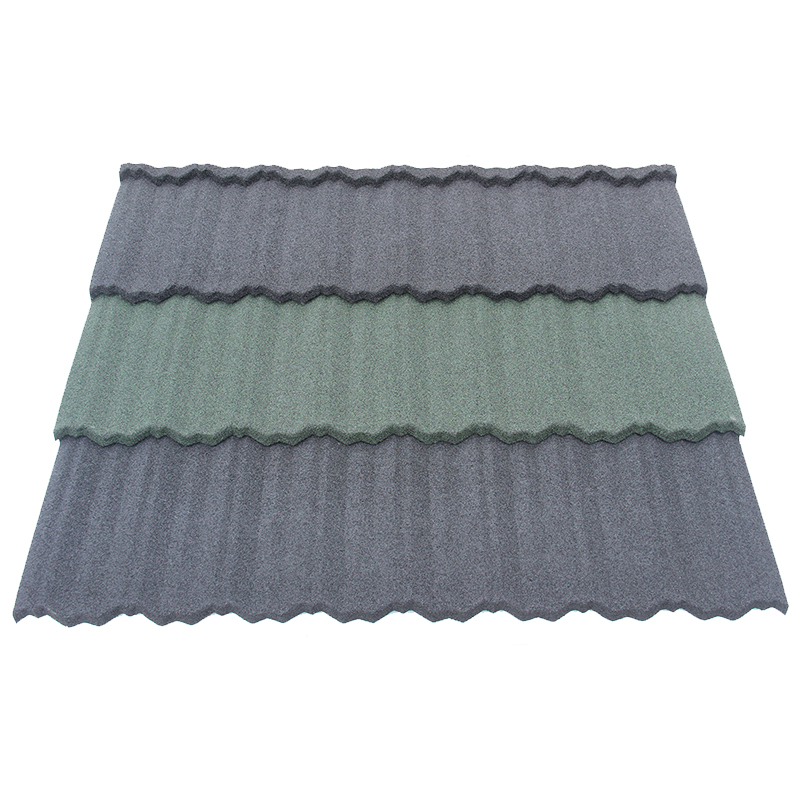
The specific physical shape of the exterior roofing profile heavily dictates packaging efficiency continually. Highly irregular architectural shapes are naturally difficult to stack tightly on flat export pallets. Conversely, certain engineered profiles nest together flawlessly, completely eliminating wasted internal air pockets. For instance, sensible B2B buyers frequently specify the highly advanced Shingle Tile profile. It beautifully mimics the extremely low-profile, highly staggered look of traditional cheap neighborhood asphalt exactly. More importantly, its extremely flat geometry allows for incredibly dense, highly compacted pallet stacking. Consequently, commercial buyers can fit maximum product quantities into every single shipment securely.
Strategic Loading and Cargo Protection Protocols
Loading a massive ocean shipping container requires meticulous planning and highly rigorous physical execution. Shifting heavy cargo during turbulent ocean freight can easily destroy expensive commercial assets instantly. Therefore, strict physical bracing and aggressive moisture protection protocols are absolutely mandatory. Even premium stone coated steel roofing panels fail completely if they arrive severely scratched or heavily dented. Consequently, B2B buyers must actively audit their supplier’s specific container loading procedures continually. Implementing aggressive cargo protection strategies guarantees the total safety of your massive capital investment. Let us examine these critical international transit safety measures closely.
Preventing Structural Transit Damage
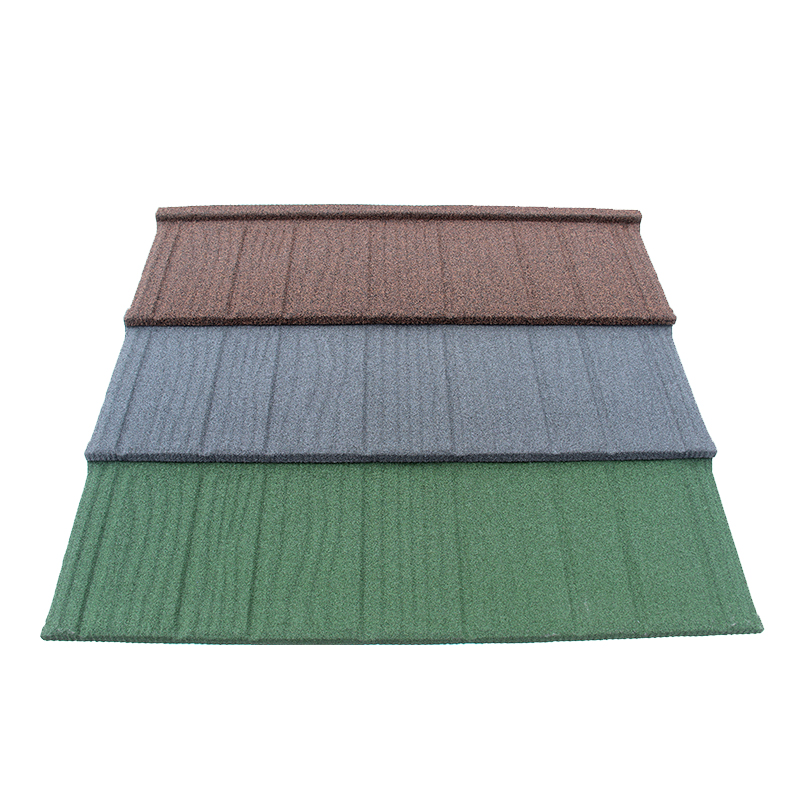
Heavy export pallets must remain completely immobilized during long international ocean voyages. Therefore, professional loading crews must strictly utilize heavy-duty cargo strapping and massive inflatable dunnage airbags. These specialized dunnage airbags fill the empty internal voids perfectly between heavy wooden pallets. Consequently, they actively prevent violent side-to-side cargo shifting when the massive ship encounters severe coastal storms. In strict, high-risk shipping scenarios, profiles like the rugged Shake Tile require extra physical attention. Its deeply grooved, heavily textured surface physically demands thick protective cardboard separators continually. Ultimately, this careful physical separation safely prevents aggressive friction from destroying the beautiful stone granular coating.
Moisture Control and Condensation Prevention
International ocean freight naturally exposes shipping containers to extreme thermal atmospheric fluctuations constantly. Consequently, trapped internal humidity easily condenses into highly destructive “container rain” completely overnight. If this warm liquid moisture accumulates, heavy wooden export pallets will inevitably rot away quickly. Furthermore, sustained heavy moisture severely risks damaging the essential protective packaging materials entirely. Therefore, utilizing high-capacity industrial desiccants strictly inside the container is absolutely non-negotiable. Collaborating directly with a highly reputable industry manufacturer like JCROOF ensures strict industrial-grade anti-moisture packaging constantly. They expertly deploy premium moisture-absorbing silica poles, easily ensuring your valuable cargo arrives perfectly dry and pristine.
Container Safety Inspection Checklist
- Verify Pallet Fumigation: Ensure all wooden materials carry official ISPM-15 certification stamps.
- Inspect Airbag Placement: Confirm large inflatable dunnage bags perfectly fill all horizontal gaps.
- Check Desiccant Volume: Demand a minimum of six to eight heavy-duty desiccant hanging poles.
- Review Cross-Bracing: Verify that heavy timber cross-bracing blocks the rear container doors tightly.
Optimizing Supply Chain and Order Specifications
Smart B2B procurement goes far beyond merely managing single, isolated international shipments. Indeed, it involves forecasting massive commercial projects and mixing complex product orders highly intelligently. Ordering full container loads completely prevents wasted air space and massively reduces overall freight costs. Therefore, B2B buyers must specify exact, highly detailed commercial load plans always. Failing to optimize the total product mix leads to highly expensive logistical delays eventually. Consequently, perfectly matching main metallic panels with proper functional accessories requires deep mathematical planning. Here is exactly how expert procurement teams consolidate their massive global orders efficiently.
Mixing Profiles and Specialized Accessories
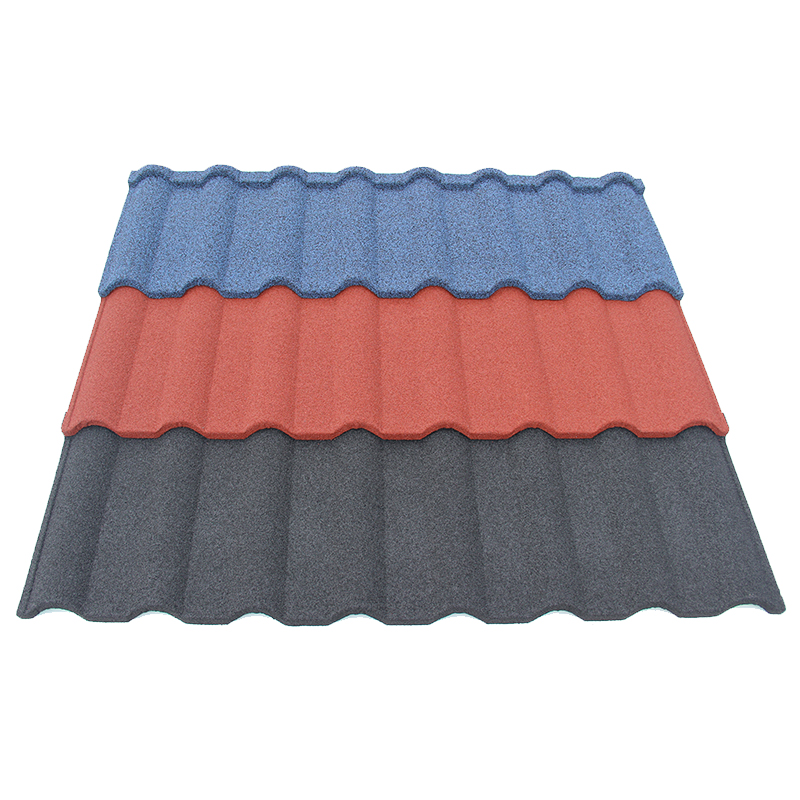
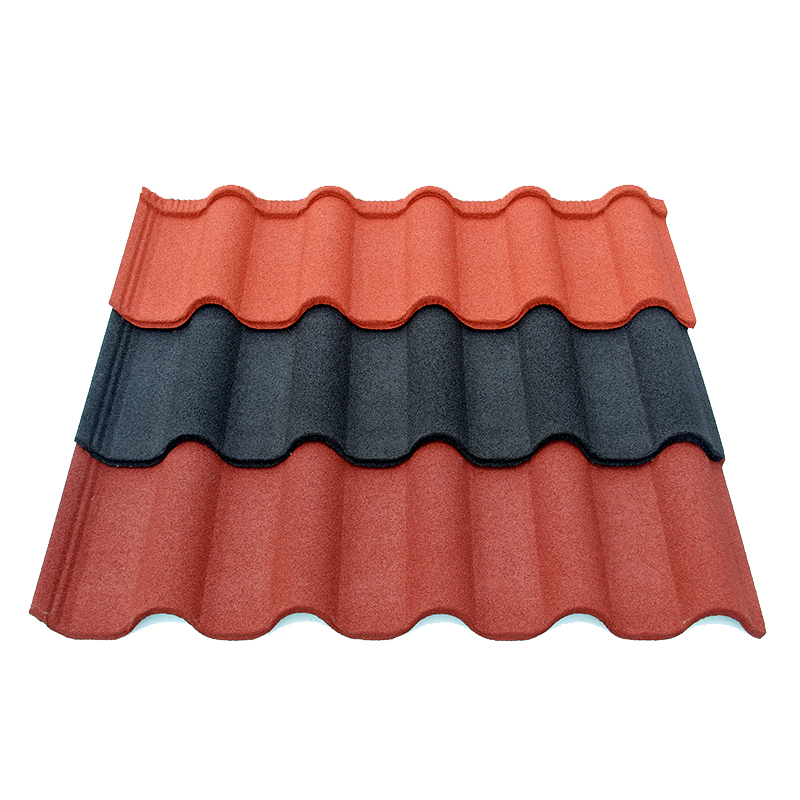
Every successful commercial roofing project strictly requires hundreds of highly specific matching functional accessories. Simply ordering flat stone coated steel roofing panels without ridges, valleys, and custom flashings is a massive mistake. Therefore, expert commercial buyers perfectly calculate the exact accessory ratio needed before ocean shipping begins. Smaller accessory cardboard boxes are highly versatile and easily fit into remaining container edge gaps. For modern luxury developments, specifying a sleek Milano Tile requires precise accessory matching immediately. Its incredibly smooth, perfectly refined European curves demand matching circular ridge caps constantly. Thus, carefully stuffing these small accessory boxes into empty spaces maximizes total cargo yield beautifully.
Consolidating Orders for FCL Efficiency
Less than Container Load (LCL) shipping is incredibly expensive and highly risky financially today. Your valuable commercial cargo shares open space with unknown, potentially hazardous industrial materials from other companies. Furthermore, mixed LCL shipments frequently suffer massive, highly expensive delays at busy international customs checkpoints. Therefore, astute B2B buyers strictly consolidate their orders to achieve Full Container Load (FCL) status immediately. Ordering massive bulk quantities upfront securely locks in drastically lower per-unit manufacturing prices immediately. Ultimately, exclusive FCL shipping perfectly provides total physical control over your massive capital investment completely.
Overcoming Common Import and Logistics Pitfalls
Even highly experienced commercial procurement teams can make incredibly costly logistical errors frequently. Miscalculating maximum local highway payload limits causes massive delays at destination delivery ports entirely. Furthermore, totally ignoring the physical unloading capabilities of the final construction job site creates chaotic bottlenecks. Therefore, actively mitigating these highly specific regional logistical risks guarantees smoother operational workflows entirely. Careful forward logistical planning easily prevents devastating, highly expensive ocean demurrages and strict customs storage fees. Avoiding these common logistical mistakes safely protects your incredibly tight operational budget completely.
Navigating Destination Port Weight Restrictions
Ocean cargo vessels easily carry massive weight, but local highway delivery trucks face strict legal limitations constantly. Many countries heavily enforce strict maximum road weight limits for standard ocean shipping containers. Therefore, a legally loaded ocean container might be entirely illegal to transport locally via standard truck. Consequently, procurement managers must carefully check local Department of Transportation regulations strictly before ordering. If you accidentally exceed local weight limits, port authorities mandate highly expensive manual cargo splitting. Thus, carefully balancing total pallet weight against strict local road laws is absolutely critical always.
Handling Complex Profile Shipping Needs
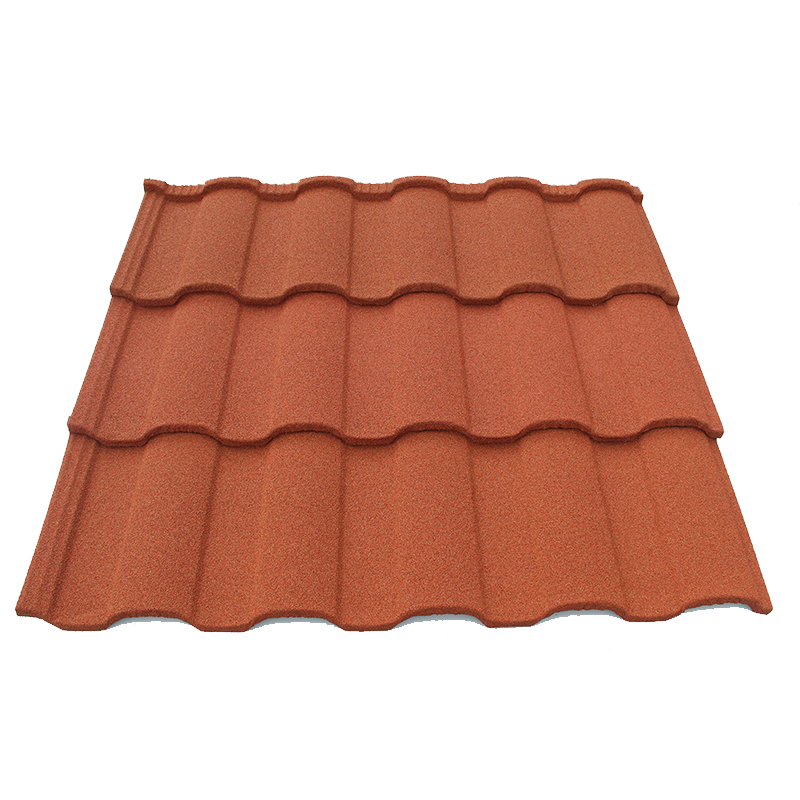
Not all metallic architectural roofing profiles stack with the exact same high physical density. Highly contoured, deeply curved metallic panels naturally consume slightly more vertical shipping volume entirely. Procuring an incredibly elegant Roman Tile requires highly specialized logistical planning perfectly. It flawlessly replicates the deep, beautiful traditional curves of authentic historic coastal terracotta clay. However, these massive high-barrel architectural curves require customized wooden bracing to perfectly prevent crushing during transit. Consequently, B2B buyers must communicate directly with the factory regarding these highly specialized loading requirements immediately. Ultimately, highly transparent factory communication safely eliminates all incredibly costly destination arrival surprises entirely.