
Severe weather constantly threatens massive commercial real estate properties globally today. Therefore, understanding exact structural building limitations is absolutely vital for success. Consequently, B2B procurement teams must carefully evaluate precise environmental wind ratings. Furthermore, specifying premium wind resistant stone coated metal roofing actively protects these investments perfectly. Thus, this highly comprehensive B2B guide thoroughly explains complex wind uplift mechanics. Moreover, we will completely dissect vital standard industry testing protocols continuously. Understanding these dynamic atmospheric forces prevents completely catastrophic commercial property failures. Ultimately, empowering global wholesale buyers ensures highly strategic, vastly superior material sourcing.
Understanding the Science of Wind Uplift Forces
Wind damage rarely occurs from direct, downward physical atmospheric pressure alone. Instead, rapid winds create highly dangerous, invisible negative upward suction pressure. Therefore, this intense unseen suction aggressively pulls materials directly off buildings. Consequently, understanding these exact aerodynamic forces remains absolutely critical for procurement. Furthermore, commercial architects must deeply respect these powerful atmospheric dynamics constantly. Thus, acknowledging this basic science completely transforms how professionals select materials.
How Negative Pressure Destroys Roofs
High-speed wind rapidly hits the vertical side of a commercial building. Therefore, this fast-moving air aggressively deflects straight upward and directly over the roof. Consequently, according to basic aerodynamic principles, this fast air creates severe low pressure. Furthermore, the normal air pressure trapped inside the building aggressively pushes upward. Thus, this massive pressure differential literally attempts to tear the roof completely off. Moreover, traditional materials simply cannot safely withstand this intense, continuous upward pulling force. Ultimately, this specific negative pressure causes most catastrophic commercial structural failures globally.
Regional Wind Speeds and Building Codes
Different geographic coastal regions experience vastly different maximum historical wind speeds. Therefore, local municipal building codes strictly mandate highly specific structural safety minimums. Consequently, commercial procurement managers must absolutely verify strict local compliance before purchasing. Furthermore, engineers heavily utilize standardized wind speed maps to determine exact risk levels. Thus, ignoring these crucial localized wind zone regulations invites massive legal liabilities. Moreover, coastal hurricane zones demand incredibly high, fully certified structural uplift ratings. Ultimately, strict adherence to local codes completely protects both property and human life.
The Role of Building Height and Topography
The physical height of a building dramatically influences total wind exposure directly. Therefore, taller commercial structures naturally face exponentially higher, much more aggressive wind speeds. Consequently, a three-story office building requires vastly stronger materials than a single-story warehouse. Furthermore, surrounding geographic topography completely alters how local wind flows across properties. Thus, buildings situated on steep hillsides or open coastlines face significantly multiplied risks. Moreover, urban environments frequently create highly dangerous, highly accelerated wind tunnel effects. Ultimately, buyers must absolutely consider these specific environmental factors during initial material procurement.
Decoding Standard Wind Uplift Testing Protocols
Laboratory testing strictly determines exactly how architectural materials handle severe wind. Therefore, specific testing protocols provide highly essential, deeply reliable safety rating baselines. Consequently, commercial wholesale buyers heavily rely on these published laboratory performance numbers. Furthermore, understanding standard industry test methodologies actively prevents highly dangerous procurement mistakes. Thus, professional engineers meticulously evaluate these specific factory approvals entirely consistently.
UL 580 and FM 4474 Explained
The Underwriters Laboratories (UL) 580 test remains the most universally recognized standard. Therefore, it specifically measures exactly how roofing systems perform under simulated uplift pressure. Consequently, materials successfully achieving a UL Class 90 rating demonstrate incredibly exceptional resistance. Furthermore, Factory Mutual (FM) 4474 provides another highly rigorous, widely respected testing protocol. Thus, commercial insurance carriers frequently demand strict FM approvals for massive industrial buildings. Moreover, these complex tests subject materials to aggressively fluctuating, highly intense negative pressures. Ultimately, completely passing these brutal tests objectively proves absolute structural material superiority.
Translating Laboratory Ratings to Field Reality
Controlled laboratory testing environments absolutely never perfectly replicate wild, chaotic outdoor storms. Therefore, simulated wind pressures remain highly consistent, completely lacking real-world turbulent microbursts. Consequently, B2B procurement managers must actively build substantial safety margins into their orders. Furthermore, a laboratory rating merely establishes a highly reliable baseline for comparative analysis. Thus, evaluating actual historical field performance across decades remains vastly more important. Moreover, highly experienced roofing contractors heavily prefer materials with proven real-world hurricane survival. Ultimately, combining certified lab data with proven field realities ensures maximum structural safety.
Fastener Pull-Out Values and Substrate Strength
A premium roof is completely useless if the underlying deck utterly fails. Therefore, testing protocols heavily emphasize exact mechanical fastener pull-out resistance values. Consequently, the screws must securely grip the wooden deck despite massive upward suction. Furthermore, rotting plywood or highly degraded decking completely ruins the strongest metal panels. Thus, general contractors must strictly verify total deck integrity before installing new materials. Moreover, utilizing specialized, highly threaded pneumatic screws drastically increases this vital pull-out resistance. Ultimately, the entire structural system must completely work harmoniously to defeat severe wind.
Selecting the Right Roofing Profiles for High Winds
Different architectural panel profiles handle high wind speeds entirely differently in reality. Therefore, matching the exact metal panel shape to local risks is highly vital. Consequently, procurement managers must strictly analyze structural aerodynamic stability completely continuously. Furthermore, deeply interlocking physical designs successfully resist severe, highly chaotic wind turbulence securely. Thus, selecting the truly optimal profile directly guarantees long-term commercial property safety.
Aerodynamic Stability in Low-Profile Designs
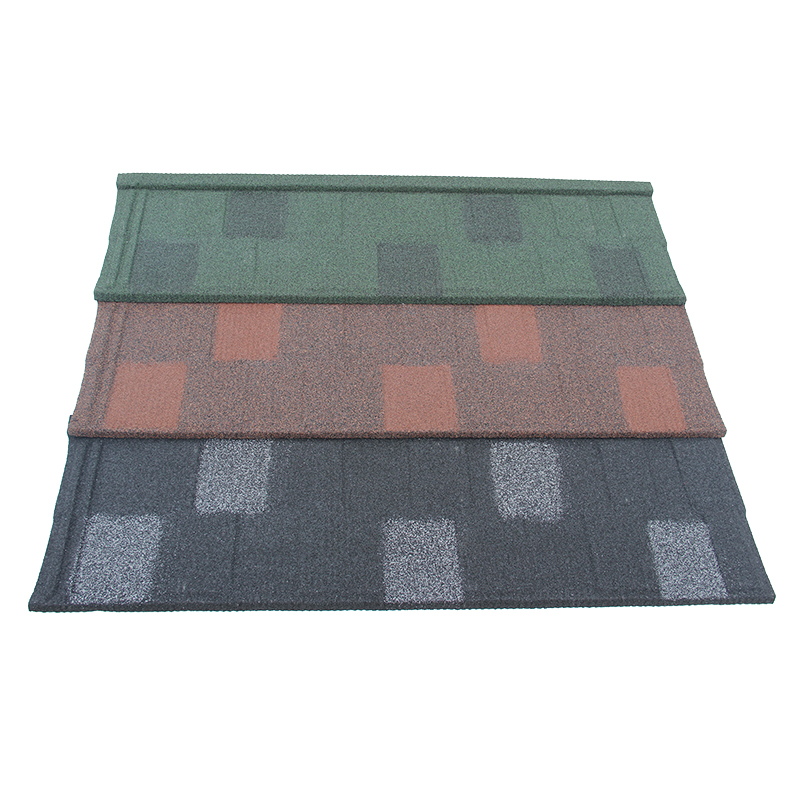
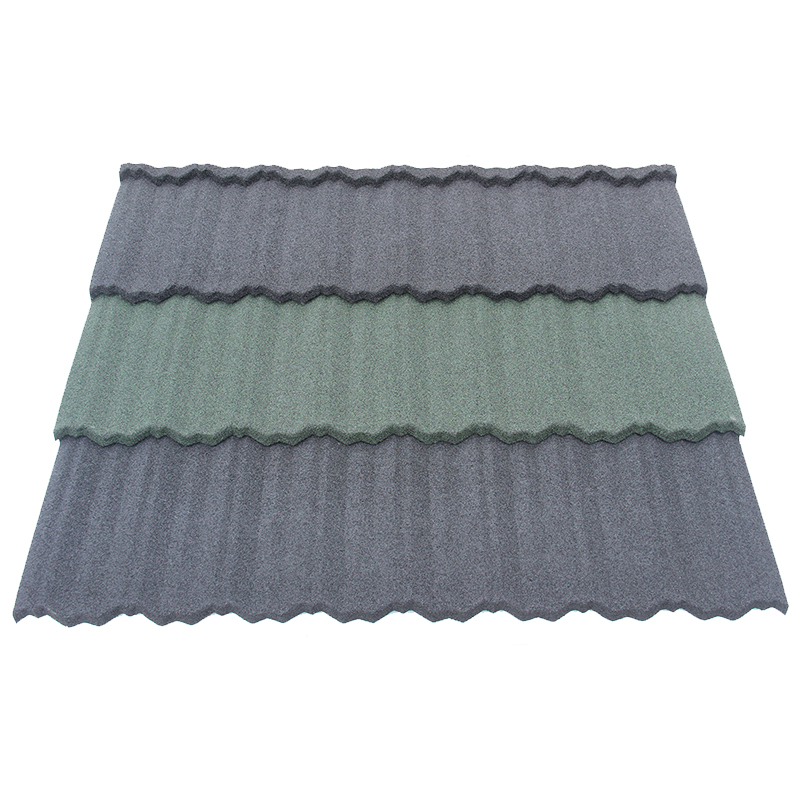
Sleek, highly modern architectural building designs frequently demand incredibly low-profile exterior finishes. Therefore, wind naturally flows much more smoothly over completely flat, low-profile surfaces. Consequently, selecting a streamlined Shingle Tile actively minimizes dangerous aerodynamic wind drag drastically. Furthermore, these flat profiles aggressively mimic classic asphalt but completely eliminate blow-off risks. Thus, intense gusts simply glide harmlessly over the tightly interlocking metal panel surface. Moreover, this specific smooth profile prevents dangerous turbulent air pockets from forming entirely. Ultimately, low-profile metal provides incredibly exceptional safety for modern suburban residential developments.
Interlocking Mechanisms in Deep Profiles
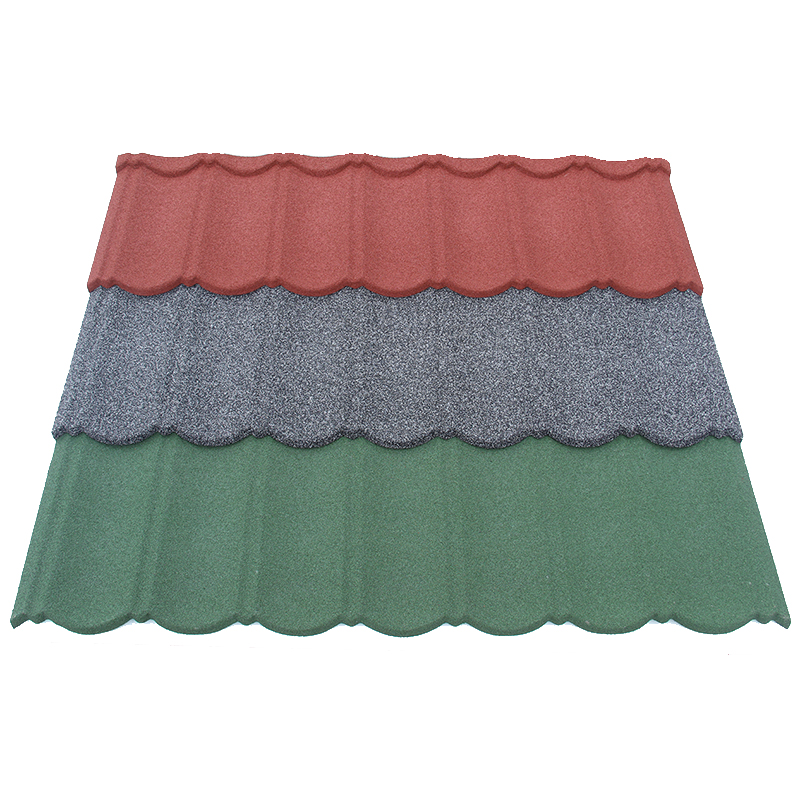
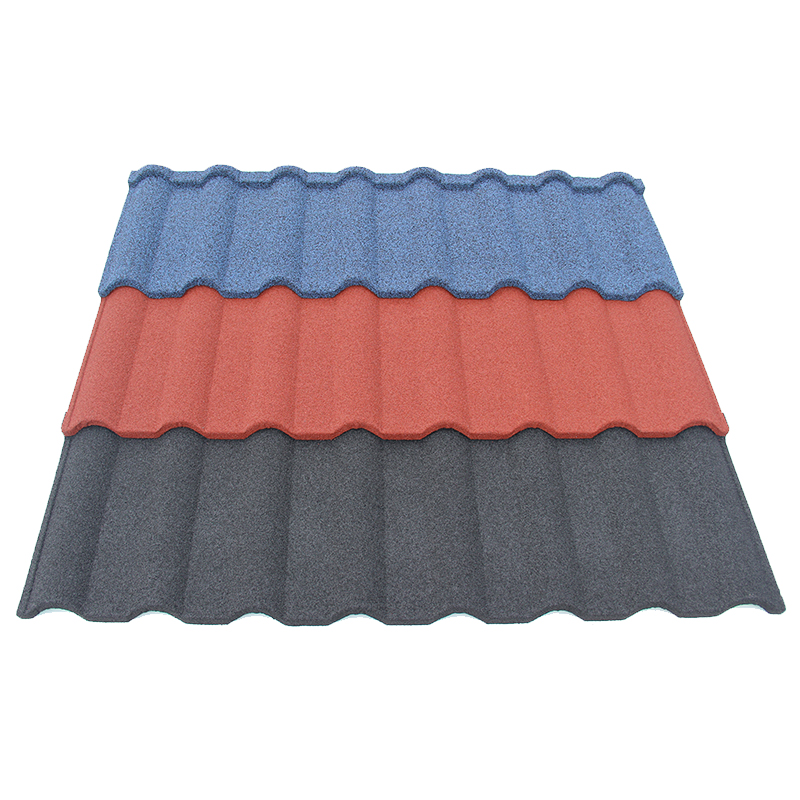
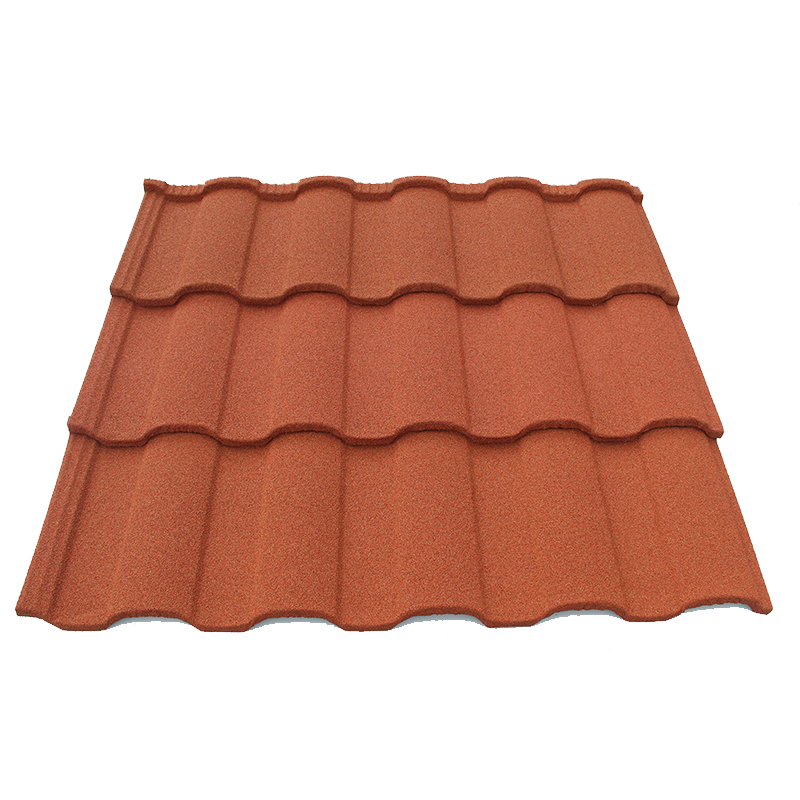
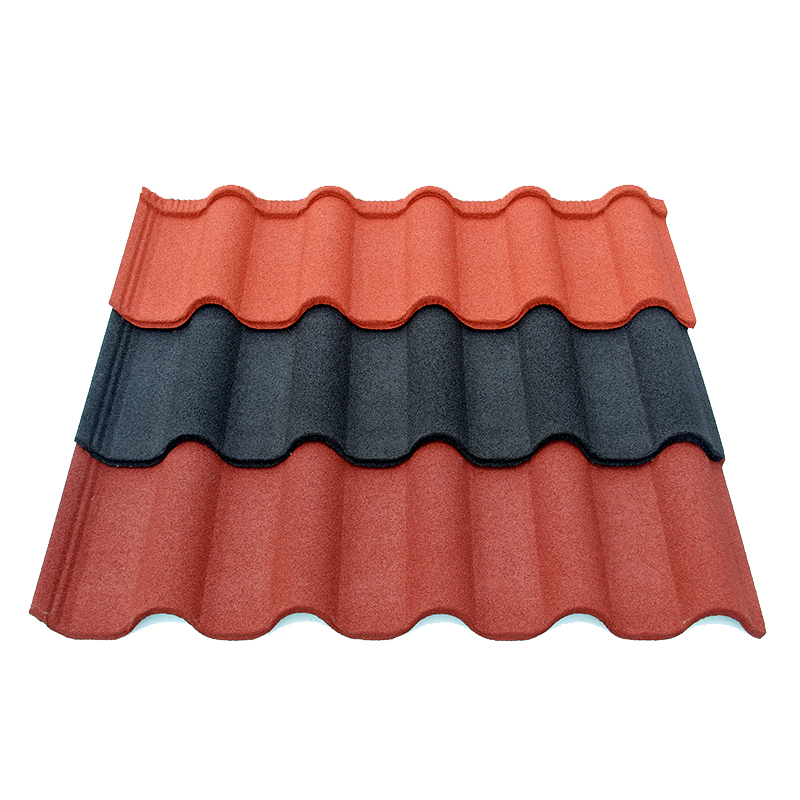
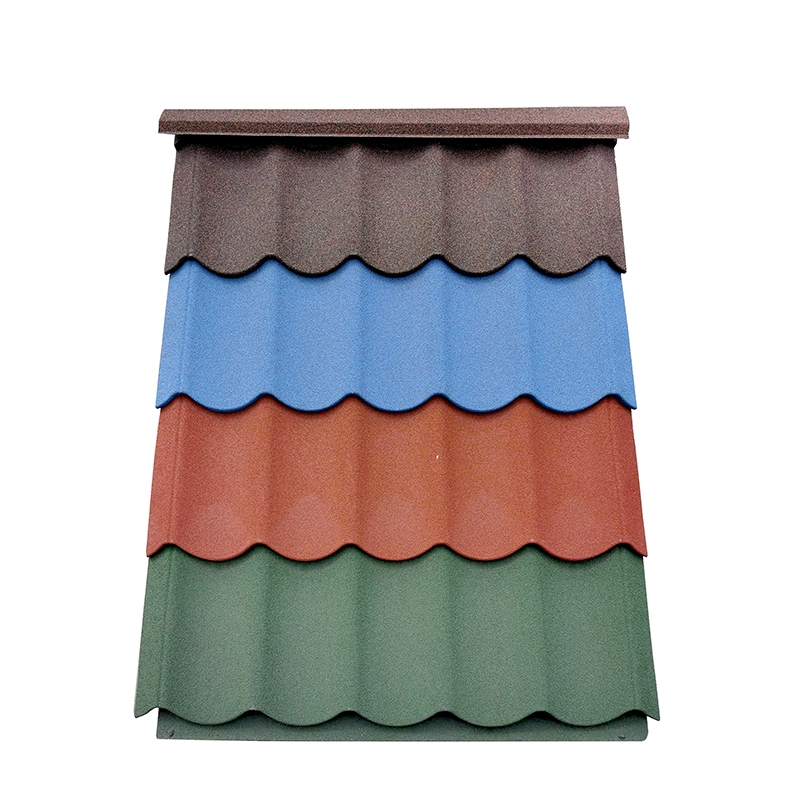
Classic Mediterranean architecture requires deeply sweeping, highly dramatic vertical architectural curves consistently. Therefore, traditional clay tiles frequently catch heavy wind and dangerously blow completely off. Consequently, replicating this specific look requires highly advanced, multi-point mechanical interlocking systems. Furthermore, installing a beautiful Roman Tile perfectly solves this exact historical structural problem. Thus, the deep steel curves heavily interlock on all four distinct panel sides. Moreover, an elegant Milano Tile utilizes this identical secure interlocking mechanism perfectly safely. Ultimately, deeply stamped profiles safely survive hurricanes completely intact without sacrificing premium aesthetics.
Heavy-Duty Fastening for Rustic Aesthetics
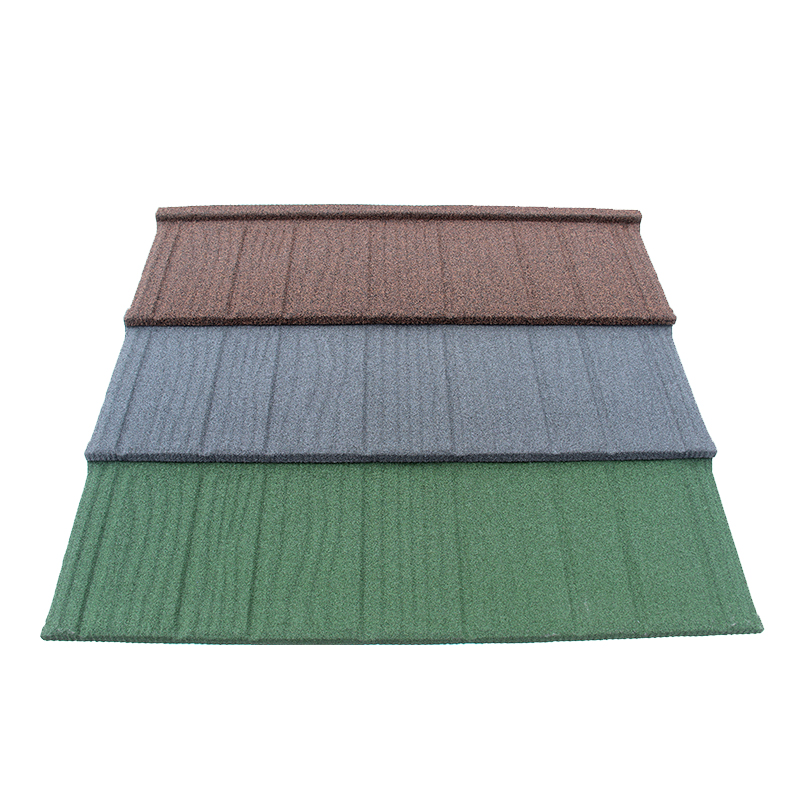
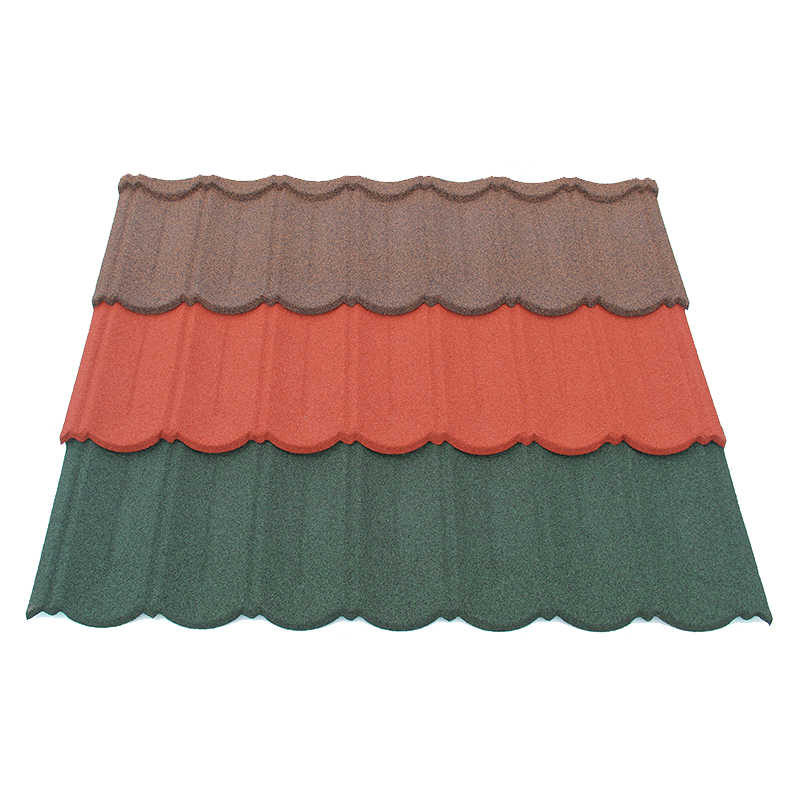
Rustic mountain lodges frequently face highly unpredictable, extremely aggressive high-altitude wind gusts. Therefore, heavy wood shakes were historically used, but they pose massive fire risks. Consequently, modern developers demand incredibly safe, highly durable structural alternatives for remote resorts. Furthermore, a heavily textured Shake Tile perfectly mimics this rustic wood perfectly safely. Thus, these specific panels utilize horizontal fastening techniques directly into raised wooden battens. Moreover, supplying a highly rigid Bond Tile offers this exact same horizontal fastening security. Ultimately, this unique horizontal nailing deeply anchors the roof completely against severe uplift.
Avoiding Common Procurement and Installation Errors
Even the absolute best architectural materials fail with completely improper, careless installation. Therefore, strict adherence to exact manufacturer installation guidelines remains absolutely, completely mandatory. Consequently, procurement teams must carefully pre-qualify their regional commercial roofing contractors consistently. Furthermore, neglecting highly critical building wind zones guarantees totally devastating structural failures eventually. Thus, completely avoiding these specific common errors drastically improves total building longevity.
Underestimating Edge and Corner Zones
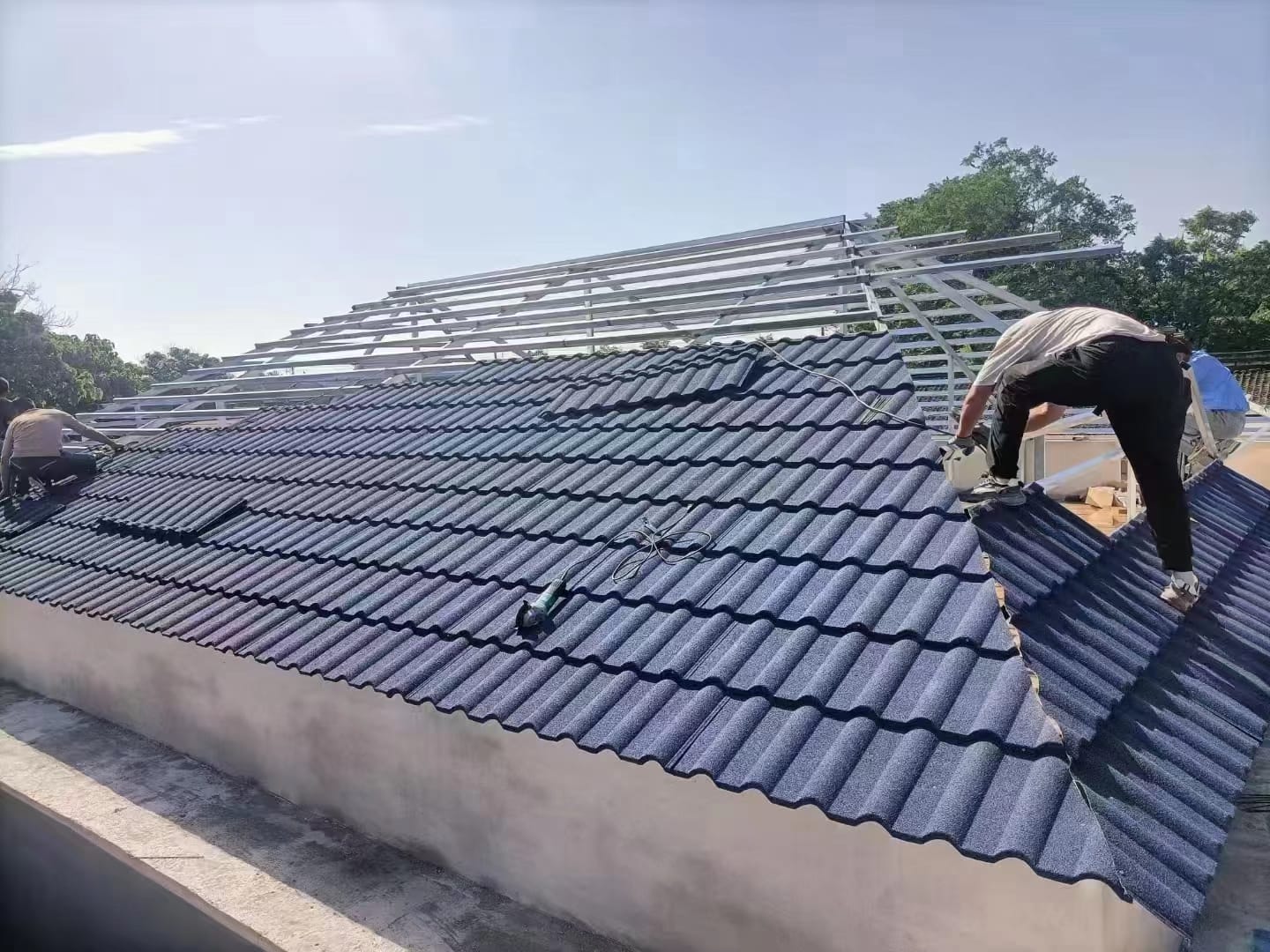
Aerodynamic physics dictates that building corners experience the absolute highest negative suction. Therefore, wind aggressively accelerates as it rapidly rounds the sharp edges of buildings. Consequently, these specific corner perimeter zones require incredibly dense, highly reinforced mechanical fastening. Furthermore, inexperienced contractors frequently use standard field fastening patterns near these dangerous edges. Thus, this critical error rapidly leads to complete corner panel peeling during storms. Moreover, proper installation strictly demands extra screws and highly specialized perimeter metal flashing. Ultimately, reinforcing edges perfectly protects the entire commercial roofing structure completely.
Relying on Inferior Fasteners and Accessories
Procuring highly premium metal panels while utilizing cheap generic screws is disastrous. Therefore, substandard metal fasteners rapidly rust, completely losing their vital structural grip entirely. Consequently, massive wind uplift easily yanks these weak, cheap screws directly out completely. Furthermore, buyers must actively specify premium, highly corrosion-resistant, perfectly color-matched structural fasteners. Thus, investing heavily in proper installation accessories guarantees the massive initial capital outlay. Moreover, cheap rubber washers rapidly degrade, causing insidious water leaks and structural rotting. Ultimately, every single structural component must absolutely meet strictly premium commercial standards.
Ignoring Manufacturer Warranty Stipulations
Elite global manufacturers provide incredibly comprehensive, long-term commercial performance warranties for buyers. Therefore, these warranties frequently explicitly require strictly following exact, highly specific installation manuals. Consequently, skipping vital steps instantly completely voids this incredibly valuable commercial financial protection. Furthermore, actively partnering with a highly reliable brand like JCROOF ensures proper technical support. Thus, utilizing factory-approved techniques securely maintains the promised fifty-year structural operational lifespan. Moreover, procurement managers must highly emphasize these strict warranty rules to their contractors. Ultimately, protecting the strict factory warranty powerfully protects your entire commercial distribution reputation.
Commercial ROI and Strategic Risk Mitigation
High wind resistance directly translates into massive, highly measurable commercial financial returns. Therefore, investing in premium materials actively protects vital commercial facility operating cash flow. Consequently, long-term operational savings easily offset the slightly higher initial material procurement costs. Furthermore, highly robust roofs aggressively lower annual commercial property insurance premiums completely permanently. Thus, smart wholesale buyers strategically prioritize absolute structural building safety globally always.
Lowering Commercial Insurance Premiums
Massive commercial properties constantly carry incredibly expensive, highly burdensome annual property insurance policies. Therefore, insurance carriers deeply fear complete roof blow-offs, which cause massive water damage. Consequently, installing fully certified, highly wind-resistant metal actively mitigates this exact catastrophic risk. Furthermore, actuaries frequently reward these specific structural upgrades with highly substantial premium discounts. Thus, property owners magically save massive amounts of operational capital every single year. Moreover, these consistent annual financial savings directly aggressively improve total real estate profitability. Ultimately, premium roofs successfully pay for themselves through incredibly reduced long-term insurance liabilities.
Preventing Costly Business Interruptions
When a commercial roof utterly fails during a severe storm, businesses must close. Therefore, severe interior water damage destroys expensive retail inventory and complex electrical networks. Consequently, this sudden business interruption causes absolutely massive, completely unrecoverable regional revenue losses. Furthermore, highly secure metal roofs completely ensure the business operations safely remain open. Thus, employees easily return to work immediately following highly severe regional weather events. Moreover, completely avoiding emergency disaster recovery significantly protects the underlying corporate brand reputation. Ultimately, structural reliability strictly guarantees completely uninterrupted, highly profitable daily commercial operations.
Wind Uplift Performance Comparison Matrix
To directly assist B2B procurement managers globally, please carefully review this comparative matrix. Therefore, this specific objective data clearly highlights the absolute superiority of premium steel.
| Building Material Type | Standard Wind Resistance | Aerodynamic Stability | Commercial ROI Impact |
|---|---|---|---|
| Standard Asphalt Shingles | Low (Prone to corner tearing) | Moderate (Edges lift easily) | Poor (Frequent storm repairs needed) |
| Traditional Heavy Clay | Moderate (Relies purely on weight) | Poor (High profile catches wind) | Moderate (High liability during storms) |
| Basic Exposed Fastener Metal | High (But screws loosen over time) | Good (Flat profile) | Good (Requires fastener maintenance) |
| Premium Stone-Coated Steel | Exceptional (Multi-point interlocking) | Exceptional (Air flows smoothly) | Outstanding (Permanent insurance savings) |