
Tropical and subtropical climates present severe environmental challenges for commercial and residential developments. High humidity, intense ultraviolet radiation, and frequent monsoons rapidly degrade standard building materials. Procurement managers and project engineers must carefully evaluate sloping roof systems to ensure long-term structural integrity. Selecting the appropriate material directly impacts project profitability and lifecycle maintenance costs. Among modern solutions, stone coated metal roofing consistently delivers superior weather resistance and thermal performance. This comprehensive guide compares top roofing materials to help B2B buyers make data-driven procurement decisions. Consequently, developers can optimize their supply chain and maximize overall property value.
Understanding Sloping Roof Dynamics in Harsh Environments
Procuring the right roofing solution requires a thorough understanding of regional environmental stressors. Tropical zones experience extreme weather patterns that test the limits of exterior building envelopes. A sloping architectural design naturally accelerates water runoff during heavy rainfall. Furthermore, severe storms demand materials with exceptional uplift resistance and secure structural fastening. Therefore, commercial builders must prioritize specialized, high-durability materials over conventional alternatives.
Combating Extreme Thermal Fluctuations
Intense solar radiation constantly bombards roofs in subtropical regions. Traditional materials often absorb this heat directly into the building structure. This thermal transfer significantly increases indoor temperatures and overloads commercial HVAC systems. Additionally, prolonged UV exposure causes conventional roofing products to become brittle and crack. Modern engineered materials must feature high solar reflectance to mitigate these thermal impacts. Consequently, energy-efficient roofing drastically lowers operational costs for facility managers.
Managing Heavy Precipitation and Moisture
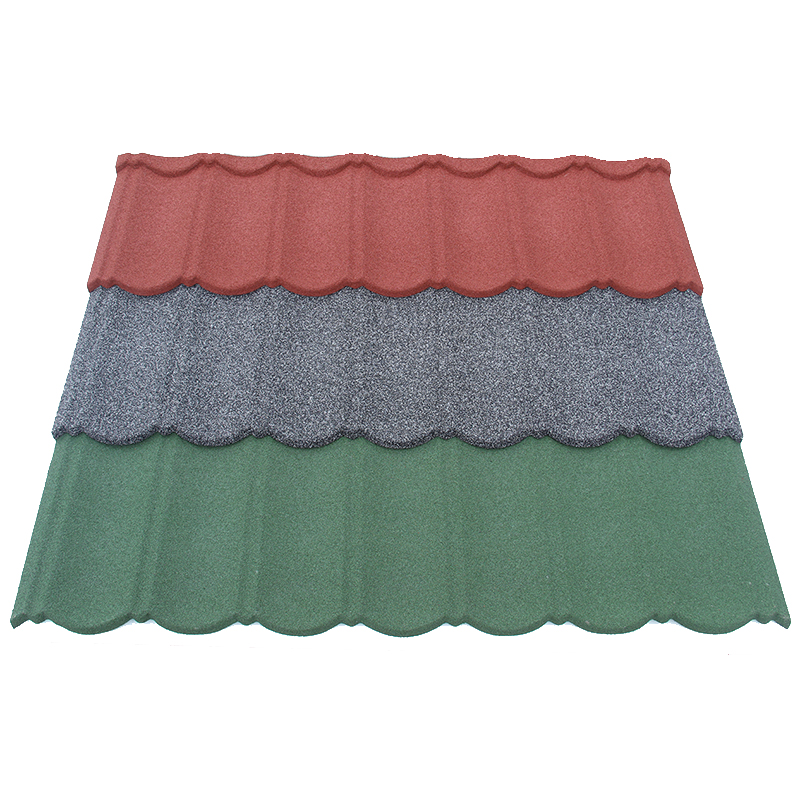
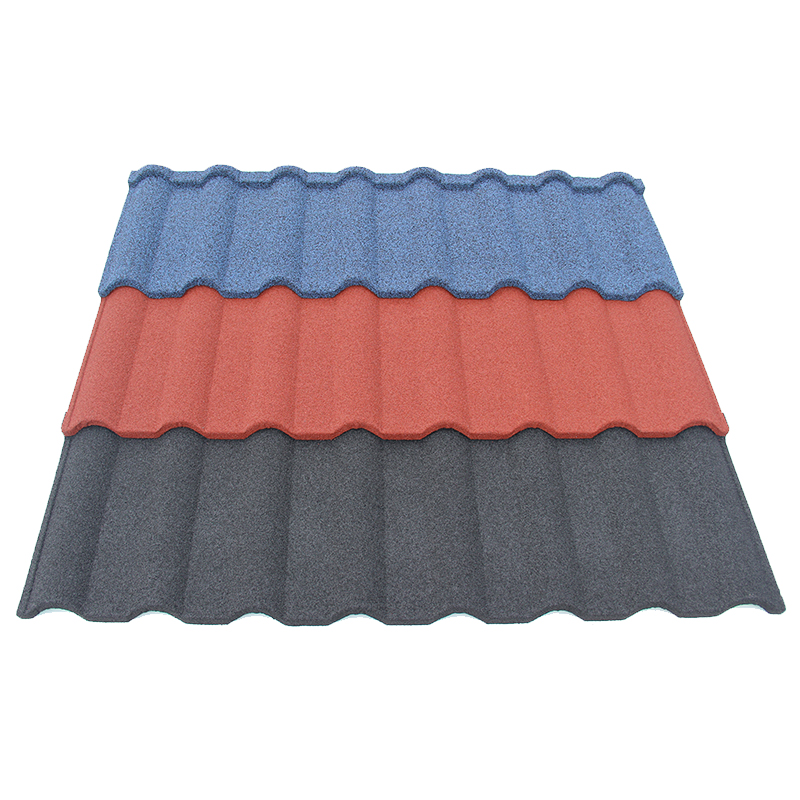
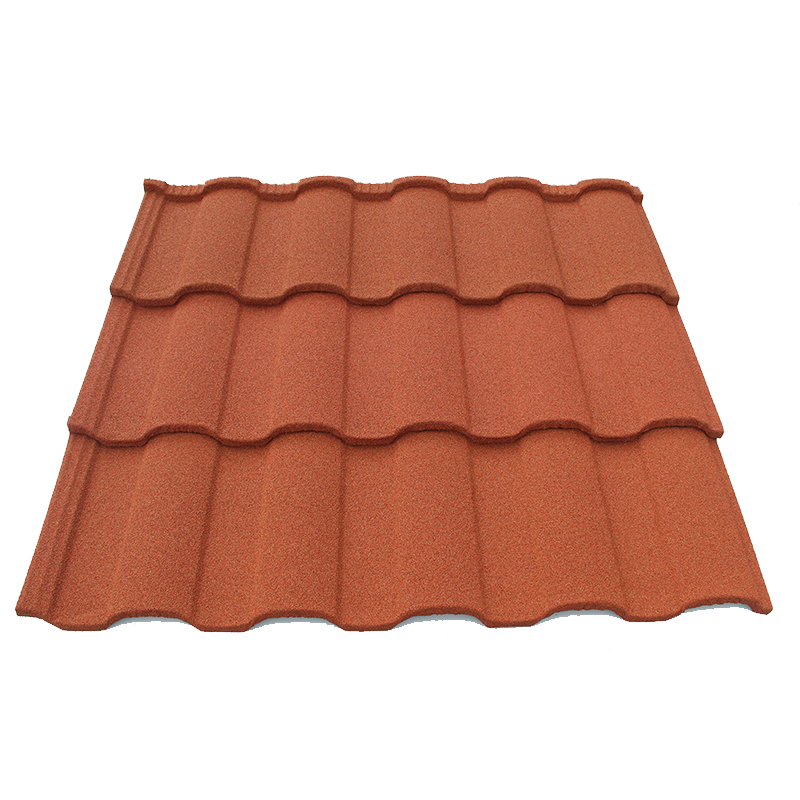
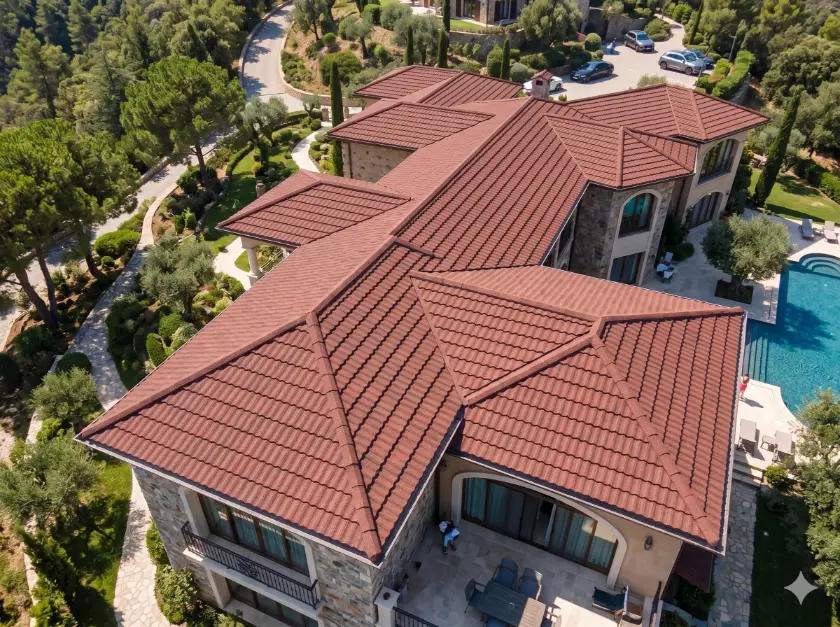
Tropical climates endure seasonal monsoons and high ambient humidity. Inadequate roofing systems quickly succumb to water pooling, leaks, and structural rot. Moreover, constant moisture promotes rapid algae and mold growth on porous surfaces. Builders frequently utilize specific architectural profiles, such as the Roman Tile, to efficiently channel heavy rainwater away from the building framework. This classic profile not only handles high water volumes but also provides a premium Mediterranean aesthetic for luxury resorts and housing developments.
Defending Against Hurricane-Force Winds
Coastal developments face the constant threat of typhoons and hurricanes. Inferior roofing materials easily detach during high-wind events, causing catastrophic structural failures. Project engineers must specify materials with proven wind-uplift resistance. Secure interlocking panel designs prevent wind from penetrating the roof deck. Therefore, strict adherence to high-wind building codes is non-negotiable for coastal construction projects.
Evaluating Leading Sloping Roof Materials for Commercial Projects
Procurement specialists must objectively analyze various roofing materials to meet specific project budgets and performance targets. The current market offers multiple traditional and modern systems, each with distinct advantages and inherent limitations. We will systematically evaluate clay tiles, concrete tiles, asphalt shingles, bare metal, and stone-coated steel. By understanding these differences, buyers can effectively mitigate long-term maintenance risks and optimize capital expenditure.
Traditional Clay and Concrete Roofing Tiles
Clay and concrete tiles offer excellent thermal mass and a traditional appearance. They resist rot and insect damage effectively in humid climates. However, these materials are exceptionally heavy, requiring reinforced roof trusses. This added structural requirement significantly increases overall construction costs and extends installation timelines. Furthermore, rigid clay and concrete easily fracture upon impact from flying debris during severe tropical storms.
Asphalt and Fiberglass Shingles
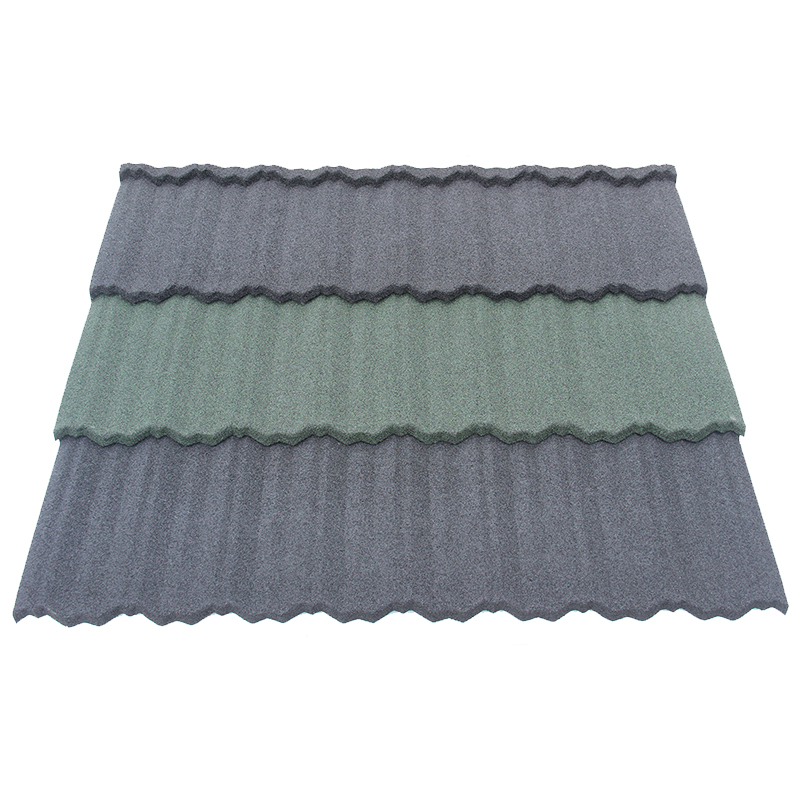
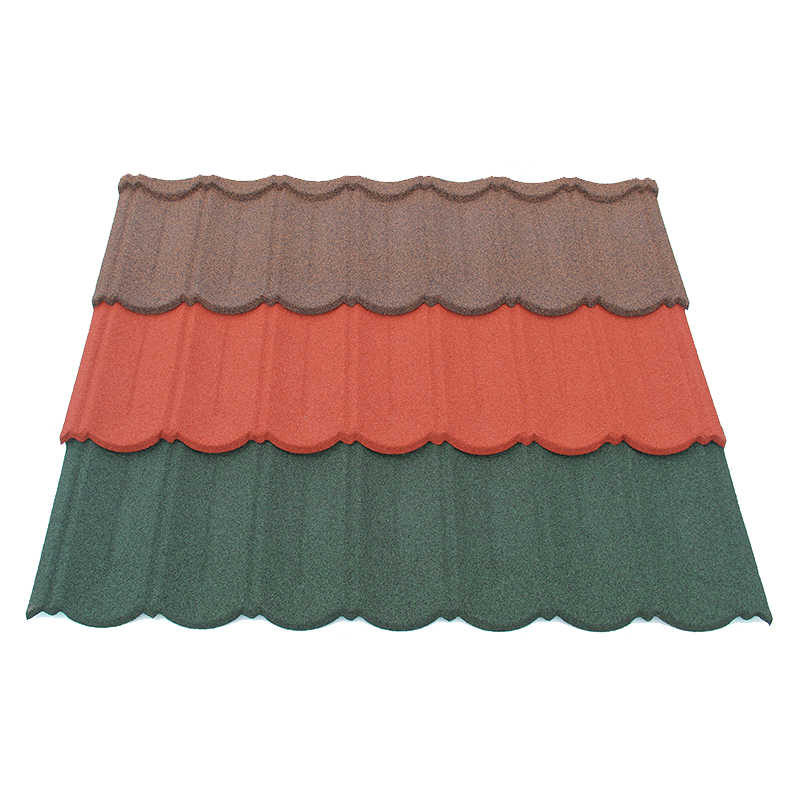
Asphalt shingles dominate lower-budget residential projects due to their low initial procurement cost. Installers appreciate their lightweight nature and simple application process. Unfortunately, asphalt performs poorly under intense tropical UV radiation. The heat causes the shingles to blister, curl, and prematurely lose their protective granules. For developers wanting a traditional shingle appearance without the rapid degradation, upgrading to a stone-coated metal Shingle Tile provides a significantly higher return on investment and vastly superior weather resistance.
Bare Corrugated Metal vs. Advanced Stone Coated Systems
Bare corrugated metal offers excellent longevity and rapid installation for industrial applications. However, bare metal expands and contracts noticeably, stressing fasteners over time. It also generates excessive noise during heavy rainstorms, making it unsuitable for premium residential or commercial office spaces. Advanced stone-coated steel solves these issues entirely. As a premier manufacturer, JCROOF engineers sophisticated roofing systems that eliminate rain noise while providing unparalleled defense against tropical elements.
Key Performance Factors for Stone Coated Metal Roofing in Subtropical Regions
Modern commercial developments increasingly specify stone-coated steel due to its exceptional engineering and climate adaptability. This advanced material bridges the gap between industrial-grade resilience and premium architectural aesthetics. For project managers operating in storm-prone regions, understanding these technical specifications is absolutely critical. Let us examine the core functional attributes that make this roofing category a preferred choice for high-value B2B projects.
Unmatched Longevity and Lifecycle Value
When calculating building material costs, buyers must look beyond initial acquisition expenses. Traditional materials often require complete replacement within two decades. In contrast, metal roofing lasts about two to three times longer than its traditional counterparts, spanning roughly 40 to 70 years. This exceptional lifespan dramatically lowers the total cost of ownership for commercial properties. Consequently, developers avoid disruptive and expensive roof replacements, maximizing long-term profitability.
Superior Weather and Impact Resistance
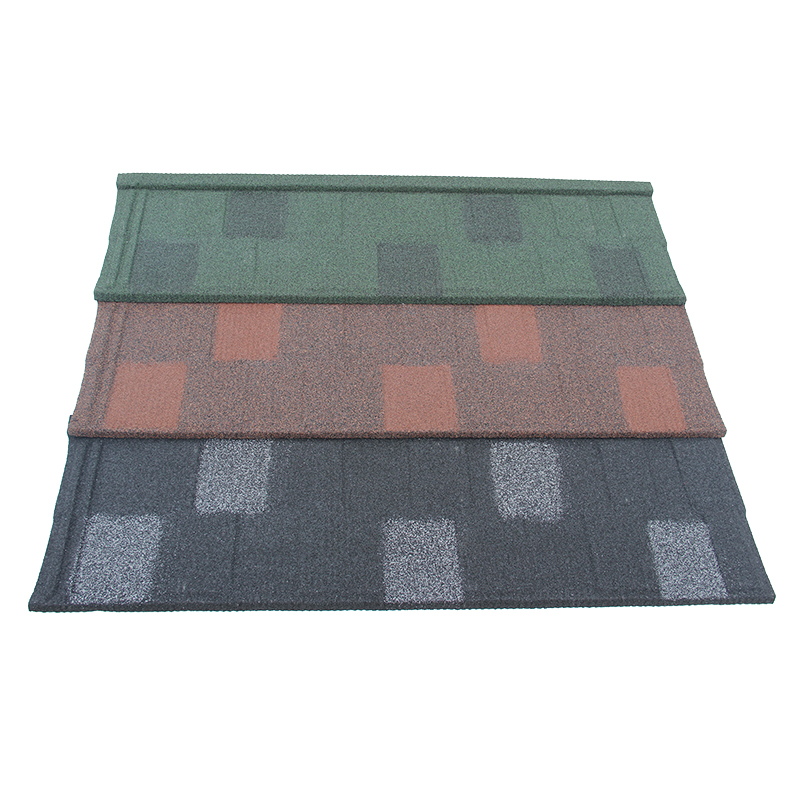
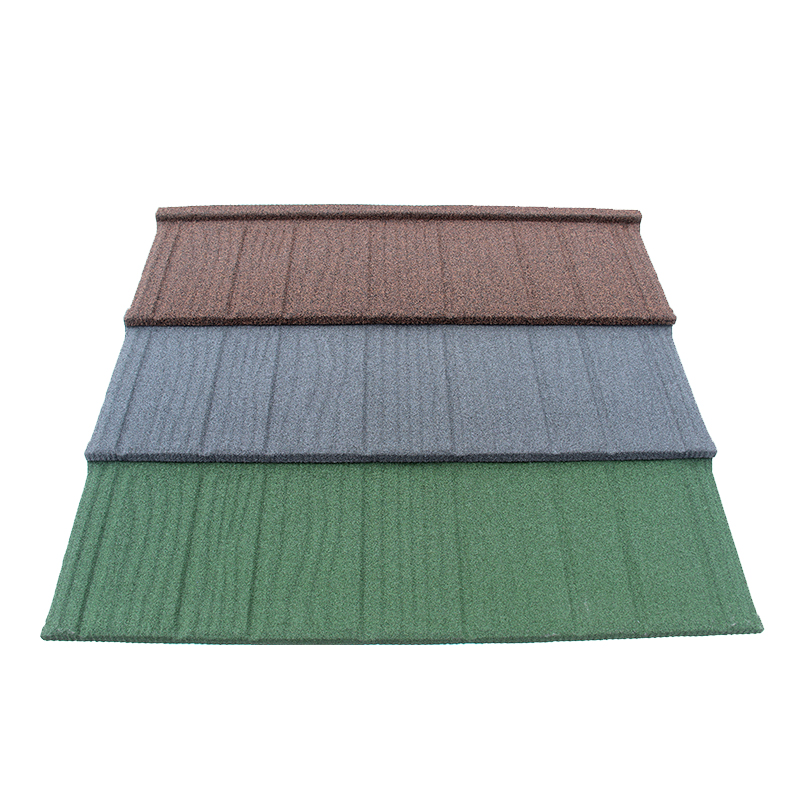
Tropical storms unleash devastating wind and hail. Engineered metal systems utilize deep-drawing steel core panels that interlock securely. Overall, metal roofing is highly resistant to damage from wind, hail, snow, rain, and fire. Specifically, premium stone-coated panels protect against wind uplift in hurricane-force speeds of 120 miles per hour. They also resist impact from hailstones as large as 2.5 inches in diameter. For projects requiring a rustic wood aesthetic without the fire and wind vulnerabilities, deploying a Shake Tile profile ensures uncompromising safety.
Energy Efficiency and Operational Savings
Thermal management is a critical priority for commercial facility operations. Stone-coated metal roofing functions as a highly energy-efficient barrier. Rather than absorbing the sun’s rays, it actively reflects them away from the building envelope. This reflective property keeps internal spaces more comfortable in warm weather and can reduce cooling costs by up to 25%. Therefore, developers can downsize initial HVAC equipment installations and enjoy ongoing utility savings.
Strategic Procurement and Application Advice for Project Managers
Successful construction execution depends heavily on strategic material sourcing and accurate architectural alignment. B2B buyers must evaluate lifecycle value, installation efficiency, and supply chain reliability. Selecting the optimal roof profile ensures architectural harmony while maximizing localized environmental defense. Furthermore, partnering with proven manufacturers guarantees consistent quality control for large-scale multi-unit developments.
Lifecycle Cost Analysis and Insurance Benefits
Initial material costs represent only a fraction of true roofing expenses. Procurement teams must conduct comprehensive Lifecycle Cost Analyses (LCCA). Stone-coated steel requires virtually zero ongoing maintenance. Furthermore, insurance carriers typically favor metal roofing because of its proven longevity and structural durability. For property owners, this specialized durability often translates directly to discounted insurance premiums. These compounding annual savings significantly improve the financial metrics of any commercial real estate portfolio.
Architectural Matching for Commercial Developments
Consistency in design language is crucial for premium B2B developments. Roofing materials must complement the overarching architectural vision. Manufacturers offer various profiles to match different structural styles perfectly. For modern commercial structures, industrial parks, or contemporary residential communities, specifying a sleek Bond Tile delivers a clean, universally appealing geometric aesthetic. This ensures the building envelope looks professional while performing flawlessly under duress.
Optimizing Installation Logistics
Weight directly impacts construction logistics and structural engineering costs. Stone-coated steel panels weigh significantly less than traditional clay or concrete options. This lightweight nature accelerates roof installation timelines and reduces overall labor expenses. Additionally, lighter roofs decrease the required load-bearing capacity of the underlying trusses. Consequently, engineers can optimize framing designs, saving substantial capital on lumber and structural steel materials.
Common Misconceptions When Selecting Tropical Roofing Solutions
Even experienced procurement officers occasionally rely on outdated industry myths regarding tropical building materials. Misinformation frequently leads to suboptimal purchasing decisions and unexpected future liabilities. It is vital to separate factual performance data from traditional assumptions. By addressing these common errors in judgment, buyers can confidently protect their investments and ensure optimal building performance for decades.
The Noise Mitigation Myth
A prevalent misconception suggests that all metal roofs are excessively loud during rainstorms. While true for bare agricultural metal, it is entirely false for engineered stone-coated systems. The thick acrylic base coat and natural stone granules effectively absorb and deaden sound vibrations. As a result, the acoustic performance of these advanced roofs mirrors that of traditional heavy asphalt or clay tiles. Occupants experience a quiet, comfortable interior environment even during torrential tropical downpours.
The Rust and Degradation Concern
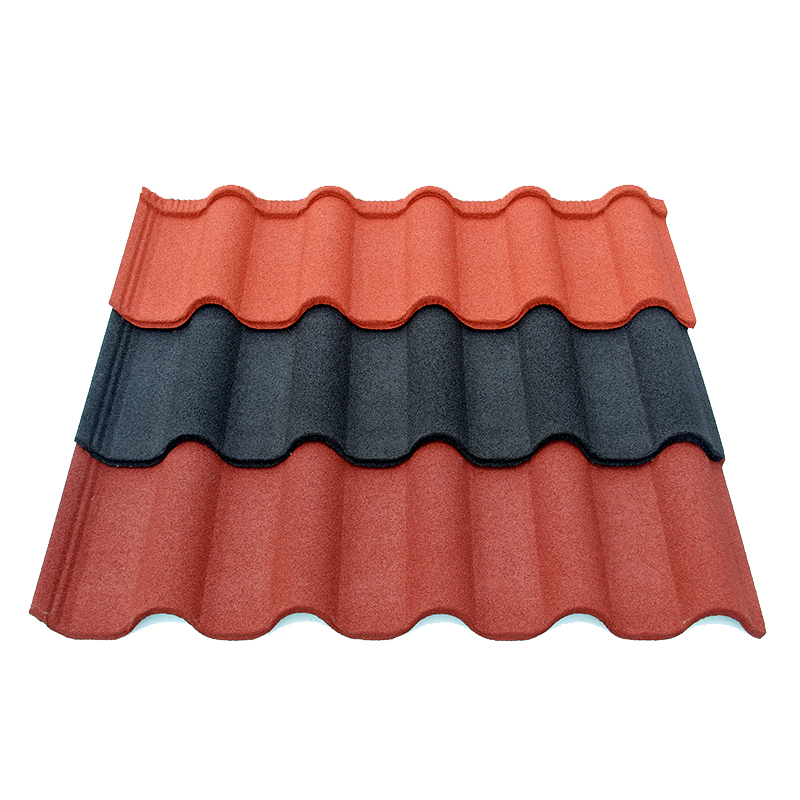
Buyers often worry about metal oxidation in humid, salt-heavy coastal environments. Modern manufacturing completely neutralizes this threat. High-grade systems utilize advanced zinc-aluminum (Galvalume) coated steel cores. This metallic alloy prevents rust entirely. Furthermore, the specialized ceramic-coated stone chips resist algae and fungal growth. For intricate architectural designs requiring smooth curves, specifying a Milano Tile profile ensures elegant aesthetics while naturally washing away corrosive airborne salt and debris.
Misjudging Roof Value vs. Upfront Cost
Many developers conflate immediate installation expense with long-term property value. Selecting cheaper roofing to save upfront capital often damages final property valuations. In contrast, installing premium roofing directly boosts asset equity. Specifically, a high-quality metal roof can increase a home’s overall value by up to 6%. Buyers actively avoid homes or commercial properties with roofing issues or substandard materials. Therefore, investing in superior roofing accelerates property sales and maximizes closing prices.