
The Complexities of Sourcing Roofing Tiles
Importing building materials requires a deep understanding of manufacturing standards, supply chain logistics, and material science. Sourcing stone coated metal roofing tiles from China offers global distributors, large scale builders, and wholesale buyers distinct advantages. The region boasts a highly mature supply chain, cost effective access to premium aluzinc steel, and advanced high temperature sintered stone chip technology.
Despite these advantages, the procurement process is fraught with potential pitfalls. Overseas buyers often face inconsistent batch quality, misleading specifications, and logistical failures that can severely impact project timelines and profit margins. To secure a reliable supply chain, importers must look beyond the initial quotation and critically evaluate the product’s underlying engineering and the manufacturer’s operational capacity.
Mistake 1: Ignoring the Base Steel and Aluzinc Coating Thickness
The structural integrity of any metal roofing tile begins with its base material. A common error among new importers is failing to specify the exact grade and thickness of the Aluzinc (Galvalume) coating. Some suppliers quote low prices by substituting standard AZ150 steel (150 grams of aluminum-zinc coating per square meter) with AZ50 or inferior galvanized steel.
While the tile may look identical upon delivery, a thinner Aluzinc coating drastically reduces the roof’s resistance to oxidation and corrosion. In regions with high humidity, heavy rainfall, or coastal salt exposure, roofs manufactured with subpar base steel will exhibit premature rusting within a few years, leading to catastrophic structural failure and voided warranties.
Mistake 2: Falling for Dyed Sand over Sintered Stone Chips
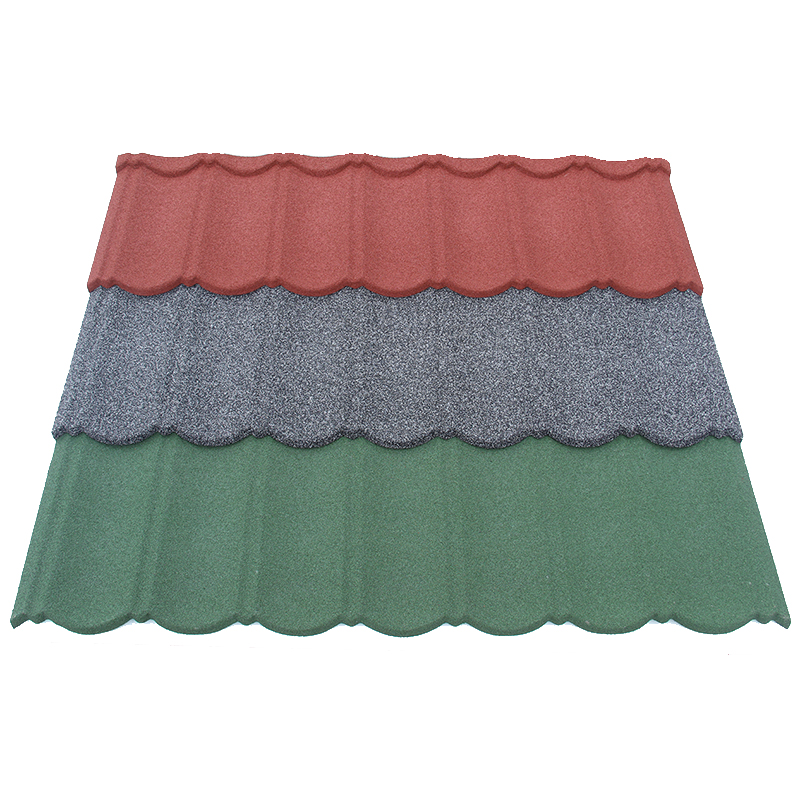
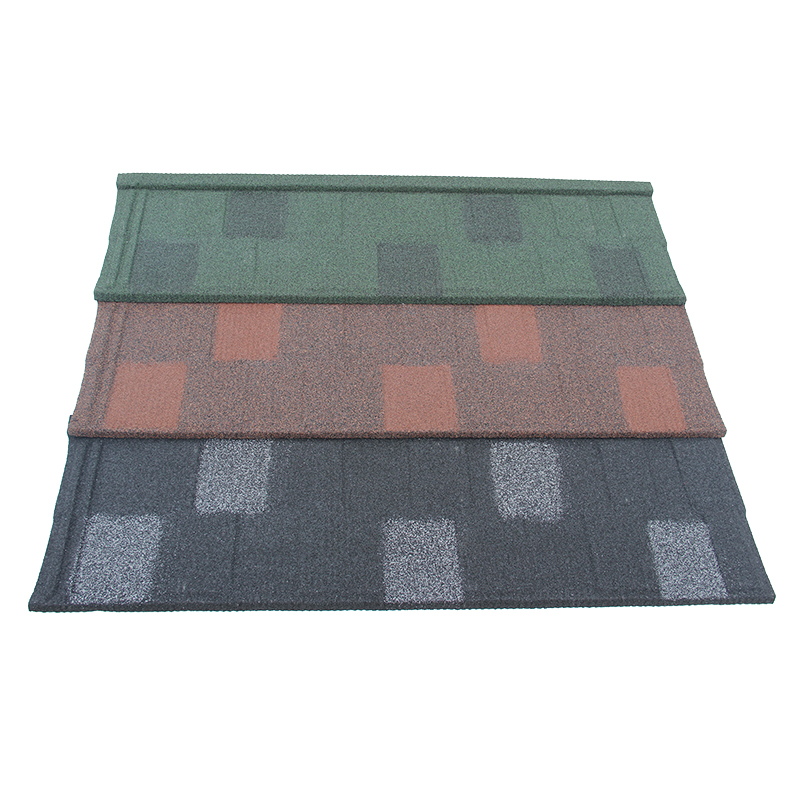
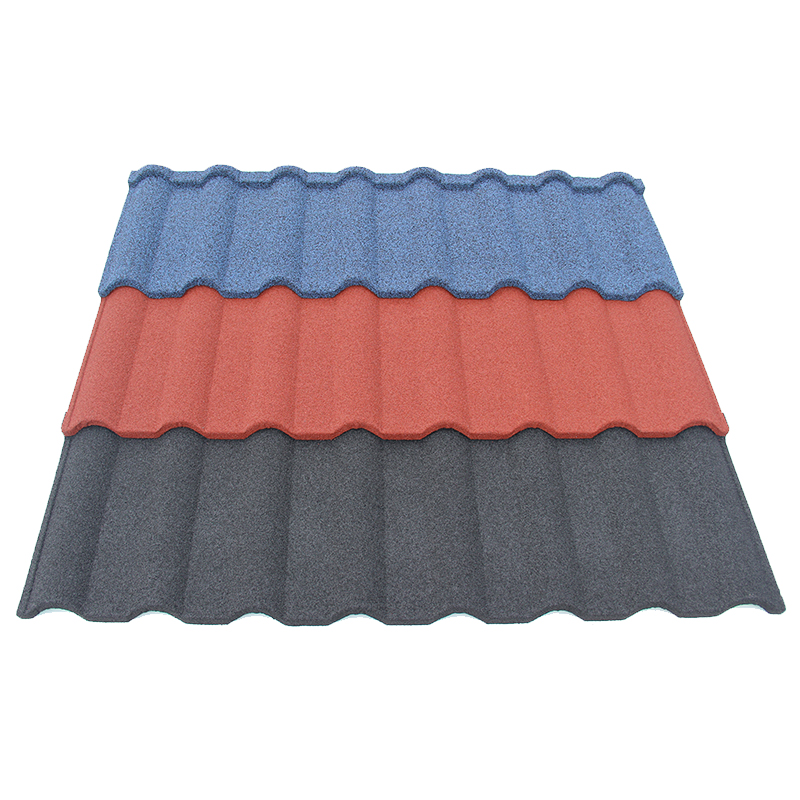
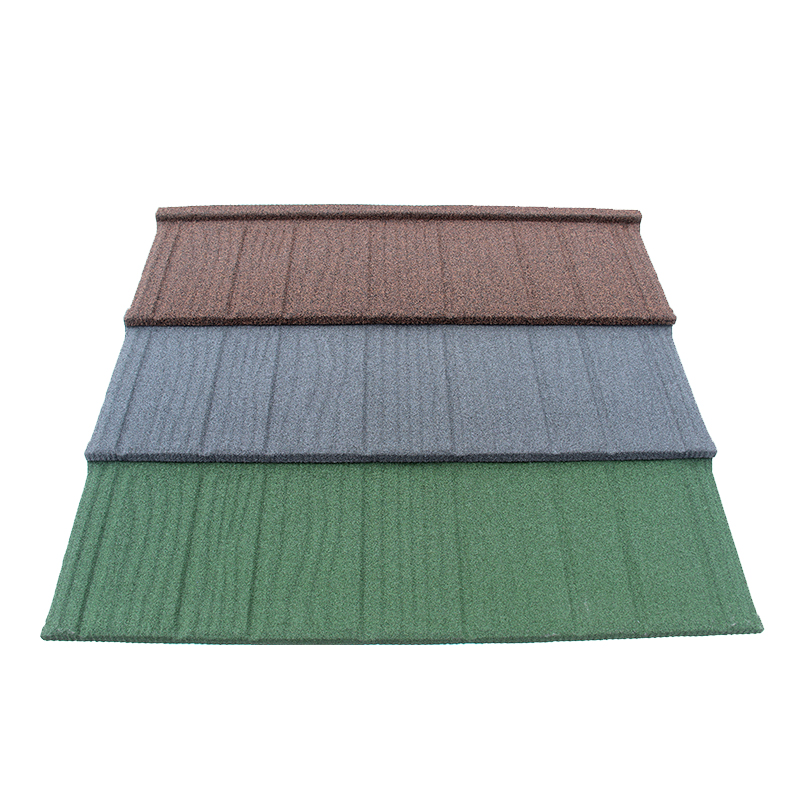
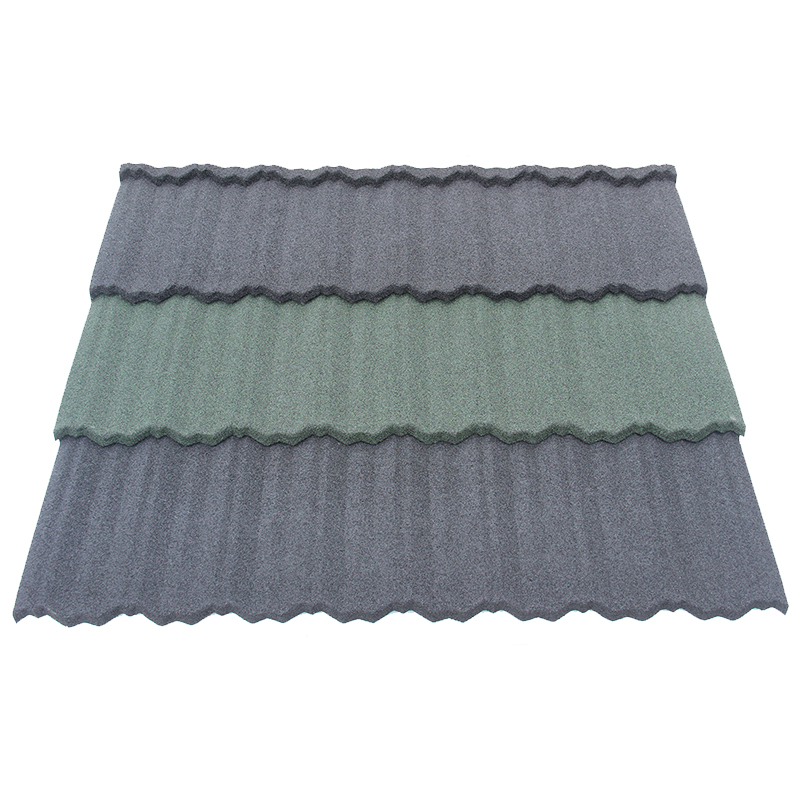
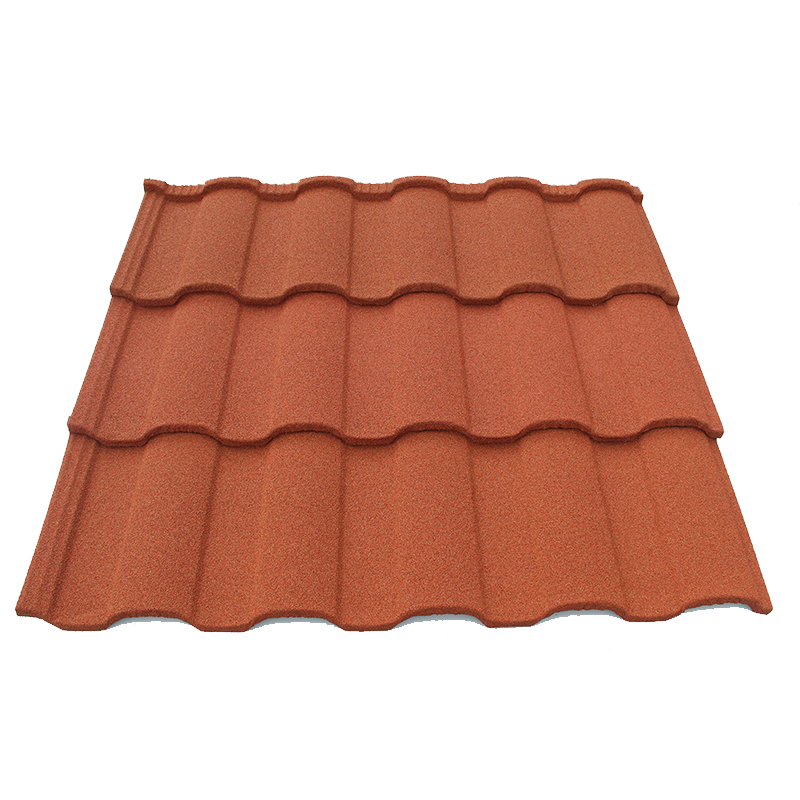
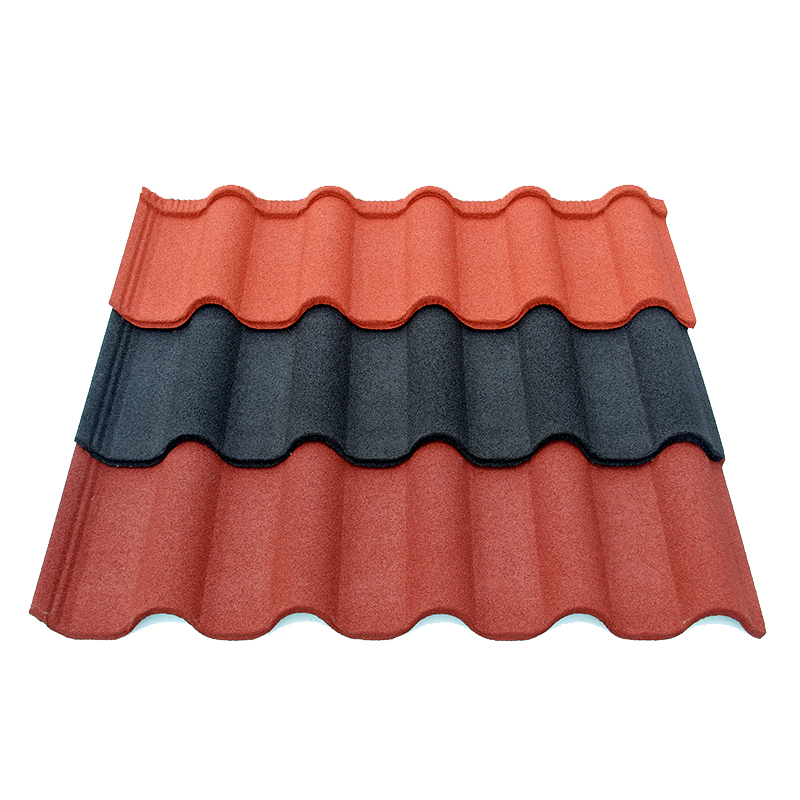
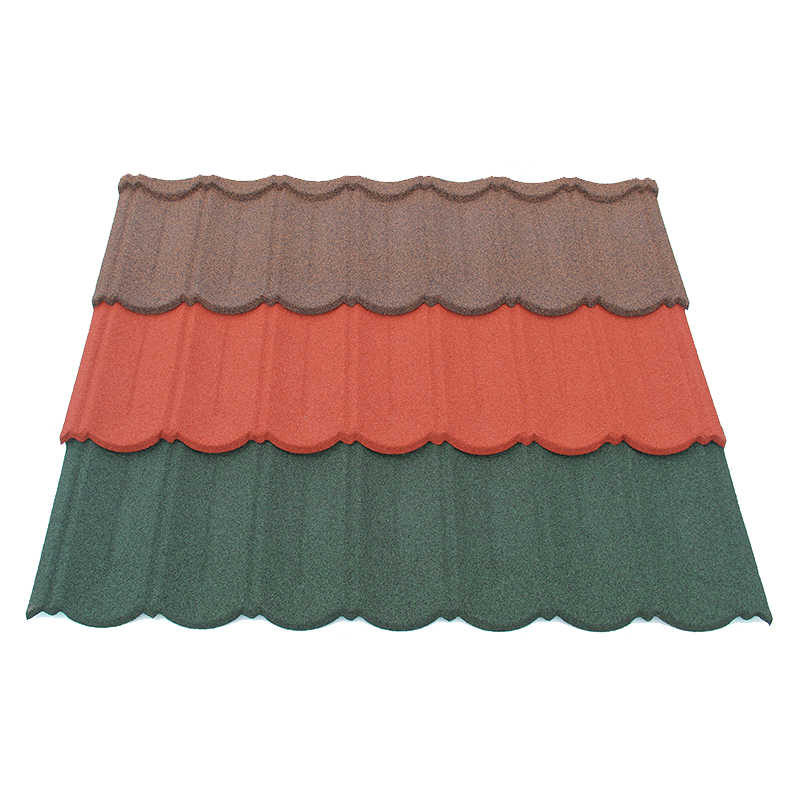
Quality stone coated steel roof tiles are crafted with a steel core coated in stone granules, providing outstanding durability and resistance to harsh weather conditions. However, not all stone coatings are equal. To cut costs, unverified factories often use cold-dyed sand instead of high-temperature sintered basalt chips.
Sintered stone chips undergo a ceramic coating process at temperatures exceeding 800°C, locking in the pigment. This ensures the roof remains UV-resistant and colorfast for decades. In contrast, dyed sand will fade, streak, or wash away entirely after prolonged exposure to sunlight and rain. Importers must explicitly demand sintered stone chips and verify this through accelerated weathering tests or third-party laboratory analysis before placing bulk orders.
Mistake 3: Overlooking the Quality of Acrylic Resin (Glue)
The adhesive system is the invisible link that determines the lifespan of the tile. A high-quality roof relies on a premium, weather-resistant acrylic resin to bind the sintered stone chips to the Aluzinc base layer, followed by a clear acrylic overglaze to seal the surface.
When manufacturers utilize diluted or low-grade resin, the stone granules will easily detach during transit, installation, or under the stress of heavy storms. Buyers should request technical data sheets on the acrylic resin used, paying close attention to its solid content and elasticity. A simple scratch test or boil test on a sample can quickly reveal the integrity of the bonding agent.
Mistake 4: Failing to Verify Actual Manufacturing Capabilities
A polished B2B website does not guarantee a robust manufacturing facility. Many overseas buyers make the mistake of contracting with trading companies acting as factories, leading to markups and zero control over the production process.
When auditing potential partners, look for established entities with rigorous quality control processes capable of producing tiles that are long-lasting and visually appealing. For example, reliable suppliers like JCROOF have set a high benchmark in the industry by maintaining full control over their production lines, from steel stamping to resin application. Similarly, established manufacturers like Witop Stone Coated Steel Roofing, founded in 2016 in Qingdao, have built trusted supply chains for international markets. Always request live video audits of the pressing and coating lines, and ask for ISO certification directly tied to the factory’s physical address.
Mistake 5: Misunderstanding Packaging and Container Loading
Logistics can destroy a high-quality product before it reaches the job site. Stone coated metal tiles are rigid but vulnerable to crushing if improperly palletized. Importers often neglect to specify packaging standards, leading factories to overload bulk quantities to maximize space inside a 20ft or 40ft container.
Without proper wooden pallets, edge protectors, and moisture-absorbing desiccants, the tiles at the bottom of the stack can warp, and the friction during maritime transport can scrape off the protective stone coating. Always define the maximum number of tiles per pallet and demand fumigated wooden packaging standard for international freight.
Mistake 6: Neglecting Regional Certifications and Warranties
Importing building materials into regions like Africa, the Middle East, or Southeast Asia requires strict adherence to local building codes. Failing to secure the necessary documentation—such as SONCAP for Nigeria, PVOC for Kenya, or CE marking for European jurisdictions—will result in customs delays and heavy demurrage fees.
Furthermore, standard stone-coated steel roof tiles typically last 40-70 years, depending on the manufacturer and installation quality. Importers must ensure the factory provides a legally binding warranty document that explicitly covers critical failures like severe granule loss or substrate rusting, rather than accepting vague verbal assurances.
Mistake 7: Prioritizing the Lowest Price Over Total Lifecycle Value
The most detrimental mistake is making purchasing decisions based solely on the lowest FOB price. High-quality stone coated steel roof tiles excel over conventional roofing options by withstanding winds up to 120 mph, lasting 2-3 times longer, and cutting energy costs by as much as 20%.
When a buyer forces the price down beyond the baseline cost of raw materials, the manufacturer will inevitably compromise on the Aluzinc thickness, resin quality, or packaging. The resulting claims, damaged reputation, and replacement costs far exceed the few dollars saved per square meter during the initial procurement phase.
How to Audit and Choose a Reliable B2B Supplier
To mitigate risks and build a sustainable supply chain, implement these three verification steps when assessing Chinese metal roof factories:
- Request Raw Material Traceability: Ask the supplier for the mill test certificates (MTC) of the Aluzinc steel coils. Verify the supplier’s procurement chain to ensure they are sourcing from reputable domestic steel mills.
- Demand Physical Weight and Adhesion Tests: Before approving a bulk order, test the physical samples. Weigh the tile to confirm it meets the promised steel thickness, and perform an adhesion test to ensure the stone chips do not easily flake off under friction.
- Conduct a Virtual or Third-Party Factory Audit: Utilize a local third-party inspection agency (like SGS or Intertek) to verify the factory’s production capacity, quality control checkpoints, and labor conditions before transferring the deposit.
Frequently Asked Questions (FAQ)
What are the main benefits of stone-coated steel roof tiles compared to traditional roofing materials?
Stone-coated steel roof tiles provide superior weather resistance and durability. They last 2-3 times longer than conventional roofing options, can withstand winds up to 120 mph, and have been shown to cut energy costs by as much as 20%.
Are stone-coated steel roofs environmentally friendly?
Yes, they are eco-friendly. Manufacturers use recyclable materials and sustainable production methods, while their energy-efficient design reduces cooling costs, effectively lowering a building’s overall carbon footprint.
How long do stone-coated steel roof tiles last?
When manufactured with quality materials, these tiles typically last 40-70 years, depending on the manufacturer and the quality of the installation.
Conclusion & Next Steps for Importers
Securing a steady, high-quality supply of stone coated metal roofing tiles from China requires diligence, technical knowledge, and a focus on long-term value. By avoiding these seven common mistakes—particularly regarding base steel thickness, resin quality, and factory verification—B2B buyers can protect their investments and deliver superior roofing solutions to their local markets. Focus your procurement strategy on reliable partners like JCROOF, who prioritize engineering integrity and transparent supply chains.
If you are ready to upgrade your supply chain and require a reliable, high-capacity manufacturing partner, request a customized B2B quotation and a set of technical samples today to baseline your quality standards.