
A roof’s lifespan number on a spec sheet doesn’t tell the whole story. In fact, two suppliers can both claim “50 years” and mean very different things. So this guide breaks down what actually determines how long stone coated metal roofing lasts, giving you the tools to evaluate a supplier’s claims with confidence.
What Is the Average Lifespan of Stone Coated Metal Roofing?
Stone coated metal roofing lifespan: The typical service life ranges from 40 to 70 years when the manufacturer builds and installs it properly, compared to 15–20 years for asphalt shingles.
That range is wide because it depends heavily on material quality and climate exposure — points we cover in the next section. For now, here’s how it compares to other common roofing materials:
| Material | Typical Lifespan |
|---|---|
| Asphalt shingle | 15–20 years |
| Wood shake | 25–30 years |
| Concrete tile | 20–25 years |
| Stone coated metal | 40–70 years |
| Standing seam metal | 40–60 years |
For buyers, this comparison matters most as a sales argument. A stone coated metal roof can outlast two or three asphalt roof replacements over the same period — a number worth putting directly in front of resale customers who are comparing upfront cost against long-term value.
What Determines How Long a Stone Coated Metal Roof Lasts?
The 40–70 year range isn’t random. Rather, it comes down to a small number of variables that show up on a spec sheet before the tile ever ships.
Material & Coating Factors
- Steel substrate thickness: Thicker gauge steel resists denting, warping, and fatigue over decades of thermal cycling.
- Coating type: Zinc-aluminum (Galvalume-type) coatings outperform standard galvanized steel in corrosion resistance, especially in humid or coastal markets.
- Coating weight: Measured in grams per square meter, a higher coating weight generally extends corrosion protection before the base metal is exposed.
- Stone granule grade: Granite or basalt granules, when bonded with a durable acrylic resin, resist UV degradation and granule loss better than lower-grade aggregates.
- Acrylic overglaze quality: This top layer protects the granule bond from thermal cycling and prevents premature fading.
Climate & Installation Factors
- Coastal or high-salinity environments accelerate corrosion when the coating weight or fastener material doesn’t match the exposure level.
- UV intensity affects how fast the granule adhesive breaks down — a factor that matters more in equatorial or high-altitude markets.
- Freeze-thaw cycling stresses interlocking joints and fasteners in cold climates.
- Installation quality, including correct fastening, flashing, and ventilation, ultimately determines whether the material reaches its designed lifespan or fails early from moisture intrusion.
For buyers sourcing across multiple regions, this section deserves a second read. Specifically, a specification that performs well in a dry, temperate market may need a heavier coating weight or a different granule bond to hold up in a coastal or tropical one.
Structural Warranty vs Aesthetic Warranty — What’s the Difference?
Structural warranty: Covers the physical integrity of the panel, including protection against cracking, corrosion through the substrate, and structural failure.
Aesthetic warranty: Covers color retention and appearance, including protection against fading, chalking, or visible granule loss.
These two numbers often differ, and suppliers don’t always separate them clearly. For instance, a “60-year warranty” headline might mean 60 years of structural integrity but only 25–30 years of color guarantee. So when you evaluate a supplier’s claim, ask for both figures in writing, not just the larger number used in marketing.
Q: Why does this distinction matter for a wholesale buyer?
A: Because your resale customers will eventually ask about it. Knowing the exact split protects you from disputes down the line and gives you a more credible answer than a rounded “50 years.”
Common Signs of Aging — Normal Wear vs Real Problems
Not every visible change signals a defect. Here’s how to tell the difference:
| Sign | Normal Aging | Potential Problem |
|---|---|---|
| Minor granule loss in gutters | Small amounts over 15+ years | Heavy, early, or patchy loss in the first few years |
| Slight color fading | Gradual, even fading over decades | Uneven or blotchy fading soon after installation |
| Surface dust or light staining | Common in humid climates | Active moss or algae growth blocking drainage |
| Minor fastener corrosion | Isolated spots after long exposure | Widespread rust streaking within the first 5 years |
Meanwhile, three issues are most likely to signal an actual material or installation problem rather than normal wear: coating delamination, edge corrosion, and galvanic reaction between incompatible metals. So if a customer reports any of these early in the roof’s life, it’s worth investigating the batch, the fastener compatibility, or the installation method before assuming it’s a material-wide issue.
How Buyers Can Use Lifespan Data to Support Sales & Sourcing Decisions
Lifespan numbers only help your business when you can back them up with specifics. Here are a few practical steps:
- Request the coating specification sheet for every order — coating weight and steel gauge, not just “premium steel.”
- Match coating grade to destination climate, since coastal, tropical, and high-UV markets need heavier corrosion protection than temperate ones.
- Get warranty terms broken down into structural and aesthetic components before you quote your own customers.
- Ask for third-party test data on granule adhesion and coating durability, not just manufacturer claims.
- Keep batch and production records so you can trace any future warranty claims back to a specific run.
JCROOF documents coating specifications and warranty terms for each product line, and the team can walk buyers through which specification fits a given climate before placing an order. You can review the company’s background on the about us page or see how different profiles have performed in completed project examples.
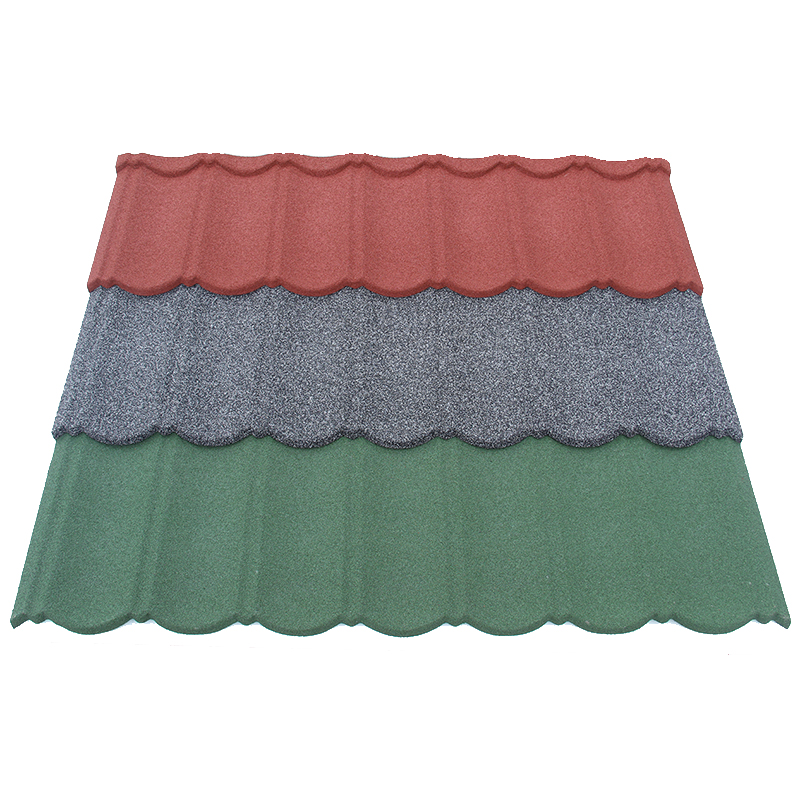
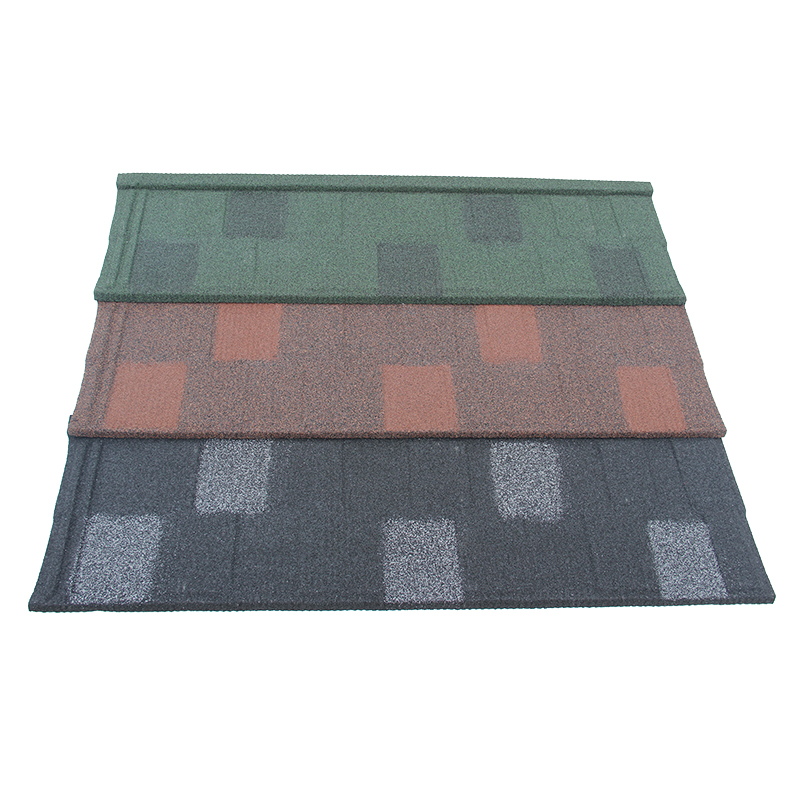
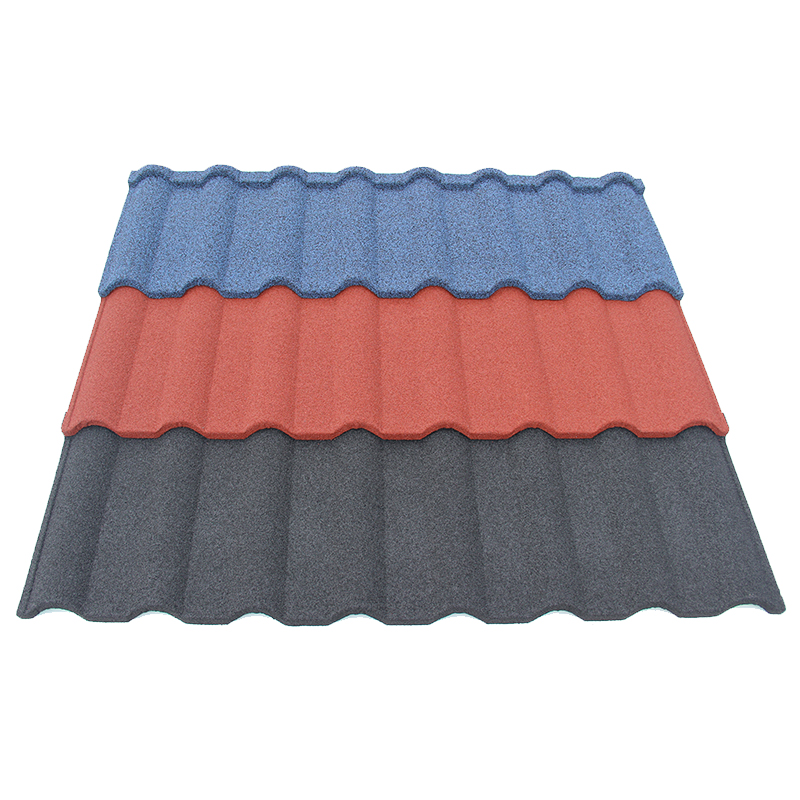
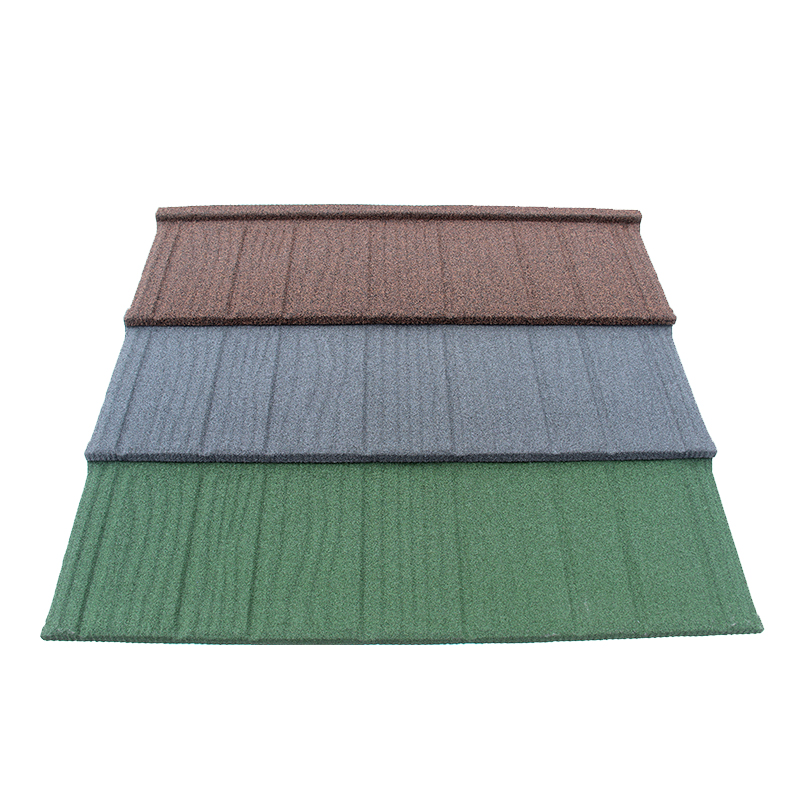
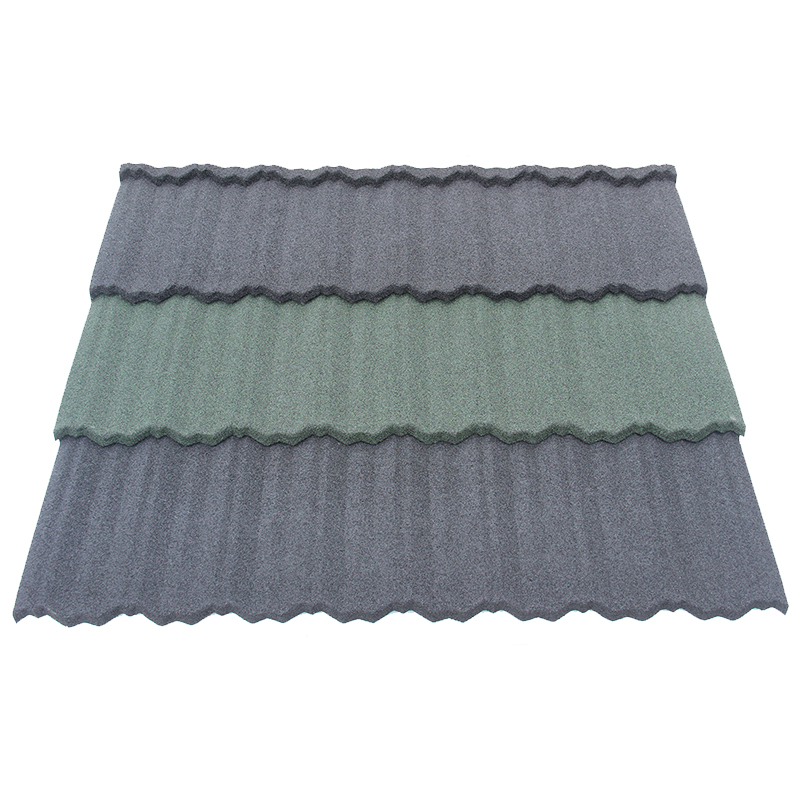
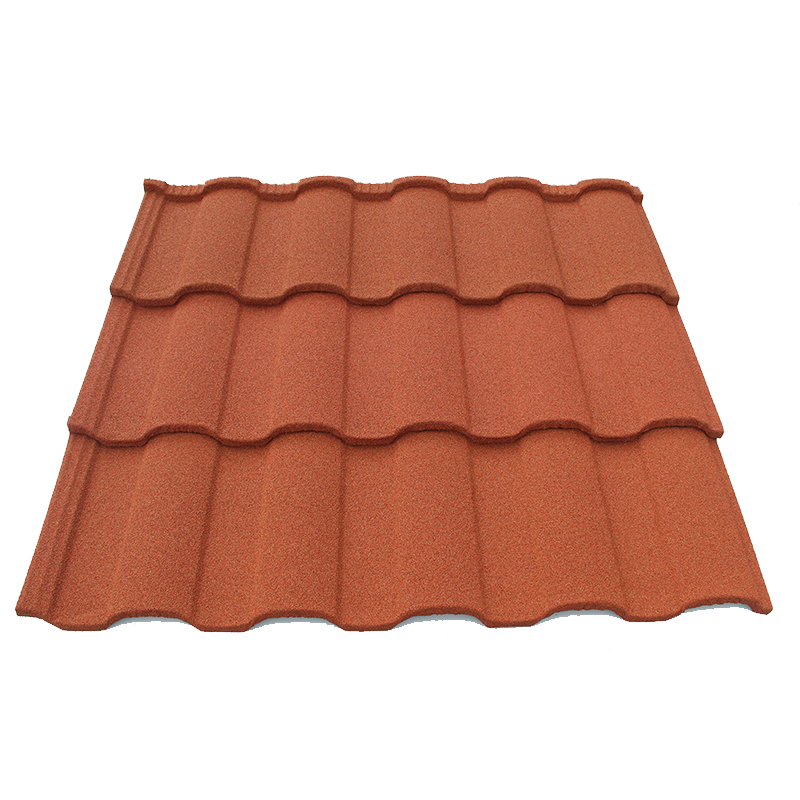
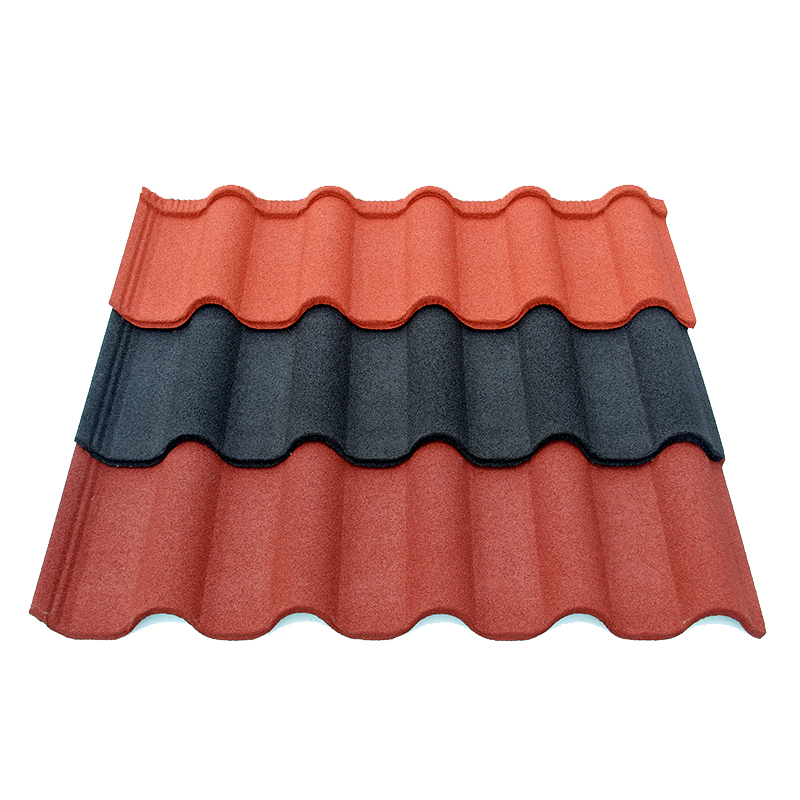
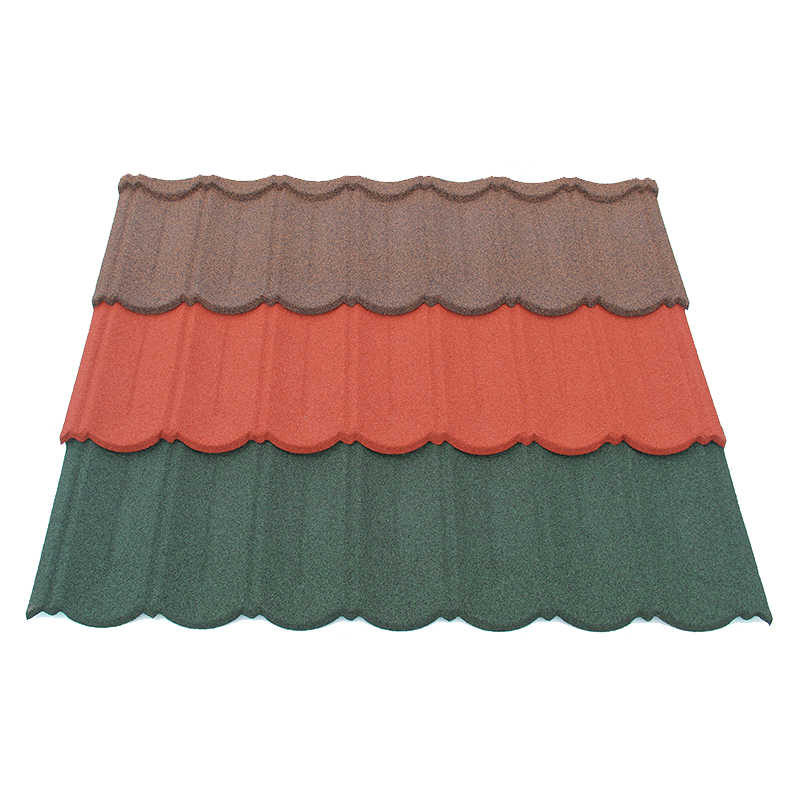
For buyers comparing tile profiles alongside lifespan data, it’s also worth noting that profile shape affects how well a roof sheds water and resists wind uplift, both of which influence long-term performance. For example, deeper profiles like Roman Tile and Milano Tile rely more heavily on precise interlocking and sealing, while flatter profiles such as Bond Tile and Shingle Tile tend to be more forgiving during installation.
Frequently Asked Questions
Q: Does stone coated metal roofing need special specifications for coastal markets?
A: Yes. Coastal and high-salinity environments generally call for a higher coating weight and corrosion-resistant fasteners to reach the upper end of the lifespan range.
Q: Is the warranty on stone coated metal roofing transferable?
A: This varies by manufacturer, so always confirm transferability in writing, since it affects resale value for the end customer.
Q: How often does stone coated metal roofing need maintenance?
A: Annual inspection and gutter clearing is typically enough. That said, some systems may benefit from a protective recoat after 15–20 years, depending on climate exposure.
Q: Can granule loss be repaired, or does the whole panel need replacing?
A: Minor granule loss in isolated areas can often be addressed with a touch-up coating. However, widespread or early loss usually points to a coating or bonding issue worth raising with the supplier.
Q: How does stone coated metal roofing lifespan compare to plain painted metal roofing?
A: The stone coating adds UV and abrasion protection that plain painted metal doesn’t have, which is one reason stone coated systems often reach the higher end of the metal roofing lifespan range.