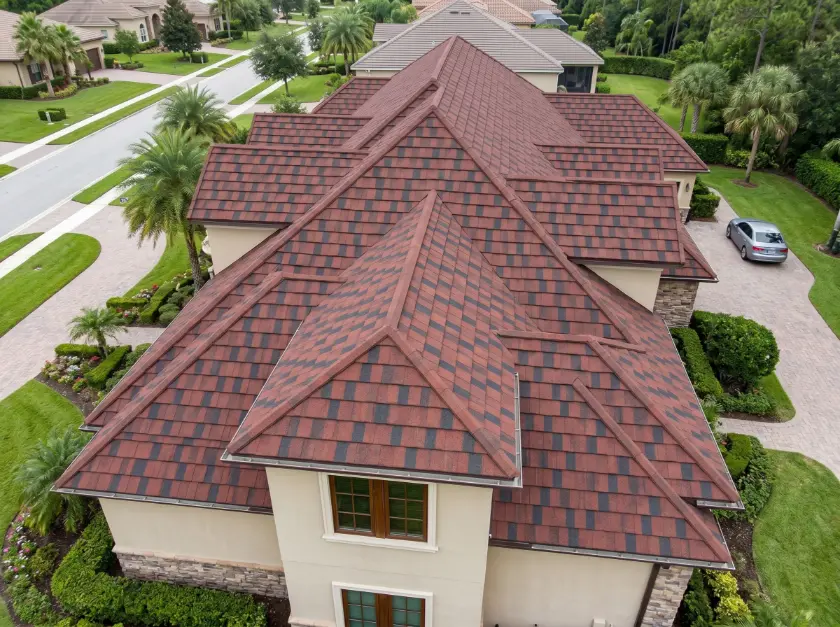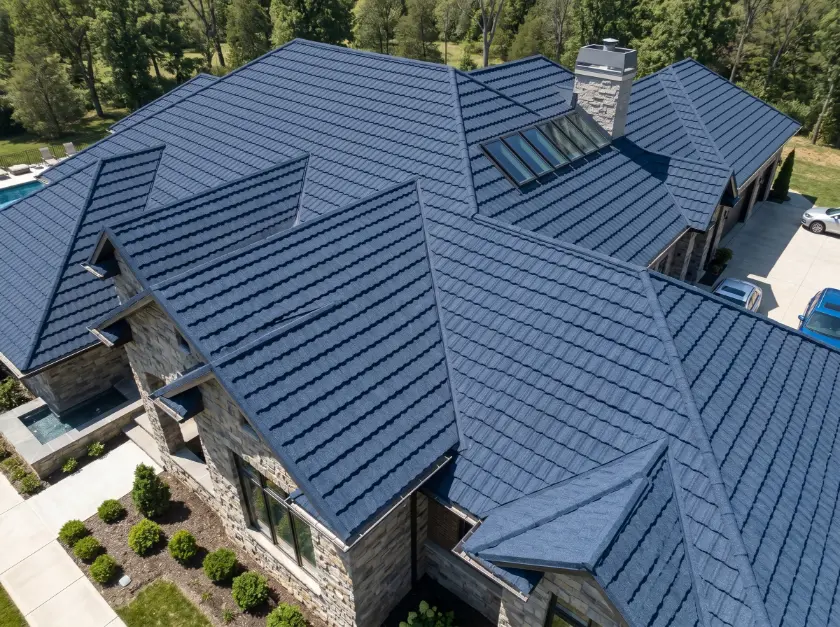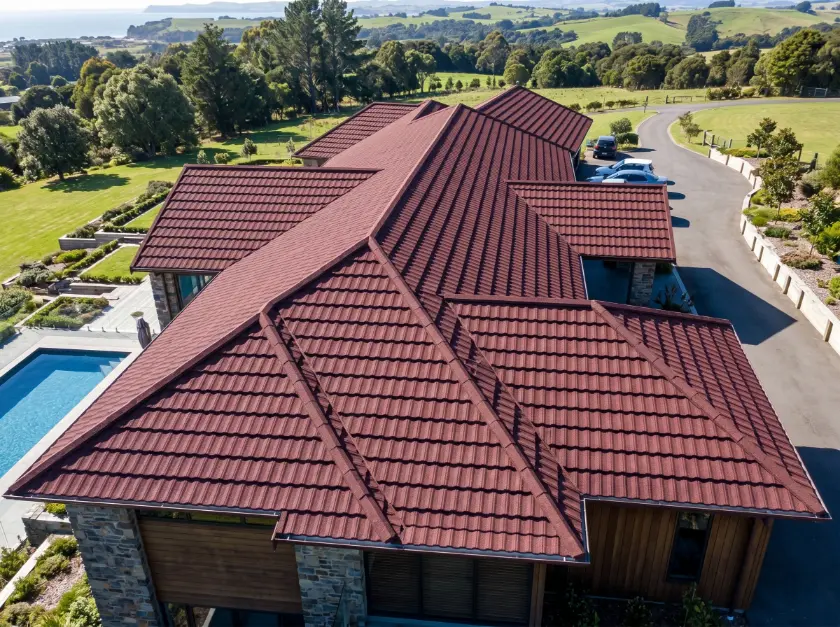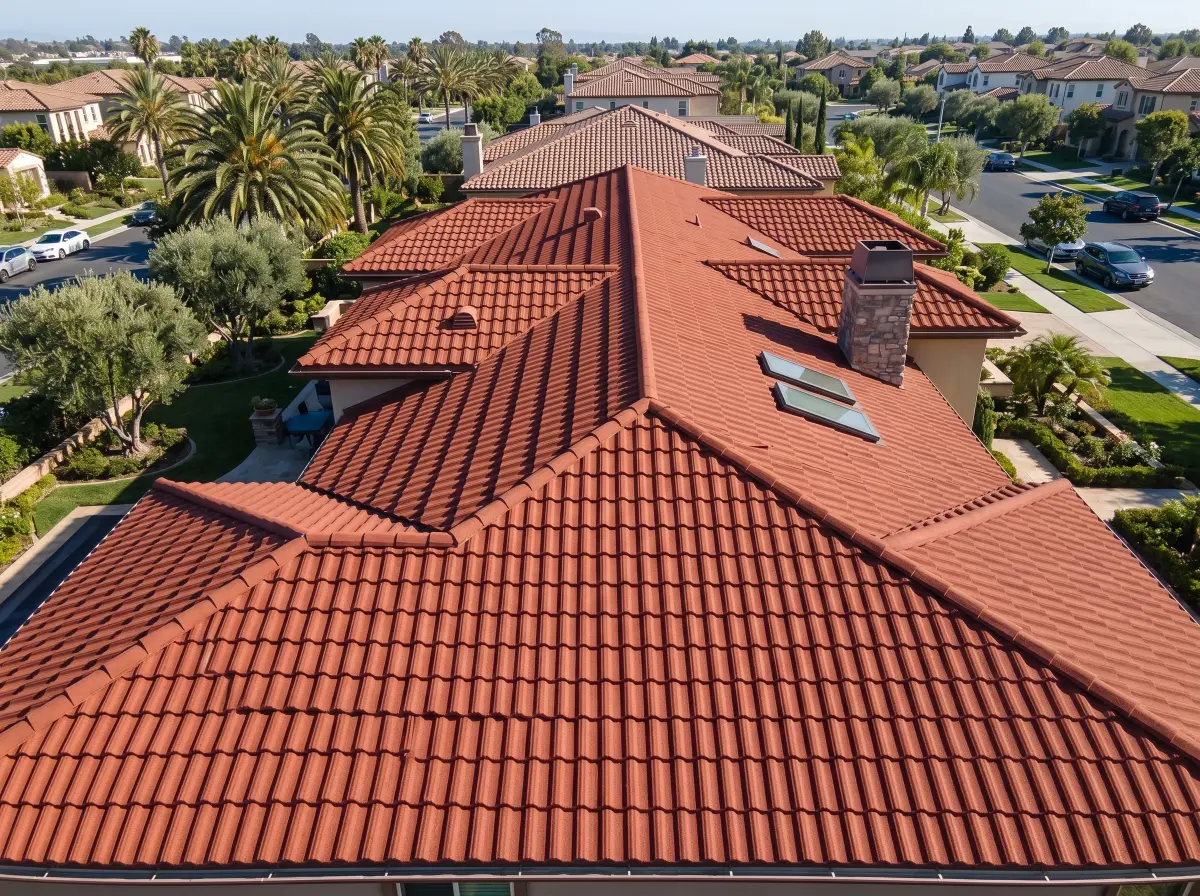

The global construction industry faces unprecedented challenges today. Climate change creates extreme weather patterns across various regions. Consequently, B2B procurement managers constantly seek highly resilient building materials. Traditional roofing solutions frequently fail under these modern environmental stresses. Therefore, the market demands superior architectural alternatives immediately. The heavy duty Stone Coated metal roofing tile provides an exceptional, permanent solution. This innovative product revolutionizes commercial and residential architecture entirely. It perfectly combines industrial-grade steel strength with premium aesthetic finishes. Project developers globally specify this durable material for high-value builds. Ultimately, understanding its diverse applications helps buyers make profitable procurement decisions. This comprehensive guide explores iconic B2B project scenarios in detail. We will carefully analyze the core technical mechanics driving this industry trend. Furthermore, we provide actionable procurement advice for discerning international buyers.
Analyzing the Core Mechanics of Advanced Roofing Systems
The global building materials sector is evolving incredibly rapidly today. Procurement managers face intense pressure to source highly durable solutions. Therefore, understanding fundamental structural mechanics is absolutely vital before purchasing. Buyers must evaluate how specific materials withstand extreme environments over time. This technical knowledge directly impacts long-term project viability and maintenance budgets. You cannot afford to specify weak materials for heavy-duty commercial projects.
Thermal Resistance and Energy Efficiency
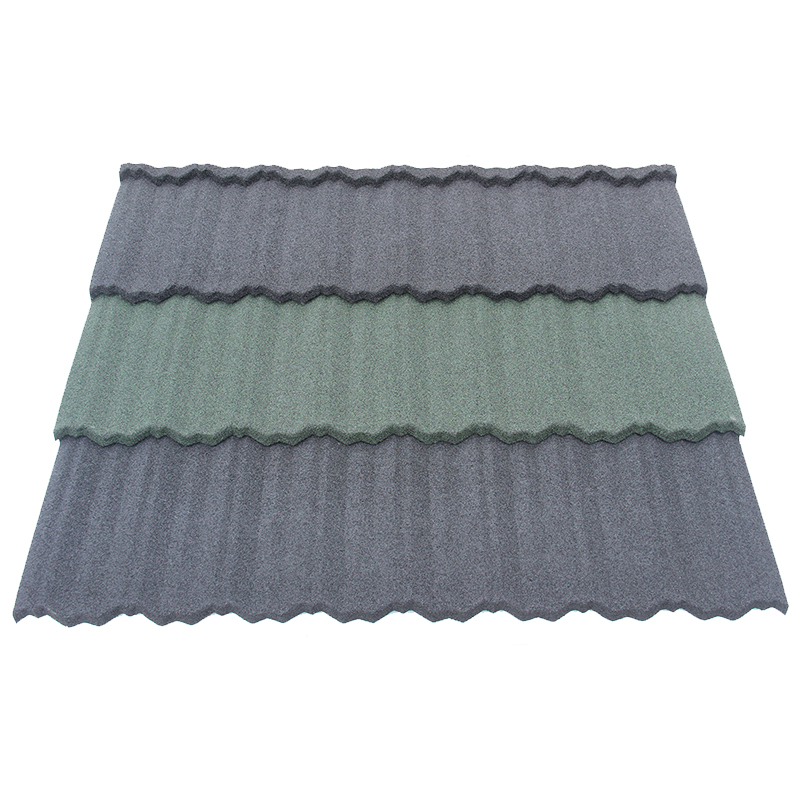
Extreme regional temperatures test building envelopes constantly and aggressively. Thermal resistance is a roof’s ability to fight heat transfer[cite: 37]. Simply put, it acts as a crucial, protective insulating barrier. Conversely, traditional asphalt shingles absorb heat rapidly during sunny days[cite: 42]. This intense heat absorption raises interior building temperatures dramatically over time. Therefore, commercial HVAC systems work much harder and consume massive electricity. However, advanced metal roofing prevents the roofing material from absorbing heat entirely[cite: 41]. In fact, property managers can reduce warm-weather cooling costs by up to 25% with this roof type[cite: 35]. Specifically, deeply grooved profiles like the Milano Tile facilitate excellent sub-deck airflow. This natural ventilation further decreases thermal transfer into the upper building levels. Consequently, you achieve superior energy efficiency and lower operational costs.
Severe Weather and Fire Protection
Modern structures must survive increasingly violent storms and environmental hazards. Wildfires now threaten communities far beyond traditional dry zones. The Northeast and, more recently, the Southeast have struggled with brush fires that have forced evacuations and threatened structures[cite: 50]. One of the best ways to protect your home from fire is to install a metal roof, as it’s noncombustible[cite: 51]. Procurement teams must verify these safety standards rigorously. A Class A roof provides the best fire resistance and stays in place to protect the home when other types of roofing might slide off its decking or battens[cite: 54]. Furthermore, coastal projects require immense wind uplift resistance. Engineered metal systems will stay put in winds up to 120 miles per hour[cite: 58]. Thus, they protect valuable real estate assets during severe hurricane seasons.
Iconic Scenario One: Luxury Eco-Resorts and Hospitality Projects
Hospitality developers constantly balance aesthetic appeal with strict environmental regulations. Remote eco-resorts require building materials that blend naturally with surrounding landscapes. Moreover, these isolated structures face severe exposure to coastal winds or mountain snow. Consequently, standard commercial roofing options frequently fail to meet these rigorous demands. Premium stone coated alternatives solve these exact developmental challenges perfectly. They deliver incredible strength without compromising the desired luxury aesthetic.
Aesthetic Integration with Natural Environments
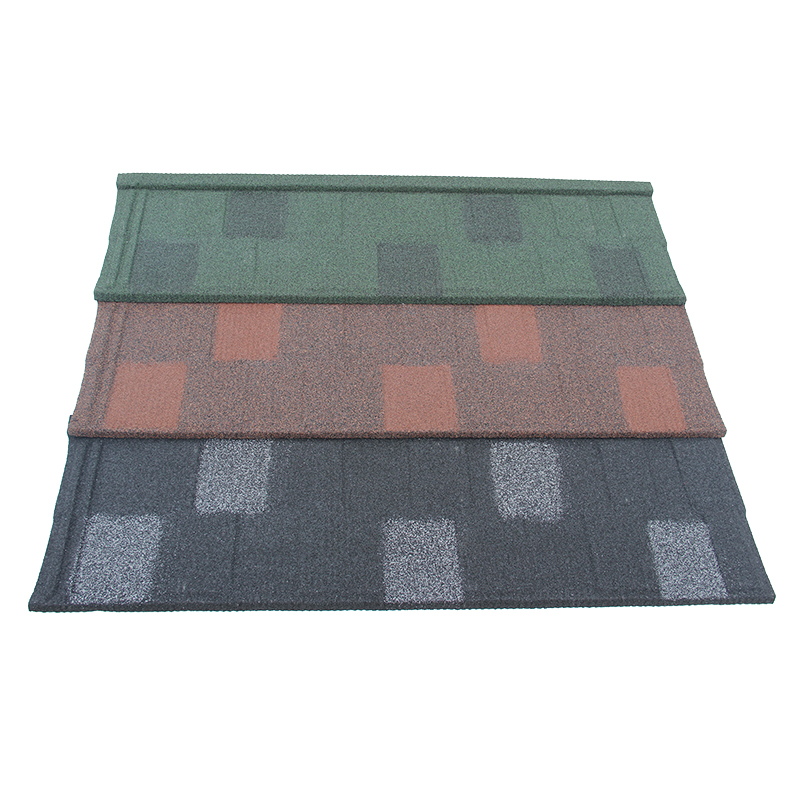
Luxury resort guests expect visually stunning architecture during their expensive vacations. Therefore, architects cannot use highly reflective, industrial-looking metal panels on luxury lodges. They need materials that replicate natural elements convincingly and beautifully. This is exactly where the Shake Tile dominates the B2B hospitality market. It perfectly mimics the rustic charm of hand-split wooden shakes. However, it completely eliminates the massive fire risks associated with real dry wood. Resort owners maintain their desired aesthetic while ensuring absolute guest safety. Furthermore, the baked-on stone granules resist aggressive UV fading for decades. The resort retains its premium, pristine appearance without requiring frequent, expensive repainting.
Logistical Advantages in Remote Locations
Building luxury resorts in remote locations presents massive logistical nightmares. Transporting heavy concrete tiles up steep mountain roads is incredibly expensive. Trucks consume more fuel, and transit times increase significantly. Conversely, stone coated steel is remarkably lightweight and highly stackable. Distributors can fit significantly more square meters into a single shipping container. This high packing density slashes exorbitant transportation costs immediately. Furthermore, lightweight materials require much less heavy lifting equipment on the job site. Contractors install the roofs faster, which reduces expensive specialized labor hours. Thus, project managers keep remote construction budgets strictly under control.
Iconic Scenario Two: Upscale Residential Estate Developments
Large-scale residential developments demand absolute aesthetic consistency across hundreds of properties. Homebuilders must guarantee structural longevity to attract affluent, highly discerning buyers. Furthermore, warranty claims on failed roofs destroy a developer’s profit margin quickly. Therefore, specifying high-grade materials mitigates these massive financial risks entirely. This proactive approach builds lasting brand reputation for ambitious regional builders. Buyers trust developers who invest in premium, permanent exterior protection.
Design Versatility and Structural Savings
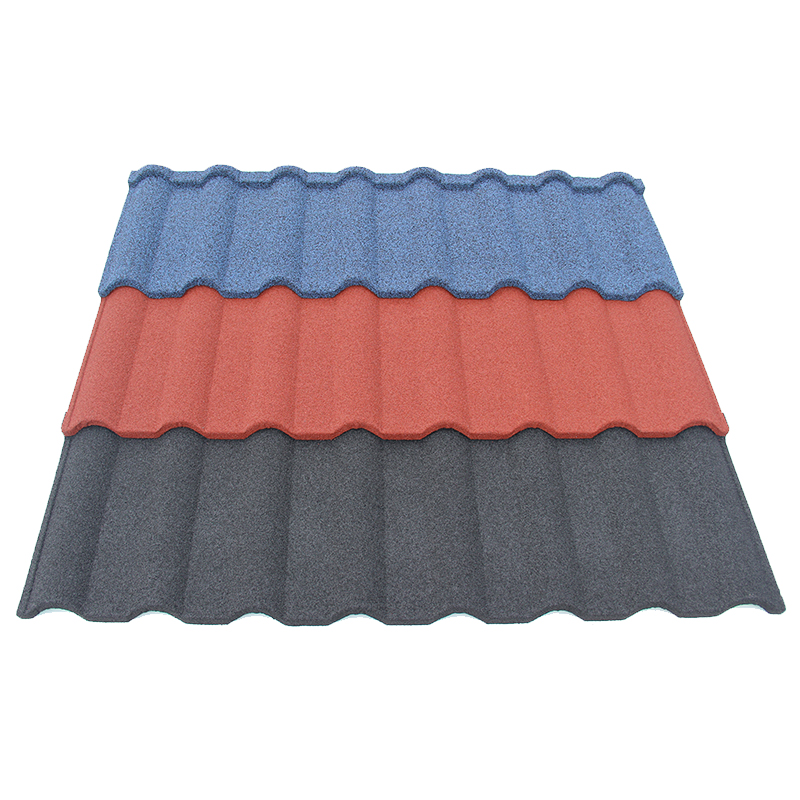
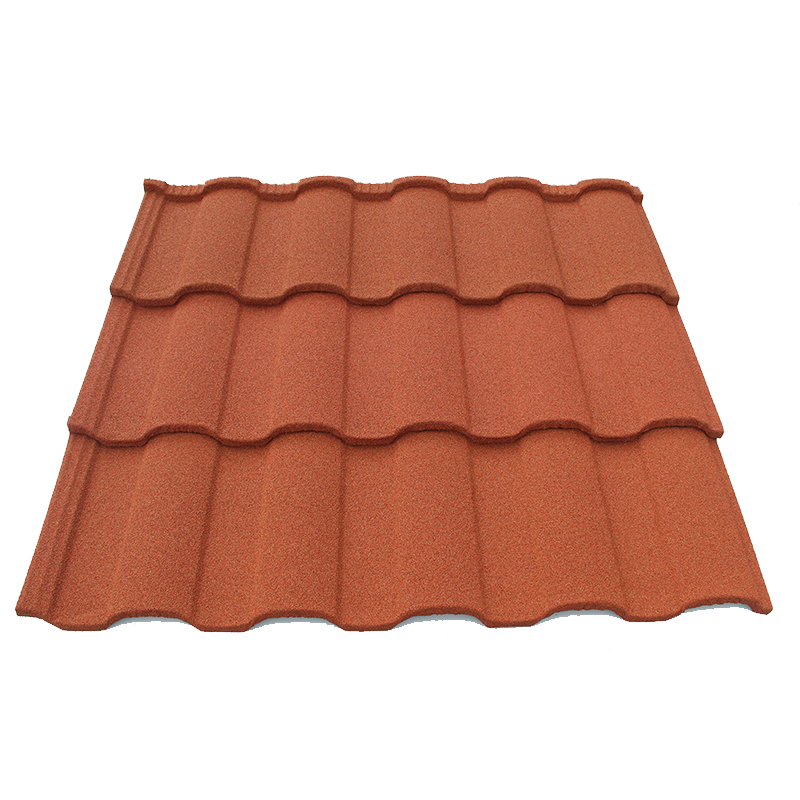
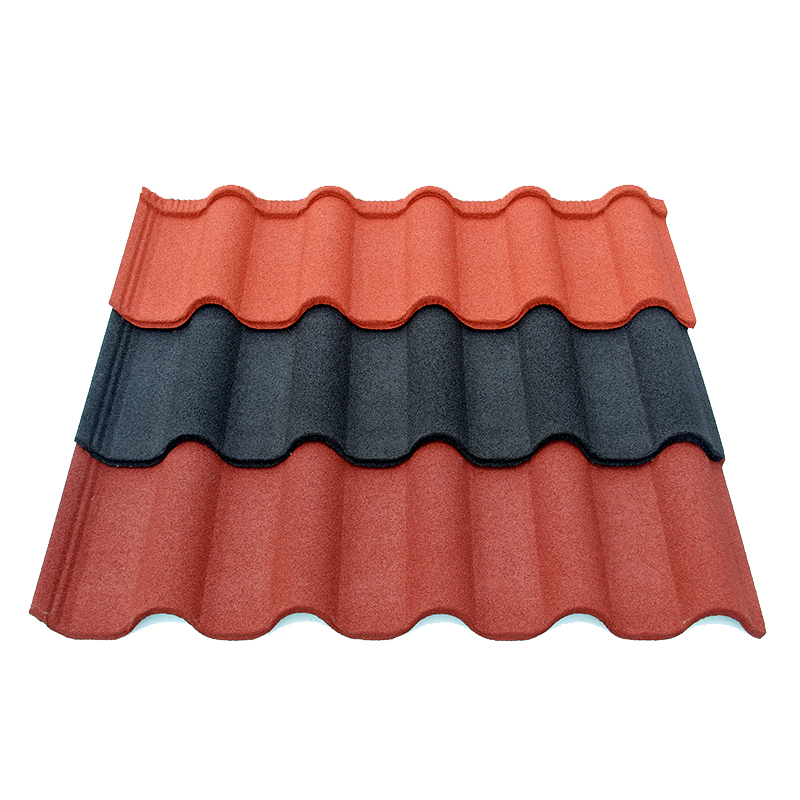
Affluent homebuyers demand sophisticated architectural styles for their custom luxury estates. Many upscale developments feature classic Mediterranean or Spanish colonial design languages. The Roman Tile provides that signature sweeping curve without the crushing weight of traditional clay. Heavy clay tiles require massive, expensive structural timber reinforcements beneath them. By choosing lightweight steel, developers save thousands of dollars on underlying roof trusses. These significant framing savings add up massively across a multi-home subdivision. Developers increase their profit margins while still delivering a premium exterior finish. The homes look incredibly expensive but cost significantly less to frame internally.
Insurance Benefits and Long-Term Valuation
Severe weather events cause massive property damage in high-end residential zones. Hail impact damage can be quite costly[cite: 60]. Property developers want to avoid these catastrophic liabilities completely. Therefore, they specify materials that guarantee superior impact defense. It should have a Class 4 impact resistance rating from UL[cite: 62]. Because of its durability (two to three times that of traditional roofing) and weather resistance, insurance companies prefer metal roofing[cite: 64]. Savvy developers market this financial advantage directly to prospective wealthy homebuyers. Homeowners with metal roofing often qualify for discounts[cite: 66]. This tangible financial benefit accelerates the final real estate sales process significantly.
Iconic Scenario Three: Commercial and Institutional Infrastructure
Public infrastructure and commercial facilities endure massive daily environmental wear and tear. Municipalities strictly enforce rigid building codes for these high-occupancy structures. Consequently, structural engineers prioritize absolute safety and low lifetime maintenance costs. Frequent roof replacements disrupt essential public services and frustrate stakeholders immensely. Investing in permanent commercial roofing solutions eliminates these operational headaches completely. Institutions need covers that last for generations, not just a few years.
Solar Integration and Commercial Sustainability
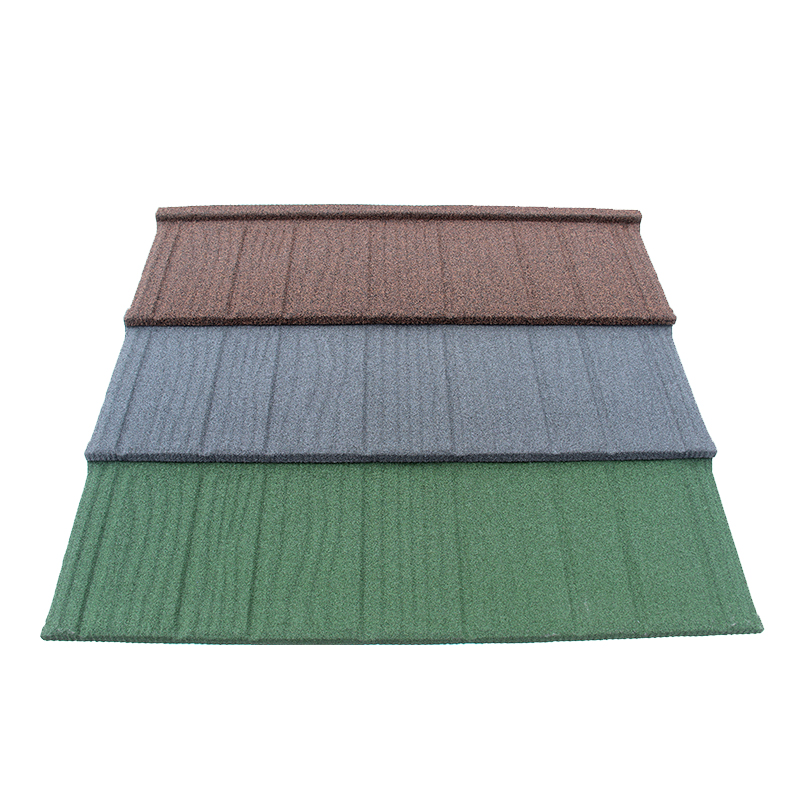
Corporate buildings and public schools increasingly mandate strict green energy initiatives. Facility managers actively seek ways to offset rising commercial electricity grid costs. Therefore, solar panel integration becomes a mandatory requirement for new commercial roofs. However, not all roofing can support solar panels[cite: 68]. Fragile asphalt shingles degrade quickly under the weight and heat of solar arrays. Top-quality metal roofing can, though, so you can savor lower bills even when energy costs soar[cite: 68]. The Shingle Tile offers a sleek, modern profile that complements sleek solar installations perfectly. It provides the necessary structural rigidity to hold heavy commercial mounting brackets securely.
Lifecycle Cost Analysis for Institutions
Government procurement officers rely heavily on strict lifecycle cost analysis (LCCA). They do not just look at the initial, upfront purchase price anymore. Traditional roofs require constant, expensive patching and frequent complete replacements. These recurring maintenance costs drain public municipal budgets rapidly. Heavy duty stone coated tiles offer a proven lifespan exceeding fifty years easily. The total cost of ownership plummets when you eliminate cyclic replacement labor. Therefore, institutional buyers confidently award large contracts to suppliers offering metal tile systems. It is simply the most fiscally responsible choice for long-term commercial property management.
Strategic Sourcing and Procurement Best Practices
Sourcing construction materials internationally carries significant inherent financial and operational risks. Importers must navigate complex global logistics, strict quality control, and customs regulations. Unfortunately, many buyers fall into the trap of purchasing based solely on price. This common error invariably leads to catastrophic material failures on the site. Implementing strict vendor vetting processes ensures consistent, profitable supply chain success. You must partner with manufacturers who truly understand global B2B complexities.
Evaluating Manufacturing Quality Standards
The structural foundation of any premium tile is its underlying metal substrate. B2B buyers must strictly verify the exact steel gauge and coating formulation. Inferior factories use cheap, uncertified galvanized steel that rusts incredibly quickly. Premium suppliers use high-grade Aluminum-Zinc alloy coatings for maximum corrosion resistance. Furthermore, you must inspect the quality of the ceramic-coated stone chips. Cheaply dyed sand fades rapidly, ruining the building’s aesthetic completely. Therefore, professional buyers partner with established industry leaders like JCROOF. Reliable brands provide comprehensive testing certifications and robust international warranties. This verifiable documentation protects your massive procurement investment completely.
Avoiding Common Selection and Installation Errors
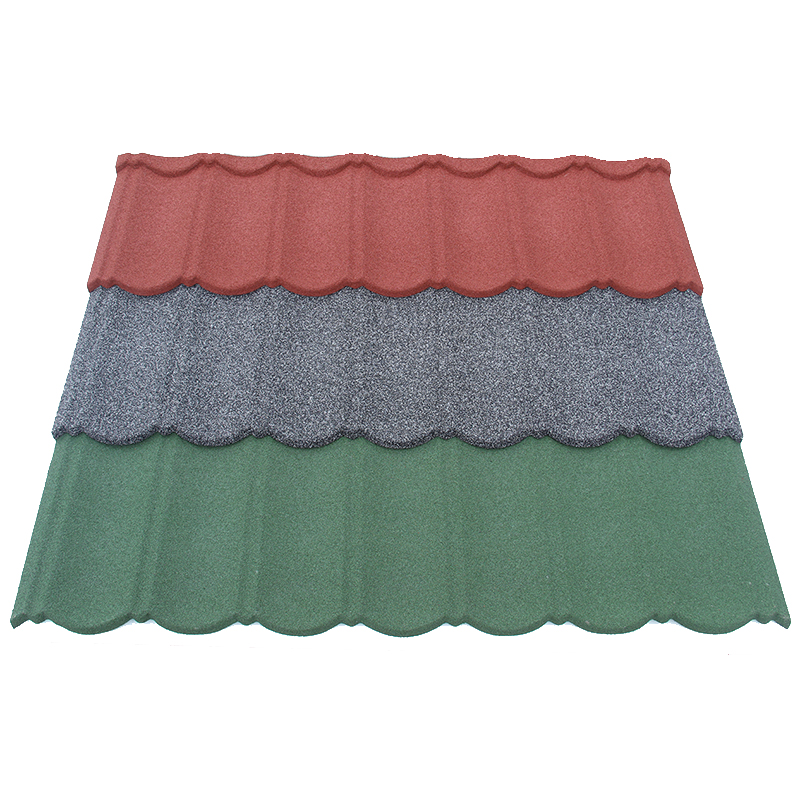
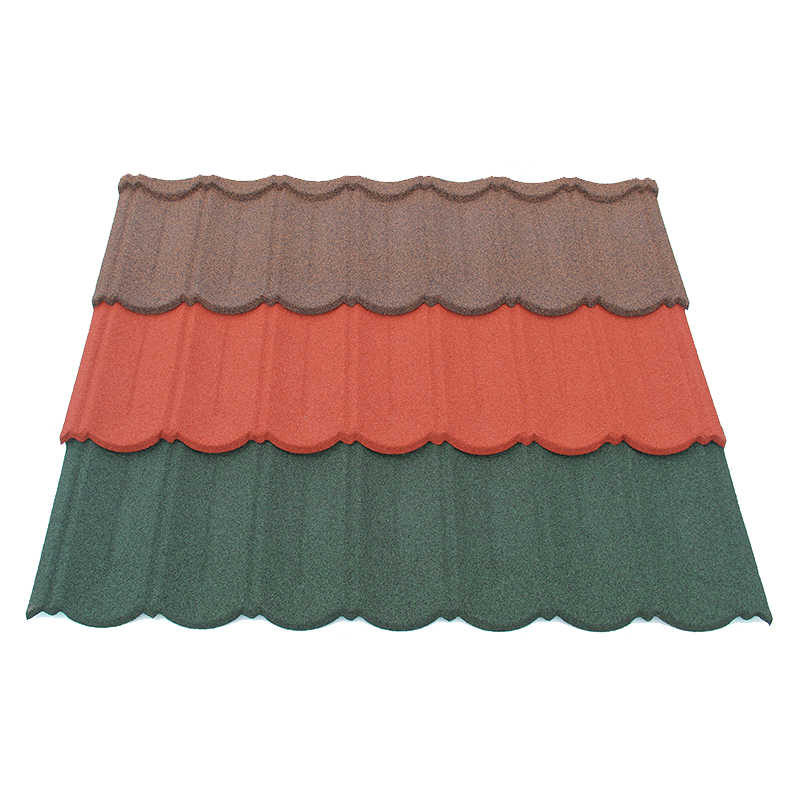
Even the highest quality heavy duty materials fail if contractors install them incorrectly. Procurement managers must ensure local installers understand specific interlocking mechanisms properly. Providing clear, comprehensive technical installation manuals is absolutely non-negotiable for B2B distributors. Furthermore, selecting the wrong profile for specific roof pitches causes severe water pooling. For highly versatile commercial applications, the Bond Tile remains an incredibly safe choice. Its traditional scalloped design channels heavy rainwater away from critical joints efficiently. Educating your local contractor network guarantees flawless execution and highly satisfied end-users.
| Evaluation Metric | Traditional Asphalt | Heavy Clay Tiles | Stone Coated Metal Tile |
|---|---|---|---|
| Lifecycle Value | Low (10-15 years) | Medium (Prone to cracking) | Excellent (50+ years) |
| Structural Load | Moderate | Excessively Heavy | Ultra-Lightweight |
| Fire Resistance | Low to Moderate | Excellent | Class A (Noncombustible) |
| B2B Transport ROI | Moderate | Poor (High fuel costs) | Maximum (High container density) |