
Procurement managers face incredibly complex decisions when sourcing international building materials globally. You must evaluate structural components with extreme precision and deep market knowledge. The underlying steel thickness completely dictates the overall structural integrity of the roof. Therefore, selecting the correct steel gauge becomes absolutely critical for commercial projects. Standard traditional materials frequently fail under severe weather conditions unexpectedly. Conversely, premium stone coated metal roofing tiles provide unparalleled long-term durability continuously. This advanced architectural material bridges heavy industrial strength with sophisticated visual design perfectly. However, buyers must specify the exact correct steel thickness to ensure project success. This comprehensive guide breaks down the top four steel thickness gauges currently available. We will analyze exact performance metrics, structural benefits, and specific application methods. Ultimately, this deep industry knowledge empowers you to make highly profitable procurement decisions. Consequently, you will optimize your global supply chain and maximize project returns efficiently.
Understanding Steel Thickness and Gauge Measurements in Roofing
The core steel panel provides the fundamental structural strength for the entire system. Global roofing manufacturers measure this vital thickness using precise millimeters mostly. However, many North American markets still utilize standard gauge numbers instead continuously. You must understand that a lower gauge number actually indicates a much thicker steel panel. Procurement officers must master these specific metrics to evaluate overseas suppliers accurately. Let us thoroughly explore the critical engineering principles behind these vital thickness measurements.
The Engineering Behind the High-Tensile Steel Core
Modern commercial roofing absolutely demands exceptional structural resilience against severe natural elements constantly. The base metal uses highly specialized, high-tensile steel to provide maximum rigidity. Manufacturers carefully press this strong steel into various complex architectural shapes accurately. This rigid base layer essentially absorbs massive external pressures effortlessly during severe storms. Furthermore, factories coat this central steel core with advanced zinc-aluminum alloys completely. This specific metallic coating actively prevents long-term corrosion and stops destructive rust entirely. Therefore, the exact thickness of this steel core determines the overall physical impact resistance directly.
How Thickness Impacts Long-Term Structural Durability
Calculating true lifecycle costs prevents massive financial errors during commercial building development later. You simply cannot ignore the direct relationship between steel thickness and long-term durability. Thicker steel panels naturally resist heavy physical impact much better than thinner alternatives. For instance, severe hailstorms destroy thin, cheap roofing materials incredibly rapidly. However, heavy-gauge steel easily withstands massive hail without suffering catastrophic structural failure. Furthermore, thicker panels resist extreme thermal expansion and rapid contraction cycles much better. Consequently, facility managers drastically reduce their annual maintenance operating budgets continuously. Upgrading the steel thickness secures long-term financial stability for property investors effortlessly.
Detailed Analysis of the Top 4 Steel Thickness Gauges
International B2B buyers generally choose between four primary steel thickness options globally. These standard measurements include 0.35mm, 0.40mm, 0.45mm, and 0.50mm metric thicknesses. Each distinct category offers highly specific financial advantages and clear structural limitations. You must carefully match the exact thickness directly to your strict project requirements. Over-specifying thickness wastes valuable project capital unnecessarily during initial procurement. Conversely, under-specifying causes disastrous structural failures and massive future liability claims. Let us deeply analyze these top four thickness categories logically.
The 0.35mm Option: Cost-Effective Solutions
The 0.35mm thickness represents the absolute entry-level category for stone coated metal roofing tiles globally. This highly cost-effective option appeals strongly to developers building temporary structures rapidly. Additionally, it works adequately for minor outbuildings or simple residential patio covers. However, procurement teams must understand the severe structural limitations of this very thin steel. It provides significantly lower resistance to severe impact and heavy foot traffic. Therefore, installers must walk extremely carefully on the roof to prevent permanent panel denting. You should generally avoid this thickness for major luxury commercial or heavy industrial developments entirely.
The 0.40mm Standard: Balancing Budget and Performance
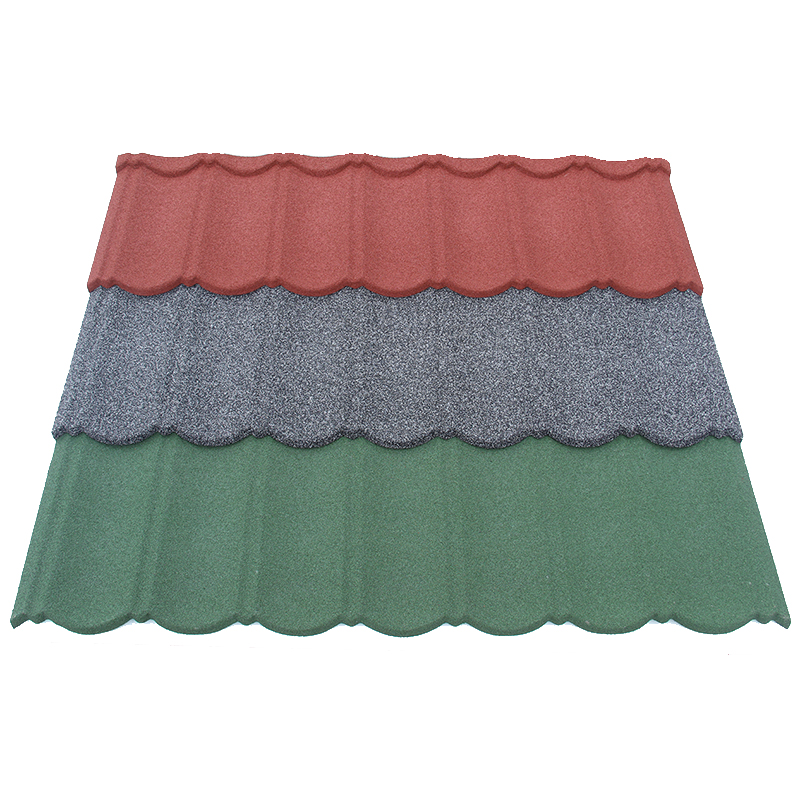
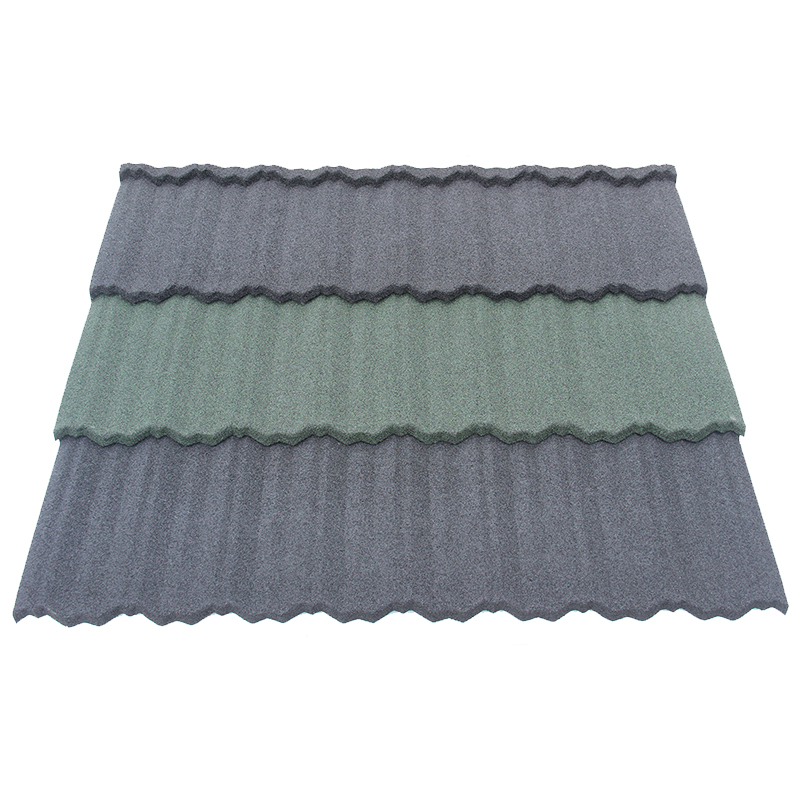
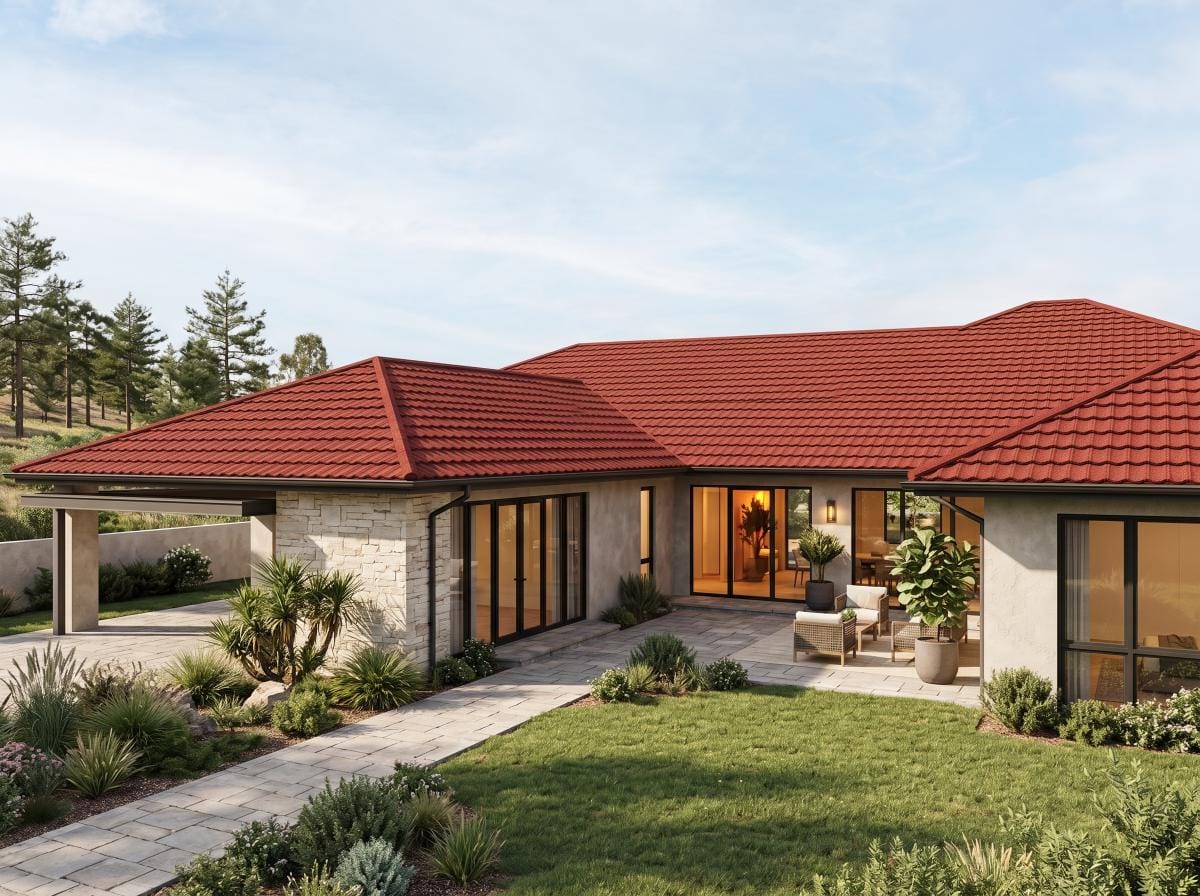
The 0.40mm gauge serves as the standard, highly popular baseline for most global residential projects. This specific thickness provides a truly excellent balance between procurement cost and structural performance. Professional contractors find this weight incredibly easy to handle and install very rapidly. Furthermore, it easily meets basic international building codes for standard residential community developments. For massive modern housing tracts, deploying a sleek Bond Tile in 0.40mm works perfectly. It delivers maximum weather defense efficiently while keeping the total project budget perfectly controlled. Consequently, real estate developers heavily prefer this specific thickness for standard suburban housing projects.
The 0.45mm Premium: High Wind and Extreme Weather Defense
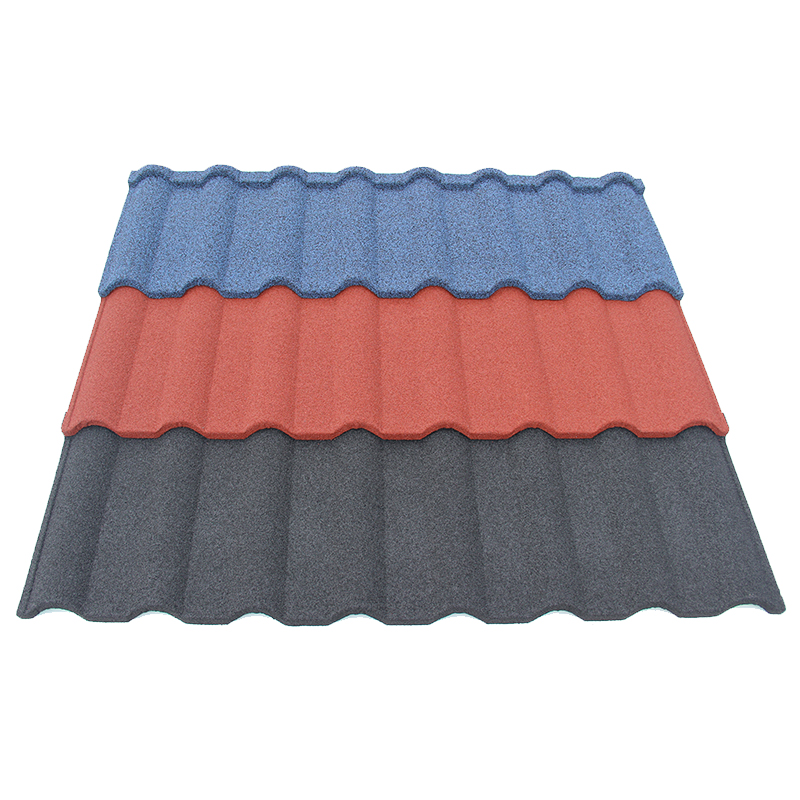
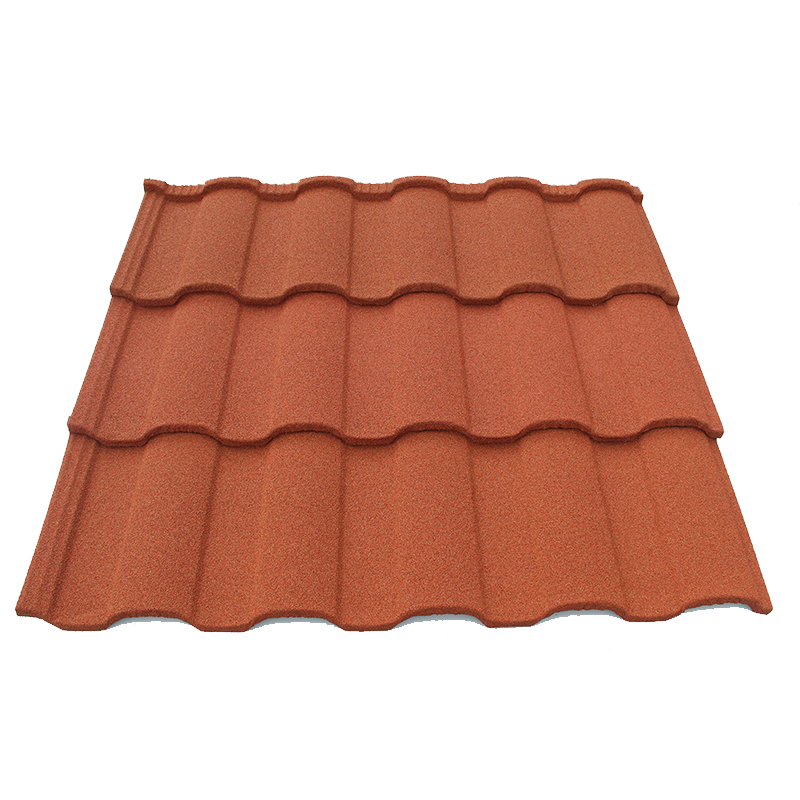
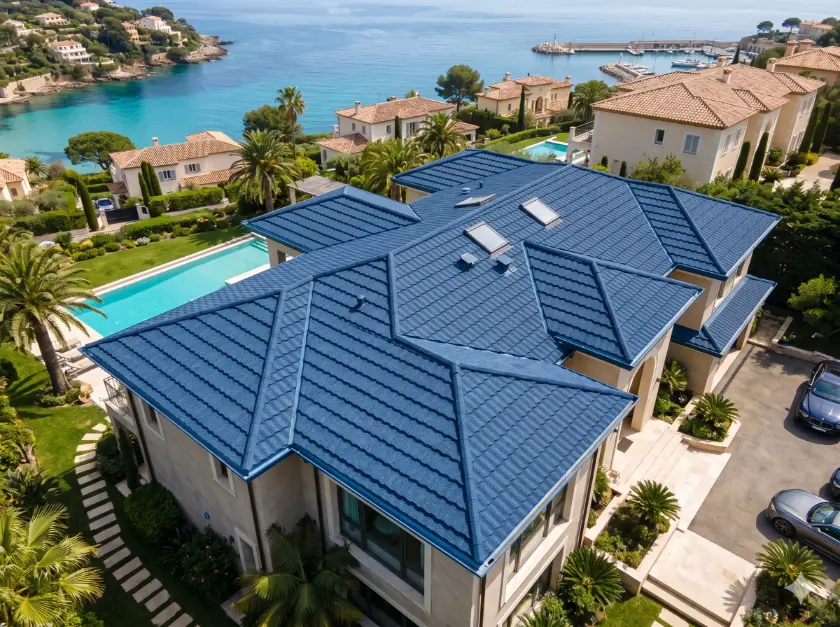
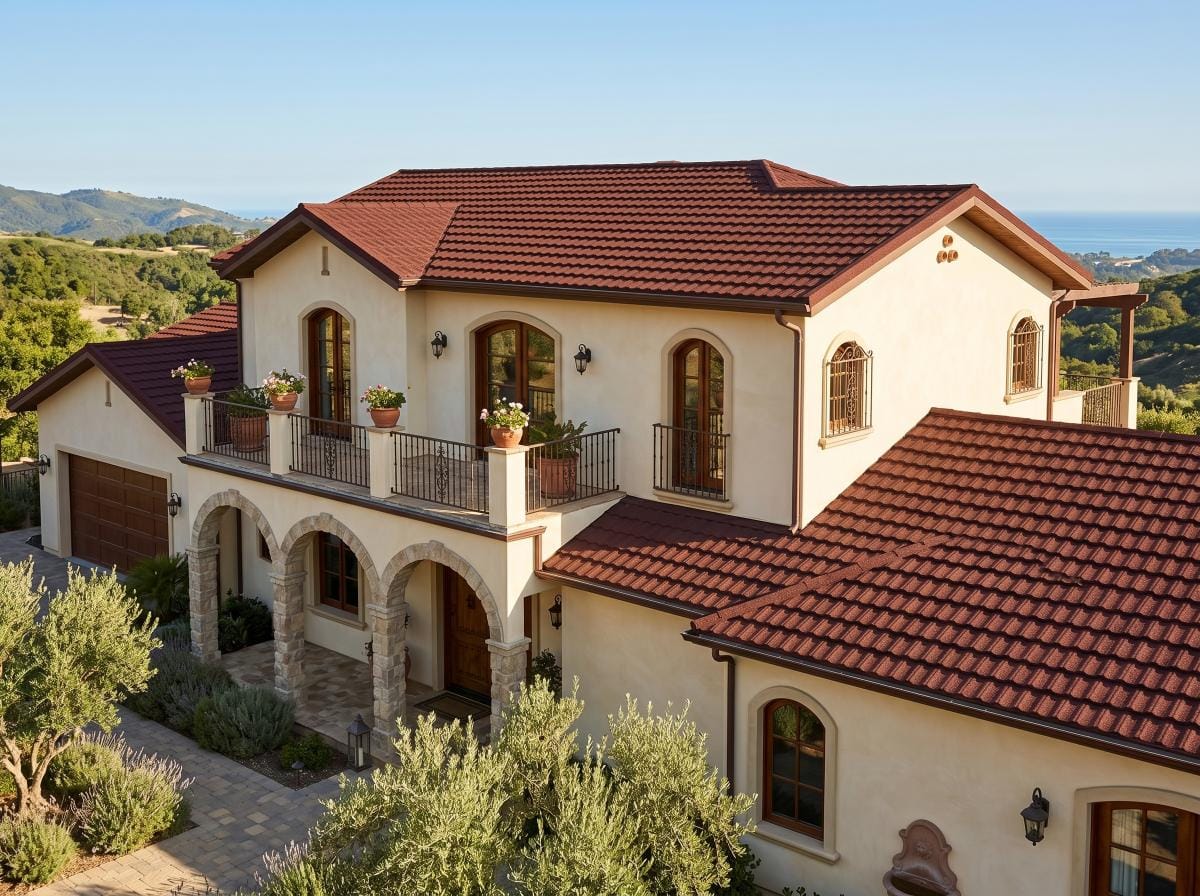
The 0.45mm steel thickness moves directly into the premium commercial performance category easily. This highly upgraded gauge provides incredible structural rigidity against extremely severe weather events globally. It heavily resists severe denting from massive hailstorms and prevents catastrophic wind uplift perfectly. Developers highly specify this exact thickness for luxury coastal resorts and expensive commercial properties constantly. When projects require highly intricate curves, specifying a premium Milano Tile in 0.45mm ensures incredible strength. This slightly thicker steel holds the elegant European shape flawlessly during aggressive deep-drawing manufacturing processes. Therefore, you successfully secure premium architectural aesthetics alongside industrial-grade structural security continuously.
The 0.50mm Heavy-Duty: Ultimate Commercial Protection
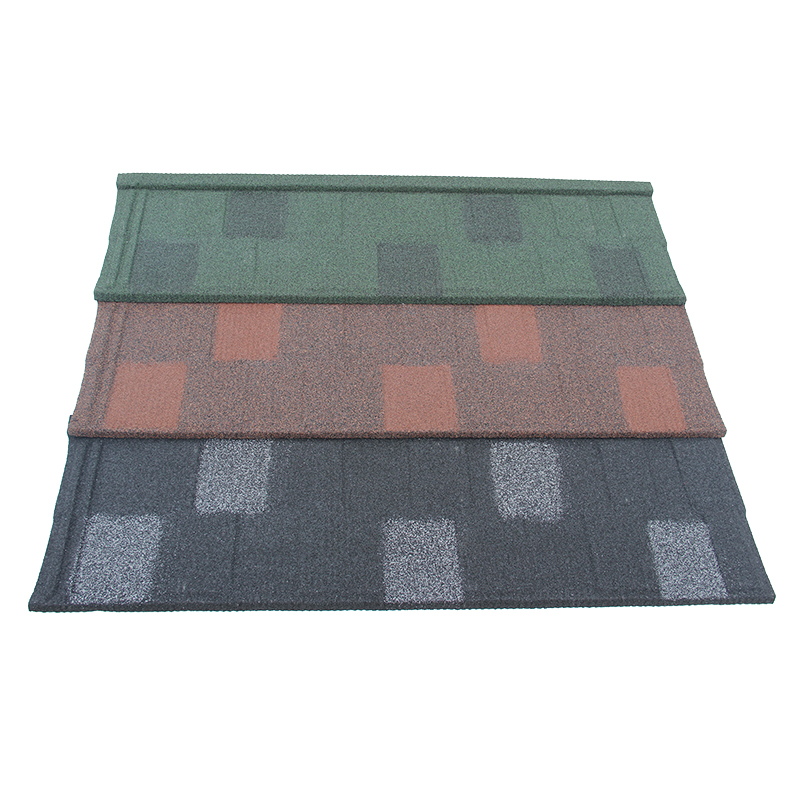
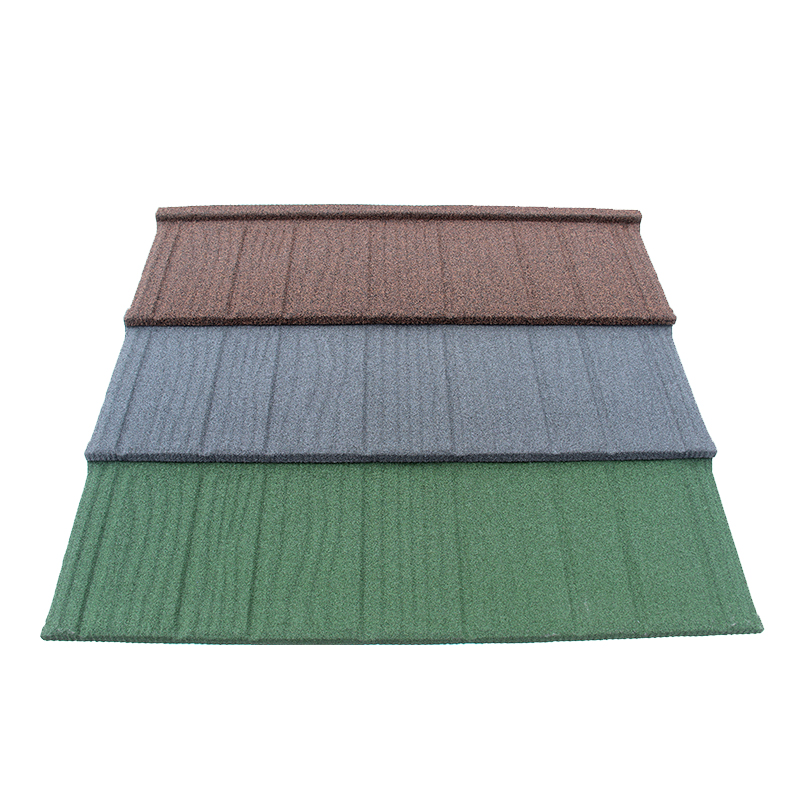
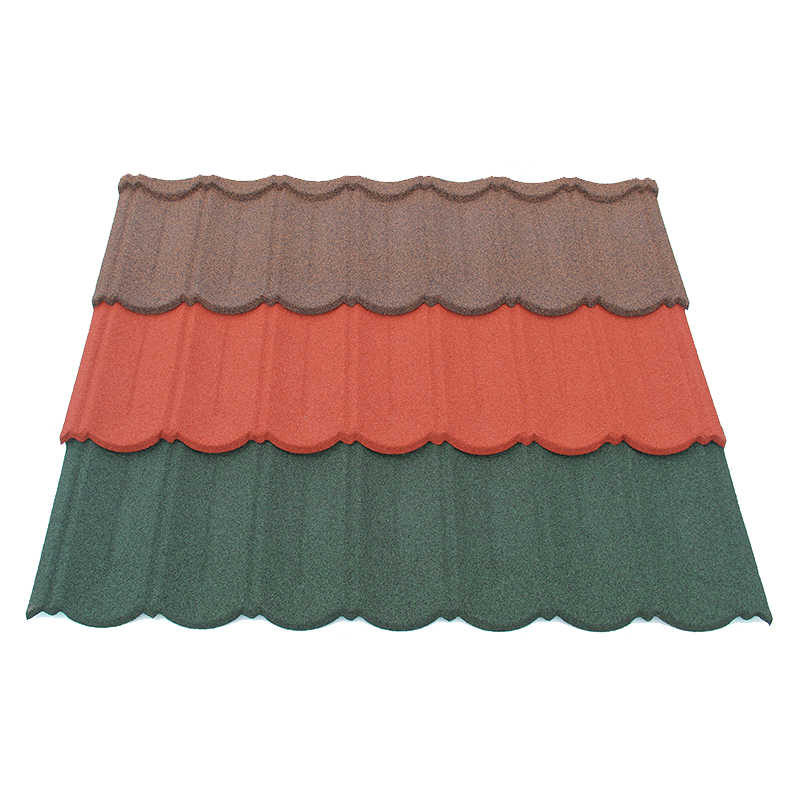
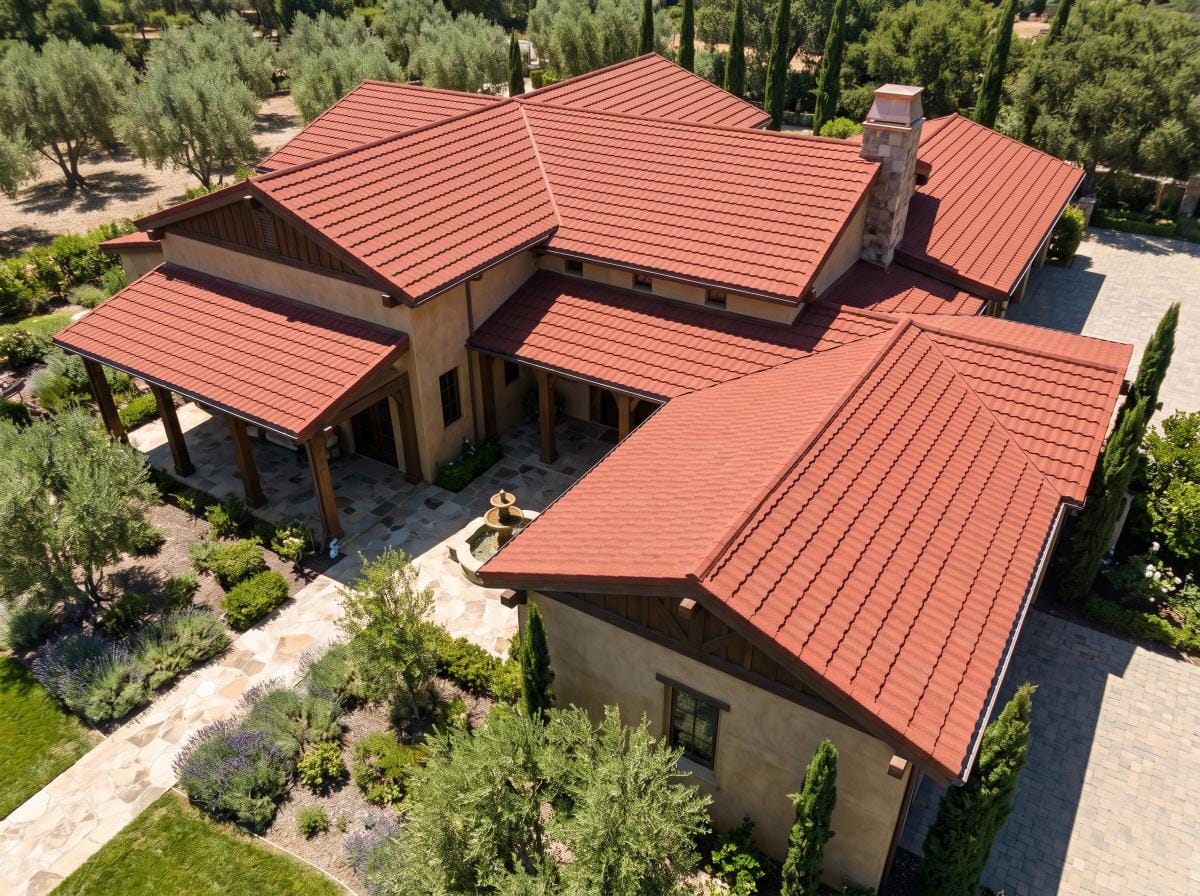
The heavy-duty 0.50mm gauge offers the absolute highest level of structural protection available globally. Extreme environments strictly demand this uncompromising, highly durable commercial roofing solution always. Commercial facility managers specify 0.50mm steel for critical infrastructure, hospitals, and major government buildings. This incredible thickness easily survives the absolute harshest global climates imaginable without failing. For rural luxury estates facing severe wildfire threats, utilizing a rugged Shake Tile in 0.50mm provides ultimate safety. It authentically mimics natural split wood beautifully while offering impenetrable, heavy-duty steel protection continuously. Consequently, property owners sleep peacefully knowing their valuable real estate remains totally secure.
| Steel Thickness (mm) | Approximate US Gauge | Primary B2B Application Focus | Relative Cost Level |
|---|---|---|---|
| 0.35mm | 29 Gauge | Temporary structures, small outbuildings. | Low / Budget |
| 0.40mm | 26 Gauge | Standard residential, mass suburban housing. | Medium / Standard |
| 0.45mm | 24 Gauge | Luxury commercial, high-wind coastal zones. | High / Premium |
| 0.50mm | 22 Gauge | Critical infrastructure, extreme weather regions. | Very High / Heavy-Duty |
Strategic Procurement Advice for Different Building Types
Consistency in global design language heavily drives premium real estate market valuations today. Procurement officers must perfectly align the structural materials with the specific regional environment. You simply cannot apply a universal material strategy to completely diverse global climates safely. Selecting the correct steel thickness ensures perfect architectural harmony while maximizing localized environmental defense. Furthermore, partnering with proven manufacturers guarantees strict quality control for large-scale developments continuously. Let us thoroughly explore the optimal thickness choices for specific global commercial development scenarios.
Coastal Resorts and Aggressive Hurricane Zones
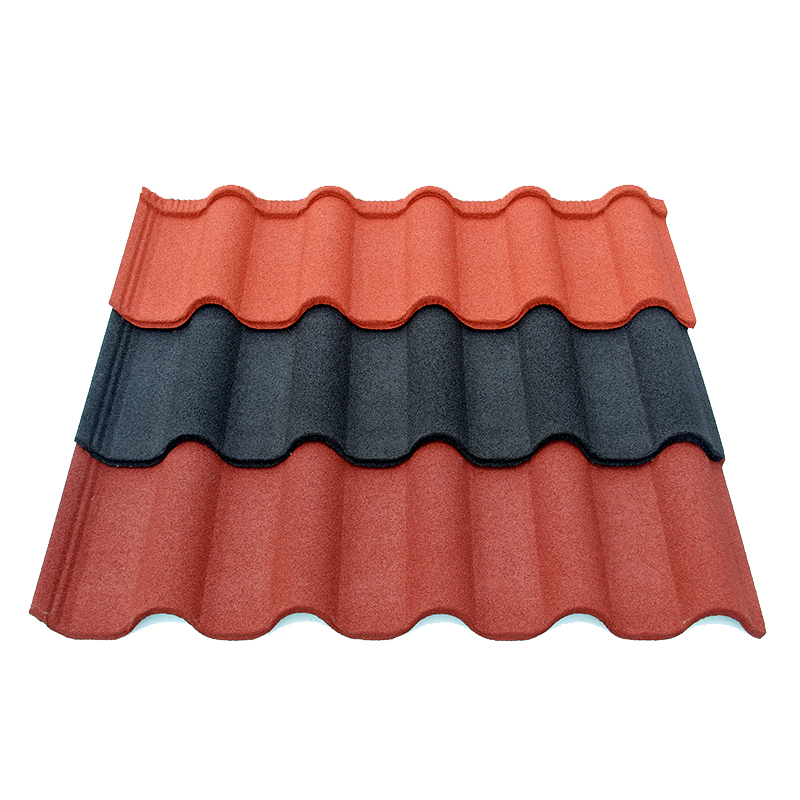
Coastal commercial hospitality properties face truly brutal environmental challenges every single day continuously. High ambient humidity and severe seasonal storms easily destroy standard, thin building materials rapidly. Therefore, luxury hotel developers desperately require extremely resilient, heavy-gauge exterior architectural materials constantly. You must specify at least a 0.45mm or 0.50mm thickness to survive massive hurricane forces safely. A lightweight, heavy-gauge Roman Tile efficiently channels heavy monsoon rains securely away. Furthermore, the thicker steel rigidly anchors directly to the underlying structural battens flawlessly. Consequently, the commercial building easily survives extreme weather events that destroy neighboring properties entirely.
Residential Suburbs and High-Altitude Snow Regions
Suburban housing projects usually strictly demand a highly familiar, classic visual appearance locally. However, standard asphalt shingles rapidly degrade under heavy, sustained winter snow loads continuously. High-altitude regions heavily require thicker steel to support massive, accumulating physical snow weight safely. You can actively upgrade these neighborhood properties by intelligently specifying a 0.45mm steel thickness. Utilizing a highly classic Shingle Tile profile provides the beautiful suburban look perfectly. Moreover, the upgraded steel thickness actively prevents the heavy snow from buckling the roof panels. Therefore, the entire residential neighborhood maintains its pristine, premium structural integrity for decades.
Commercial Warehouses and Industrial Parks
Massive commercial business parks require incredibly clean lines and highly professional appearances constantly. You should effectively select heavy-duty roofing profiles that complement modern minimalist architecture perfectly. These massive structures often utilize extremely wide roof trusses that demand highly rigid spanning panels. Thin 0.35mm steel easily sags or warps across these wide industrial structural spans completely. Therefore, engineers heavily specify 0.45mm steel to maintain absolute geometric flatness and rigid structural integrity. Consequently, the massive commercial building envelope looks highly professional and performs flawlessly under duress.
Common Errors When Specifying Metal Roofing Thickness
Successful commercial construction operations rely heavily on flawless execution and reliable global supply chains. Even the absolute best stone coated metal roofing tiles fail if buyers specify the wrong thickness. Procurement teams must clearly understand these common industry pitfalls to protect their substantial capital investments. You must continuously partner with proven global suppliers and enforce strict quality verification guidelines rigorously. Let us thoroughly review the primary procurement errors that frequently derail commercial roofing projects globally.
Trusting Unverified Factory Specifications Blindly
Unscrupulous overseas suppliers frequently falsify product documentation to secure highly lucrative commercial bulk orders. They might aggressively promise a 0.45mm thickness but actually ship much cheaper 0.38mm steel secretly. This dangerous negative tolerance completely destroys the structural integrity of your massive commercial construction project. You absolutely must independently verify the precise steel thickness using highly accurate digital micrometers upon delivery. Furthermore, you must continuously partner with highly transparent, globally verified industry experts natively. As a dedicated premium manufacturer, JCROOF strictly guarantees highly accurate steel thickness specifications globally. We proudly invite rigorous third-party quality testing to verify our premium commercial materials constantly.
Ignoring Local Building Codes and Load Limits
Many inexperienced developers completely misjudge the strict structural load requirements mandated by local authorities. Heavy traditional clay tiles frequently require highly expensive, heavily reinforced timber trusses to support massive weight. Upgrading to advanced steel drastically lowers the overall structural framing costs for real estate developers globally. However, you still must strictly verify the local building code requirements regarding minimum steel thickness safely. Some strict hurricane zones explicitly forbid any roofing panels thinner than 0.45mm for commercial properties entirely. Ignoring these strict regional regulations causes highly expensive inspection failures and massive construction delays later. Therefore, diligent research ensures complete legal compliance and total project success smoothly.