
Choosing a roofing tile supplier for distributors is a fundamentally different decision than sourcing for a single project. Distributors and wholesalers need a supplier who can sustain pricing stability, protect territorial margins, and support long-term business growth rather than just fulfilling one-time orders. A supplier that performs well on a single transaction does not automatically have the infrastructure to support an ongoing distribution relationship. This guide breaks down the specific conditions distributors should evaluate before committing to a long-term roofing tile supplier.
Why Distributors Need Different Supplier Conditions Than Project Buyers
A project buyer evaluates a roofing tile supplier on price, delivery, and product quality for a defined scope. A distributor evaluates those same factors plus a set of business conditions that determine whether the supplier relationship actually supports regional growth over time. These additional conditions include territorial protection, pricing consistency, and market development support. Ignoring them upfront leads to margin erosion and channel conflicts that surface only after a distributor has already invested in building a market.
Territorial Protection Determines Long-Term Margin
A roofing tile supplier selling identical products to multiple competing distributors in the same region undermines everyone’s margin simultaneously. Distributors need clear territorial terms before investing in market development for any supplier’s product line.
Pricing Stability Protects Planning and Margins
Unexpected price increases between orders make it impossible to maintain consistent pricing for end customers. A reliable roofing tile supplier for distributors commits to defined pricing review cycles rather than adjusting prices arbitrarily between shipments.
Breaking Down the Long-Term Conditions Worth Evaluating
Distributor supplier evaluation goes beyond standard product and logistics checks. Several business-level conditions determine whether a supplier relationship actually supports sustainable regional growth. The table below outlines the key conditions distributors should review before committing.
| Condition | What to Confirm | Why It Matters |
|---|---|---|
| Territorial Exclusivity | Defined geographic scope and exclusivity terms in writing | Protects market investment from direct channel competition |
| Pricing Protection | Advance notice period for price changes and defined review cycles | Allows accurate end-customer pricing without surprise margin hits |
| Market Support Resources | Technical documentation, product samples, and co-marketing materials | Reduces distributor cost of building market awareness |
| Minimum Purchase Commitments | Volume thresholds required to maintain exclusivity or pricing tier | Clarifies what the distributor must deliver to maintain terms |
Territorial Exclusivity and Its Limits
Territorial exclusivity protects a distributor’s investment in building a regional market for a roofing tile supplier’s products. Buyers should confirm the geographic scope in writing, including how the supplier handles direct sales inquiries from within the protected territory. Vague or verbal exclusivity promises are worth very little once a competing distributor appears in the same market.
Pricing Protection and Review Cycles
A roofing tile supplier for distributors should commit to advance notice before any price change takes effect. Thirty to ninety days is a reasonable standard, giving distributors time to adjust customer pricing before a new cost structure applies. Suppliers who cannot commit to this standard create planning uncertainty that compounds across every active customer relationship.
Market Support and Technical Resources
Strong supplier partners reduce the distributor’s own cost of market development. Technical documentation, installation guides, product samples, and co-branded marketing materials all lower the barrier to introducing a new roofing tile product line in a regional market.
How These Conditions Play Out Across Different Distributor Scenarios
Distributor needs shift depending on market stage, product mix, and end-customer type. The following examples show how roofing tile supplier conditions translate into real business outcomes across common distribution scenarios.
New Regional Distributors Entering a Market
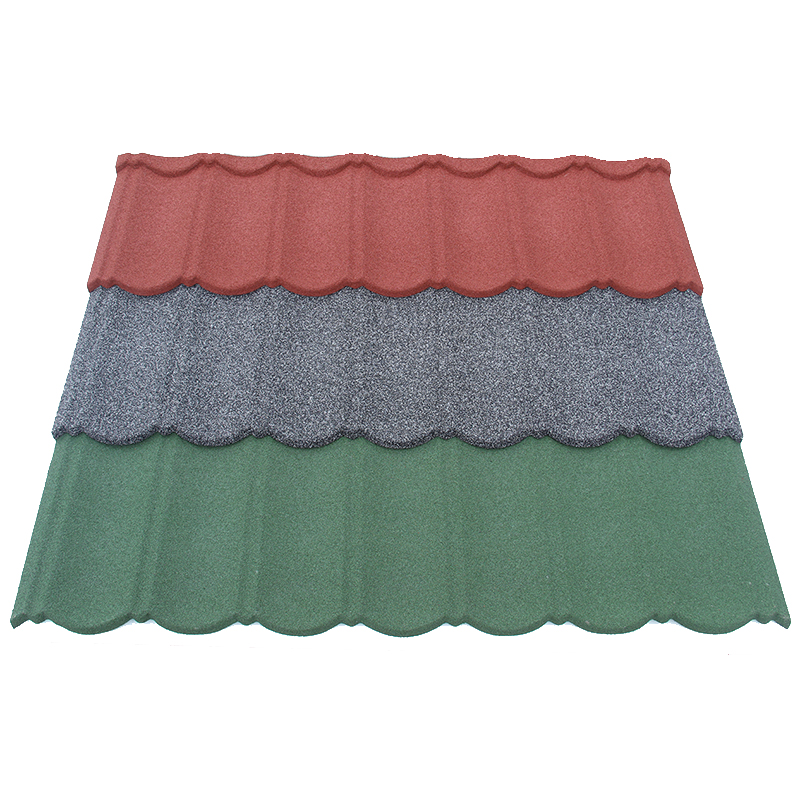
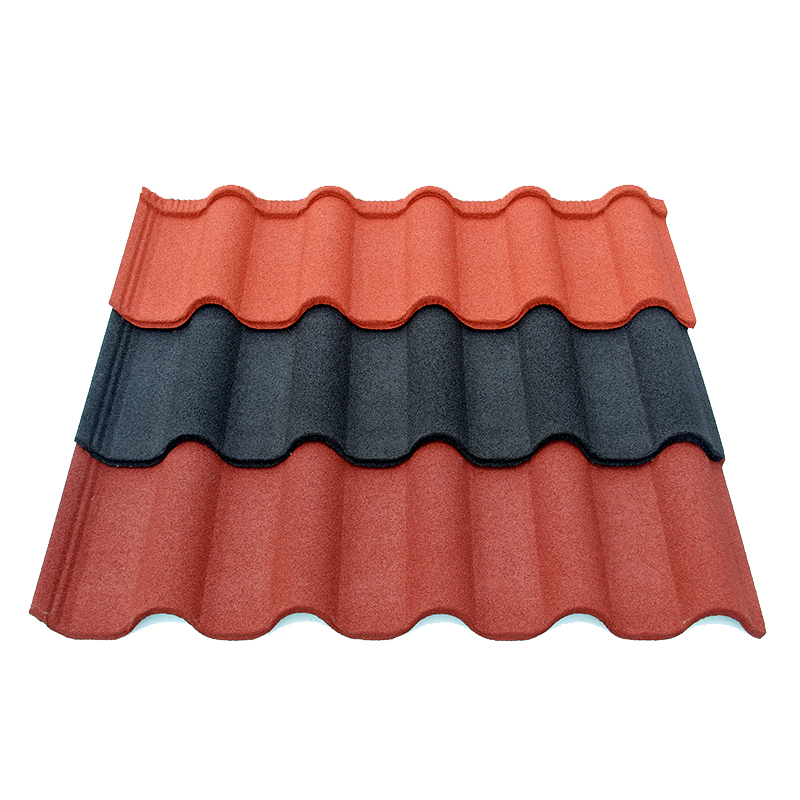
Distributors entering a new market need strong territorial protection and supplier-provided technical resources more than anything else. A Bond Tile product line backed by clear territorial terms and installation documentation gives a new distributor a defensible market position from the start.
Established Wholesalers Expanding Their Product Range
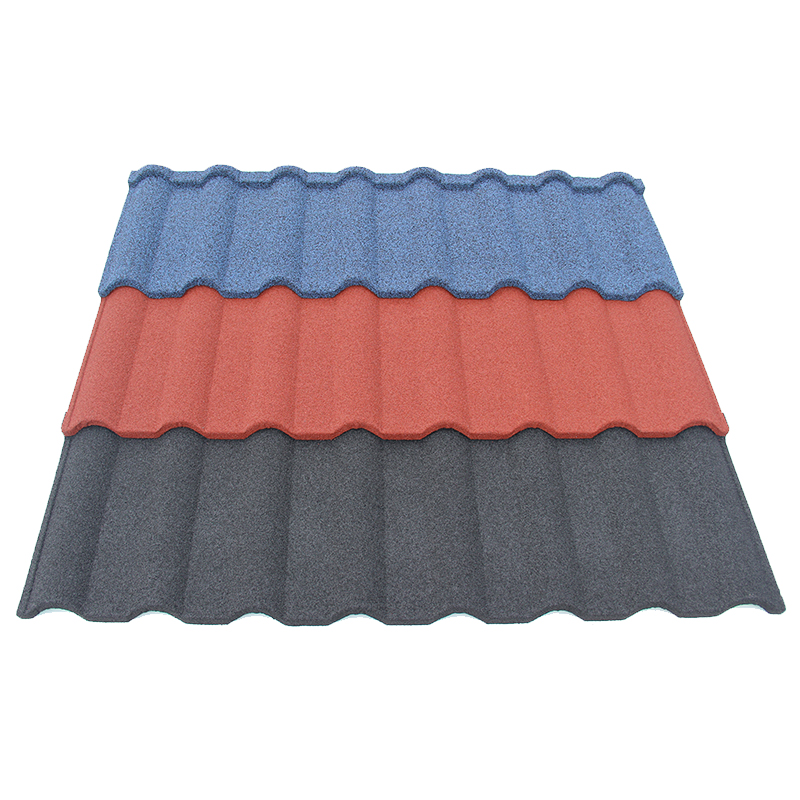
Wholesalers adding a new profile to an existing catalog need pricing stability and consistent supply above other considerations. A proven, high-demand profile like Roman Tile suits this scenario well, provided the supplier can commit to defined pricing review cycles across growing order volumes.
Distributors Serving Residential Contractor Networks
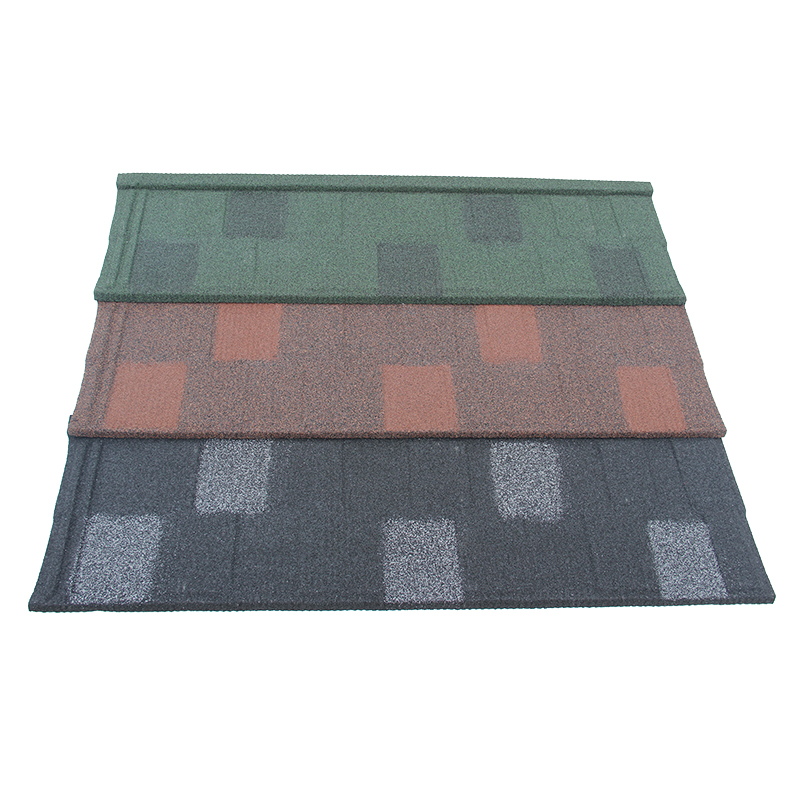
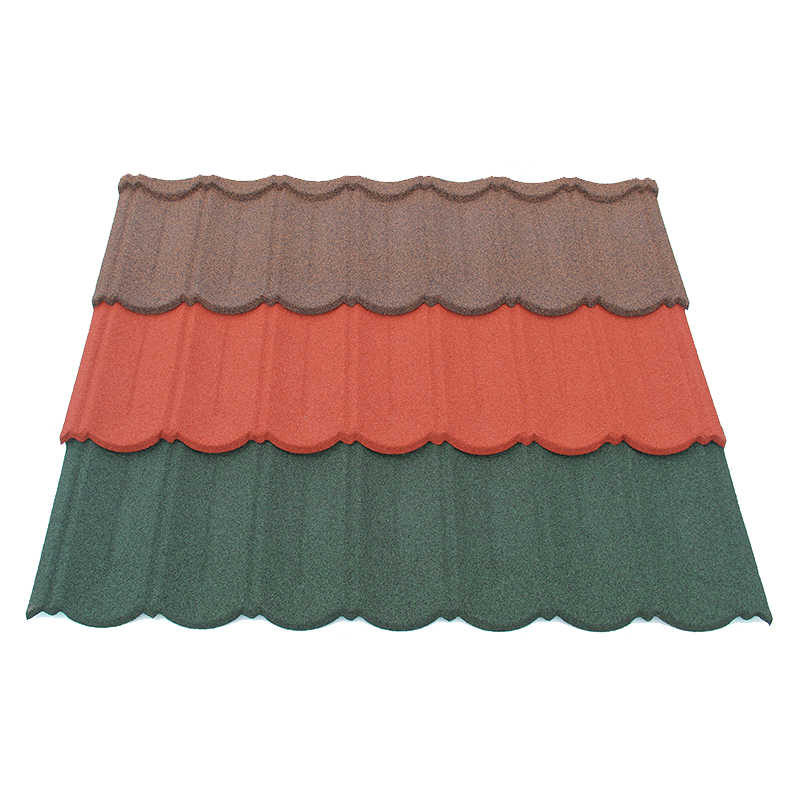
Distributors supplying contractor networks need fast-moving profiles with strong technical support. A Shingle Tile profile backed by supplier-provided installation guides and sample packs reduces the distributor’s own training burden across a large contractor base.
Distributors Building a Premium Architectural Brand
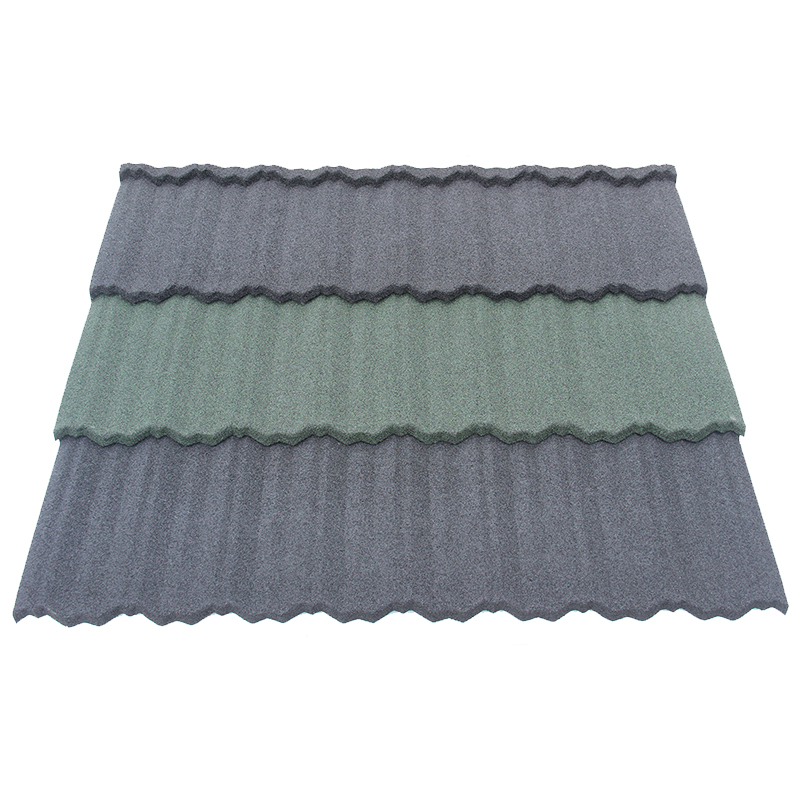
Distributors targeting architectural and premium residential markets need co-marketing support alongside product exclusivity. Suppliers such as JCROOF support these distributor relationships by providing technical and marketing resources alongside their product lines, including profiles like Milano Tile suited to design-conscious buyers. Distributors serving rustic or natural-style residential markets often add a Shake Tile profile under similar exclusive terms, building a complementary product range without duplicating their core offering.
Common Mistakes Distributors Make When Choosing a Roofing Tile Supplier
Distributors evaluating a new roofing tile supplier often focus too heavily on product quality and price while underweighting the business conditions that actually determine long-term profitability. Recognizing these mistakes early prevents costly renegotiations after the relationship is already established.
Accepting Verbal Exclusivity Without Written Terms
A supplier’s verbal assurance of territorial exclusivity carries no weight once a second distributor appears in the same region. Every exclusivity commitment should be documented in writing with clearly defined geographic scope and duration before any market investment begins.
Overlooking Minimum Purchase Commitment Requirements
Some suppliers attach exclusivity or favorable pricing to minimum purchase thresholds that seem achievable during initial negotiations but become difficult to sustain in practice. Distributors should model realistic volume projections before accepting commitments that could put exclusivity terms at risk.
Undervaluing Market Support as a Negotiation Point
Distributors sometimes focus negotiations entirely on unit price while ignoring the value of technical documentation, sample programs, and co-marketing support. These resources reduce market development cost significantly and deserve equal weight during supplier evaluation.
- Confirm territorial exclusivity scope and duration in writing before signing
- Request defined pricing review cycles and advance notice commitments
- Evaluate market support resources as part of the overall supplier value
- Model minimum purchase commitments against realistic volume projections
- Clarify how direct sales inquiries within your territory are handled
Building a Distributor Supplier Relationship That Supports Long-Term Growth
A roofing tile supplier for distributors should function as a genuine business partner rather than a transaction counterparty. Suppliers who invest in distributor success through territorial protection, pricing stability, and market support consistently generate stronger regional results than those treating distributors as simple order channels.
Questions to Ask Before Committing to a Long-Term Supplier Relationship
Ask how the supplier handles territorial conflicts when they arise, what the advance notice period is for price changes, and what market support resources are available from day one. Specific, documented answers to these questions separate a genuine distribution partner from a supplier simply looking for another order.
Evaluating a roofing tile supplier for distributors means going beyond product quality and delivery performance to assess territorial protection, pricing stability, and market development support. Distributors who verify these business conditions upfront build regional market positions that generate sustainable margin over time rather than eroding it through supplier channel conflicts and pricing surprises.