
Global importers constantly seek reliable ways to improve their profit margins. Supply chains currently face unprecedented financial pressures. Consequently, finding the right manufacturing partner is incredibly crucial. You want exceptional quality, but you also demand competitive pricing. Today, advanced manufacturing technology completely changes the traditional procurement game. Specifically, we will explore exactly how a 6-line automated factory dramatically reduces your stone coated metal roofing tile import costs by 20%. Furthermore, this article provides practical sourcing advice for B2B buyers looking to optimize their supply chain and dominate their local markets.
The Core Mechanics of Advanced Automated Roofing Production
What exactly does a 6-line automated factory mean for your B2B business? Essentially, this modern facility utilizes six independent, fully synchronized production lines to manufacture roofing materials continuously. This intelligent setup completely eliminates the traditional bottlenecks usually found in manual workshops. Therefore, automation guarantees exact precision during every single step of the manufacturing process. As a result, importers receive highly uniform batches without the frustrating delays common in older factories. Let us examine the specific production stages in detail.
Precision Steel Stamping and Forming
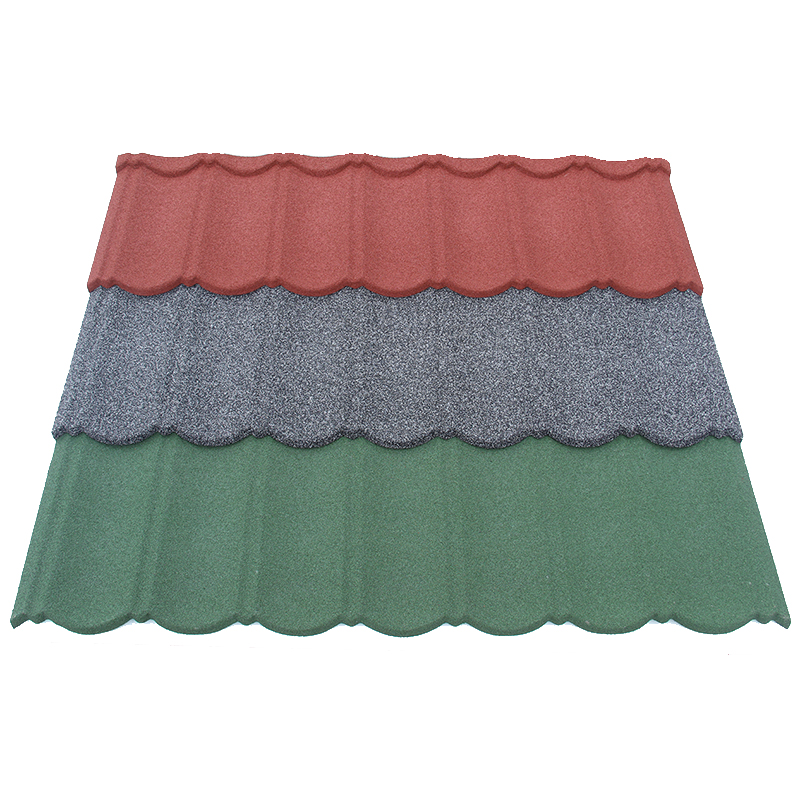
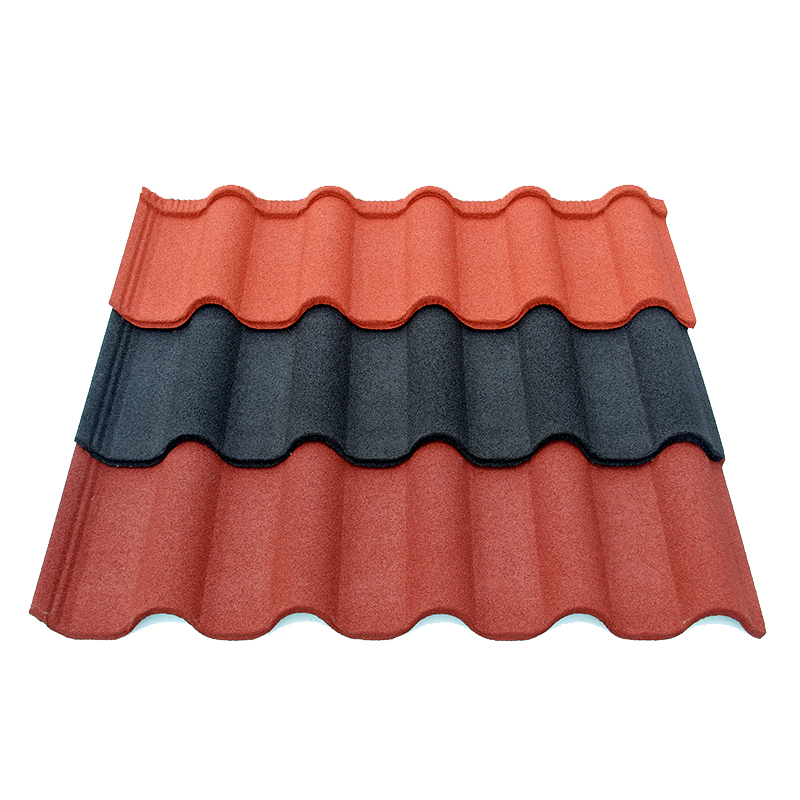
The entire manufacturing process always begins with steel stamping. High-speed, computer-controlled presses shape the raw galvanized steel quickly. Consequently, the metal forms perfectly every single time. For instance, when producing a classic Bond Tile, exact dimensions remain absolutely non-negotiable for seamless installation. Automated presses ensure the overlapping edges match flawlessly. Therefore, your local installers save valuable time on the job site.
Automated Acrylic Base Coat Application
Next, specialized machines apply the crucial acrylic base coat evenly across the steel. Manual spraying processes often leave inconsistent thick and thin spots. However, automated spray nozzles guarantee total coating consistency. This precise application prevents premature rust and dangerous peeling later. Ultimately, superior coating extends the lifespan of the stone coated metal roofing tile significantly.
Perfected Stone Chip Distribution
Afterward, the mechanical system distributes the colored natural stone chips. Advanced optical sensors constantly monitor the exact weight and spread of these granules. Therefore, every single roofing piece looks perfectly identical. This strict level of quality control remains essential for complex profiles. Automation ensures the stones embed deeply into the base coat for maximum weather resistance.
Controlled Baking and Curing
Finally, the coated tiles enter massive, temperature-controlled curing ovens. Manual factories often struggle with fluctuating oven temperatures. Conversely, automated thermal sensors maintain the exact baking environment required. This continuous heat ensures the top acrylic glaze seals the stone chips permanently. Consequently, the final product easily resists harsh UV rays and heavy rainfall.
Detailed Breakdown of the 20% Cost Reduction
How does this advanced machinery translate directly into a massive 20% cost reduction for your procurement budget? The savings absolutely do not come from utilizing cheaper raw materials. Instead, the sudden cost drop originates from maximized operational efficiency and drastically reduced waste. Automated factories optimize every single resource available. Consequently, the factory naturally passes these overhead savings directly to B2B wholesale buyers. Let us break down the exact cost-saving factors below.
Minimizing Costly Raw Material Waste
Human error always causes significant material waste in traditional factories. Automation aggressively cuts this scrap waste down to almost zero. The smart machines calculate exact steel cuts and precise coating volumes. Therefore, you immediately stop paying for discarded scrap metal and wasted resin. This optimized material usage drops the per-unit cost significantly.
Lowering Labor Costs Per Unit
Standard manual factories require dozens of expensive workers per production line. Conversely, automated lines need only a few highly skilled technicians to monitor the screens. This operational efficiency dramatically lowers the labor cost embedded in each tile. Furthermore, machines do not require overtime pay during peak production seasons.
Eradicating Defect Rates and Returns
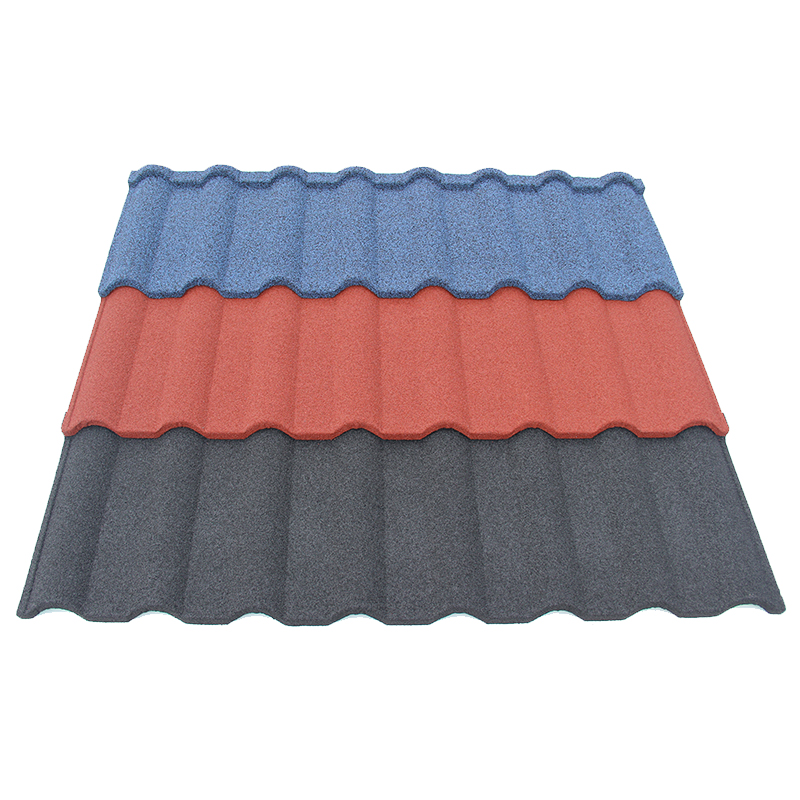
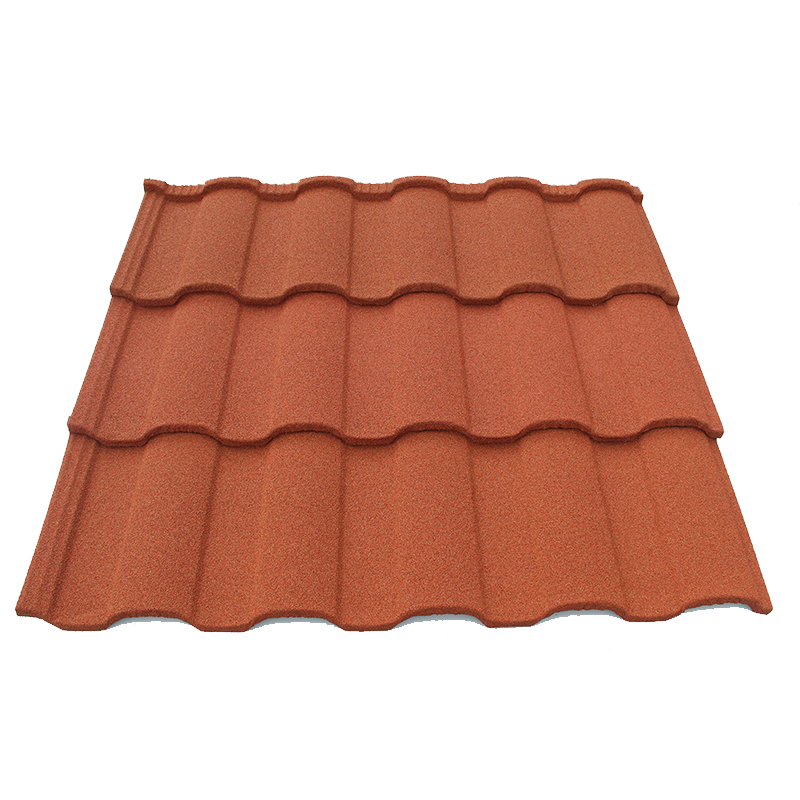
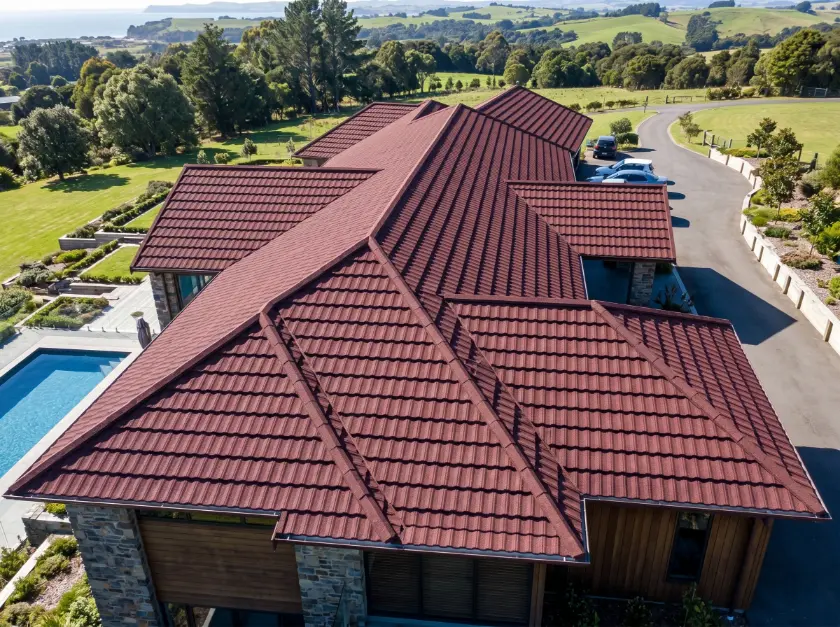
Defective products quickly destroy your hard-earned profit margins. Automation practically guarantees a near-zero defect rate across massive orders. For example, the elegant and sweeping curves of a Roman Tile require exact machinery to prevent cracking. You completely avoid costly site failures and angry customer claims. Ultimately, fewer defects mean higher overall profitability for your business.
| Production Factor | Traditional Manual Factory | 6-Line Automated Factory | Impact on Importer Cost |
|---|---|---|---|
| Material Waste | High (8% – 12% scrap rate) | Minimal (under 1% scrap rate) | Reduces material overhead by 5% |
| Labor Dependency | Heavy (30+ workers per shift) | Low (5-8 technicians per shift) | Lowers unit labor cost by 8% |
| Production Speed | Slow and inconsistent | Fast and highly predictable | Decreases lead times, improving cash flow |
| Defect Rate | Moderate (leads to client claims) | Near zero (sensor controlled) | Saves roughly 7% in replacement costs |
Practical Advice for B2B Procurement and Selection
Choosing a reliable manufacturing partner requires much more than simply comparing price lists on a spreadsheet. Smart buyers must thoroughly evaluate the actual production capabilities of their potential suppliers. You need a steadfast partner who can handle high-volume orders without ever compromising structural integrity. Furthermore, you must verify that their factory equipment matches your specific local market requirements. Here is exactly how you can make a smart, profitable procurement decision today.
Verify Production Capacity and Lead Times
Always ask suppliers specifically about their daily output capacity. A modern 6-line factory processes massive wholesale orders incredibly quickly. This efficiency means you get your shipping containers faster. Faster shipping directly means quicker inventory turnover at your warehouse. Faster turnover improves your corporate cash flow significantly.
Match Technology with Complex Product Profiles
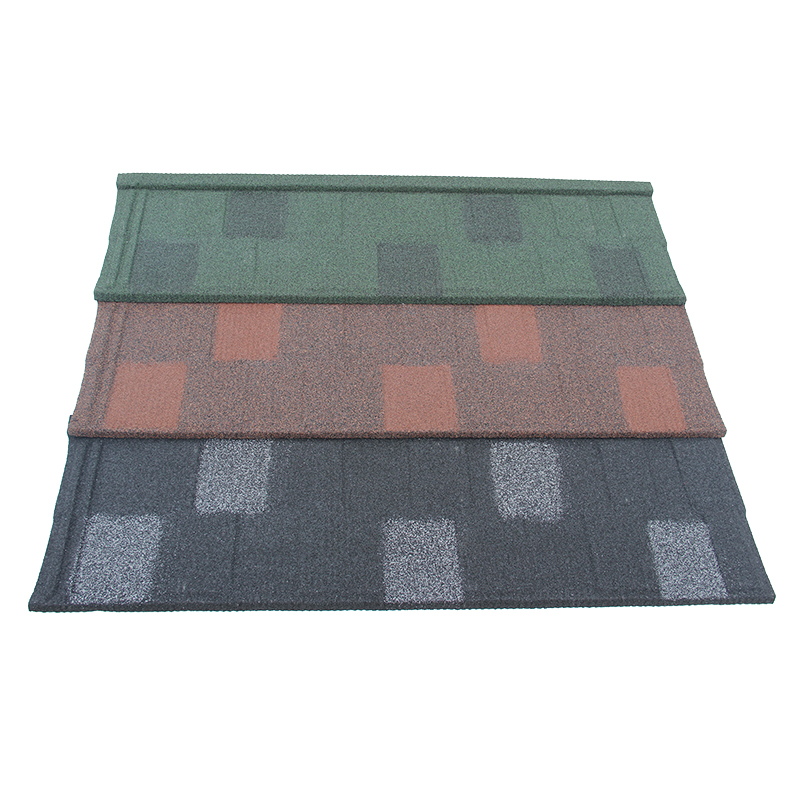
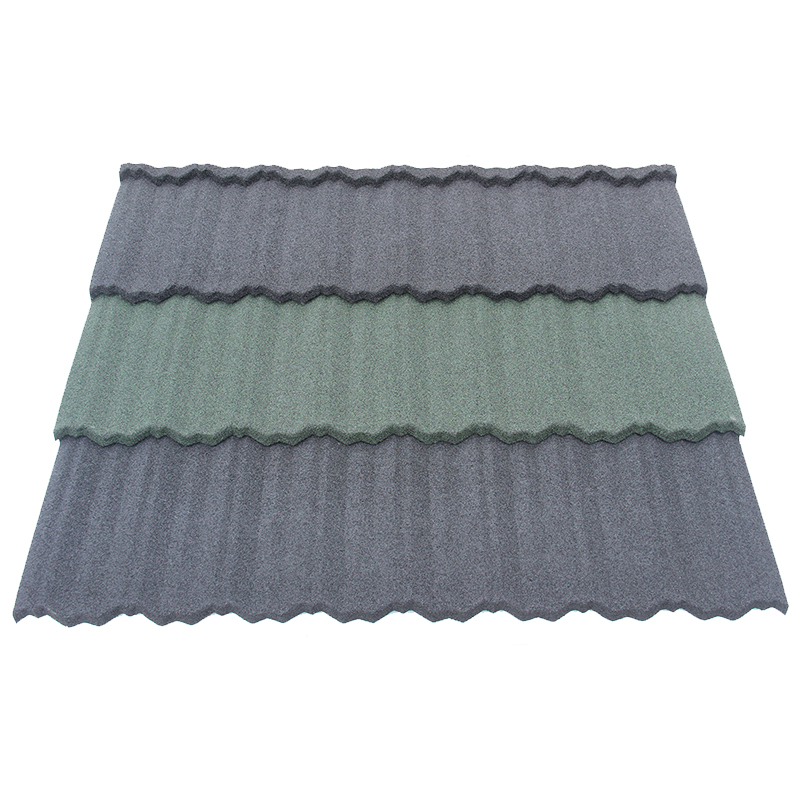
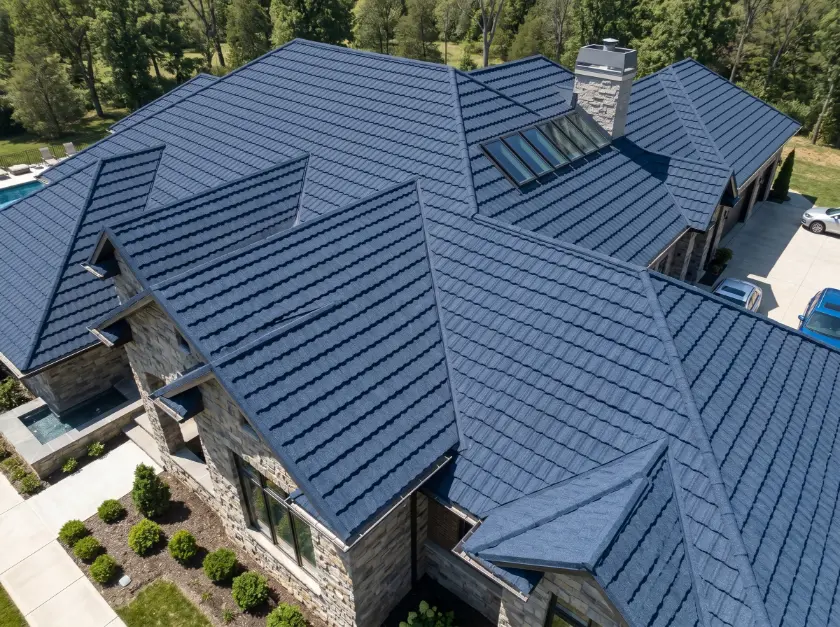
Different global markets demand completely different aesthetic styles. Ensure the factory’s automation gracefully handles varied architectural profiles perfectly. For instance, creating the distinct, low-profile modern look of a Shingle Tile demands sophisticated pressing molds. Advanced automated factories switch these heavy molds efficiently without enduring long downtimes.
Look for Integrated Quality Control Systems
Reliable factories proactively build strict quality checks directly into the moving assembly line. Optical sensors should automatically reject any substandard piece before packaging. Therefore, you only pay for absolutely perfect products. At JCROOF, our relentless commitment to cutting-edge manufacturing ensures every batch meets strict global standards.
Common Sourcing Errors and Quality Pitfalls to Avoid
Many eager importers make terribly costly mistakes when sourcing roofing materials from overseas markets. They frequently focus solely on securing the lowest initial quote possible. Unfortunately, this shortsighted strategy usually leads to severe downstream business expenses. Cheap prices almost always hide manual, outdated, and risky production methods. Consequently, unsuspecting buyers face delayed shipments and horribly inconsistent quality. Let us actively review the most common pitfalls you must avoid.
Ignoring Batch Color Consistency
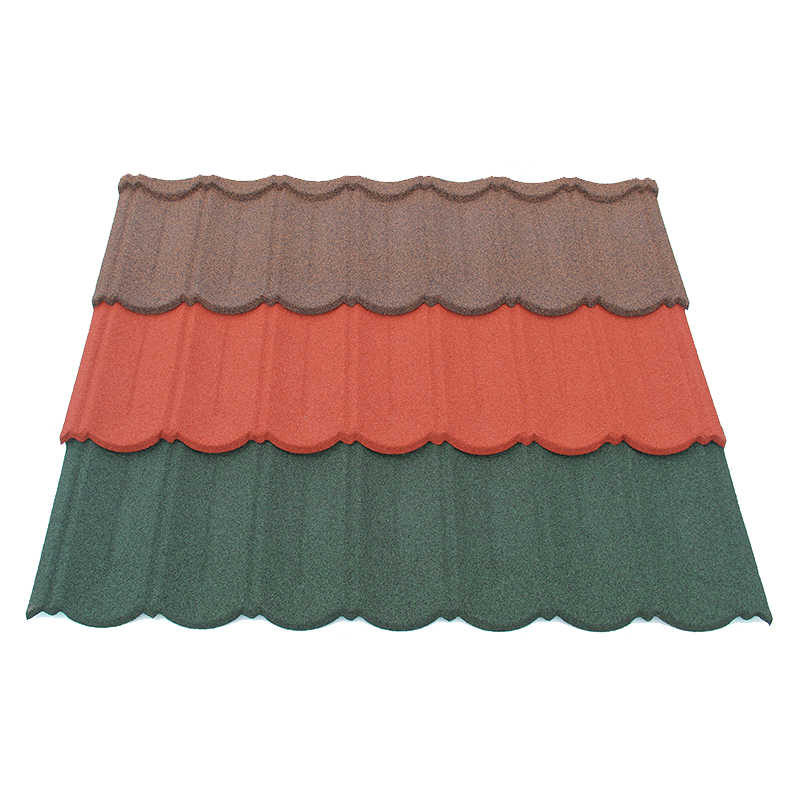
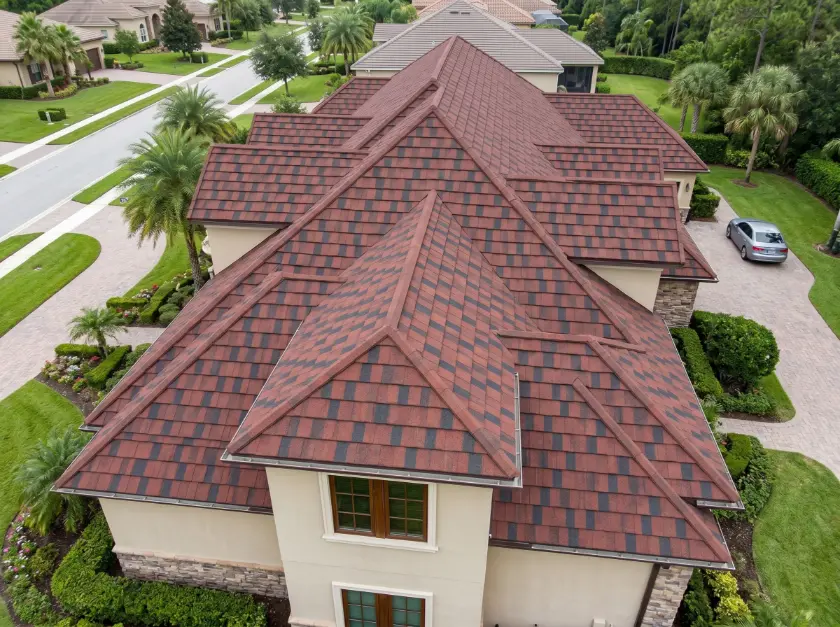
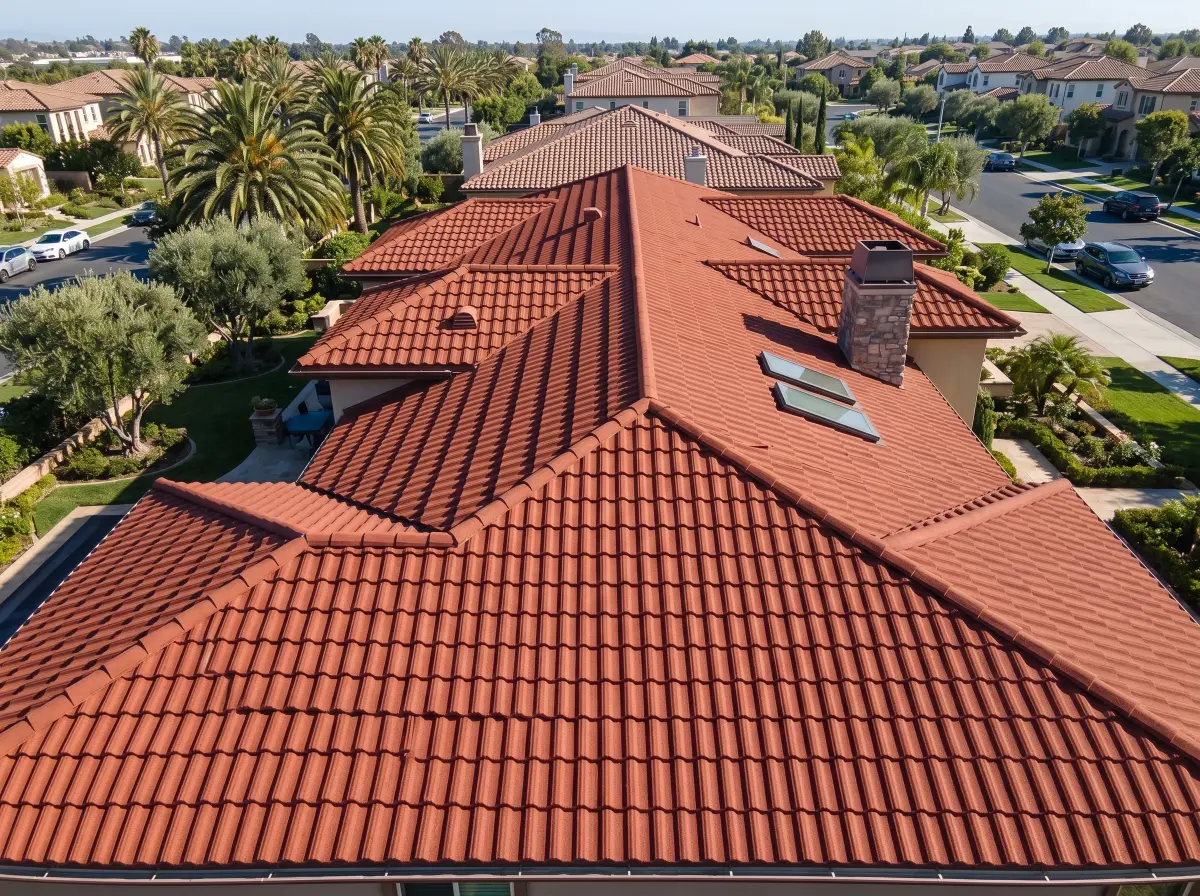
Manual factories constantly struggle with stone color consistency. One batch might look totally different from the next container. This discrepancy causes massive installation issues on large commercial projects. For instance, the traditional Mediterranean aesthetic of a Milano Tile looks terrible if the roof displays uneven color patches. Always demand automated color mixing.
Underestimating Packaging and Loading Procedures
Poor factory packaging severely damages tiles during long ocean transits. Outdated suppliers often stack products haphazardly to save money. Conversely, automated factories use standardized, machine-packed wooden pallets. This sturdy packaging prevents dangerous shifting inside the shipping container. Therefore, your valuable goods arrive in pristine, ready-to-sell condition.
Overlooking Hidden Weather Resistance Flaws
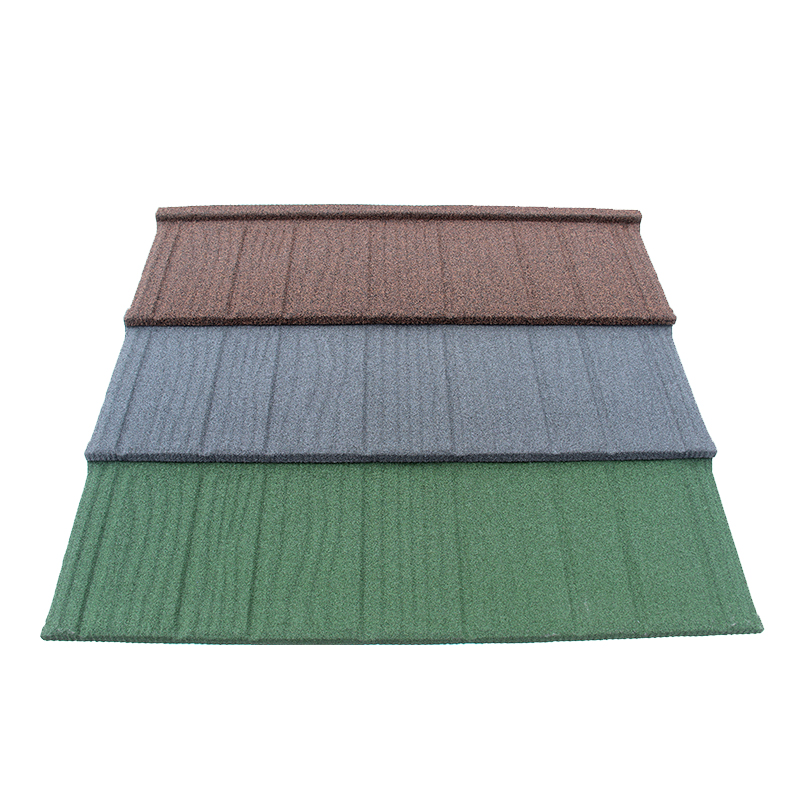
Inconsistent base coatings inevitably lead to extremely poor weather resistance. Cheaply made tiles will easily lose their stone chips during heavy storms. If your market strongly prefers the rugged, natural wood look of a Shake Tile, poor adhesion destroys the aesthetic in months. Always demand automated coating processes to guarantee long-term durability for your clients.
Frequently Asked Questions About Factory Sourcing
B2B buyers constantly ask us vital questions about properly evaluating overseas roofing factories. Transitioning to a completely new supplier naturally involves certain financial risks. Therefore, thoroughly understanding the nuances of automated production remains incredibly crucial for procurement managers. We actively compiled the most common questions from our global partners. Hopefully, these straightforward answers guide your next purchasing decision safely.
How does factory automation affect order minimums?
Automated factories usually require standard minimum order quantities (MOQs) to remain efficient. Because the machines run continuously, stopping lines for tiny orders creates inefficiency. However, a 6-line setup offers greater flexibility. Factories can dedicate specific lines to different colors. Therefore, you can easily mix multiple colors within a single shipping container.
Can automated lines handle custom color requests?
Yes, advanced automation easily accommodates custom color blending. Computerized hoppers mix different colored stone chips with absolute mathematical precision. If your regional market demands a specific color blend, the factory inputs the formula. Consequently, the machines replicate that exact custom color perfectly across thousands of roofing units.
What is the typical ROI timeline for switching suppliers?
Importers typically see a positive return on investment within the very first quarter. The initial 20% cost reduction on the invoice provides immediate financial relief. Furthermore, the complete elimination of customer returns boosts your net profit quickly. Ultimately, partnering with an automated facility secures your long-term business growth.