
Global procurement teams managing massive commercial construction projects face intense daily pressure. When dealing with astronomical 100,000+ square meter material requirements, the financial stakes are incredibly high. A minor logistical error early in the supply chain easily cascades into a multi-million dollar disaster for local developers. Importers frequently debate the merits of utilizing local trading agents versus establishing direct relationships with overseas manufacturers. This comprehensive guide strictly examines why trading companies routinely fail at executing these incredibly massive orders safely. Furthermore, we will clearly explain why partnering directly with a reliable factory remains the absolute only safe strategy for sourcing a premium stone coated metal roofing tile successfully. By deeply understanding these critical supply chain dynamics, B2B wholesale buyers can protect their corporate budgets and completely dominate their local building material markets.
The Critical Breakdown in Supply Chain Communication
Effective, highly accurate communication serves as the absolute backbone of any large-scale international trade agreement today. When you physically insert a trading company between the actual corporate buyer and the active factory floor, you inherently create a highly dangerous communication bottleneck. For massive orders exceeding 100,000 square meters, highly specific technical specifications must remain perfectly clear across completely different time zones and complex languages. Trading agents simply lack the deep engineering knowledge required to convey highly complex architectural requirements accurately to the actual production engineers. Consequently, vital product details become lost in translation entirely.
Misinterpreted Technical Specifications
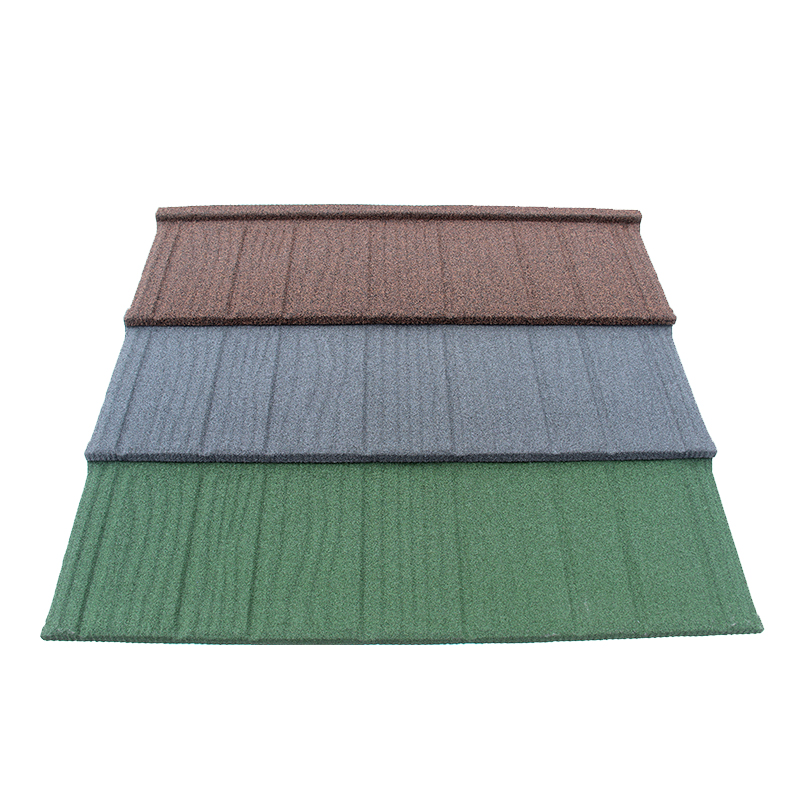
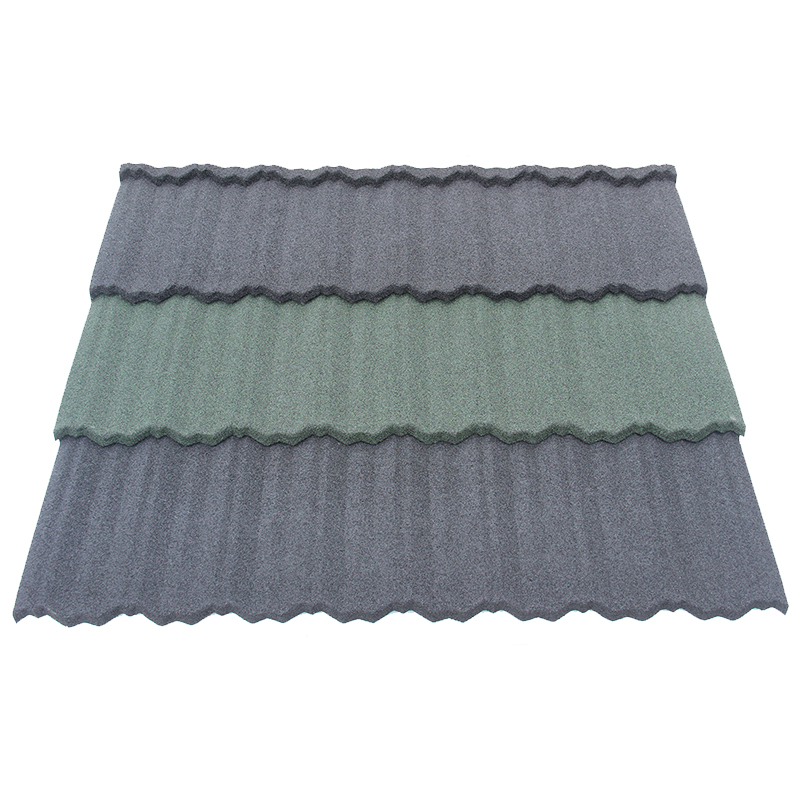
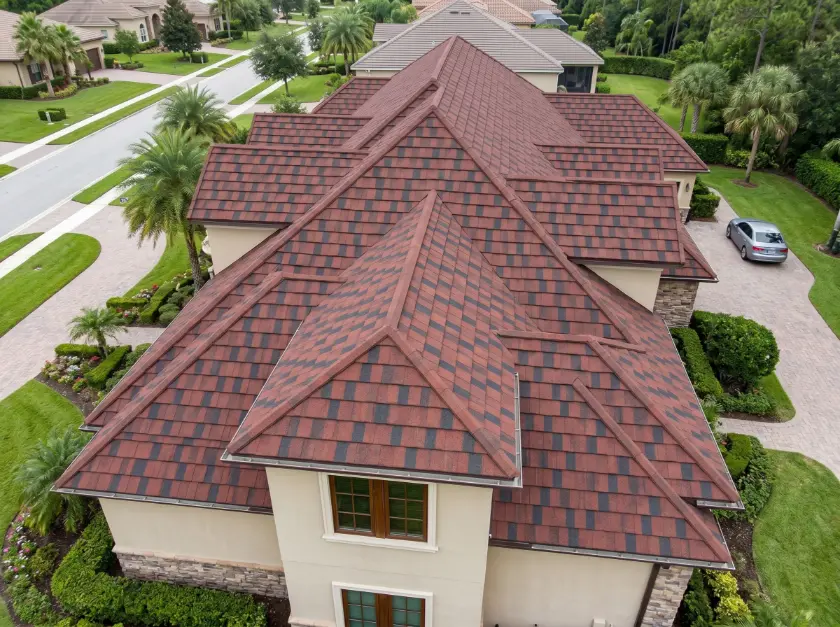
At massive commercial scales, exact dimensional accuracy remains completely non-negotiable for seamless roofing installations. If the trading agent fails to heavily emphasize the precise overlapping requirements for a classic Bond Tile, the resulting installation will suffer from severe panel alignment issues. Factory engineers desperately need direct, unfiltered feedback from the end buyer to calibrate their heavy hydraulic stamping presses correctly. When middlemen misinterpret these complex technical drawings, you receive dozens of shipping containers filled with entirely unusable construction materials.
Delayed Crisis Management Protocols
When unexpected production issues inevitably arise on the factory floor, time immediately equates to wasted money. Trading companies must first contact the busy factory, wait patiently for a highly technical explanation, and then carefully translate that response back to your procurement department. This severely delayed feedback loop turns minor operational hiccups into catastrophic international shipping delays. Direct manufacturers eliminate this dangerous lag entirely by offering you immediate, direct communication lines with the dedicated project managers overseeing your massive order.
Production Capacity and Manufacturing Bottlenecks
The sheer physical volume of a 100,000+ square meter commercial order requires immense, highly dedicated manufacturing infrastructure. Trading companies absolutely do not own heavy pressing machinery, specialized curing ovens, or advanced automated production lines. They operate out of standard office buildings and heavily rely on aggressively outsourcing your massive order to multiple smaller, unverified workshops to meet the strict deadline. This highly fragmented, disorganized approach completely destroys product uniformity and introduces severe structural flaws into the final building materials.
Fragmented Sourcing and Inconsistent Quality
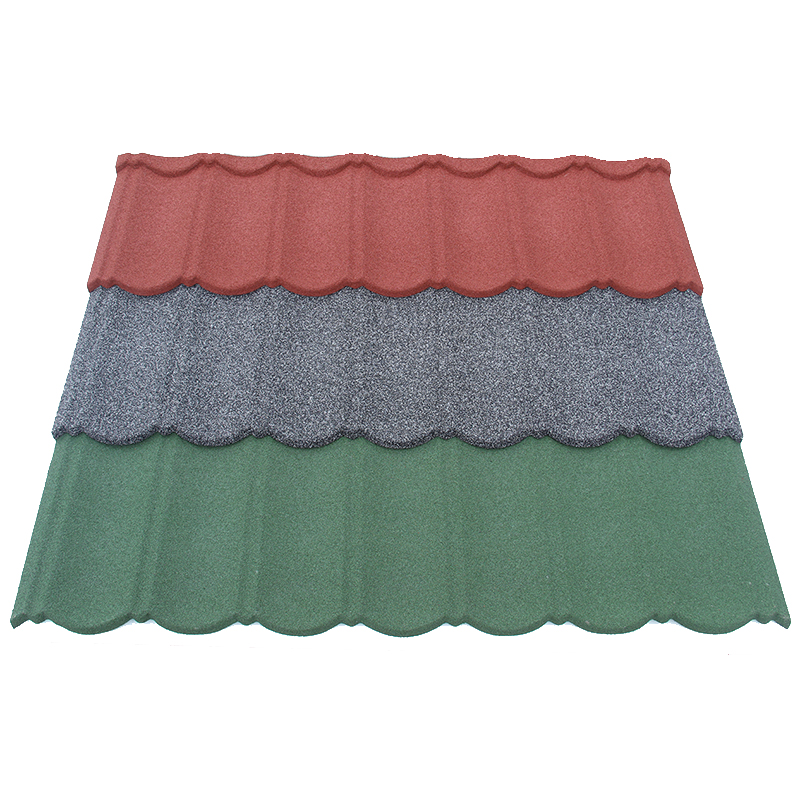
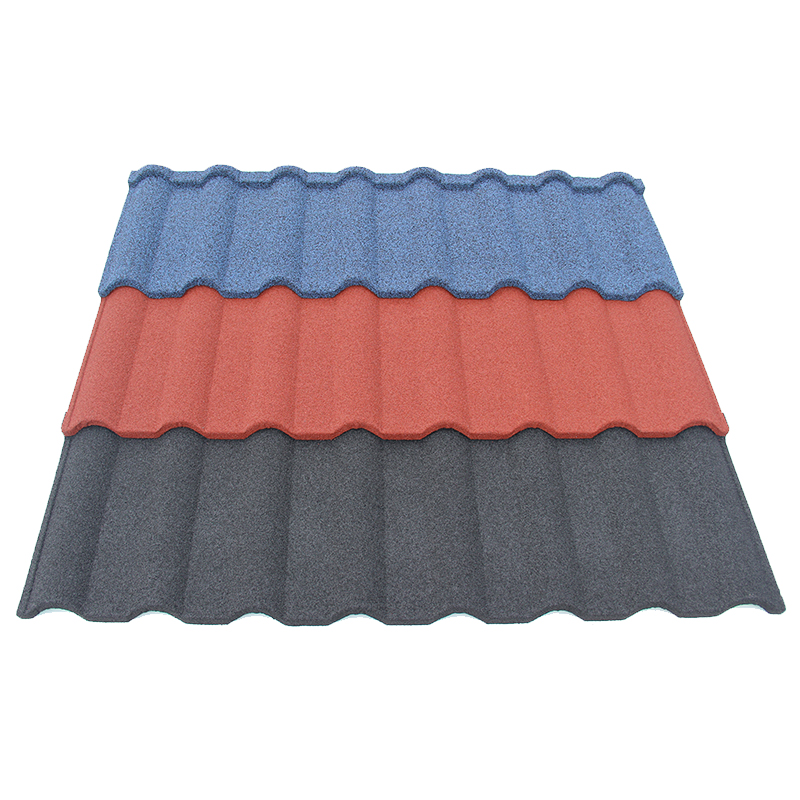
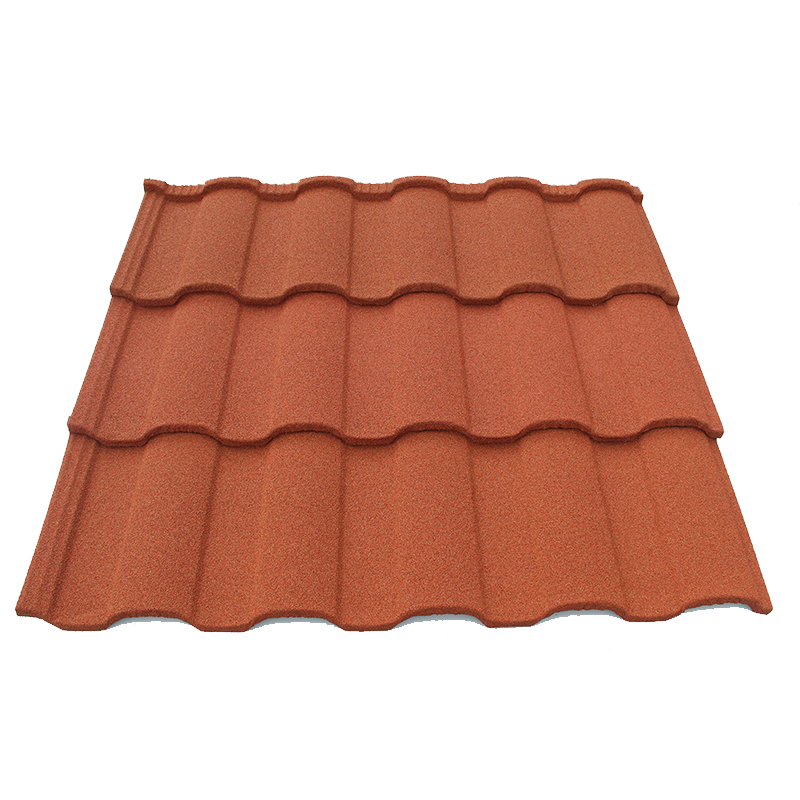
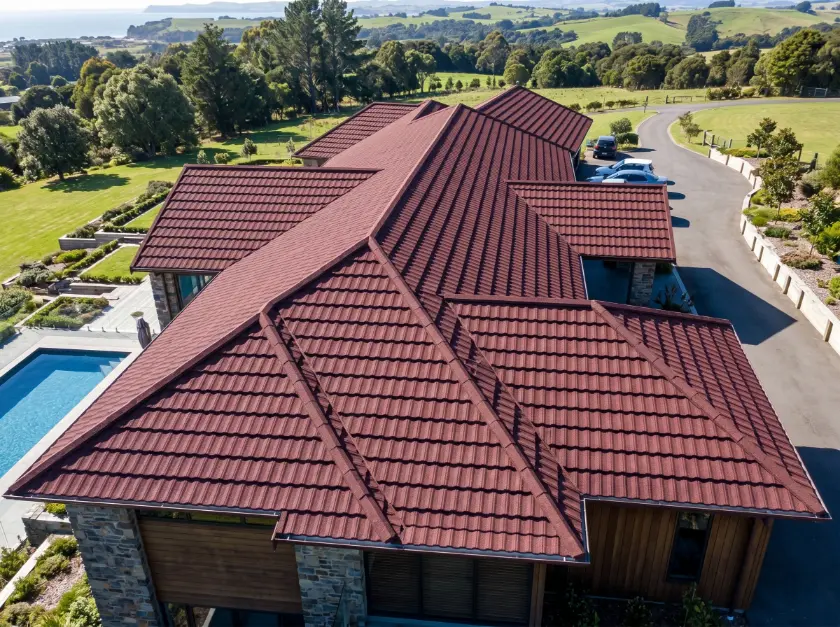
To aggressively fulfill massive material volumes quickly, agents frequently split your specific order across three or four completely different manual factories. This terrible practice strongly guarantees that your final arriving shipping containers will feature wildly varying color shades and inconsistent textures. For example, the vibrant, deeply traditional Mediterranean aesthetic of a Milano Tile looks completely ruined if the rich red hues do not match perfectly across the massive commercial roof. Only a centralized, single-facility manufacturer can guarantee absolute color uniformity across hundreds of thousands of individual tiles.
Inability to Scale Production Quickly
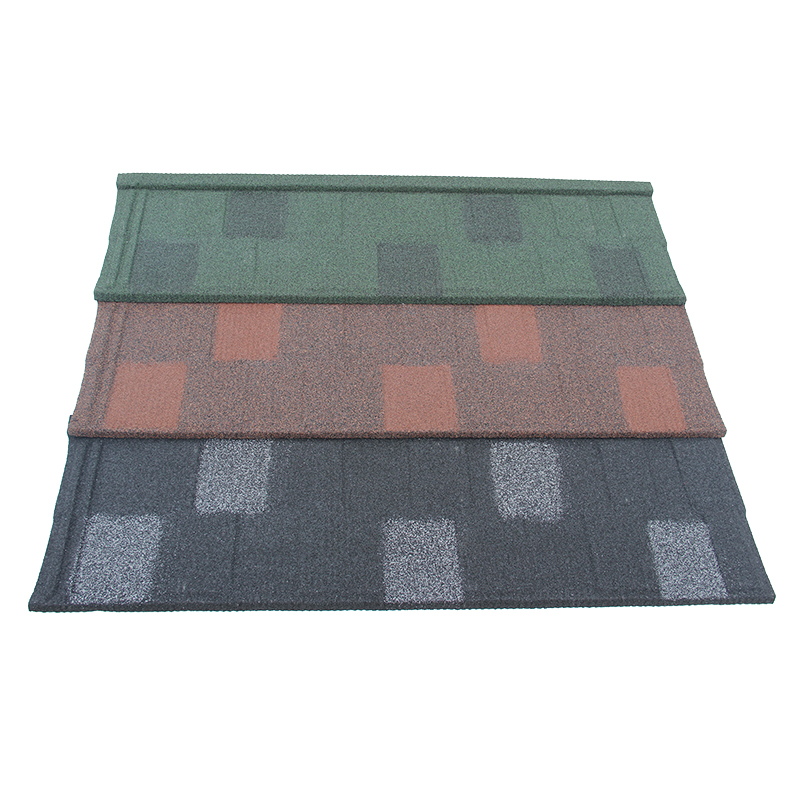
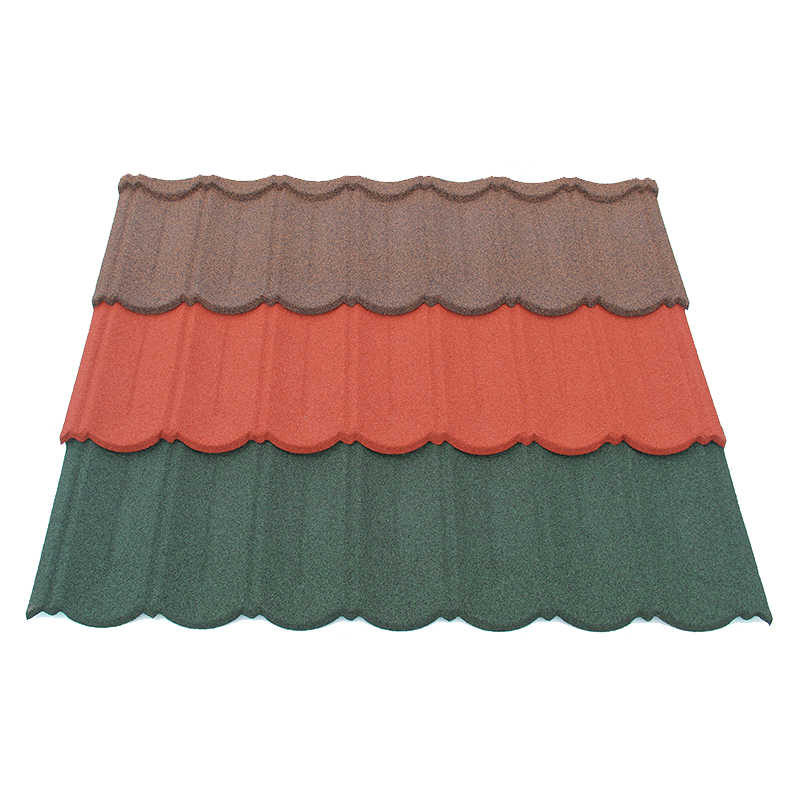
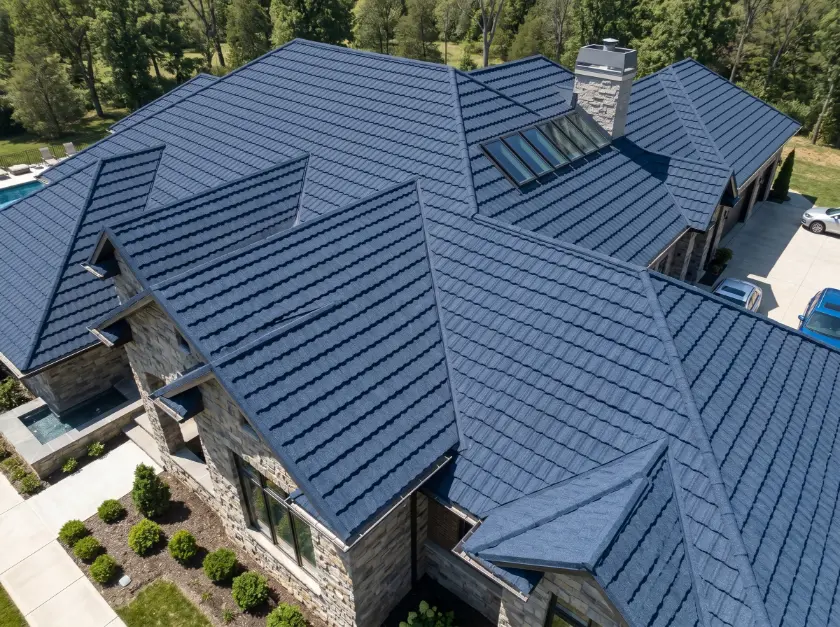
Small, unregulated workshops simply cannot handle sudden, massive spikes in global material demand safely. Conversely, a massive direct factory easily dedicates multiple fully automated production lines to run continuously for your specific wholesale order. Creating the sleek, highly engineered low-profile look of a Shingle Tile requires incredibly high-speed hydraulic presses that only elite, large-scale manufacturers actually possess. Trading companies fundamentally lack the authoritative power to force external factories to prioritize your order over other pending local clients.
The Hidden Financial Risks of Intermediaries
Financial transparency remains completely crucial when millions of corporate dollars are rapidly changing hands across international borders. Trading companies usually operate on incredibly razor-thin profit margins constantly. They frequently utilize your large upfront corporate deposit to secure basic raw materials from the actual external factories. If the volatile global commodity market shifts suddenly, these middlemen severely lack the corporate capital necessary to absorb the financial shock. Consequently, this dangerous lack of capital leaves your massive material order completely stranded without proper production funding.
Fluctuating Raw Material Substitution Costs
During peak construction seasons globally, the strict price of premium galvanized steel and natural colored stone chips fluctuates wildly. If you are ordering a highly textured, premium product like a Shake Tile, the stressed agent might secretly substitute significantly cheaper chemical adhesives to maintain their personal profit margin when raw material costs rise suddenly. Direct factories proactively buy raw materials in massive bulk quantities early in the year, firmly locking in your highly stable wholesale pricing without resorting to cheap, secret material substitutions.
Warranty and Post-Sales Support Failures
If a massive 100,000 square meter commercial roof dramatically fails two years after the initial installation, trading companies often simply vanish or suddenly change their registered corporate name entirely. They simply cannot honor long-term quality warranties because they never actually manufactured the physical product themselves. B2B importers desperately need a direct manufacturer who stands firmly behind their exact chemical formulations and structural steel integrity. A direct factory actively provides long-term replacement guarantees that physically protect your local brand reputation.
| Procurement Factor | Trading Company Capabilities | Direct Manufacturer Capabilities |
|---|---|---|
| Production Control | Zero. Outsourced to multiple unverified third parties. | Total. In-house automated machinery handles everything. |
| Quality Uniformity | Highly variable across different shipping containers. | Perfectly matched colors and dimensions via sensors. |
| Communication Speed | Slow, heavily delayed by language and intermediary translation. | Instant, direct access to factory floor engineers. |
| Financial Stability | High risk of bankruptcy during sudden market fluctuations. | Highly stable, backed by massive physical assets and bulk materials. |
Why Direct Manufacturing Partners Guarantee Success
Bypassing the risky middleman and partnering strictly with a highly advanced, direct manufacturing facility completely eliminates these massive international procurement risks immediately. A deeply dedicated factory provides absolute operational transparency continuously. They eagerly offer you direct, unlimited access to their chief production engineers and daily manufacturing schedules. This strategic, highly integrated B2B alignment strongly ensures your massive commercial building projects proceed perfectly on time, strictly within your allocated budget, and entirely without any unexpected quality variations. Direct sourcing is the only intelligent path forward for high-volume corporate importers today.
Centralized Quality Control Systems
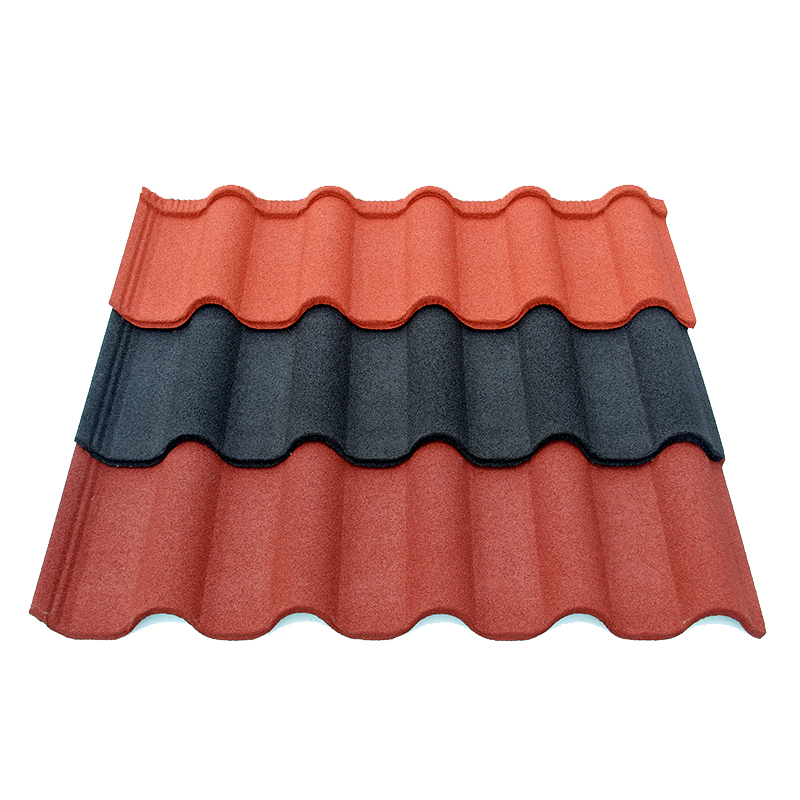
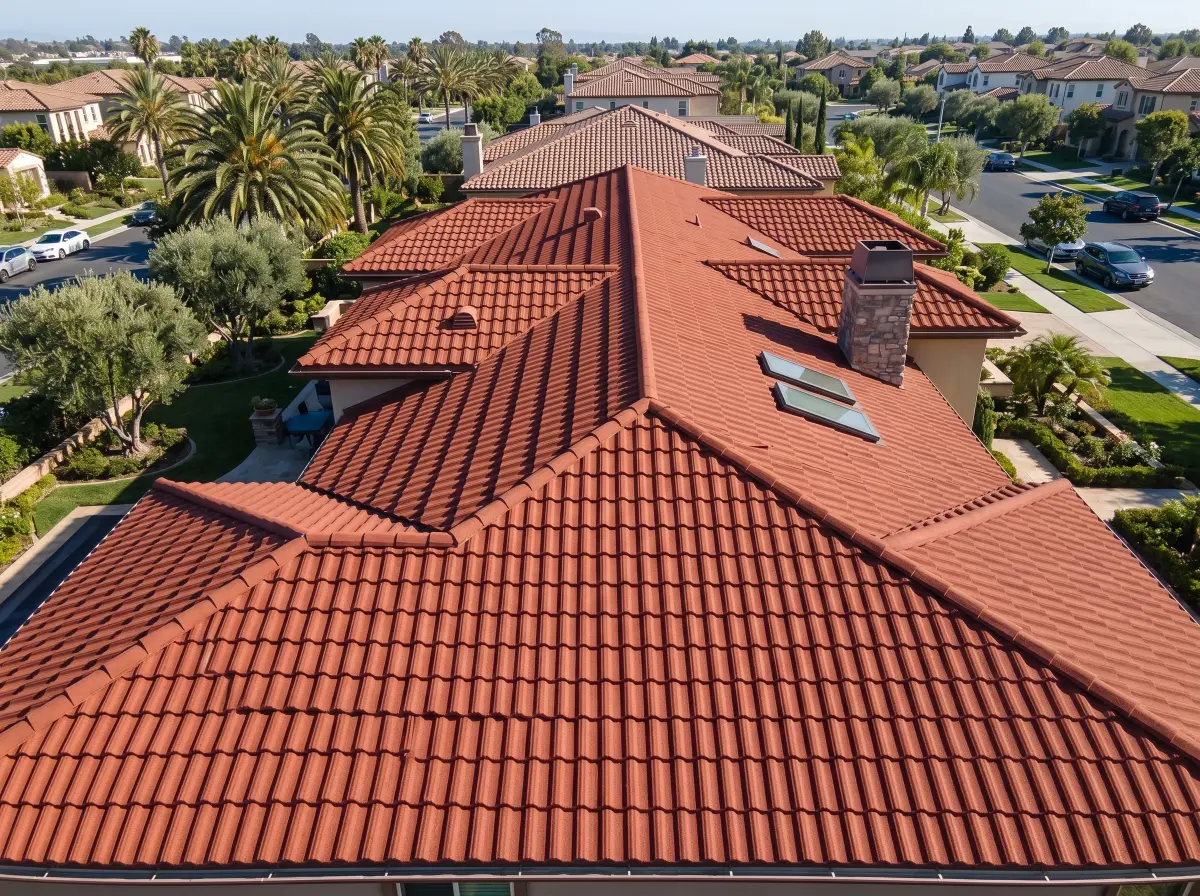
True, industry-leading manufacturers actively integrate rigorous physical testing checkpoints directly into their massive, fast-moving assembly lines. Whether your specific commercial project requires the elegant, sweeping architectural curves of a Roman Tile or entirely custom commercial profiles, centralized optical sensors strictly monitor every single manufactured piece. This advanced technological integration guarantees a near-zero defect rate across hundreds of loaded shipping containers. You simply never pay for ruined materials, protecting your profit margins perfectly.
Dedicated Infrastructure and B2B Partnership
High-volume B2B importers desperately need a highly steadfast, financially stable long-term corporate ally. At JCROOF, our massive, cutting-edge automated production lines are specifically designed to absorb massive 100,000+ square meter wholesale orders completely effortlessly. We strictly manage every single manufacturing step internally, from premium steel coil purchasing to the final standardized container loading protocols. This unwavering commitment to manufacturing excellence ensures unparalleled global supply chain reliability for your exact corporate needs.