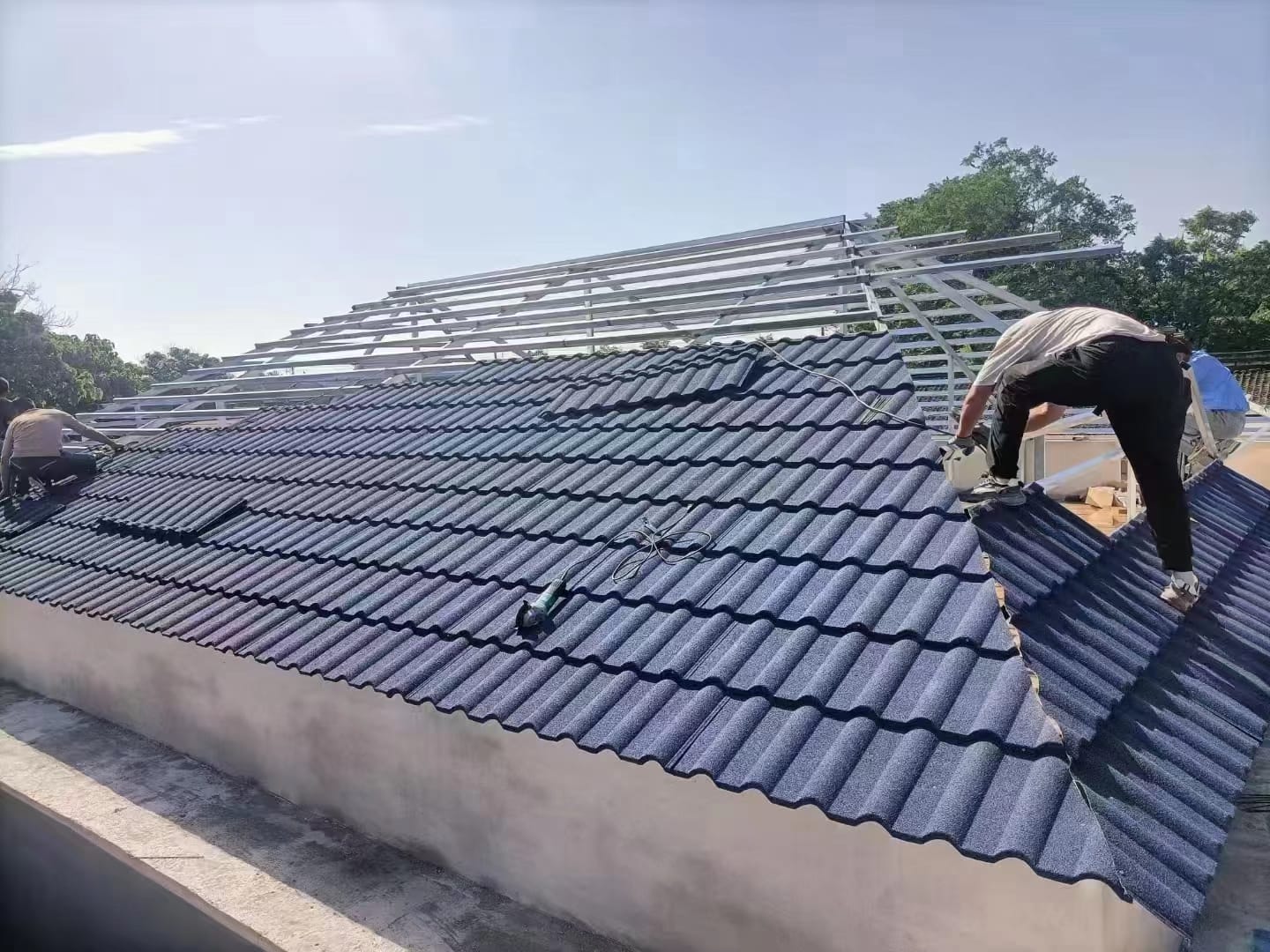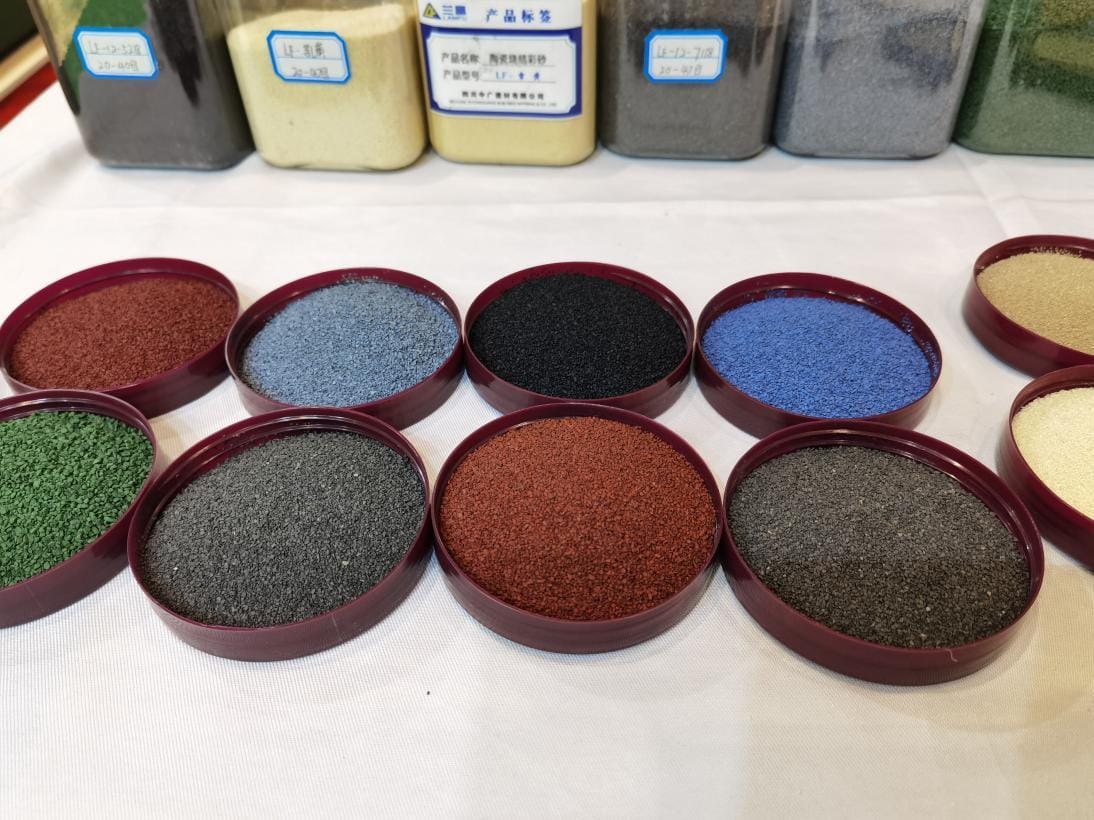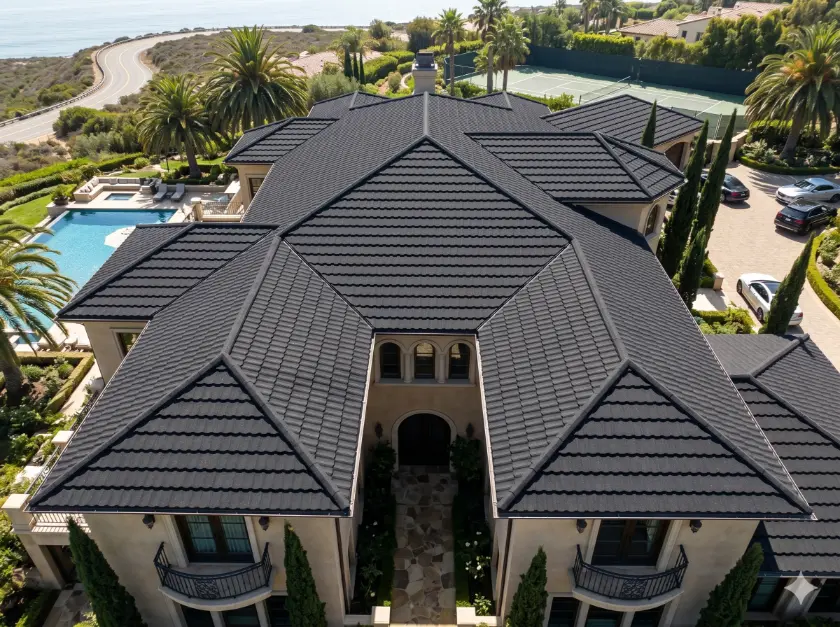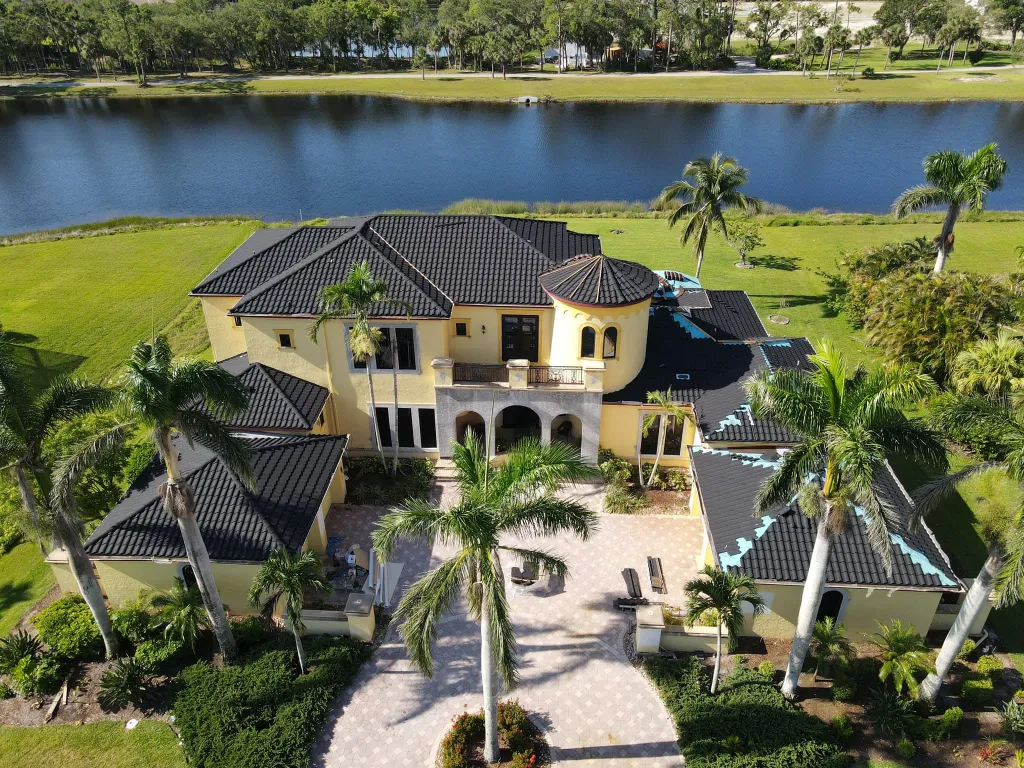


Salt air changes the entire calculation for roofing material selection, which is exactly why the stone coated metal roof vs aluminum roofing for coastal projects comparison comes up so often near the water. Both materials offer strong corrosion resistance compared to standard steel or asphalt options, but they perform differently once wind, salt exposure, and long-term maintenance enter the picture. This guide breaks down how these two materials actually compare in coastal conditions, where each one performs best, and how to avoid the mistakes that lead to premature corrosion near the coast.
Why Coastal Projects Need a Different Roofing Evaluation
Salt air accelerates corrosion far faster than inland atmospheric conditions, which means roofing materials that perform well elsewhere can fail prematurely near the coast. Wind loads also tend to run higher in coastal zones, adding another layer of performance requirements beyond simple corrosion resistance. Buyers evaluating coastal roofing options need to weigh corrosion protection, wind rating, and long-term maintenance together, rather than assuming any metal roofing option automatically handles coastal exposure well.
Salt Exposure Accelerates Every Weakness in a Material
A small coating flaw or an uncoated fastener that would cause minor issues inland can trigger rapid corrosion in a coastal environment. This is why coastal roofing decisions demand closer scrutiny of coating quality and fastener compatibility than projects located further inland.
Wind Rating Matters as Much as Corrosion Resistance
Coastal zones frequently carry stricter wind uplift requirements than inland areas, since sustained coastal winds and storm exposure put more stress on the roofing system. A material with excellent corrosion resistance but a weak wind rating still leaves the project vulnerable during severe weather.
Breaking Down Corrosion Resistance, Weight, and Wind Performance
Aluminum and stone coated metal roofing both perform well in coastal environments, but they differ in how they achieve that performance and in the tradeoffs each option involves. Buyers need to compare these factors directly rather than assuming one material’s reputation for durability automatically extends to the other’s specific coastal use case. The table below compares the two materials across the factors that matter most for coastal projects.
| Factor | Aluminum Roofing | Stone Coated Metal Roofing Tile |
|---|---|---|
| Corrosion Resistance | Excellent, naturally corrosion resistant | Strong, depends on coating quality over steel or aluminum-zinc base |
| Weight | Very light | Light to moderate |
| Wind Uplift Performance | Good, depends on panel profile and fastening | Strong, interlocking profiles resist uplift |
| Aesthetic Range | Typically flat or ribbed panel appearance | Traditional tile, shingle, or shake textures available |
Corrosion Resistance in Salt Air Environments
Aluminum resists corrosion naturally, since it does not rust the way steel-based products can if coatings are ever compromised. Stone coated metal roofing achieves strong corrosion resistance through its coating system over a steel or aluminum-zinc base, which performs well but depends more heavily on coating quality and installation care than aluminum’s inherent resistance.
Weight Considerations for Coastal Structures
Aluminum roofing is exceptionally lightweight, which can simplify structural requirements on coastal homes built with lighter framing. Stone coated metal roofing is also relatively light compared to clay or concrete tile, though it typically weighs somewhat more than pure aluminum panel systems.
Wind Uplift and Storm Performance
Both materials can achieve strong wind uplift ratings, though the specific profile and fastening system matter more than the base material alone. Stone coated tile’s interlocking design often provides a structural advantage during sustained coastal wind events compared to flatter aluminum panel profiles.
Where Each Material Performs Best in Coastal Conditions
Coastal projects vary in architectural style, budget, and specific exposure conditions, which means the right material choice depends on the project’s particular circumstances rather than a single universal answer. The following examples show how this plays out across common coastal project types.
Modern Coastal Commercial Buildings
Commercial coastal buildings prioritizing a clean, contemporary appearance alongside corrosion resistance often favor aluminum roofing, since its flat or ribbed profile suits modern architectural styles common in commercial coastal development.
Traditional Coastal Residential Homes
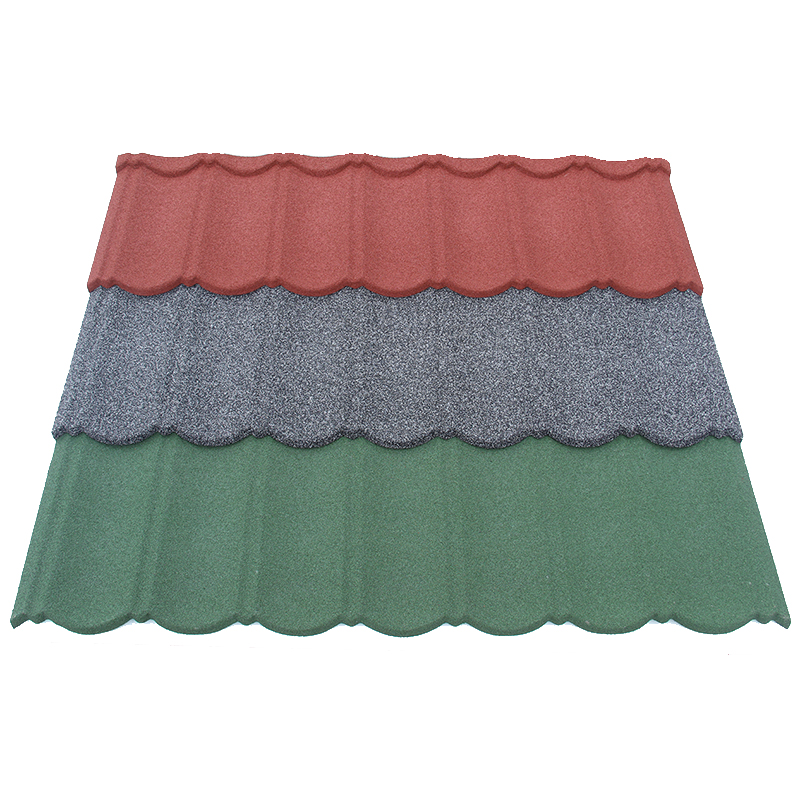
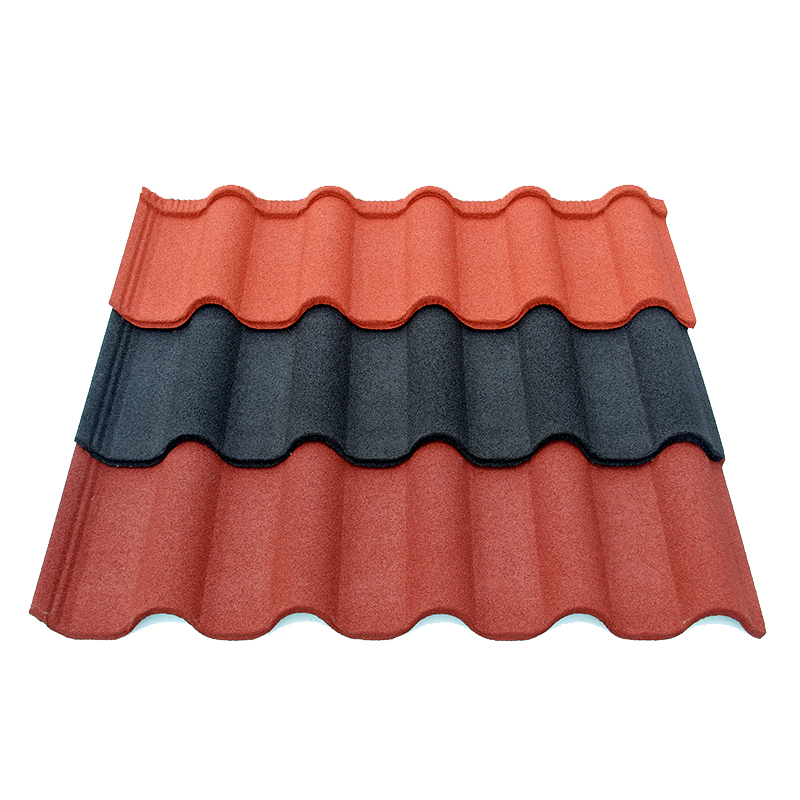
Homeowners wanting a traditional tile appearance alongside strong coastal durability typically favor stone coated roofing instead. A Bond Tile profile fits this scenario directly, combining coastal-grade corrosion resistance with a residential aesthetic aluminum panels do not replicate.
Historic Coastal Renovation Projects
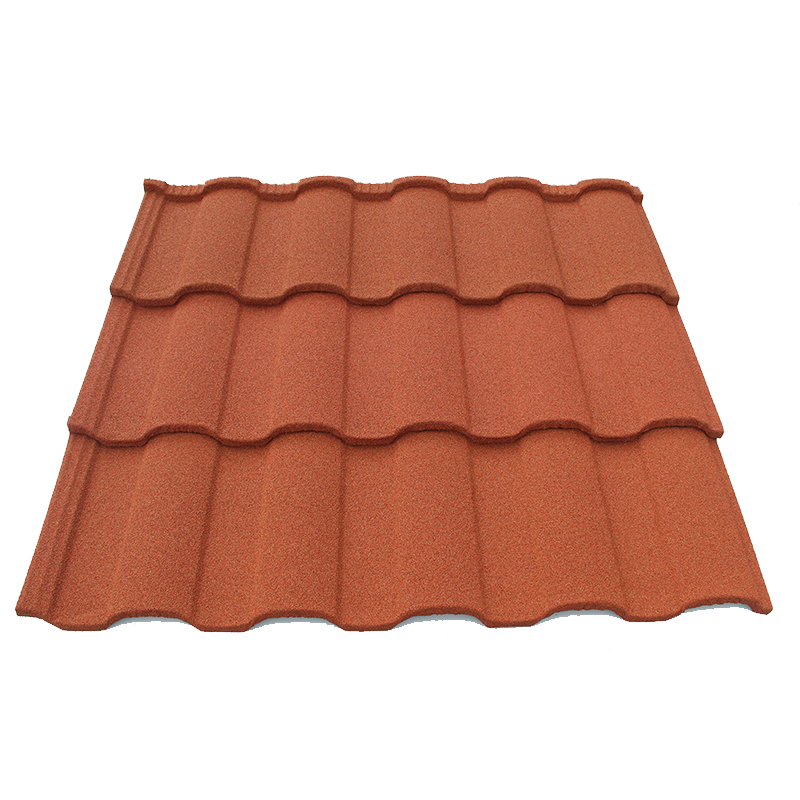
Renovation projects preserving a classic coastal architectural style often specify a Roman Tile profile, maintaining traditional character while upgrading corrosion resistance well beyond the original roofing material.
Standard Coastal Residential Reroofing
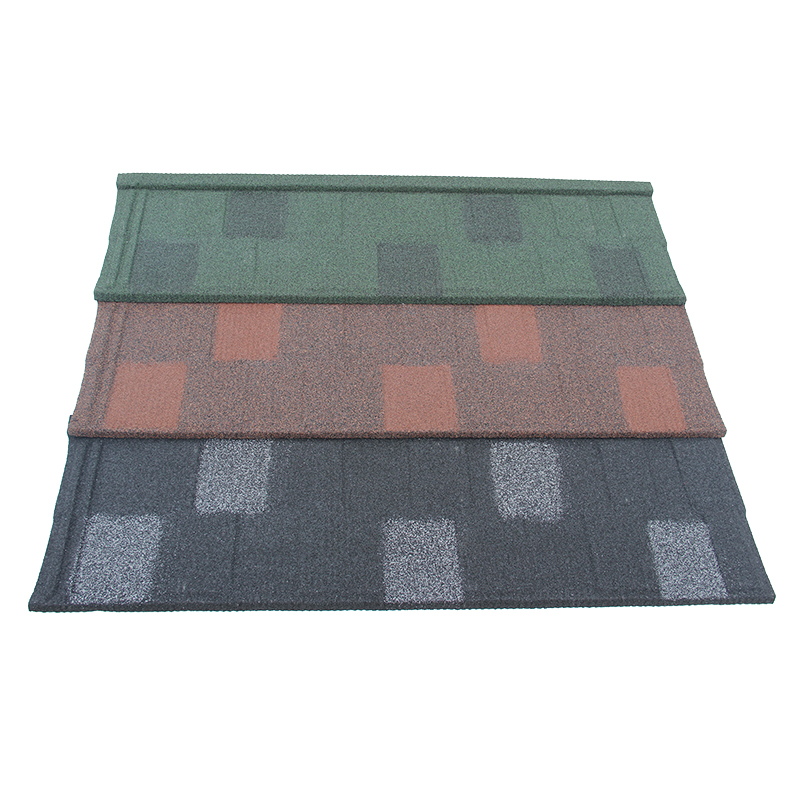
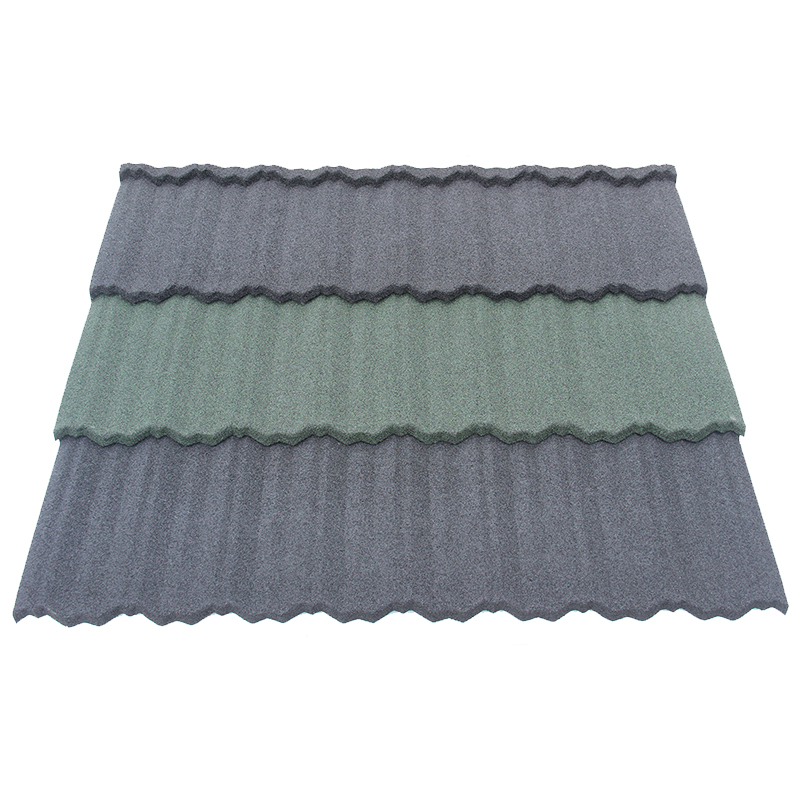
Homeowners replacing worn asphalt shingle on a standard coastal home commonly choose a Shingle Tile profile, gaining corrosion resistance and wind performance while keeping a familiar neighborhood appearance.
Architectural Coastal Developments
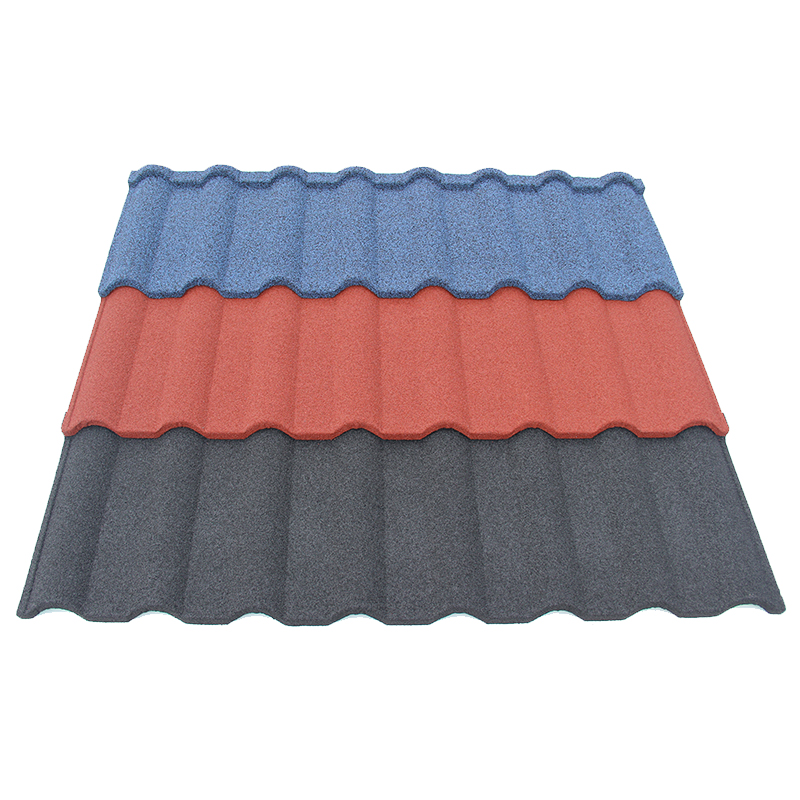
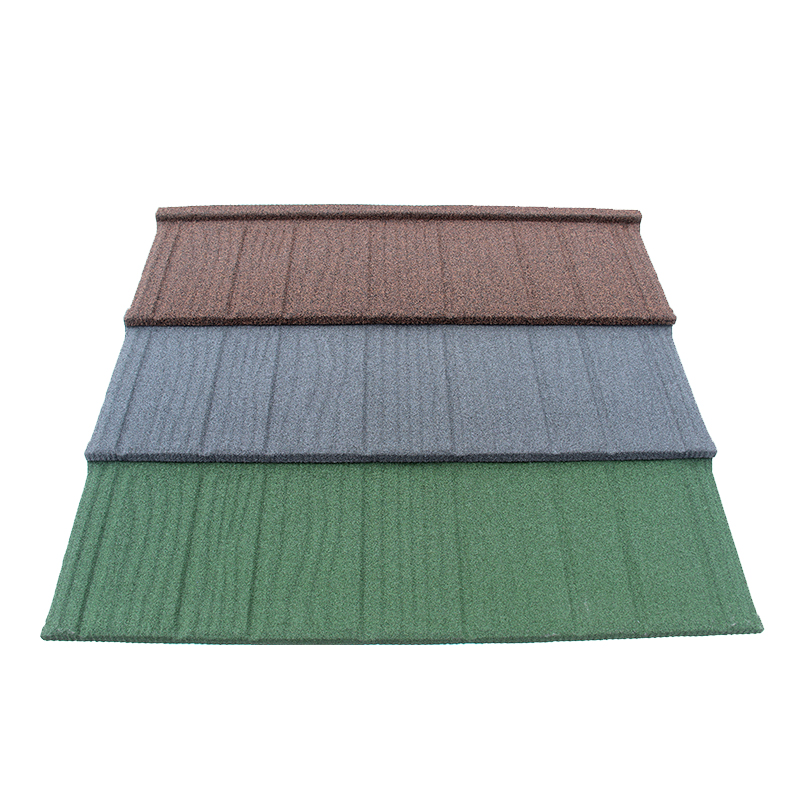
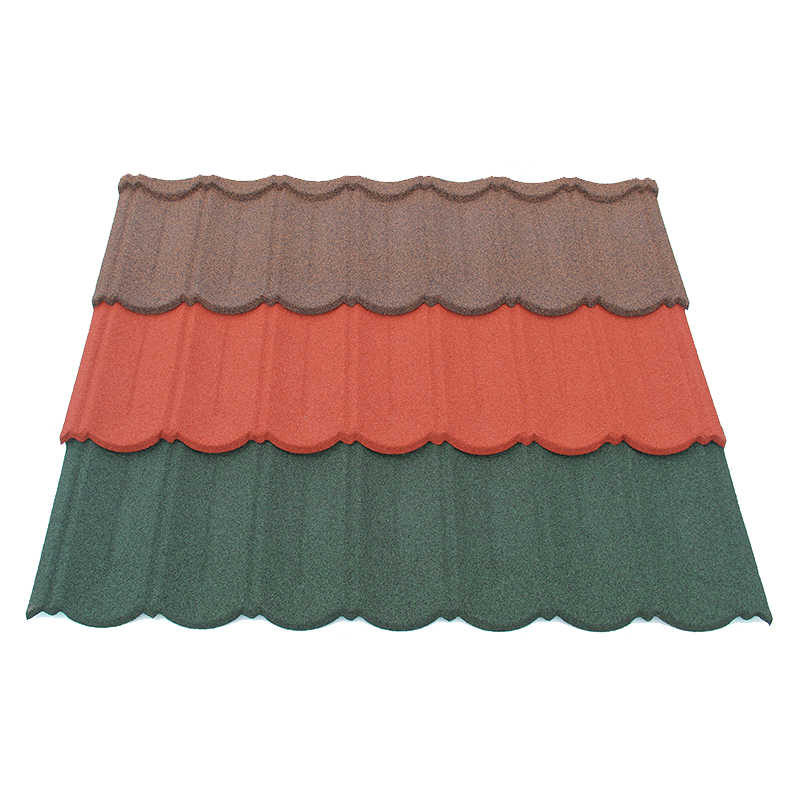
Design-driven coastal projects sometimes work with suppliers like JCROOF to specify a Milano Tile profile, balancing a modern coastal design statement with strong corrosion and wind performance. Rustic coastal cabins aiming for a natural wood shake look often choose a Shake Tile profile instead, avoiding the rot and maintenance risk real wood would face in a salt air environment.
Common Mistakes When Specifying Roofing for Coastal Projects
Coastal roofing mistakes tend to repeat across projects, usually because buyers apply inland assumptions to a fundamentally different exposure environment. Recognizing these mistakes early helps avoid premature corrosion and costly repairs near the coast.
Assuming Any Metal Roofing Handles Salt Exposure Equally Well
Buyers sometimes assume all metal roofing options perform similarly in coastal conditions without checking specific coating and fastener compatibility. This assumption can lead to premature corrosion at points the manufacturer never designed for direct salt exposure.
Overlooking Fastener and Flashing Material Compatibility
Mismatched fastener metals accelerate corrosion dramatically in coastal environments, even when the main roofing material itself resists salt exposure well. Buyers should confirm that fasteners and flashing are rated for the same coastal conditions as the main roofing material.
Ignoring Regional Wind Code Requirements During Material Selection
Some buyers focus entirely on corrosion resistance while overlooking the wind uplift requirements specific to their coastal jurisdiction. Both factors need to be verified together, since a corrosion-resistant material with an inadequate wind rating still leaves the project vulnerable.
- Confirm fastener and flashing compatibility for sustained salt exposure
- Verify wind uplift ratings match local coastal building code requirements
- Request documented coating performance data, not general corrosion claims
- Match material choice to the project’s specific architectural style
- Plan for periodic coastal-specific maintenance regardless of material choice
Making the Right Coastal Roofing Decision
Choosing between stone coated metal roofing and aluminum for a coastal project comes down to balancing corrosion resistance, wind performance, and architectural goals together. Buyers who evaluate all three factors consistently make choices that hold up through years of real coastal exposure.
Questions to Ask Before Specifying Either Material
Ask for documented coastal performance data, confirm fastener and flashing compatibility, and verify wind ratings against local code requirements. These answers reveal far more than a general corrosion resistance claim on a product page.
Working With Suppliers Who Understand Coastal-Specific Demands
Suppliers experienced with coastal installations can guide buyers toward the right combination of material, fasteners, and flashing for sustained salt exposure. That specialized experience matters more than a generic durability rating when the project sits directly on the coast.
Stone coated metal roofing and aluminum roofing both perform well near the coast, but they serve different architectural and performance priorities. Buyers who evaluate corrosion resistance, wind performance, and aesthetic goals together consistently end up with a coastal roofing choice built to last.