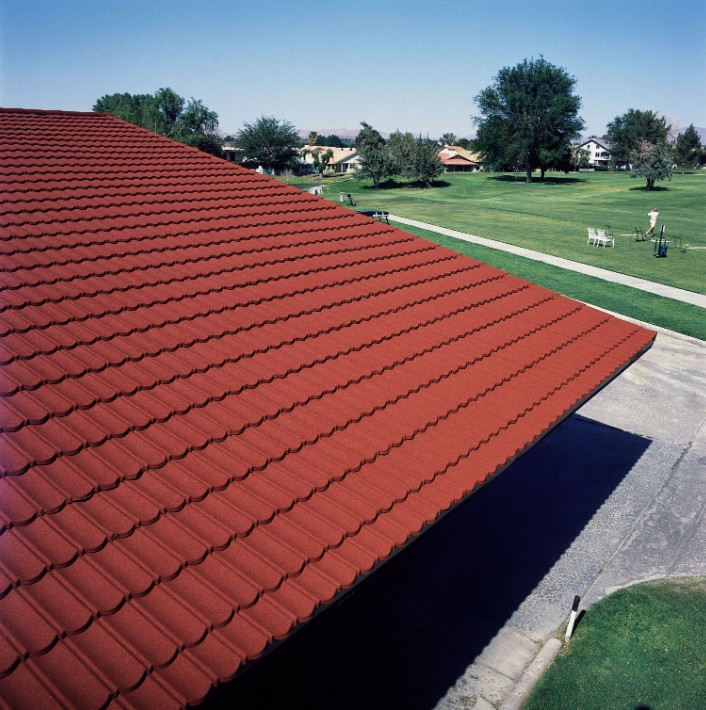
Stone coated metal roofing factory price describes a quoted supply of goods under stated delivery terms. Installed cost can include freight, accessories, labor, and site work. Compare the scope before comparing the numbers.
A supplier’s price per piece is not a complete roof budget. Ask each supplier and contractor for an itemized, dated offer. Confirm the product, delivery point, installation work, and exclusions.
Understand stone coated metal roofing factory price
Identify the product and pricing unit
Ask which profile, color, steel thickness, and coating the supplier has quoted. Record the item reference and quantity. Compare prices only after checking that the goods meet the same requirements.
A quote may show a price per piece, pack, or covered area. Ask for effective installed coverage for the exact product. Divide the price per piece by that coverage to calculate a tile-only price per square meter.
For illustration, a tile costs $3 and covers 0.5 square meters. The tile-only price is $6 per square meter. These figures show the calculation and do not represent an actual offer.
Another tile may cost less per piece but cover less area. Its price per covered square meter may therefore be higher. Review both the price and the coverage against the current product information.
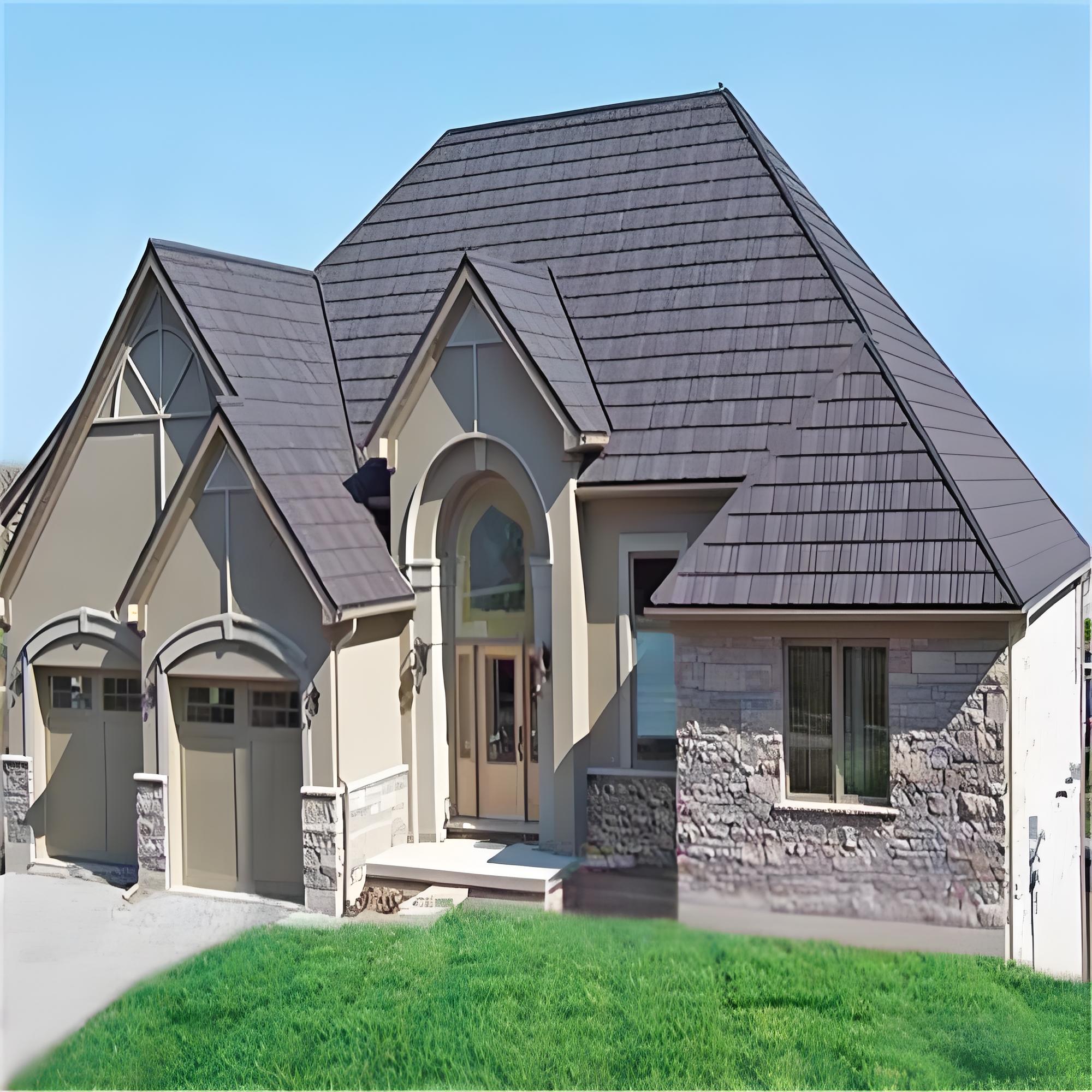
Compare Bond Tile and Shingle Tile as separate product lines. Request their exact specifications and coverage. A profile name alone does not establish equivalent performance.
Confirm the delivery basis
Ask where the seller’s quoted delivery obligation applies. If the parties use an Incoterm, request the rule and named place. Check responsibilities with the parties handling the shipment.
A price at the factory or a port does not automatically include later charges. Freight, insurance, import duties, destination handling, and inland delivery may need separate estimates. Your agreement defines who arranges and pays for each item.
The U.S. trade guidance on pro forma invoices lists delivery terms and a named point among useful quotation details. It also identifies unit prices and validity dates. Use those fields as a starting point for review.
When discussing an offer with JCROOF, give the product list, quantities, and destination. Ask for the current price unit and delivery basis. Record any services excluded from the offer.
Add the parts needed for the roof
Separate main tiles from fittings
The actual roofing system may need ridge, edge, valley, and other fittings. Fixings and underlayment may also be required. A qualified installer or technical reviewer should confirm the project requirements.
Ask for each item as a separate line with its unit and quantity. A tile-only quotation may not include all system parts. The product supplier should identify what its offer covers.
The accessory compatibility guide explains questions to ask about matching parts. Similar names or finishes do not establish a fit. Confirm any proposed substitute before accepting the quotation.
Roof geometry can change accessory quantities. Edge lengths, ridges, openings, and valleys need their own review. Avoid applying an unsupported percentage to every project.
For wholesale stone coated roofing tiles, some goods may be intended for stock rather than a named roof. Keep forecast quantities separate from confirmed project commitments. Review the fittings customers will need for the planned assortment.
Check packing and shipping documents
Ask what packing is included in the factory offer. Confirm how the supplier will identify tiles and accessories. A mixed order needs clear package marks and a line-by-line packing record.
The export packaging guide describes questions for the supplier and logistics provider. Review the actual route and package plan. A general quotation does not establish a safe loading method.
Record any packing charge, its currency, and the unit used. Ask whether the amount applies per package, order, or shipment. A total without a clear scope is hard to compare after the order changes.
The U.S. trade authority’s export document overview describes common invoices and packing lists. Confirm the documents required for your route and destination. Requirements differ by transaction and jurisdiction.
Build a landed cost estimate

Map costs to the responsible party
Start with the accepted goods price and named delivery point. Add later costs only when they are not already included. This avoids counting the same freight or handling charge twice.
Ask the forwarder for a current estimate for the proposed route. Obtain destination charges and customs information from qualified parties. Keep estimates separate from confirmed supplier prices.
The landed cost guide explains how to group these costs. Use actual shipment data and destination requirements. Duties and taxes cannot be assumed from another transaction.
Compare offers in the same currency and on the same delivery basis. If you convert currencies, record the rate and date used. The actual payment rate may differ when the transaction occurs.
For bulk stone coated roof tiles, the shipment mix also matters. Different quantities can change packing and logistics estimates. Ask for an update when the proposed mix changes.
Make uncertainty visible
List goods, packing, freight, insurance, import charges, and local delivery separately. Identify the source and date of each estimate. Mark charges that remain unresolved.
If an item is excluded, do not record its cost as zero. Ask for an estimate or state that the amount is unknown. An incomplete total can look attractive while hiding an obligation.
Review the payment schedule and any funding costs in your internal budget. Different payment dates may affect cash flow even when the unit price is unchanged. Obtain actual terms from the parties to the transaction.
Compare the quantity in each quote with the quantity you can use. Minimum orders may apply to a color, profile, or full shipment. Ask the supplier to state the scope of each minimum.
Calculate installed cost for the project
Request an itemized contractor scope
Ask the contractor to identify labor, system materials, and work covered by the offer. Provide the roof location, dimensions, design, and intended schedule. The contractor should review site conditions before confirming its proposal.
Removal, disposal, access equipment, and deck repairs may be separate. Permits or inspections may also fall outside the tile supplier’s offer. Ask the contractor to identify inclusions and exclusions in writing.
A contractor may supply the materials or install goods purchased separately. Clarify who checks the delivery and who handles shortages or damage. The contract should assign responsibilities for the actual project.
Do not apply a universal labor rate or assume every installed price includes repairs. Site conditions and local arrangements differ. A qualified contractor should price the specified scope.
Compare the same roof and services
Give contractors the same approved product and project information. Ask for the same accessory and underlayment scope. List the differences before ranking their totals.
Check whether each offer uses roof area, floor area, or another measure. A unit price cannot be compared fairly when its denominator or scope differs. Ask for the quantity and calculation used.
Keep factory, landed, and installed figures in separate columns. This shows where each cost enters the budget. It helps prevent freight or installation from being counted twice.
A useful review asks:
- Does each product match the approved profile and specification?
- Is the quoted unit a piece, pack, or effective area?
- Which fittings and packing services are included?
- Who pays each freight and import charge?
- What labor and site work does the contractor include?
- Which figures are estimates, and when do offers expire?
Ask a second reviewer to trace one line from the offer to the budget. Check its quantity, currency, unit, and scope. Resolve discrepancies before a purchase decision.
After checking the scope, request the latest offers. Keep approved versions with the purchase and installation records. This makes later changes easier to trace.
Reconcile the roof area and material quantity
A contractor may estimate the roof using drawings and site measurements. Ask which area appears in the quotation and whether it is the installed roof area. A building footprint is not necessarily the same as the roof surface.
For the tile supply, ask for the product’s effective coverage and the quantity included. An installer should check cuts, overlaps, openings, and the actual roof geometry. Record any project allowance separately from the basic tile count.
If the supplier quotes a complete container, compare its item schedule with the project requirement. The shipment may contain more or less than one roof needs. The balance belongs in the stock plan, not automatically in the installation price.
Do not divide a full system total by an area and call the result a tile price. That total may include accessories, freight, or services. Label each result according to the costs it contains.
Record changes across the project
A supplier may revise a material offer while the contractor revises the work scope. Keep those revisions separate and compare them with the same project schedule. Record which quote and date support each budget line.
If the delivery location changes, request updated logistics costs. If the roof design changes, ask the contractor to review quantities and labor. Do not reuse an earlier total without checking the affected assumptions.
Once the team approves the budget, store the offers and calculations together. Identify any estimates that still need confirmation. A clear record helps explain the final cost when invoices arrive.
Need help comparing supply and project costs? Send us an inquiry with your product and destination details. Our team will reply and help you review the offer.