
A stone coated metal roof vs concrete tile cost comparison rarely stays simple once you look past the initial quote. Both materials can deliver decades of service life, but they reach that lifespan through very different cost structures involving weight, structural requirements, and installation labor. Buyers who compare only the per-square material price often miss the bigger cost differences that show up during construction and over years of ownership. This guide breaks down where the real cost gaps come from, how they play out across different project types, and how to compare these two materials on a fair, full-project basis.
Why Roofing Cost Comparisons Need to Go Beyond the Quote
An installed price quote captures only part of a roofing project’s true cost. Weight-related structural work, installation timeline, and long-term maintenance all factor into the total cost of ownership, and these categories often diverge significantly between concrete tile and stone coated metal roofing. Buyers who evaluate only the headline price per square risk underestimating one material’s true cost while overestimating the other’s.
Installed Price Is Only the Starting Point
A roofing quote typically reflects material and standard labor costs, but it does not always include structural reinforcement, extended installation timelines, or long-term maintenance requirements. These hidden costs can shift the real price comparison significantly once factored in.
Weight Drives a Large Share of the Cost Difference
Concrete tile’s substantial weight often triggers structural requirements that stone coated metal roofing simply does not need on the same project. This single factor frequently accounts for a large share of the total cost gap between these two materials.
Breaking Down Where the Real Cost Differences Show Up
Cost differences between these two materials concentrate in a few specific categories: material weight and structural impact, installation labor and timeline, and long-term maintenance requirements. Understanding where these costs actually originate helps buyers make a more accurate full-project comparison. The table below outlines how these two materials typically compare across the cost factors that matter most.
| Cost Factor | Concrete Tile | Stone Coated Metal Roofing Tile |
|---|---|---|
| Material Cost per Square | Moderate to high | Moderate |
| Structural Reinforcement Needs | Often required due to significant weight | Rarely required, fits standard framing |
| Installation Labor and Timeline | Longer, careful handling required | Faster, lighter panels simplify handling |
| Long-Term Maintenance Cost | Moderate, cracking risk over time | Low, coated steel resists cracking and fading |
Material Weight and Structural Reinforcement Costs
Concrete tile weighs significantly more than stone coated metal roofing, often requiring reinforced framing on both new construction and retrofit projects. This added structural work introduces a real cost that rarely appears on a simple material price comparison but frequently determines the true total project cost.
Installation Labor and Project Timeline
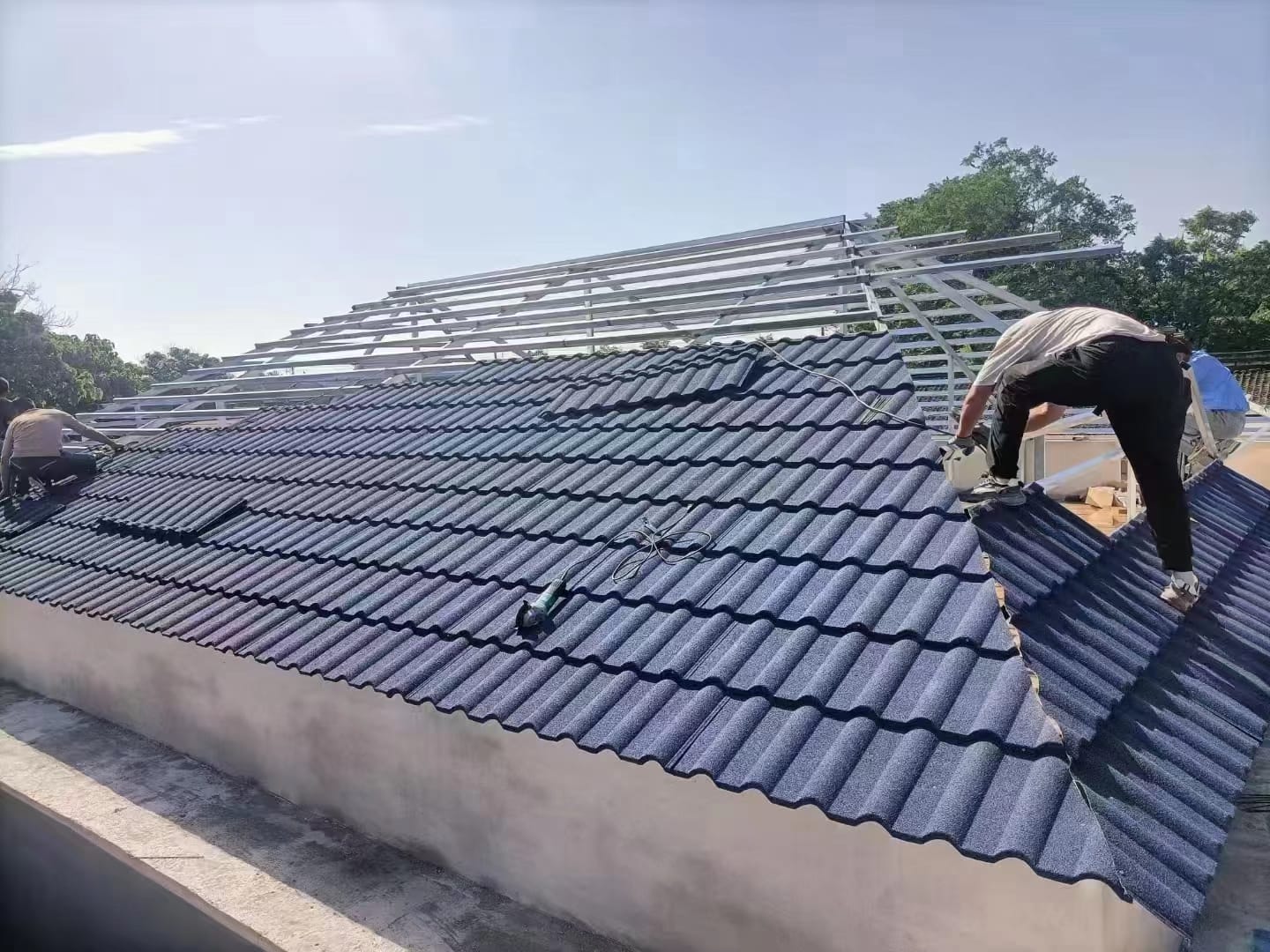
Concrete tile installation requires careful handling to prevent breakage, along with additional time for structural work when reinforcement is required. Stone coated metal roofing typically installs faster due to its lighter weight and simpler handling requirements, which can meaningfully reduce overall labor cost.
Long-Term Maintenance and Lifecycle Cost
Concrete tile can crack under impact or freeze-thaw stress over time, generating ongoing repair costs across the roof’s service life. Stone coated metal roofing’s coated steel base resists this type of damage more consistently, which tends to reduce long-term maintenance expenses over a comparable ownership period.
How These Cost Differences Play Out Across Project Types
The practical size of this cost gap depends heavily on the specific project, since structural conditions and regional labor rates both influence the final comparison. The following examples show how these cost dynamics play out across common project scenarios.
Retrofit Projects on Older Structures
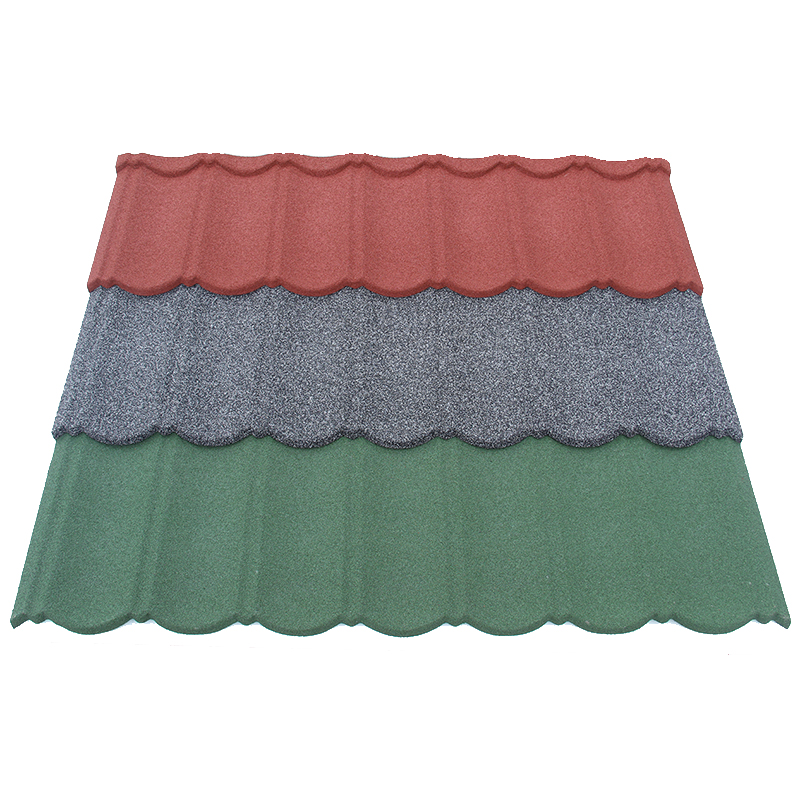
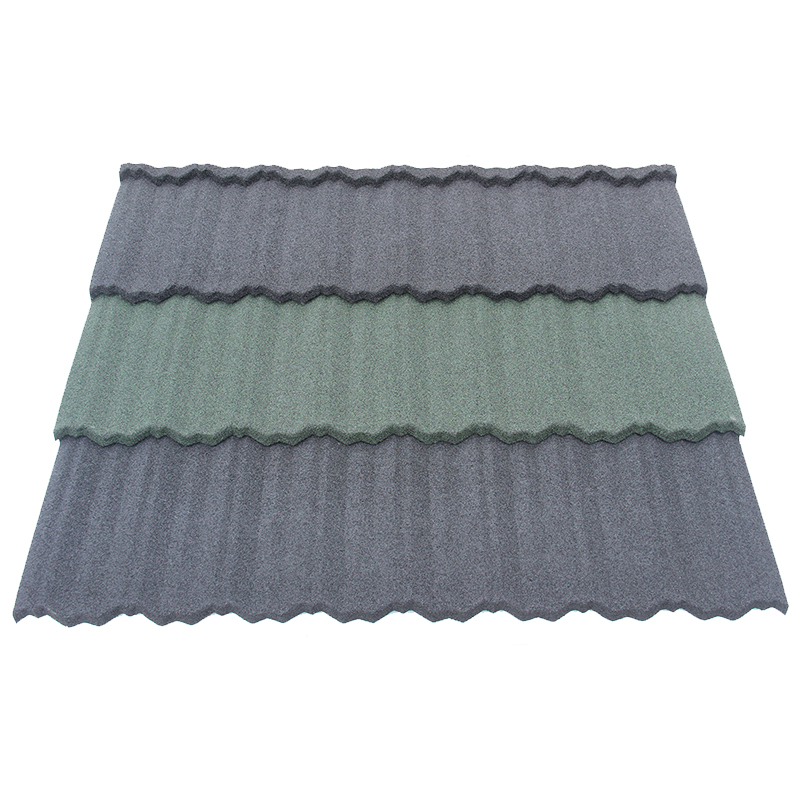
Retrofit projects with roof decks not engineered for concrete tile’s weight often see the largest cost gap in favor of stone coated metal roofing. A Bond Tile profile lets these projects avoid expensive structural reinforcement while still achieving a durable, attractive result.
New Construction With Traditional Design Goals
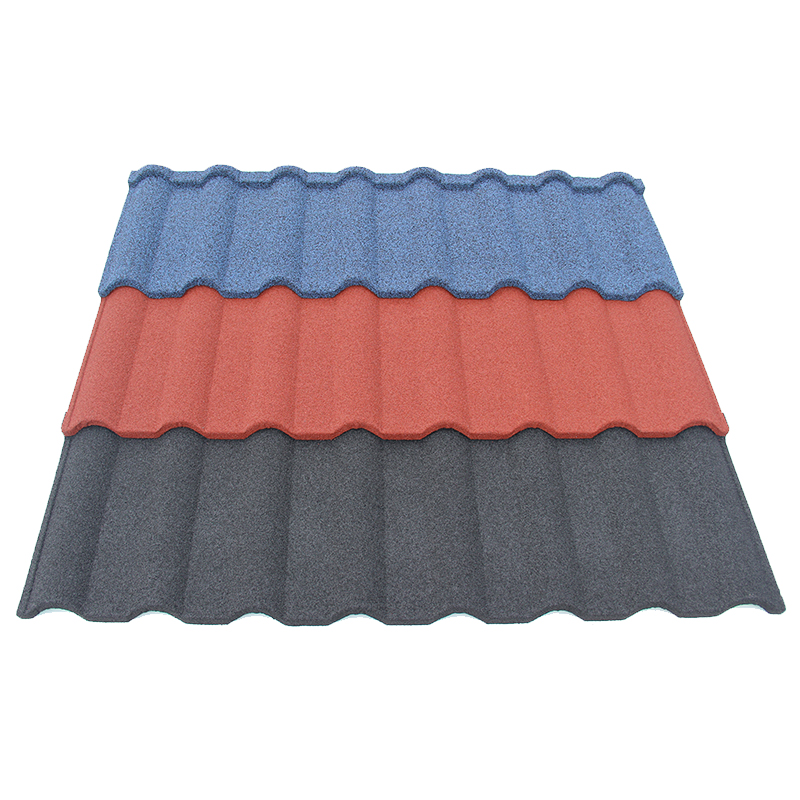
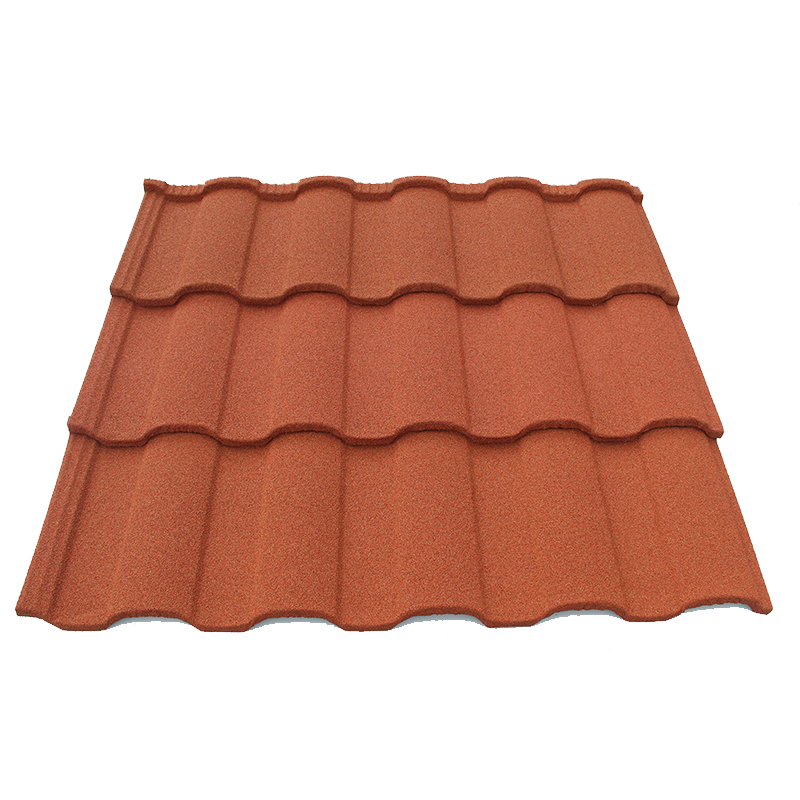
New builds designing specifically around concrete tile’s weight from the start face a smaller relative cost gap, since structural framing gets planned accordingly. Even so, projects seeking the same traditional silhouette without the added structural budget often specify a Roman Tile profile instead.
Budget-Conscious Residential Reroofing
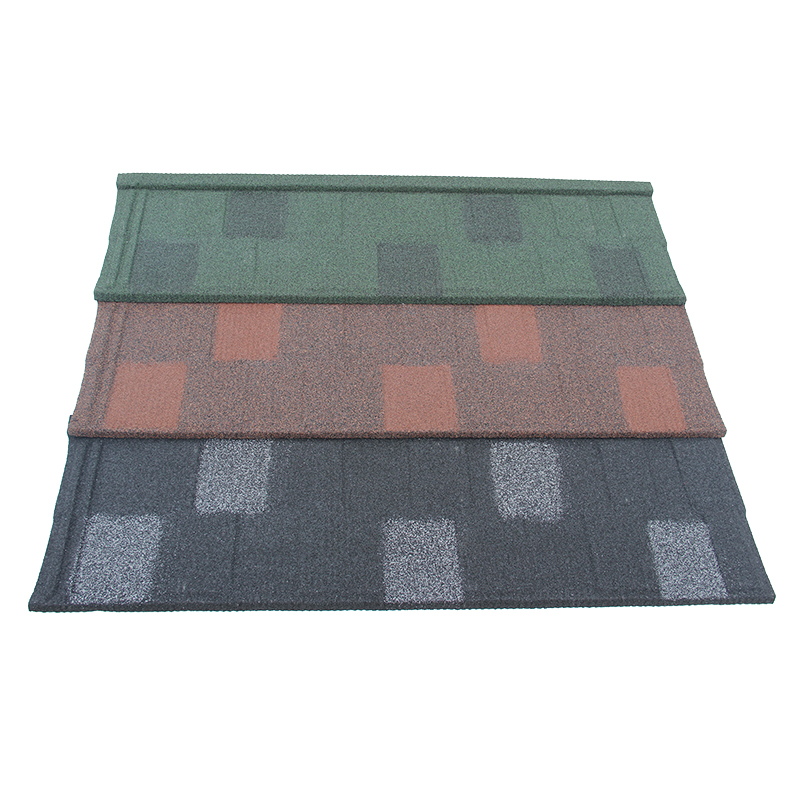
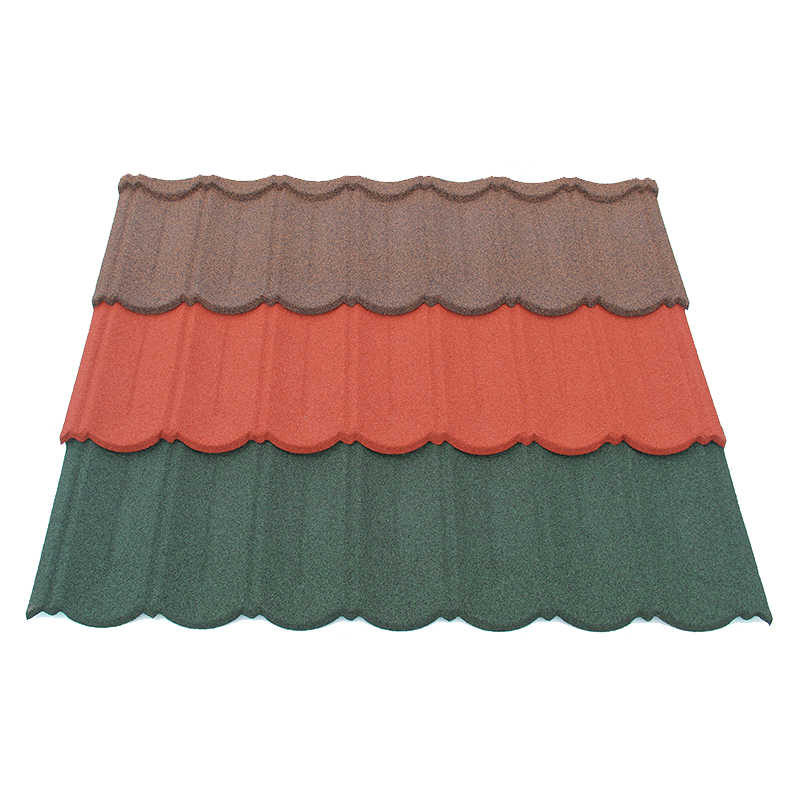
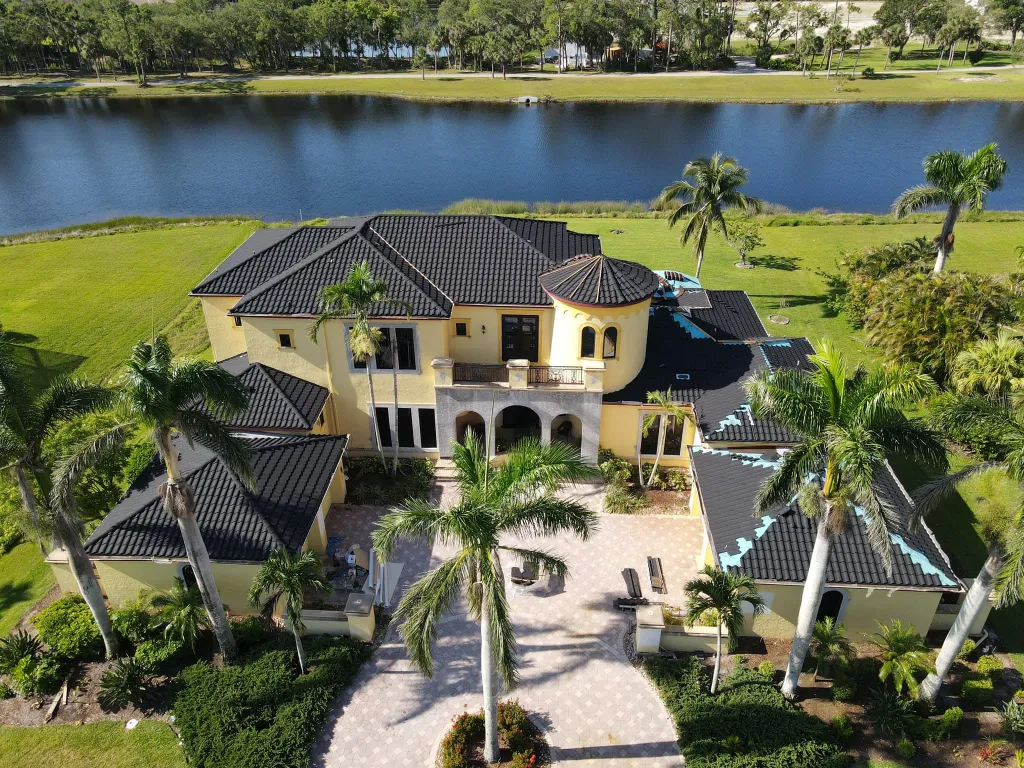
Homeowners working within a fixed renovation budget frequently find that a Shingle Tile profile delivers a comparable lifespan to concrete tile at a lower total installed cost, particularly once structural and labor differences are factored in.
Architectural and Design-Driven Builds
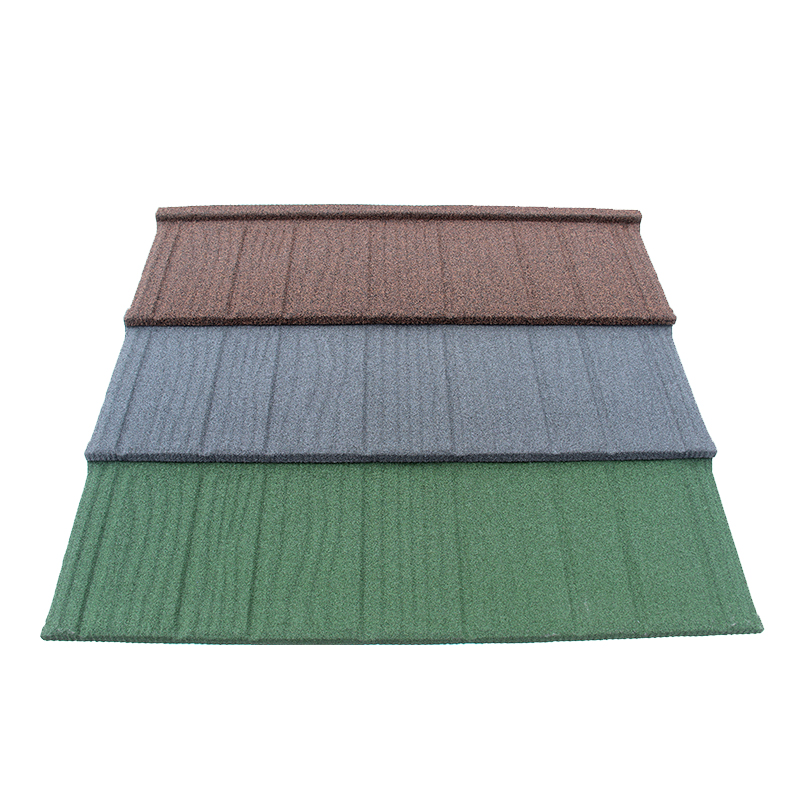
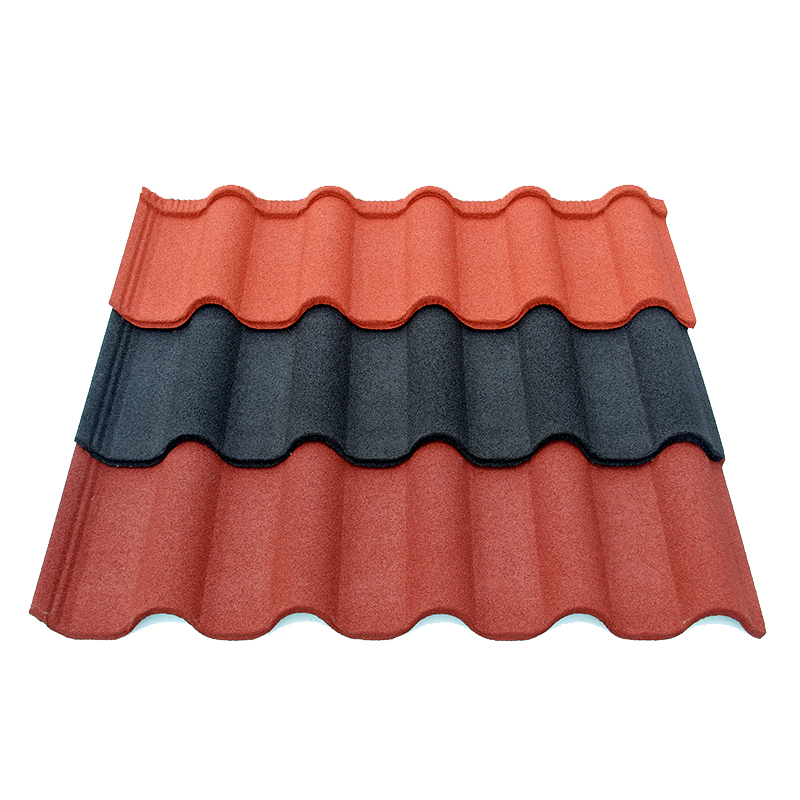
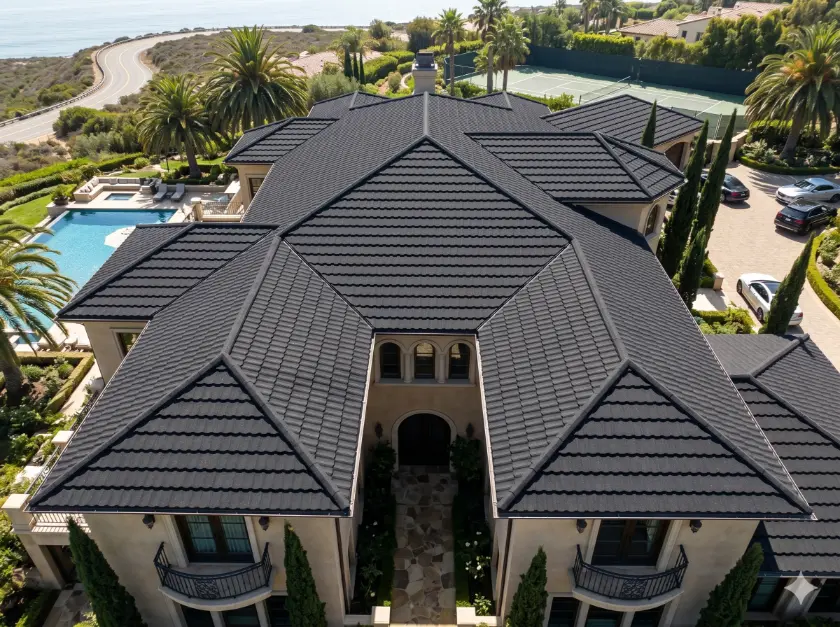
Projects prioritizing a distinctive design statement sometimes work with suppliers like JCROOF to weigh concrete tile against a Milano Tile profile, often finding the metal option delivers a similar architectural impact at a meaningfully lower structural cost. Rustic-style builds aiming for a wood shake look frequently choose a Shake Tile profile instead, avoiding both the weight of concrete tile and the maintenance cost of real wood.
Common Mistakes When Comparing Roofing Project Costs
Buyers comparing these two materials tend to repeat a handful of costing mistakes, usually because the comparison gets reduced to a single per-square price figure. Recognizing these mistakes helps buyers build a more accurate full-project cost comparison.
Comparing Material Price Without Structural Assessment
Buyers sometimes compare material cost alone without confirming whether the existing structure can support concrete tile without reinforcement. This oversight can add unexpected cost mid-project once a structural engineer reviews the roof deck.
Ignoring Installation Timeline as a Cost Factor
Longer installation timelines translate into higher labor costs and, on occupied buildings, potentially longer disruption periods. Buyers who overlook timeline differences often underestimate the true cost of the heavier material option.
Skipping Long-Term Maintenance in the Cost Model
A full cost comparison should include expected maintenance costs over a comparable ownership period, not just the installed price. Skipping this step frequently understates the total cost of a material more prone to long-term repair needs.
- Get a structural assessment before comparing concrete tile against lighter alternatives
- Include installation labor and timeline differences in the cost comparison
- Factor projected maintenance costs into the full lifecycle comparison
- Request itemized quotes that separate material, labor, and structural costs
- Compare costs over a consistent ownership period for both materials
Making a Cost Decision That Reflects the Full Project
A fair cost comparison between stone coated metal roofing and concrete tile requires looking well beyond the initial material quote. Buyers who account for structural needs, installation labor, and long-term maintenance consistently arrive at a more accurate picture of which material actually costs less over the life of the project.
Questions to Ask Before Finalizing a Cost Comparison
Ask for an itemized quote separating material, labor, and any structural reinforcement costs, along with projected maintenance expenses over a defined ownership period. These details reveal the real cost picture far better than a single per-square price figure.
Working With Suppliers Who Provide Transparent Cost Breakdowns
Suppliers willing to break down structural, labor, and maintenance cost differences honestly help buyers make a decision based on total project cost rather than a single misleading price comparison.
Comparing stone coated metal roofing and concrete tile on cost requires looking at the full project, not just the material price tag. Buyers who account for structural requirements, installation labor, and long-term maintenance consistently make a more accurate and financially sound roofing decision.