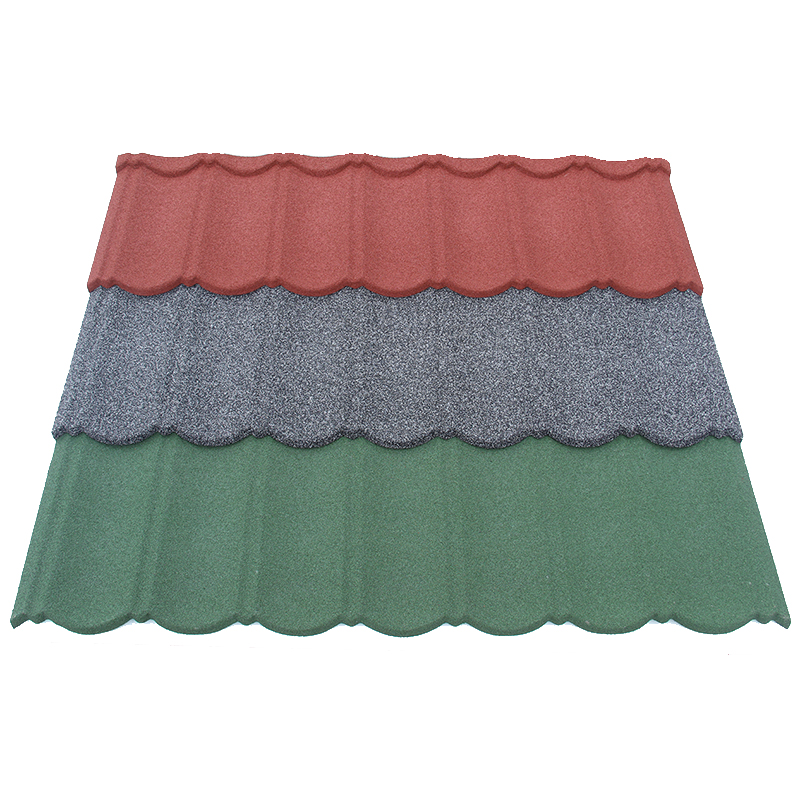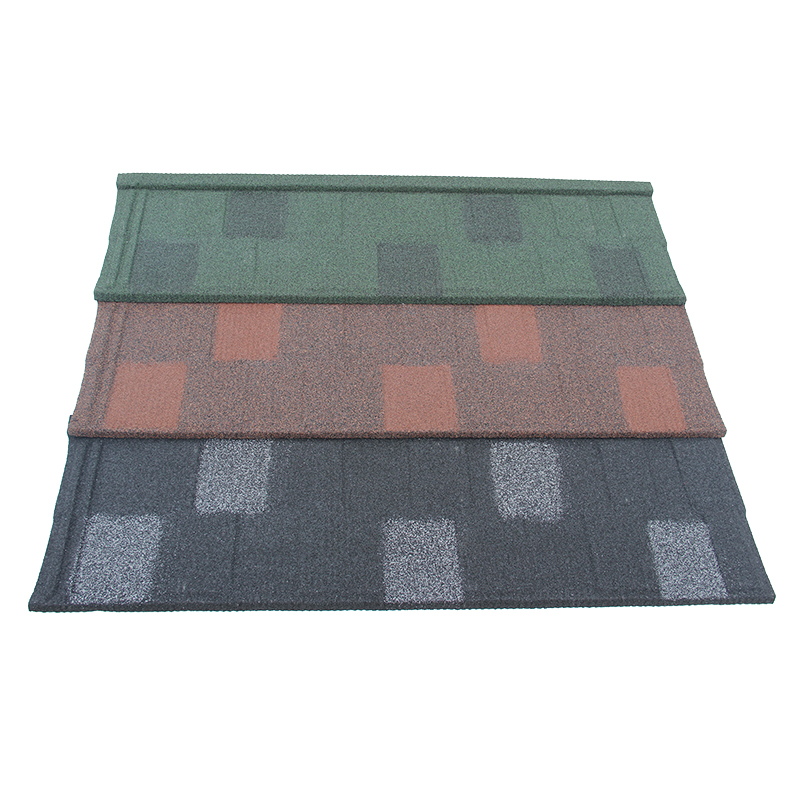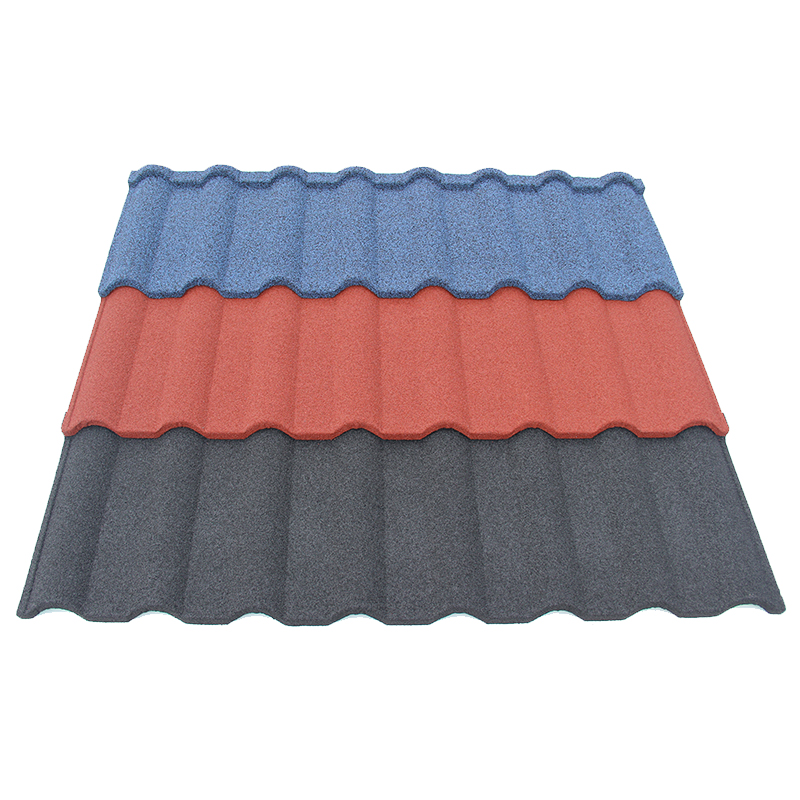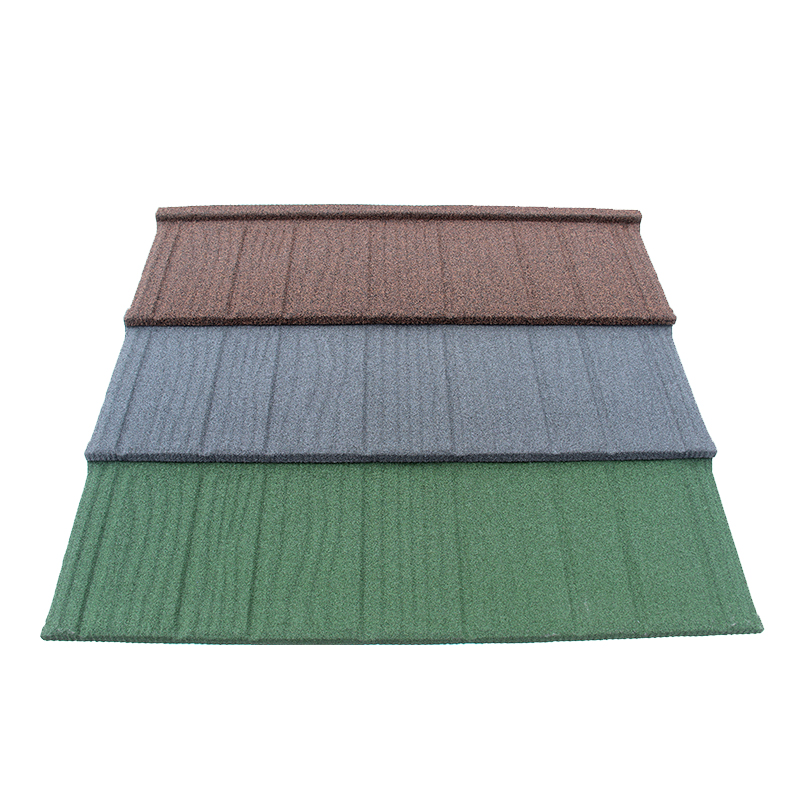

Buyers comparing stone coated roofing vs traditional roofing materials are really comparing one modern system against several older categories at once. Asphalt shingle, clay tile, concrete tile, and wood shake each carry their own strengths and weaknesses. Stone coated roofing was designed specifically to address the common gaps across all of them. This guide breaks down how it actually compares to each traditional category, and where those older materials still make sense today.
Why This Comparison Comes Up So Often
Homeowners and builders rarely start with stone coated roofing as their default choice. Most arrive at it after researching a traditional material first, then running into a specific limitation. A homeowner might love clay tile’s look but balk at its weight. A builder might want asphalt’s low cost but worry about its short lifespan. Stone coated roofing keeps showing up as the option that solves these specific tradeoffs.
Traditional Materials Each Solve One Problem Well
Asphalt shingle wins on upfront cost. Clay tile wins on traditional appearance. Concrete tile wins on affordability compared to clay. Wood shake wins on natural texture. Each material excels in one category while carrying a real weakness in another.
Stone Coated Roofing Was Built to Close These Gaps
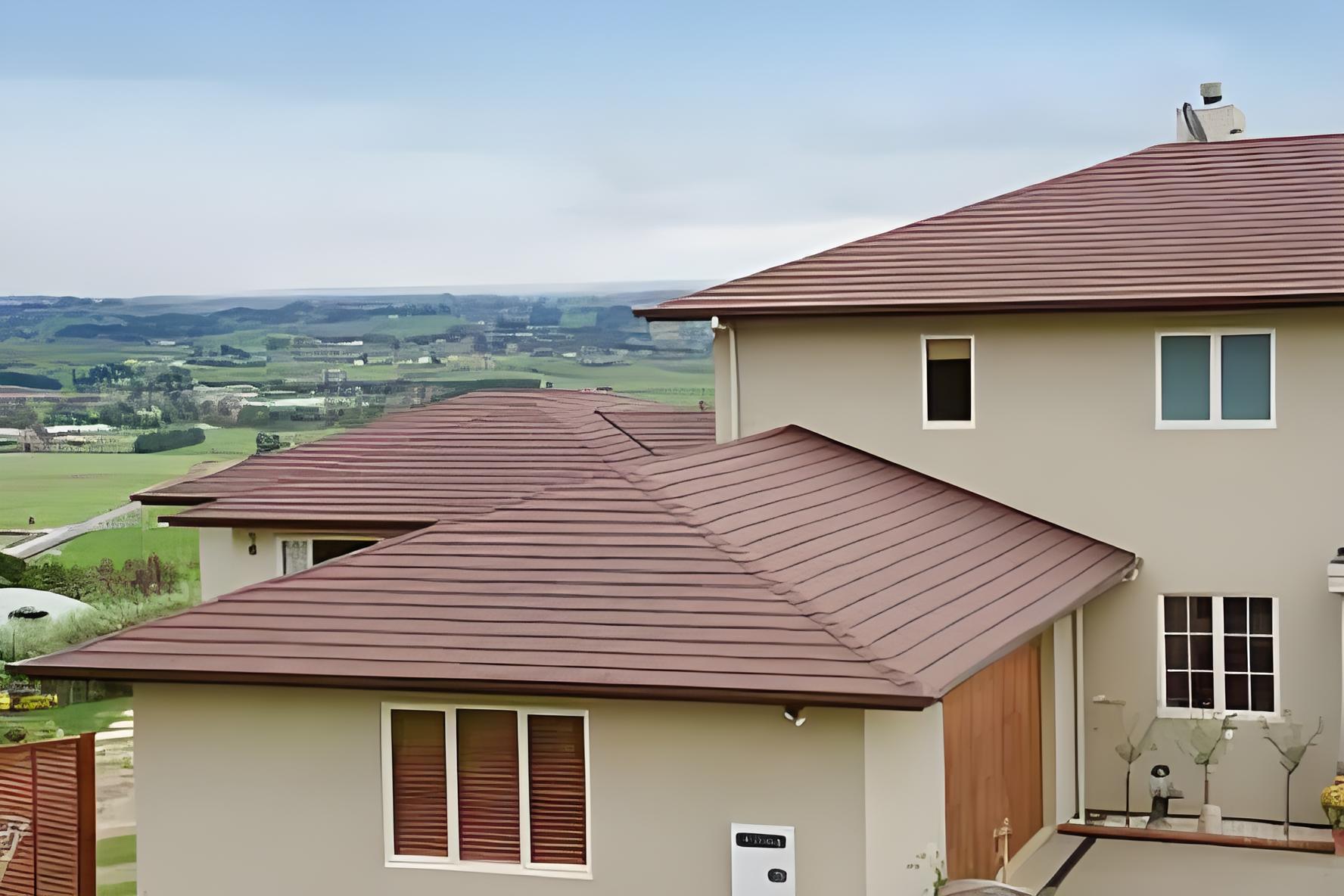
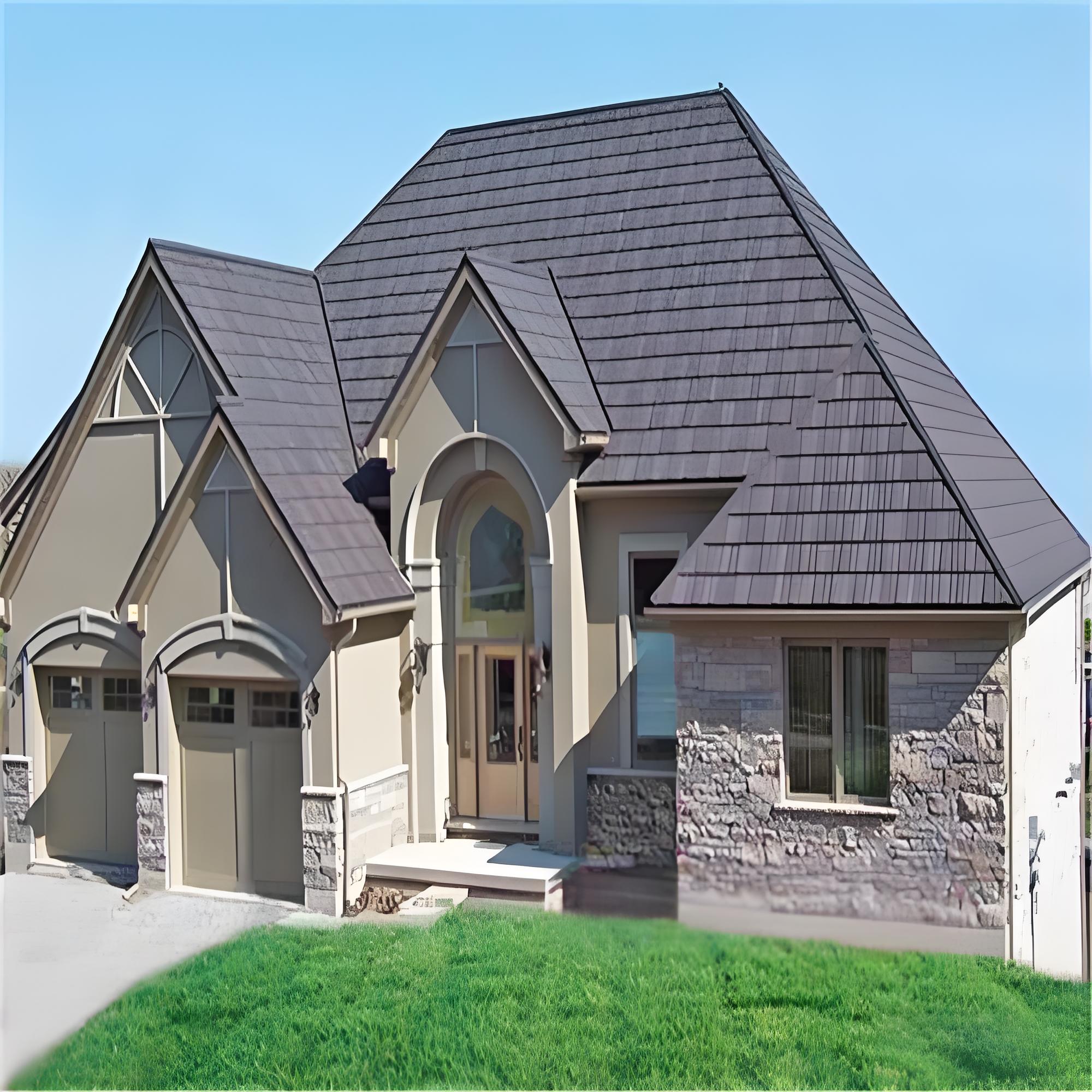
A coated steel base gives stone coated roofing a lighter weight than tile, a longer lifespan than shingle, and a texture that replicates shake or tile closely. This is why it keeps appearing as a serious option once buyers understand these tradeoffs.
Breaking Down How Stone Coated Roofing Differs From Each Traditional Category
Each traditional material compares differently against stone coated roofing, depending on which factor matters most. Weight, lifespan, and maintenance requirements vary significantly across categories. The table below summarizes these differences.
| Material Type | Weight | Typical Lifespan | Maintenance Needs |
|---|---|---|---|
| Asphalt Shingle | Light | 15 to 25 years | Moderate, granule loss over time |
| Clay Tile | Heavy | 40 to 50 years | Low, but prone to cracking on impact |
| Concrete Tile | Very heavy | 40 to 50 years | Moderate, cracking risk under freeze-thaw stress |
| Wood Shake | Light to moderate | 20 to 30 years | High, rot and fire risk without treatment |
| Stone Coated Metal Roofing Tile | Light | 40 to 50 years | Low, coated steel resists cracking and rot |
Weight and Structural Demands
Clay and concrete tile both require sturdy roof framing to handle their weight. Stone coated roofing avoids this issue entirely. It delivers a similar traditional look at a fraction of the load on the structure below.
Lifespan Across Material Categories
Asphalt shingle and wood shake both fall well short of stone coated roofing on service life. Clay and concrete tile match its lifespan on paper, but often crack or chip well before reaching that full potential.
Maintenance and Long-Term Repair Needs
Wood shake demands the most ongoing maintenance, given its vulnerability to rot and fire. Stone coated roofing needs comparatively little upkeep, since its coated steel base resists the common failure points of the other categories.
Where Traditional Materials Still Make Sense
Stone coated roofing outperforms traditional materials across most factors, but it is not always the right fit. Some projects still favor a traditional option for specific reasons. The following examples show where each choice tends to work best.
Budget-Constrained New Construction
Asphalt shingle still wins on raw upfront cost for tightly budgeted projects. Buyers accepting a shorter lifespan in exchange for the lowest initial price may still choose it deliberately.
Historic Preservation Requirements
Some historic districts require original clay tile for authenticity reasons. In these specific cases, local regulations may leave no practical alternative.
Coastal Homes Prioritizing Corrosion Resistance
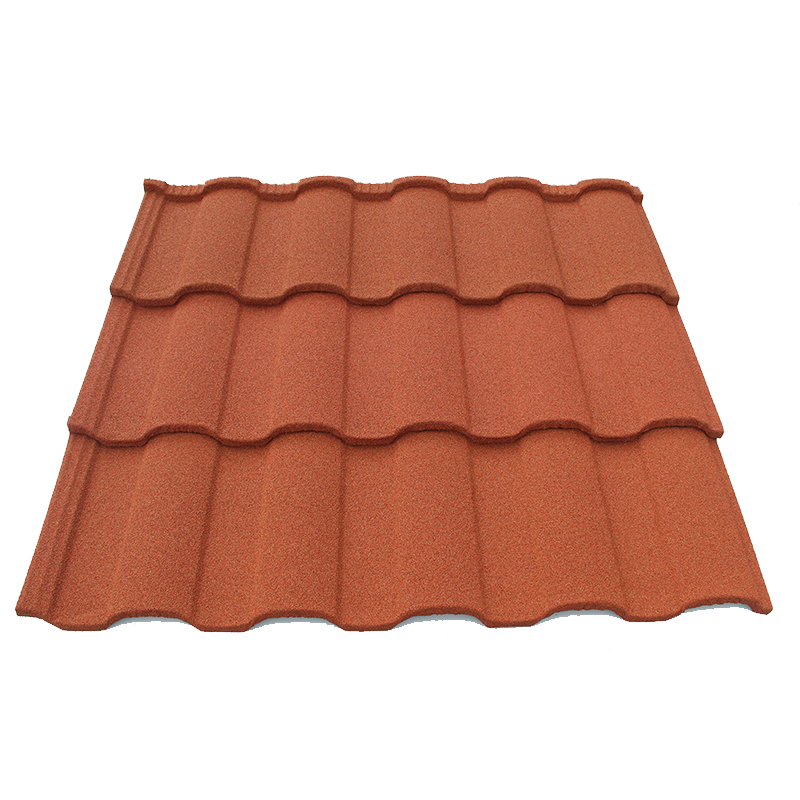
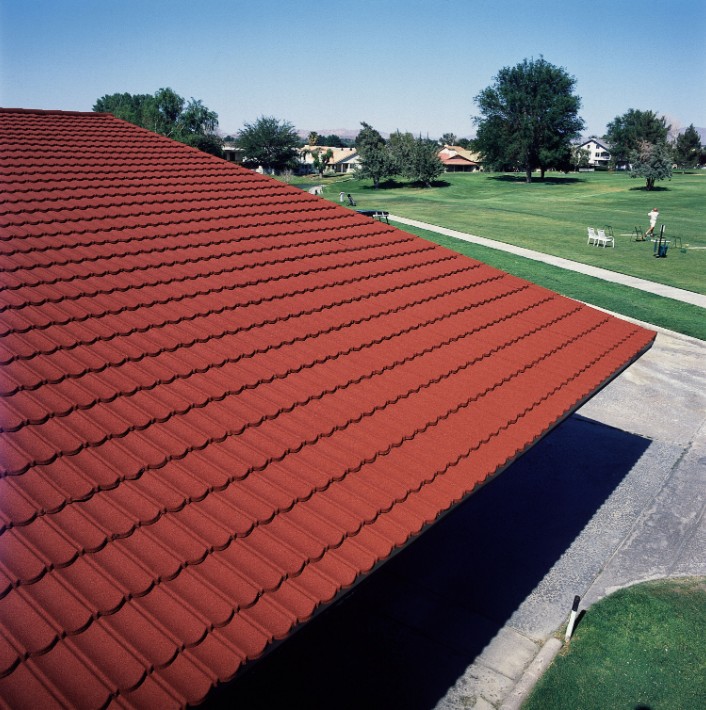
Buyers wanting a traditional tile look without clay’s weight often choose a Bond Tile profile instead. It delivers similar visual appeal alongside stronger coastal durability.
Classic Architectural Styles
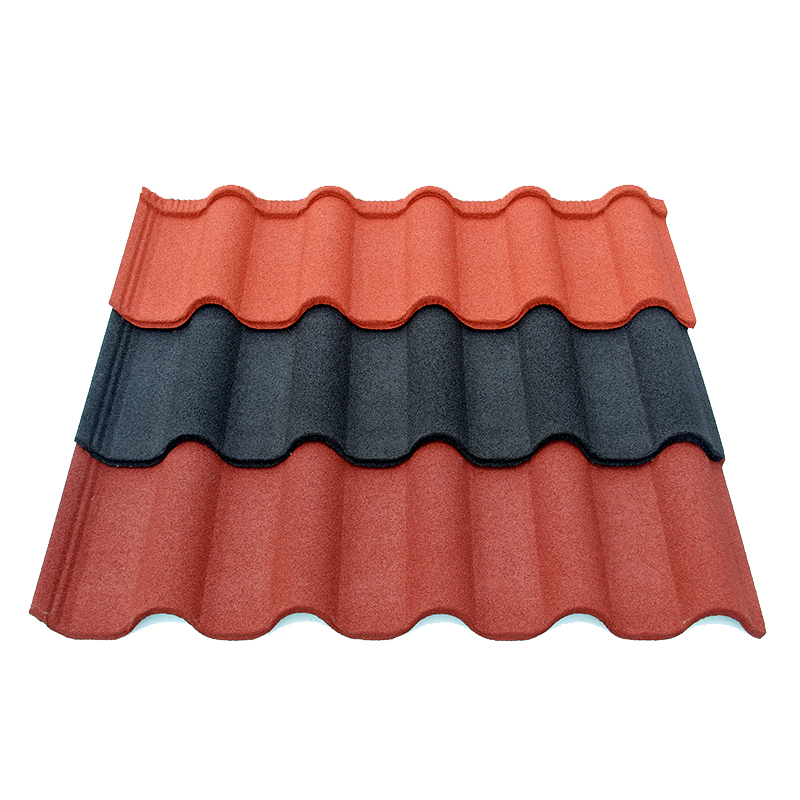
A Roman Tile profile replicates a traditional silhouette without the structural demands real clay tile requires. This makes it a common substitute on renovation projects.
Standard Residential Reroofing
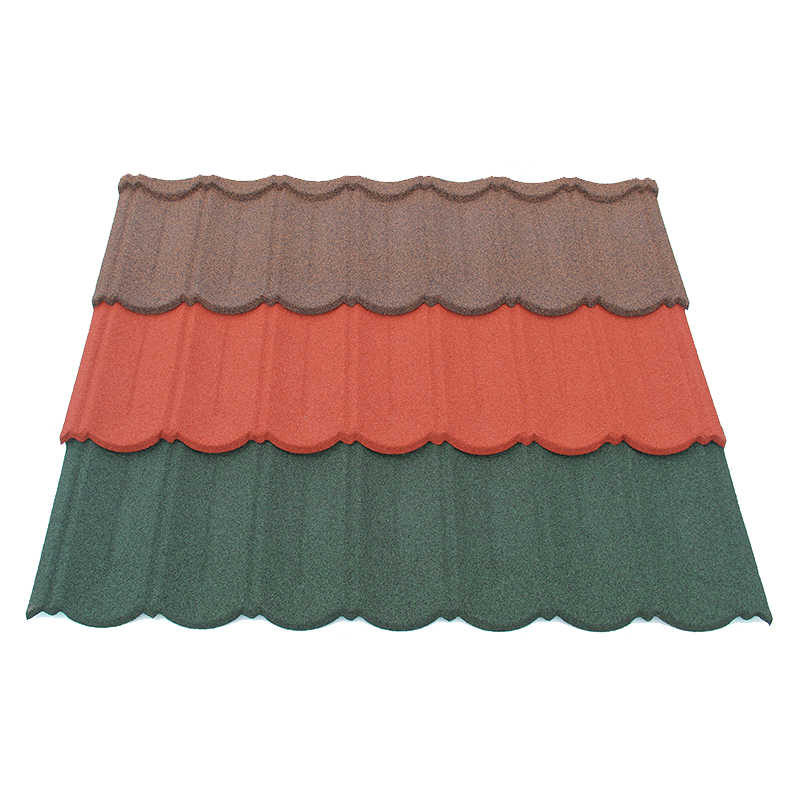
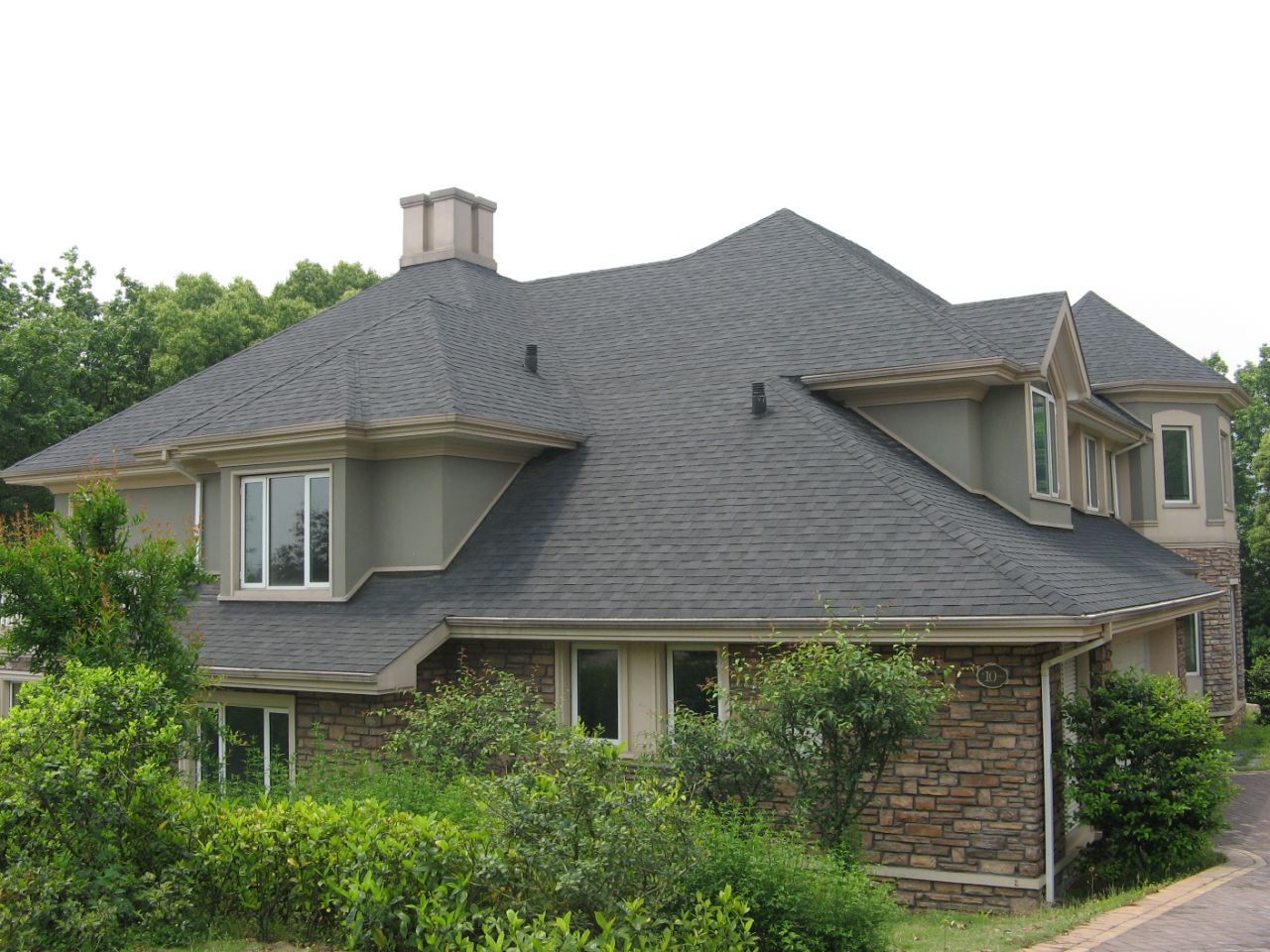
Homeowners replacing worn asphalt shingle commonly choose a Shingle Tile profile. It offers a familiar look with a far longer expected service life.
Architectural and Rustic Design Goals
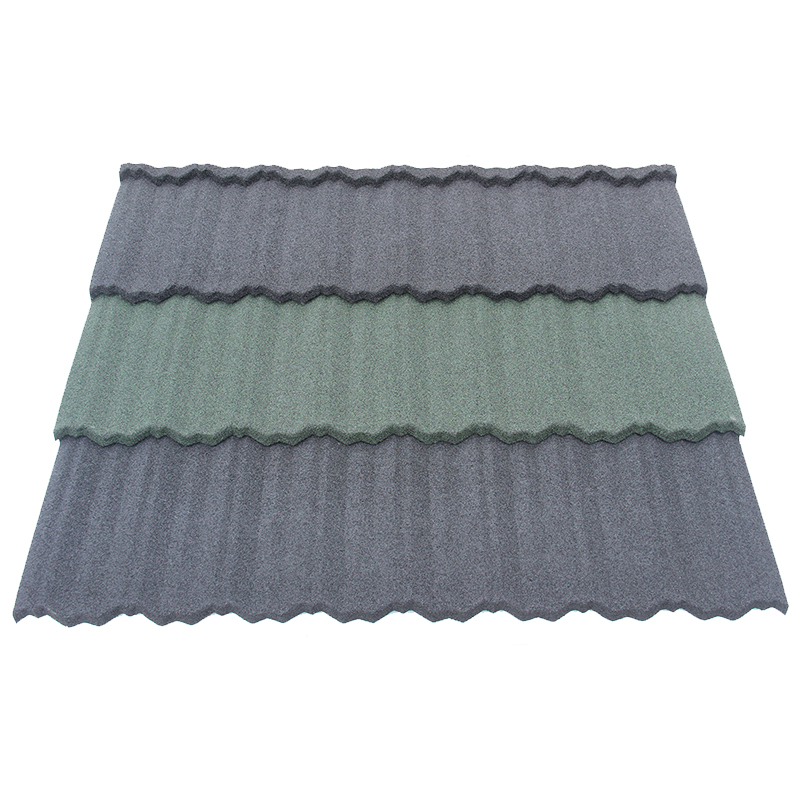
Suppliers such as JCROOF often guide design-focused projects toward a Milano Tile profile for a modern statement. Rustic-style builds instead often choose a Shake Tile profile, gaining the wood shake look without its rot and fire risk.
Common Mistakes When Comparing These Options
Buyers researching this comparison tend to repeat a few avoidable mistakes. Recognizing these early leads to a more accurate decision.
Comparing Only Upfront Cost Across Materials
A cheaper material today can cost more over a full ownership period. Lifecycle cost tells a more complete story than the initial quote alone.
Assuming Every Traditional Material Ages the Same Way
Clay, concrete, and wood shake all age very differently under the same conditions. Treating them as interchangeable during comparison leads to inaccurate expectations.
Overlooking Structural Compatibility With Heavier Materials
Some buyers select clay or concrete tile without confirming their structure can support the added weight. This oversight can force a costly mid-project change.
- Compare lifecycle cost, not just the initial material price
- Confirm structural compatibility before choosing a heavier traditional material
- Match maintenance expectations to your available time and budget
- Check local code or historic district requirements before finalizing a choice
- Request documented lifespan and testing data for your specific climate
Making the Right Call Between Stone Coated and Traditional Materials
Choosing between stone coated roofing and traditional materials comes down to matching real project priorities against each option’s actual strengths. Weight, lifespan, and maintenance all deserve equal consideration alongside appearance and cost.
Questions to Ask Before Making a Final Decision
Ask whether your structure can support a heavier traditional material without reinforcement. Confirm documented lifespan and maintenance expectations for any option under serious consideration.
Stone coated roofing solves many of the tradeoffs buyers run into with traditional materials, though a handful of specific situations still favor an older option. Weighing weight, lifespan, and maintenance together leads to a decision that holds up well beyond the first few years of ownership.