
In rural regions or off-grid developments with no access to municipal water, the roof surface becomes the primary catchment area for survival. Consequently, evaluating the safety of Stone Coated Metal roof rainwater harvesting is a critical priority for health and engineering standards. Unlike traditional lead-based paints or bitumen shingles that release toxic VOCs and heavy metals, professional-grade steel systems are engineered for chemical stability. This technical audit dissects the polymer cross-linking, metallurgical shielding, and filtration requirements needed to transform raw runoff into potable water for domestic consumption.
Chemical Inertness: The Acrylic Resin and Sintered Stone Barrier
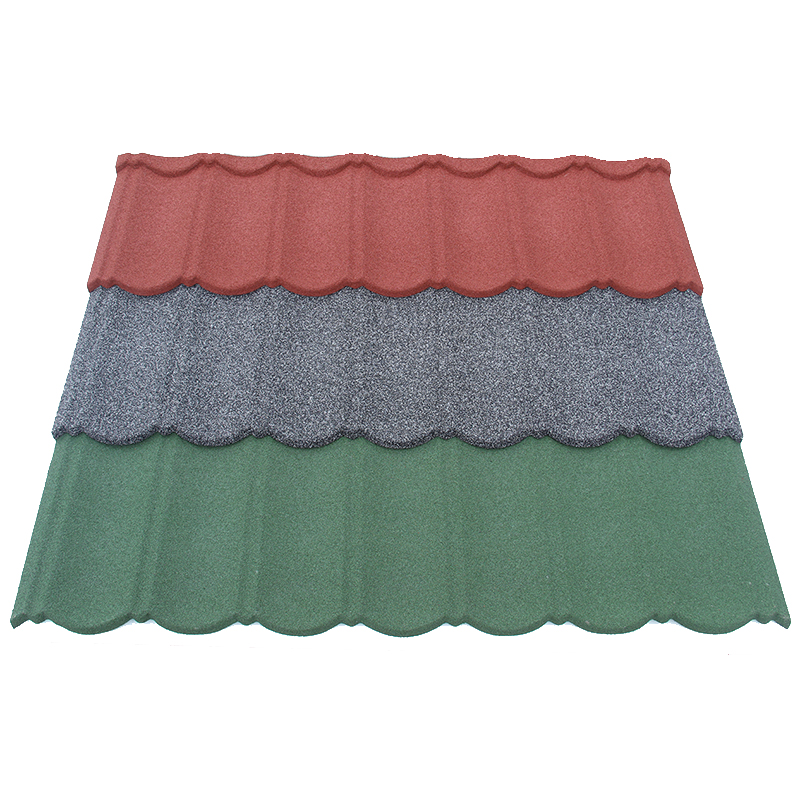
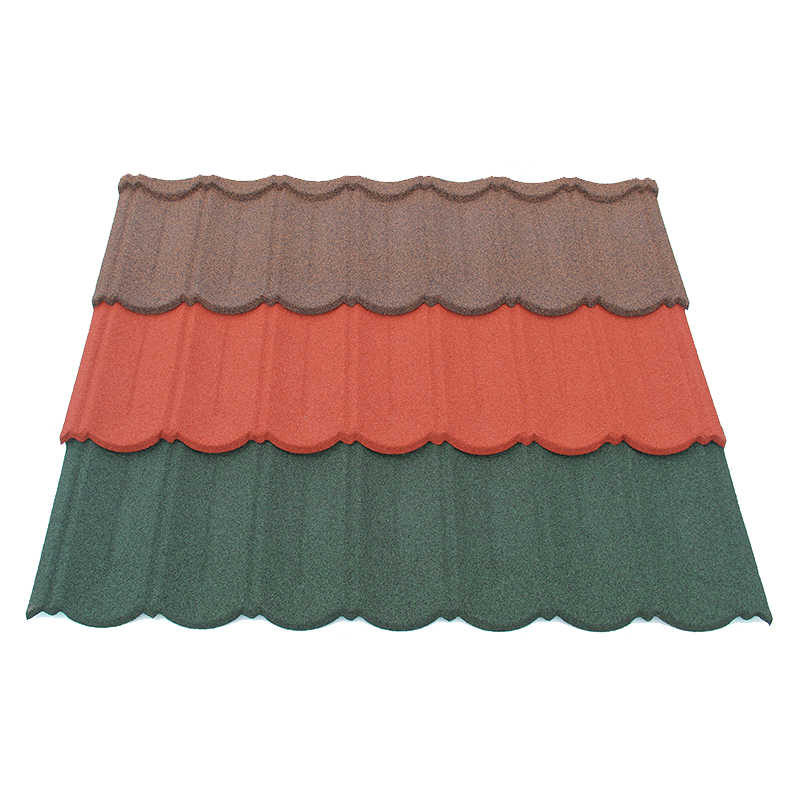
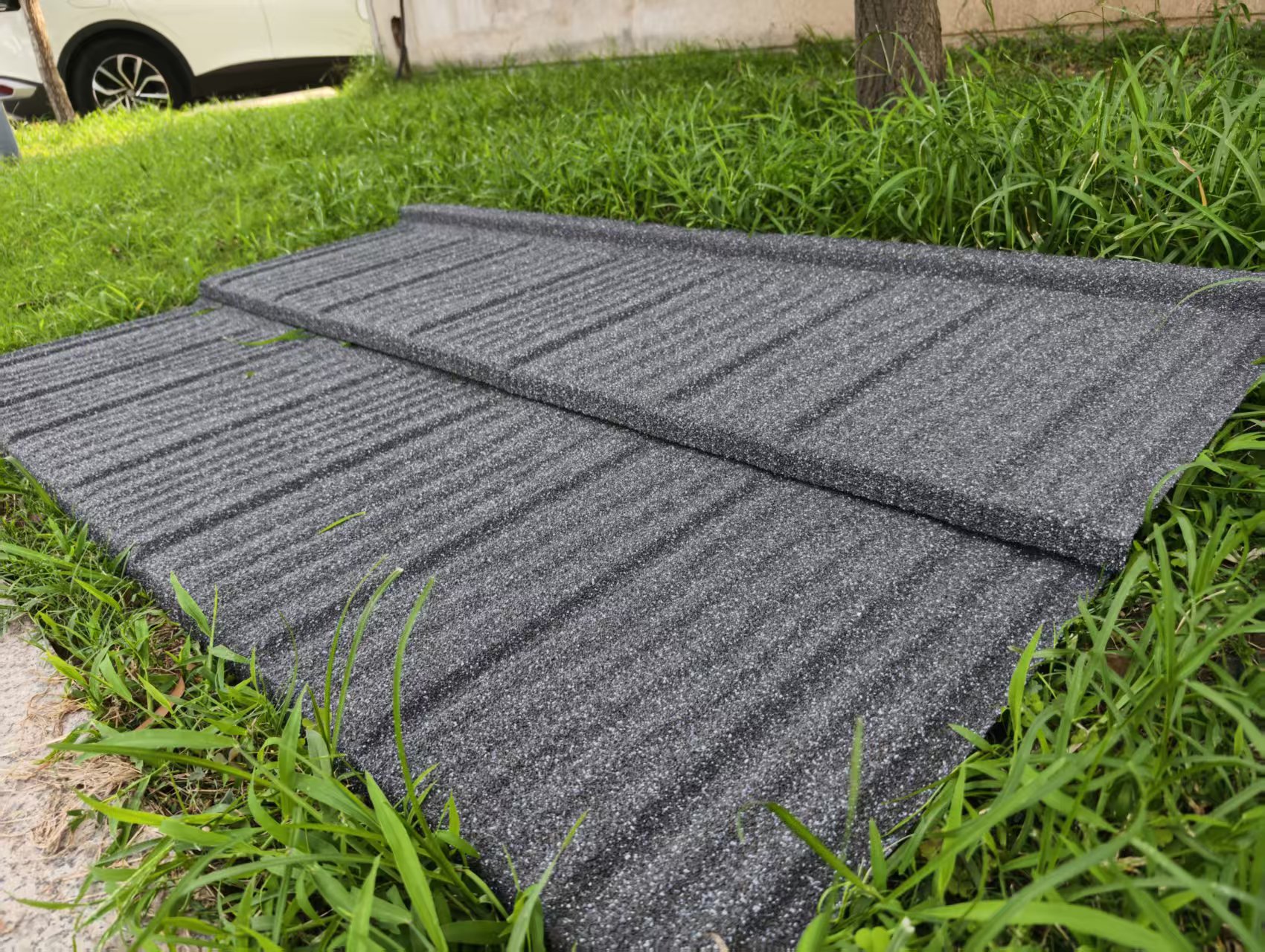
The primary concern regarding Stone Coated Metal roof rainwater harvesting involves the potential leaching of coatings into the water supply. However, high-specification systems utilize 100% pure acrylic resins that are non-toxic and chemically stable. For instance, JCROOF engineering standards mandate the use of medical-grade resins with high cross-linking density. This ensures that the adhesive layer remains intact and does not release micro-plastics or solvents. Furthermore, the shingle tile surface utilizes 800°C sintered stone granules, which are inorganic and inert. As a result, the water moving across the surface does not absorb chemical contaminants, making the raw catchment significantly cleaner than runoff from asphalt-based materials.
Metallurgical Integrity: Why Aluzinc AZ150 Prevents Heavy Metal Leaching
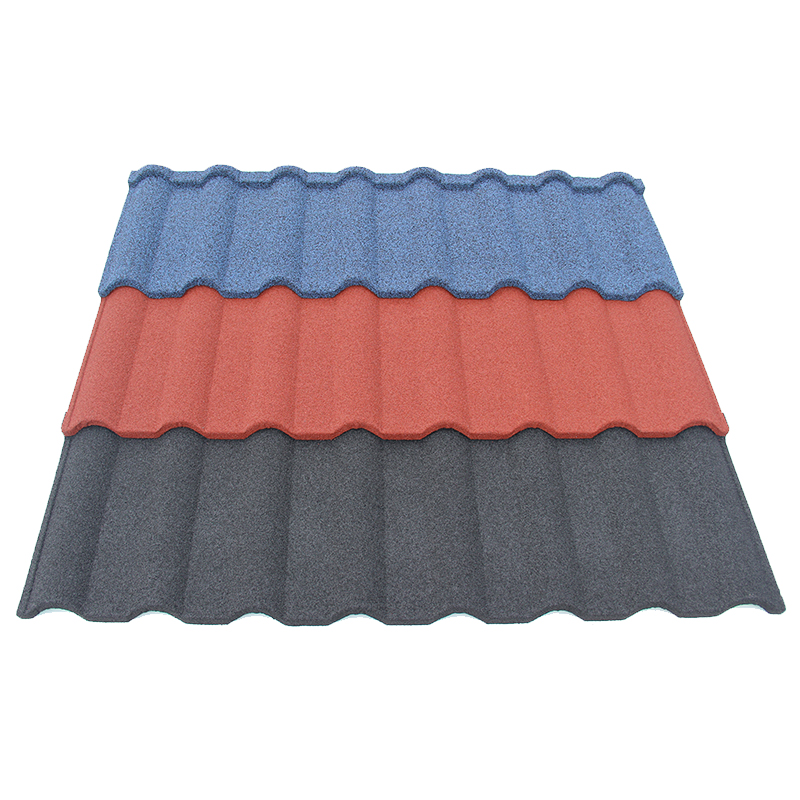
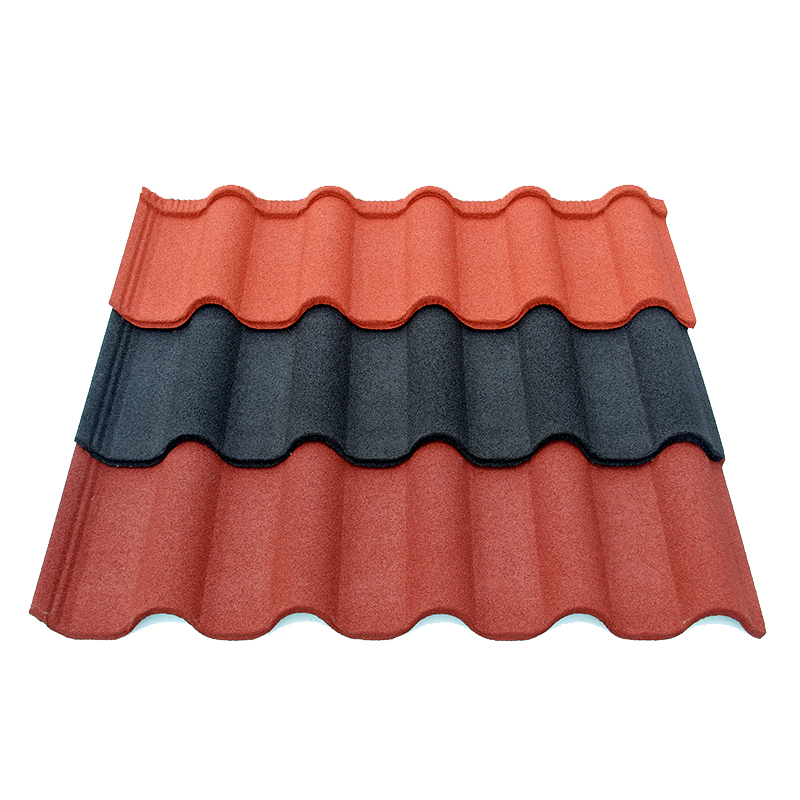
A second vital factor in Stone Coated Metal roof rainwater harvesting is the composition of the metallic substrate. Many budget-tier iron sheets utilize lead-heavy galvanization that can contaminate water. On the contrary, the Aluzinc substrate used in a bond tile consists of 55% Aluminum and 43.4% Zinc. These metals are generally considered safe for water contact in the building industry. Specifically, JCROOF laboratory data confirms that the AZ150 shield prevents the underlying iron from oxidizing. This metallurgical stability ensures that the water collected remains free from iron-oxide (red rust) particles, preserving its clarity and reducing the burden on secondary filtration systems.
Biological Management: Preventing Moss and Algae Accumulation
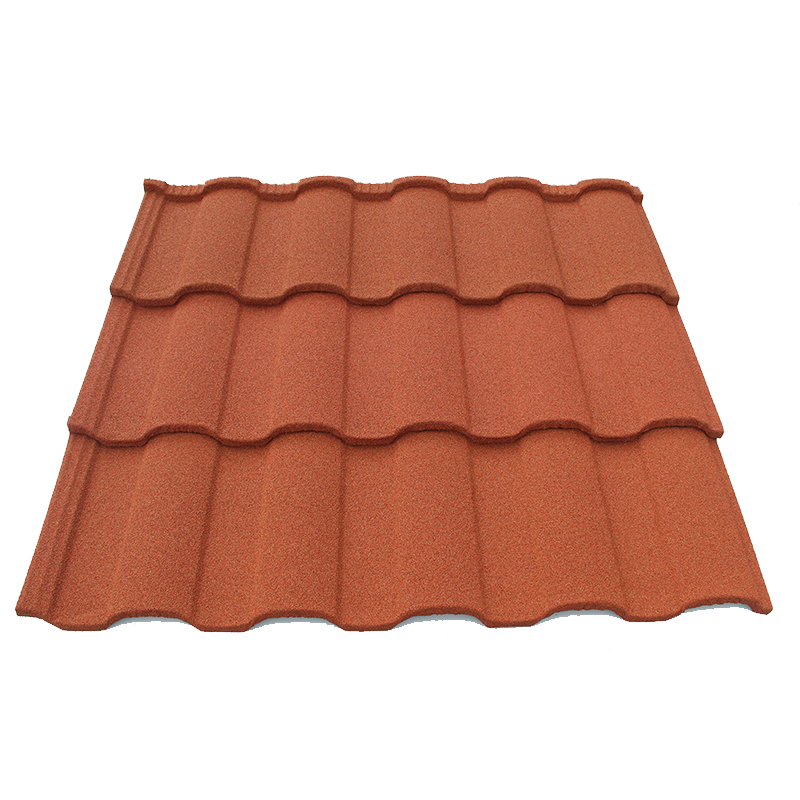
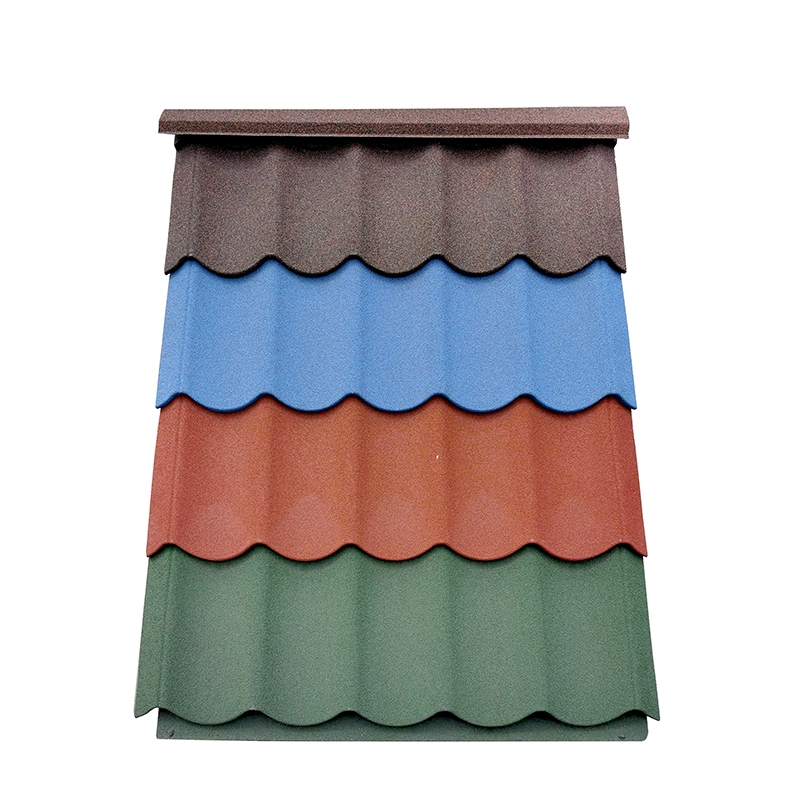
Organic contamination is a significant risk in stagnant water systems. Therefore, the ability of a roof to remain clean is essential for safe Stone Coated Metal roof rainwater harvesting. The ceramic-glazing process of the stone granules provides a non-porous surface that offers zero nutritional value to fungal spores. For a high-profile milano tile, this inorganic shield prevents the buildup of moss and algae. Consequently, the water does not pick up the high biological oxygen demand (BOD) associated with decaying organic matter. This biological resistance ensures that the initial “first-flush” of rain carries fewer pathogens into the storage tanks, simplifying the final disinfection process.
Structural Drainage and the shake tile Filtration Logic
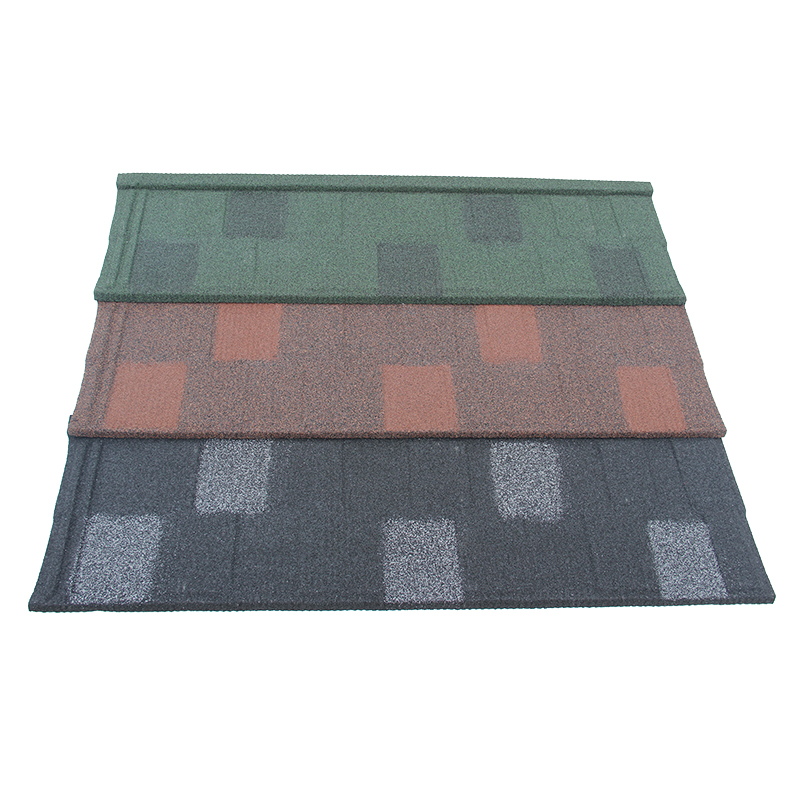
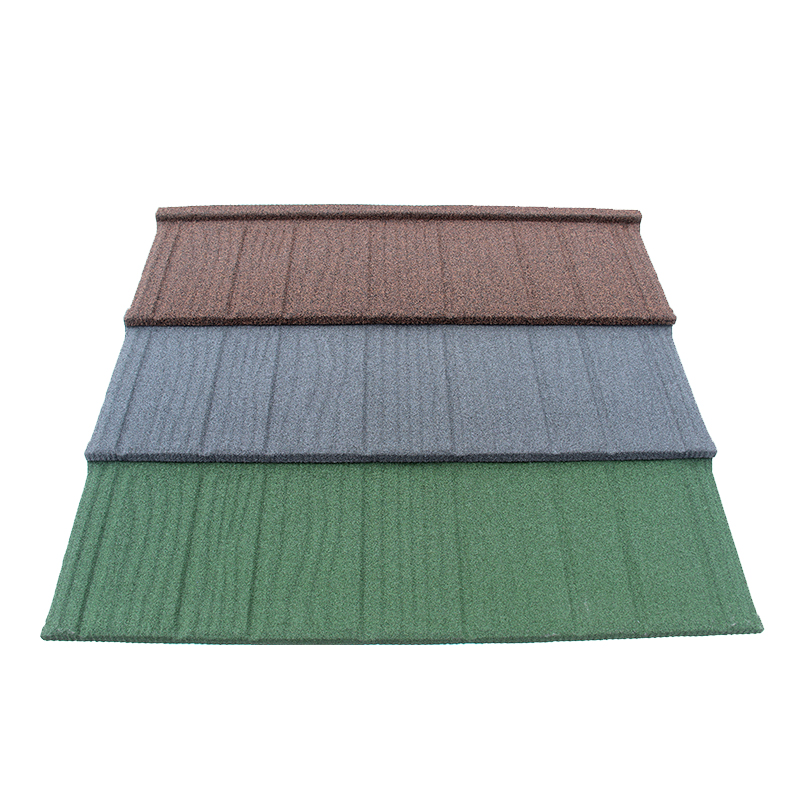
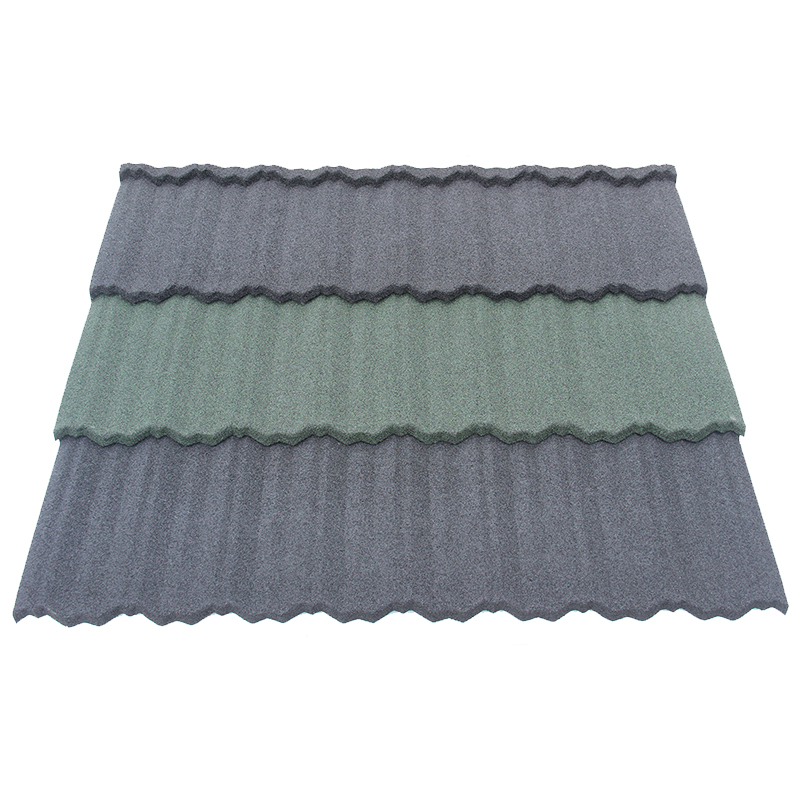
Installation geometry also plays a silent role in water quality management. When utilizing Stone Coated Metal roof rainwater harvesting, the modular interlocking system ensures rapid fluid evacuation. For a rugged shake tile, the horizontal fastening logic prevents water from pooling in the joints. Therefore, it minimizes the risk of stagnant water becoming a breeding ground for insects or bacteria. Furthermore, the stone coating acts as a natural primary filter, trapping larger debris like leaves and twigs. By combining this physical barrier with a modern “first-flush” diverter, procurement managers can ensure that the stored water maintains its hygiene for months at a time.
Potability Protocol Matrix: Steel vs. Organic Catchment
Strategic procurement managers must benchmark water safety ROI when selecting materials for remote infrastructure. Use the following technical matrix to justify the investment in safe Stone Coated Metal roof rainwater harvesting for your next humanitarian or residential project.
| Water Quality Metric | Standard Bitumen/Asphalt | Stone-Coated Metal (AZ150 Grade) |
|---|---|---|
| Chemical Leaching | High (Petroleum/VOCs). | Zero (Pure Acrylic/Inert Stone). |
| Heavy Metal Risk | Variable (Lead-based). | Low (Aluminum-Zinc Shield). |
| Biological Growth | High (Moss/Algae fertile). | Low (Inorganic ceramic glaze). |
| Water Clarity | Poor (Silt/Oils). | Excellent (High velocity runoff). |
| Potability Potential | Low (Needs heavy treatment). | High (Safe with Pro-Filtration). |
Professional FAQ: Solving Off-Grid Hydration Challenges
Success in rural development depends on translating laboratory data into field-level health safety. Many “failures” reported as Stone Coated Metal roof rainwater harvesting issues are actually symptoms of poor gutter hygiene or lack of secondary treatment. By providing on-site technical audits, you establish your firm as a technical authority. Furthermore, educating homeowners on the importance of periodic cleaning is a non-negotiable step. Specifically, using UV-sterilization or ceramic filters at the point of use ensures that even the minor atmospheric dust captured by the roof is effectively removed before consumption.
Is the Sintered Stone Coating Safe for Human Health?
Fortunately, the answer is a resounding yes regarding the chemical stability of the mineral surface. Because the Stone Coated Metal roof rainwater harvesting surface is comprised of volcanic rock sintered at 800°C, the stone is effectively “vitrified.” This means it does not dissolve or react with rainwater. Specifically, JCROOF ensures that the inorganic pigments are permanently fused within the crystalline structure. Thus, the water remains clear and free from synthetic dyes. This chemical permanence is a major selling point for government-funded housing projects in water-scarce geographic zones, where every drop of rain is a vital asset.
Final Procurement Action Plan
Maximizing the hydration security of your project requires a shift to technical “spec-buying.” Focus your technical audit on Aluzinc GSM (AZ150), the non-toxicity of the acrylic resins, and the sintering benchmarks of the volcanic stone. These engineering pillars ensure that Stone Coated Metal roof rainwater harvesting is a safe and sustainable solution for domestic needs. Partnering with professional manufacturers provides the laboratory data and health certifications needed to win large-scale government tenders. Contact our technical team today for a project-specific structural audit and a water-potability submittal guide to guarantee success.