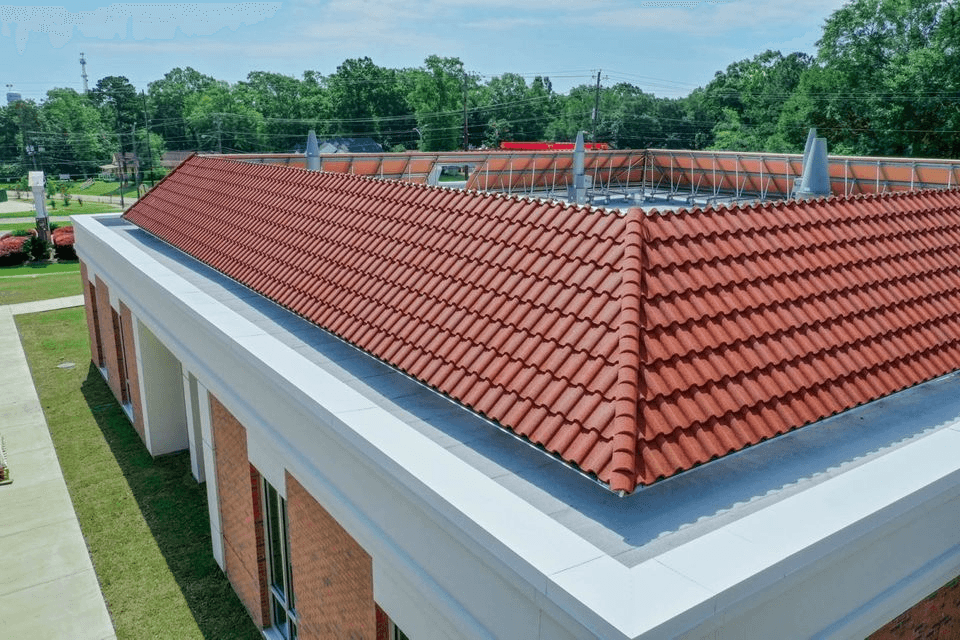
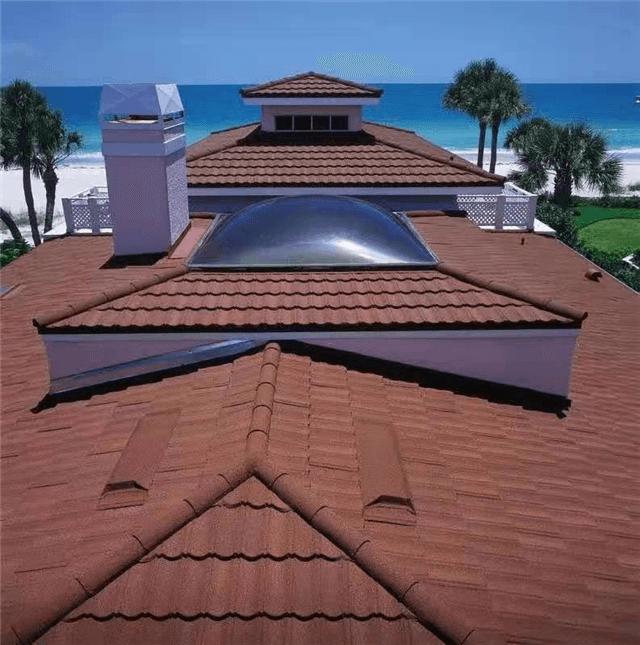
Can you walk on stone coated roofing without denting it? Only the exact roof system, its condition and approved access instructions can answer that. Some systems permit maintenance access at defined locations, but a steel panel is not automatically a safe walking surface. Arrange a competent assessment and minimize roof traffic.
Distinguish Panel Walkability From Safe Roof Access
First, separate two decisions: whether the panel can accept a particular maintenance load, and whether a worker can reach the area safely. A sound panel does not remove the risk of falling. Equally, fall-protection equipment does not make an unsupported panel suitable for a concentrated foot load.
What a permitted stepping zone means
A permitted stepping zone is the area identified by the manufacturer for an approved access method on that product. It can depend on the panel shape, supports and fixing arrangement. It is not a general instruction to walk anywhere on a tile that looks similar. Obtain the drawing for the installed profile rather than copying another brand’s diagram.
The DECRA homeowner manual illustrates product-specific walking zones and notes that careless walking can damage panels. Its diagrams apply to the named DECRA profiles, not every stone coated roof. Use that distinction when asking your own supplier for access instructions.
Begin with observations from a safe location
An owner can record concerns with ground-level photographs and existing project documents. Ask the contractor to identify the roof product and assess access. Do not climb onto the roof just to discover which profile it uses. Where records are missing, arrange a professional survey that addresses both identification and the access method.
Check the Installed Roof Before Planning Maintenance
Next, assess the roof as it exists today. Damage, corrosion, poor supports, alterations or water ingress can change the access decision. A product brochure describes a supplied system; it does not establish the current condition of an aging installation. Ask the contractor to review both.
Prepare the relevant records
- Roof product, profile and installation date if known.
- Support layout and installation instructions.
- Photographs of visible dents, corrosion or repairs.
- The reason for access and equipment the worker plans to carry.
- Any roof lights, fragile areas or other features affecting the route.
Maintenance load means the actual combination of a person, tools and other equipment at the working location. It differs from a general roof-area load. Do not infer an allowable person weight from steel thickness, a hail test or the roof’s appearance. The access plan needs the relevant system information and an assessment of the planned task.
Evaluate the task, not just the route
Inspecting a gutter, repairing a flashing and installing solar equipment can require different positions and loads. Tell the contractor what the work involves before asking whether access is possible. Equipment placement and repeated traffic may need arrangements beyond the instructions for an occasional inspection.
Understand Where Dents and Surface Damage Can Occur
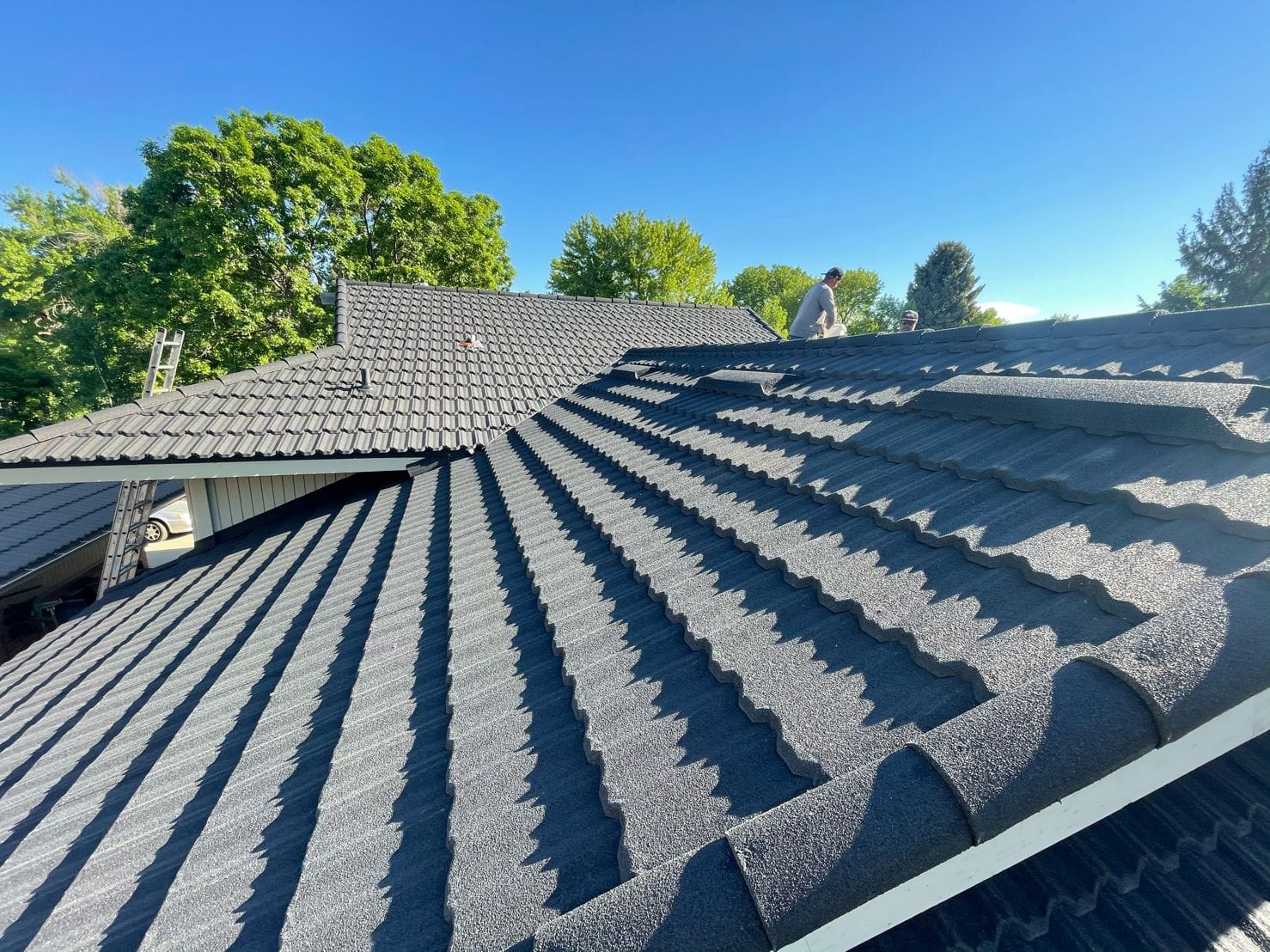
Furthermore, concentrated pressure can deform a panel or disturb its surface. Avoid treating a thick-looking ridge or a stone texture as proof of a safe stepping point. Support position and the manufacturer-approved access method matter. Keep work within the agreed plan and stop if the roof behaves unexpectedly.
| Concern | Why it matters | Decision before access |
|---|---|---|
| Unknown support position | The visible profile may hide unsupported areas | Locate the relevant supports and product instructions |
| Existing dents or corrosion | The roof may differ from its original condition | Obtain a condition assessment |
| Wet or contaminated surface | Access conditions can change | Let the responsible contractor decide whether to postpone |
| Repeated maintenance traffic | The task may exceed occasional access | Review a permanent access or protected work arrangement |
| Tools or equipment on panels | A local load can differ from a footstep | Agree where equipment can be placed |
Do granules prevent denting?
Stone granules form the surface finish; they do not turn the panel into a structural walkway. A textured appearance also does not establish a slip-resistance rating for every condition. Ask for the product-specific access instructions, and do not use a hand pressure test as a substitute for a professional assessment.
For surface changes after maintenance, the granule-loss guide explains what to document for the supplier. If a worker dents a panel, stop and record the damage rather than trying to conceal it with coating or granules. The supplier should advise on an appropriate repair or replacement assessment.
Assign Roof Access to Competent Workers
However, online walking tips cannot replace a work-at-height plan. The contractor must follow the applicable local requirements, select an appropriate access method and arrange the required protection. OSHA residential fall-protection resources provide a United States reference for employers planning roofing work. Other countries can apply different requirements.
Questions to ask the contractor
- How will the team reach and leave the work area?
- Which product instructions and roof condition findings inform the plan?
- How will the team manage fragile features and equipment placement?
- What happens if weather changes or hidden damage appears?
- Who will inspect the roof after the work?
Do not assume that soft footwear alone provides fall protection or prevents panel damage. Footwear can be one part of a product’s maintenance instructions, but the complete access plan still matters. An owner should not improvise anchor points or copy a fastening location from a different system.
Plan for buildings needing regular access
If air-conditioning, solar or other equipment needs recurring service, raise that requirement during roof design. Ask the designer and suppliers to consider access arrangements that suit the maintenance tasks. Doing this before installation can avoid repeatedly relying on ad hoc panel traffic to reach service points.
Keep access instructions with the building maintenance record. Give later trades the same information before they quote. A roof contractor’s approval for one task does not automatically authorize another contractor to carry heavier equipment along the same route.
Questions About Walking on Stone Coated Steel Roofs
Finally, choose a product and access method from documents, not a generic claim that all metal roofs support maintenance traffic. The right question concerns the particular installed assembly and planned work.
Does thicker steel mean I can walk anywhere?
No. Steel thickness is one material parameter. Supports, panel geometry, fixings, condition and the access method also matter. Request the relevant instructions rather than treating a thickness number as permission.
Are Bond and Shingle profiles equally walkable?
Their appearances do not establish equal access rules. Ask for the instructions and support details for each supplied system. Do not transfer a stepping diagram simply because both products use steel.
What should I do if a panel moves or dents?
Stop the task, keep people away from the affected area and contact the responsible contractor. Document what happened and obtain an assessment before continuing or attempting a repair.
Can I inspect the roof myself after a storm?
Start from a safe ground-level location and arrange a competent survey if you suspect damage. Do not climb onto an unassessed roof to confirm whether it remains safe.
When comparing Bond Tile and Shingle Tile, request the access guidance together with the installation documents. The roofing thickness guide explains why material thickness alone cannot establish system performance.
Include other trades in the access decision
Roof access often comes from a task that belongs to another trade. A technician may need to service equipment, a painter may want to reach a wall, or an installer may propose new cables. Give those contractors the roof identity and access restrictions before they quote. Ask them to explain how their task affects the roof rather than assuming a previous repair route covers every future visit.
Make the site contact responsible for checking the planned work against the available information. If a contractor proposes storing materials on the roof or changing an access point, obtain the relevant approval first. Keep those discussions with the work order. A verbal instruction given to one person may not reach the next team arriving on site.
Inspect and record the result of maintenance work
Before the contractor leaves, ask for a review of the working area and access route. Record new dents, disturbed surface finish, damaged accessories or unresolved concerns. Ground-level photographs may help the owner maintain a record, while the contractor determines any closer inspection method. Do not create a second unsafe access task merely to obtain a photograph.
If damage needs repair, record the product and supplier advice before ordering materials. A touch-up treatment and a replacement panel serve different purposes. Keep the chosen remedy, installer details and completion record with the building documents. Future maintenance teams can then understand which areas have changed and which instructions still apply.
Specify future access at the design stage
Tell the designer how often people will need to reach rooftop equipment and what they will carry. A planned service route can differ from occasional inspection access. Review any proposed walkways or access components as part of the complete roof arrangement, including their effect on drainage and maintenance.
JCROOF publishes product information for trade enquiries. Request the documents for the exact roof system and destination before approving an order.
Compare the stone coated metal roofing range and include the selected profile, project location and quantity in your enquiry.