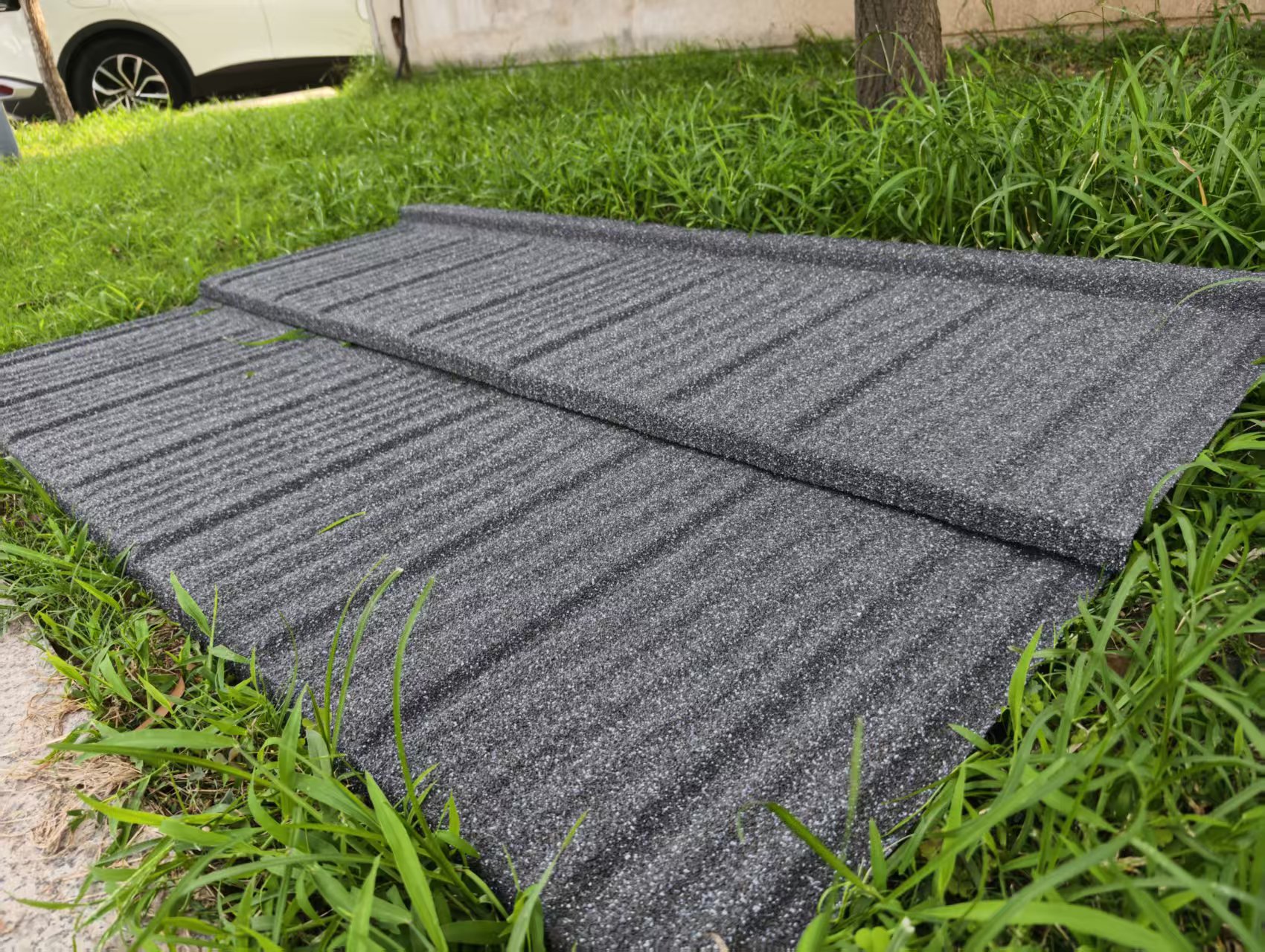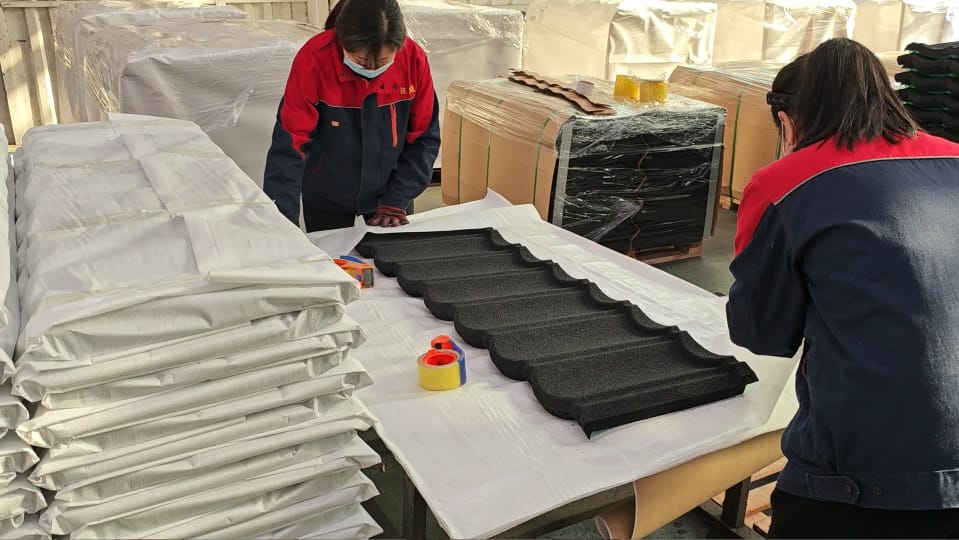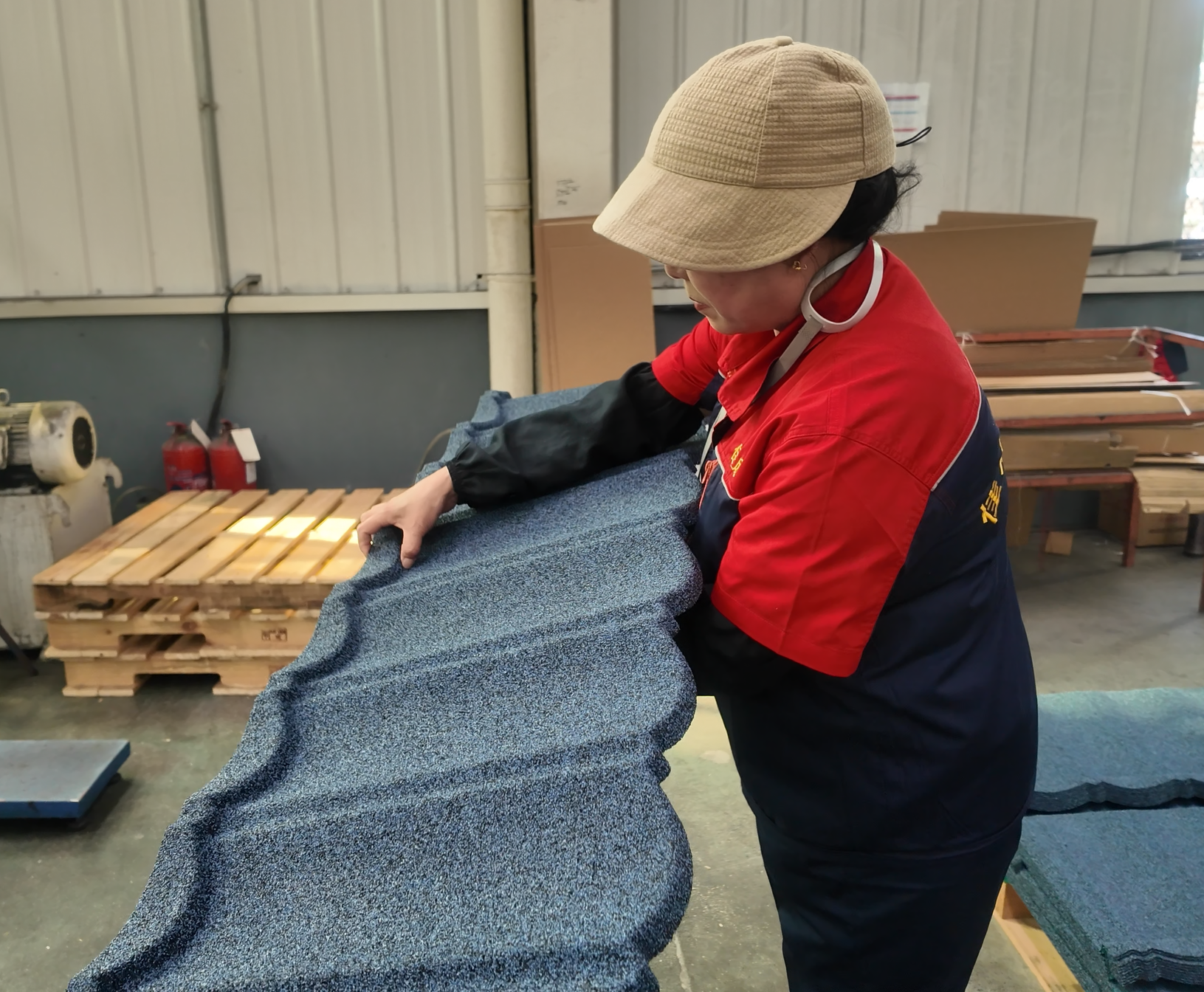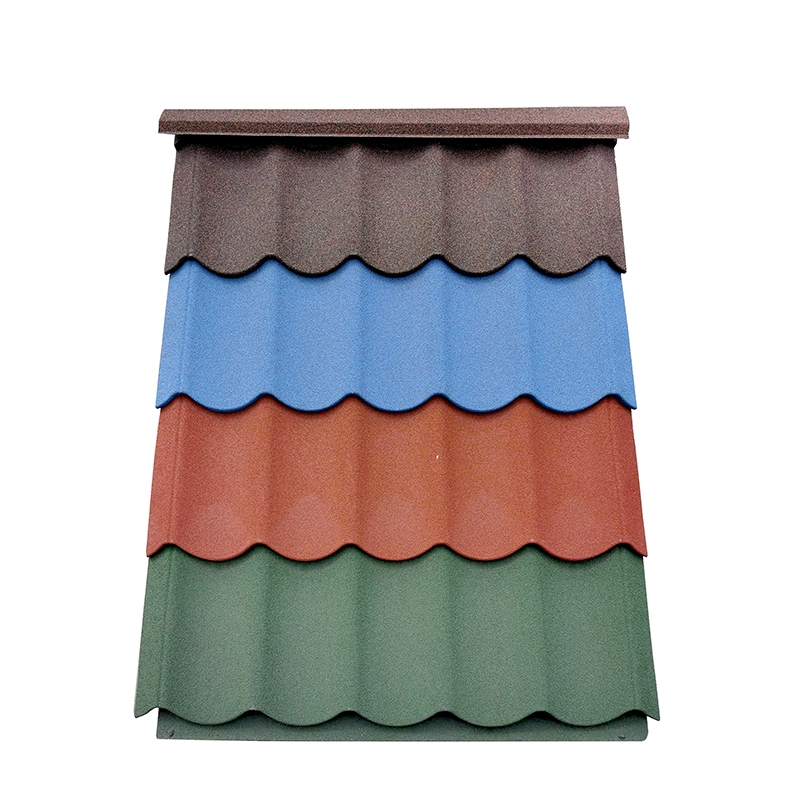


When people compare stone coated roofing (stone coated steel roofing), thickness is one of those details that often gets overlooked—until it becomes a problem. You’ll frequently see options like 0.4mm and 0.5mm, and at first glance, the difference seems tiny.
But in real-world roofing, that extra 0.1mm can change how the roof performs over time. It affects strength, durability, and even how confident a contractor feels walking on it.
So, is 0.5mm really worth it, or is 0.4mm “good enough”? Let’s break it down in a practical way.
Why Steel Thickness Matters in Stone Coated Roofing More Than You Think
The steel base is the backbone of every stone coated tile. Everything else—the coating, the stone granules, the color—depends on that core staying stable.
A thinner sheet isn’t necessarily bad, but it does behave differently under pressure.
What You’ll Notice in Practice
- 0.4mm feels lighter and slightly more flexible
- 0.5mm feels more solid and stable under foot
On the Roof, Not on Paper
That 0.1mm difference becomes obvious during installation. A thicker sheet resists bending when stepped on, which reduces the risk of deformation—especially on larger roof spans.
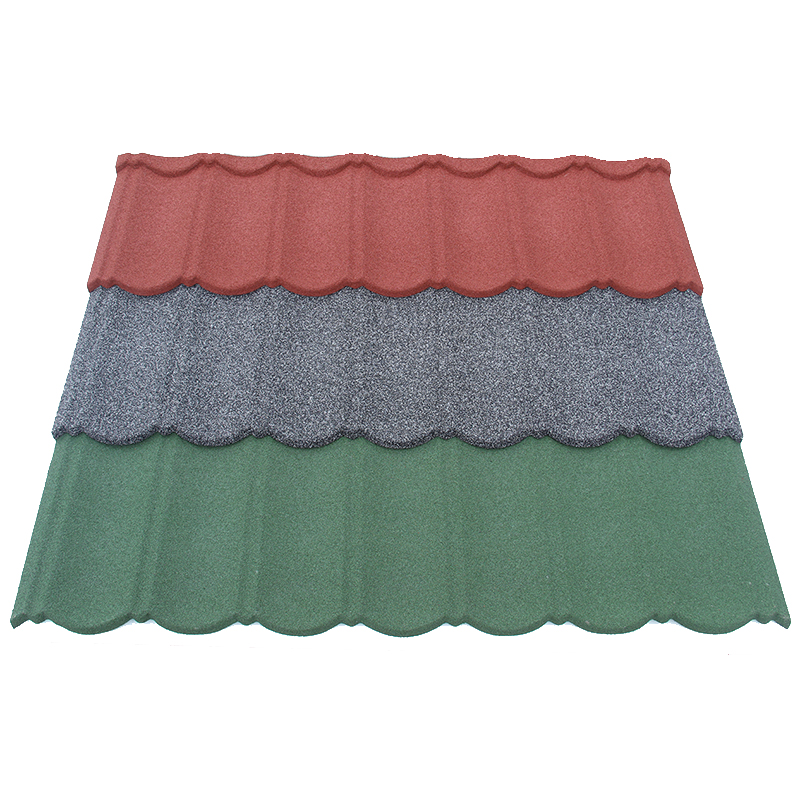
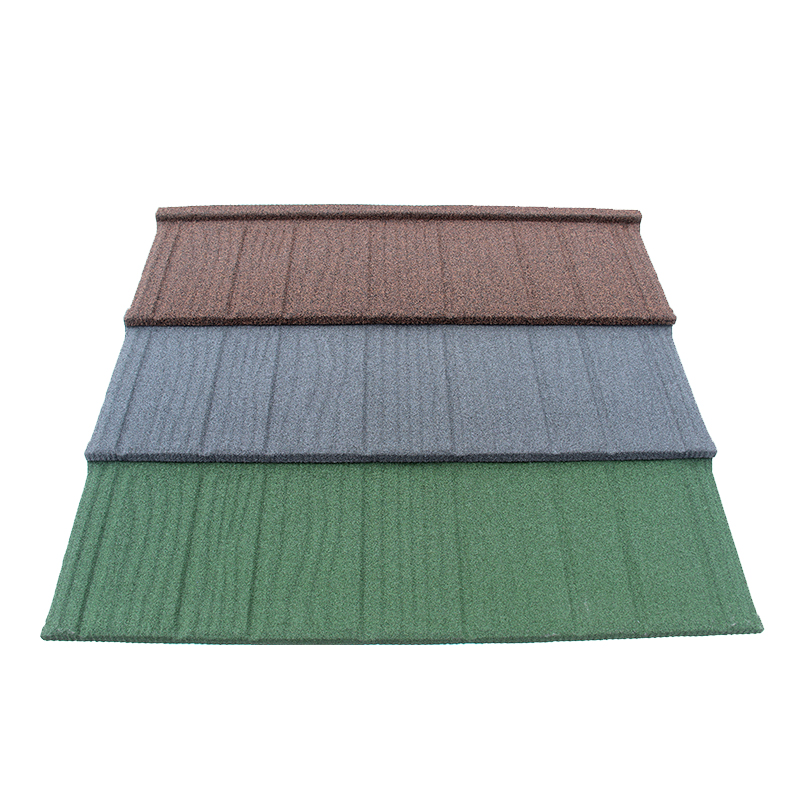
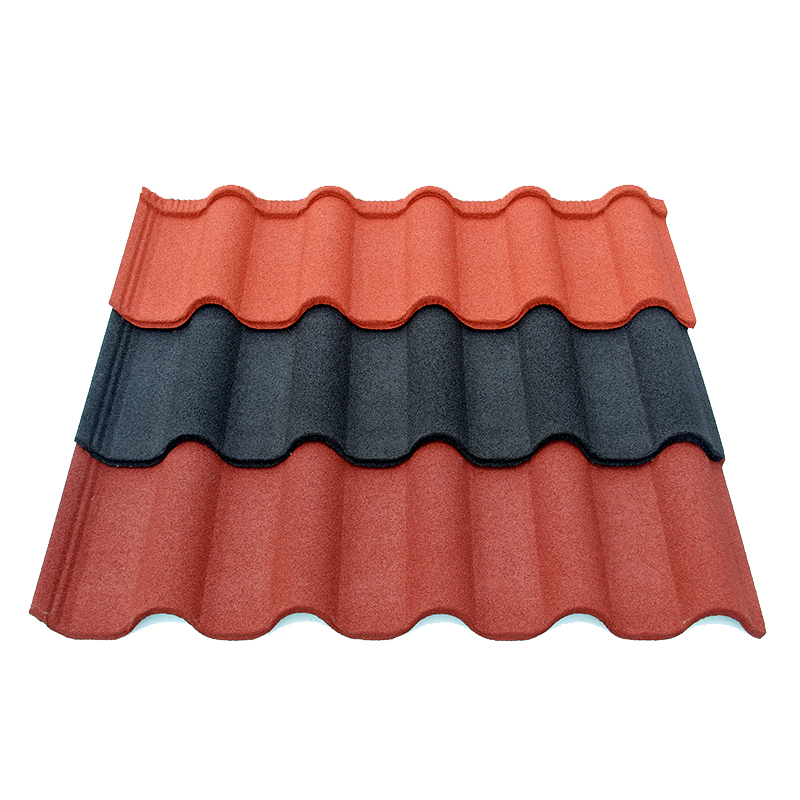
In structured profiles like Bond Tile, this added rigidity helps the tiles lock together more securely.
Durability Over Time: Where 0.5mm Stone Coated Steel Roofing Pulls Ahead
If you’re thinking long-term, thickness starts to matter more. Roofs are exposed to wind, temperature changes, and sometimes hail or debris. Over time, thinner steel is simply more likely to show wear.
It doesn’t fail immediately—it just has less margin for stress.
What Happens After a Few Years
- 0.4mm: performs well in mild conditions but may be more prone to minor deformation
- 0.5mm: holds shape better and resists long-term fatigue
Real-World Example
In areas with strong winds or occasional hail, 0.5mm tiles are less likely to dent or flex. That doesn’t just protect appearance—it helps maintain the integrity of the entire roofing system.
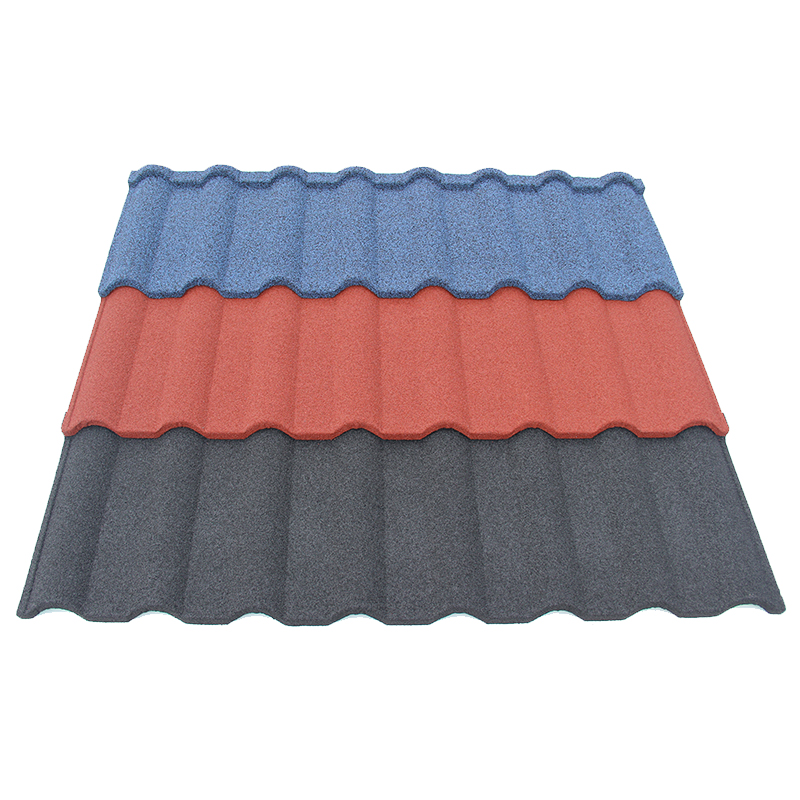
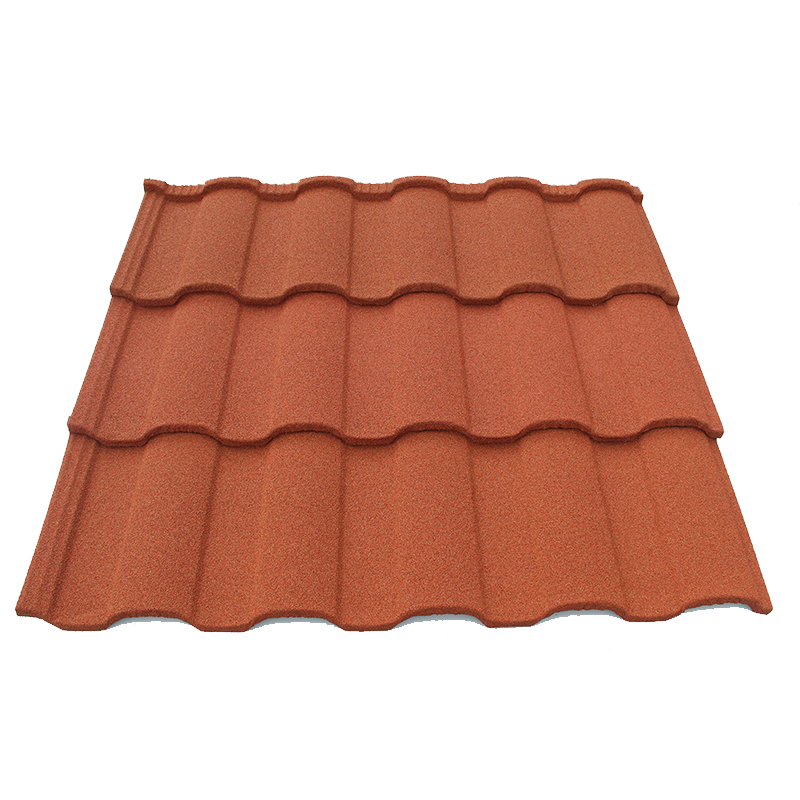
For curved designs like Roman Tile, thicker steel also helps the profile keep its shape over time.
Installation Experience: What Contractors Actually Prefer
Ask most installers, and they’ll tell you—0.5mm is simply easier to trust.
Not because 0.4mm can’t work, but because thicker tiles feel more predictable during installation.
From a Contractor’s Perspective
- 0.4mm: lighter, easier to cut, slightly faster to handle
- 0.5mm: more stable when walking and fastening
Why This Matters
A more stable tile reduces installation errors. Less movement means better alignment, tighter fastening, and fewer chances of issues later on.
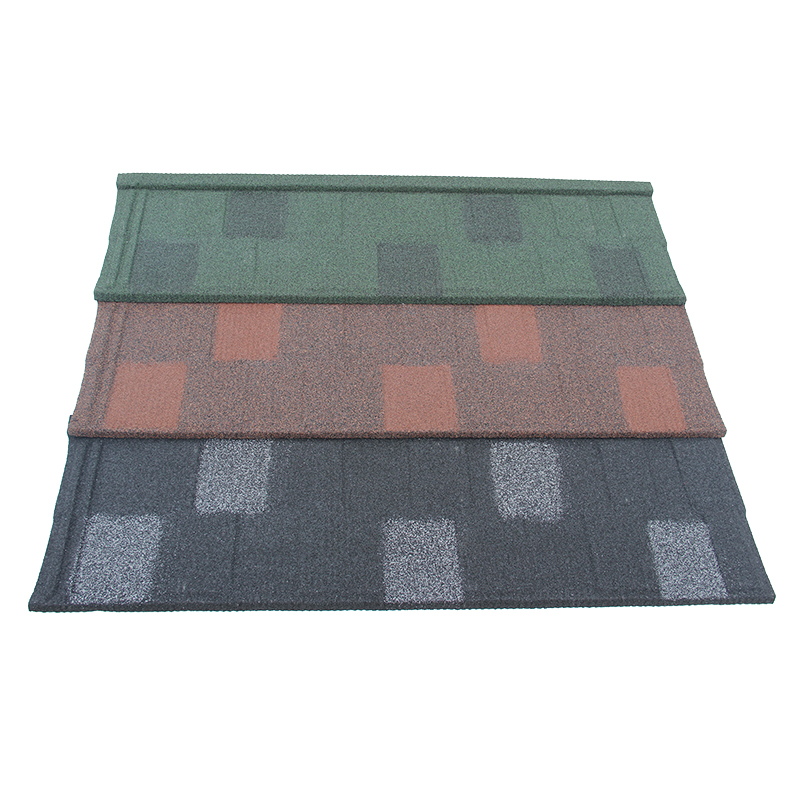
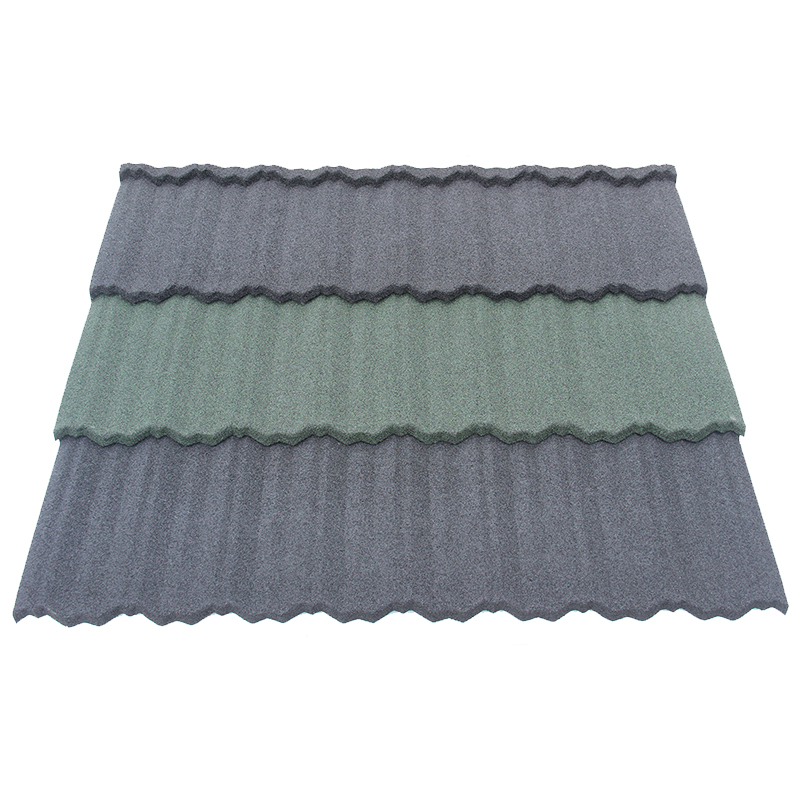
In clean, modern layouts like Shingle Tile, this stability helps keep lines straight and consistent across the roof.
Price vs Long-Term Value: Is 0.5mm Worth Paying More For?
This is where most decisions are made. Yes, 0.4mm is cheaper. And for certain projects, that’s exactly what’s needed.
But the real question isn’t just “How much does it cost today?”—it’s “What will it cost over time?”
How to Think About It
- 0.4mm: lower upfront cost, suitable for budget-driven or short-term projects
- 0.5mm: higher upfront cost, better long-term reliability
A Practical Way to Decide
If the building is meant to last decades, the thicker option usually pays off. Fewer repairs, less risk, and more confidence in the structure.
That’s why many manufacturers, including JCROOF, recommend 0.5mm for most residential and commercial applications.
Choosing the Right Thickness for Your Project (Not Just the Cheapest One)
There’s no universal “best” thickness—it depends on what you’re building and where.
The key is matching the material to the job.
Quick Guidelines
- Mild climate + tight budget → 0.4mm can work
- Harsh weather or long-term use → 0.5mm is safer
- Residential homes → usually better with 0.5mm
- Temporary structures → 0.4mm is often enough
Think Beyond the Specification Sheet
On paper, both options meet basic requirements. But in real conditions, the thicker sheet gives you more margin for error—and that’s often what makes the difference years down the line.
Conclusion: A Small Number That Makes a Real Difference
0.4mm vs 0.5mm might sound like a minor detail, but in roofing, small differences add up over time.
If your priority is minimizing upfront cost, 0.4mm can do the job.
If your priority is durability, stability, and long-term peace of mind, 0.5mm is usually the better choice.
In the end, it’s not just about thickness—it’s about choosing the level of reliability you want your roof to deliver.