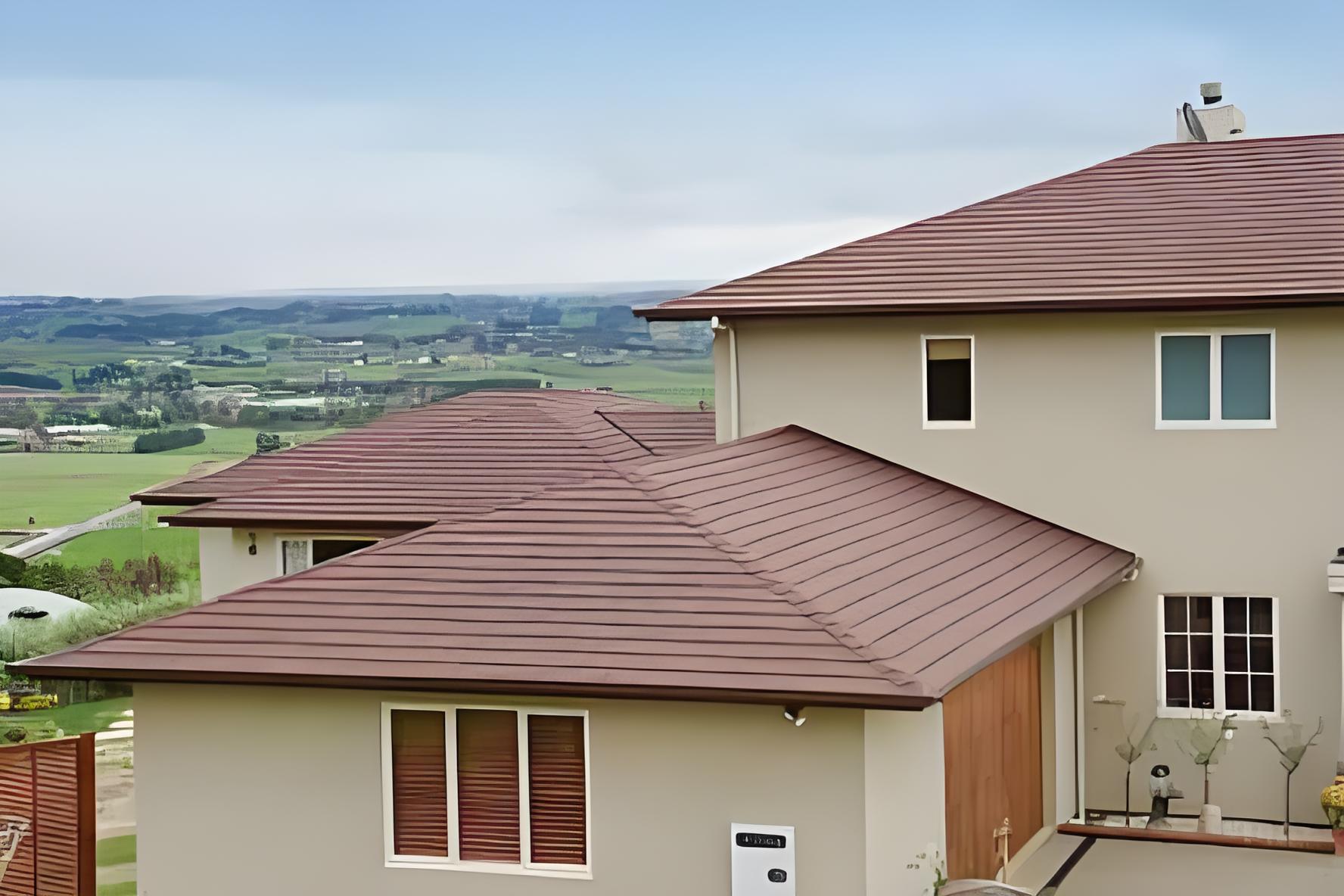
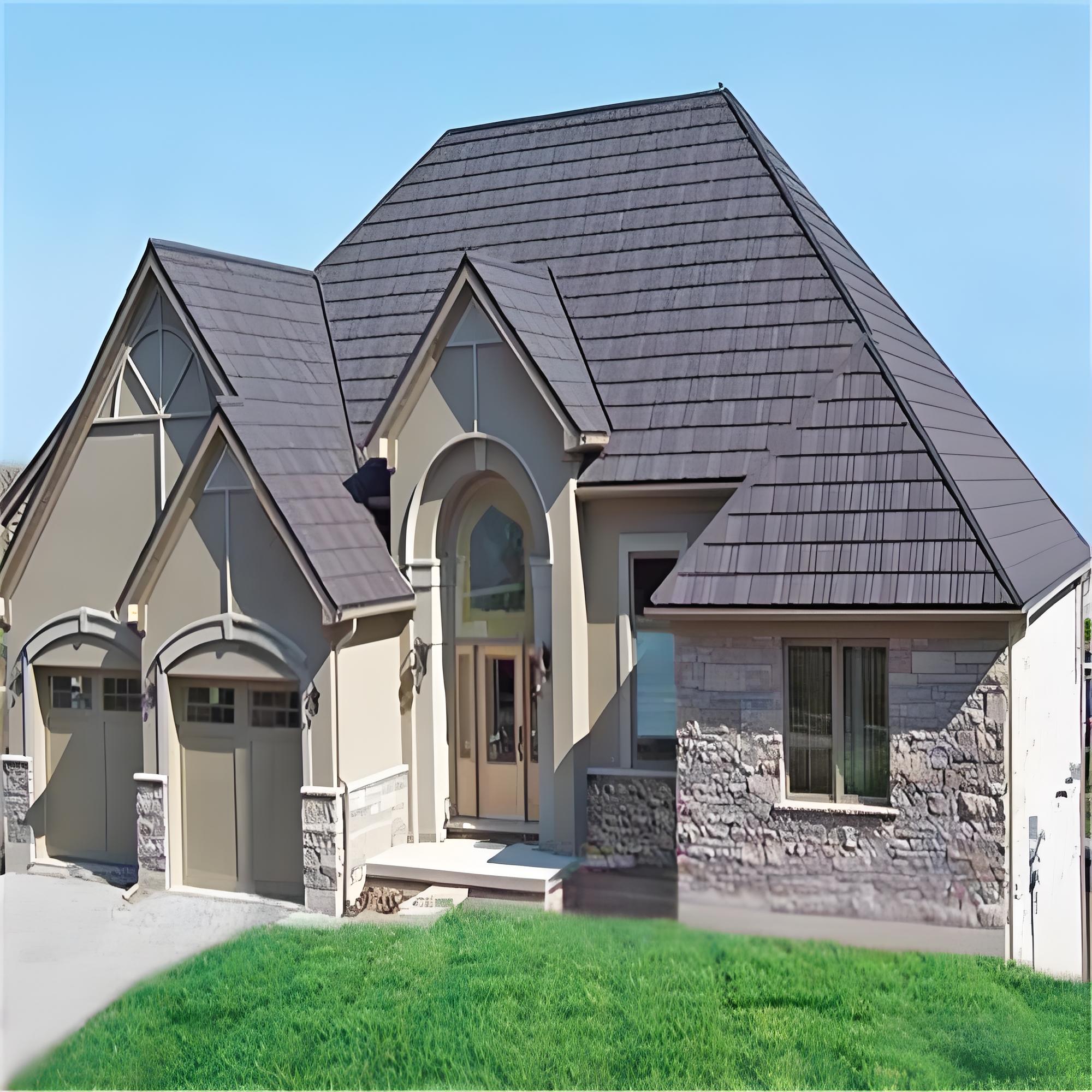
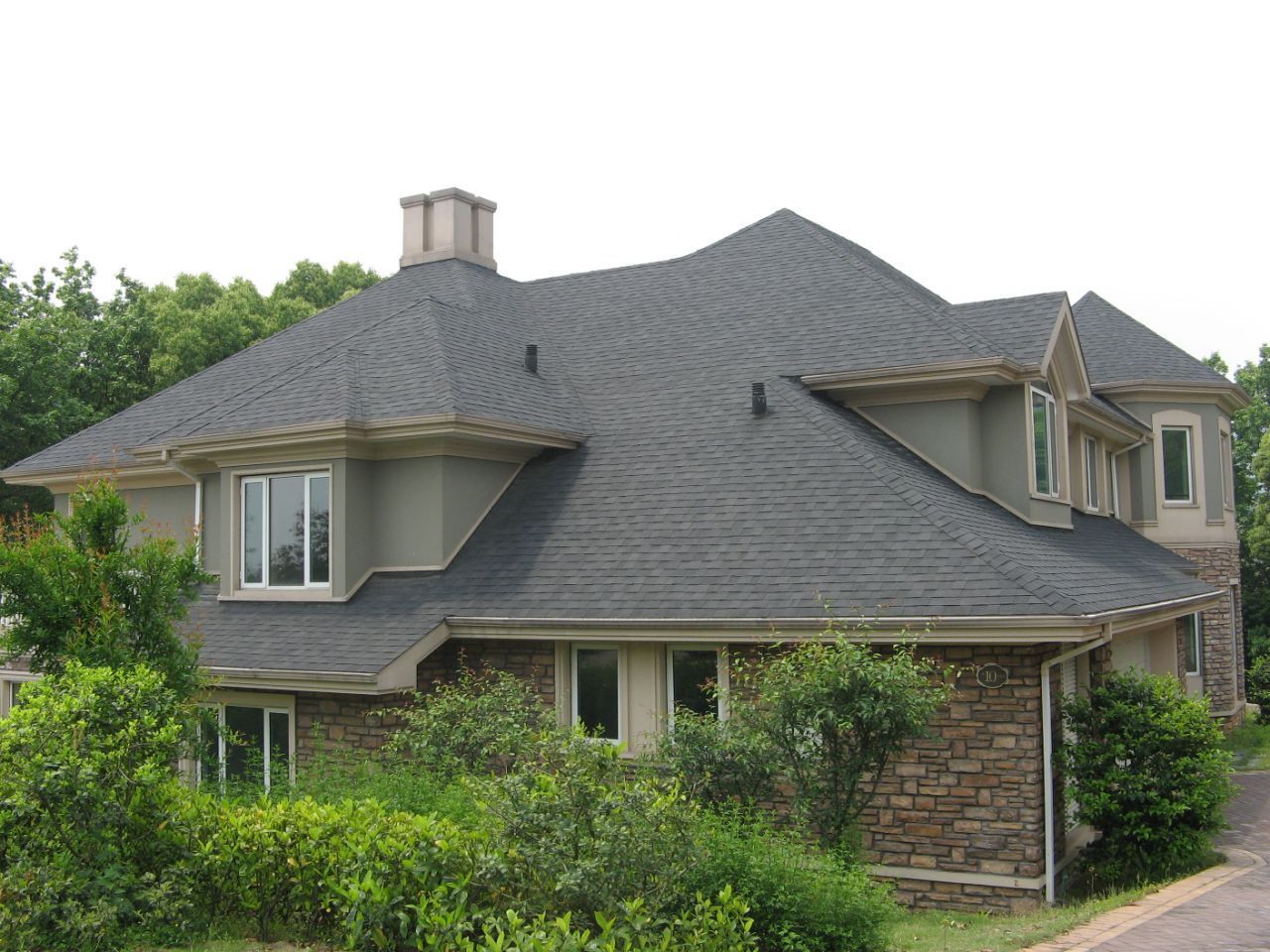
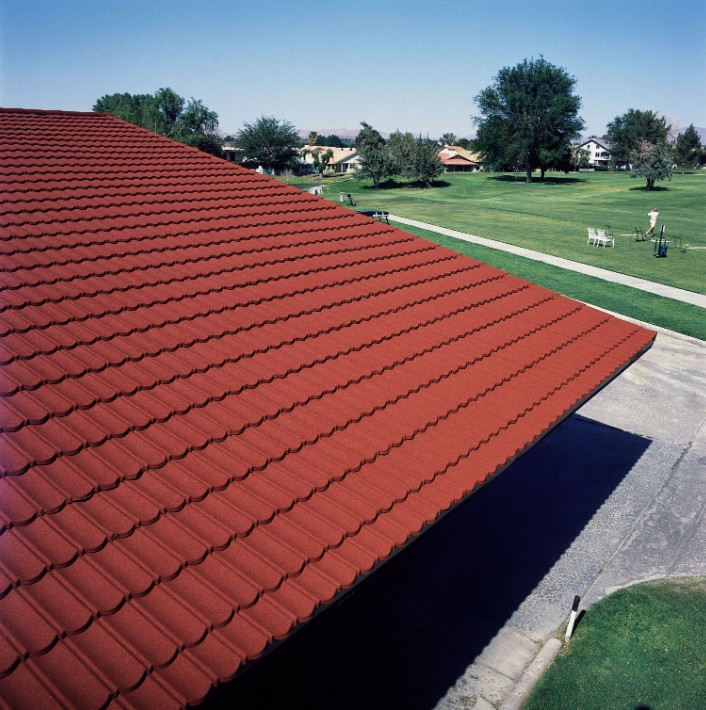
Stone coated roofing (stone coated steel roofing) is often marketed as a “best of both worlds” solution—combining the strength of metal with the look of traditional tiles or shingles. But is it really as perfect as it sounds?
The honest answer: it’s a high-performance roofing system with clear advantages, but it’s not ideal for every project. Understanding both the benefits and the drawbacks is essential before making a decision.
The Biggest Advantages of Stone Coated Steel Roofing
Let’s start with why this product has gained so much popularity in recent years.
1. Long Lifespan (40–70 Years)
One of the strongest selling points is durability. Stone coated steel roofing can last 40–70 years, with many systems backed by 50-year warranties.
This means fewer replacements compared to traditional materials.
Over time, this significantly reduces lifecycle cost.
2. Excellent Weather Resistance
This roofing system is engineered to handle extreme conditions.
- Wind resistance up to 120–160 mph
- Class 4 impact resistance (hail protection)
- Class A fire rating
These features make it ideal for hurricane, hail, and wildfire-prone regions.
In profiles like Bond Tile, the interlocking design further improves wind performance.
3. Lightweight but Strong
Despite its durability, stone coated steel roofing is much lighter than concrete or clay tiles.
This reduces structural load.
It also makes it suitable for retrofit projects without reinforcement.
4. Low Maintenance
Unlike asphalt shingles, this material does not crack, curl, or deteriorate quickly.
Maintenance is minimal—usually just occasional cleaning.
This reduces long-term upkeep costs.
5. Energy Efficiency
Stone coated steel roofing can reflect heat and reduce thermal transfer into the building.
This may lower cooling costs by up to 20–25% in some cases.
In modern designs like Shingle Tile, lighter colors further improve heat reflection.
6. Aesthetic Flexibility
Unlike traditional metal roofs, this system mimics the appearance of:
- Clay tiles
- Wood shakes
- Architectural shingles
This makes it suitable for both modern and traditional architecture.
In classic styles such as Roman Tile, it delivers a premium look without the weight of real clay.
The Real Drawbacks You Should Know
No roofing system is perfect—and this one is no exception.
1. Higher Upfront Cost
This is the biggest barrier for most buyers.
Stone coated steel roofing typically costs 2–3 times more than asphalt shingles.
While it may be cheaper long-term, the initial investment can be difficult to justify for short-term projects.
2. Installation Requires Skilled Labor
This is not a DIY-friendly roofing system.
It requires trained installers familiar with interlocking panels and proper fastening.
Poor installation can lead to leaks or performance issues.
3. Repairs Are More Complex
Unlike shingles, individual panels are not always easy to replace.
The interlocking system means adjacent panels often need to be removed first.
This increases repair time and cost.
4. Gradual Granule Loss (Cosmetic)
Over time, the stone coating may experience some granule loss.
This is usually cosmetic and does not affect waterproofing.
However, it can impact appearance after many years.
5. Limited Installer Availability
Not every roofing contractor is experienced with this system.
This can limit your choice of installers.
It may also increase labor costs in some regions.
6. Potential Denting or Cosmetic Damage
While highly durable, extreme impacts can still cause dents or visible marks.
In some cases, insurance may classify this as cosmetic damage rather than functional damage.
This can affect claim outcomes in hail-prone areas.
Pros and Cons at a Glance
No page in the top search results puts the pros and cons side by side in one table, so here it is — built from the consensus across The Roofing Brief, St. Charles Roofing, Cannon Roofing, and Alibaba’s buying guide:
| Pros | Cons |
| Lifespan 40–70 years; 50-year warranties common | Higher upfront cost — 1.4–1.6× architectural asphalt per sq ft; 2–3× asphalt shingles overall |
| Class 4 impact resistance (UL 2218); hail to 2–2.5 inches | Cosmetic denting from very large hail or falling limbs, even when function is intact |
| Wind resistance 120 mph (up to 160 mph in some systems) | Fewer trained installers; a bad install can void the warranty |
| Class A fire rating in listed assemblies | Repairs and colour/profile matching are difficult after years in the sun |
| Lightweight — about 1.3 lb/sq ft installed, roughly 1/7 of concrete tile | Granule shedding over the decades (treated as normal weathering, not a defect, by both major warranties) |
| Low maintenance — will not curl, rot, or split | Rain noise unless installed over a solid deck with underlayment and insulation |
| Energy efficiency — reflective surfaces cut AC use 10–15% (Alibaba) to 20–25% (our own guide) | Colour fading on lower-tier products after 10–15 years in intense sun |
| Recyclable; some manufacturers use over 30% recycled steel | Rust is uncommon, but cut edges and deep scratches are the weak points |
How It Compares With Asphalt, Standing Seam, and Clay Tile
| Stone Coated Steel | Architectural Asphalt | Standing Seam | Clay / Concrete Tile | |
| Installed cost | $7–$15 / sq ft | $3–$5 / sq ft | $12–$20 / sq ft | $8–$14 / sq ft |
| Lifespan | 40–70 years | ~22–30 years | 40–70 years | 40–100 years |
| Weight | ~1.3 lb / sq ft | ~2.3 lb / sq ft | Light (gauge-dependent) | 8–12 lb / sq ft |
| Hail | Class 4; 2–2.5 in | Class 1–4 (by product) | Class 4 | Brittle; can crack |
| Wind | 120 mph | 60–130 mph (by product) | 120–160 mph | Heavy; wind-lift resistant |
| Fire | Class A | Class A (fibreglass) | Class A | Class A |
| Repair | Panel-by-panel; matching is hard | Easy, one shingle at a time | Hard to patch invisibly | Easy, one tile at a time |
Cost per year is the number that changes the decision. The Roofing Brief’s calculation: stone coated steel at about $20 per square per year over 50 years, versus about $23 per square per year for architectural asphalt over 22 years — and the asphalt figure excludes the two tear-offs the stone coated roof avoids. The installed quote says stone coated steel costs more; the whole-life price says it costs less. See our cost guide for the full breakdown.
What the Warranty Does Not Cover
The Roofing Brief is the only page in the top results that explains what the warranties exclude, and it matters more than the headline years. DECRA offers a lifetime limited warranty (transferable within 20 years) and Unified Steel a 50-year warranty, but labour is covered for years 1–20 only. Both major warranties treat minor granule loss as normal weathering, not a defect. Corrosion perforation is not listed as a covered item, and DECRA excludes oxidation. A warranty that promises 50 years on paper can still leave the owner paying for labour, granule wear, and edge corrosion — read the exclusions before comparing warranty lengths.
What B2B Buyers Should Ask
No top-ranking pros-and-cons page speaks to factory buyers, so here is the buyer-side checklist, built from the Forsetra (Made-in-China) listing and our own factory data. Gauge by application: 0.4–0.45 mm for residential, 0.5–0.6 mm in hail areas, 0.3–0.35 mm for commercial (Forsetra). Panel: 1340×420 mm, effective 1290×370 mm, 0.35–0.55 mm thick, 2.6–3.3 kg per piece, about 2.08–2.16 pieces per m². Factory price (JCROOF, November 2026, EXW, USD per piece): 0.15–0.3 mm, $1.20–$1.60; 0.4–0.7 mm, $1.80–$2.60 — per square metre multiply by 2.1 ($2.5–$3.4 and $3.8–$5.5); prices fluctuate. Order terms: MOQ 2,000 pieces, delivery 10–15 days (Forsetra example). Verification: ask for the product specification sheet (Galvalume 55% aluminium / 43.4% zinc / 1.6% silicon) and a written 50-year warranty — if either is unavailable, do not buy. See our cost guide for the full factory price table.
Insurance: Discounts and Cosmetic Exclusions
Insurance cuts both ways. A Class 4 impact rating can earn a premium discount — St. Charles Roofing notes the possible benefit, and in Texas the law requires insurers to offer a discount for qualifying impact-resistant roofs (the amount varies and is never automatic). The other side is the cosmetic exclusion Cannon Roofing flags: some policies do not cover dents that do not cause leaks, so a hail-damaged roof can be visibly dented and still unclaimable. After a storm, photograph the damage with dates — bare patches where hail knocked stone loose, bent eave edges, gutters packed with fresh granules — and check the policy wording before filing. Trim, rake trim, flashing, vents, and pipe jacks are thinner than field panels and dent first.
What Real Users and Contractors Say
Feedback from real-world users and contractors is mixed—often depending on installation quality.
“If installed correctly it can last past 50 years… less maintenance than other materials.”
“The initial roof will cost two or three times more… repairs can be expensive.”
This highlights an important point: performance is highly dependent on proper installation and contractor expertise.
When It’s a Smart Choice
Stone coated roofing is a strong investment in the following situations:
- Long-term property ownership
- Regions with extreme weather (wind, hail, fire)
- Projects prioritizing durability and low maintenance
- High-end residential or commercial developments
In premium profiles like Milano Tile, it combines durability with strong visual appeal.
When It May Not Be Worth It
It may not be the best option if:
- You plan to sell the property in a few years
- Your budget is limited
- Qualified installers are not available locally
Final Verdict: Is It Worth It?
Stone coated steel roofing is not the cheapest option—but it is one of the most durable and long-lasting.
If you are focused on short-term cost, it may not make sense.
If you are focused on long-term value, performance, and reduced maintenance, it is often worth the investment.
The honest truth: it’s a premium roofing solution that delivers strong returns—but only when used in the right context.
Frequently Asked Questions
How long does stone coated steel roofing last?
40–70 years with proper installation, and many systems carry a 50-year warranty. DECRA’s warranty is lifetime limited (transferable within 20 years); Unified Steel’s is 50 years. Labour is typically covered for years 1–20 only, and minor granule loss is treated as normal weathering, not a defect.
How much does it cost?
About $7–$15 per sq ft installed in the US (HomeGuide 2023, Fixr 2021), or roughly 1.4–1.6× architectural asphalt per sq ft. Over the whole life it is cheaper: about $20 per square per year over 50 years, versus about $23 for architectural asphalt over 22 years, before counting the two tear-offs avoided.
Is it noisy in the rain?
Not over a solid deck with underlayment and attic insulation — the granule layer and the batten air gap soften rain and hail. A thin sheet over an empty roof space drums in heavy rain, so the deck and insulation build-up decide the noise, not the tile.
Does hail dent it?
It is Class 4 rated (UL 2218) and DECRA’s warranty covers hail to 2.5 inches, but it is resistant, not hail-proof. Very large hail or falling limbs can dent panels even when the function is intact, and dents that do not leak may fall under a cosmetic exclusion in the insurance policy.
Can you walk on it?
Only where the manufacturer’s instructions allow it. DECRA’s guidance is to step in the tile pans (low points), over the battens, avoiding the side laps, in soft-soled shoes; Unified Steel says to step on the nose of each course and that homeowners should not walk the roof at all. See our walkability guide for the full access rules.
Is it worth the cost?
If you will stay in the building more than 15 years, or the site has repeat hail, high wind, or wildfire exposure, yes — the whole-life price is lower than asphalt and the storm performance is better. If you will sell within 5 years, or the roof is low-pitch with a lot of rooftop equipment, the cheaper assembly done properly is the better buy.