
A stone coated roofing import guide needs to cover more than product specs. Importers face customs duties, destination certification rules, container logistics, and currency terms that domestic buyers never encounter. Getting any one of these wrong can delay a shipment for weeks or trigger unexpected costs at the port. This guide breaks down what every importer needs to verify before placing an order, and how to build a process that holds up across repeat shipments.
Why Importing Stone Coated Roofing Differs From Domestic Sourcing
Domestic buyers deal with a single set of building codes and a familiar payment system. Importers manage both origin and destination requirements at once. Customs classification, destination certifications, and currency exchange all add layers of complexity a local purchase simply does not involve. Buyers who understand these layers upfront avoid costly delays later.
Two Sets of Rules Apply at Once
An import shipment must satisfy the exporting country’s documentation rules and the destination country’s customs and building code requirements. Missing either side can hold a shipment at the port indefinitely.
Currency and Payment Terms Add Financial Risk
Exchange rate shifts between order and payment can affect margins on large shipments. Importers need payment terms that account for this risk, not just a simple invoice total.
Breaking Down What Every Importer Needs to Verify Before Shipping
A handful of specific items determine whether a shipment clears customs smoothly and meets destination requirements. These include HS code classification, destination certification documents, container packaging standards, and clear payment terms. The table below outlines what to check in each category.
| Category | What to Verify | Risk if Skipped |
|---|---|---|
| HS Code and Duty Classification | Correct tariff code for stone coated steel roofing products | Overpaying duties or facing reclassification delays |
| Destination Certifications | Fire, wind, and impact certificates matching local code | Customs hold or rejected building permit application |
| Container Packaging Standards | Proper crating to prevent coating damage in transit | Damaged goods on arrival, delaying the entire order |
| Payment Terms and Incoterms | Clear agreement on who covers freight, insurance, and risk transfer | Disputes over damaged or delayed shipments |
HS Code Classification and Duty Rates
Stone coated steel roofing products can fall under different tariff codes depending on the destination country’s classification rules. Confirm the correct code with a customs broker before the first shipment. This single step can prevent significant overpayment on duties.
Destination Certification Requirements
Many countries require documented fire, wind, or impact ratings before approving an import for construction use. Request these certificates from the manufacturer in advance, matched to the specific destination market’s requirements.
Packaging and Container Loading Standards
Stone coated tiles can chip or scratch if packed poorly for a long sea voyage. Confirm the manufacturer uses proper crating and interior bracing designed for this specific product.
How This Plays Out Across Different Import Scenarios
These verification steps matter differently depending on the shipment size, destination market, and product mix involved. The following examples show how this plays out in practice.
Consolidating a Mixed Container Order
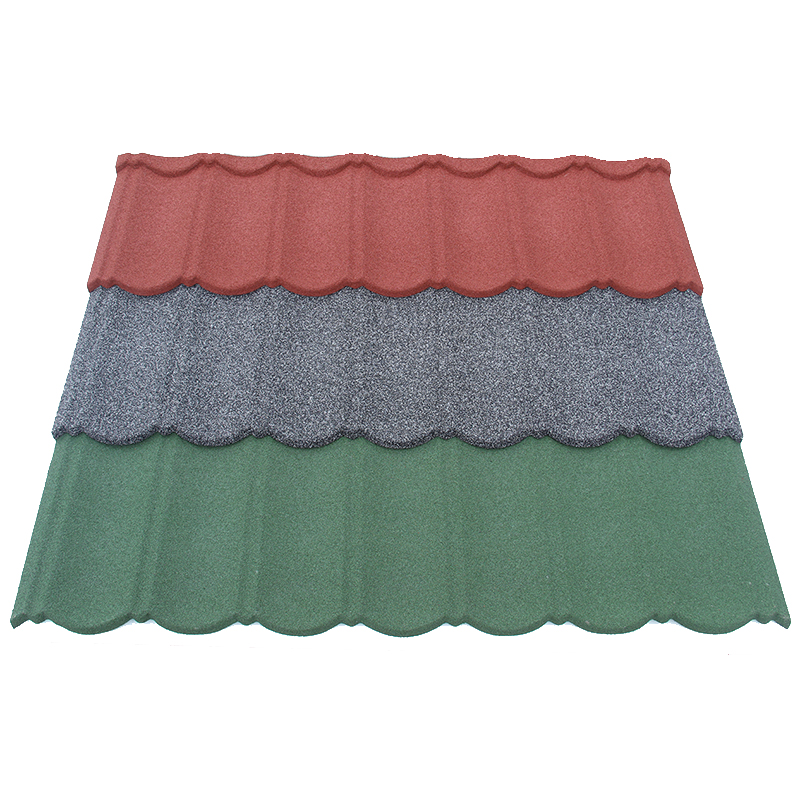
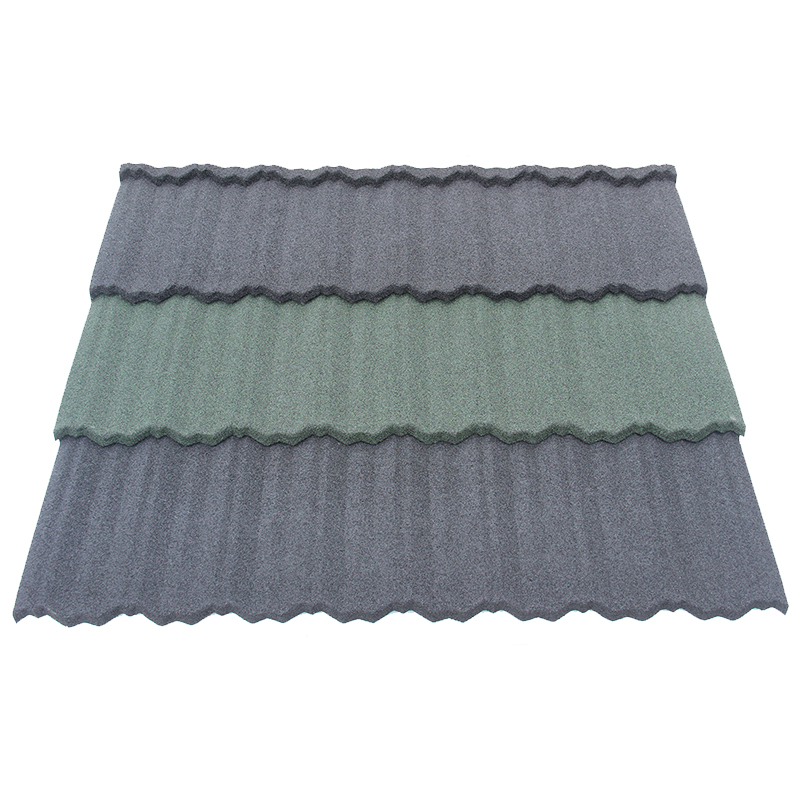
Importers combining multiple profiles in one container should confirm packaging separates products like Bond Tile properly to prevent coating damage during transit and handling.
Meeting Certification Requirements in Regulated Markets
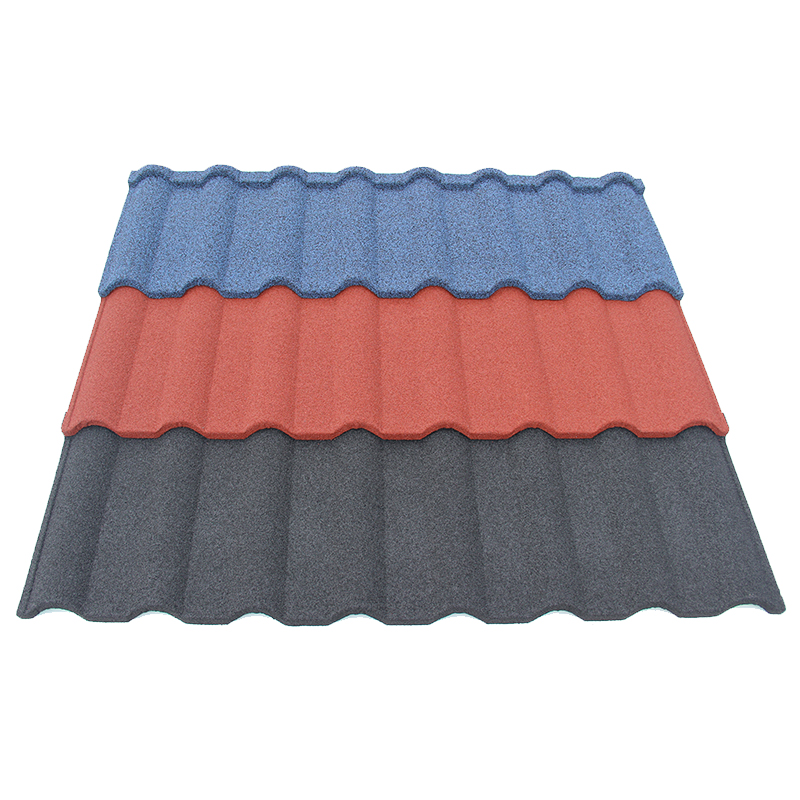
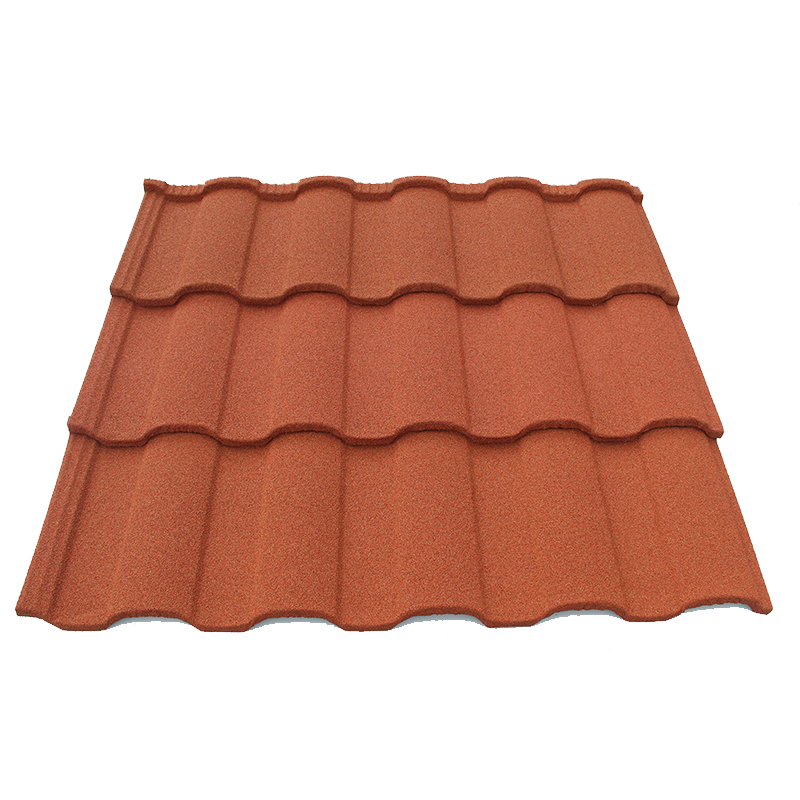
Some destination markets require Class A fire documentation before customs clearance. A profile such as Roman Tile should ship with a certificate matching the exact production batch.
Negotiating Payment Terms for Recurring Orders
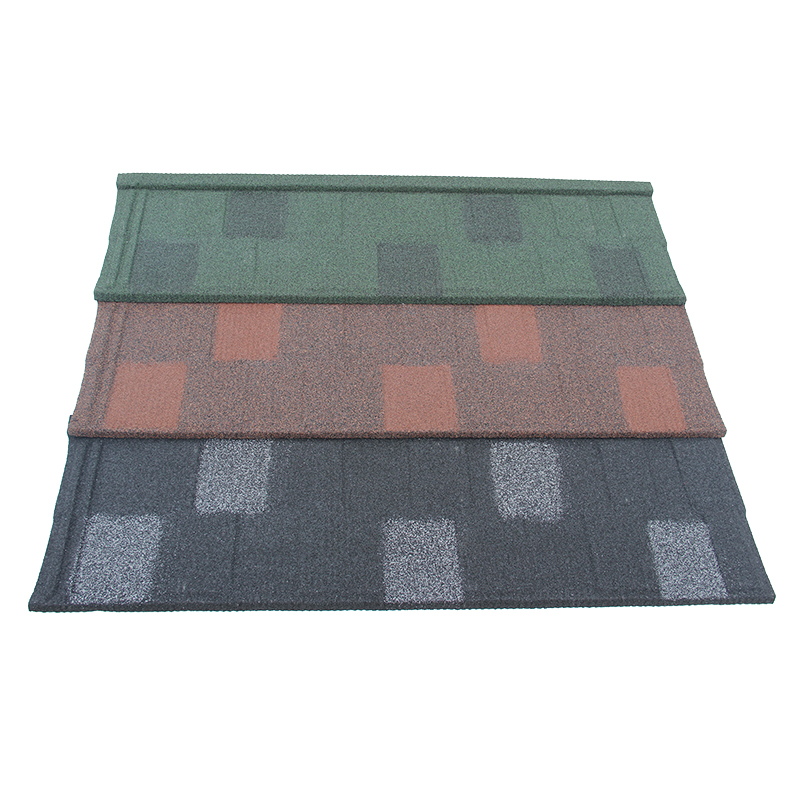
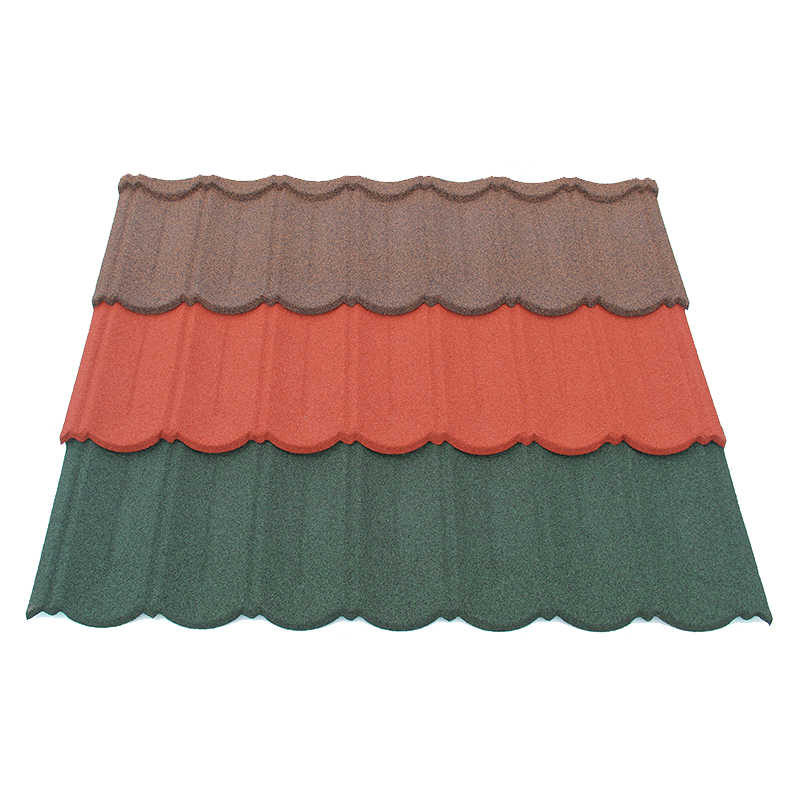
Importers placing repeat orders of a high-volume profile like Shingle Tile should negotiate payment terms that account for currency fluctuation across multiple shipments.
Importing Custom or Architectural Profiles
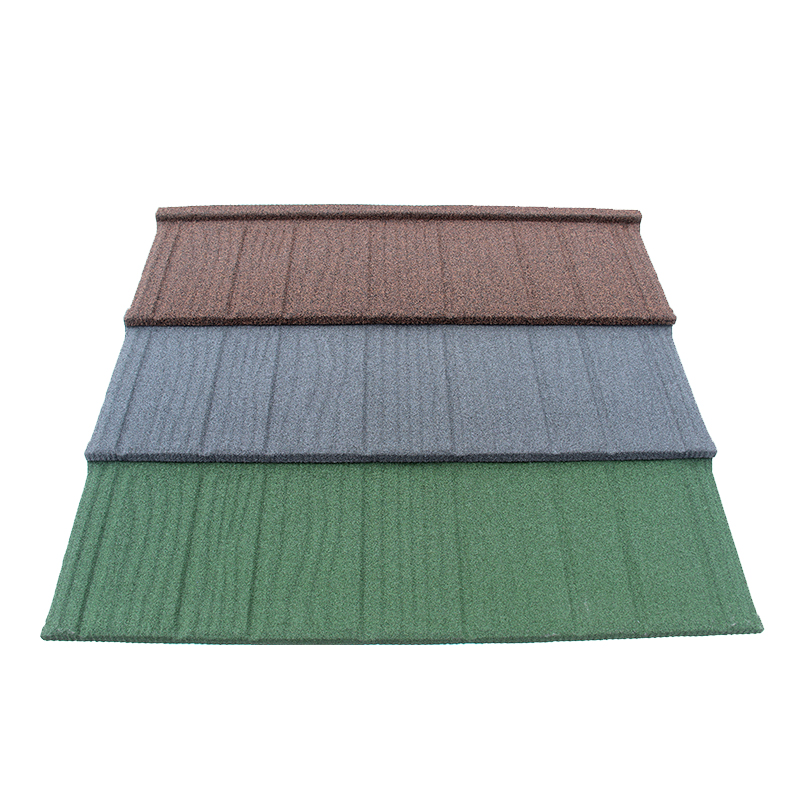
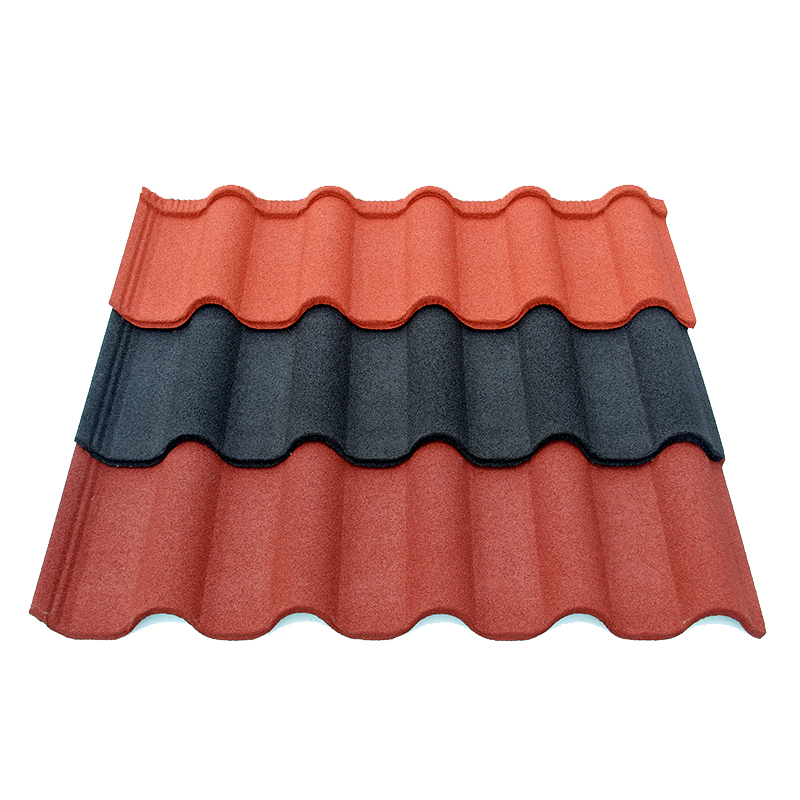
Custom profiles like Milano Tile often require a pre-shipment inspection to confirm dimensional accuracy before the container leaves the origin port. Manufacturers such as JCROOF support this process by coordinating directly with import inspection services, which helps confirm quality before goods ship. A textured profile like Shake Tile deserves the same inspection standard, since its deeper texture can reveal coating inconsistencies more easily than a flat panel.
Common Mistakes Importers Make
A few mistakes repeat often enough among importers to deserve specific attention. Recognizing these patterns early protects margins and shipment timelines.
Skipping a Pre-Shipment Inspection
Some importers rely solely on factory photos before a container ships. A third-party pre-shipment inspection catches quality issues while they can still be resolved at origin.
Assuming Destination Certifications Automatically Match Origin Testing
A certificate valid in one country does not always satisfy another country’s specific testing standards. Confirm destination-specific certification requirements before the first shipment, not after it arrives.
Ignoring Currency Risk on Large Orders
Exchange rate shifts between order placement and final payment can erase margin on large shipments. Lock in payment terms or hedge this risk before committing to a large order.
- Confirm the correct HS code and duty rate before your first shipment
- Request destination-specific certifications matched to your exact market
- Verify packaging and container loading standards protect coated surfaces
- Arrange a pre-shipment inspection for new or high-value orders
- Negotiate payment terms that account for currency risk on repeat orders
Building a Reliable Import Process for Ongoing Orders
A strong import relationship works best as a repeatable process, not a one-time transaction. Importers who document each step build a system that scales smoothly as order volume grows.
Standardizing Documentation Across Every Shipment
Keep a consistent checklist of required documents for every order, covering certifications, packing lists, and customs paperwork. This reduces the chance of a missing document delaying a shipment.
Maintaining a Direct Line to Origin Quality Control
Importers benefit from direct communication with the manufacturer’s quality team, not just a sales contact. This relationship helps resolve issues quickly before they affect a full shipment.
Importing stone coated roofing successfully comes down to verifying duty classification, destination certifications, packaging standards, and payment terms before every shipment. Importers who build this process into a repeatable system avoid the delays and disputes that catch first-time importers off guard.