
Strategic Criteria for Selecting a Reliable Stone Coated Roof Tile Manufacturer China
Procuring high-performance roofing materials requires more than just comparing price lists. For B2B buyers, developers, and architects, finding a reliable stone coated roof tile manufacturer china means identifying a partner who balances material science with strict quality control. The global demand for lightweight, durable, and aesthetically versatile roofing has shifted focus toward specialized Chinese factories that can export to diverse climates. However, the variance in production standards across the region makes rigorous vetting essential to avoid costly project delays or premature roof failure.
A professional procurement process focuses on the technical synergy between the steel substrate and the stone granules. If the adhesion process is flawed, the tiles will shed their coating within a few years, leading to corrosion. Consequently, a manufacturer must demonstrate a mastery of the bonding process and a commitment to international certifications. This ensures that the final product withstands extreme weather, from tropical humidity to alpine frost, while maintaining the visual appeal of traditional clay or slate.
The Technical Anatomy of Stone Coated Tiles
Understanding the structural layers helps in evaluating the manufacturer’s capability. A standard high-quality tile consists of a high-tensile steel core, an aluminum-zinc alloy coating, an acrylic adhesive layer, and natural crushed stone chips. The alloy coating prevents rust, while the stone layer provides UV protection and sound dampening. If a manufacturer cuts corners on the alloy thickness, the roof may rust from the inside out, regardless of how the surface looks.
Evaluating Production Capacity and Lead Times
B2B buyers must assess whether a factory can handle large-scale commercial orders without compromising quality. A reliable partner provides transparent production schedules and maintains a consistent raw material supply chain. Inconsistent steel batches lead to variations in tile thickness, which causes alignment issues during installation. Therefore, verifying the factory’s sourcing of cold-rolled steel is a critical step in the audit process.
Material Specifications and Quality Standards from a Reliable Stone Coated Roof Tile Manufacturer China
Quality in stone coated roofing is measured by the longevity of the coating and the structural integrity of the steel. A reliable stone coated roof tile manufacturer china utilizes advanced electrostatic spraying or adhesive dipping techniques to ensure stone chips are permanently fused to the metal. This prevents the common issue of granule loss during heavy rain or wind events. Furthermore, the chemical composition of the aluminum-zinc coating must meet international standards to ensure a service life exceeding 50 years.
Beyond the surface, the precision of the interlocking mechanism determines the water-tightness of the roof. Poorly engineered tiles leave gaps that allow wind-driven rain to penetrate the underlayment. Consequently, procurement officers should request sample sets to test the fit and tolerance of the locking joints. High-precision stamping machines are necessary to ensure that every tile in a 10,000-piece order fits perfectly with the next.
Core Material Performance Indicators
The following table outlines the critical technical benchmarks that a top-tier manufacturer should meet to ensure product longevity.
| Technical Parameter | Standard Requirement | Impact on Performance |
| Steel Base Thickness | 0.40mm to 0.50mm | Structural rigidity and wind resistance |
| Al-Zn Coating Mass | 120g/m2 to 275g/m2 | Corrosion resistance and rust prevention |
| Stone Adhesion | No peeling after scrubbing | UV protection and aesthetic longevity |
| Coating Type | Acrylic or Polymer-based | Binding strength and weatherproofing |
Analyzing the Interlocking Systems
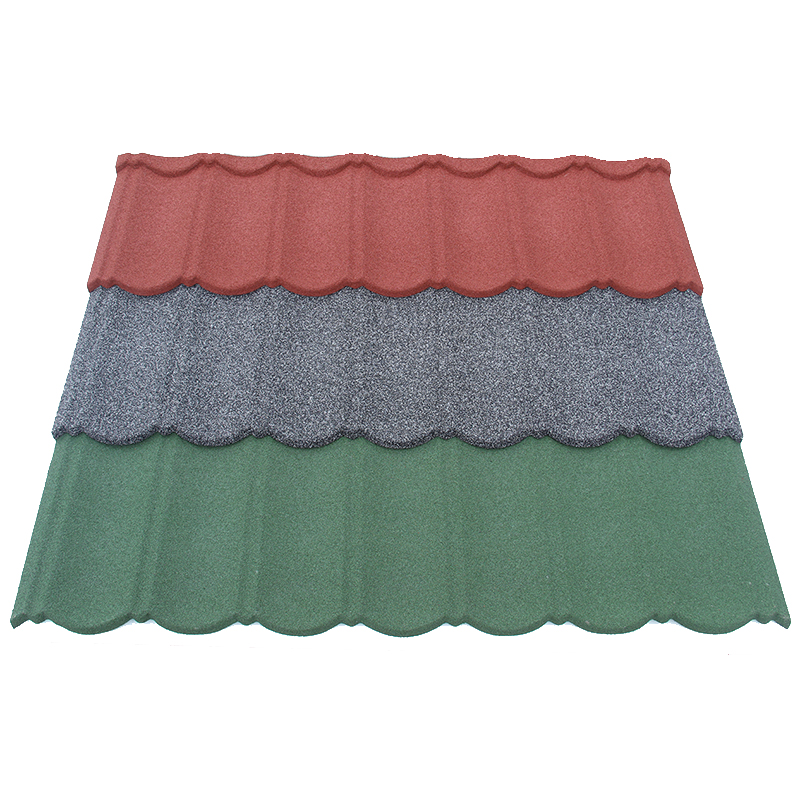
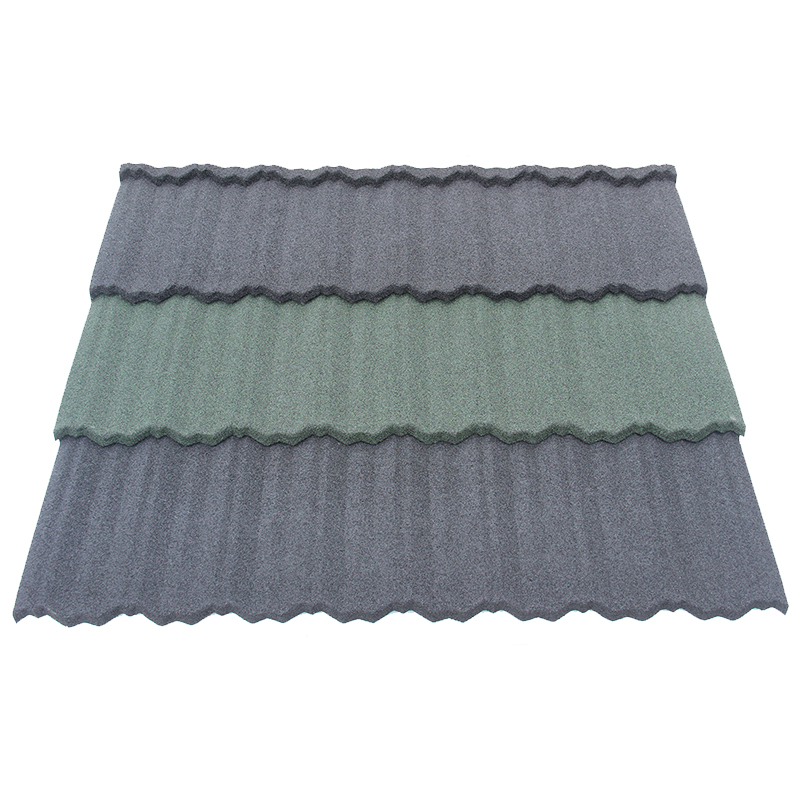
Different architectural styles require different locking mechanisms. For example, the Bond Tile utilizes a sophisticated interlocking design that optimizes water drainage and prevents capillary action. A reliable manufacturer invests in the R&D of these profiles to ensure they can be installed quickly by local contractors while maintaining a leak-proof seal. If the interlocking tabs are too thin, they may bend during transport, rendering the tiles useless.
Testing for Environmental Resistance
Reliable manufacturers conduct accelerated aging tests, such as salt spray tests and Q-UV weatherometer tests. These simulations mimic decades of exposure to salt air and intense sunlight. For projects in coastal regions, the salt spray test is non-negotiable. A manufacturer that cannot provide a certified lab report for these tests is likely cutting costs on the protective alloy coating, which poses a significant risk to the end-user.
Application Scenarios and Selection Advice for Reliable Stone Coated Roof Tile Manufacturer China
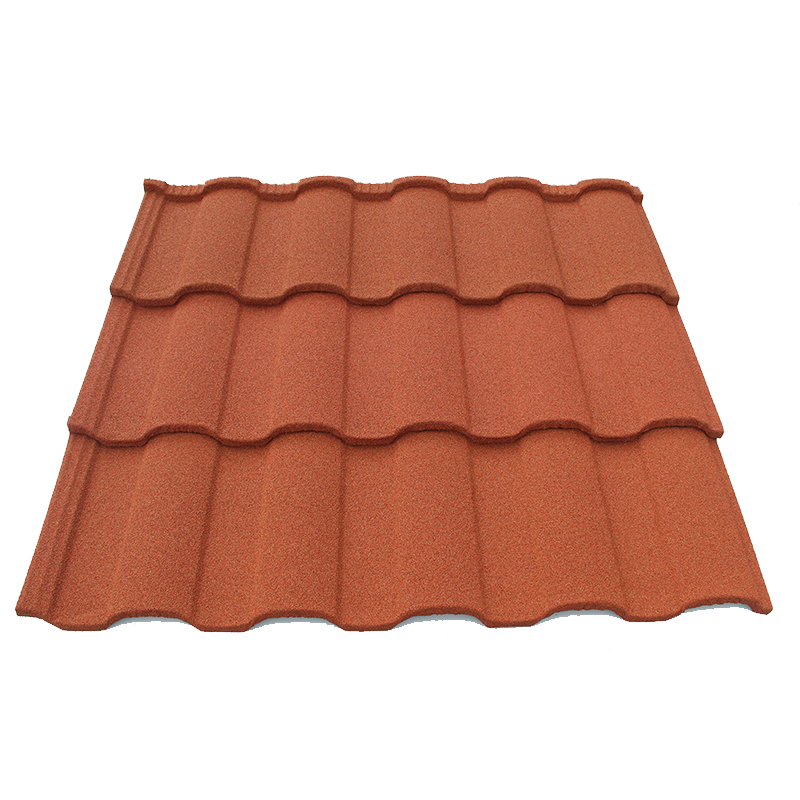
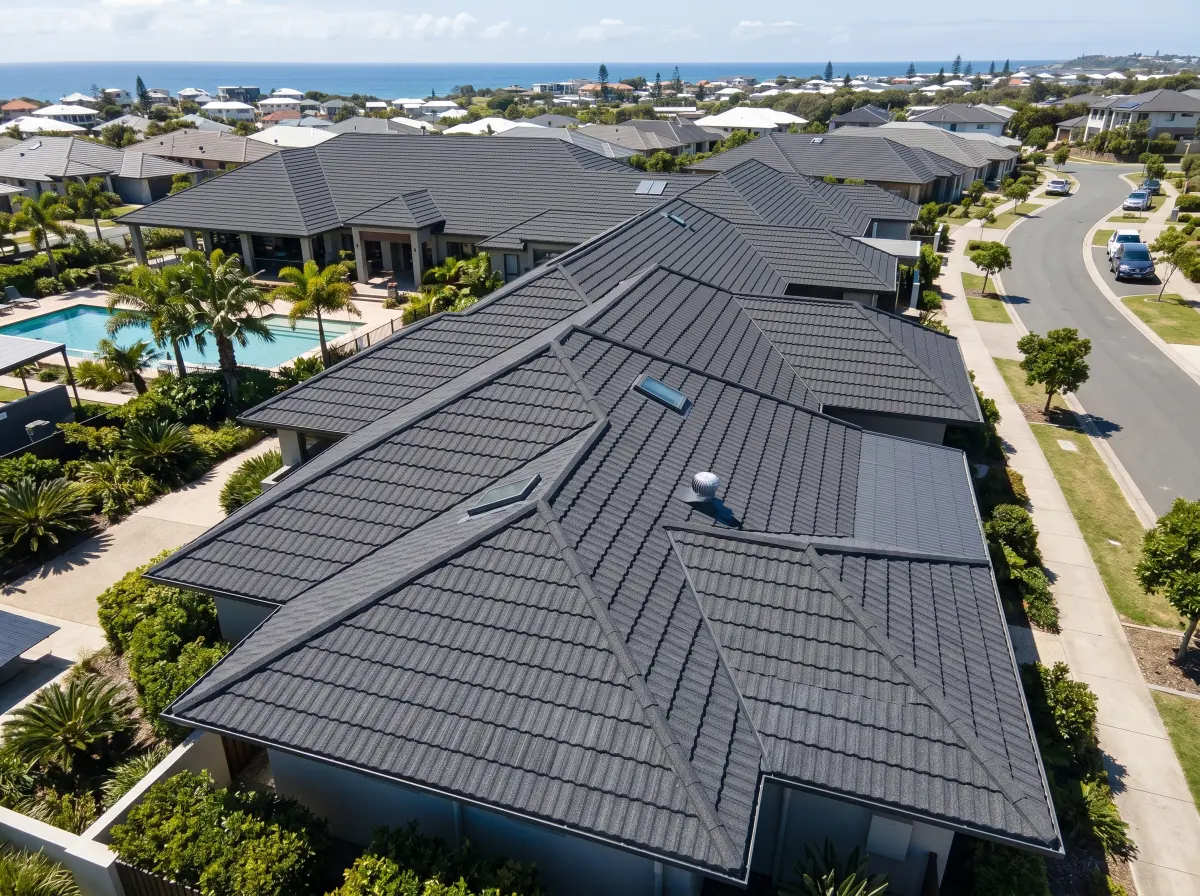
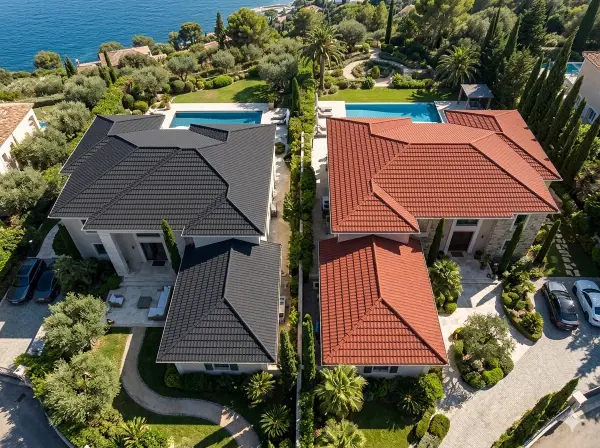
Choosing the right profile depends on the local climate, the architectural style of the building, and the expected wind loads. A reliable stone coated roof tile manufacturer china will provide a consultation based on these variables rather than simply selling the cheapest option. For instance, a Mediterranean-style villa requires a profile that manages heavy runoff efficiently. In this scenario, the Roman Tile is often the preferred choice due to its deep curves and superior water management capabilities.
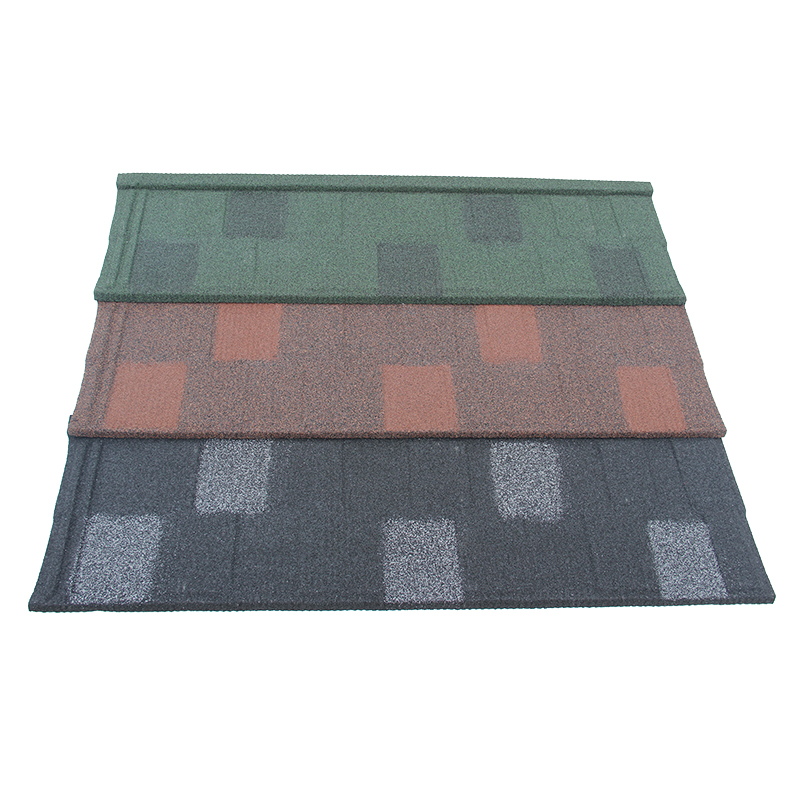
In contrast, contemporary urban developments often favor a sleeker, more minimalist aesthetic. The Shingle Tile provides a flat, modern profile that blends well with diverse cladding materials. The selection process should always prioritize the “system” approach—considering the tiles, the ridge caps, the valley flashings, and the underlayment as a single integrated unit rather than separate components.
Matching Profiles to Regional Climates
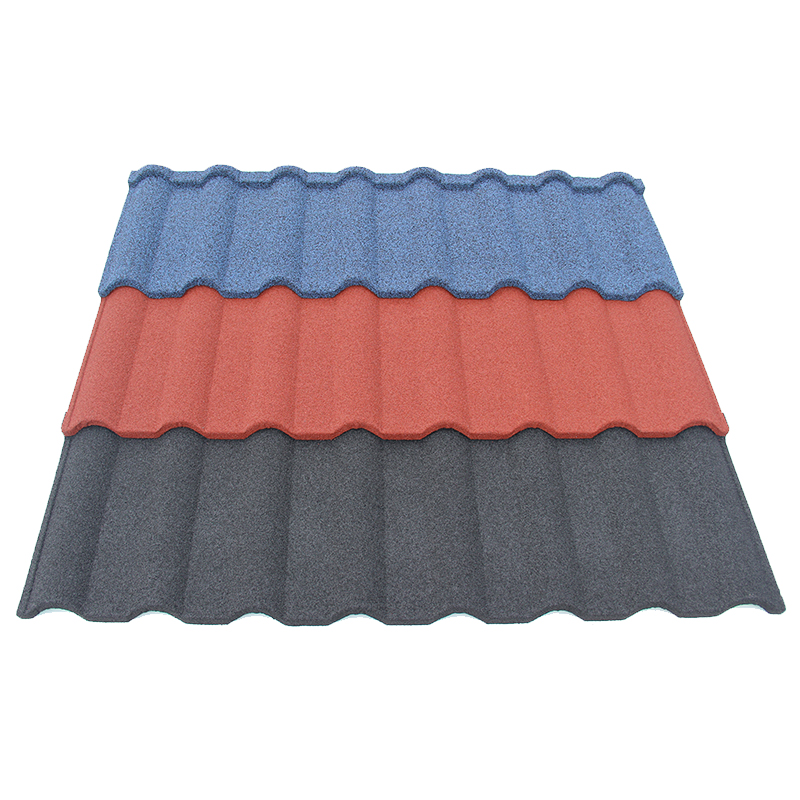
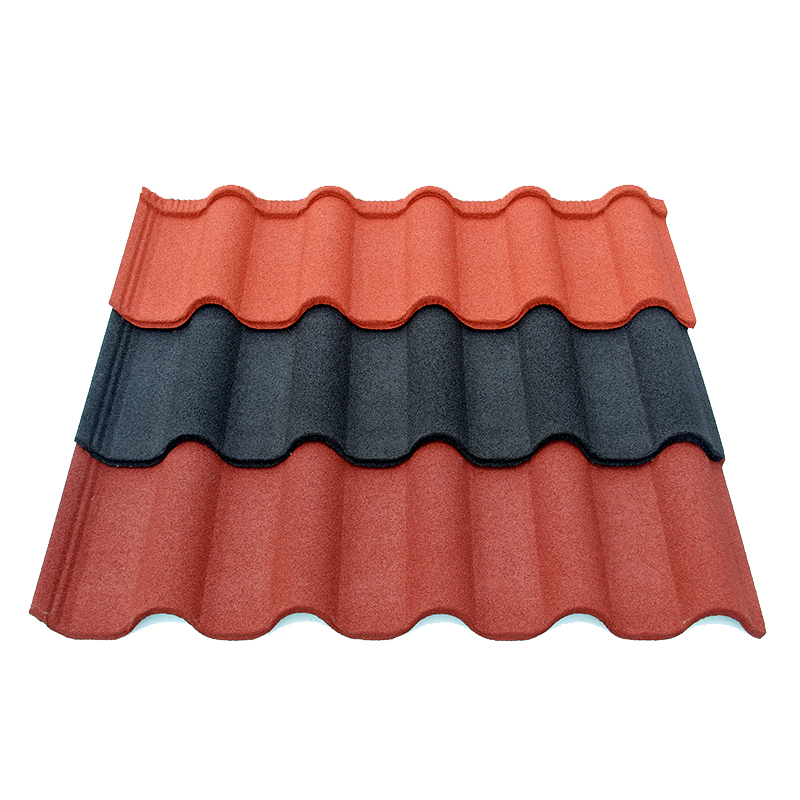
- High Wind Zones: Use profiles with heavy-duty interlocking and reinforced fixing points, such as the Milano Tile, which is designed for European-style elegance and high wind stability.
- Humid Tropical Areas: Prioritize high Al-Zn coating weights to prevent oxidation caused by constant moisture and salt air.
- Cold Alpine Regions: Focus on materials with low thermal expansion coefficients to prevent the tiles from buckling during extreme temperature swings.
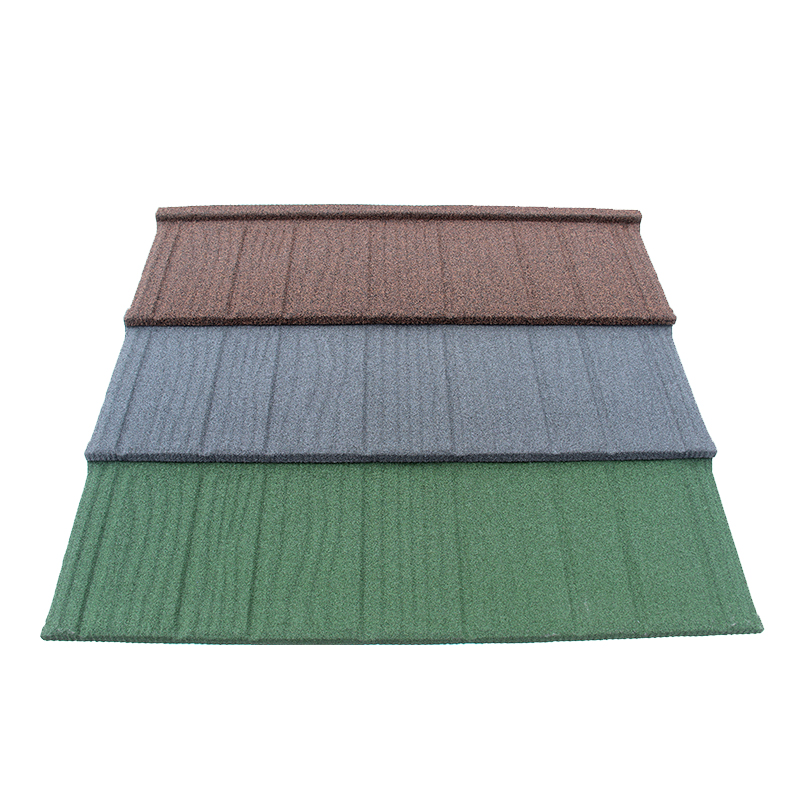
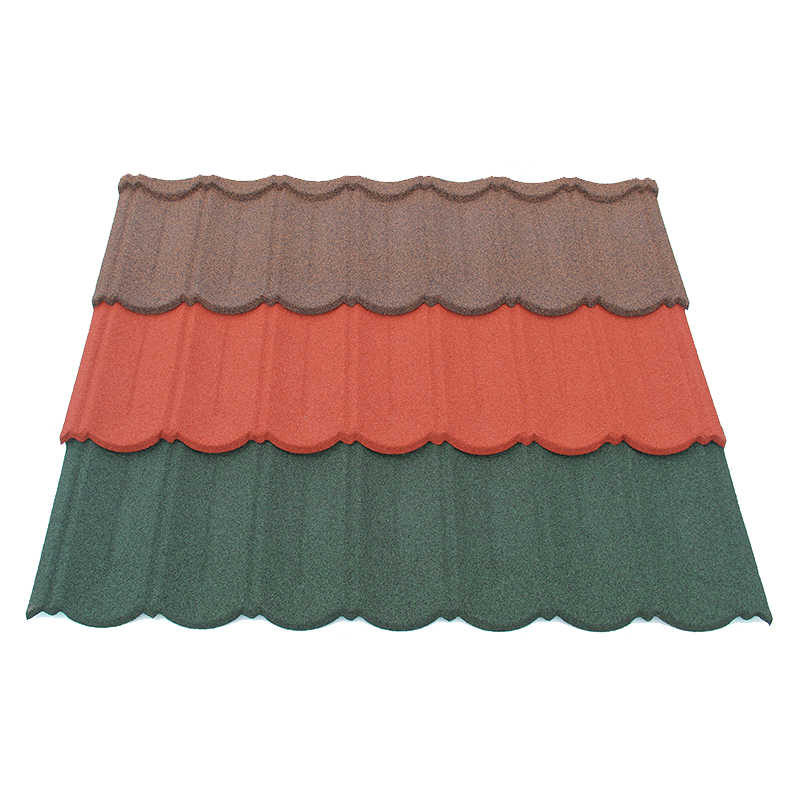
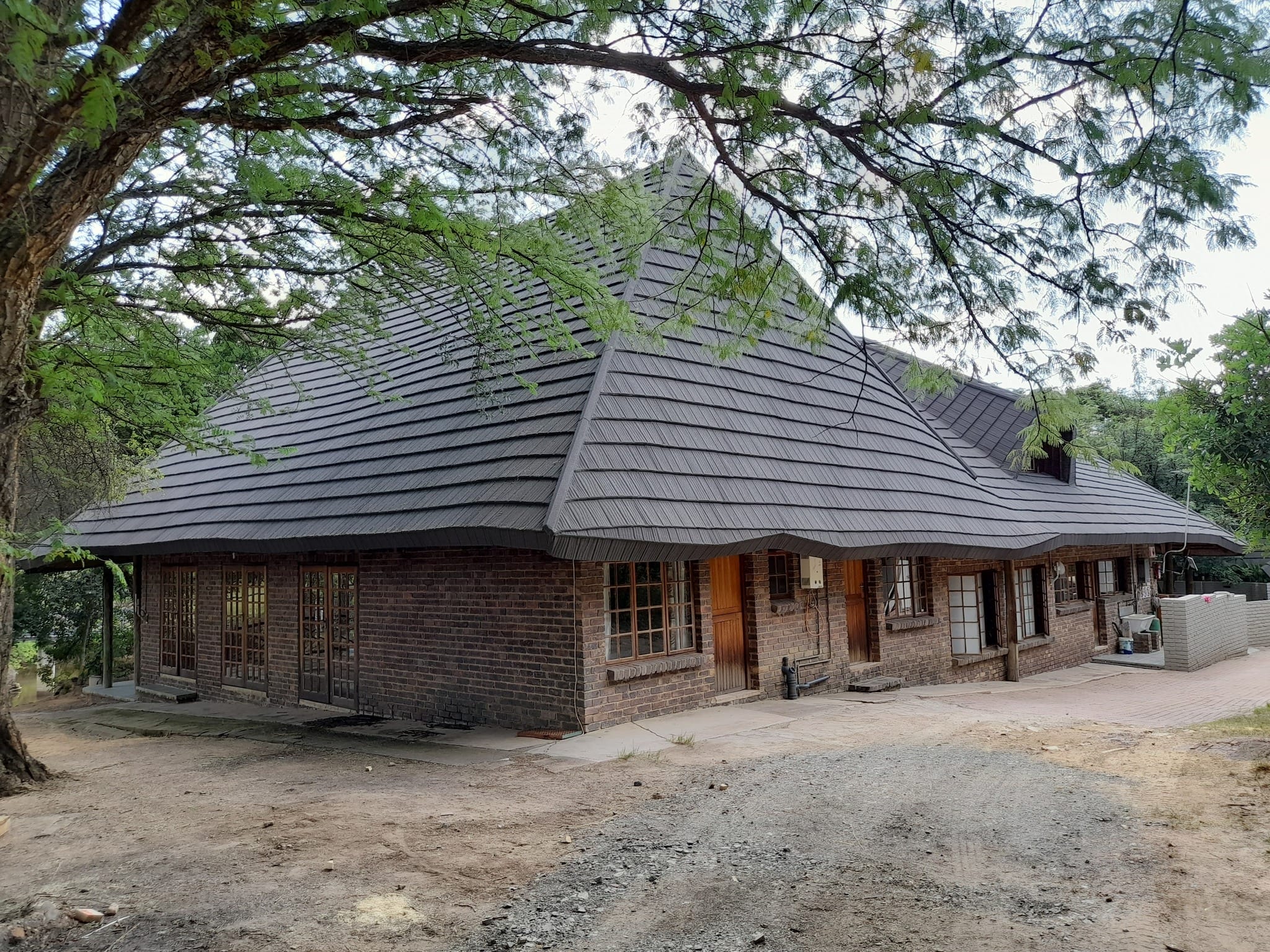
- Rustic or Heritage Sites: The Shake Tile is ideal for replicating the look of traditional wood shakes without the fire risk or rot associated with organic materials.
Procurement Checklist for B2B Buyers
To minimize risk, procurement teams should follow a structured evaluation path. First, verify the business license and export history to ensure the factory is a legitimate manufacturer and not a small-scale trading company. Second, request a detailed material specification sheet that lists the exact grade of steel and the coating weight. Third, perform a site visit or request a third-party inspection report to verify that the production line matches the marketing claims.
Integrating with Underlayment Systems
A roof is only as good as its weakest link. Even the best tiles will fail if the underlayment is inadequate. A professional manufacturer will advise on the use of breathable, waterproof membranes. They should provide guidance on the overlap distances and the type of fasteners required for different roof pitches. This holistic approach ensures that the warranty provided by the manufacturer is actually enforceable in a real-world setting.
Common Mistakes When Vetting a Reliable Stone Coated Roof Tile Manufacturer China
The most frequent error made by international buyers is prioritizing the lowest price per square meter. In the roofing industry, a low price usually indicates a thinner steel core or a cheaper, low-grade adhesive. This leads to a phenomenon known as “stone shedding,” where the granules fall off within three to five years, exposing the metal to the elements. Consequently, the cost of replacement far exceeds the initial savings gained from choosing a cheap supplier.
Another common mistake is ignoring the shipping and packaging logistics. Stone coated tiles are heavy and can be damaged if not packed correctly. If a manufacturer uses flimsy pallets or inadequate strapping, tiles can warp or scratch during transit. A reliable partner uses reinforced crates and moisture-proof wrapping to ensure the product arrives in pristine condition, regardless of the distance traveled.
The Danger of Generic Certifications
Many suppliers provide certificates that look official but are not recognized by international building codes. Buyers should look for specific certifications like ASTM, CE, or ISO 9001, and verify them through the issuing body. A certificate that simply says “Quality Guaranteed” is meaningless. True quality is backed by third-party laboratory testing that proves the material’s performance under stress, heat, and chemical exposure.
Overlooking the After-Sales Support Structure
Roofing projects often encounter unforeseen challenges during installation. A manufacturer that disappears after the shipment leaves the port is a liability. A professional partner provides technical installation manuals, detailed CAD drawings, and responsive customer support. They should be able to troubleshoot installation errors via video call or provide replacement parts quickly if a batch is damaged during shipping.
Misunderstanding Warranty Terms
A 50-year warranty is a common claim, but the fine print often contains loopholes. For example, some warranties only cover the steel core and not the stone coating. Others require the use of specific, expensive accessories to keep the warranty valid. Buyers must demand a clear, written warranty document that specifies exactly what is covered, the duration of the coverage, and the process for filing a claim.
How to Optimize Long-Term Partnerships with a Reliable Stone Coated Roof Tile Manufacturer China
Establishing a long-term relationship with a supplier allows for better pricing, priority production, and customized product development. To achieve this, B2B buyers should move away from transactional purchasing and toward strategic partnerships. This involves sharing project pipelines with the manufacturer so they can reserve raw materials and production capacity in advance. In return, the manufacturer can offer more flexible payment terms and tailored logistical solutions.
Consistency is the hallmark of a successful partnership. By providing regular feedback on installation performance and end-user satisfaction, buyers help the manufacturer refine their products. This collaborative loop ensures that the tiles evolve to meet changing market demands and stricter building codes. When a manufacturer sees a buyer as a long-term partner, they are more likely to invest in the quality control measures necessary to protect that buyer’s reputation.
Implementing a Quality Audit Cycle
Even with a trusted partner, regular audits are necessary. A quarterly or annual review of production samples ensures that quality has not drifted. This process should include checking the weight of the tiles, the adhesion of the granules, and the precision of the interlocking tabs. If a discrepancy is found, it can be corrected immediately before it affects a large-scale shipment. This proactive approach prevents the nightmare of discovering a systemic defect after thousands of tiles have been installed.
Diversifying Product Portfolios for Market Growth
A reliable manufacturer should be able to support a buyer’s growth into new market segments. Whether expanding from residential to commercial projects or moving into high-end luxury villas, the supplier must offer a variety of colors and profiles. The ability to produce custom colors based on RAL standards allows a distributor to offer a unique value proposition to their clients, differentiating them from competitors who only offer standard palettes.
The Role of JCROOF in Global Supply Chains
In the competitive landscape of roofing materials, JCROOF operates as a technical leader by integrating advanced manufacturing processes with a deep understanding of global building requirements. By focusing on the precision of the stone-coating bond and the durability of the alloy substrate, they provide a scalable solution for importers and contractors worldwide. Their approach emphasizes the balance between aesthetic versatility and engineering rigor, ensuring that every project benefits from a roof that is both beautiful and permanent.
Summary of Procurement Strategy
- Technical Validation: Verify steel grade, Al-Zn coating mass, and stone adhesion methods.
- Profile Selection: Match the tile profile to the specific climatic and architectural needs of the project.
- Logistical Audit: Ensure packaging is industrial-grade to prevent transit damage.
- Certification Check: Validate ISO and ASTM certifications through official channels.
- Partnership Development: Establish a feedback loop and regular audit cycle with the factory.