
Finding the best roofing materials for hot climate conditions means solving several problems at once. Intense sun breaks down weaker coatings fast. High humidity encourages mold and rot in the wrong materials. Monsoon rains test drainage design directly, and cyclone-force winds add another layer of stress in many tropical regions. This guide breaks down which climate factors matter most in the tropics, and how different roofing materials actually hold up against them.
Why Tropical Climates Push Roofing Materials to Their Limits
Most roofing materials get tested against one dominant climate stress at a time. Tropical regions rarely offer that simplicity. A roof here needs to handle sustained heat, high humidity, heavy rainfall, and occasional storm-force wind, sometimes all within the same season. Materials built for temperate climates often fail faster once installed under these combined pressures.
Sustained Heat Accelerates Material Breakdown
Constant high temperatures speed up the aging process for many roofing materials. Coatings fade, seals dry out, and structural components can warp faster than in cooler climates. This makes coating quality a much bigger factor in the tropics than in milder regions.
Humidity Introduces Mold and Rot Risk
High humidity creates ideal conditions for mold growth and material rot, particularly in organic materials like untreated wood. Roofing choices that ignore this factor often show visible damage within just a few years.
Breaking Down the Climate Factors That Matter Most in Tropical Regions
Four factors determine how well a roofing material performs across tropical conditions. These are UV and heat resistance, humidity and mold resistance, rain drainage capacity, and wind performance during storms. The table below compares common roofing materials across these factors.
| Material Type | UV and Heat Resistance | Humidity and Mold Resistance | Storm Wind Performance |
|---|---|---|---|
| Untreated Wood Shake | Poor, dries and cracks under sun | Poor, prone to rot and mold | Weak, vulnerable to wind lift |
| Asphalt Shingle | Moderate, degrades faster in extreme heat | Moderate, can trap moisture underneath | Weak to moderate |
| Clay Tile | Good in dry heat | Good, naturally resistant to mold | Moderate, can crack under storm debris |
| Stone Coated Metal Roofing Tile | Strong, reflective granule coating | Strong, coated steel resists rot entirely | Strong, interlocking profile resists uplift |
UV and Heat Resistance
A granule-coated steel surface reflects significantly more heat than dark asphalt or bare metal. This reduces surface temperature and slows the coating breakdown that constant tropical sun causes. Buyers should request UV performance data specific to high-heat conditions.
Humidity and Mold Resistance
Organic materials like wood shake absorb moisture and support mold growth in humid climates. Coated steel does not carry this vulnerability, since it has no organic material for mold to grow on in the first place.
Rain Drainage and Storm Wind Performance
Monsoon-level rainfall demands efficient water channeling through interlocking tile profiles. Cyclone-prone regions also need documented wind uplift ratings, not general durability claims alone.
How Different Roofing Materials Perform Across Tropical Conditions
Tropical climates vary by region, from monsoon-heavy areas to cyclone-exposed coastlines. The right material choice shifts depending on which stress dominates a given location. The following examples show how this plays out in practice.
Monsoon-Heavy Regions of Southeast Asia
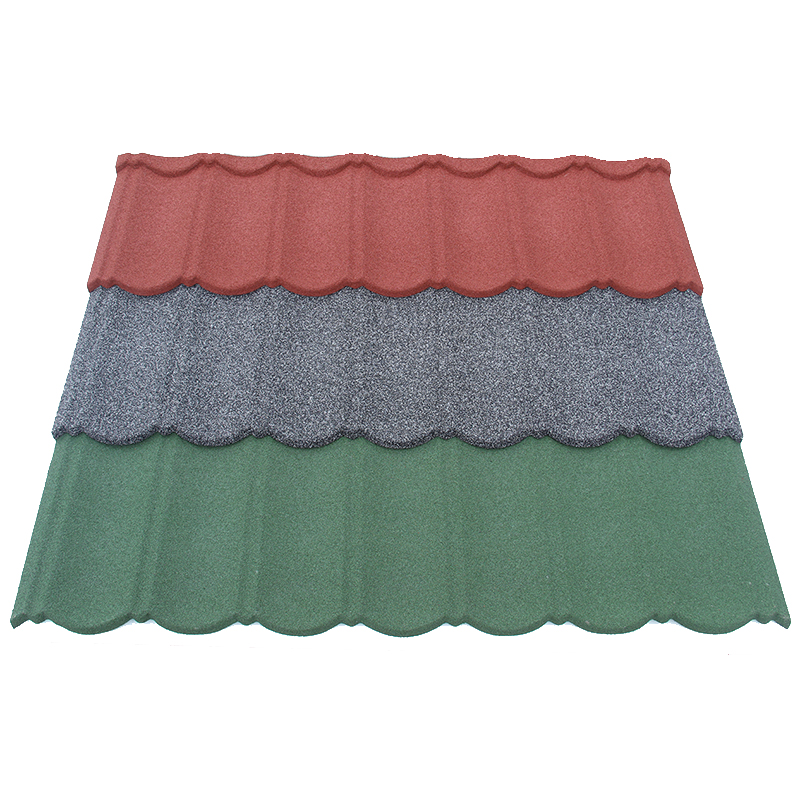
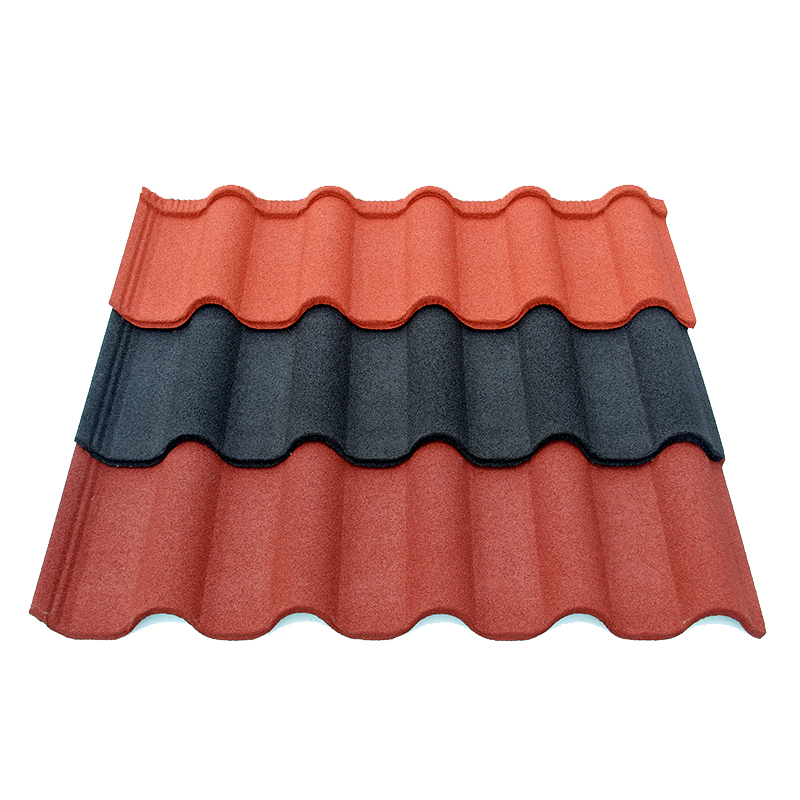
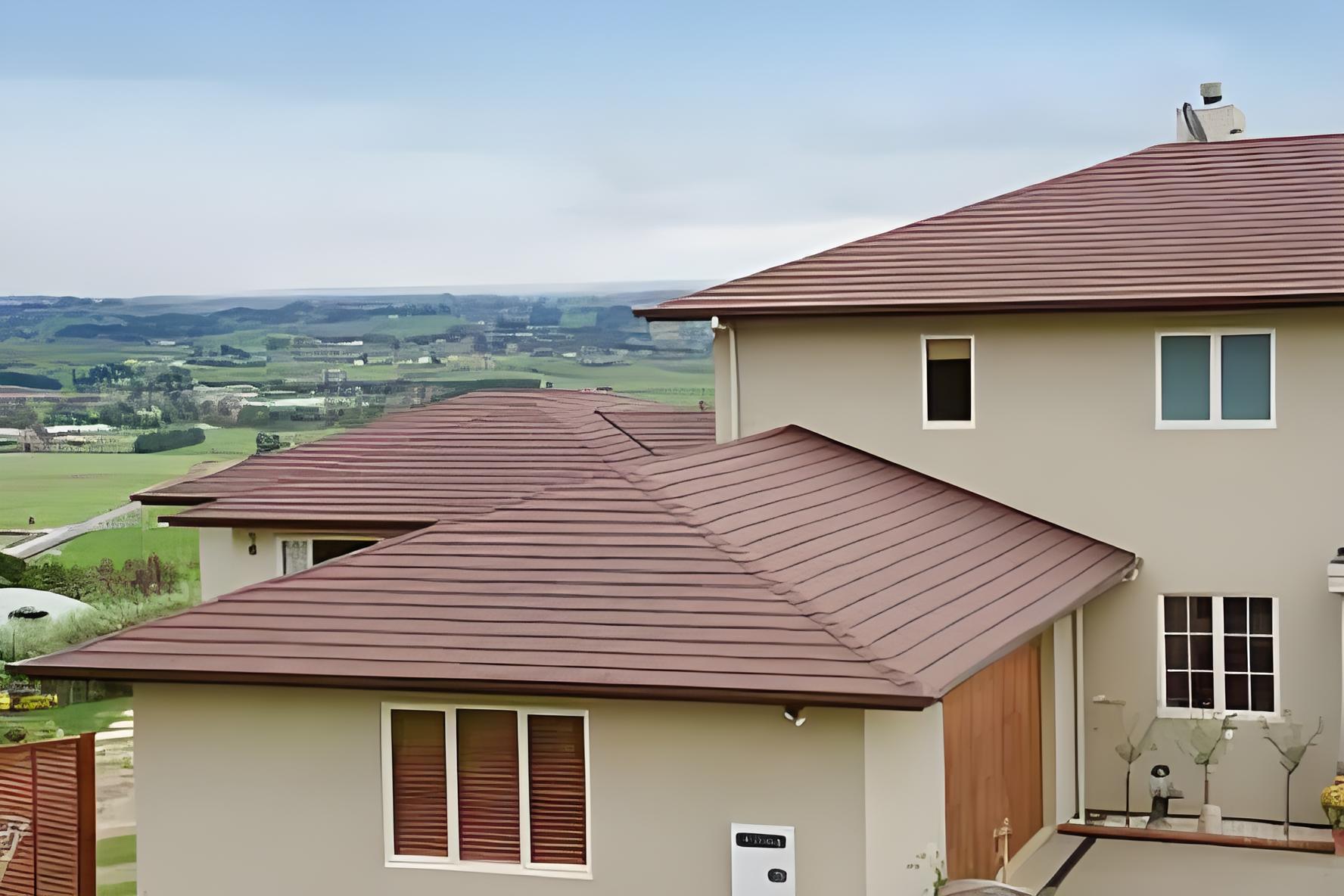
Areas with intense seasonal rainfall need strong drainage design above almost everything else. A Bond Tile profile handles this well, channeling heavy rain efficiently through its interlocking design.
Cyclone and Hurricane-Prone Coastlines
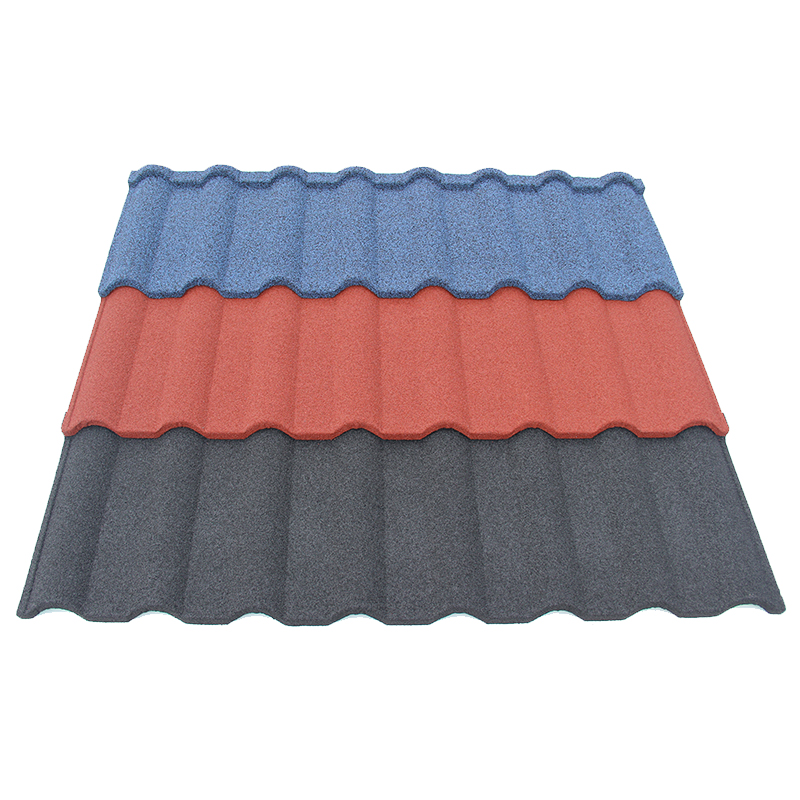
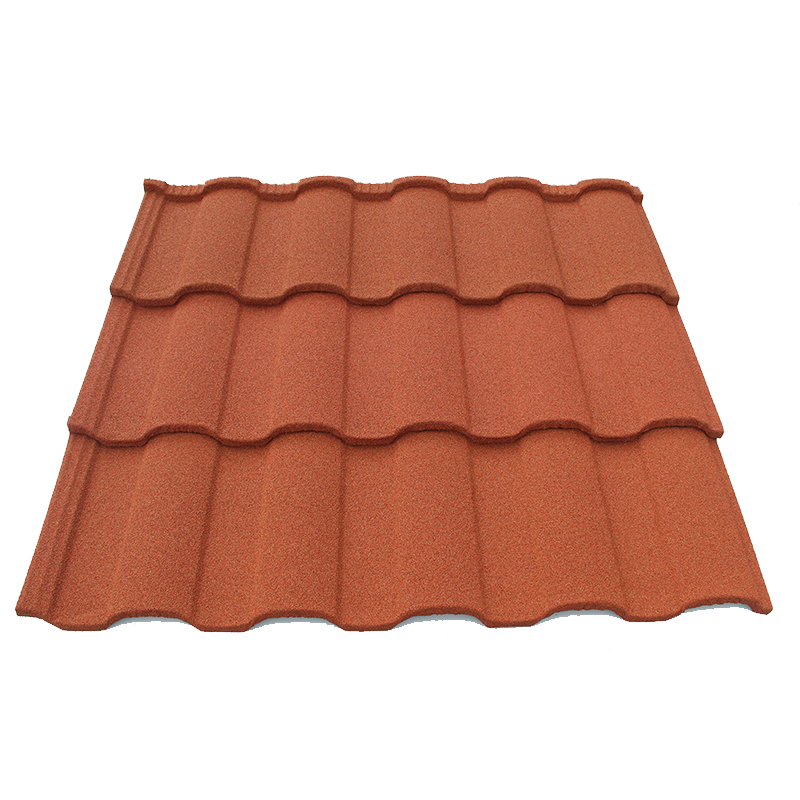
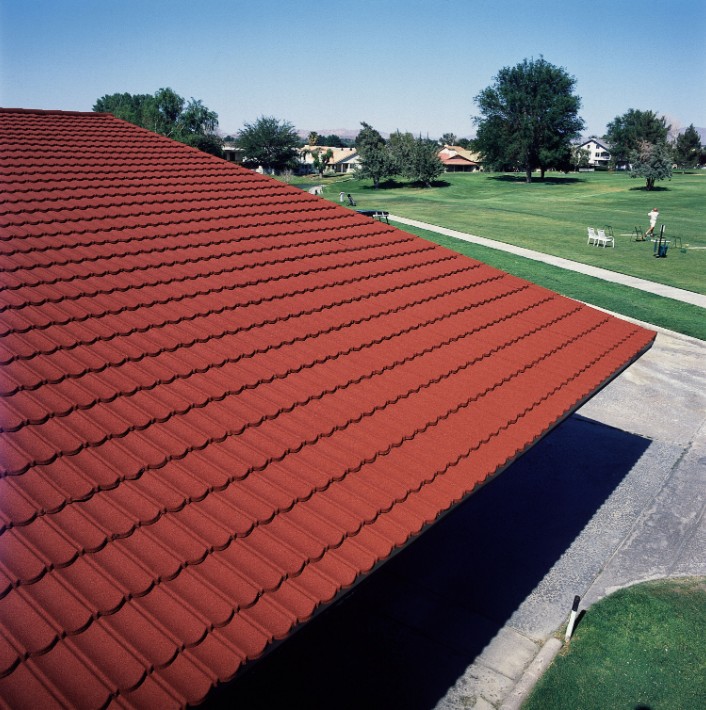
Coastal tropical regions facing frequent storms need documented wind resistance as a top priority. A Roman Tile profile offers strong wind uplift performance alongside a traditional silhouette.
Humid Rainforest-Adjacent Regions
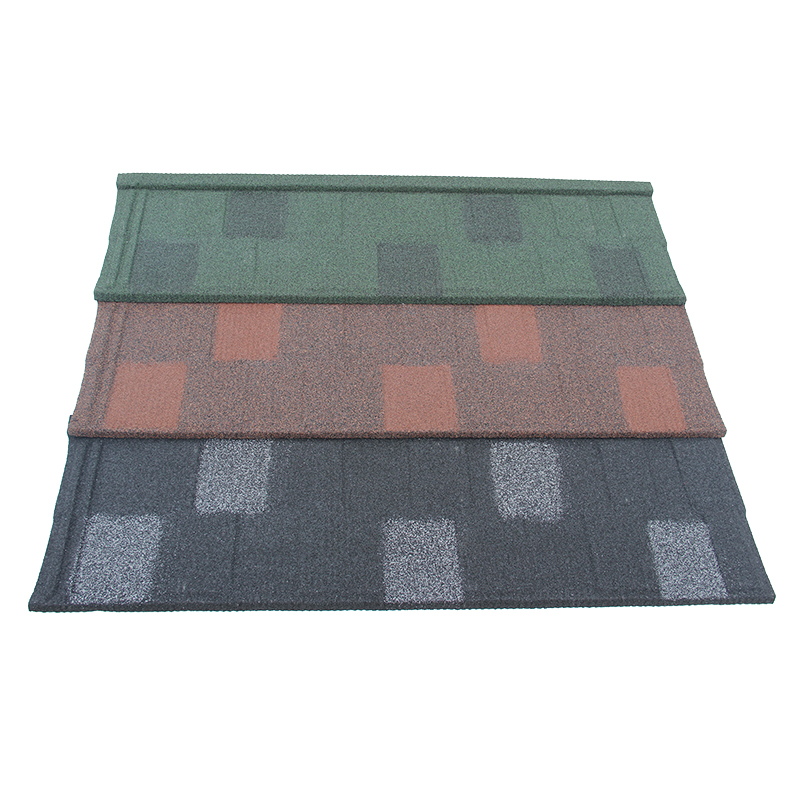
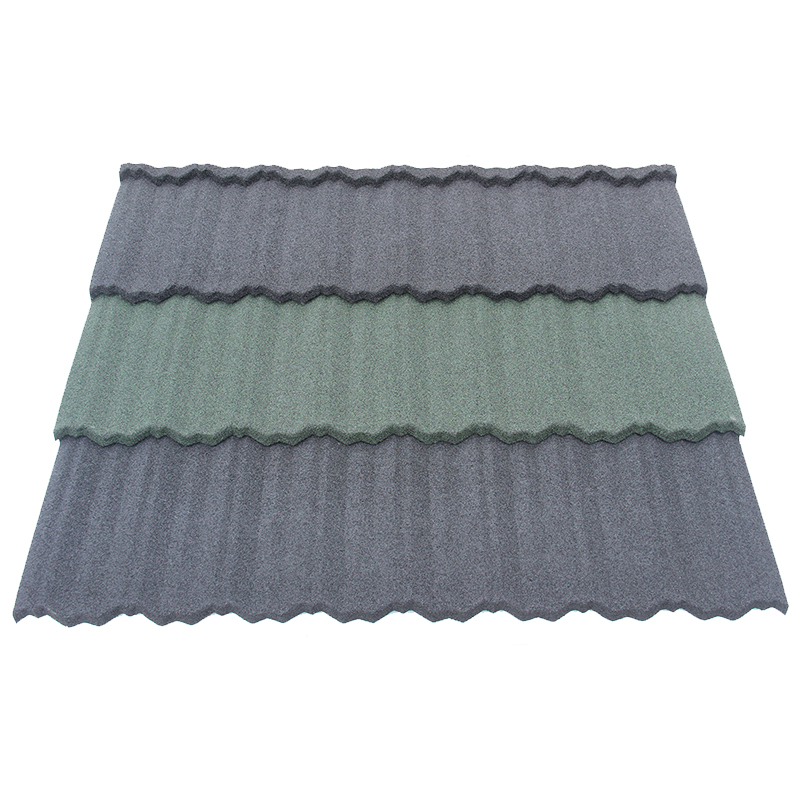
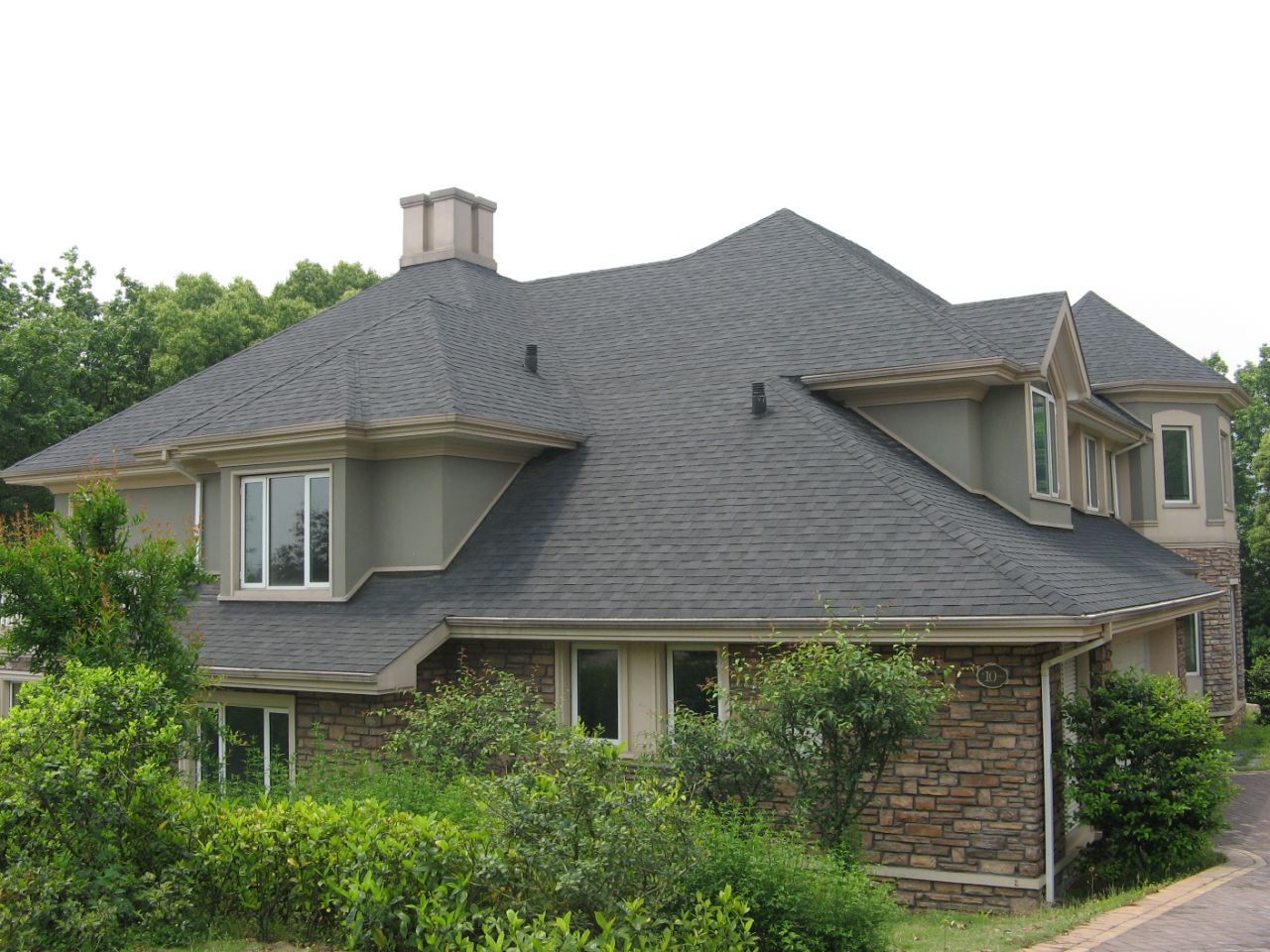
Areas bordering dense rainforest face constant high humidity and heavy mold pressure. A Shingle Tile profile resists this pressure far better than untreated wood or standard asphalt.
Urban Tropical Renovation Projects
Growing tropical cities often want a modern look alongside strong climate performance. Suppliers such as JCROOF often guide these renovation projects toward a Milano Tile profile for a contemporary appearance that still holds up under intense heat and rain.
Resort and Rustic-Style Coastal Properties
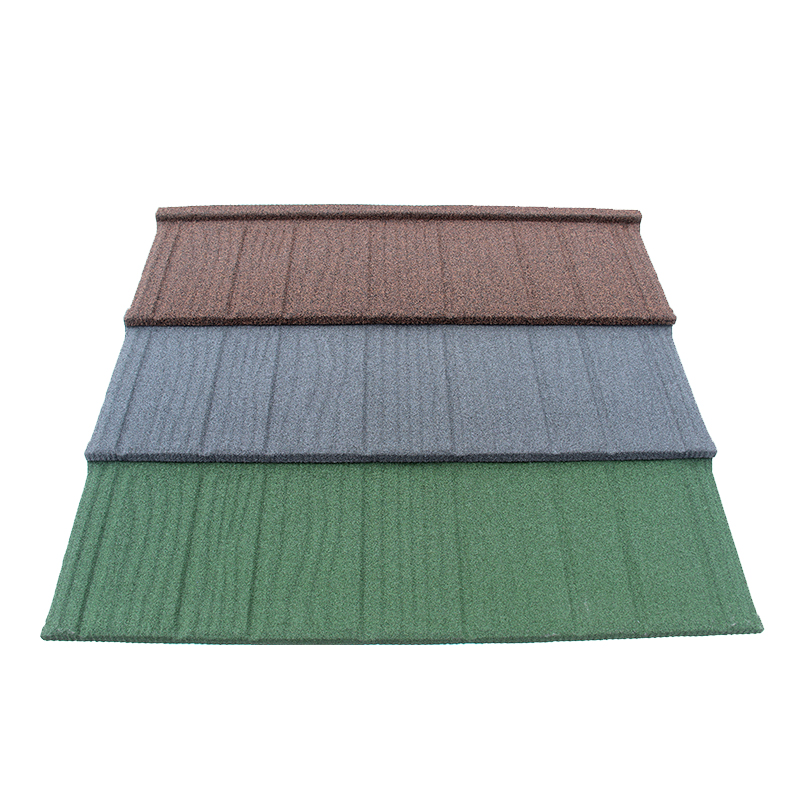
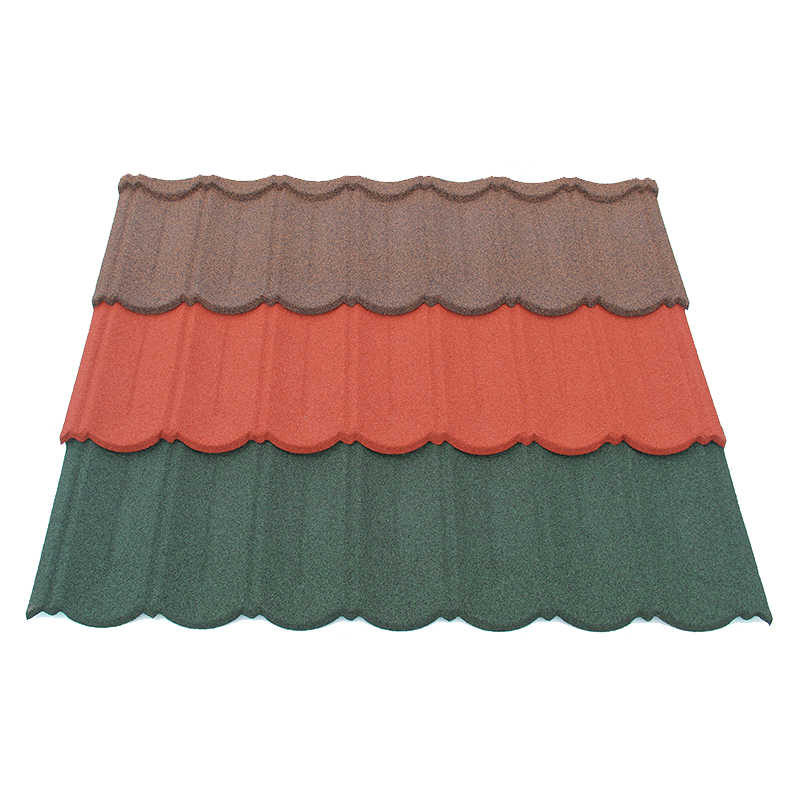
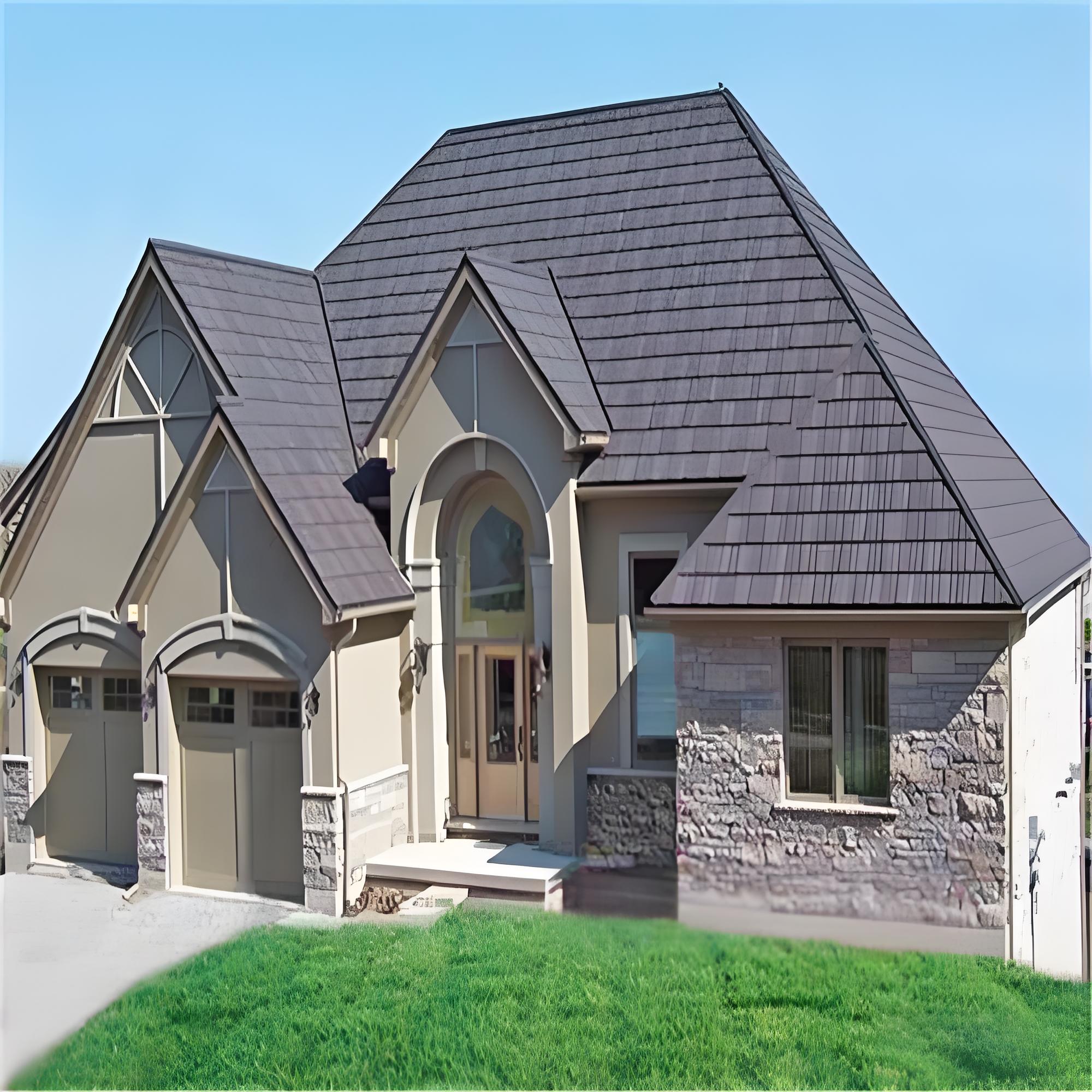
Tropical resort properties often want a natural, relaxed aesthetic without sacrificing durability. A Shake Tile profile delivers that wood-look texture without the rot and mold risk real wood carries in humid coastal air.
Common Mistakes When Choosing Roofing for Tropical Climates
Buyers in tropical regions tend to repeat a few avoidable mistakes. Recognizing these early prevents costly repairs after the first full rainy or storm season.
Choosing Untreated Wood for Its Natural Appearance
Untreated wood shake often fails quickly under sustained humidity, regardless of how appealing it looks initially. This mistake tends to surface only after mold or rot becomes visible.
Ignoring Wind Ratings in Cyclone-Prone Areas
Some buyers apply general durability claims without confirming documented wind uplift performance for their specific region. This gap often becomes clear only after the first major storm.
Overlooking Ventilation in High-Heat, High-Humidity Areas
Poor ventilation traps both heat and moisture beneath the roofing surface. This combination accelerates material breakdown, even with a strong roofing material installed above.
- Request UV and heat performance data specific to tropical conditions
- Confirm wind ratings for cyclone or hurricane-prone project locations
- Verify drainage design handles heavy monsoon-level rainfall
- Avoid organic materials in consistently high-humidity regions
- Plan ventilation according to the region’s combined heat and moisture levels
Making the Right Roofing Choice for Tropical Conditions
Choosing roofing for tropical countries means weighing heat resistance, mold resistance, drainage, and wind performance together. No single factor tells the full story on its own. Buyers who evaluate all four consistently end up with a roof built for real tropical conditions.
Questions to Ask Before Choosing a Roofing Material
Ask for documented UV and wind performance data specific to your exact region. Confirm the material has no organic component vulnerable to mold or rot in sustained humidity.
Tropical climates test roofing materials harder than most buyers expect. Stone coated roofing tiles built with strong coating technology and interlocking drainage design consistently outperform standard alternatives across heat, humidity, and storm conditions.