

Coastal roofing materials face a corrosion risk that inland properties never encounter. Salt spray settles into every seam, fastener, and coating flaw within reach of the ocean air. A material that performs well fifty miles inland can fail within a few years right on the coast. This guide breaks down which factors actually determine salt spray resistance, and how different materials compare once real coastal exposure enters the picture.
Why Salt Spray Demands a Different Roofing Standard
Salt particles carried by ocean air accelerate corrosion far faster than humidity alone. Wind also tends to run stronger and more sustained along the coast. These two factors combine to test roofing materials harder than almost any other environment. A coating flaw or an uncoated fastener that would cause minor issues inland can trigger serious corrosion within a single storm season here.
Salt Exposure Finds Every Weak Point
A small gap in coating coverage becomes a corrosion starting point once salt spray reaches it. This makes coating consistency far more important on the coast than in a drier, inland climate.
Wind and Salt Combine to Increase Overall Stress
Coastal wind pushes salt spray directly into roofing seams and fasteners. This combination puts more cumulative stress on a roofing system than either factor would create on its own.
Breaking Down the Factors That Determine Salt Spray Resistance
Four factors determine how well a roofing material actually holds up near the ocean. These are base metal composition, coating quality, fastener compatibility, and documented wind rating. The table below compares common roofing materials across these factors.
| Material Type | Base Corrosion Resistance | Coating Protection | Typical Coastal Lifespan |
|---|---|---|---|
| Standard Galvanized Steel | Moderate, can rust at cut edges | Basic zinc coating only | 15 to 20 years near the coast |
| Aluminum Panel | Excellent, naturally corrosion resistant | Minimal coating needed | 30 to 40 years near the coast |
| Asphalt Shingle | Poor, granules loosen faster in salt air | Limited protective value | 10 to 15 years near the coast |
| Stone Coated Metal Roofing Tile | Strong, aluminum-zinc base resists corrosion | Bonded granule coating adds extra protection | 35 to 45 years near the coast |
Base Metal Composition
An aluminum-zinc steel base resists corrosion far better than plain galvanized steel. This base material matters more than any surface treatment applied on top of it.
Coating Quality and Bonding
A granule coating bonded under high heat adds a second layer of protection over the metal base. Weak or inconsistent bonding undermines this protection, regardless of what the base material can otherwise handle.
Fastener and Flashing Compatibility
Mismatched fastener metals corrode faster than the main roofing material itself in salt air. This detail gets overlooked often, yet it causes a large share of coastal roofing failures.
How Different Coastal Projects Apply These Factors
Coastal exposure varies by proximity to the water, wind direction, and building type. The right material choice shifts depending on these specific conditions. The following examples show how this plays out in practice.
Beachfront Residential Construction
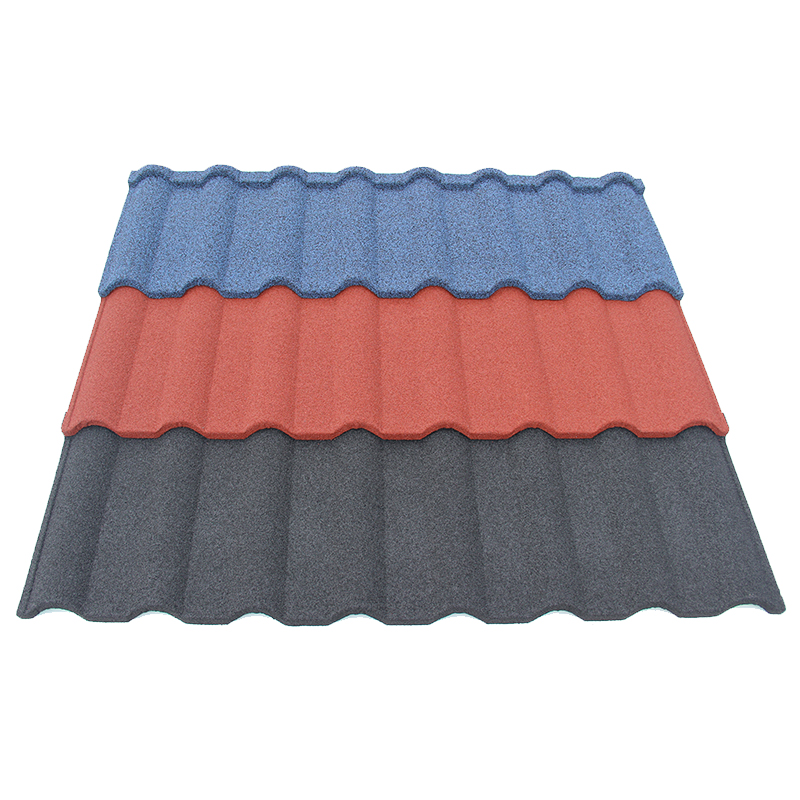
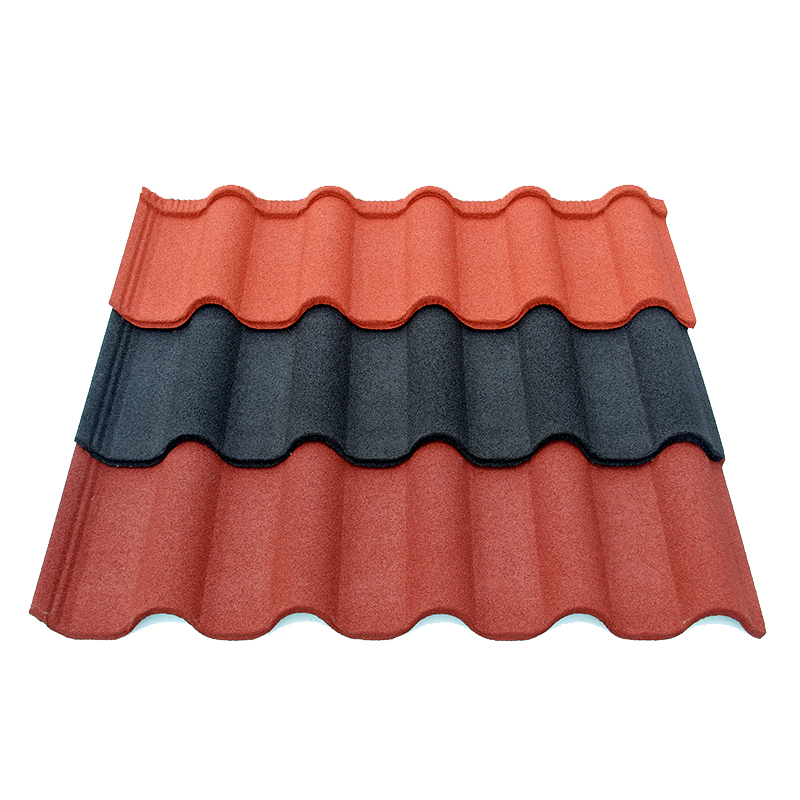
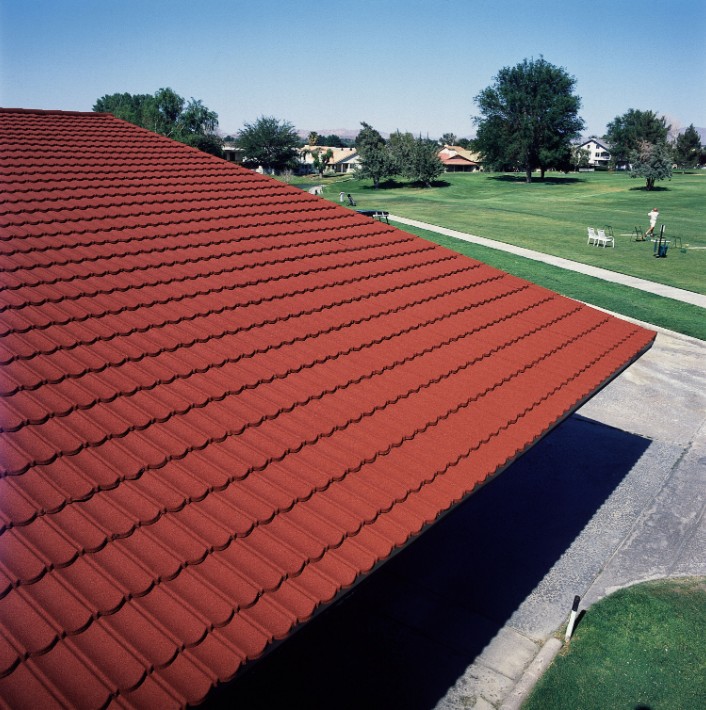
Homes built directly on the waterfront face the most intense salt exposure of any coastal property type. A Bond Tile profile fits this scenario well, combining strong corrosion resistance with wind uplift performance built for direct exposure.
Marina and Waterfront Commercial Structures
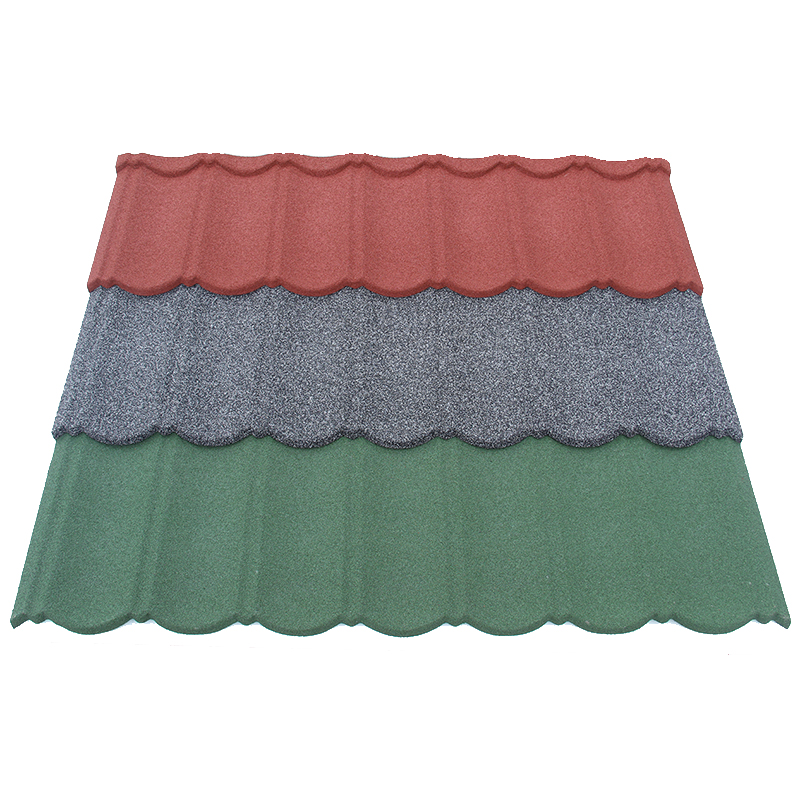
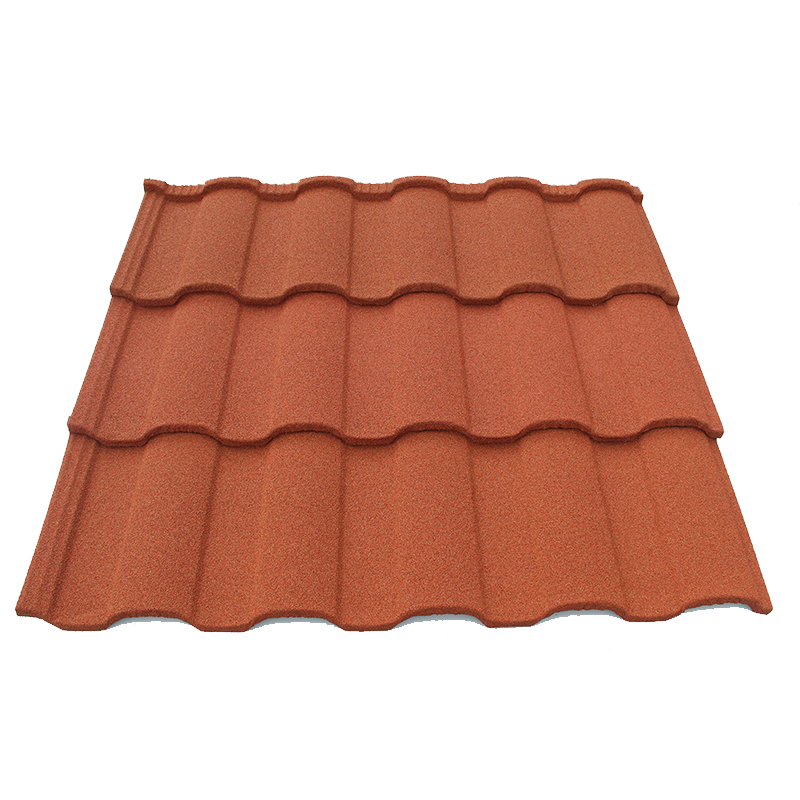
Marina buildings and waterfront commercial properties need durability that holds up under constant humidity and salt mist. A Roman Tile profile offers this resistance while still delivering a polished, traditional appearance.
Renovation of Older Coastal Homes
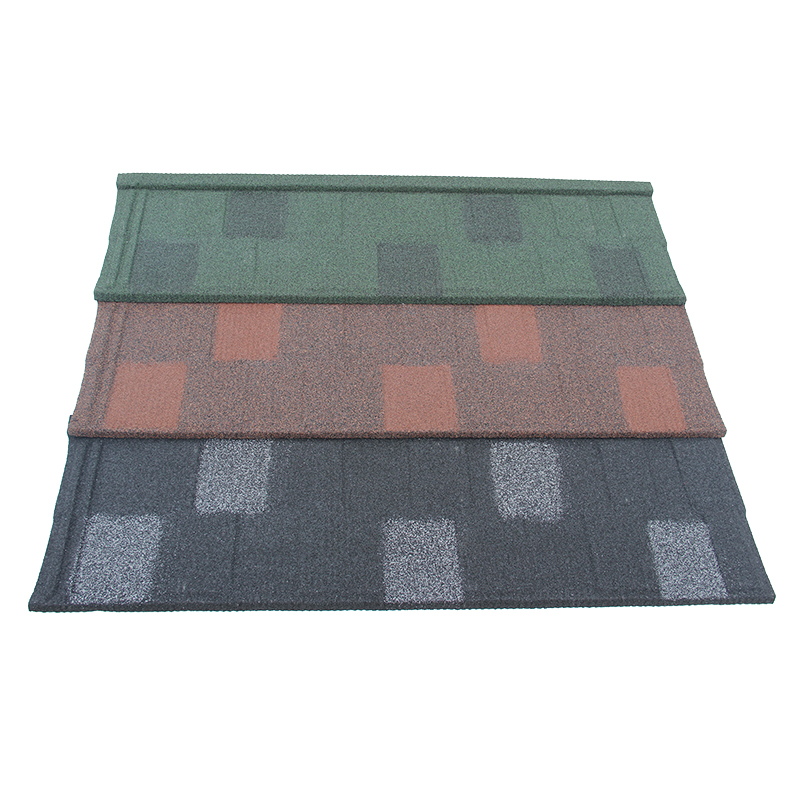
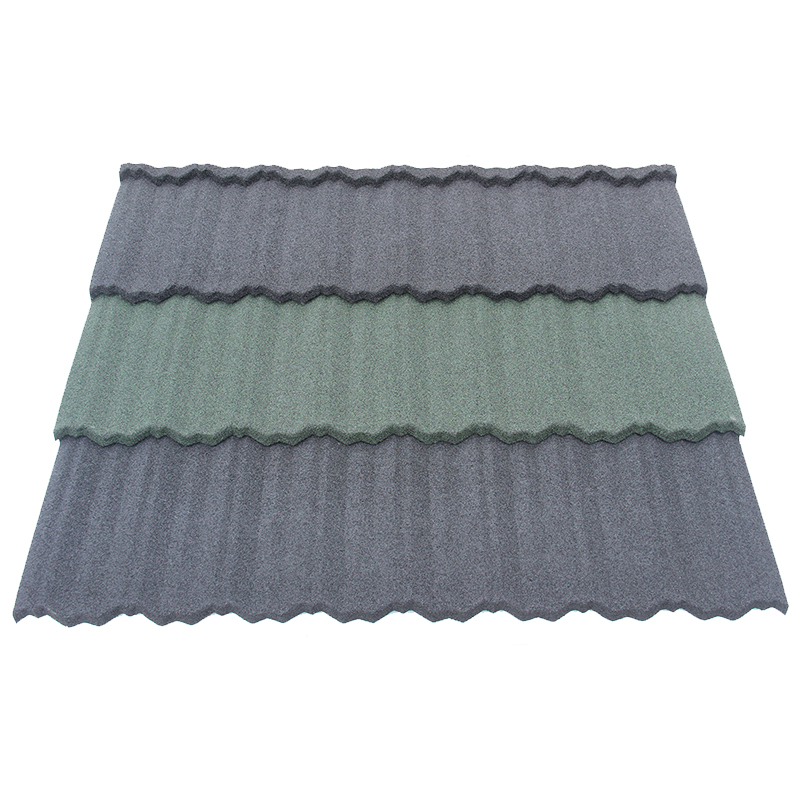
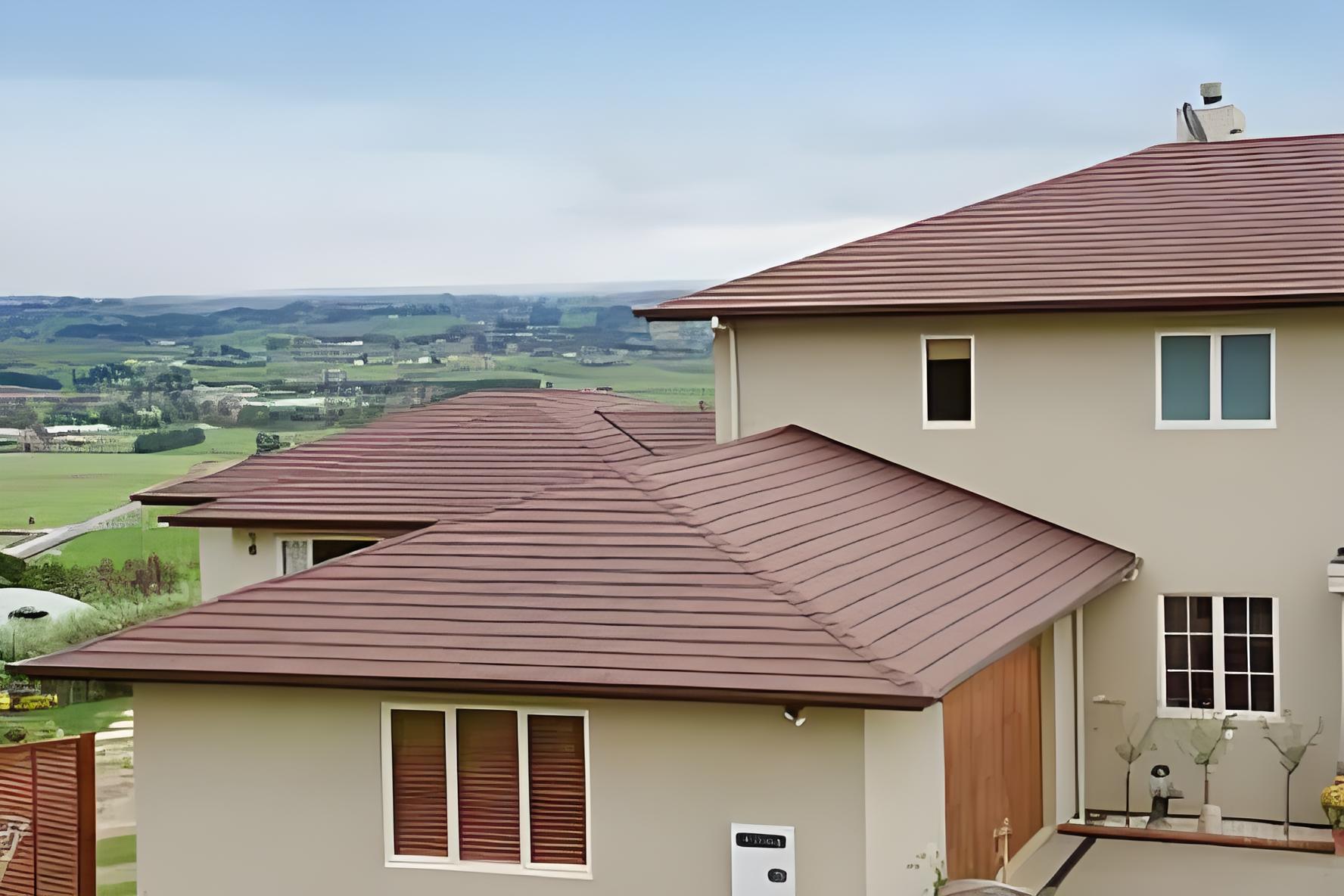
Older coastal homes often carry roofing that was never built for sustained salt exposure. A Shingle Tile profile lets these renovation projects upgrade corrosion resistance while keeping a familiar residential look.
Architectural Coastal Resort Development
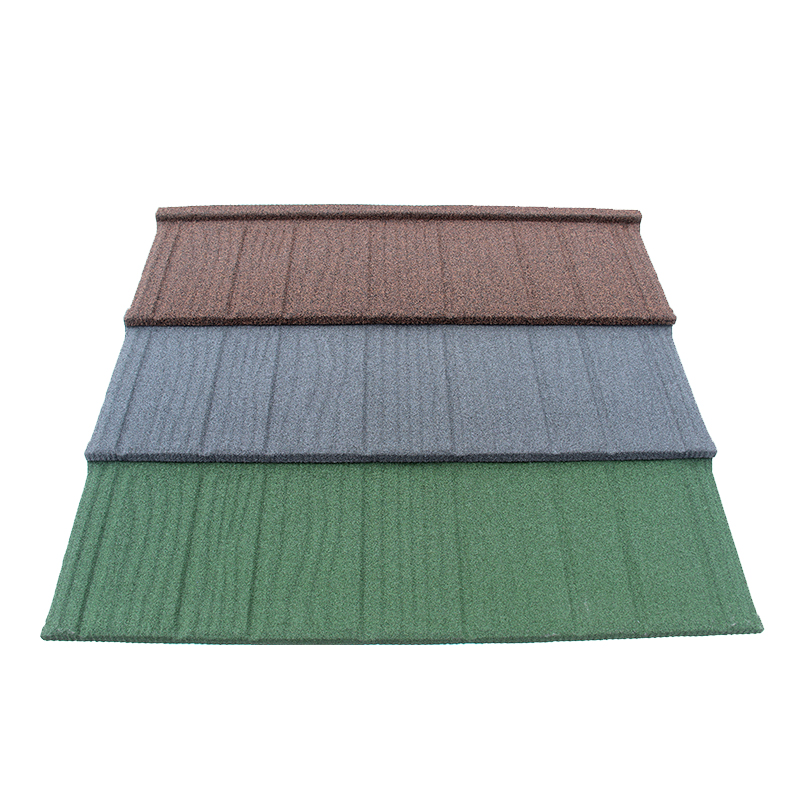
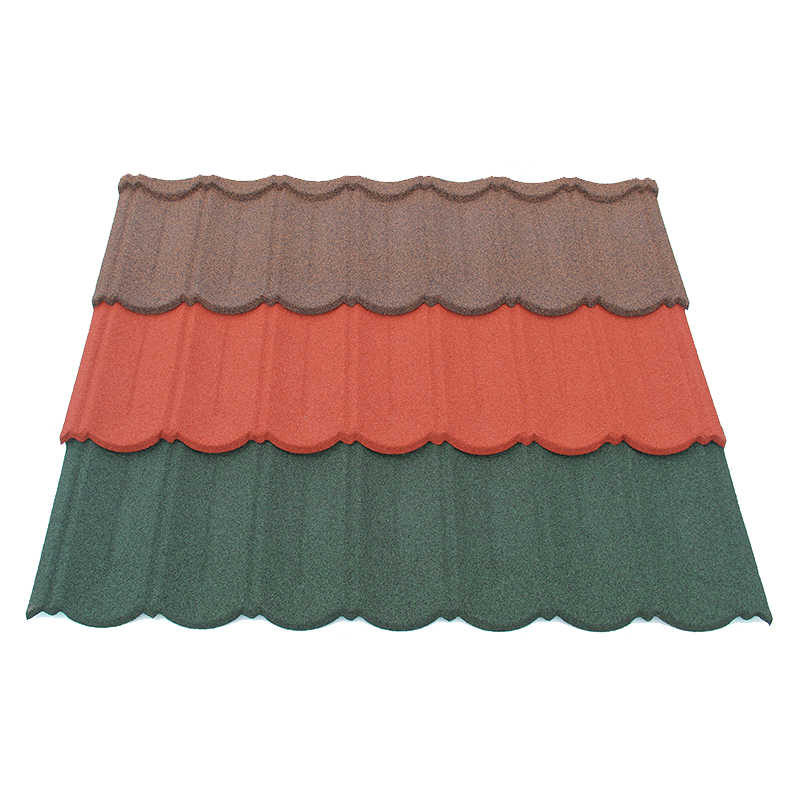
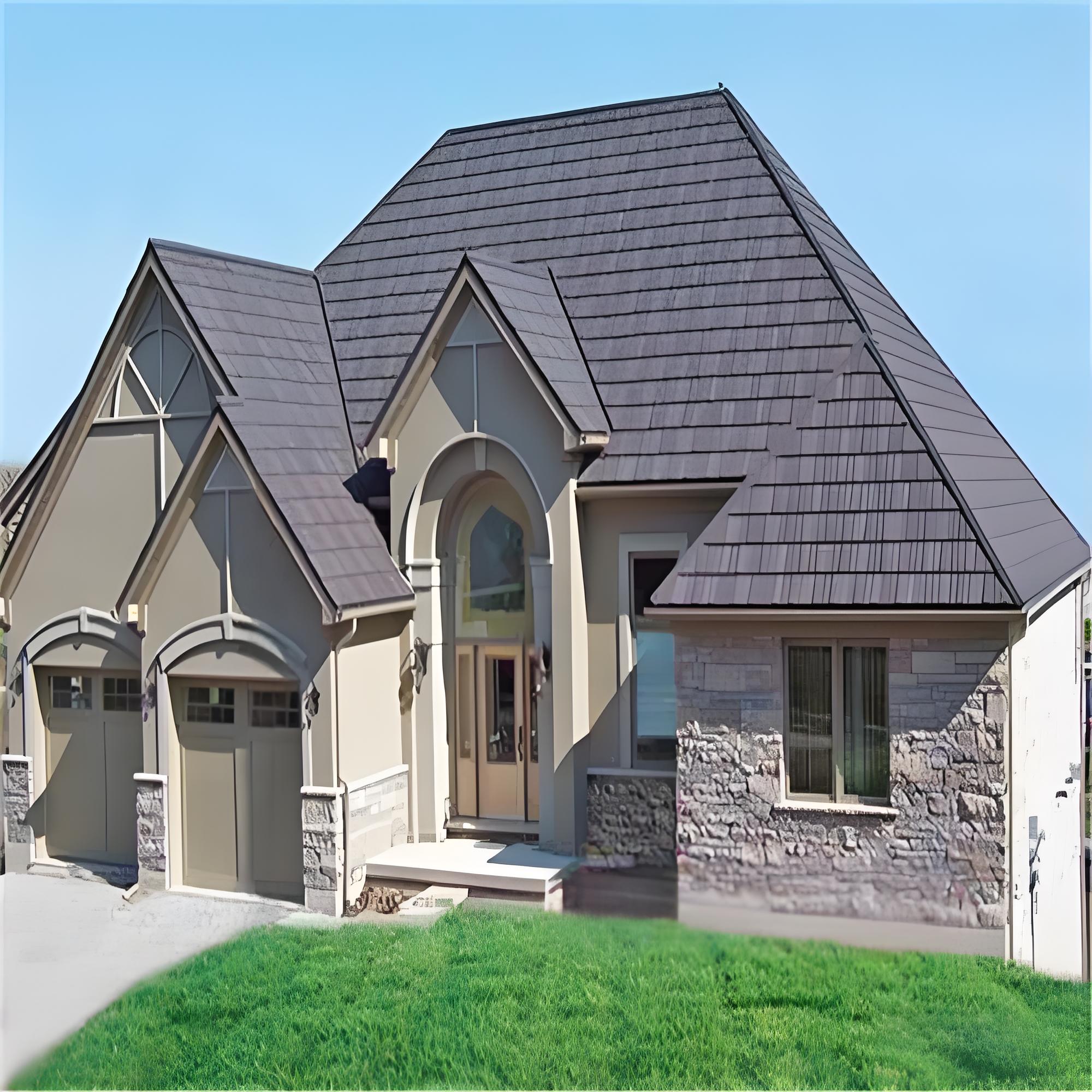
Developers working with suppliers such as JCROOF often specify a Milano Tile profile for design-forward coastal resort projects, balancing a modern look with proven salt spray performance. Properties aiming for a more relaxed, natural aesthetic sometimes choose a Shake Tile profile instead, gaining a wood-look texture without the rot risk real wood carries in humid coastal air.
Common Mistakes When Choosing Roofing for Coastal Areas
Buyers near the coast tend to repeat a few avoidable mistakes. Recognizing these early helps prevent premature corrosion and costly repairs.
Assuming Any Metal Roofing Handles Salt Exposure Equally Well
Not every metal roofing product resists corrosion the same way. Buyers should confirm base material and coating specifics rather than assuming a general “metal roof” label guarantees coastal performance.
Overlooking Fastener Compatibility
Mismatched fasteners accelerate corrosion dramatically, even when the main roofing material resists salt exposure well on its own. Buyers should confirm fastener and flashing compatibility as part of the same evaluation.
Ignoring Regional Wind Code Requirements
Some buyers focus entirely on corrosion resistance while overlooking wind uplift requirements specific to their coastal jurisdiction. Both factors deserve equal attention during material selection.
- Confirm base metal composition and coating bonding quality directly
- Verify fastener and flashing compatibility for sustained salt exposure
- Request documented wind uplift ratings matching local coastal code
- Compare expected lifespan specifically for coastal conditions, not general climate data
- Plan for periodic coastal-specific maintenance regardless of material choice
Making the Right Roofing Choice for Salt Spray Exposure
Choosing roofing for a coastal property means weighing base metal, coating quality, and fastener compatibility together. No single factor tells the full story on its own. Buyers who evaluate all three consistently end up with a roof built to handle years of real salt spray exposure.
Questions to Ask Before Choosing a Coastal Roofing Material
Ask for documented coastal performance data, not general durability claims. Confirm fastener and flashing compatibility matches the main roofing material’s corrosion resistance.
Coastal properties test roofing materials harder than almost any other environment. Stone coated metal tiles built with a strong base metal and bonded coating consistently outperform standard alternatives under sustained salt spray exposure.