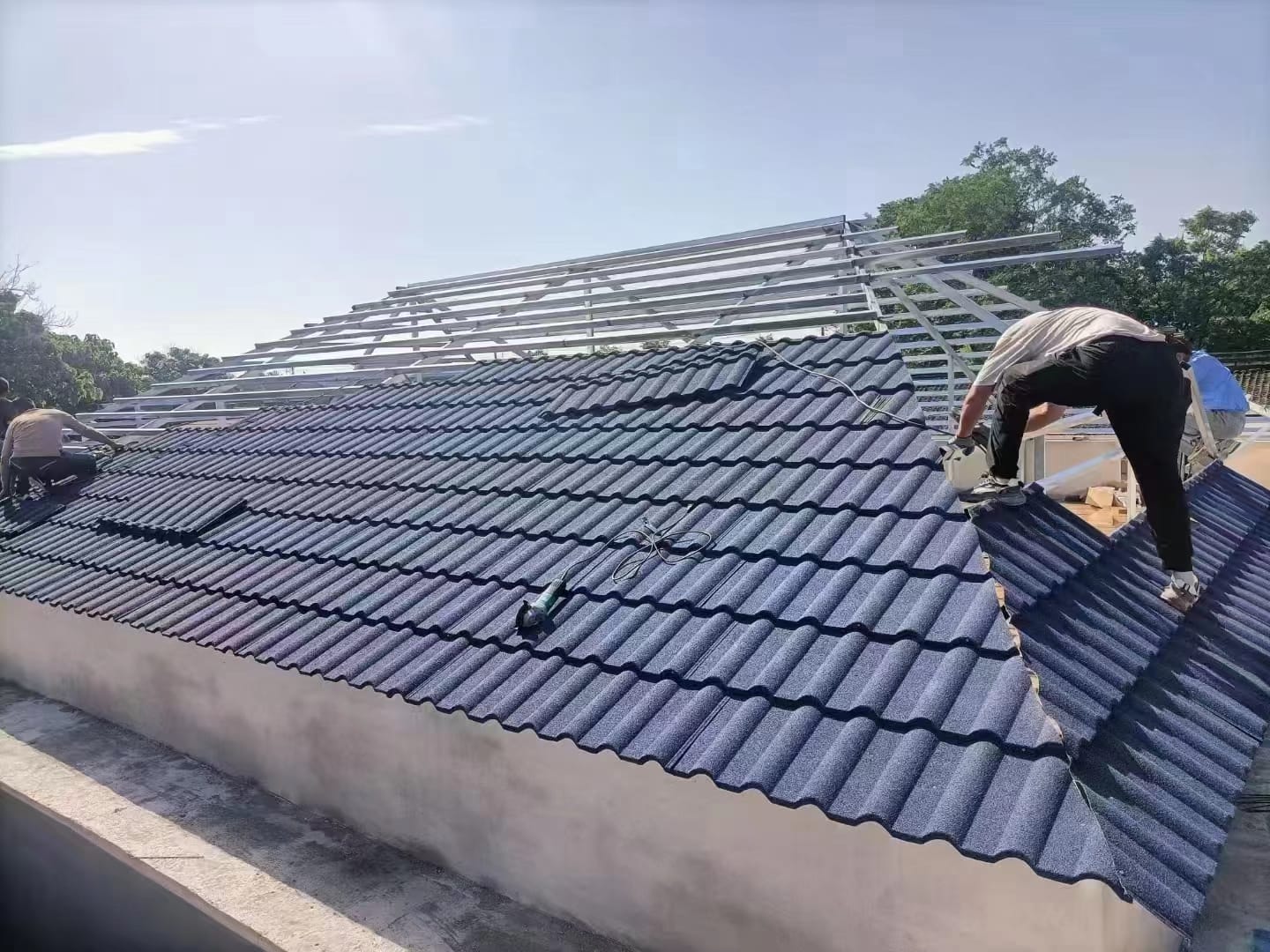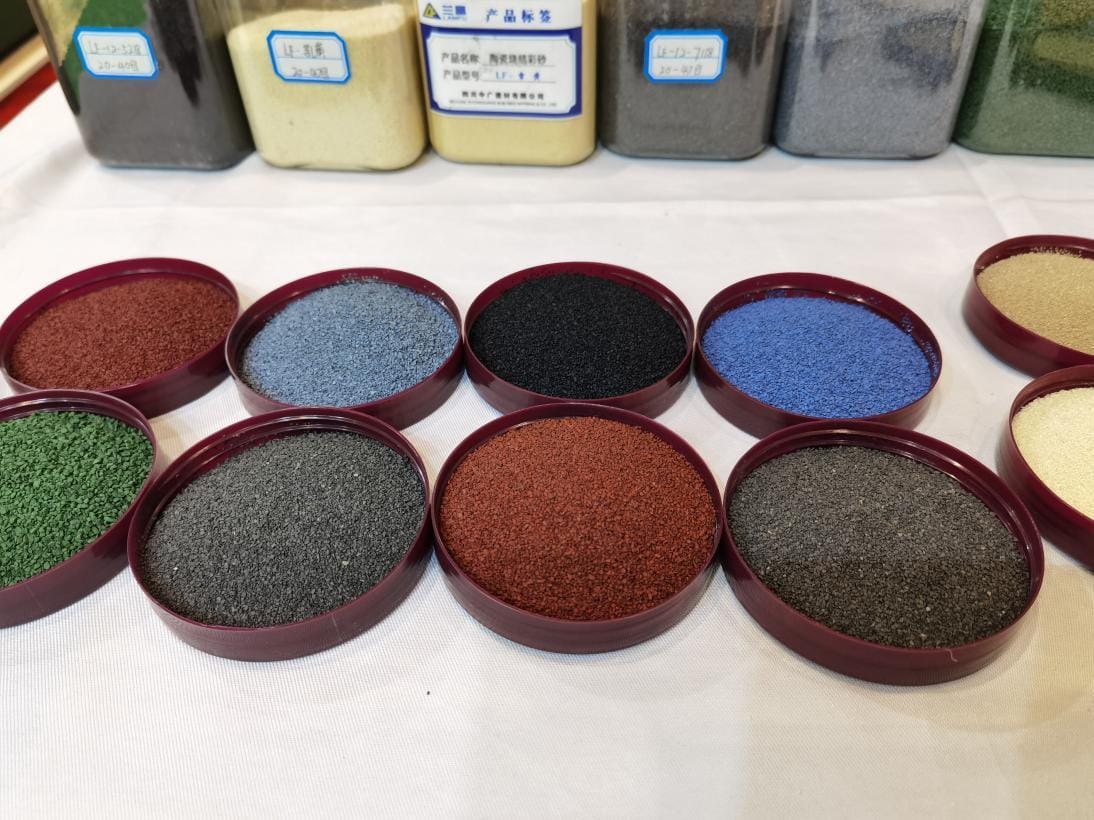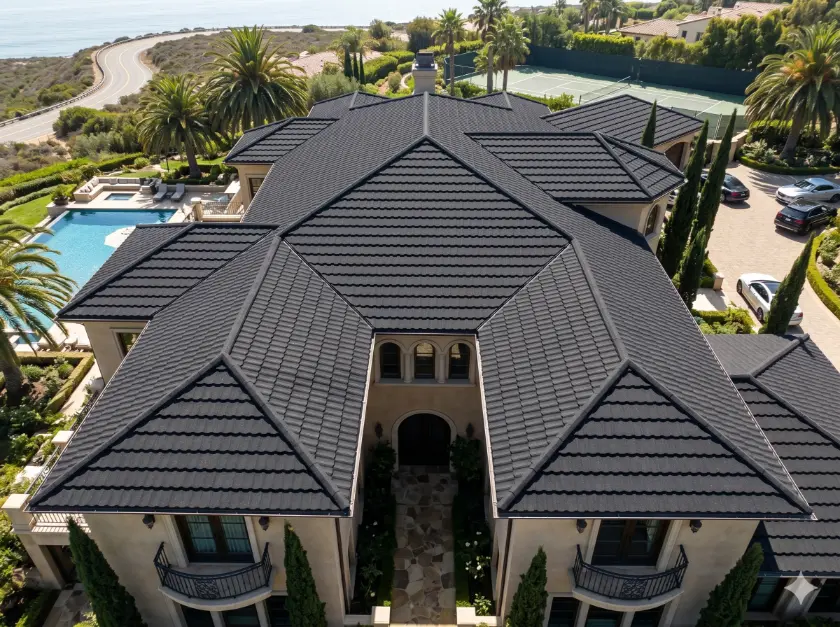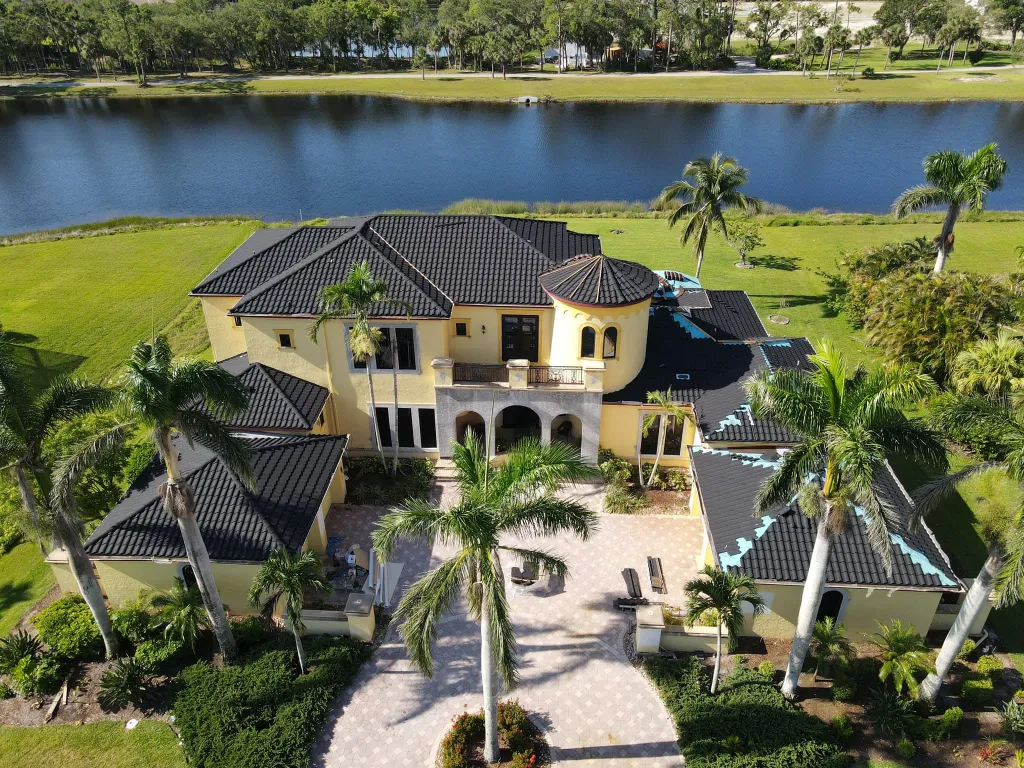

The cost of Decra metal roofing is not one price that a buyer can safely apply to every project. A quote may cover field tiles only, a complete material package, or an installed roof scope. Buyers need to identify that boundary before they compare suppliers.
This guide shows how to compare a brand-led roofing search with project requirements, accessory scope, delivery terms, and installation planning. As a result, procurement teams can request a more defensible quote without relying on an unsupported headline number.
What a Decra Cost Request Can and Cannot Answer
First, a Decra cost request may reflect an owner preference, a repair need, a design reference, or a broad search for a stone coated metal roof. These needs lead to different purchasing decisions. A buyer who needs matching repair components must check compatibility. A buyer planning a new roof can compare several suppliers against the same written requirement.
Definition: a material quote names the roofing products and quantities included by a supplier. It does not automatically include labor, removal, decking work, local permits, freight, unloading, or every detail component. An installed quote can include some of those items, but its limits must also be stated in writing.
Separate the brand reference from the project scope
- Ask whether the request needs an exact replacement, a visual match, or a new roof system.
- Record the roof area, profile direction, finish expectation, destination, and required delivery date.
- Identify roof details such as valleys, hips, penetrations, walls, ridges, and edges.
- List the documents that the owner, designer, insurer, or authority requires before approval.
A name in a specification does not prove that the same item is available in the destination market. It also does not prove that a similar profile uses the same dimensions, overlaps, accessories, or installation method. Therefore, buyers should request current first-party product information for the offered system and evaluate any alternative through the project approval process.
Build a Comparable Material Package
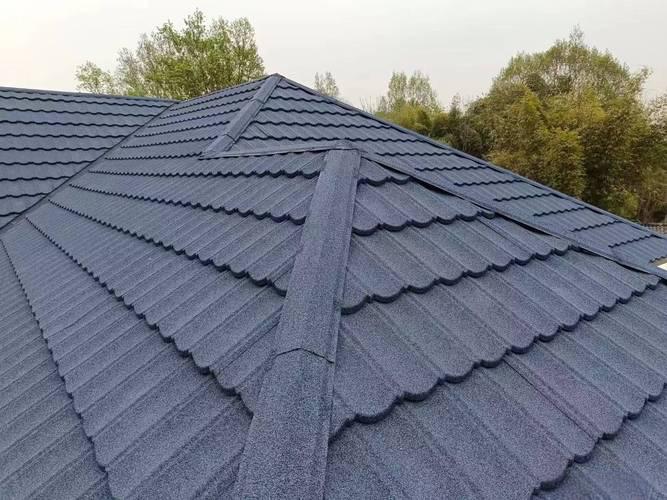
Next, buyers should turn a general cost request into a component schedule. The field tile may be the largest visible line item, yet roof details often decide whether a quotation is complete. A package without closures, fasteners, flashings, ridges, valleys, or spare pieces can shift cost and coordination work to the jobsite.
Definition: a comparable package uses one area basis, one profile family, one stated finish, and one list of included details for every bidder. It gives the team a consistent way to identify gaps. It does not force different products to be equivalent; it simply makes their differences visible.
| Package group | Buyer check | Why it affects cost |
|---|---|---|
| Field tiles | Profile, finish, coverage basis, and quantity allowance | Coverage assumptions can change the apparent unit price. |
| Roof details | Ridges, hips, valleys, eaves, verges, flashings, and closures | Omitted parts can become late additions. |
| Fastening and support | Fasteners, underlayment guidance, and substrate assumptions | Installation scope differs when these items remain undefined. |
| Logistics | Packaging, freight term, unloading, storage, and delivery sequence | These terms affect landed cost and site responsibility. |
| Support | Data sheets, installation guidance, samples, and exclusions | Missing documentation can delay approval or installation. |
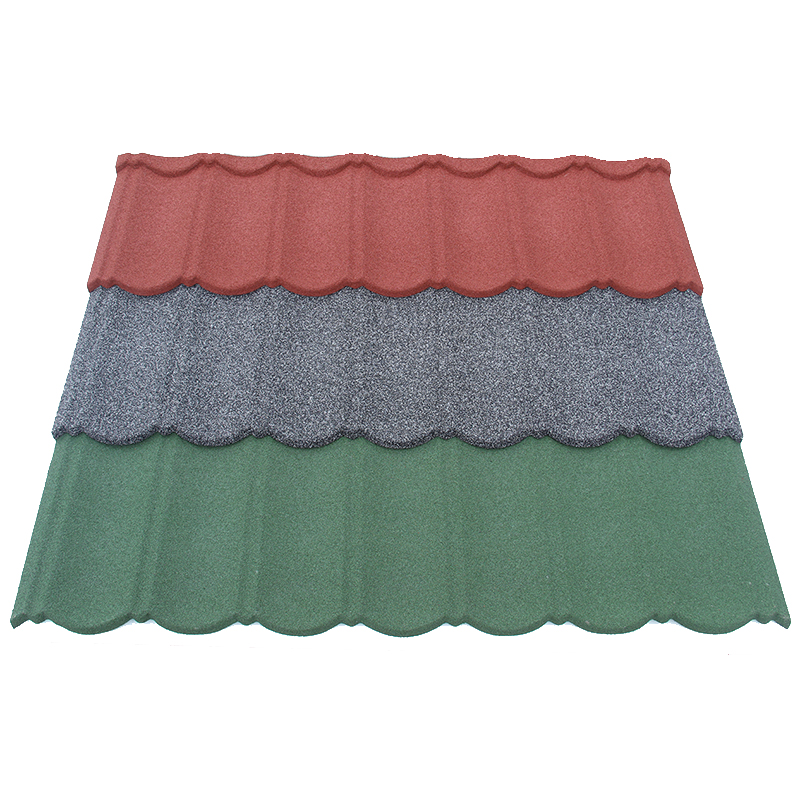
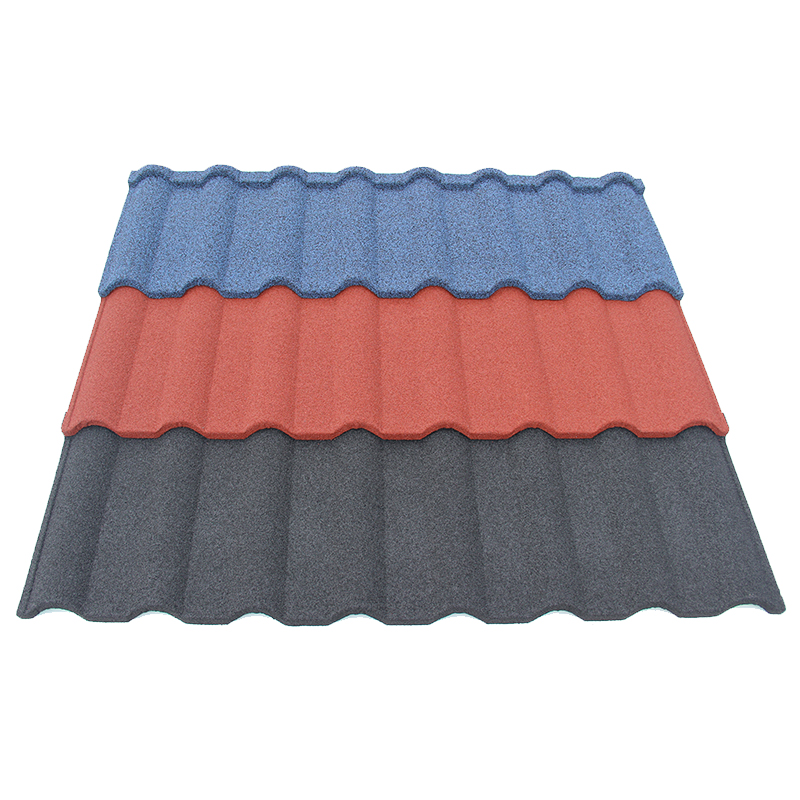
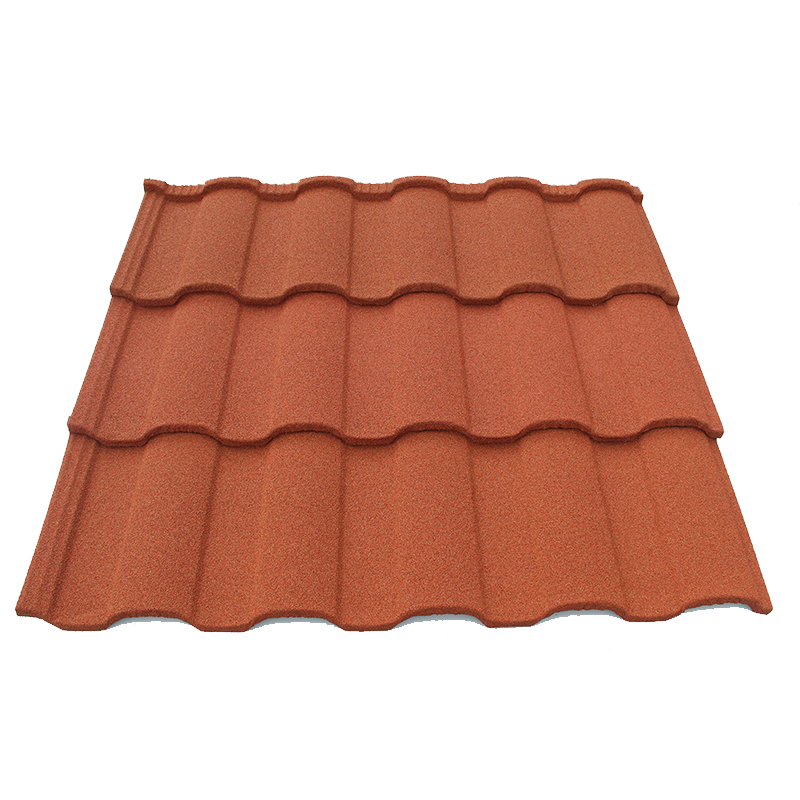
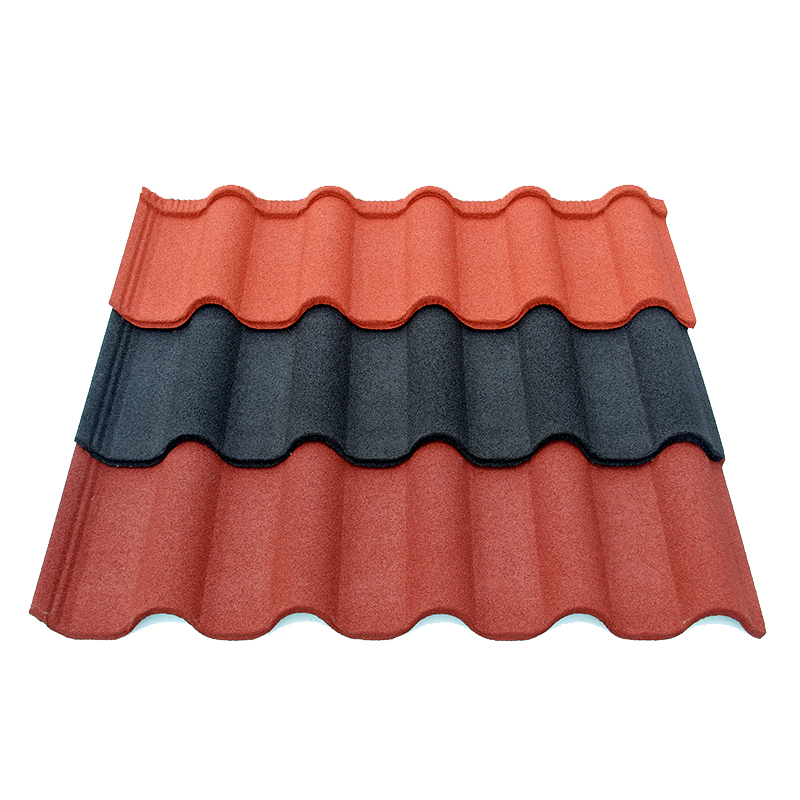
A Bond Tile profile can help a team discuss an interlocking tile appearance and a repeated course layout. That visual reference should lead to a complete takeoff, not a simple per-piece comparison. Similarly, a Roman Tile profile may change the accessory and detail discussion because curved roof lines need coordinated components.
Compare Price, Logistics, and Installation Separately
However, a low material figure may not represent the lowest project exposure. Freight, unloading, storage, site access, crew planning, removal, substrate repairs, and local work can sit outside a supply quotation. A buyer should label each item instead of assuming that the supplier, installer, and owner mean the same thing by complete.
Use a bid matrix with the same categories for every offer. Mark each cell as included, excluded, allowance, or pending confirmation. Then ask the bidder to explain the condition attached to each allowance. This method prevents a single price from hiding a missing valley detail, an uncertain delivery responsibility, or an unmeasured roof area.
Questions that reveal quote gaps
- Which roof area and drawing revision support the quantity?
- Which accessories belong to the quoted profile and which are excluded?
- Who confirms final quantities after field measurement?
- Does the delivery term include freight, unloading, and damage inspection?
- Which party provides local labor, removal, preparation, and cleanup?
- What documents apply to the offered product and proposed assembly?
In contrast, a quote that states its boundaries clearly can be easier to manage even when its first number is not the lowest. The procurement team can assign the remaining tasks and decide whether the cost reflects a true difference in product scope or only a different set of assumptions.
Evaluate Profile Choices Without Inventing Performance Claims
Furthermore, buyers should keep appearance, technical evidence, and commercial scope connected. Stone coated metal roofing can offer formed profiles and a textured finish, but a category description does not establish a rating, approval, warranty, or service outcome for every project. Ask for evidence only when the project needs a specific claim, and confirm that the evidence applies to the offered product and assembly.
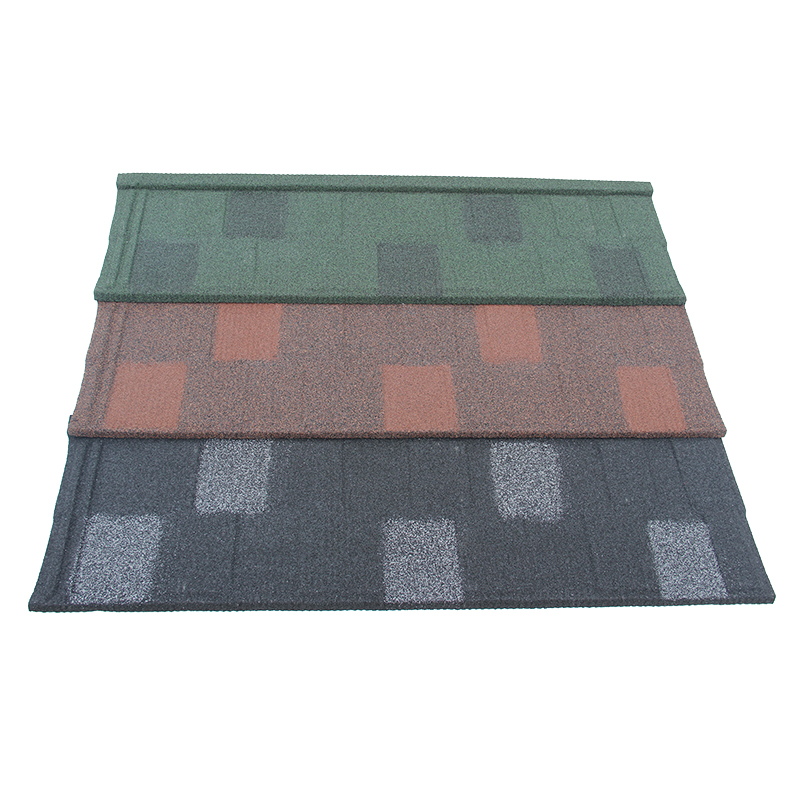
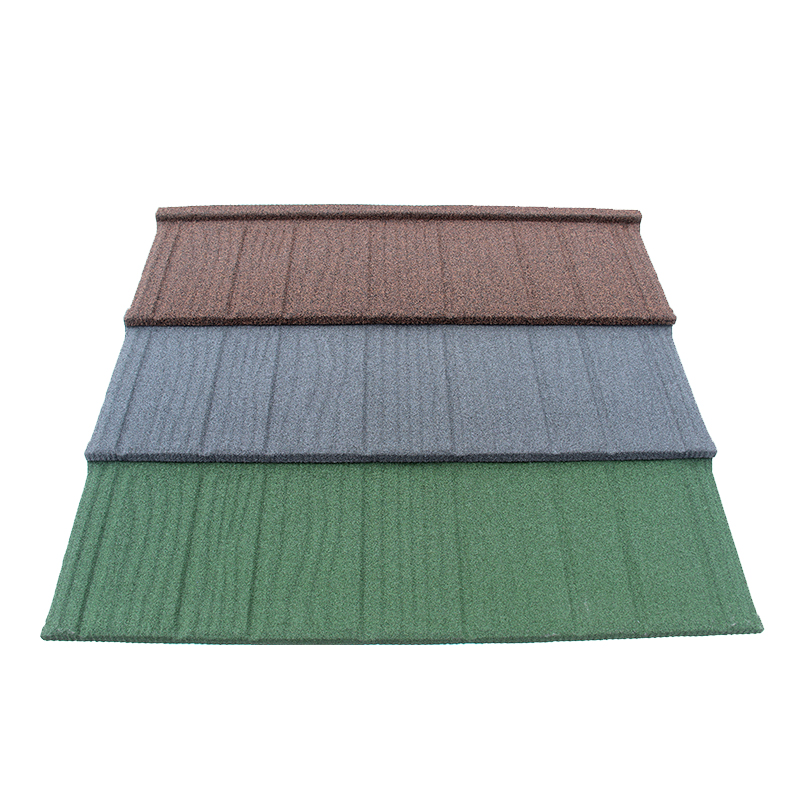
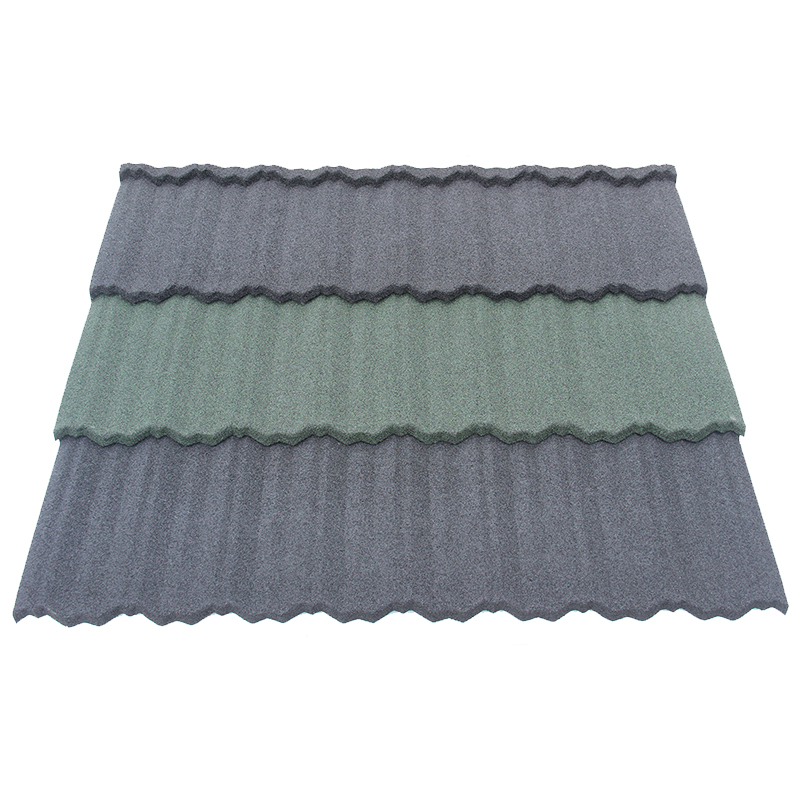
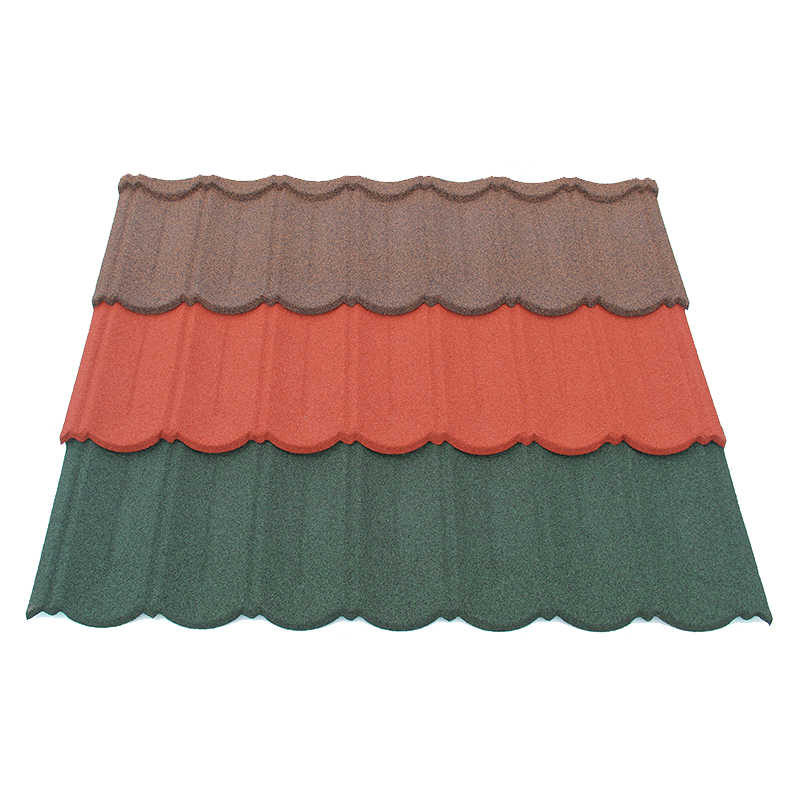
A Shingle Tile option can support a flatter visual direction. A Shake Tile option can support a wood-shake look. Each profile should be reviewed against roof geometry, drainage details, approved samples, available accessories, and installer capability. Product names should not replace a project-specific review.
Use evidence in the right order
- Approve the visual direction with a sample and design review.
- Check the current product data and installation instructions for the offered profile.
- Confirm any project-required test, approval, warranty, or code document with the relevant party.
- Compare delivery and replacement support before issuing a purchase order.
For early product discovery, buyers can review stone coated metal roofing solutions and then ask for a project-specific proposal. The homepage is a starting point, not a substitute for a roof takeoff or a signed commercial offer.
Turn the Cost Comparison Into a Purchase Decision
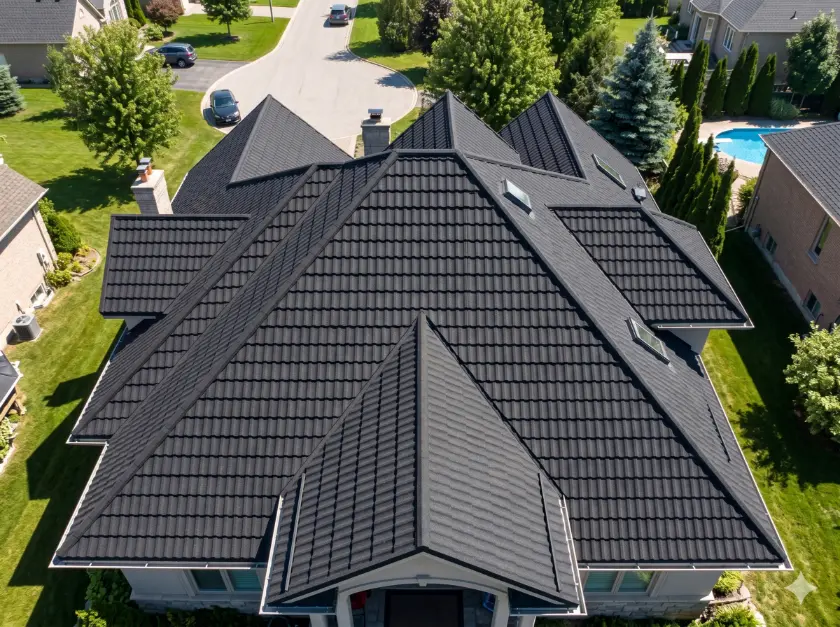
Finally, the cost of Decra metal roofing becomes useful when the buyer converts it into a controlled decision. Keep an assumption register beside the bid matrix. Give each unresolved item an owner, a due date, and a decision path. This record helps the team avoid approving a material package that cannot support the final roof detail plan.
For example, a bidder may price field materials while leaving unloading or final valley quantities open. The team should state who confirms those items, when that confirmation occurs, and how the revised amount will be approved. Consequently, commercial decisions stay connected to the roof plan instead of becoming a sequence of undocumented changes.
During a supplier qualification review, JCROOF can be considered with the same scope, document, delivery, and support checks used for every bidder. A fair review protects the buyer from treating a brand reference as an untested promise.
Before award, circulate the normalized comparison to the estimator, installer, and commercial owner. Each reviewer should identify one assumption that needs confirmation. This simple review often reveals whether the apparent saving comes from a different delivery term, omitted detail parts, or a quantity basis that no longer matches the drawings. Keep the resulting decisions with the purchase order. If the roof design changes, repeat the same comparison instead of carrying the old price into a new scope. This discipline gives the buyer a clear record for approvals, delivery coordination, and later replacement planning.
Moreover, ask each contributor to sign off on the exact scope they reviewed. The written trail keeps commercial decisions understandable when the purchasing team, site team, or supplier contact changes later in the project.
Frequently Asked Questions About Decra Roofing Costs
These answers focus on decisions a buyer can verify through drawings, quotations, and current supplier documents.
Can a buyer use one online price as the project budget?
No. An online figure may describe a different profile, market, quantity basis, material scope, or date. Use it only as an early prompt to request a project-specific quotation.
Does a similar stone coated profile have the same cost?
Not automatically. Compare coverage, accessories, finish, delivery terms, documentation, and installation assumptions before treating profiles as alternatives.
What should a distributor ask before quoting a customer?
Ask for roof area, profile preference, destination, delivery timing, material versus installed expectation, and any required documents. Then state what the estimate includes and excludes.
Why do two quotes differ so much?
They may use different quantities, accessories, freight terms, labor boundaries, or approval assumptions. Normalize the scope before judging the difference.
What is the practical takeaway?
Use the cost of Decra metal roofing as a starting question, then compare complete and documented roof packages. That approach gives purchasing teams a clearer price basis and a stronger path to approval.