
The cost of stone coated metal roofing is useful only when every supplier is pricing the same roof scope. A material figure, an installed figure, and a delivered figure answer different buying questions. This guide helps project teams turn mixed quotations into a comparison they can approve.
Rather than chase a single number, define the package, delivery point, responsibility boundaries, and documentation before selecting a supplier.
Define the Cost Question Before Asking for a Quote
First, state whether the requested cost of stone coated metal roofing covers panels only, a complete material package, or supply and installation. This distinction stops buyers from comparing a low material-only offer with a full project quotation.
A complete material package normally means the visible roof panels plus the matched components required by the drawing. It does not automatically mean freight, unloading, local labor, removal work, structural changes, or project-specific permits. Put those items in separate lines so the commercial team can see which items the package includes and which items still need confirmation.
The buyer should also record the roof area basis, slope range, profile preference, colour selection, delivery location, target delivery date, and whether the quote is budgetary or ready for purchase order. Consequently, suppliers can answer the same request instead of filling missing information differently.
| Quote basis | Useful for | Question to confirm |
|---|---|---|
| Panels only | Early material comparison | Which trims and fixings are excluded? |
| Material package | Supplier selection | Are all drawing details priced? |
| Delivered supply | Cash-flow planning | Where does delivery responsibility end? |
| Installed roof | Project approval | Which site activities are included? |
Build a Scope Sheet That Every Supplier Can Price
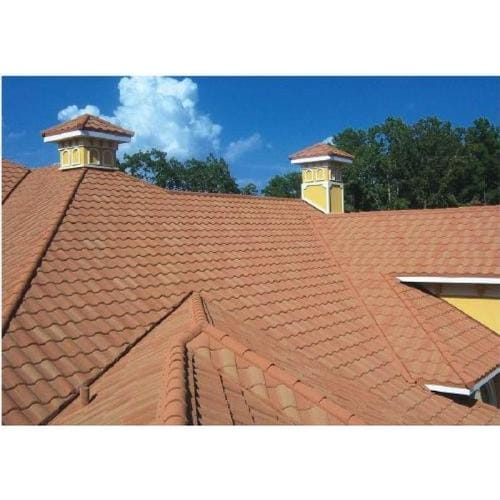
Next, issue a simple scope sheet with the drawing revision attached. It should identify main panels, ridges, hips, valleys, flashings, verge details, fasteners, underlayment where required by the design, and any accessories the project team expects.
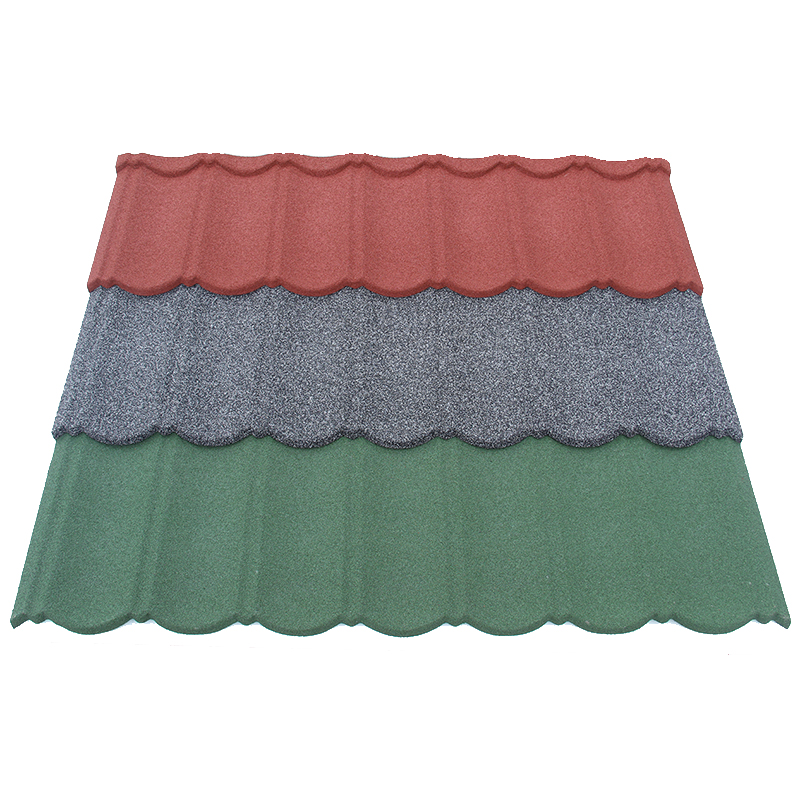
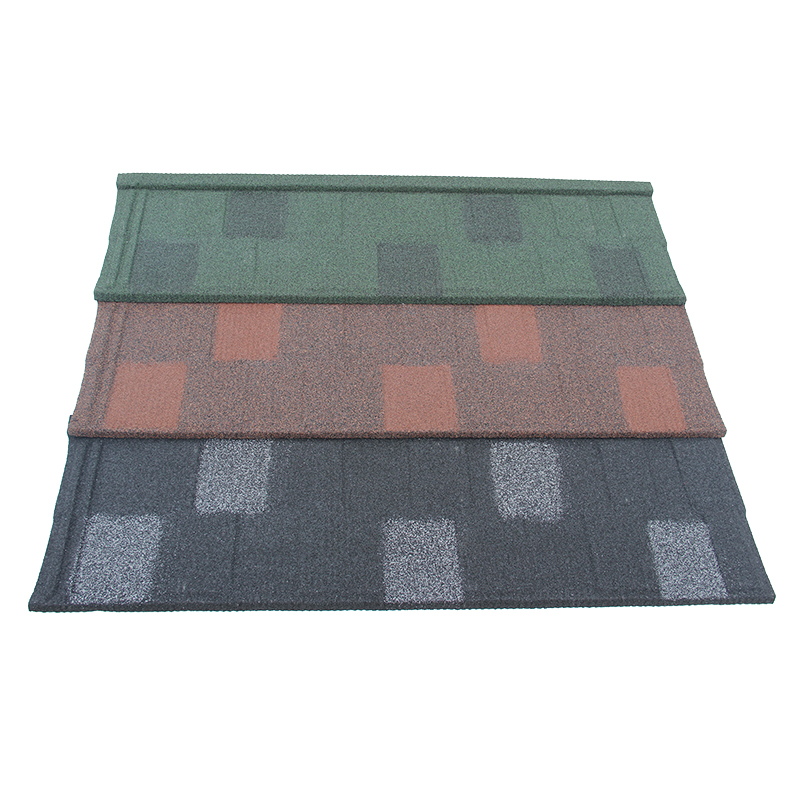
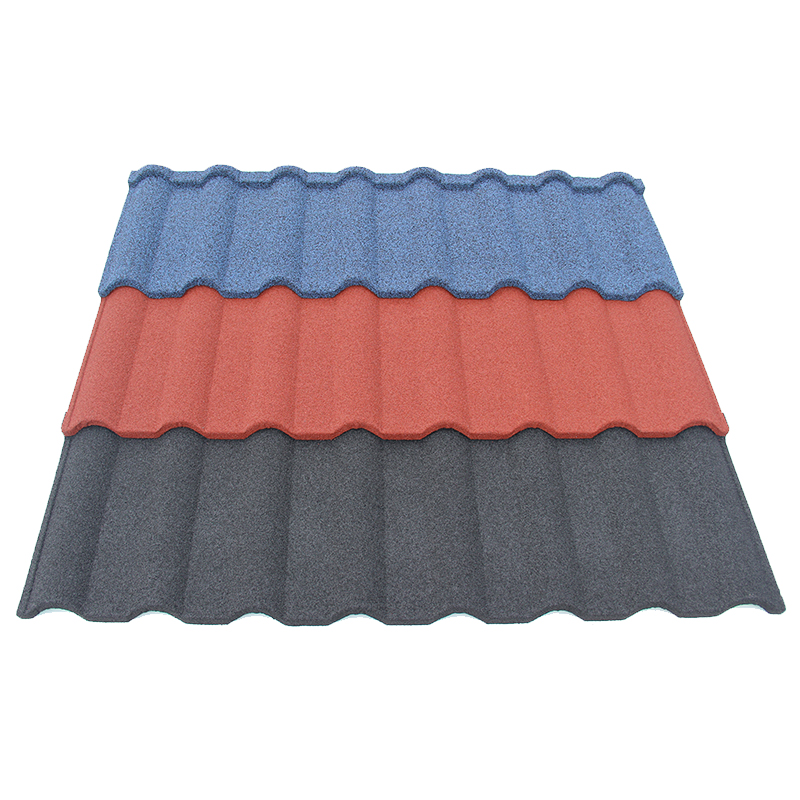
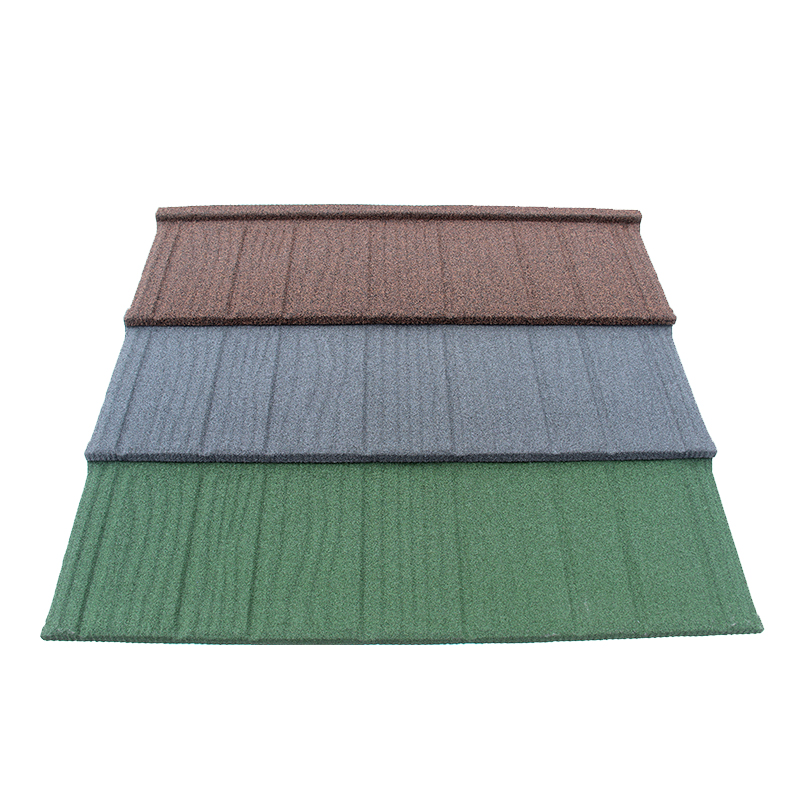
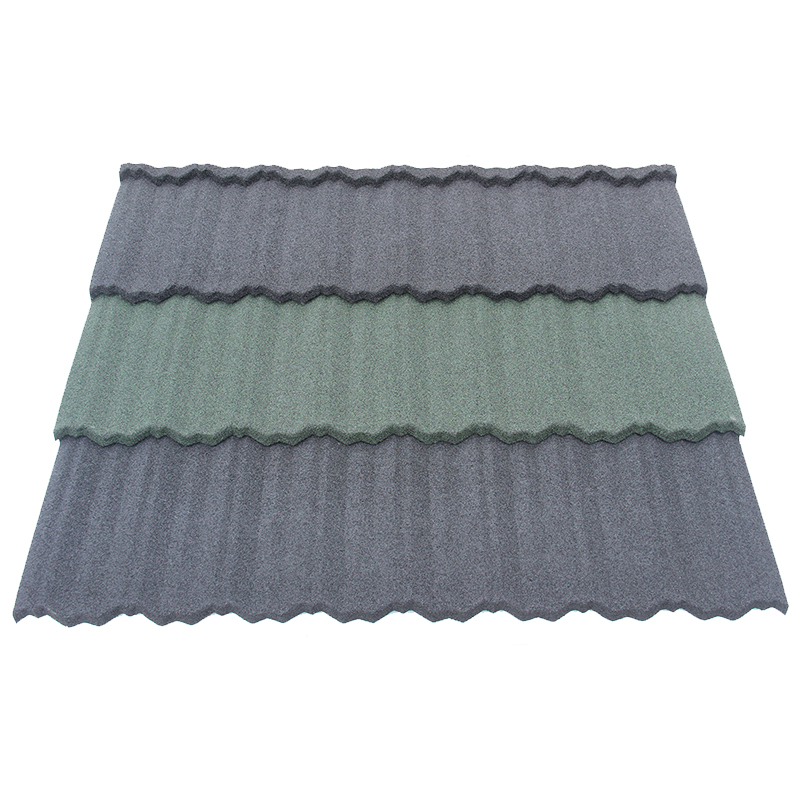
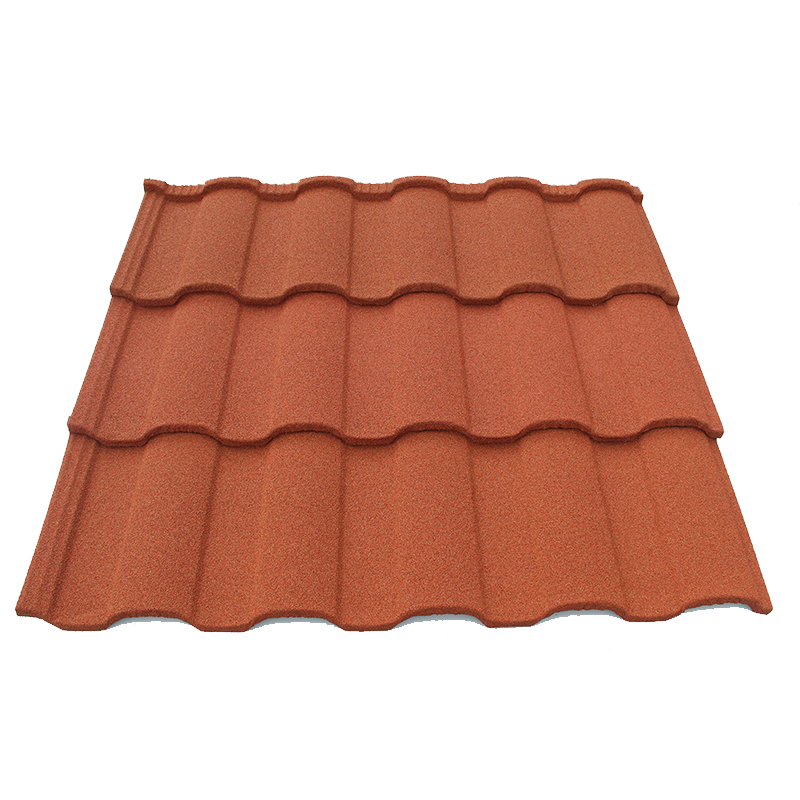
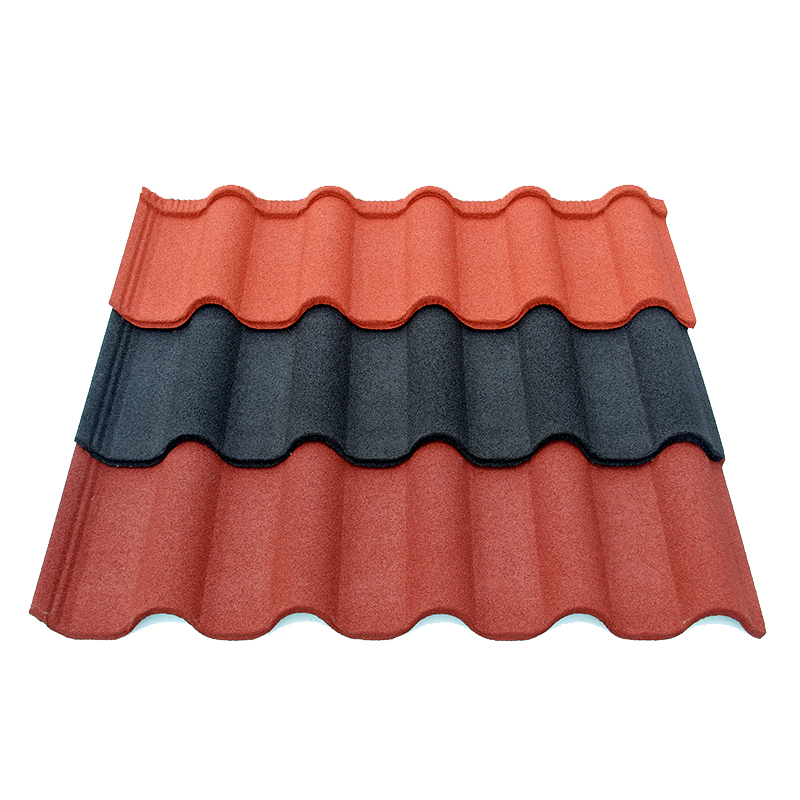
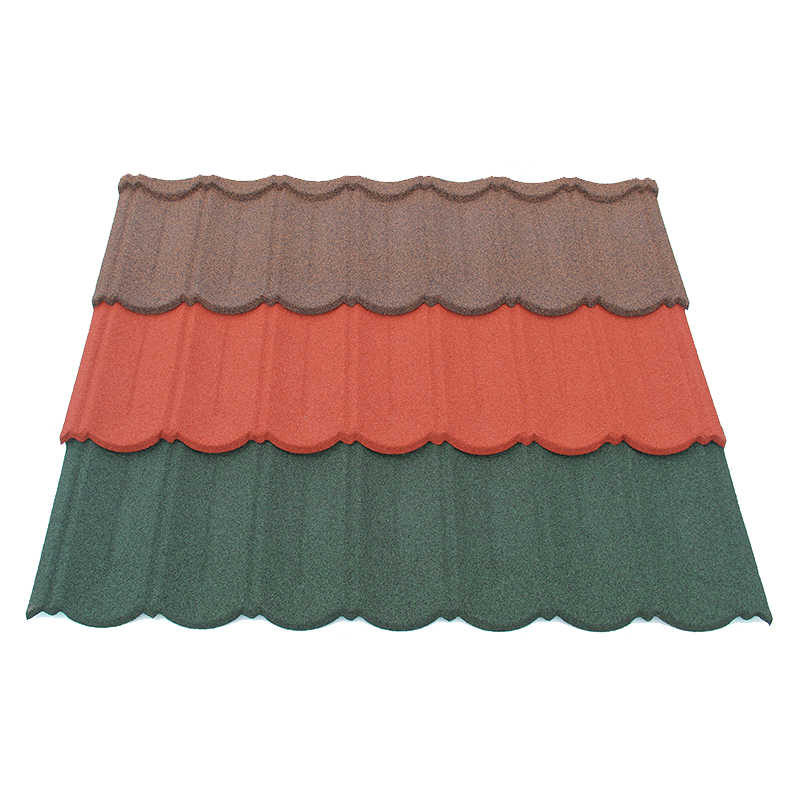
For a residential-style appearance, a buyer may compare the Bond Tile with the Roman Tile. For a different visual direction, the Shingle Tile or Shake Tile buyers can add to the request. A profile change is a design decision, so do not assume that one quoted package transfers unchanged to another.
Furthermore, ask suppliers to list quantities beside every component. A quote that shows only one total buyers cannot audit when the roof geometry changes. A priced bill of materials makes omissions visible and lets teams discuss revisions without guessing.
- Provide roof plans, elevations, and the latest detail drawings.
- State the measurement basis and whether the supplier includes waste.
- Ask for component descriptions and quantities, not only a package title.
- Request a separate note for items that remain provisional.
Separate Product Cost From Delivery and Site Work
However, the material price is only one part of a buying decision. Freight, packaging, unloading arrangements, local handling, storage, access constraints, installation labor, and disposal can change the project total without changing the panel specification.
Keep those categories separate in the comparison table. The purchasing team can then decide whether a supplier should provide delivered supply, whether the site team should arrange a local service, or whether a contractor should quote installation independently. This separation is especially useful when suppliers use different delivery terms.
Before approving a quotation, ask who arranges transport, who accepts the goods at the destination, which inspection the recipient must complete on arrival, and how schedule changes are handled. In addition, document the currency, validity period, payment milestone, and lead-time assumption shown in each offer. These are commercial conditions to confirm, not details to infer from a headline price.
Review Technical Fit Without Turning Marketing Into Evidence
Then, verify that the quoted system matches the design brief. The relevant questions are profile, panel dimensions, accessory coverage, roof geometry, substrate assumptions, fixing layout, and the documents available for the project review.
A specification is a written project requirement; a supplier brochure is a product description. The team should compare them, but neither replaces the other. If a performance, warranty, test result, coating detail, or local approval is important to the purchase decision, request the applicable current document directly from the supplier and have the appropriate project professional review it.
JCROOF fits a supplier shortlist when buyers apply the same documented scope, sample, delivery, and support questions to every candidate. This keeps brand recognition from substituting for a complete comparison.
- Confirm the drawing revision used for pricing.
- Match every accessory to a roof detail.
- Ask which documents support any required claim.
- Record unresolved technical questions before award.
Use a Decision Matrix Instead of a Single Total

Moreover, rank the quotations against the same criteria rather than selecting the smallest total immediately. A transparent matrix can show scope completeness, delivery clarity, document availability, commercial terms, and the response to open questions alongside the quoted amount.
Give each reviewer a copy of the normalized quote and ask them to mark exclusions or assumptions in writing. The estimator may identify a quantity issue, the site manager may identify an access issue, and the commercial owner may identify a payment or currency issue. Combined, those checks make the apparent price easier to interpret.
The stone-coated roofing range is a useful starting point for reviewing available profile directions, but final selection should still follow the approved design and supplier documentation. Finally, retain the matrix with the purchase record so the team can measure later changes against the same baseline.
Keep the Cost Comparison Reliable Through Purchase Order
Additionally, date every comparison and identify the drawing revision behind it. If the roof area, detail package, delivery point, installation strategy, or commercial condition changes, request a revised quotation rather than trying to adjust an old total informally. A revision trail lets the buying team see exactly which assumption changed.
Use a clarification log during supplier review. Each entry should name the question, the supplier response, the document that supports the response, and the person who confirmed the decision. This simple record protects the team when a verbal answer later the team must check against the purchase order.
Coordinate the material review with the site plan. The installer or site lead can identify access, lifting, unloading, storage, sequencing, and substrate questions that a material buyer may not see. Their input the team should record as a responsibility or exclusion, not silently added to the material price.
Record Revisions Before Delivery
>
Before award, reconcile the final bill of materials against every major roof detail. Ridges, hips, valleys, transitions, penetrations, verges, and edges should have a defined component or written treatment. When a detail changes, distribute the revision to all parties whose scope the change affects.
Keep a change register once the team selects the supplier. It should connect each design, quantity, delivery, or site-condition change to the current quotation, instruction, or approval. This gives the project team a dependable reference when it needs to understand a cost movement.
Finally, hold a short pre-delivery review with the supplier, logistics contact, and site representative. Confirm delivery contact details, receiving checks, unloading responsibility, storage preparation, and the document pack expected with the goods. A clear handover plan is part of a complete cost decision.
As a final control, arrange a brief review between the person approving the budget and the person who will manage the roof work. Read the selected quotation line by line against the scope sheet, then list any condition that still depends on a drawing, site decision, supplier confirmation, or local service provider. Assign an owner and due date to each open point. This meeting is not intended to renegotiate every item; it ensures that the purchase decision remains linked to evidence the team can retrieve later. Keep the signed clarification log beside the final quotation, and give it to the site team before it books delivery. When all material assumptions, delivery responsibilities, and change procedures are visible, the quoted cost becomes a practical planning tool rather than a number detached from the work.
Frequently Asked Questions About Stone Coated Metal Roofing Cost
Finally, these questions help a buying team keep the quotation discussion tied to scope, evidence, and responsibilities instead of an isolated headline figure.
Is the lowest material quote always the lowest project cost?
No. A material-only offer may omit accessories, delivery, site handling, or installation activities that appear elsewhere. Compare like-for-like scope before drawing a conclusion.
Should a buyer ask for installation in the same quote?
It depends on who controls the site work. Requesting separate supply and installation lines often makes responsibilities and changes easier to manage.
Can two suppliers price the same roof from different drawings?
They can, but the results will not be directly comparable. Issue the same current drawing revision and record it on every request.
What should be kept after selecting a supplier?
Keep the scope sheet, quote revision, clarifications, commercial conditions, and final bill of materials. These records help the team manage changes after award.