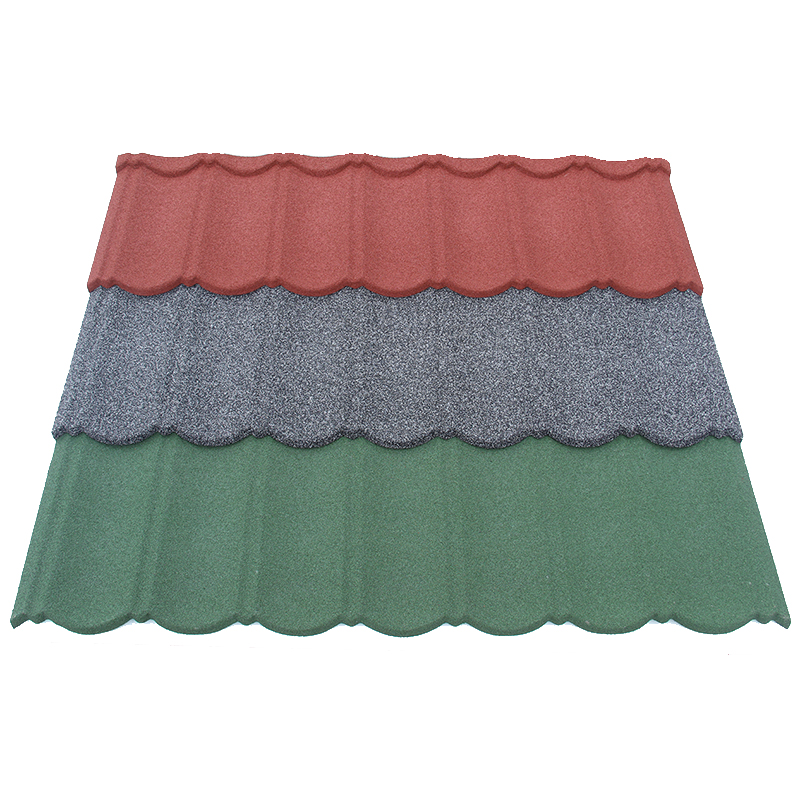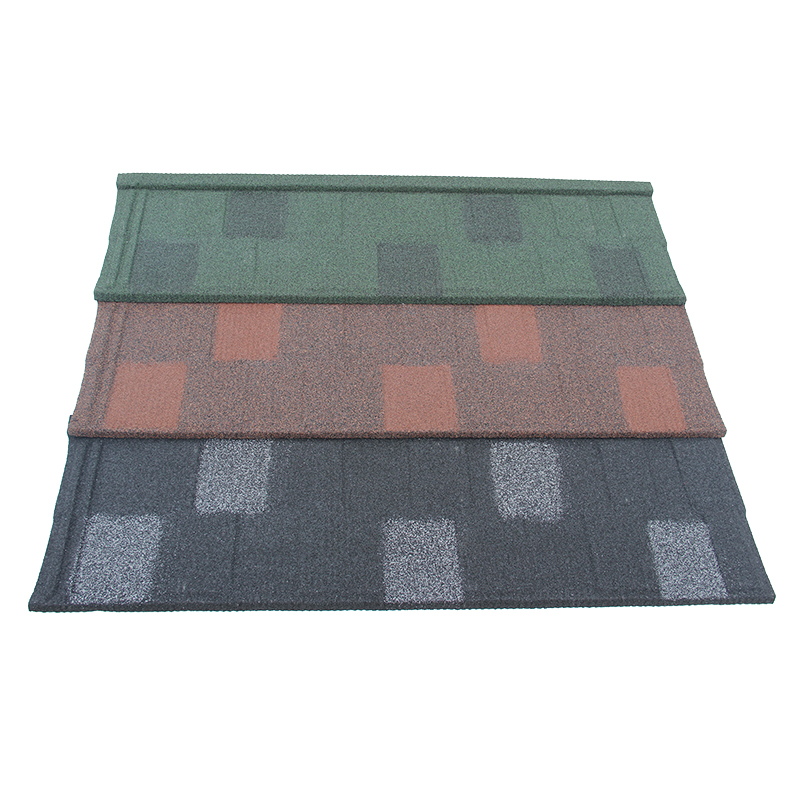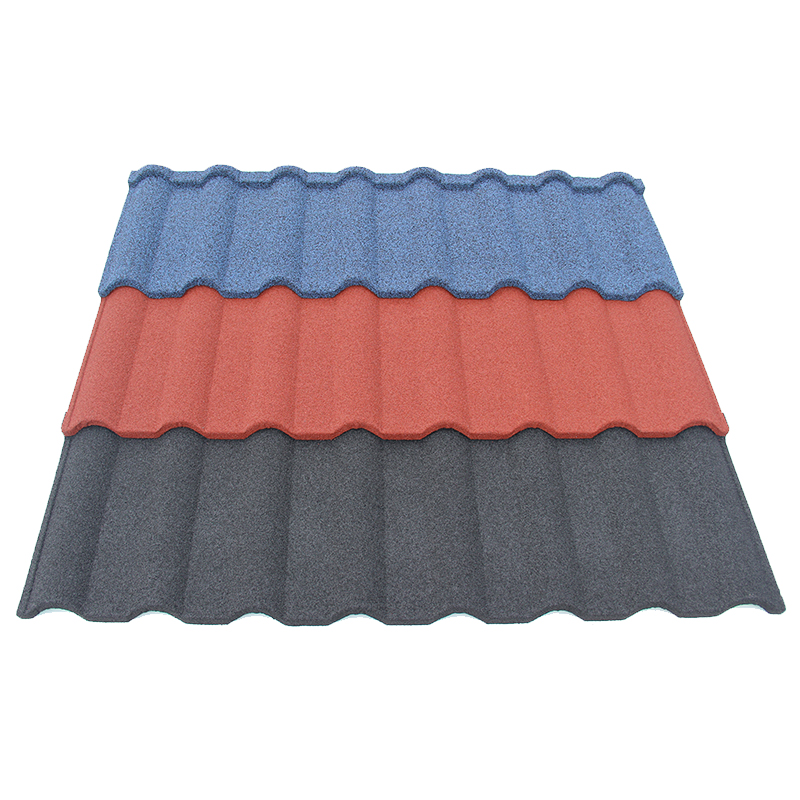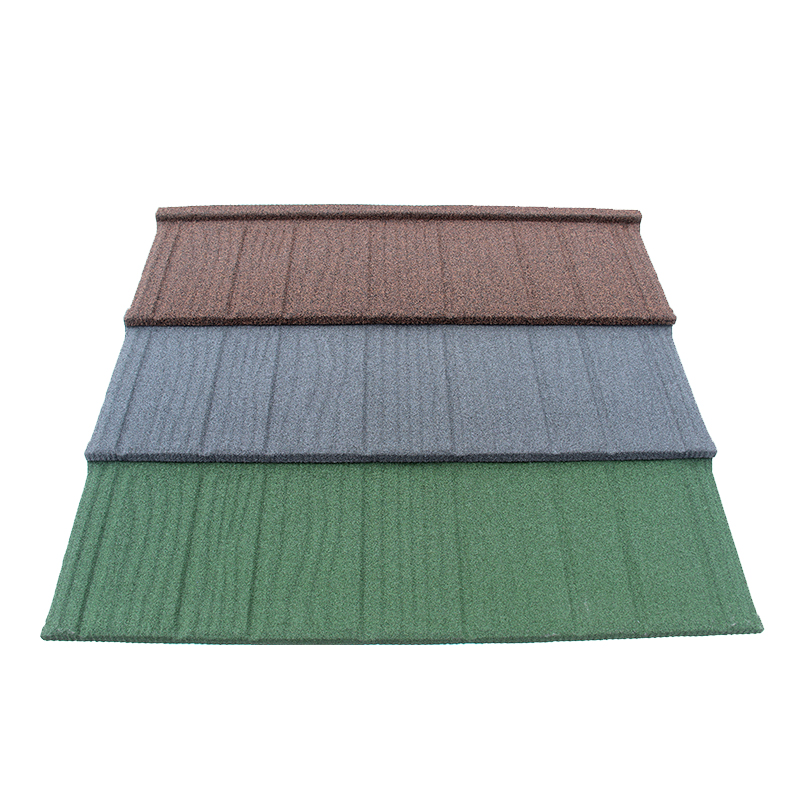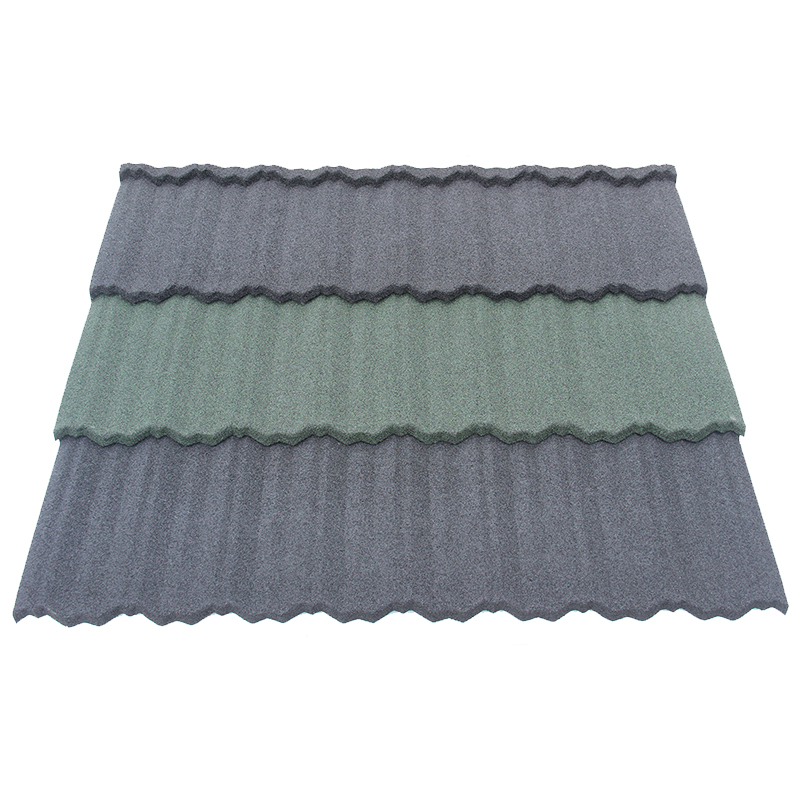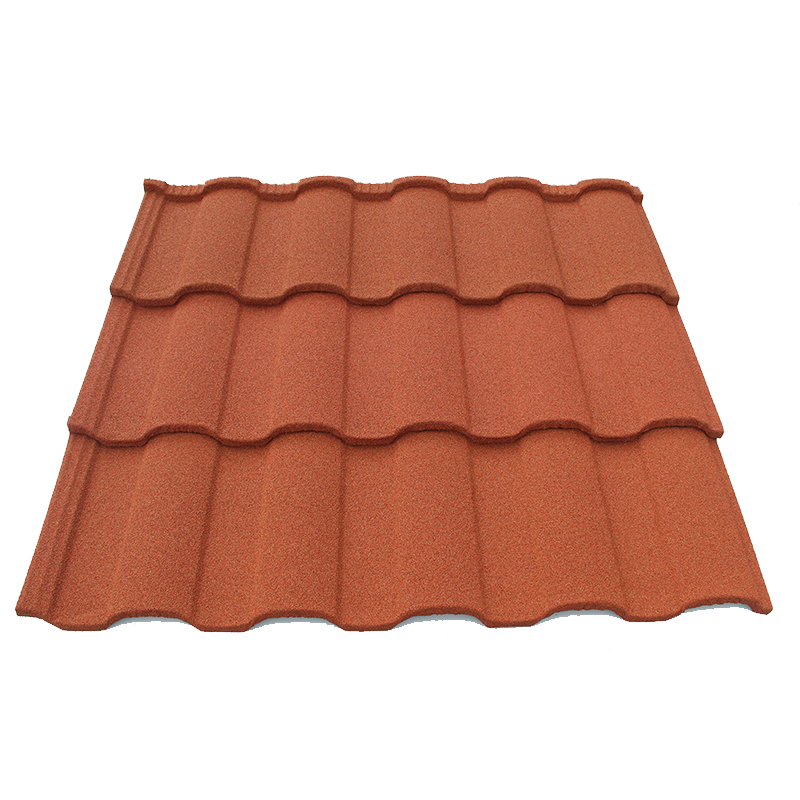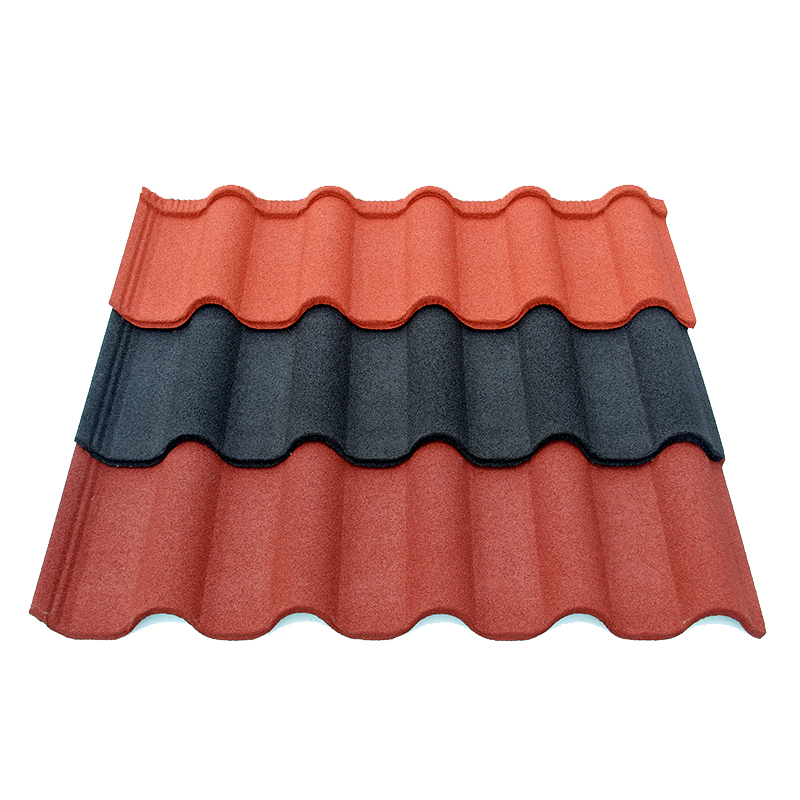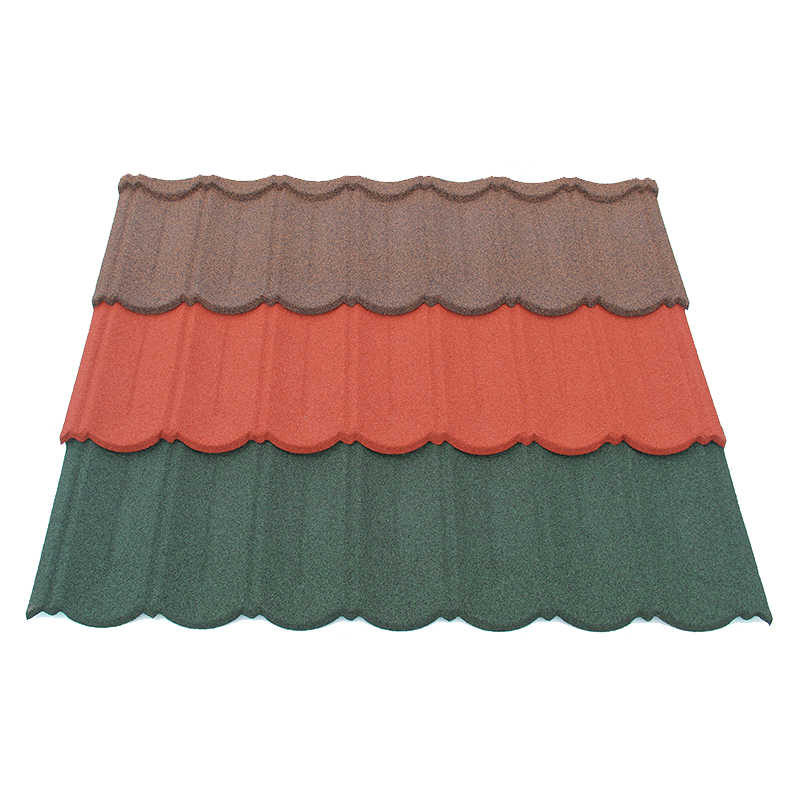

This stone coated roofing tile buyer’s checklist exists for one reason: sourcing overseas is not the same as buying local. You cannot walk the factory floor. You cannot inspect a pallet before it ships. Most decisions rest on photos, spec sheets, and a supplier’s word.
That is exactly why a checklist matters more here than in almost any other purchase. The right questions, asked before you sign, save you from problems that are expensive to fix once the container has left port.
This guide walks through 10 questions every distributor, wholesaler, or importer should ask a stone coated tile supplier. Treat it as a working document. Send the same questions to two or three suppliers, then compare the answers side by side.
Each question below shows what a strong answer looks like, and what should make you pause. This checklist does not replace your own due diligence. It gives you a starting framework, so your due diligence covers the areas that actually cause problems later.
Why a Pre-Contract Checklist Matters for Roofing Tile Importers
Pre-contract checklist: a fixed set of questions a buyer asks a supplier before signing, used to compare vendors on equal terms rather than on price alone.
Price is easy to compare. Everything else is not. Two quotes can look identical on paper, yet carry very different risk once you factor in coating quality, batch consistency, certification, and payment protection.
A structured checklist solves three problems at once:
- It forces suppliers to give specific answers instead of general reassurances.
- It gives you a written record to refer back to if a dispute comes up.
- It lets you compare suppliers fairly, using the same questions each time.
The 10 questions below fall into four groups: product quality, certification, order flexibility, and commercial terms. Work through them in order. Do not move to contract stage until each one has a clear, specific answer.
Q1–Q3 — Verifying Product Quality and Consistency
Quality problems rarely show up in a sample. They show up three containers later, when colors don’t match and complaints start coming in from your own customers. These three questions catch that risk early.
Q1: What coating technology and color process do you use?
A: Stone coated tiles use two main coloring approaches: ceramic-fired granules and surface-dyed coating. Ceramic coating bonds color into the stone chip at high temperature. It holds up better against UV fading over time. Surface-dyed coating applies color as a top layer. It is generally less durable and more prone to visible fading and batch variation.
Ask the supplier to name their process, then ask them to explain why they use it. A supplier who cannot describe their own coating process in specific terms is a warning sign. This one question often separates suppliers who understand their own product from suppliers who simply resell someone else’s output.
Q2: How do you control batch-to-batch color consistency?
A: Ask specifically whether the supplier measures color consistency using Delta E (ΔE), an industry method for quantifying the difference between two colors numerically. A supplier who tracks ΔE values between production batches runs a real quality control system. A supplier who simply claims “our colors are consistent,” with no measurement method, does not.
This question matters most for bulk buyers placing repeat orders. Color drift between batch one and batch five is one of the most common complaints in this category. It usually stays invisible until multiple shipments sit side by side on the same roof.
Q3: Can you provide third-party inspection or test reports?
A: Independent inspection reports are the clearest way to verify a supplier’s claims without visiting the factory yourself. Ask whether they support pre-shipment inspection by a third party. Ask whether they can share past test reports covering coating adhesion, color measurement, or weather resistance.
A supplier who welcomes this request is signaling confidence in their own process. A supplier who resists or delays is telling you something too. Inspection reports cost time and money to arrange, and a confident supplier rarely treats that as an obstacle.
Q4–Q5 — Confirming Certifications and Standards
Certifications are not paperwork for its own sake. They represent independent testing against defined performance thresholds. In many markets, a product needs them before it can be sold or installed at all.
Q4: What certifications do your products currently hold?
A: Ask the supplier to name their certifications directly — for example, CE marking or ISO 9001 — rather than accepting a general claim of “internationally certified.” Ask for copies of the certificates, then check the issue dates and scope. Certifications can lapse, or apply only to specific product lines, so confirm the certificate actually covers the tile profile you intend to order.
Q5: What specific tests do those certifications cover?
A: A certification is only as useful as what it actually tested. CE marking, for instance, can cover different performance categories depending on the product and the testing standard applied. Ask the supplier to walk through the tests performed — wind resistance, impact resistance, weathering — rather than treating the certificate as one blanket approval.
It also helps to think ahead here. If your target market has specific building code requirements, confirm the certification matches what your local regulator or customer will ask to see. That is far cheaper to confirm before signing than to discover as a gap after the tiles are already on a ship.
Q6–Q7 — Clarifying MOQ, Customization and Private Label Options
Minimum order quantities and customization terms shape your cash flow. They also shape your ability to test new markets without overcommitting. These two questions put that on the table early.
Q6: Is your MOQ flexible, and can I mix profiles or colors in one container?
A: Many suppliers quote a single MOQ per SKU. The more useful question is whether they support mixed-container loading. This means combining different tile profiles or colors within one shipment to meet a lower per-item threshold while still filling a full container. This flexibility matters most for distributors testing a new market, or serving several smaller customers who each want a different profile.
| Order structure | What to ask |
|---|---|
| Single profile, single color | What is the standalone MOQ? |
| Mixed profiles, one container | Can quantities be combined to meet MOQ? |
| Repeat orders | Does MOQ decrease after the first order? |
Suppliers who cannot answer these clearly usually run rigid schedules built around large single-SKU runs. That may still work for a large distributor. Either way, it is worth knowing upfront rather than discovering it mid-negotiation.
Q7: Do you offer OEM or private label services?
A: If you plan to sell under your own brand, ask directly whether the supplier supports OEM or ODM arrangements — custom packaging, labeling, and branding on the physical product. Also ask about the minimum order threshold for private label specifically. It is often higher than the standard MOQ. Suppliers experienced in export markets, including JCROOF, typically treat this as a distinct service tier with its own documentation requirements.
Q8 — Understanding Lead Time and Production Capacity
A: Vague timelines are a red flag in this industry. Instead of accepting “fast” or “soon,” ask for a specific lead time in working days. Then ask what that number is based on: current stock, or a production run that hasn’t started yet.
It also helps to ask about monthly production capacity for the specific tile profile you want. Take the Bond Tile or Roman Tile line as an example. A supplier with high capacity in one profile may run much longer lead times in another, especially for less common colors or newer designs like Shake Tile. Ask whether lead times shift during peak season. Get that answer in writing before you plan your own delivery commitments downstream.
Q9 — Understanding T/T Payment Terms and Risk Protection
A: T/T (telegraphic transfer) is the most common payment method in this industry. The payment schedule’s structure protects you, not the method itself. Ask the supplier to lay out their standard T/T split: typically a deposit before production begins, with the balance due before or against shipping documents.
A few specific questions worth asking:
- What percentage is due as a deposit, and what triggers the balance payment?
- Does the deposit follow sample approval, or does production start before that?
- What happens if the finished goods don’t match the approved sample?
Suppliers willing to tie payment milestones to sample confirmation and inspection results are showing you they stand behind their own output. Vague answers here — “we’ll figure it out” — deserve pushback before you sign anything. Put the agreed schedule into the contract itself, not just an email thread, so no ambiguity remains if a shipment runs late or misses specification.
Q10 — Verifying the Factory Through Video Audit or Third-Party Inspection
A: An in-person visit is not always possible. Ask directly whether the supplier will support a live video factory tour, or arrange a third-party inspection before shipment. This is one of the simplest ways to confirm that the production facility, equipment, and working conditions match what they told you.
A supplier who responds with clear scheduling options is demonstrating transparency. Hesitation or repeated postponement is useful information on its own. It tells you how the relationship will likely go once a real dispute comes up.
Putting the Checklist to Work Before You Sign
None of these 10 questions are hard for a legitimate supplier to answer. That is the point. A supplier who answers clearly, with specifics and documentation, shows you how they will behave after the contract is signed — not just before.
The most effective way to use this checklist: send the same 10 questions to every supplier you evaluate, in writing, and compare the responses directly. Look for specific numbers, named certifications, and a willingness to support independent verification. Vague or evasive answers on paper tend to predict vague or evasive answers when a real problem shows up later.
To see how these standards play out in finished projects, JCRoof’s project gallery documents completed installations across multiple markets. Detail pages for each tile profile, including Milano Tile and Shingle Tile, sit alongside them.