


Choosing a stone coated roofing tile for coastal environments is not the same as choosing one for an inland market. Salt-laden air attacks metal roofing faster than almost any other condition. A tile that performs well 50 kilometers inland can fail within a few years near open water.
For distributors and importers, this matters beyond product quality. If a tile underperforms in a coastal project, the complaint reaches you first, not the factory. Your customer doesn’t call the manufacturer when a roof shows rust streaks after two years. They call whoever sold it to them.
This guide breaks down what actually determines salt resistance, so you can specify the right product for each market and back up that recommendation with real data. It also gives you a framework for matching specification level to actual site conditions, so you’re not overpaying for protection a project doesn’t need, or underspecifying one that does.
Why Coastal Environments Are So Hard on Roofing Materials
Salt-laden air accelerates corrosion through a simple electrochemical process. Moisture combines with airborne chloride particles and settles on exposed metal. That combination speeds up oxidation far faster than rain or humidity alone.
Standard galvanized steel relies on a zinc coating that sacrifices itself to protect the steel underneath. In coastal zones, that zinc layer depletes faster. Once it’s gone, the steel base corrodes directly, often starting at cut edges, fastener heads, and panel overlaps.
Distance from the coast changes the severity dramatically. A property 500 meters from breaking surf faces constant salt deposition. A property 5 kilometers inland faces a fraction of that exposure. Any coastal roofing recommendation needs to account for this gradient, not treat “coastal” as one uniform condition.
Wind patterns compound the effect. Onshore winds carry salt particles further inland than calmer coastal areas, which is why two properties at the same distance from the water can face very different exposure levels. Humidity plays a role too. Salt deposits stay wet longer in humid climates, which extends the time the corrosion process has to work on exposed metal.
This is also why coastal corrosion is often underestimated during initial site visits. A roof can look fine after the first year or two, since the zinc or aluminum-zinc layer is still sacrificing itself to protect the steel underneath. Damage becomes visible only once that protective layer wears through, by which point replacement is usually the only fix.
What Determines Salt Resistance in Stone Coated Steel Roofing Tiles
Marketing language like “corrosion-resistant” tells you nothing on its own. Two numbers actually determine how a tile performs near salt water: the coating composition and the salt spray test rating behind it.
Coating Types and Their Coastal Performance
Stone coated steel tiles rely on a metallic coating beneath the stone layer to protect the steel core. The three most common types differ meaningfully in coastal performance.
| Coating type | Composition | Typical coastal performance |
|---|---|---|
| Galvanized (Z) | Zinc coating | Weakest; zinc depletes fastest near salt water |
| Galvalume / AZ | Aluminum-zinc alloy | Improved; aluminum slows the corrosion rate |
| ZnAl / ZnMg | Zinc-aluminum-magnesium alloy | Strongest; magnesium further extends coastal service life |
Ask any supplier which coating class their base steel uses before comparing warranty claims. A 40-year warranty means little if it’s built on a coating class known to underperform near salt water.
The magnesium in ZnAl/ZnMg coatings is worth understanding specifically, since it’s the newest and least familiar of the three options to many buyers. Magnesium forms a more stable, denser protective layer than zinc alone. In independent testing, this class of coating has shown meaningfully longer time-to-corrosion than standard Galvalume under the same salt spray conditions. That makes it the preferred choice for severe exposure zones, even though it typically costs more per square meter than standard AZ coating.
Understanding Salt Spray Test Ratings (ASTM B117 vs. ISO 9227)
Salt spray test: an accelerated corrosion test that exposes a coated steel sample to a fine salt mist inside a controlled chamber, then measures how long it takes for visible corrosion to appear.
ASTM B117 is the standard most commonly cited in North America. ISO 9227 is its closest international counterpart, and the two use comparable test conditions. When a supplier quotes hours of salt spray resistance, ask which standard they tested against, since the two are broadly comparable but not identical.
A few reference points worth knowing:
- 500 hours or less indicates a coating built for general or inland use.
- 1,000 hours is a common benchmark for coastal-grade steel roofing.
- 1,500+ hours signals a coating engineered specifically for aggressive marine exposure.
These numbers describe the coating alone, not the finished installed tile. Ask the supplier to confirm the test was run on the actual base steel used in their roofing product, not a generic sample from a raw material supplier.
It’s also worth asking how the test result is defined. Some reports measure hours to the first sign of white rust, which is a surface-level zinc oxide and not yet structural damage. Others measure hours to red rust, which means the corrosion has reached the steel itself. A “1,000-hour” rating tied to white rust and a “1,000-hour” rating tied to red rust represent very different levels of real-world protection, even though the number on the page looks identical.
Matching Tile Specification to Distance From the Coast
Not every coastal project needs the highest-grade coating available. Matching the specification to actual exposure keeps costs reasonable while still protecting performance.
| Distance from coastline | Salt exposure level | Recommended coating class |
|---|---|---|
| Within 1 km | Severe | ZnAl or ZnMg, 1,000+ hour salt spray rating |
| 1–5 km | Moderate to high | Galvalume/AZ, 750–1,000 hour rating |
| 5–15 km | Moderate | Galvalume/AZ, standard rating acceptable |
| Beyond 15 km | Low | Standard galvanized coating typically sufficient |
Use this table as a starting point, not a fixed rule. Wind direction, local humidity, and whether the site faces open ocean or a sheltered bay all shift where a project actually falls on this scale.
For distributors serving multiple markets, it helps to build this into your own sales conversation rather than leaving it to guesswork. Ask your customer how far the project site sits from the water, and in which direction the prevailing wind blows relative to the coastline. A project facing directly into onshore wind may need one specification tier higher than the raw distance alone would suggest.
This also affects inventory planning. Distributors who stock a single coating grade often end up either over-specifying inland projects, which erodes margin, or under-specifying coastal ones, which creates warranty claims. Carrying at least two coating tiers, one standard and one coastal-grade, covers most real-world project mixes without requiring a separate SKU for every distance band.
Questions to Ask Your Supplier About Coastal-Grade Performance
Before specifying a tile for a coastal project, get direct answers on these points. This builds on the broader due-diligence approach covered in our buyer’s checklist for stone coated roofing tiles.
- What coating class does the base steel use? Get the specific alloy, not just “corrosion-resistant.”
- What salt spray rating backs that coating, and to which standard? Ask for the test report, not just a number on a spec sheet.
- Was the test run on the finished product or raw material? These can differ, and the gap matters for coastal projects.
- Does the warranty specifically cover coastal or marine installations? Some warranties exclude or limit coverage within a set distance from salt water.
Suppliers who answer these clearly, with documentation, are the ones worth specifying for coastal markets. Vague answers here tend to predict problems once tiles are actually installed near the coast.
It’s reasonable to request a physical sample panel alongside the test documentation. A short-term salt exposure comparison between two suppliers’ samples, even an informal one, often reveals differences that spec sheets alone don’t show. Suppliers confident in their coating are typically willing to provide samples for exactly this purpose.
Choosing the Right Stone Coated Tile Profile for Coastal Projects
Coating performance matters most, but panel design also plays a role in coastal durability. Heavier wind loads near open water put more stress on interlocking edges and fastener points.
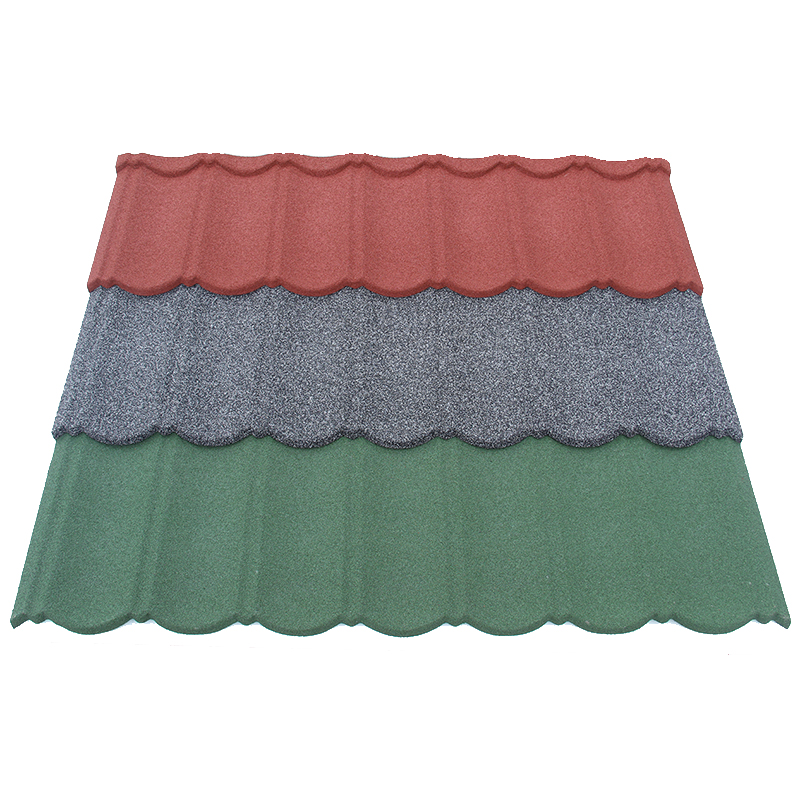
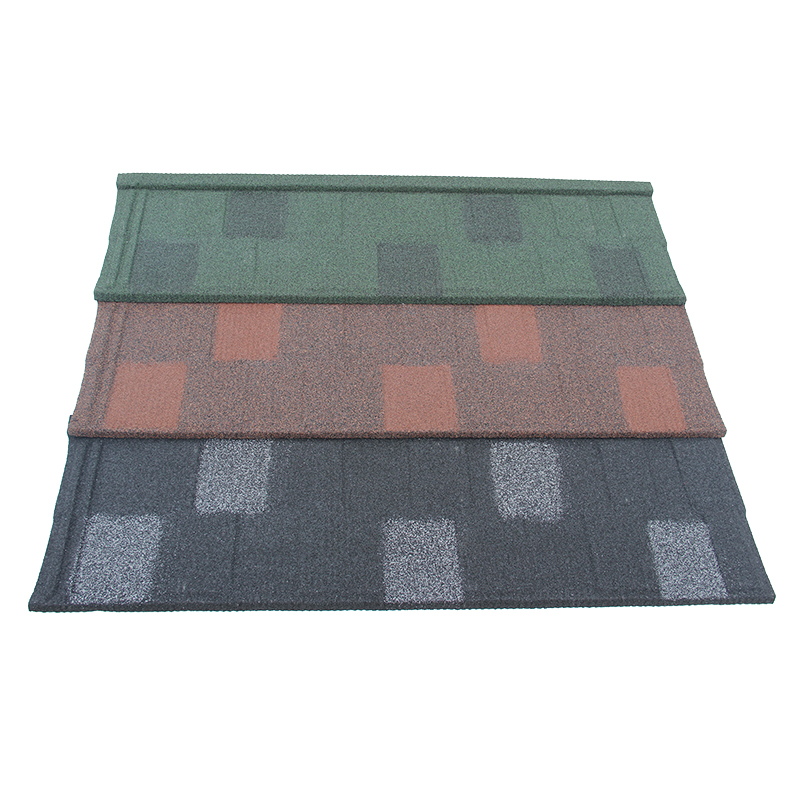
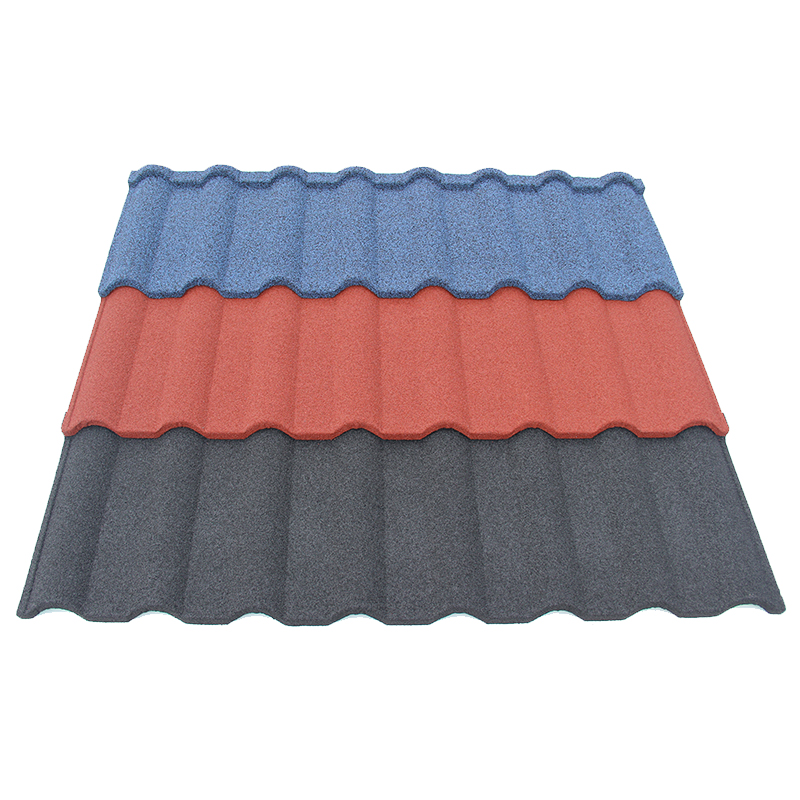
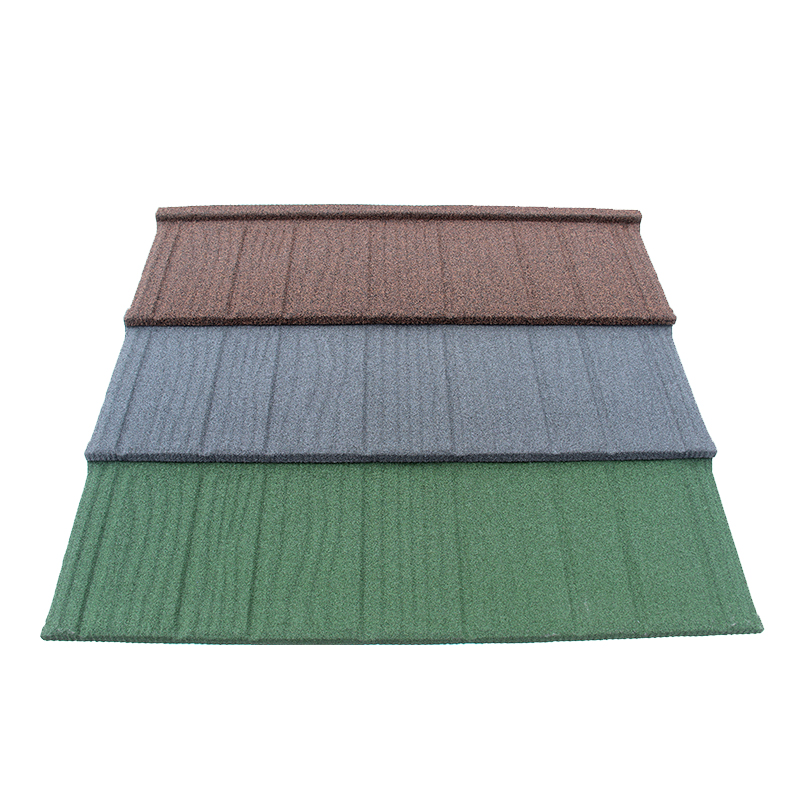
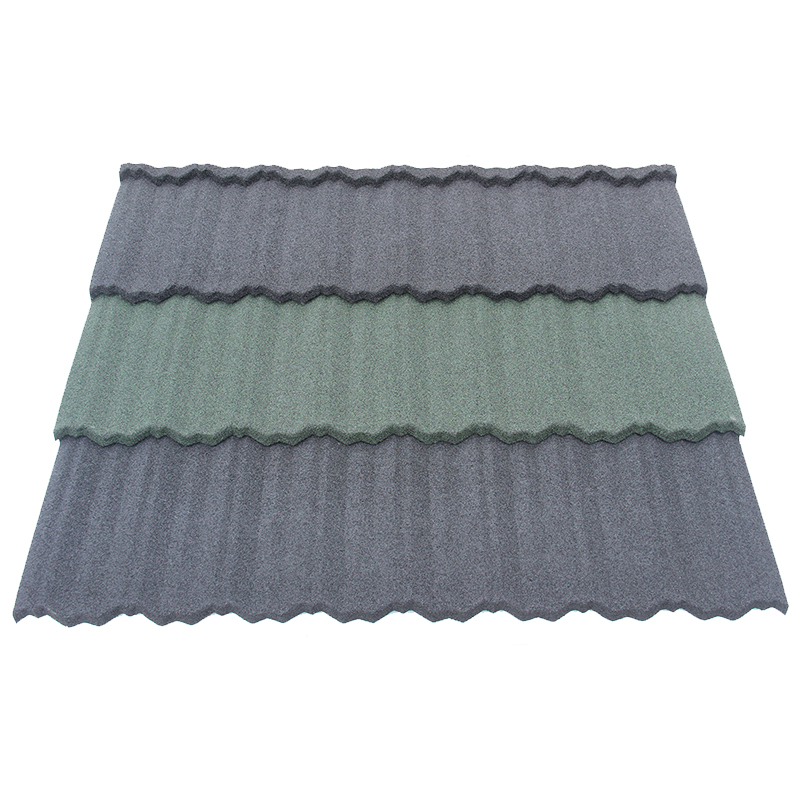
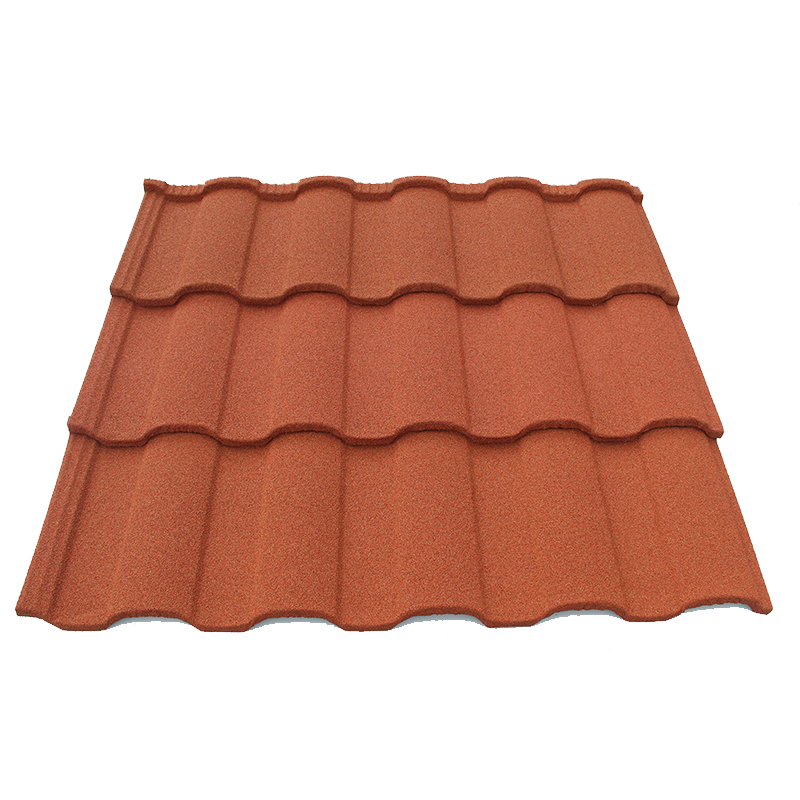
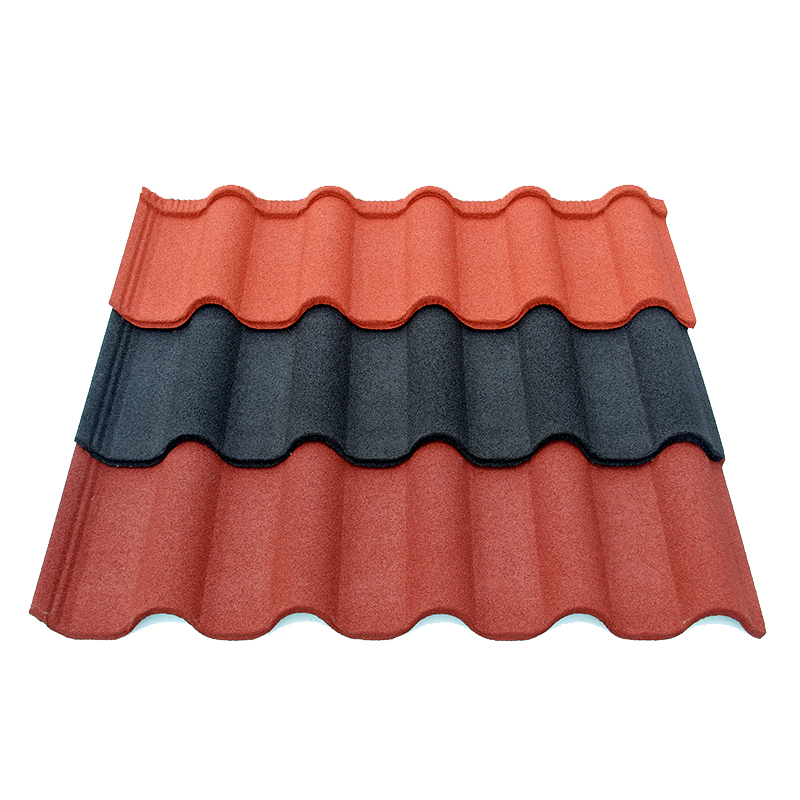
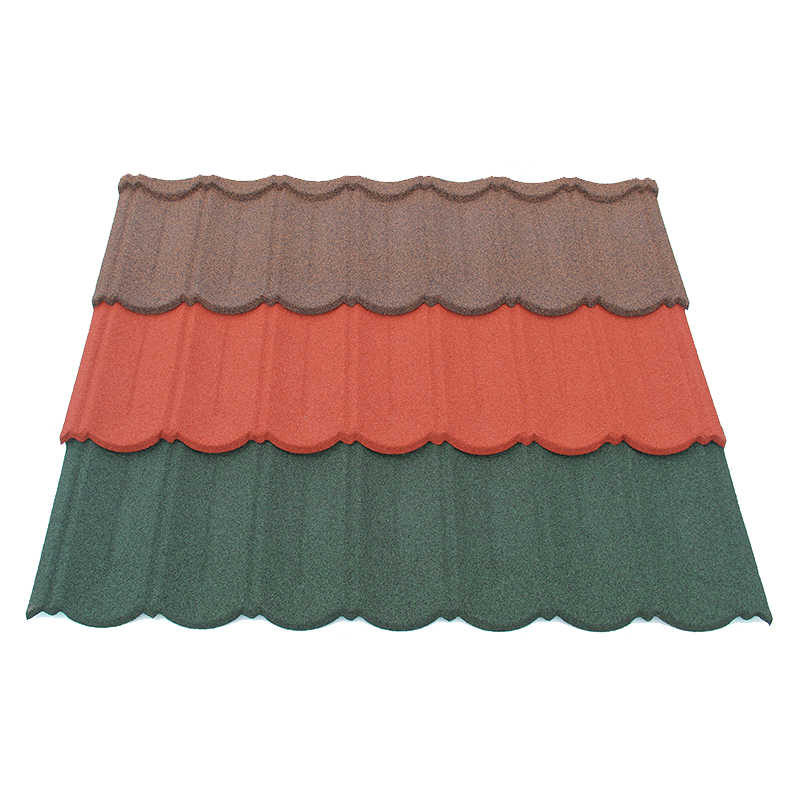
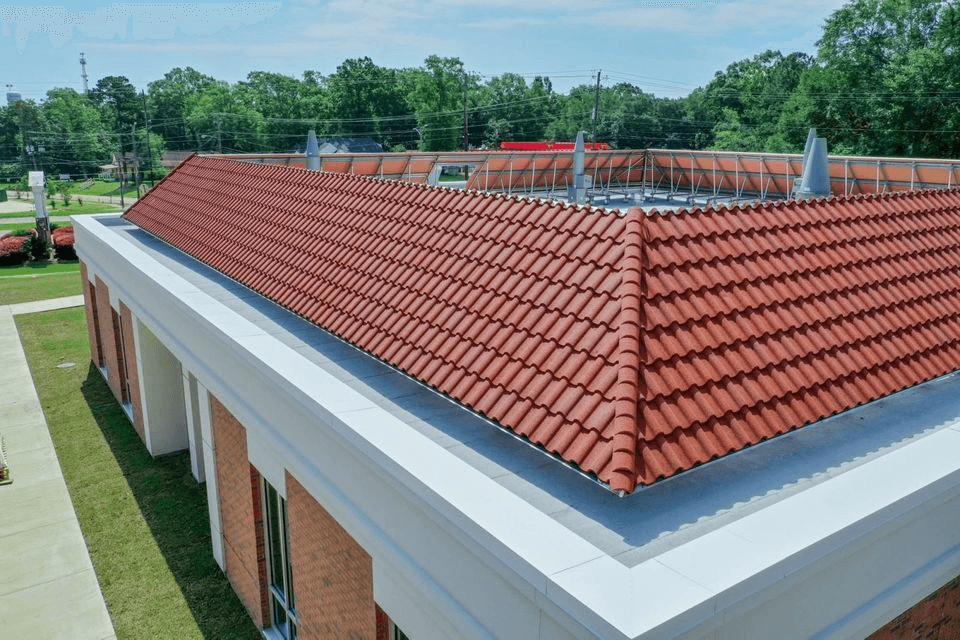
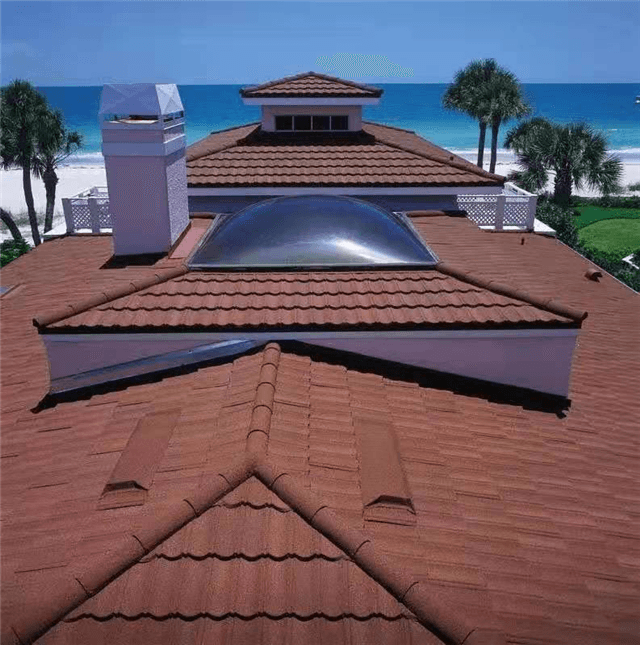
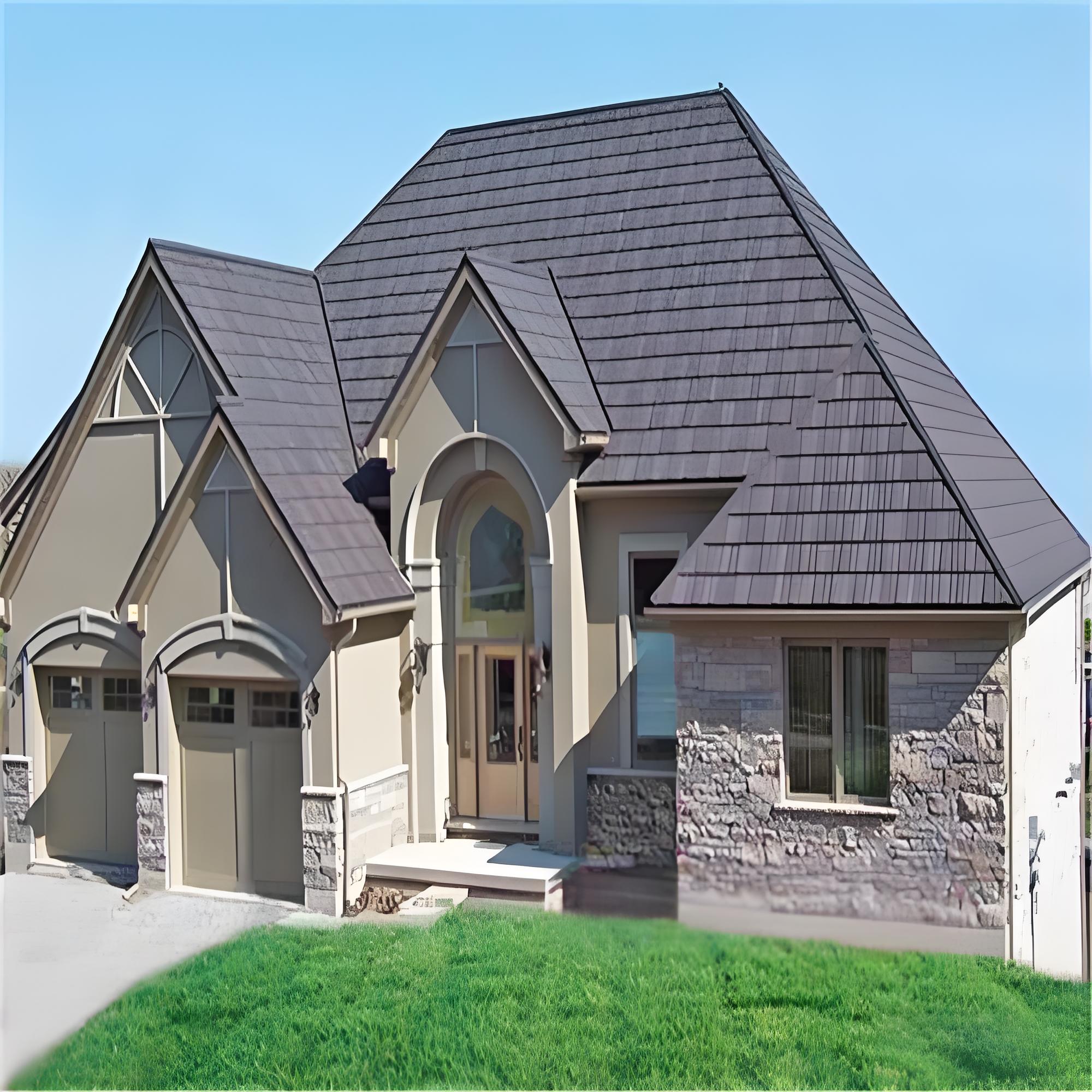
Lighter profiles like the Shake Tile work well on coastal residential projects where reduced structural load is a priority. For projects needing a stronger visual profile with the same coastal-grade coating options, the Bond Tile and Roman Tile lines are common choices in Mediterranean and Middle Eastern coastal markets. The Milano Tile profile suits contemporary coastal builds where a flatter aesthetic is preferred.
Whatever profile you specify, confirm that the coastal-grade coating option applies across the full color range you plan to offer, not just one or two standard finishes. Darker stone coatings absorb more heat and can accelerate coating stress in already harsh coastal UV conditions, so it’s worth confirming color-specific warranty terms rather than assuming they match the base product warranty.
Fastener and flashing components deserve the same scrutiny as the tile itself. A coastal-grade tile installed with standard galvanized fasteners creates a weak point that corrodes long before the panels do. Confirm that your supplier offers matching coastal-grade fasteners and trim, or specify compatible marine-grade hardware separately if they don’t.
JCROOF produces coastal-grade coating options across its core tile profiles, and its project gallery includes completed installations in several coastal markets.
Bringing It Together for Your Next Coastal Quote
Specifying roofing for coastal and high-salinity environments comes down to matching real exposure data to a documented coating standard, not to marketing language. Get the coating class, the salt spray hours, the testing standard, and the corrosion definition behind that number, every time.
Distributors who build this into their standard quoting process end up with fewer callbacks and stronger credibility with end customers. A specification backed by test data is also easier to defend if a customer compares your quote against a competitor offering a lower price on paper but a weaker coating underneath.
Keep this comparison framework alongside your supplier’s technical documentation, and use it consistently across every coastal project, regardless of which market you’re quoting for.