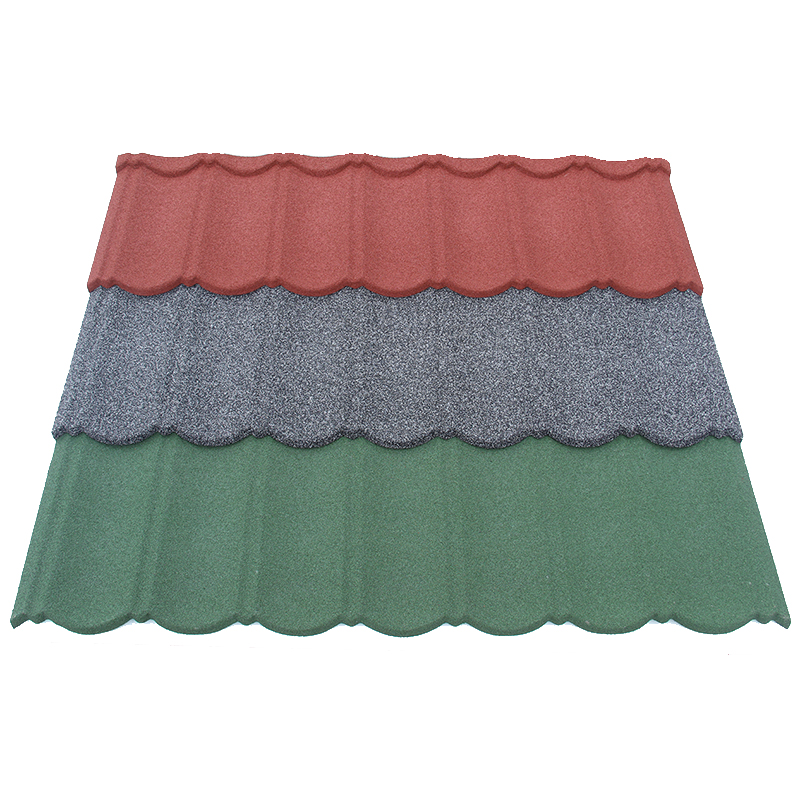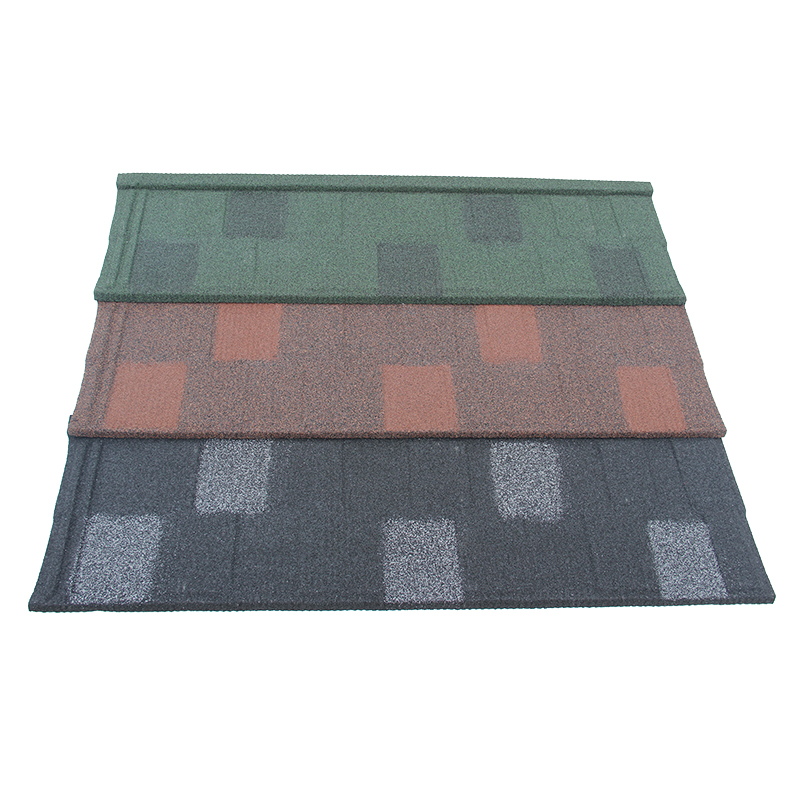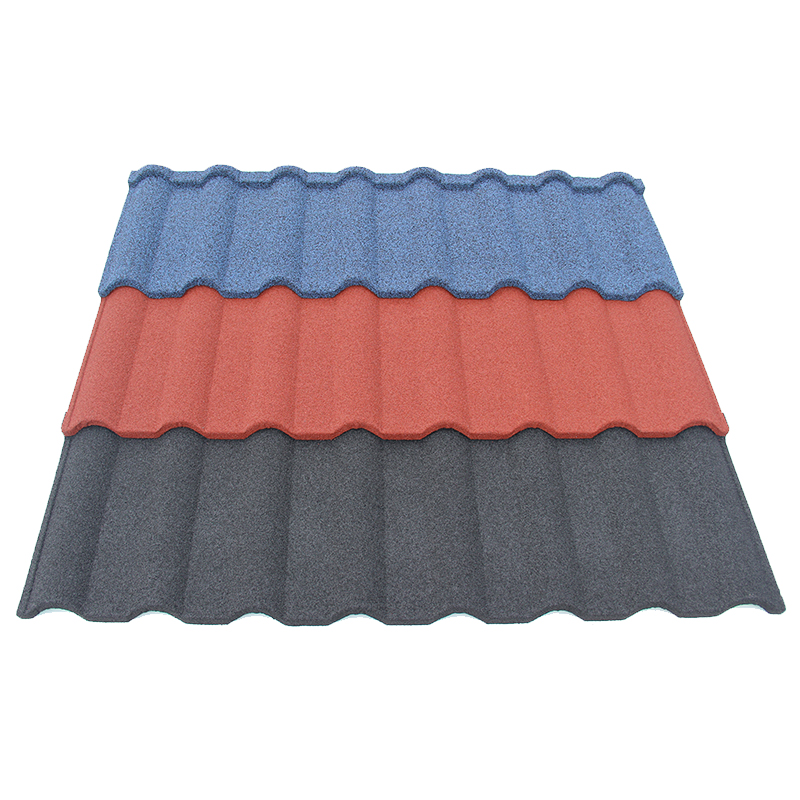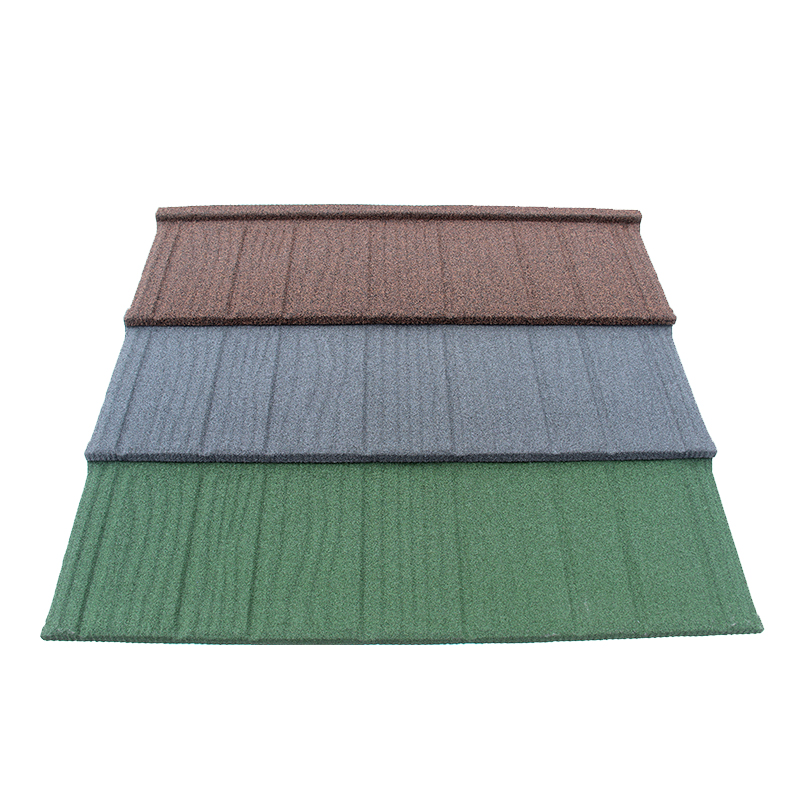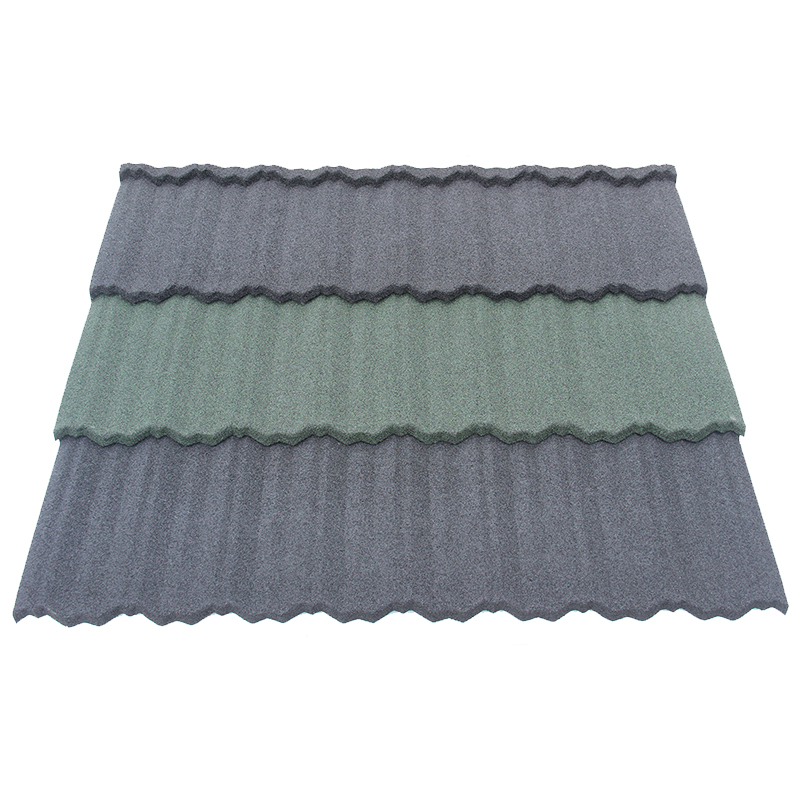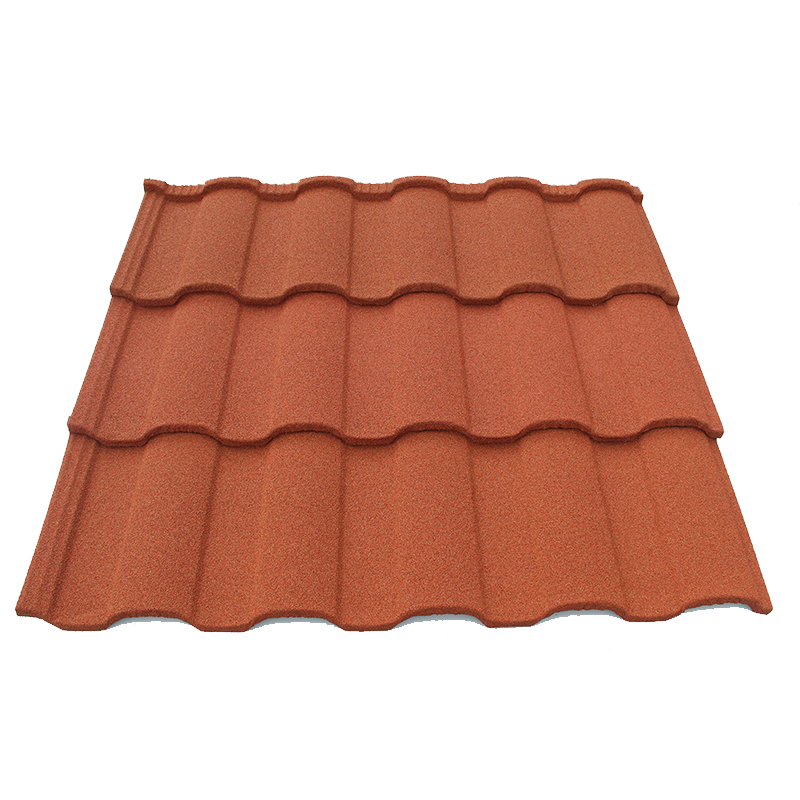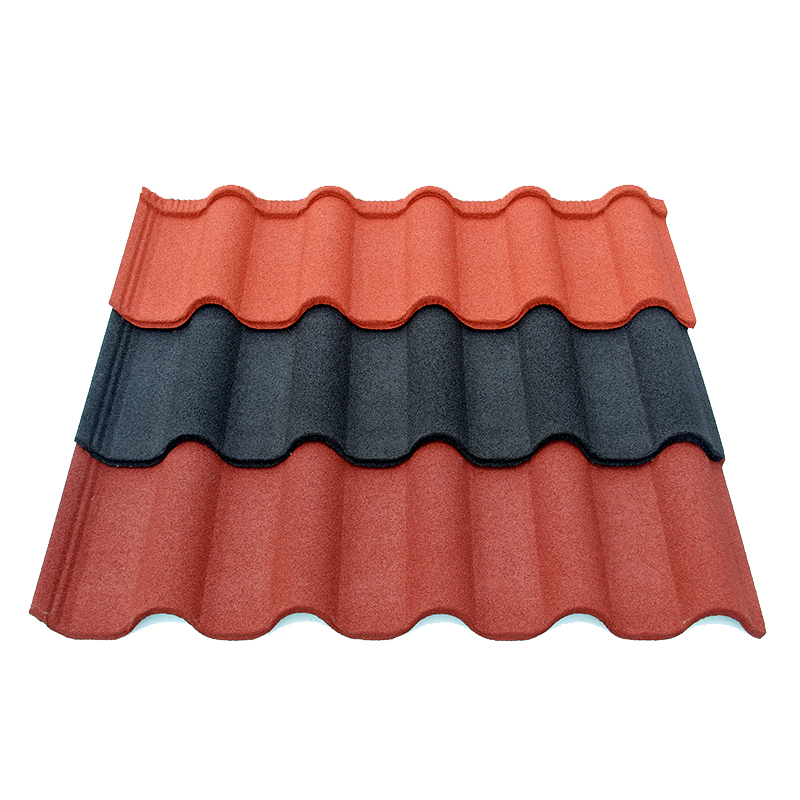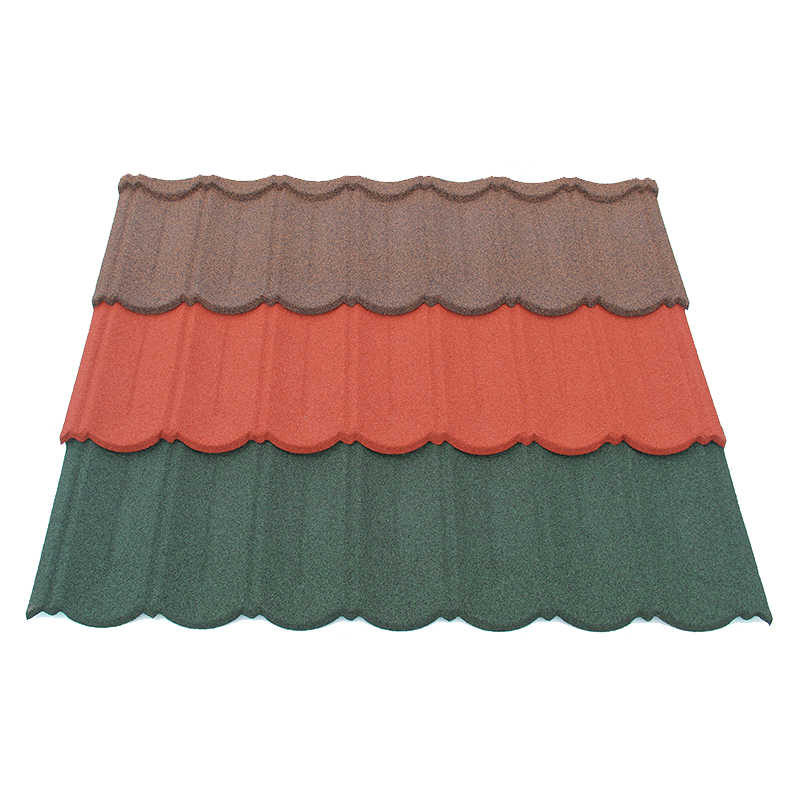

Kawara stone coated metal roofing deserves a structured answer because buyers often compare a headline claim with a complete roof decision. Kawara-style selection should connect the desired visual language with the actual roof drawings and component schedule. This guide helps project teams compare scope, evidence, delivery, maintenance, and long-term purchasing risk.
Use current drawings and supplier documents. Avoid unsupported numbers, certifications, warranties, or project claims when the relevant source is unavailable.
Define What the Question Really Means
First, separate product price from total project cost. A panel quotation may exclude trims, fasteners, delivery, unloading, storage, installation, waste handling, and follow-up work. An evaluation should name every cost layer before it ranks an offer.
State the roof area, profile, detail drawings, delivery point, currency, quote validity, and responsibility boundary. These fields give suppliers the same question and help the buyer identify different assumptions.
Consequently, the team can explain whether a difference reflects product scope, logistics, labor, documentation, or a genuine commercial advantage.
| Review area | Question | Decision value |
|---|---|---|
| Scope | Which panels and accessories appear? | Finds omissions |
| Evidence | Which current documents support claims? | Limits assumptions |
| Delivery | Where does responsibility transfer? | Plans logistics |
| Service | Who handles installation and follow-up? | Clarifies ownership |
Compare Design and Product Fit

Next, check whether the chosen profile matches the approved roof design. Review geometry, edges, valleys, ridges, penetrations, drainage, substrate, and the accessory schedule rather than judging a roof from a product name alone.
Buyers can compare Bond Tile and Roman Tile when the roof brief calls for different visual directions. A flatter brief may suit Shingle Tile or Milano Tile.
Profile choice affects appearance and the drawing discussion, but it does not by itself prove performance or suitability. The responsible designer, installer, supplier, or local adviser should confirm requirements that depend on the actual site.
Furthermore, record why the team selected a profile. A short explanation helps procurement, installation, and future maintenance teams work from the same decision.
Review Cost, Maintenance, and Risk
However, an expensive-looking material may still fit a project when the complete package reduces uncertainty, simplifies coordination, or meets the approved brief. A lower quote may create later work if it omits details or assigns responsibilities differently.
Ask suppliers to list quantity, trims, fixings, delivery, packaging, storage assumptions, installation boundaries, inspection support, and exclusions. Keep every answer with the quotation.
Maintenance planning should also include access, cleaning method, replacement parts, drainage checks, and the person who owns future inspections. Do not promise a service life or maintenance result without applicable evidence.
- Normalize every quotation to the same drawing revision.
- Separate supply from local site work.
- Record open technical and commercial questions.
- Keep a dated comparison for approval.
Use Evidence Before Making a Recommendation
Then, assess claims through current documents. A brochure can introduce an option, but the project team needs the relevant specification, sample, test document, warranty terms, or local advice when those items affect approval.
JCROOF can enter a supplier shortlist when buyers apply the same scope, sample, documentation, delivery, and support questions to every candidate. This method keeps brand awareness separate from evidence.
- Identify the claim that affects the decision.
- Request the source document from the supplier.
- Ask the responsible professional to interpret site-specific requirements.
- Record the answer and its limits.
Turn the Review Into a Purchase Decision

Moreover, build a matrix covering scope completeness, document quality, delivery clarity, service responsibility, payment terms, open questions, and total project exposure. Let the estimator, site lead, logistics contact, and commercial owner review the same version.
The stone coated roofing solutions page can help buyers organize profile and supplier questions. Finally, keep the selected quote, clarification log, drawings, and bill of materials with the purchase order.
When the design or schedule changes, repeat the comparison. A dated revision gives the team a reliable explanation for any cost or responsibility movement.
Check the Buyer’s Assumptions
Write down the roof area, drawing revision, delivery point, profile, accessory scope, and installation responsibility. A clear assumption list makes supplier answers easier to compare.
Ask for Evidence
Request current product documents when a claim about coating, warranty, certification, weather performance, or suitability affects the decision. Use a qualified professional for project-specific review.
Keep the Decision Traceable
Save the quote, clarifications, drawings, and final bill of materials together. The record helps the team explain changes without relying on memory or informal messages.
Review Site Responsibilities
Separate supply, delivery, unloading, storage, installation, inspection, and maintenance. Assign one owner to each activity before the purchase order goes out.
Plan for Change
If the roof geometry, schedule, quantity, or delivery point changes, request a dated revision. Do not carry an old estimate into a new scope.
Close Open Questions
Give each unresolved question an owner and due date. The team should close material, logistics, and technical questions before approving the final package.
Compare the Complete Package
A headline panel price cannot describe every project cost. Compare trims, fixings, delivery, site work, and exclusions on the same basis.
Protect the Handover
At delivery or completion, check quantities, visible condition, documents, and open items. Send the signed record to the owner and maintenance contact.
Confirm the Delivery Basis
Ask where delivery responsibility begins and ends, who receives goods, and how the team handles storage, unloading, and inspection on arrival.
Separate Price From Value
Compare the complete scope, not a single unit figure. A clear quote can reduce later clarification and coordination work.
Review the Drawing Revision
Use the same current drawing with every supplier. Different revisions can change quantities, trims, details, and responsibilities.
Record Exclusions
Ask suppliers to label provisional or excluded items. This prevents an early allowance from becoming an unexpected purchase later.
Check the Service Boundary
Document who answers technical questions, who supports delivery, and who manages installation or maintenance questions after the order.
Use a Shared Matrix
Give procurement, design, logistics, and site reviewers the same comparison. Shared evidence supports a more consistent decision.
Control Design Changes
When a detail changes, ask affected suppliers to revise the relevant line items. Keep the old and new versions together.
Prepare the Handover
Save the final scope, supplier response, documents, and contact details where the owner and maintenance team can retrieve them.
Check the Access Plan
Confirm how people reach the work area and how the team protects finished surfaces, edges, drainage, and nearby property.
Ask a Focused Question
When a document leaves a gap, ask one specific question and keep the answer with the quotation instead of guessing.
Review the Complete Schedule
Match panels, trims, fixings, valleys, ridges, edges, and penetrations to the drawing so the package supports the actual roof.
Keep Terms Visible
Record currency, quote validity, payment milestones, delivery terms, and exclusions exactly as the supplier states them.
Plan Future Work
Identify who owns cleaning, inspection, replacement, and documentation after completion so the purchase supports future maintenance.
Compare Open Items
List every unresolved item beside the supplier response. Close the list before award or state the approved owner and deadline.
Protect the Baseline
Keep the selected quote and drawing revision as a baseline. Use a dated revision when the project changes.
Explain the Decision
Write a short approval note that links the selected scope, evidence, responsibilities, and remaining conditions to the final order.
Check the Receiving Plan
Confirm who receives the goods, checks quantities, records damage, and shares the delivery note with the project team.
Use Clear Ownership
Every open question needs a named owner. Clear ownership keeps the review moving and prevents a missing answer from disappearing.
Keep the Source Current
Use current documents and avoid copying old claims into a new comparison. Note the date and source of important evidence.
Close With a Review
Before approval, read the comparison with the person who will manage the work. Resolve conditions or record the agreed follow-up.
Store the Final File
Keep the approved comparison, source documents, clarifications, and order together. A complete file helps future reviewers understand the decision and its limits.
Confirm the Contact
List the supplier contact, project owner, and follow-up contact beside the file so the team can resolve future questions quickly. Review those details whenever the project team or supplier contact changes. Also record the preferred response time, escalation route, and document owner so later procurement checks do not stall or rely on incomplete memory.
Frequently Asked Questions
Finally, these answers keep the evaluation tied to scope and evidence.
Is a high price automatically a sign of better quality?
No. Compare scope, documents, service, delivery, and project fit before judging value.
Can a buyer decide from a product name alone?
No. The buyer needs the current design, accessory schedule, supplier documents, and responsible professional review.
Should a quote include installation?
It can, but the buyer should keep supply and installation responsibilities visible as separate lines.
What should the team keep after approval?
Keep the drawings, quote, clarifications, bill of materials, delivery terms, and open-item record.