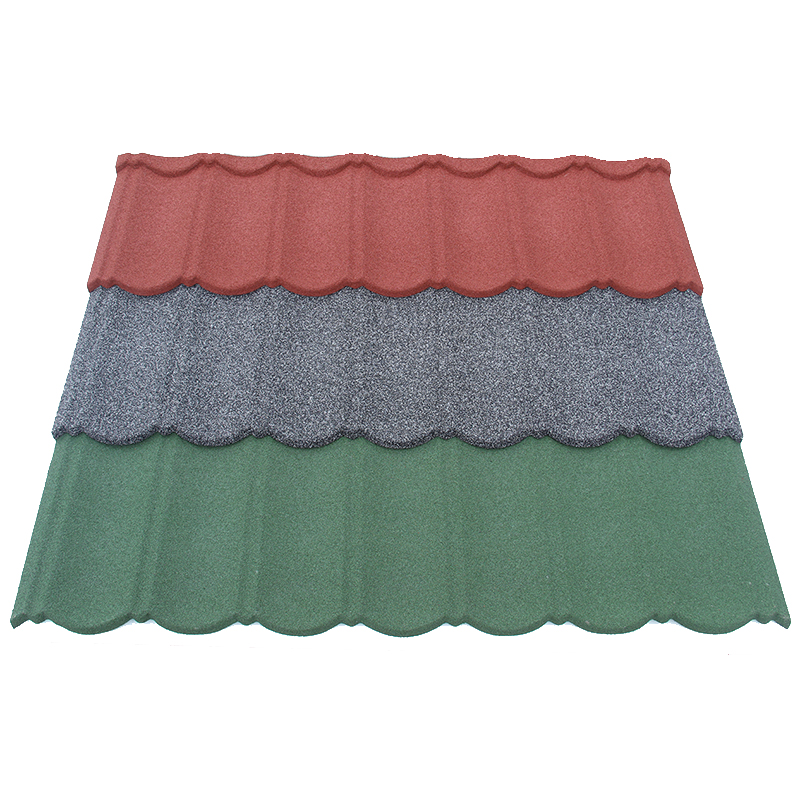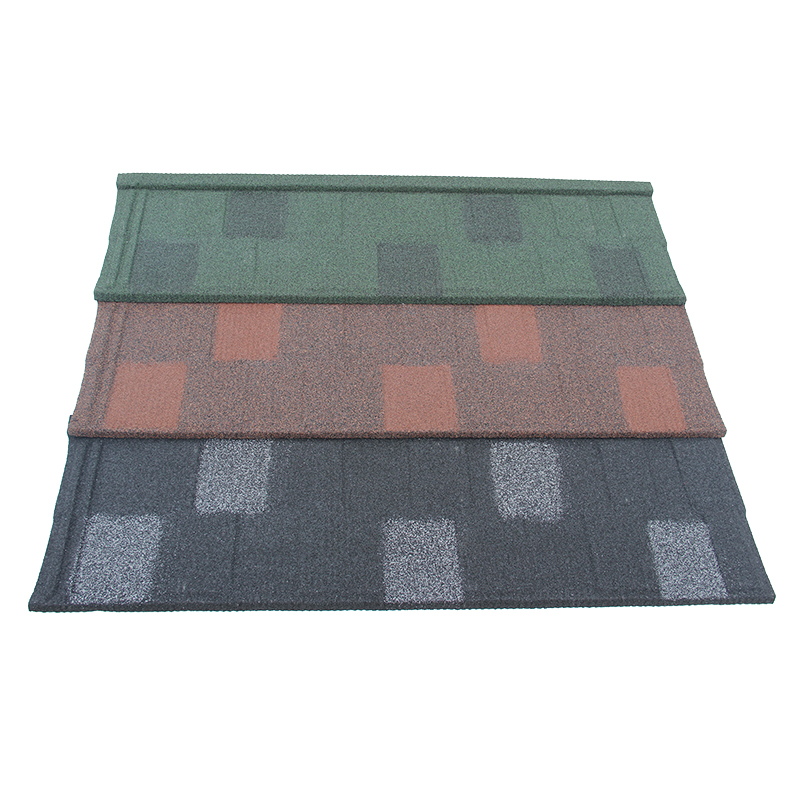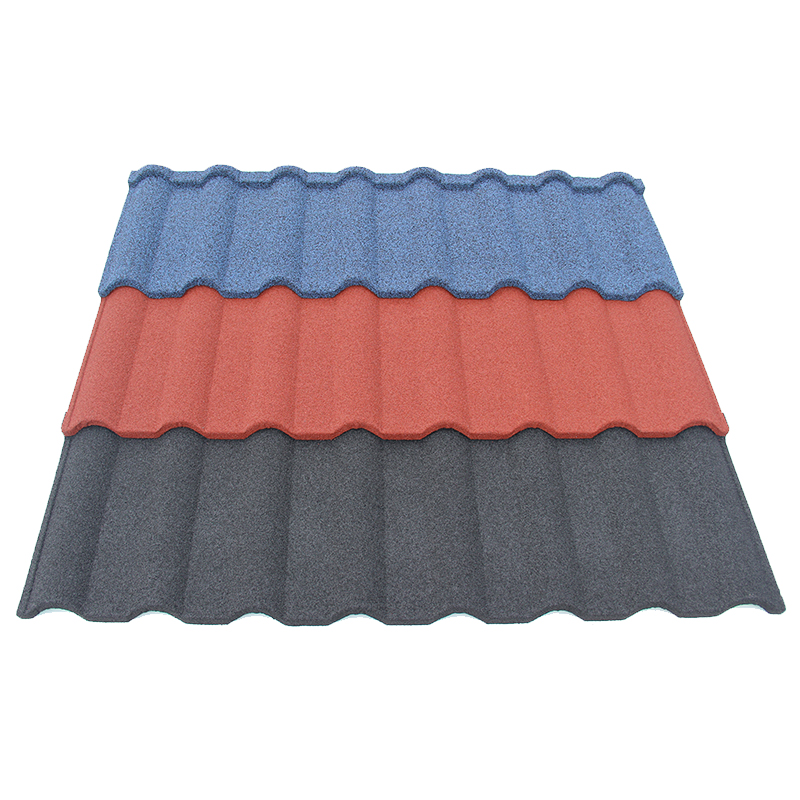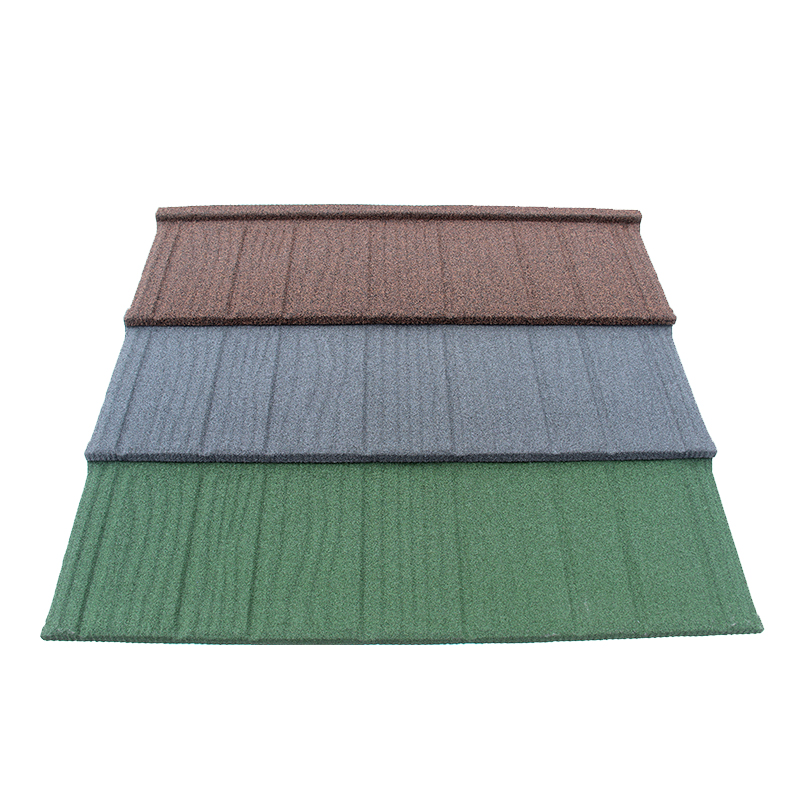


Roofing tile color variation between batches catches many buyers off guard, especially on a first order. Two shipments of the same color name arrive, and they don’t look quite identical side by side. This isn’t unique to stone coated tiles. It happens across nearly every manufactured building material. But knowing why it happens helps you judge what’s normal and what isn’t.
This guide explains what actually causes color differences between production batches, how to rule out a common optical illusion that gets mistaken for real variation, and how to tell ordinary variation from a genuine quality control problem. Understanding this roofing tile color variation between batches issue turns a confusing complaint into a specific, answerable question.
Batch Color Variation Is Normal — But That Doesn’t Mean Unlimited
Some degree of color drift between batches is built into how coated materials get manufactured. No factory produces perfectly identical output run after run, year after year. This applies to paint, coil-coated steel, and the stone coated tiles built on top of it.
Normal doesn’t mean unlimited, though. A supplier should be able to explain their tolerance for batch-to-batch variation, and hold themselves to it. Treat “some variation is normal” as a starting point for the conversation, not the end of it.
Buyers who understand the underlying causes tend to have more productive conversations with suppliers than buyers who simply react to a visual difference. A specific question about sintering temperature control gets a very different answer than a general complaint that “the colors don’t match.”
What Causes Color Variation Between Production Batches
Several distinct factors contribute to roofing tile color variation between batches. Understanding each one helps you ask more specific questions when a difference shows up.
- Raw mineral granule variation: The natural stone granules used in the coating come from mined mineral deposits. Even within the same quarry, mineral composition can shift slightly between extraction batches, affecting the base color before any pigment gets applied.
- Acrylic resin batch differences: The acrylic base coat that binds granules to the steel comes from its own production batches. Slight formulation differences between resin batches can shift how a pigment reads once applied and cured. Research from Oak Ridge National Laboratory on stone-coated metal roofing has documented how pigment composition directly affects a coating’s final appearance and performance, underscoring how sensitive these formulations are to small changes.
- Sintering temperature fluctuation: Granules bond to the base coat under controlled heat. Small fluctuations in temperature or timing during this stage can produce subtle tone differences, even using identical raw materials.
- Coating thickness inconsistency: A slightly thicker or thinner application of the base coat changes how much granule color shows through, which shifts the finished appearance even when the granules themselves are unchanged.
None of these factors point to a defect on their own. They’re inherent to how stone coated tiles get manufactured at scale, across every reputable factory in the industry.
It’s worth noting that these causes differ meaningfully from what drives color variation in clay or concrete roof tiles, where kiln temperature and wet pigment mixing dominate the discussion instead. Comparing stone coated tile tolerances against advice written for a completely different material rarely gives you an accurate picture.
Metamerism: When the Same Batch Looks Different Under Different Light
Metamerism: an optical effect where two colors that match under one light source appear different under another, due to differences in how each surface reflects specific wavelengths of light.
This matters more than most buyers realize. Two tiles from the exact same batch can look mismatched simply because one gets viewed under direct sunlight and the other under indoor fluorescent lighting. This isn’t a manufacturing inconsistency. It’s a property of how the human eye and different light sources interact with a coated surface.
Before concluding that two batches show real color variation, view both samples under the same light source, ideally natural daylight. A perceived difference that disappears under consistent lighting is metamerism, not batch variation.
This step alone resolves a meaningful share of color complaints before they escalate. It costs nothing beyond a few minutes outdoors, and it prevents an unnecessary dispute with a supplier who did nothing wrong.
How Much Color Variation Is Considered Acceptable
As covered in our sample request guide, Delta E (ΔE) gives batch comparisons an actual number instead of a subjective judgment call. The same scale applies here, comparing one production batch against another rather than comparing a sample against mass production.
A useful reference range:
| Delta E between batches | Interpretation |
|---|---|
| 0–2 | Within normal, expected variation |
| 2–4 | Noticeable, but often still within a reasonable tolerance |
| Above 4 | Worth raising directly with your supplier |
Ask your supplier what Delta E tolerance they hold between production runs, and get that number in writing before placing repeat orders. This gives you a concrete standard, rather than relying on visual impressions that shift depending on lighting and mood.
Keep in mind that this tolerance can reasonably differ by color. Lighter, more uniform colors tend to show variation more visibly than darker, textured colors, so a single blanket tolerance across an entire product range isn’t always realistic. A supplier who adjusts tolerance expectations by color family is applying a more technically grounded standard than one offering a single flat number for everything.
When Batch Variation Signals a Real Quality Control Problem
Batch variation crosses from normal into concerning territory in a few specific situations. Watch for these signals:
- The difference exceeds the Delta E tolerance your supplier previously committed to. A written tolerance that gets ignored on a real order is a meaningful red flag.
- The variation appears within a single batch, not just between batches. Inconsistency within one production run points to a process control issue, not natural raw material drift.
- Color differences come paired with other defects. Uneven granule coverage or poor coating adhesion alongside a color shift suggests a broader process problem, not an isolated pigment variation.
- The same issue repeats across multiple consecutive orders. A one-time variation can happen to any factory. A pattern across several shipments points to a deeper process control gap rather than an isolated incident.
This connects directly to the checks covered in our guide on how a roofing tile factory checks quality. A factory with strong pre-shipment sampling catches most of these issues before a batch ever reaches you.
Q: Can a supplier eliminate batch variation entirely? A: Not realistically, and a supplier who claims zero variation across every batch is likely overstating their process. The goal is keeping variation within a documented, communicated tolerance, not eliminating it altogether.
Q: Should I request tiles from a single production batch for a large order? A: For projects where visual uniformity matters most, yes. Ask your supplier whether they can fulfill an order from a single batch, or a limited number of batches, rather than mixing batches without disclosure.
What to Do When You Notice a Color Difference Between Batches
Start by comparing both batches under identical, natural lighting conditions, ruling out metamerism before assuming a real difference exists. If a genuine difference remains, measure it against your supplier’s stated Delta E tolerance, or ask them to measure it if you don’t have the equipment yourself.
Keep a physical reference sample from each confirmed order. This gives you something concrete to compare future shipments against, rather than relying on memory or photos that can shift in appearance depending on how they were captured.
Document which batch or production date each reference sample came from, and store samples away from direct sunlight to prevent their own gradual fading from skewing future comparisons. A reference sample that has faded over time is no longer a reliable baseline, even though it feels like the “original” color you approved.
This approach works across every profile in a supplier’s catalog, whether you’re ordering the Bond Tile or the Shake Tile. JCROOF tracks batch consistency across its production runs for exactly this reason, and its project gallery reflects the color consistency this process is designed to protect across large-scale installations.
Setting Expectations With Your Own Customers
Distributors often face this issue twice: once with their own supplier, and again when explaining a similar concern to an end customer. Being able to explain roofing tile color variation between batches in plain terms, backed by an actual tolerance number, builds far more confidence than simply repeating “some variation is normal.”
Sharing the metamerism explanation alone resolves a surprising number of customer concerns before they escalate into a return request. A brief, confident explanation of why two roofs can look slightly different under different lighting often matters more to a worried customer than the technical cause itself.