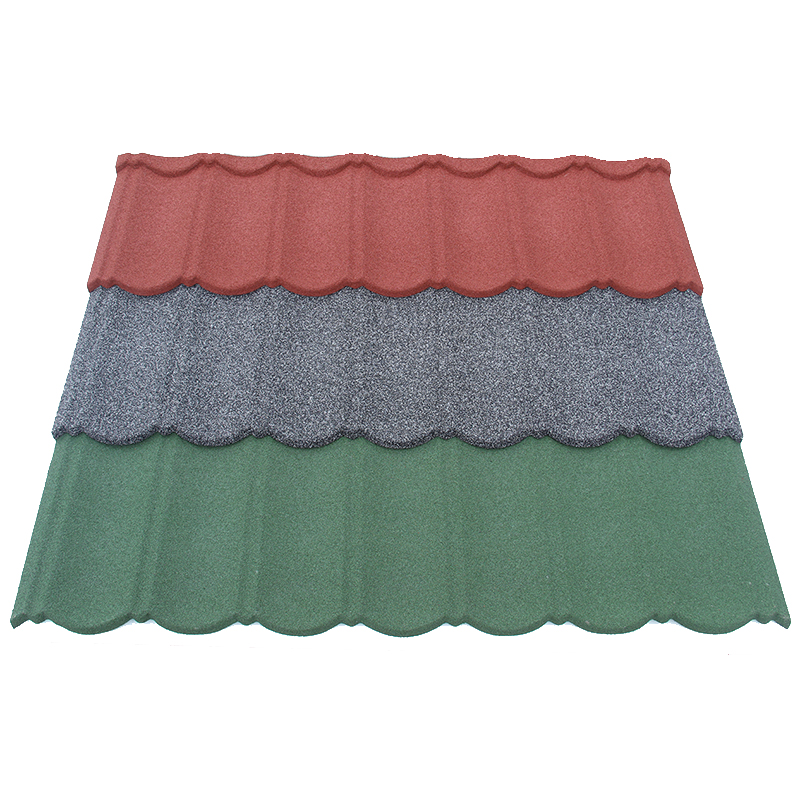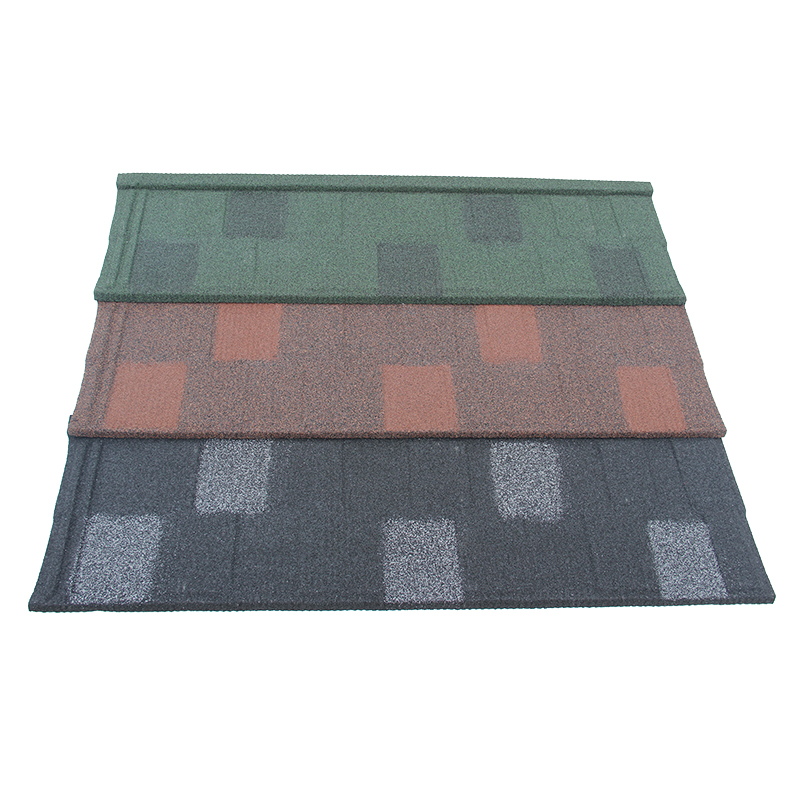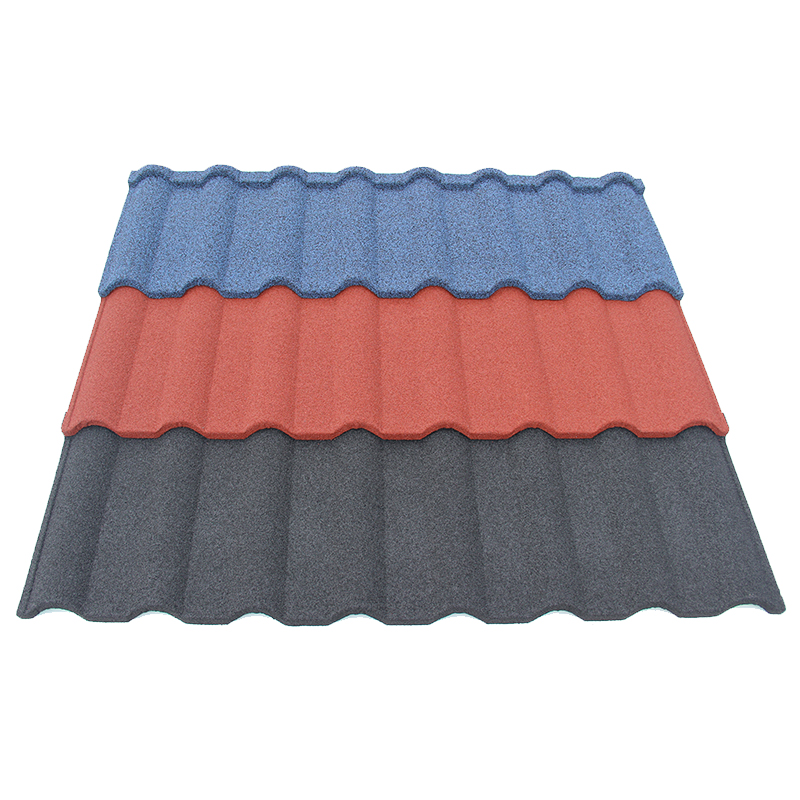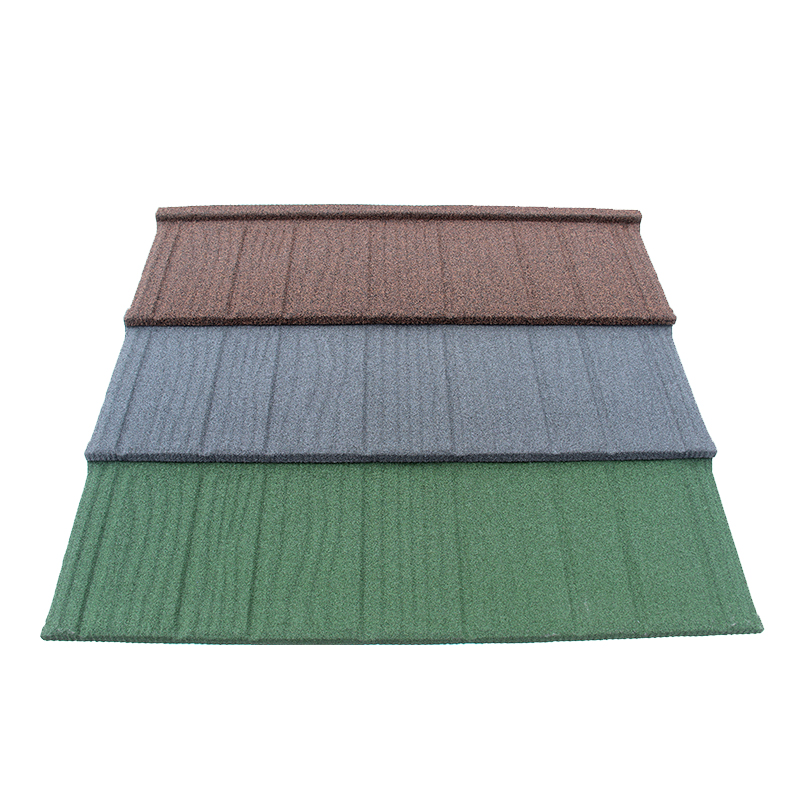

Most guides on customs clearance issues importing roofing tiles repeat the same generic advice. Keep your paperwork complete. Confirm duty rates ahead of time. Know your destination country’s regulations. That advice isn’t wrong, but it misses the specific trap that actually catches stone coated roofing tile importers most often: getting the product classified under the wrong tariff code entirely.
This guide covers that classification issue directly, along with the documentation and destination-country factors worth checking before you ship. Understanding these customs clearance issues importing roofing tiles ahead of time can save weeks of delay and unnecessary cost on your first shipment.
Why Generic Customs Advice Doesn’t Cover This Product Category
Standard customs guidance treats every product the same way. Complete your documents. Verify your duties. Know your regulations. This works fine for straightforward goods with an obvious classification.
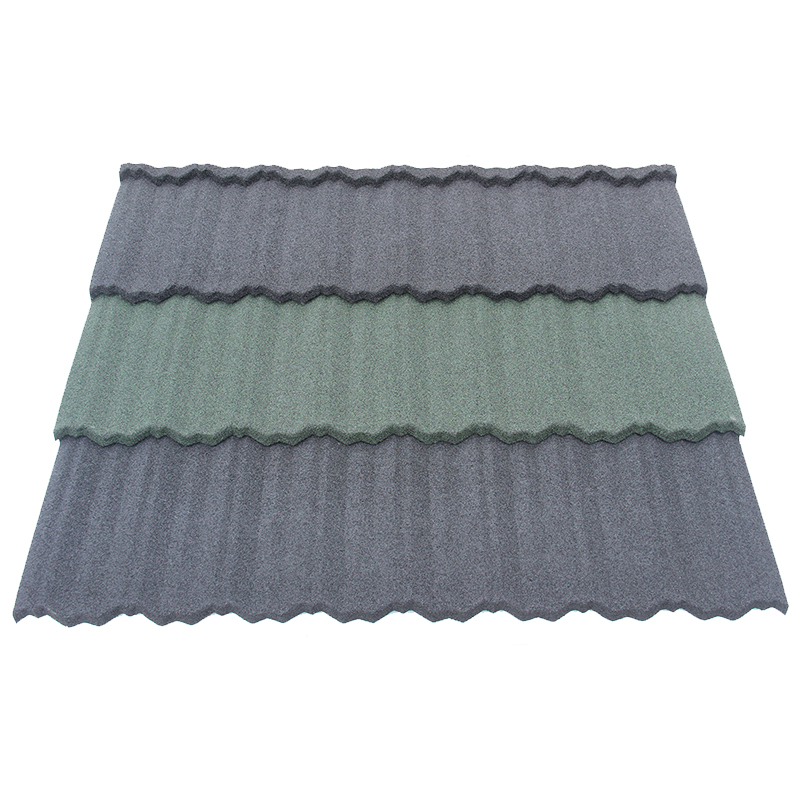
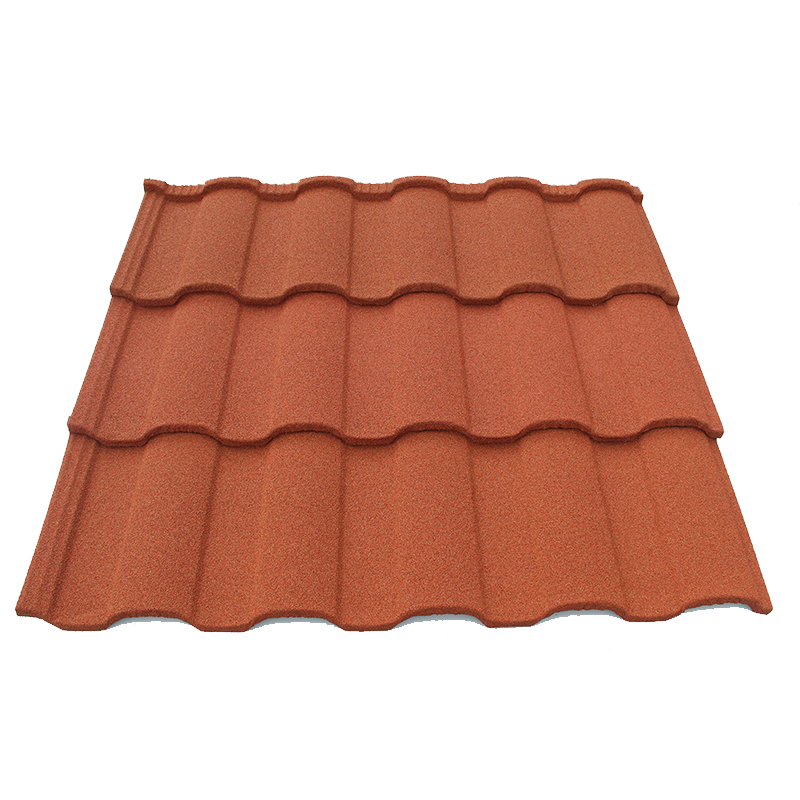
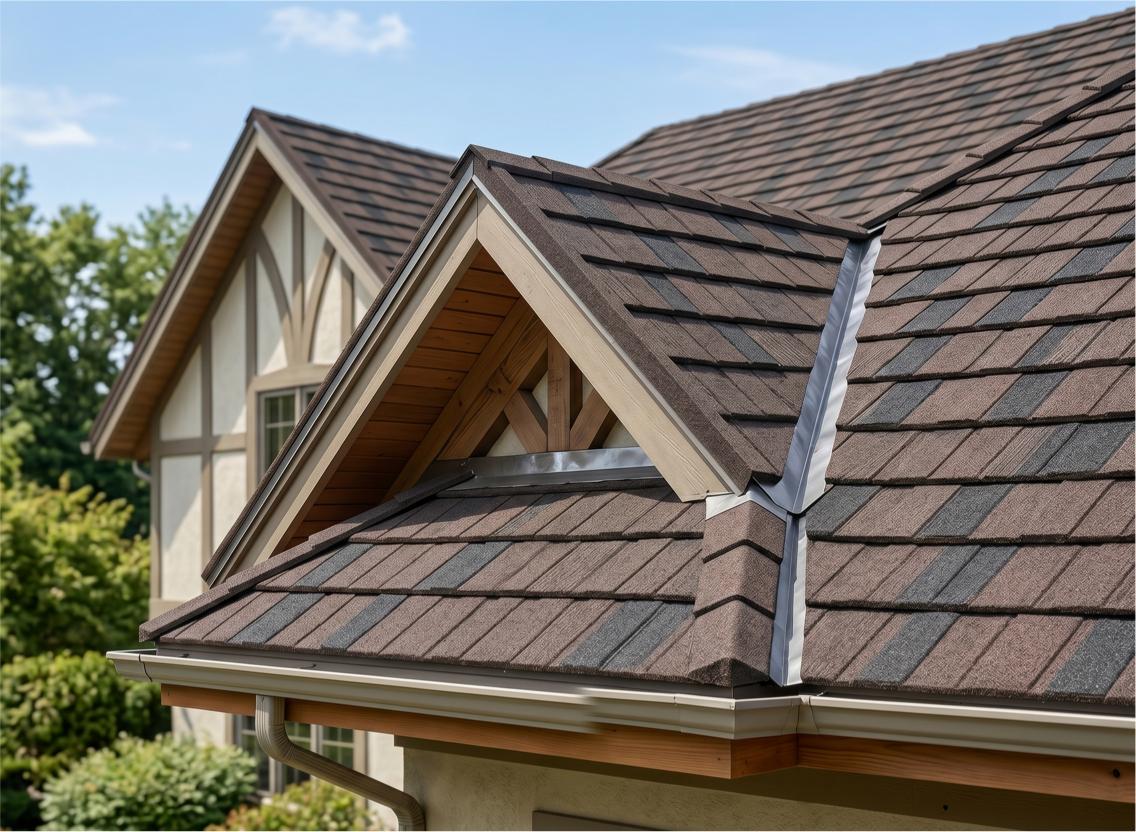
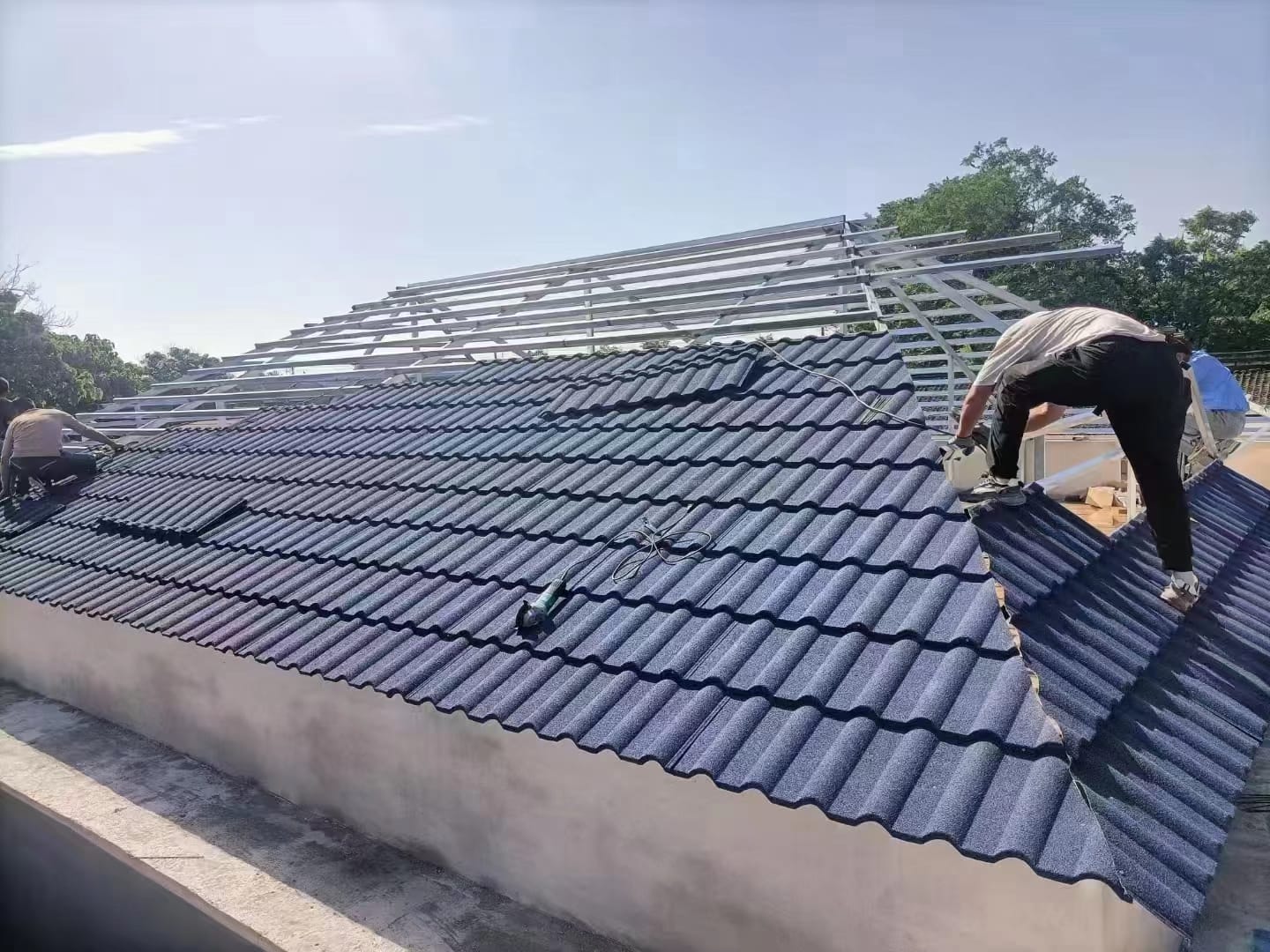
Stone coated roofing tiles don’t fit that mold cleanly. The product name includes the word “tile,” which pulls many people toward a ceramic materials classification. But the product itself is a steel article with a decorative coating, not a ceramic construction product. That distinction has real financial consequences, and it’s the one customs issue that’s actually specific to this category rather than generic shipping advice.
Getting this wrong doesn’t just risk a slightly higher duty bill. A shipment flagged for reclassification can sit at port for days or weeks while customs officials verify the correct heading, adding storage fees and delaying your own delivery commitments to customers.
The HS Code Trap: Steel Article, Not Ceramic Tile
HS code (Harmonized System code): a standardized numerical classification used by customs authorities worldwide to identify traded goods and determine applicable duty rates.
A real US Customs and Border Protection ruling illustrates this exact issue. In a 2002 classification decision, CBP reviewed a steel sheet roofing product coated with crushed stone, imported from Korea. Despite functioning as a roof tile, CBP classified it under HTS 7326.90, the category for other articles of iron or steel, rather than under HTS 6905.10, the heading covering ceramic roofing tiles.
This distinction isn’t cosmetic. The two headings can carry different duty rates, and more importantly, they can trigger entirely different regulatory requirements at the border. A shipment declared under the wrong heading risks delays, additional inspection, or a customs reassessment that adds unexpected cost after the goods have already left port.
In the original 2002 ruling, the correctly classified product carried a duty rate of 2.9 percent under the steel article heading. Duty rates change over time and vary by country, so treat that figure as a historical example of the classification principle, not a current number to rely on. The larger lesson holds regardless of the exact percentage: getting the classification right matters more than assuming a rate based on the product’s common name.
The underlying principle carries across most customs jurisdictions, even though exact code numbers and duty rates vary by country. Classification generally follows what a product is made of and how it’s constructed, not simply what it’s called or how it functions on a building.
Why This Misclassification Happens So Often
The word “tile” does a lot of misleading work here. Anyone unfamiliar with stone coated steel roofing, including some customs brokers who handle a wide range of goods, can reasonably assume “roofing tile” means a ceramic or concrete product by default.
This mistake happens most often with brokers who haven’t previously handled this specific product category. A broker experienced in steel imports recognizes the product immediately. One who mainly handles ceramic or ceramic-adjacent building materials may default to the wrong heading out of habit, not negligence.
Providing clear product documentation upfront prevents this confusion before it causes a delay. A brief technical description, stating the base material and coating process, gives your broker what they need to classify the shipment correctly from the start.
This is a case where a small amount of upfront preparation saves significant time later. A one-page technical summary costs your supplier almost nothing to produce, but it can be the difference between smooth clearance and a shipment held for manual review.
Documentation That Prevents Delays at Customs
Beyond classification, a few specific documents reduce the chance of a customs hold for this product category:
- A detailed product specification sheet, naming the base steel type, coating class (such as AZ100 or AZ150), and the stone granule coating process. This supports correct classification and answers most technical questions a customs officer might raise.
- A certificate of origin, confirming where the steel and finished product were manufactured, which affects duty rates under various trade agreements.
- A commercial invoice with an accurate product description, avoiding vague terms like “roof tiles” alone in favor of language that reflects the actual steel-based construction.
- Packing list details matching the shipment exactly, including quantities, weights, and dimensions consistent with what’s declared elsewhere in the paperwork.
Confirm with your supplier that they can provide these documents before you finalize an order, not after the shipment is already in transit.
Destination-Country Regulatory Requirements Can Vary
Beyond classification and standard paperwork, some countries apply additional product standard requirements to imported building materials. A country might require a local conformity certificate, an import permit from a specific regulatory body, or pre-shipment inspection, even when the product itself meets every technical specification.
These requirements shift by country and change over time, so a rule that applied on your last shipment may not apply identically on your next one. Rather than relying on general assumptions, confirm current requirements directly with a licensed customs broker in your destination market before each shipment, particularly for a first order to a new country.
Building this check into your standard order process, rather than treating it as a one-time task, protects you as you expand into additional markets. A requirement you confirmed two years ago for one country tells you nothing about a different country you’re shipping to for the first time this year.
What to Ask Your Freight Forwarder or Customs Broker Before You Ship
Bring these questions to your broker or forwarder ahead of your next shipment, especially if you’re entering a new destination market for the first time.
- Have you previously handled stone coated steel roofing products, or a similar steel-based construction material?
- Which HS or HTS code do you plan to declare this shipment under, and why?
- Does the destination country require any additional import permits or product certificates for this category?
- What documentation do you need from the supplier to support correct classification?
A broker who answers these with specifics is far less likely to trigger a delay than one who treats every “roofing tile” shipment the same way. This kind of preparation matters just as much as the supplier vetting covered in our buyer’s checklist for stone coated roofing tiles.
Q: What happens if a shipment already got classified incorrectly? A: Contact your broker immediately to file a correction before the goods clear. Once merchandise fully clears customs under an incorrect heading, fixing the record afterward becomes considerably more complicated and may involve a formal amendment process.
Q: Does this classification issue apply to every country, or just the United States? A: The specific ruling cited here comes from US Customs, but the underlying principle, that classification follows material composition rather than product name, applies broadly across most customs systems worldwide. Always verify the exact code and requirements for your specific destination country.
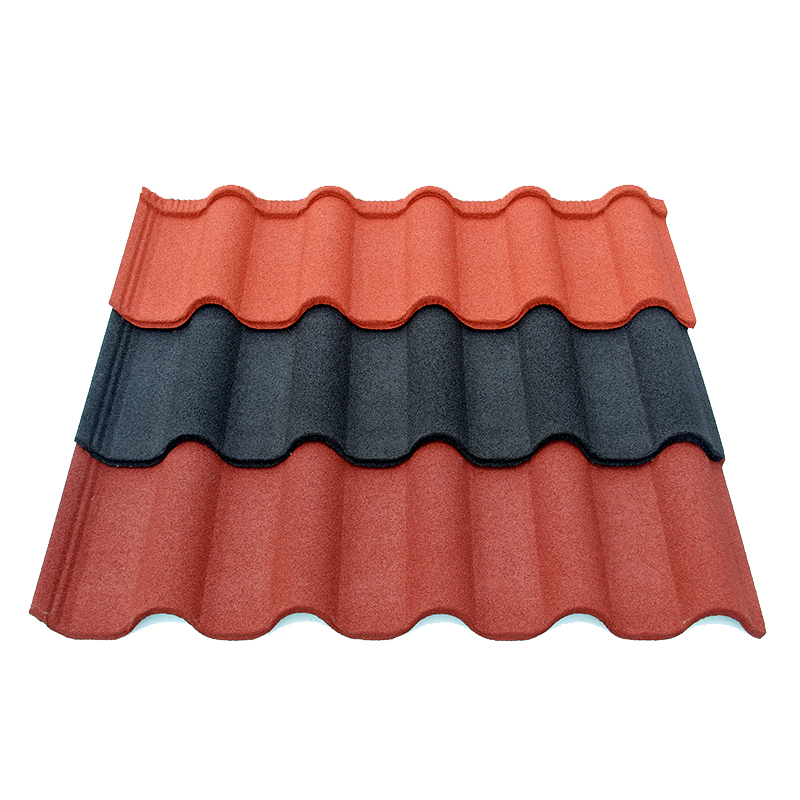
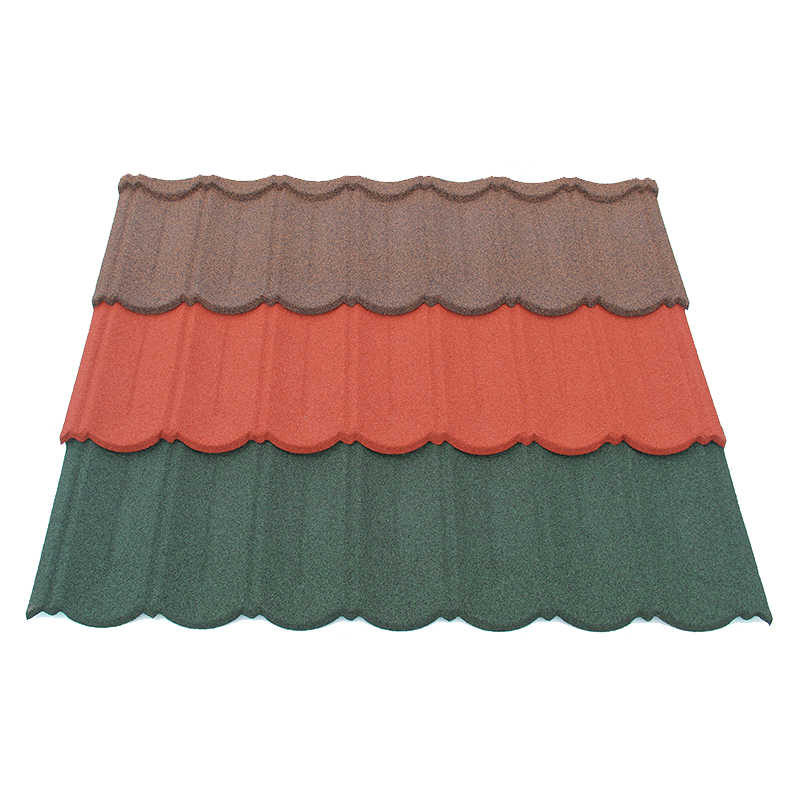
JCROOF provides detailed product specification documentation with every order across its tile profiles, including the Bond Tile and Roman Tile lines, to support accurate customs classification at your destination port.