
Choosing between felt, synthetic, and self-adhesive underlayment isn’t a decision with one universal right answer. The correct choice depends on the project’s climate, budget, and how the finished roof will actually get used. A recommendation built around one market’s conditions doesn’t automatically transfer to another.
This guide compares the three main underlayment types, explains how to match each one to different climate conditions, and covers a practical factor most guides skip entirely: how underlayment choice affects shipping and inventory for distributors supplying multiple markets. By the end, you’ll have a framework for recommending felt, synthetic, or self-adhesive underlayment based on the actual conditions a project faces, not just habit.
Why Underlayment Choice Isn’t a One-Size-Fits-All Decision
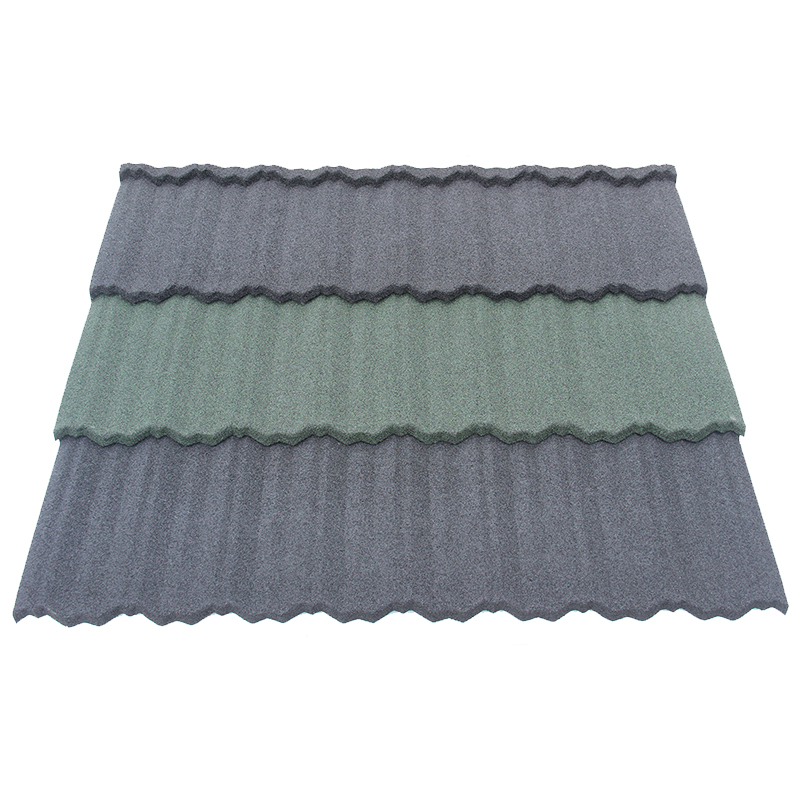
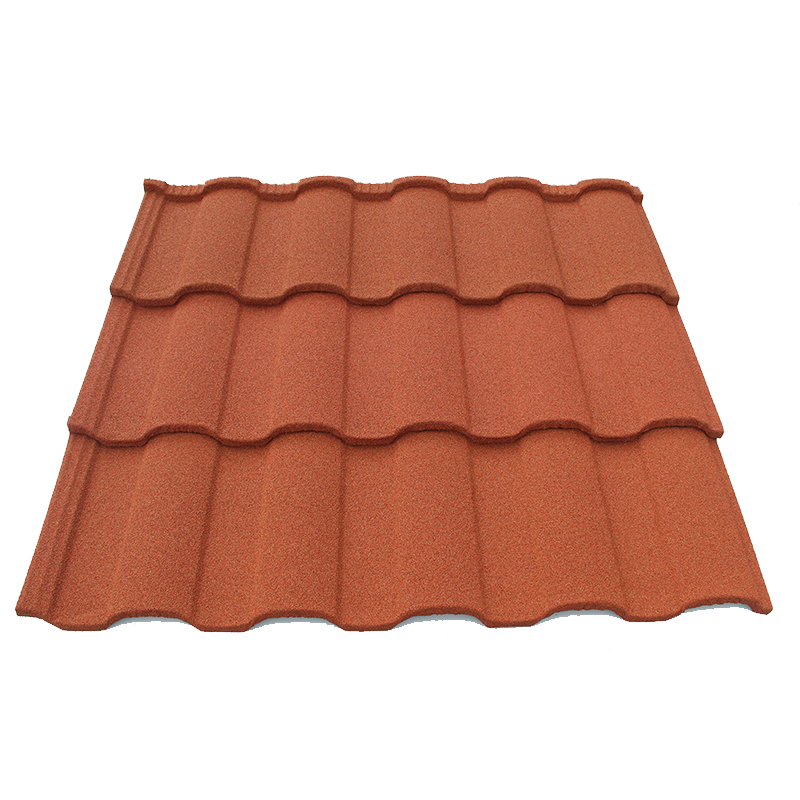
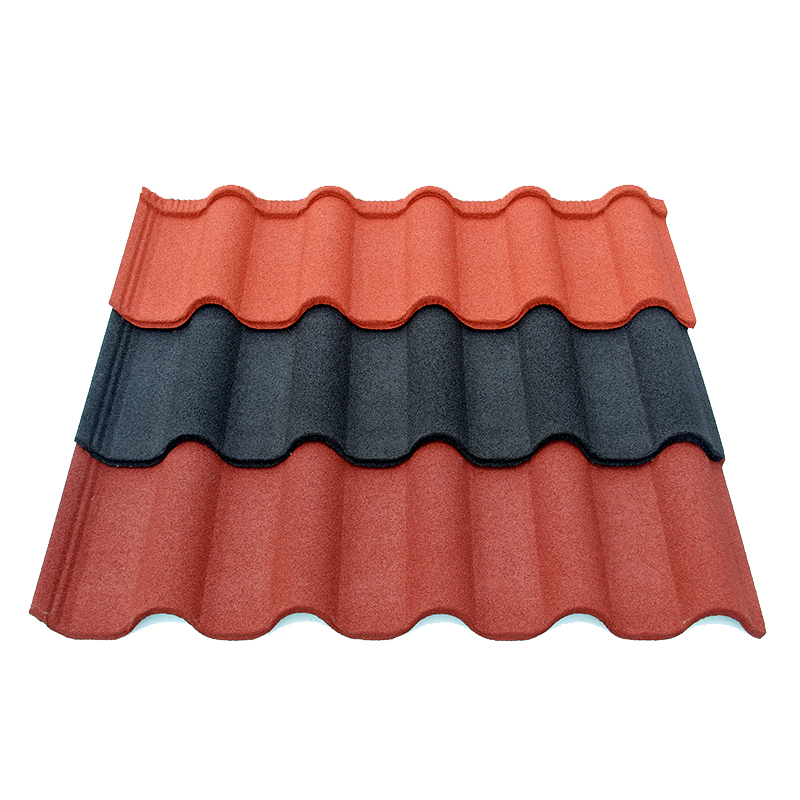
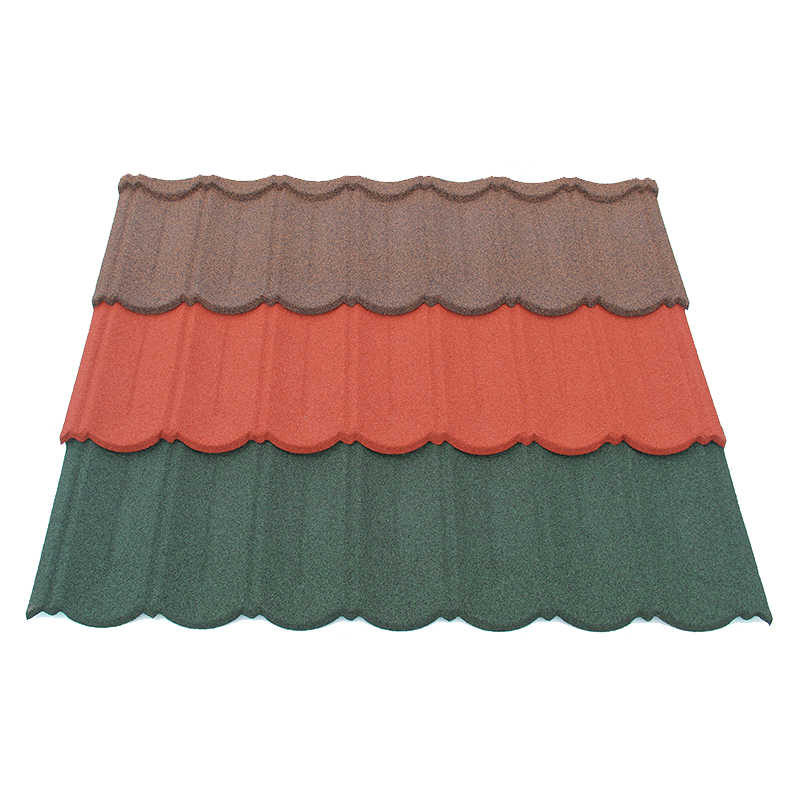
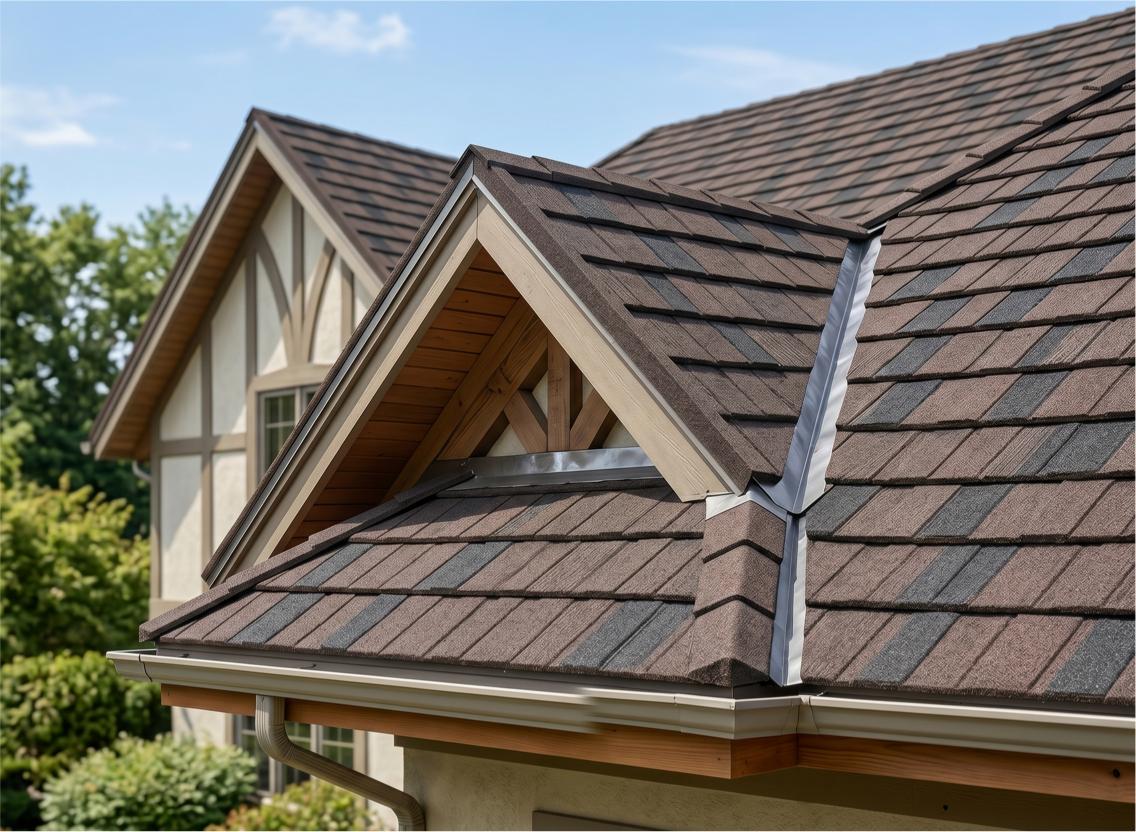
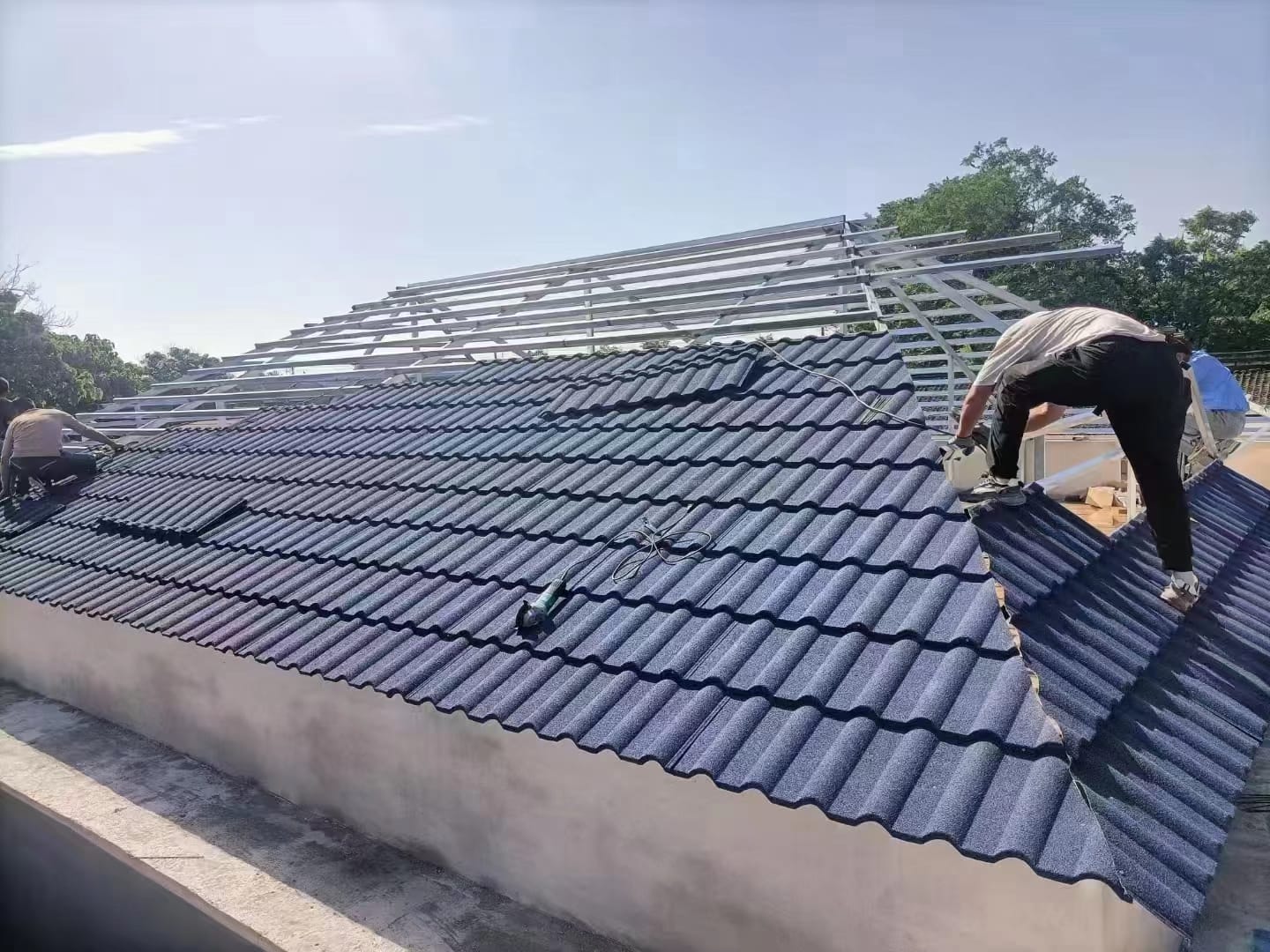
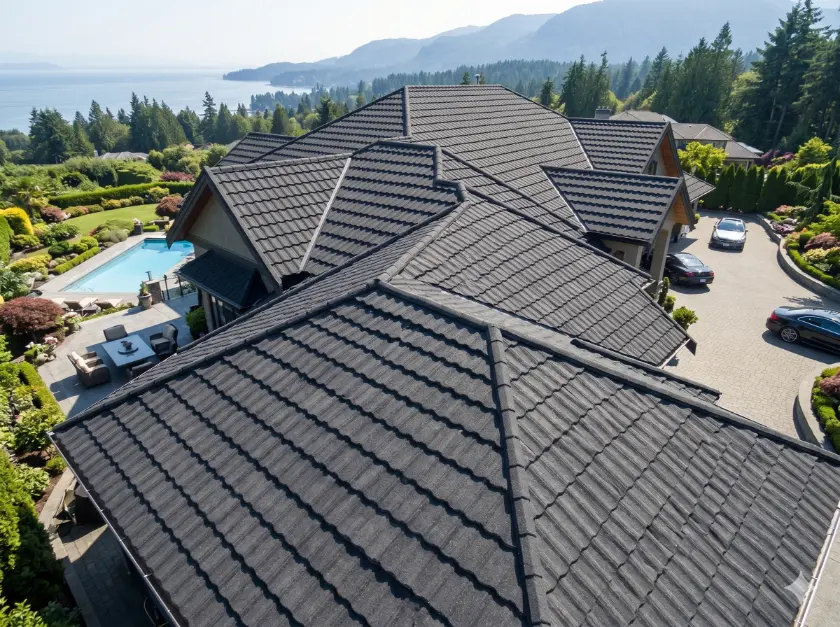
Underlayment sits beneath the visible roofing material as a secondary moisture barrier. Every stone coated tile installation needs one, regardless of climate or budget. What changes is which type makes the most sense for a specific project.
Many underlayment guides get written from a single market’s perspective, often reflecting one country’s specific building code requirements. That’s useful if you’re operating in that exact market. It’s far less useful if you’re a distributor advising installers or customers across several different climates and regulatory environments. This guide sticks to performance characteristics that apply broadly, so you can adapt the recommendation to whatever market you’re serving.
This distinction matters more as your customer base expands. A recommendation that works perfectly for a temperate climate can underperform badly in a hot, humid coastal region, even though both projects use the exact same tile profile on top.
Felt, Synthetic, and Self-Adhesive — Side-by-Side Comparison
Each underlayment type trades off differently on weight, cost, durability, and moisture protection.
| Type | Relative cost | Weight | Durability | Moisture protection |
|---|---|---|---|---|
| Felt (asphalt-saturated) | Lowest | Heaviest | Moderate; can tear more easily | Good, but seams rely on overlap alone |
| Synthetic | Moderate | Lightest | High; strong tear resistance | Very good; often includes a water-resistant coating |
| Self-adhesive | Highest | Moderate | High | Excellent; fully bonds and seals around fasteners |
Felt underlayment remains the most economical option and has been used under sloped roofing for generations. Synthetic underlayment, made from woven polypropylene or polyethylene, weighs significantly less than felt while resisting tears and punctures better during installation. Self-adhesive underlayment bonds directly to the roof deck, sealing completely around every fastener penetration, which makes it the strongest option for extreme weather exposure.
Installation speed varies across the three as well. Felt requires careful nailing and overlap alignment, which takes longer on large roofs. Synthetic sheets are typically lighter and easier for a crew to handle and position quickly. Self-adhesive products install faster once workers get comfortable with the bonding process, but the material itself demands more careful surface preparation beforehand, since dust or debris on the deck can weaken the bond.
For general background on underlayment’s role in a complete roof system, the National Roofing Contractors Association publishes detailed guidance on how underlayment selection interacts with different roof coverings and slope conditions.
Matching Underlayment Type to Climate Conditions
Climate should drive the underlayment recommendation more than habit or what’s simply been used before on similar projects.
- Hot, arid climates: Standard felt or synthetic underlayment generally performs well here, since moisture exposure is limited. Confirm any self-adhesive product used is rated for high roof-deck temperatures, since standard formulations can soften under prolonged direct heat.
- Hot, humid tropical climates: Synthetic underlayment tends to hold up better than felt in these conditions, resisting mold growth and moisture absorption more effectively over time.
- Coastal and high-humidity regions: Self-adhesive underlayment offers the strongest protection here, since its complete seal around fasteners resists wind-driven rain and salt-laden moisture better than a felt or synthetic layer relying on overlap alone. This pairs naturally with the coating considerations covered in our guide to roofing solutions for coastal and high-salinity environments.
- Temperate, moderate climates: All three types can perform adequately, making cost and installation speed the more relevant deciding factors.
Wind exposure deserves separate consideration alongside these climate categories. A project in a high-wind zone, regardless of temperature or humidity, benefits from self-adhesive underlayment’s complete deck bond, since it resists uplift and displacement better than a mechanically fastened layer during severe wind events.
A Consideration Most Guides Skip: Shipping and Storage Practicality
Distributors face a practical constraint that installer-focused guides rarely address: underlayment takes up warehouse space and adds shipping weight. Felt rolls weigh considerably more than synthetic rolls covering the same roof area, which affects freight cost on every shipment and limits how much stock fits in a container alongside your tile order.
Synthetic underlayment’s lighter weight makes it more practical for distributors managing inventory across multiple markets, since it reduces both storage footprint and shipping cost per square meter covered. Felt remains a reasonable choice when cost is the primary driver and storage space isn’t a constraint, but it’s worth factoring shipping economics into the recommendation, not just the finished-roof performance comparison.
Self-adhesive underlayment sits at the opposite end of this practicality spectrum. It typically costs more to ship due to its weight and thickness, and it has a shelf life to consider, since the adhesive backing can degrade if stock sits in a hot warehouse for extended periods before use. Distributors carrying self-adhesive product should track inventory age more closely than they would for felt or synthetic rolls, which tolerate longer storage periods without the same performance risk.
Common Questions When Advising Installers on Underlayment Choice
Q: Is felt underlayment still an acceptable choice, or has synthetic replaced it entirely?
A: Felt remains a valid option in many markets, particularly where budget is the primary constraint. Synthetic has become more popular due to its lighter weight and improved tear resistance, but felt isn’t obsolete.
Q: Can two underlayment types be combined on the same roof?
A: Some installers use a self-adhesive layer at vulnerable points, such as valleys and eaves, paired with felt or synthetic across the rest of the roof. This approach balances cost against targeted protection where moisture risk is highest.
Q: Who should confirm whether a specific underlayment meets local building code?
A: A licensed local installer or engineer familiar with the destination market’s regulations. Requirements vary significantly by country and even by region within a country, so this guide covers general performance principles rather than any single market’s specific code requirements.
Q: Does underlayment choice affect the roofing tile warranty?
A: It can, depending on the tile manufacturer. Some warranties specify minimum underlayment requirements or exclude coverage if an incompatible underlayment was used. Always check the tile manufacturer’s documentation alongside the underlayment manufacturer’s specifications before finalizing a recommendation.
Bringing This Into Your Conversation With Customers
Framing underlayment recommendations around climate and practical constraints, rather than a single default choice, positions you as a more informed supplier in the eyes of your customers. It also reduces the chance of a callback caused by an underlayment mismatched to local conditions.
Keeping a short reference sheet on hand, mapping climate type to recommended underlayment and noting any known shipping or storage tradeoffs, turns this into a repeatable part of your sales process rather than a one-off explanation you have to reconstruct every time a customer asks.
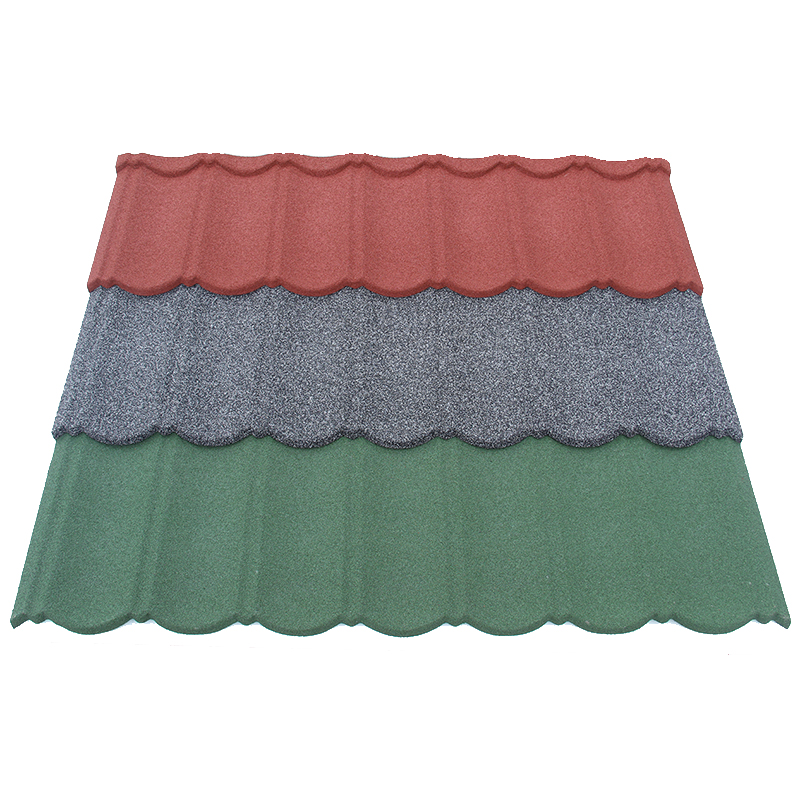
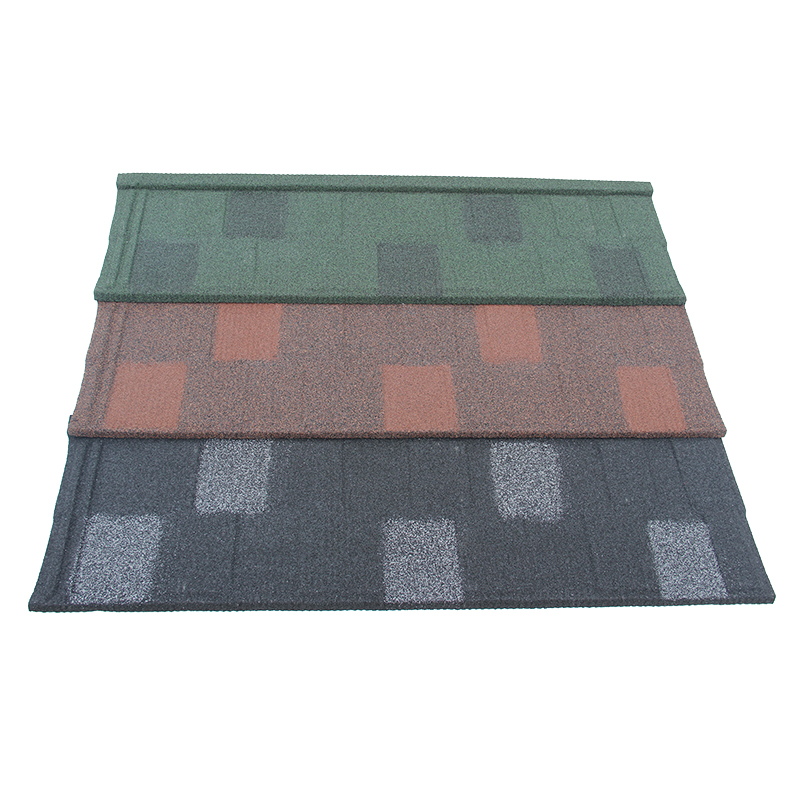
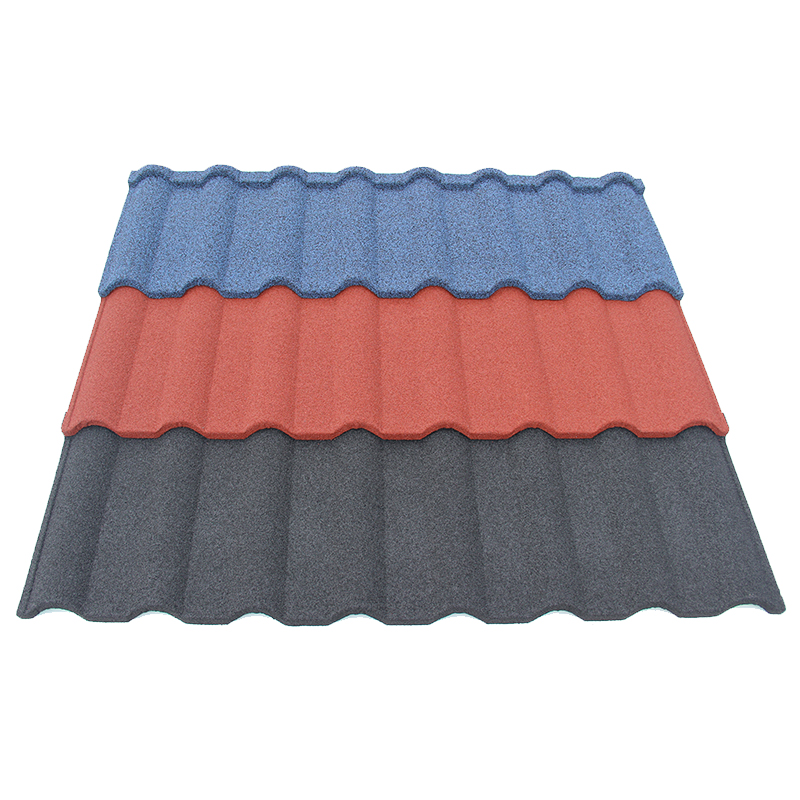
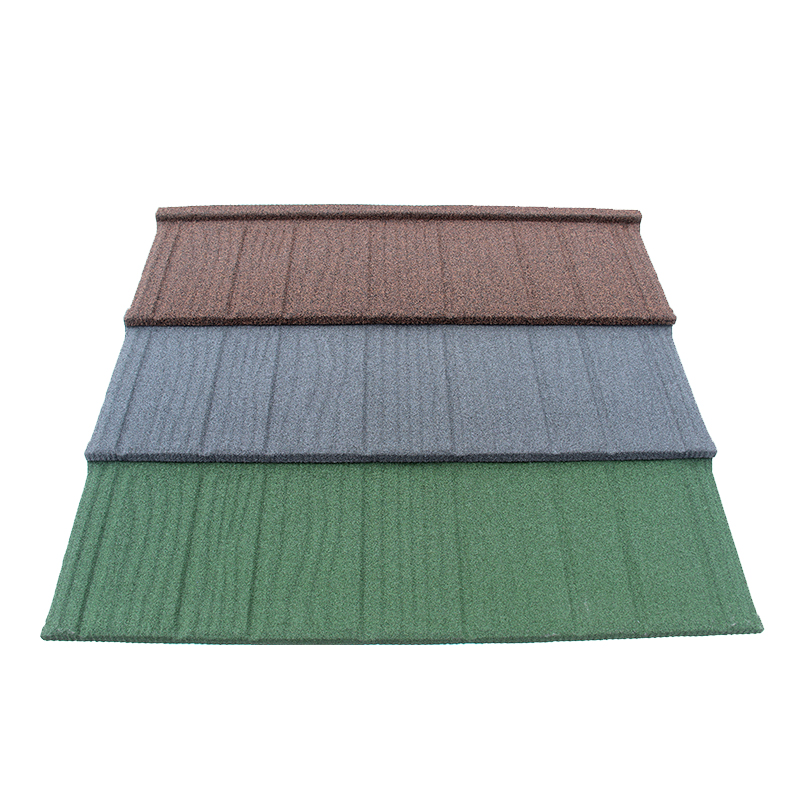
This guidance applies across every stone coated tile profile, whether a project uses the Shake Tile or the Milano Tile. JCROOF can advise on underlayment pairing recommendations for its tile range on request, and its project gallery reflects completed installations across a range of climates and underlayment choices.