Stone coated roofing factory verification can use photographs to identify visible features and guide follow-up questions. Photos alone cannot establish equipment ownership, operating control, sustained output, or product conformity. Connect each important image to its source, claimed location, and the specific statement being evaluated.
An attractive factory gallery can make a supplier easier to understand without resolving every purchasing concern. The buyer’s task is to distinguish what is visible from what is being claimed. Record those two things separately before deciding what further evidence is needed.
This guide focuses on reviewing photo evidence. It does not provide a complete live-video or on-site audit procedure. Use photo findings to choose a proportionate next check. Avoid conclusions about authenticity based on appearance alone.
Decide what each factory photograph is meant to show
Begin with the purchasing question behind the image request. A photograph intended to identify a machine answers a different question from a production record. Ask the supplier to state what conclusion it expects the image to support.
Separate visible features from the supplier claim
Describe only what you can reasonably observe. You might see equipment, stacked products, a building sign, or a packing area. Those observations do not automatically identify who owns the site or controls the activity.
For example, a photograph may show formed roofing panels near machinery. It does not independently prove that the pictured organization manufactured those panels. Keep that relationship as a question until supporting information connects the parties and activity.
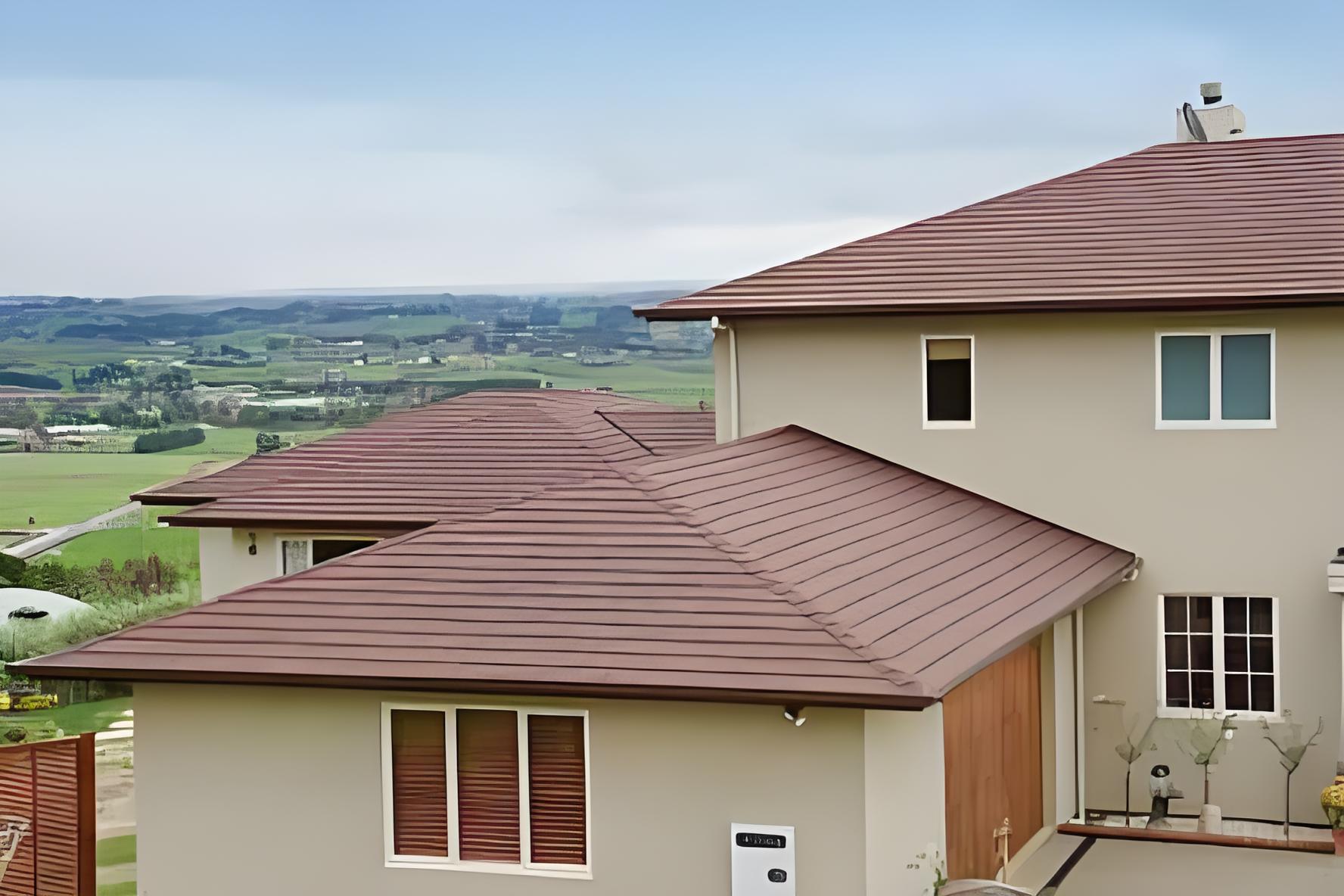
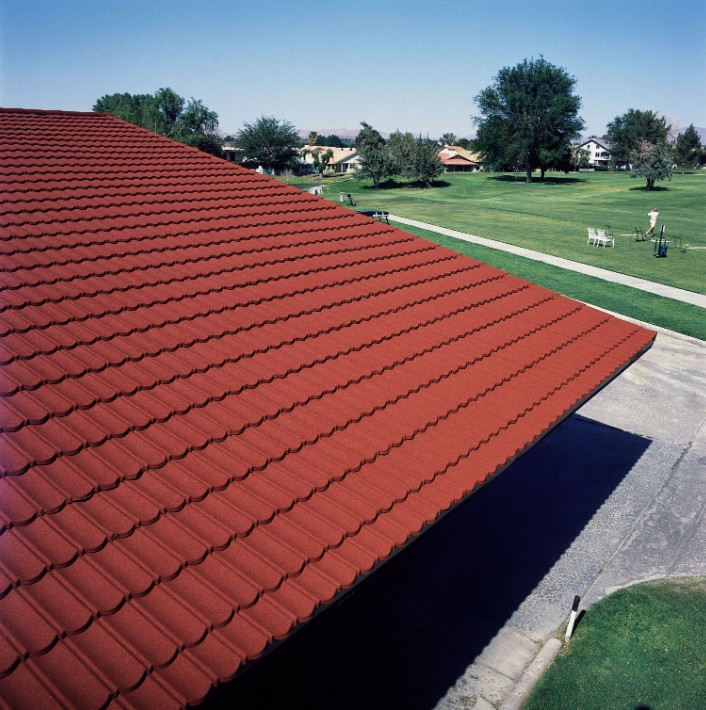
A Shingle Tile product image can help communicate the profile being discussed. Its visible appearance cannot establish the material specification or location of manufacture. Ask for the relevant product references separately.
Use cautious descriptions in the review record. Write supplier identifies this as its forming area when that is the information supplied. Do not rewrite it as ownership verified unless an appropriate check has established that conclusion.
The same discipline applies to absence. A photograph that does not show a particular process may simply have a limited frame. Ask for context rather than assuming that the process does not exist at the site.
Request context rather than a larger image gallery
Ask for the location, approximate capture period, activity shown, and relevant business or site reference. Request enough information to connect images to the proposed supply. A larger collection without those details can leave the same uncertainty unresolved.
Clarify whether an image shows a current operation, an earlier arrangement, a demonstration, or a marketing illustration. These can all have legitimate uses when described accurately. They support different conclusions and should remain distinguishable.
Ask the supplier to identify which areas or activities are outside the image set. Record any access or confidentiality limitations. A limitation should be evaluated against the evidence needed, rather than ignored or treated automatically as wrongdoing.
The JCROOF company page includes roofing-business information and factory imagery. Use such material to prepare focused questions about the proposed production arrangement. A public gallery should be a starting point for verification rather than its final result.
Check source history and site consistency
Review where the image came from and whether its context remains consistent across the materials supplied. Preserve the original reference and any explanation. This helps the reviewer investigate discrepancies without losing track of the initial claim.
Review where the image appears online
Search for the image or visually similar versions where the available tools permit. Look for earlier contexts and related descriptions. Another appearance can raise useful questions, but it does not automatically establish the original creator or an improper use.
Google’s About this image guidance describes information about similar images and when Google may first have seen them. It can help investigate context. A first-seen result should not be treated as a verified camera capture date.
Read the surrounding page rather than judging a match from the thumbnail. An image may appear in a distributor’s article or a legitimate partner’s material. Ask how the businesses and sites relate when the context differs from the current supplier claim.
Check any available credit or source information with appropriate caution. Google also notes that some image metadata can be modified. Treat it as a lead to corroborate, rather than an independent guarantee of authenticity.
If no earlier match is found, record that limited result accurately. Absence from the search results does not prove that the supplier created the image. Search coverage and accessible information can be incomplete.
Connect the image set to a named location and process
Ask how the supplier connects the images to the stated production site. Compare visible context across different views where that comparison is meaningful. Record unexplained differences without making unsupported conclusions about their cause.
Keep office, warehouse, exhibition, and production photographs distinguishable. A branded display area is not the same thing as an operating production site. Each type of image can be useful when labeled according to its actual purpose.
For process images, request a clear explanation of the stage shown and its relationship to the proposed product. Ask whether the image represents the same product version or another activity. Do not infer a complete process sequence from an unlabeled collage.
Use the review to prepare a focused manufacturer audit inquiry if site questions remain important. Identify the exact uncertainty to investigate. Avoid asking for an unrestricted site tour when a specific question would be more useful.
Recognize what pictures cannot establish
Images can make a business presentation more concrete while leaving important controls unobserved. Separate visual observations from evidence about operation and output. That distinction prevents a familiar machine or clean building from becoming a substitute for supplier assessment.
Separate machine visibility from controlled production
A visible machine does not establish its current operating status, ownership, condition, or availability for your order. Ask which of those questions actually matters. Request the relevant follow-up instead of expecting one photograph to resolve them all.
Even an operating scene captures only a limited moment and field of view. It does not demonstrate sustained output or consistent performance across production runs. Keep capacity claims connected to a separate production-capacity review.
Ask who controls the work instructions, production decisions, and quality records at the proposed site. A supplier’s access to photographs does not establish those responsibilities. The explanation should connect the organization, location, activity, and records.
SGS’s quality-audit description concerns assessment of manufacturing and quality systems at production sites. That is a different evidence task from reviewing pictures of equipment. Choose the follow-up according to the decision your team needs to make.
Do not assume that a modest-looking facility lacks relevant capability or that a large facility has it. Record actual evidence against your requirements. Appearance can suggest questions without determining the answer.
Do not infer product conformity from visual appearance
Finished tiles in a photo can help identify an appearance or product category. They cannot independently establish hidden material characteristics or measured performance. Ask what the approved specification and relevant records actually show.
Likewise, a photograph of a measuring instrument does not show that the right product was checked correctly. Request the associated item identification, method, and result where needed. Equipment visibility and a usable inspection record are different things.
Use an appropriate roofing quality-testing review to identify which questions need measurement or other evidence. Do not assign a coating or adhesion result from a general factory photograph. The method must answer the requirement being evaluated.
Separate the condition of a displayed sample from the conformity of a production batch. If a shipment decision is approaching, identify the checks relevant to those actual goods. An earlier gallery does not describe every later order.
Use photo findings to choose the next verification step
Summarize what the images support and what remains uncertain. Give each important question a responsible reviewer and an appropriate follow-up. The purpose is a better purchasing decision, rather than a speculative verdict about every picture.
Keep a structured photo review record
Create a record that preserves the source and claimed context alongside the observation. Use clear language when the available information is incomplete. Keep supporting documents linked without treating them as interchangeable evidence.
| Review field | Record to keep | Limit to preserve |
|---|---|---|
| Image reference | File or original page reference | A copy alone may lose context |
| Source | Who supplied or published it | Publication does not establish ownership |
| Claimed location | Named site and supplier explanation | A label still needs corroboration |
| Capture context | Stated period and activity | A statement is not independent verification |
| Visible observation | Specific features actually shown | The frame may omit relevant conditions |
| Online history | Other appearances and explanations | Search results do not prove origin |
| Related records | Product, site, or process references | Check that the records concern the same activity |
| Follow-up | Question, reviewer, and next check | Keep unresolved conclusions conditional |
Ask the supplier to respond to focused discrepancies using the same references. Record the answer and whether it resolves the question. A satisfactory explanation can close one issue without settling every other aspect of supplier approval.
Request proportionate independent follow-up
Where location or process questions remain significant, consider an appropriately scoped remote or on-site assessment. Identify the required evidence before arranging it. This helps the reviewer investigate the actual uncertainty rather than repeat the marketing presentation.
SGS’s supplier inspection overview distinguishes several inspection activities and describes remote options. Their suitability depends on the assignment and access available. A remote check should not be presented as proving areas that were not observed or reviewed.
Keep limitations in the final purchasing record. If an essential claim remains unsupported, identify the condition that must be resolved before approval. Do not fill the gap by assuming that more attractive photographs equal stronger evidence.
Use factory photos to ask better questions and connect visible details to the proposed supply. Check the source context, preserve uncertainty, and request the evidence appropriate to each claim. A clear review explains both what the images show and what still needs verification.