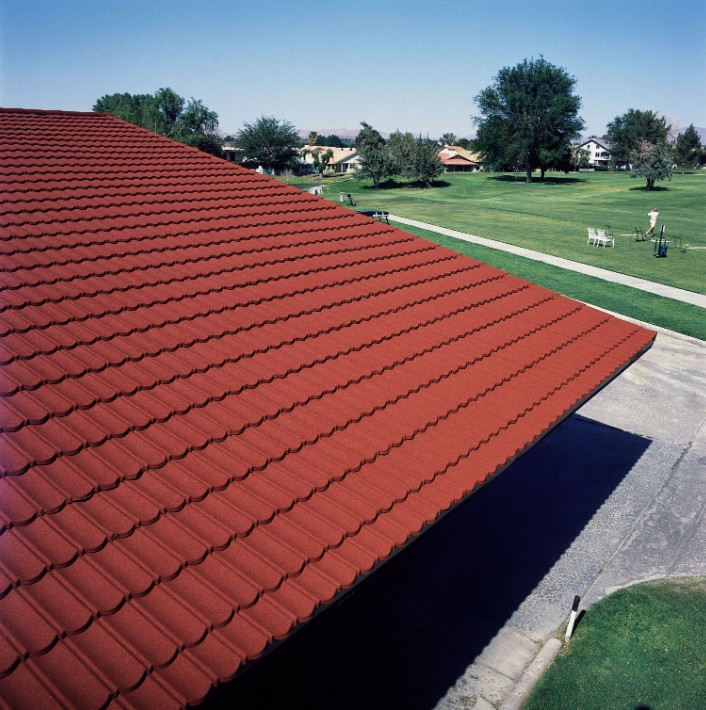
A stone coated metal shingle submittal should connect the proposed product to the project’s stated requirements. Identify the panel, assembly, drawings, supporting records, and open decisions before sending the package for review. A folder of brochures can describe products without showing which version the contractor plans to supply.
For an importer or project buyer, the useful output is a clear review trail. The reviewer should be able to find each requirement and the evidence offered against it. The purchasing team should then know exactly which approved version belongs on the order.
Set the stone coated metal shingle submittal scope

Start with the current project specification, roof drawings, and submittal schedule. Ask the project lead which documents and samples the review needs. Confirm the format, due date, review route, and person responsible for each section. Project contracts and local rules can set different duties, so do not assume one universal checklist.
Record the project’s location and the intended roof system. Include the relevant roof plans and known site conditions needed for the review. Where an input remains open, name its owner. A supplier should not have to guess the roof support or design requirement from a building photograph.
Name the exact product offered
Use the maker’s model name, buyer code where relevant, and current drawing reference. State the selected profile, finish, and proposed supply scope. If several options remain under review, list them separately. Do not let an optional color or model appear as the final selected item.
For a Shingle Tile proposal, request the documents for that exact version. A familiar profile name does not establish the same joints or installation method as another product. Keep the product identity visible on the cover sheet and supporting index. This helps the reviewer find mismatched pages early.
The Shingle specification guide provides a broader framework for these buying questions. Use it to organize the product facts before assembling the project package. The project specification still controls what the submission needs to address. A general article cannot replace that document.
Build an index around the review questions
Give each file a clear title, revision, and date. Then link it to the project requirement it addresses. Use an index rather than asking the reviewer to search through a long brochure. If a required record is missing, mark the gap and state the next action.
Keep proposed exceptions visible. A different profile, material, fixing arrangement, or document scope may need a formal review route. Ask the project lead how to submit an alternative. Silence in a large file set should not be treated as acceptance of a difference.
Gather product data and system evidence
Start with a current product sheet and relevant drawings. Record overall panel size separately from installed coverage. State the steel and coating descriptions using a clear basis. Ask the supplier to identify tolerances and the records available for the proposed order.
Include the parts that make up the proposed roof assembly. Panels, fixings, support, underlay, and junction details may each affect the review. The supplier can identify its product system, while the project designer assesses the intended use. Keep those decisions connected without treating them as the same approval.
Separate each type of document
A product data sheet describes the offered item. An installation guide explains the named system within its stated scope. A test or evaluation report addresses defined products, arrangements, and conditions. A warranty sets separate terms that the buyer should review for the actual transaction.
The GAF document library illustrates how a manufacturer separates data sheets, installation instructions, and other records. Those documents apply to GAF’s products and stated scope. They do not provide approval for another manufacturer’s panel. Request the corresponding current records for the product being offered.
Do not replace a required test record with a general marketing claim. A statement about a material may not establish the performance of a finished assembly. Ask the technical reviewer to identify the evidence needed for the project’s requirement. Keep unsupported claims outside the proposal until the gap is resolved.
Check evidence against the actual assembly
For each report, record the issuer, document number, date, product, and stated conditions. Check whether its panel, supports, fixings, and other relevant details match the proposal. If a difference exists, ask the responsible adviser how to assess it. Avoid transferring another product’s result through a similar trade name.
Also check the report’s current status and any stated limitations. A downloaded file can remain in a sales folder after the proposed product changes. Ask the supplier which revision supports the present offer. Keep the response with the package so the review basis remains clear.
| Package section | Question it should answer |
|---|---|
| Cover and index | Which project, product, and revision are under review? |
| Product data | What exact panel and finish does the buyer propose? |
| Drawings | How does the named system relate to the project details? |
| Evidence | Which supported claims apply to the proposed arrangement? |
| Samples | What visual or physical features need approval? |
| Exceptions | Which requirements remain open or differ from the proposal? |
| Review record | Who reviewed the package and what action follows? |
Coordinate drawings, samples, and junction details

Use the current roof drawings when preparing the parts and detail schedule. Identify ridges, hips, valleys, edges, walls, and penetrations. Ask who provides each detail and who checks its project use. A panel brochure alone cannot show that every junction has an agreed solution.
Link each junction to a named drawing and relevant part code. Include the intended fixing and support information where the project review requires it. Do not invent a universal spacing, overlap, or pitch limit to complete a blank field. The correct values need the actual product and project basis.
Keep dimensional checks traceable
Show the units and reference points on the drawings. Keep supplied panel size distinct from useful cover within the intended layout. If a quantity calculation uses coverage, state which drawing version supports it. This makes the link between technical review and purchasing easier to follow.
The Shingle dimensions guide explains how these measurement questions affect buying. Use the approved values from the selected product, rather than numbers from a different catalog. If two documents disagree, resolve the conflict before submitting the final version. Record which file controls the decision.
State what each sample approval covers
A color sample may help the reviewer choose a finish. A full panel can show shape and texture, while a larger mockup can address a defined interface question. Identify the sample, document version, and proposed approval scope. A visual signature does not automatically approve hidden material properties or installed performance.
Ask who retains the accepted reference and how the team will access it later. Record the conditions used for an appearance review where they matter. Keep photographs as supporting records. The physical sample and written specification should each retain a clear role.
If a sample or mockup differs from the proposed order, disclose the difference. The reviewer needs to know which decisions it can support. Do not label an early development piece as final production evidence without the agreed checks. Record any further sample or document needed before release.
Close comments and carry the decision into purchasing
When comments return, record each one against the relevant file or requirement. Assign an owner and a response date. Then issue a clear revised package through the project’s agreed route. Avoid sending scattered corrections that leave several versions in use.
Keep the review status and its conditions visible. The project contract determines what a review action means and which duties remain with each party. Ask the project lead to clarify an unclear status before ordering. A general acknowledgement is not a safe basis for assuming every open item is closed.
Manage alternatives and revisions
If the supplier changes a panel, finish, part, or supporting record, assess the effect on the reviewed package. Ask whether the change needs another project review. Identify the old and new versions, reason, and first affected order. Keep earlier records available for work already completed.
The product update guide offers a useful structure for tracking those changes. Separate a revised description from a physical product change. Both may need communication, but they do not necessarily affect the same approvals. The project team should decide the appropriate action for the actual change.
Match the order to the reviewed scope
Before release, compare the purchase order with the final product codes, finish references, and parts schedule. Check any conditions still requiring action. Give receiving staff the correct version and expected identification marks. The order should carry the review decision into the shipment rather than starting a new interpretation.
Use a short final check with the people who own the work. Can the buyer name the exact panel on the order? Can the site team find the current roof detail? Can the reviewer see which open points still need a response?
If one answer is unclear, record the gap before release. Name the person who will close it and the file they must update. Then share the clean final set with the team. Keep the old set for past work, but mark it clearly so staff do not use it for new orders.
When discussing a package with JCROOF, provide the project requirements and the proposed product references together. Ask which current records are available for the selected model. Keep any unresolved evidence or scope questions visible for the responsible reviewer. This supports a clear discussion without implying project approval from a company description.
After delivery, retain the final package with relevant shipment and inspection records. If a customer asks about a later replacement, the team can identify the version supplied. A clear submittal supports that traceability. It also helps future teams understand what was reviewed and which conditions applied.
Preparing a project submittal? Send us an inquiry with your shingle profile, project requirements, and document needs. Our team will reply and help you review the next steps.