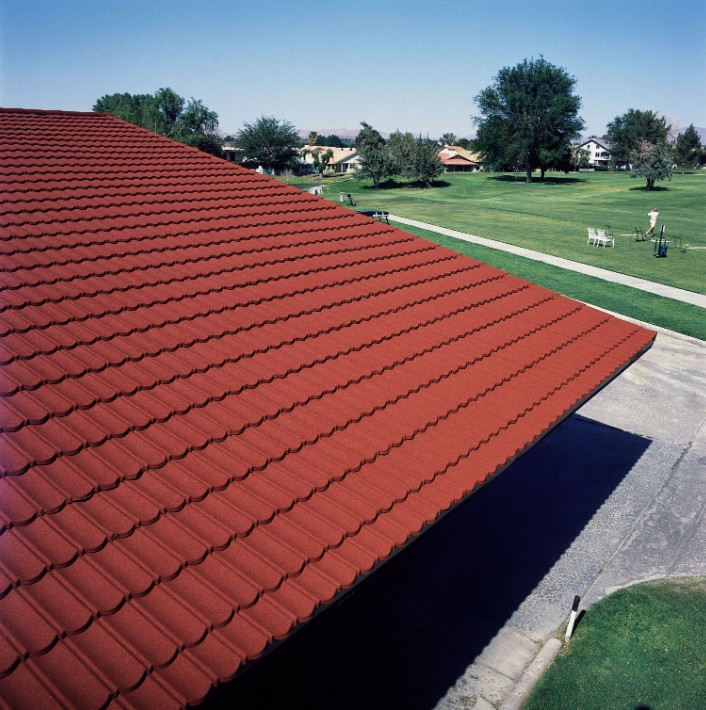
Milano roof tile sample approval starts by deciding what each sample should show and who can sign for it. Use one panel to check the product and finish. Review joined panels for the proposed fit and visible laps. Use a roof section to review the selected details together under the project drawings.
Keep the approval record with the item code, finish reference, and drawing revision. State which decisions each reviewer made and which remain open. This helps the buyer, supplier, and site team work from the same sample record when the order moves forward.
Plan the scope of Milano roof tile sample approval

Ask the buyer and project team what decisions they need before placing the order. A buyer may want to confirm the finish before asking the installer to review the joints. The designer may need a roof section that includes an eave or a ridge. Name the details before requesting samples.
Start with the individual panel
Request a full panel that the supplier can trace to the proposed model and finish. Ask whether it came from regular stock, a trial run, or another source. Record that answer because it affects what the buyer can compare later. Keep the label with the panel when it reaches the review team.
Compare the sample with the drawing and finish reference for the offered Milano Tile.
The reviewer can look at the formed profile, edges, visible finish, and marks on the piece. Ask which dimensions the drawing describes and which points the reviewer should check. A model code should connect the sample to the quote. Keep the overall size and installed coverage fields together in the record.
If the panel arrives bent or the label comes off, record its condition before the review. Ask the supplier to identify the panel or send a replacement where needed. An unclear sample identity can delay the next review. Give the new piece its own record when it arrives.
Agree what each review can approve
Set out the expected signoffs before sending samples to several people. The buyer can approve the selected finish within the agreed range. A project reviewer can assess whether the proposed assembly matches the drawings. The person authorized to place the order can confirm the conditions for release.
| Review item | Scope to record |
|---|---|
| Individual panel | Model, drawing revision, visible finish, and agreed checks. |
| Joined panels | Parts represented, visible laps, and fit observations. |
| Roof section | Junctions shown, applicable drawings, and comments on the proposed assembly. |
| Order release | Accepted references, remaining conditions, and authorized decision. |
One person may hold several roles on a small project. Keep the scope of each decision clear even when the same person signs. If the buyer approves the finish first, carry the assembly review forward as an open item. The next reviewer can then see what still needs attention.
Review joined panels and the roof section
Ask the project team to name the panels and parts the review should include. It may need to see adjoining panels before looking at a junction. Use the same product identity and drawing references as the quote. If the supplier proposes a different part for the display, record it before the review.
Check what the joined panels represent
Ask a qualified project reviewer to compare the joined sample with the proposed system documents. Record observations about the shape, lap appearance, and the meeting of the selected parts. Keep any fit questions linked to the drawing the reviewer used. The supplier can then answer a question about the exact combination.
If a proposal uses parts from another product or maker, identify each item separately. Ask the project team to assess the combination against the documents for the actual roof. Keep any proposed change open until the relevant people agree. Record the decision and its drawing reference.
Where the purpose is to judge shade and blend at roof scale, agree the views and lighting with the buyer. Keep that appearance decision with the relevant sample and photos. For the color review itself, see the Milano roof tile color mockup guide.
Give the roof section a clear brief
Specify what the roof section should show, including which junctions and finish combinations matter. Name the people who will review it and the decisions they should make. Record any layers or parts omitted from the section. That record defines which observations can carry into the order file.
The U.S. General Services Administration asks design teams to describe the types, sizes, and complexity of proposed mockups. That federal design checklist offers a model for defining scope. Use your own project documents to set the review brief. GSA P100 submittal matrix.
Ask the project designer which technical checks need supporting documents or tests. A visual signoff covers the recorded views and details the reviewer saw. Keep evidence for required performance in its own project records. A change in the roof assembly may affect which evidence applies.
For example, a roof section may show the eave selected for the main building. An annex might use another edge detail. Mark both roof areas on the drawing and link the section to the main building only. Ask the designer to set the review scope for the annex before the buyer releases those parts.
Record signoffs and keep the reference sample
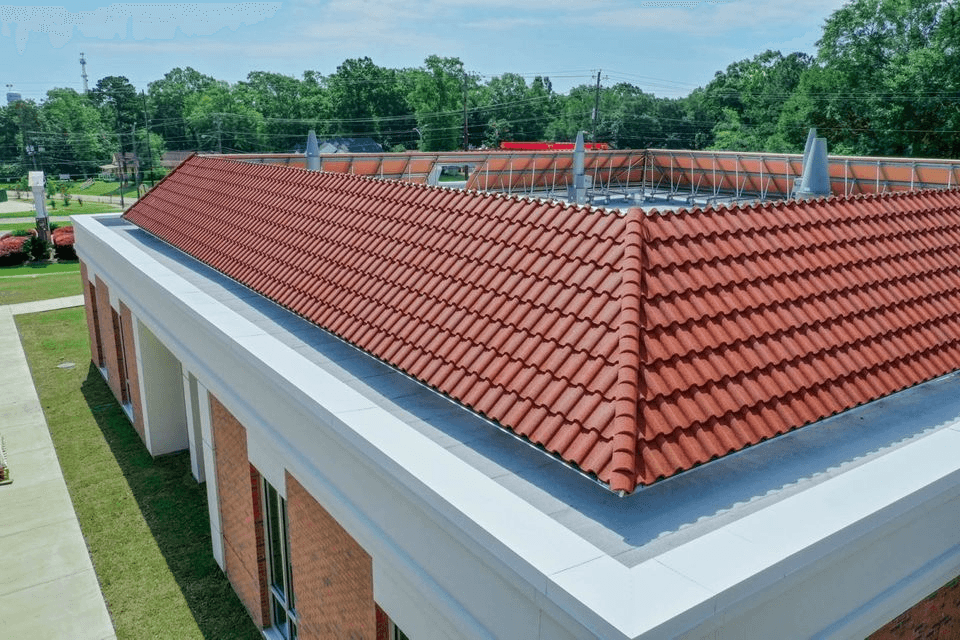
Give each sample a unique ID and link it to the order or project. Add the supplier, product code, finish, drawing revision, and date received. For a joined sample, list the pieces and relevant part codes. Record where the physical reference will be kept.
Write a decision the next reviewer can use
Ask reviewers to state what they accepted and describe any conditions. A signed photo can show which face or junction they viewed. Keep the full notes beside it, including the reference drawing and the date. This makes it easier to compare a later revision with the accepted sample.
For example, a reviewer may accept the main panel finish while asking for another eave piece. Record the accepted finish and give the eave question a person and a date. If the eave part changes later, log which reviews need another look. Keep the panel decision in the same record.
When a reviewer asks for a revision, describe the requested change and who needs to check it. Send the supplier the marked photos or drawings that explain the issue. Ask for the revised item code or drawing reference in the reply. File that response beside the original comments.
Decide who keeps each reference
Agree whether the buyer, supplier, or project team will hold the approved physical sample. If two parties keep samples, link each piece to the same decision and record their individual IDs. Protect the label and surface during storage. Name the contact who can retrieve the reference for inspection.
Record when a sample leaves storage for a meeting, inspection, or transfer. A short custody log can name the person, location, date, and purpose. If the surface later changes, add a condition note before comparing it with production. Ask the team to agree the reference for the next review.
The item code and revision also help the buyer connect the reference to the correct size and cover fields. Keep those fields visible on the drawing record. See the Milano dimensions and coverage guide.
Release the order against the accepted records
Check the purchase order against the sample ID, panel code, finish, drawings, and part list. Include any approval conditions that affect production or delivery. Ask the supplier to confirm which revision it will supply. Give receiving staff the accepted references and any checks they need at arrival.
Review changes before using the previous signoff
If the supplier proposes a new finish lot, part, or drawing, ask what changed and which lots it affects. The relevant reviewer can decide which parts of the earlier decision still apply. Record that response before approving the new supply. Keep earlier records accessible so the change can be traced.
If the factory and site keep different versions, send each team the latest signed record. Mark the earlier version as superseded where it no longer applies. Have each party confirm the sample and drawing IDs it plans to use. A revised order can then refer to the same records at both ends.
For phased work, identify the accepted sample and roof section for each release. Mark any change in the roof details by building or phase. Then check the order file against the schedule before confirming the next shipment. See the Milano villa development specification guide.
Give the supplier a complete review request
When discussing a sample with JCROOF, share the model, finish, intended use, and current drawings. State whether you need one panel, joined panels, or parts for a roof section. Ask what the offer includes and how the sample will be identified. Keep the reply with the review brief.
At release, ask the responsible buyer to confirm that the required decisions are complete. If any conditions remain, identify who will close them and when. Give the site team the latest accepted set. The receiving team can then refer to the same codes and records when the order arrives.
Preparing a Milano sample review for a project? Share the panel code, finish, drawings, and the details your team wants to assess. Send us an inquiry.