
In the highly competitive commercial real estate development sector, exterior building materials are frequently subjected to intense financial scrutiny. Procurement managers are constantly pitched products that look identical in a warehouse but perform vastly differently under the harsh realities of extreme weather. To separate authentic, long-lasting architectural materials from cheap, temporary imitations, one must look beyond the surface aesthetic. The true value of a Stone Coated metal roofing tile lies entirely in its microscopic, multi-layered engineered anatomy. By understanding exactly what chemical and structural components exist inside every single layer, B2B buyers can confidently draft precise technical specifications, eliminate fraudulent suppliers from their supply chains, and guarantee a fifty-year structural lifespan for their massive commercial investments. This comprehensive technical guide breaks down the precise anatomical layers of these advanced roofing systems, explaining the critical engineering purpose behind each material choice.
The Structural Core: High-Tensile Aluzinc Steel Substrate
The foundation of any reliable architectural cladding system begins with its metallic substrate. In the realm of global commercial construction, standard cold-rolled or cheaply galvanized steel simply cannot withstand the rigorous demands of multi-decade environmental exposure. The structural core must provide absolute rigidity to support heavy winter snow loads and maintenance foot traffic, while simultaneously remaining highly ductile to survive the intense hydraulic stamping process at the factory. Understanding the exact metallurgical composition of this base layer is the single most important factor in preventing catastrophic building envelope failures, as a compromised core will inevitably lead to systemic rust and structural collapse.
The AZ150 Aluminum-Zinc Defense Mechanism
Premium roofing panels are forged exclusively from high-tensile steel coated with an AZ150 aluminum-zinc alloy. This specific metallurgical formulation (typically 55% aluminum, 43.4% zinc, and 1.6% silicon) provides a highly sophisticated, dual-action defense against severe atmospheric corrosion. The aluminum component oxidizes rapidly upon exposure to the elements, creating a tough, completely non-porous physical barrier that blocks saltwater spray and industrial pollutants. Meanwhile, the zinc acts as a sacrificial anode. If the panel is scratched deeply during installation, the zinc will chemically degrade before the underlying steel does, effectively “healing” the exposed cut edge. Low-quality manufacturing facilities often substitute this critical AZ150 layer with cheap, standard galvanization, which inevitably rusts through within the first decade of commercial use.
Stamping Precision and Profile Integrity
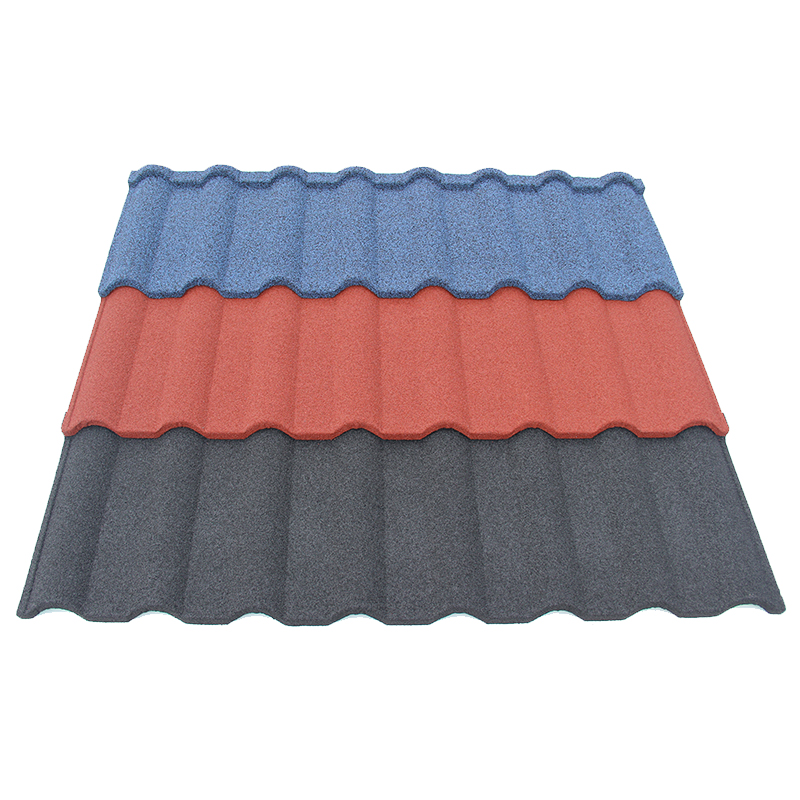
Once the premium Aluzinc coil is secured, it undergoes extreme pressure molding to achieve its final architectural geometry. This stamping process stretches the metallic core to its absolute limits, requiring superior steel formability. The geometry itself is a marvel of structural engineering, designed to multiply the load-bearing capacity of the thin metal. For instance, when sourcing a heavy-duty Bond Tile, astute engineers know the advantage is not just a simple difference in metal thickness. The true structural superiority comes from a precise difference in modeling—specifically, the inclusion of a single line groove running directly through the middle of the arc. This intentional geometric rib prevents the panel from buckling under extreme weight, showcasing how the physical shape of the core is just as critical as its chemical composition.
The Chemical Binder: 100% Pure Acrylic Resin Glue
Securing heavy mineral aggregates to a smooth metallic surface requires advanced, highly stable polymer chemistry. The adhesive layer acts as the critical bridge between the rigid steel core and the exterior weatherproofing shield. If this chemical binder fails, the panel will rapidly shed its protective stone coating, exposing the bare metal to direct ultraviolet radiation and driving rain. Low-end suppliers frequently ruin their products at this exact layer by utilizing cheap commercial PE (polyethylene) paints to cut production costs, a fatal engineering flaw that B2B buyers must actively audit against.
Thermal Elasticity and Expansion Management
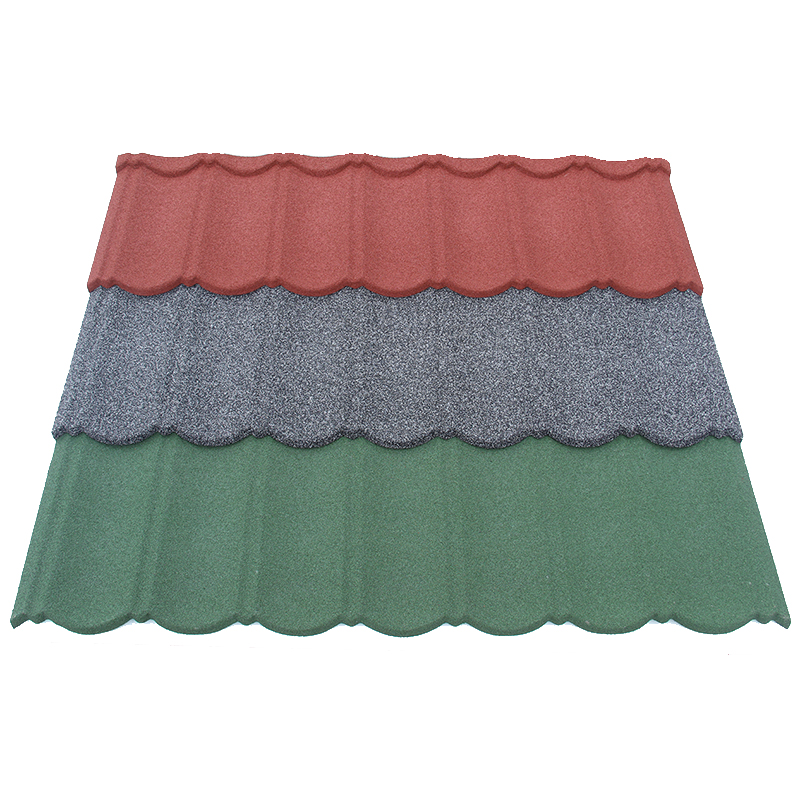
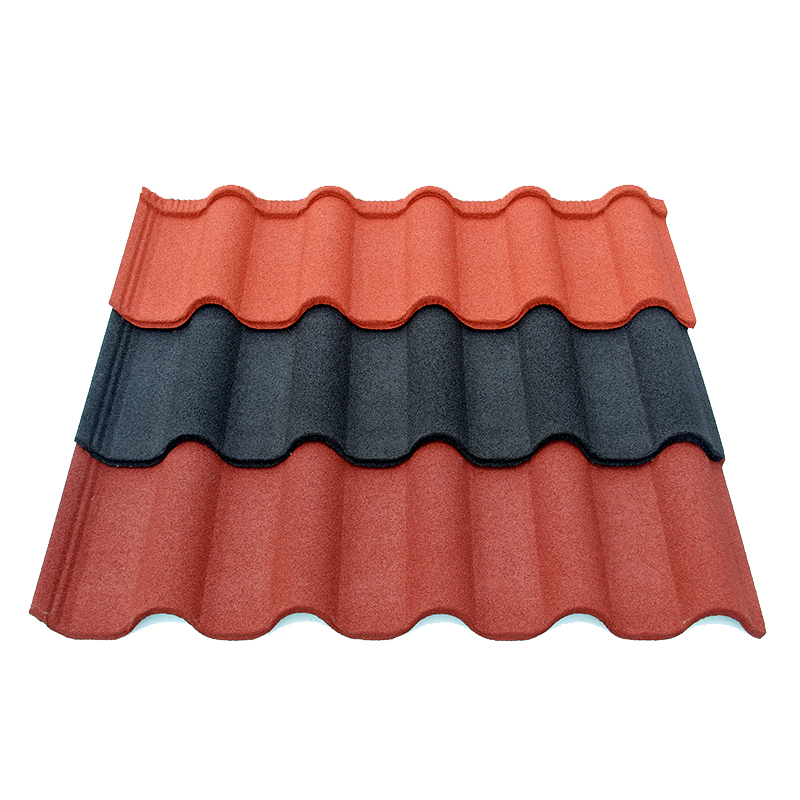
Commercial roofs endure violent temperature swings daily, expanding rapidly under the midday sun and contracting sharply during freezing nights. Standard PE paint cannot handle this relentless thermal shock; it quickly becomes brittle, cracks, and releases the stone granules. Authentic panels utilize a heavy base coat of 100% pure acrylic resin glue. This advanced polymer matrix remains highly elastic across a massive temperature spectrum. This elasticity is absolutely vital for deeply corrugated designs like the Roman Tile, where the steep hydraulic channels experience immense multi-directional expansion stress. The pure acrylic resin stretches and moves in perfect harmony with the steel core, ensuring the granules remain permanently anchored in the deep valleys of the profile.
Primer Coordination and Base Coat Adhesion
The application of the acrylic resin is a multi-step process that begins with a specialized chemical primer. The factory applies a micron-thin primer directly to the Aluzinc substrate to prepare the metallic surface for maximum molecular bonding. Once the primer flashes off, automated spray systems apply a thick, controlled layer of the pure acrylic base coat. The exact thickness of this base coat is strictly regulated; if it is too thin, the stone granules will not embed deeply enough to survive severe storm impacts. If it is too thick, the panel becomes unnecessarily heavy and prone to chemical pooling. Precision manufacturing ensures this adhesive layer achieves the perfect depth for maximum granule retention.
The Mineral Shield: High-Temperature Sintered Colored Sand
The exterior granular layer serves as both the primary aesthetic finish for the real estate development and the first line of kinetic defense against harsh environmental elements. This highly visible layer dictates the curb appeal and market valuation of the final commercial property. However, the B2B supply chain is fraught with deceptive products that utilize inferior, chemically dyed sand to mimic the look of premium minerals. To guarantee the long-term aesthetic and physical survival of the building envelope, procurement teams must understand the industrial processes used to treat and color these vital protective granules.
Rejecting Chemically Dyed Granules
The most common cause of premature roof degradation is the use of cheap, dyed sand. Dyed granules are highly unstable; ultraviolet radiation easily breaks down the cheap chemical pigments, causing a vibrant roof to fade into a patchy, chalky mess within a few short years. Furthermore, the dye often bleeds into the rainwater runoff, staining the commercial building’s exterior walls and gutters. Authentic manufacturing requires an absolute refusal to use low-end dyed sand. Instead, premium panels utilize high-temperature sintered colored sand. In this advanced process, natural volcanic basalt is coated with inorganic pigments and fired in massive industrial kilns at temperatures exceeding 800 degrees Celsius. This creates a permanent, ceramic-like color bond that is completely immune to UV fading and chemical bleeding.
Acoustic Dampening and Impact Deflection
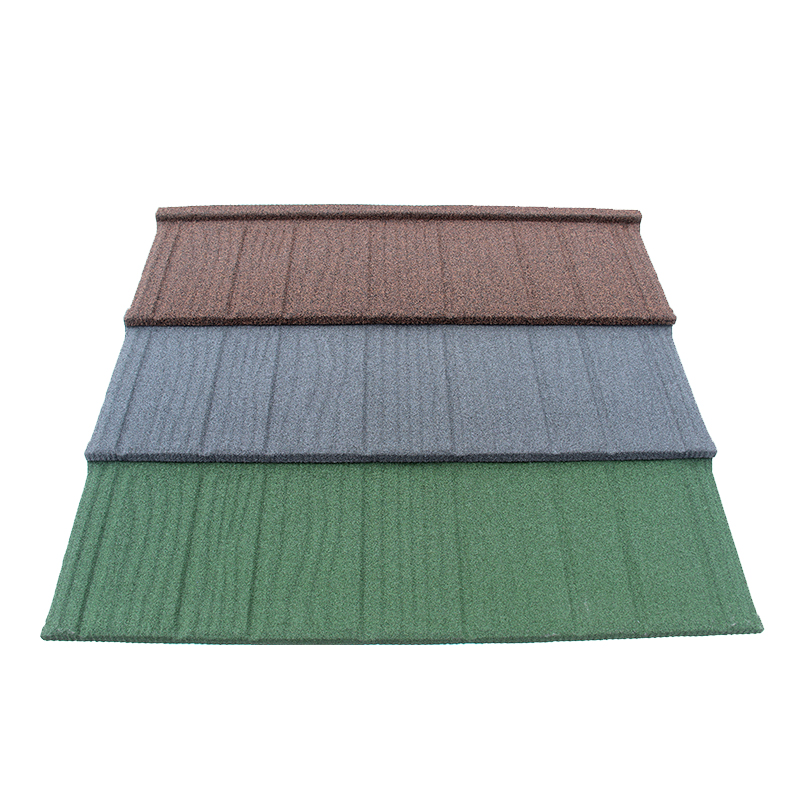
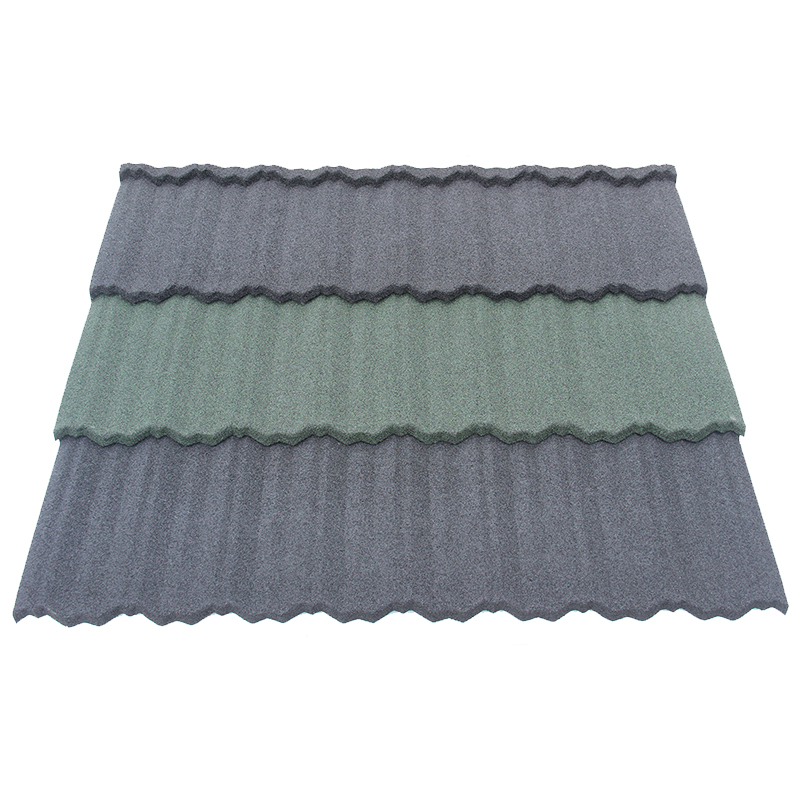
Beyond aesthetics, the sintered stone layer acts as a critical acoustic and kinetic buffer. Bare metal roofs are notoriously loud during heavy tropical rainstorms, creating an unacceptable interior environment for commercial office buildings or luxury hotels. The heavy, irregular texture of the sintered sand scatters the sound waves, deadening the acoustic impact of rain and hail. For projects prioritizing a natural look, specifying a rustic Shake Tile leverages this heavy mineral texturing to visually replicate hand-split wood while simultaneously providing maximum sound dampening. Furthermore, when hailstones strike the roof, the hardened ceramic granules disperse the kinetic energy outward, preventing the underlying steel core from denting or fracturing.
The Encapsulating Topcoat: UV-Stabilized Clear Overglaze
A high-performance exterior envelope is not complete without a final, sealing barrier to lock the entire complex system together. The topcoat acts as an invisible shield, encapsulating the rough mineral granules and protecting the underlying adhesive base from direct environmental exposure. Without this final layer, airborne dust, industrial pollution, and biological spores would easily lodge between the stone granules, rapidly degrading the aesthetic and chemical integrity of the roof. Professional B2B sourcing requires verifying the exact chemical makeup of this transparent finishing glaze.
Combating Ultraviolet Radiation and Fading
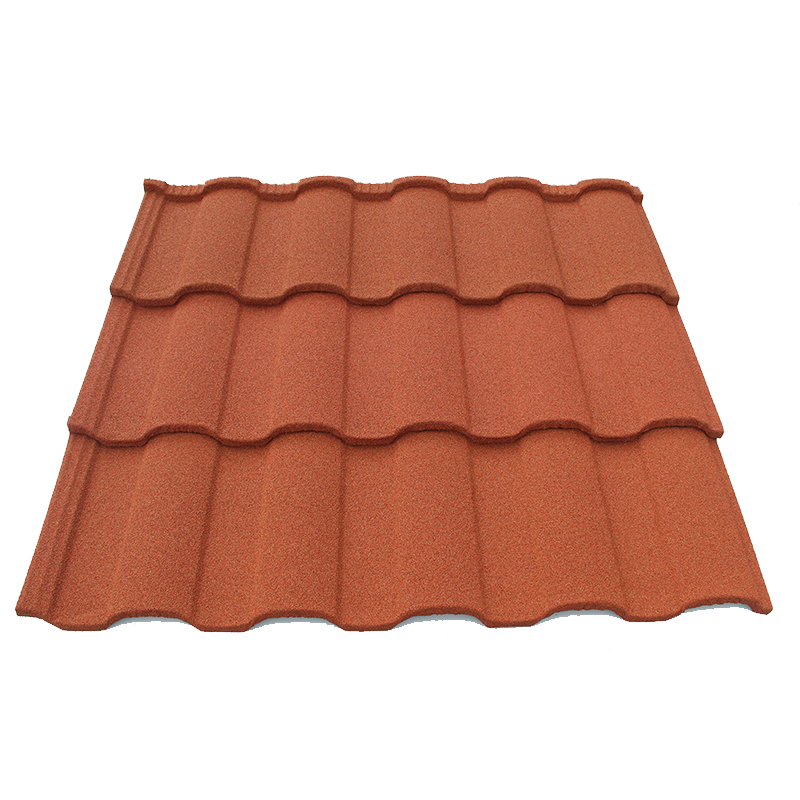
The topcoat consists of a pure, highly specialized clear acrylic overglaze formulated with advanced UV inhibitors. These chemical stabilizers act exactly like high-grade industrial sunscreen for the building. By neutralizing the destructive energy of ultraviolet photons, the overglaze ensures that the underlying sintered sand and acrylic base coat never dry out or become brittle. This is particularly crucial for maintaining specific architectural aesthetics; for example, the vibrant terra cotta colors of a classic Milano Tile rely on this UV-stabilized topcoat to maintain its sweeping, luxurious Mediterranean appearance without ever chalking or losing its deep, rich luster over decades of intense solar exposure.
Self-Cleaning Hydrology and Systemic Installation
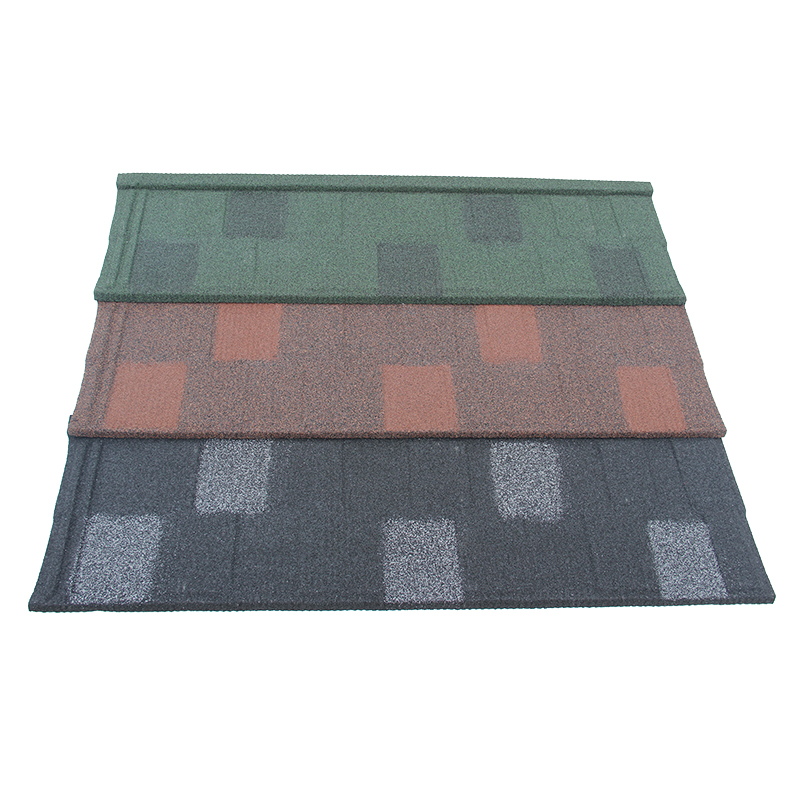
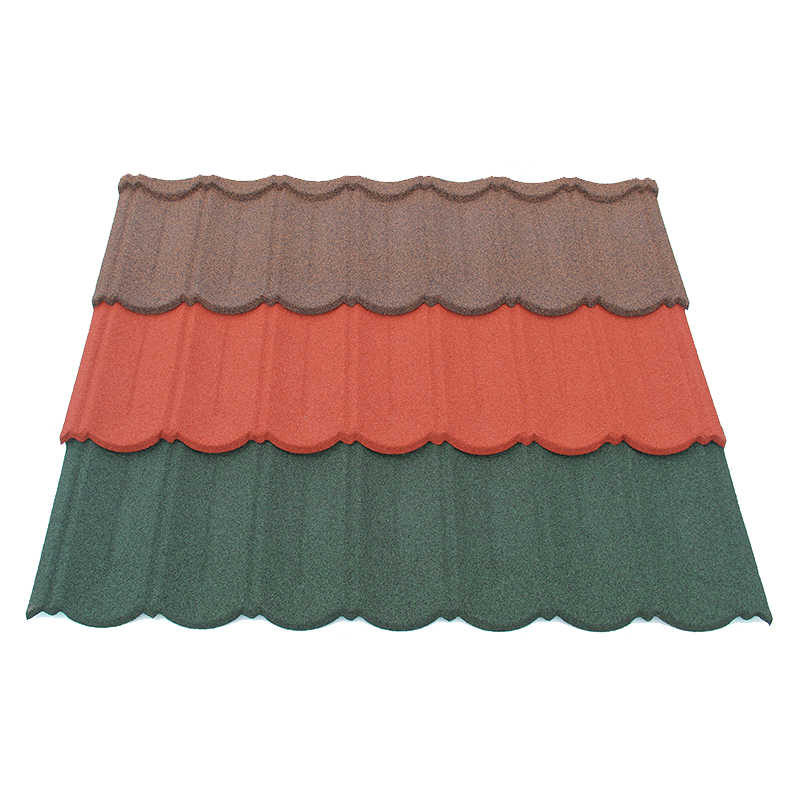
The clear acrylic overglaze provides a slick, non-porous micro-surface that promotes exceptional hydrological flow. Rainwater washes smoothly over the encapsulated granules, naturally flushing away organic debris, soot, and preventing the aggressive growth of black algae or moss. This self-cleaning property drastically lowers the ongoing maintenance overhead for commercial facility managers. Furthermore, this topcoat ensures the panels slide together flawlessly during installation. For example, the sleek Shingle Tile requires precise geometric tolerances because its installation relies on a structural batten system. The smooth overglaze ensures the panels interlock perfectly without abrasive friction, ensuring that the nails used for installation remain completely hidden and unexposed to moisture, finalizing a perfectly sealed building envelope.
Strategic Procurement: Vetting the Manufacturing Process
Understanding the microscopic anatomy of these materials directly informs how procurement officers draft their purchase orders and audit potential overseas suppliers. An advanced, multi-layered roofing product cannot be manufactured in a primitive, low-tech facility. Producing millions of flawlessly uniform tiles requires massive industrial infrastructure, strict chemical handling protocols, and automated, precision-controlled thermal baking kilns. B2B buyers must aggressively vet the physical capabilities of their supply chain partners to ensure they are actually receiving the premium AZ150 and sintered sand layers they are paying for.
Factory Capacity and Quality Consistency
When sourcing for massive commercial subdivisions or high-rise developments, the manufacturer must have the proven capacity to deliver consistent quality at a massive scale. A reliable factory-direct exporter dedicated to B2B global trade will typically possess over 11 years of specialized expertise in the stone-coated metal roofing manufacturing industry. Operating a dedicated 10,000-square-meter facility with at least 5 automated production lines allows these elite factories to output between 140,000 and 200,000 pieces weekly, depending on the specific product line. Industry-leading brands operating at this massive tier, such as JCROOF, rely on these exact, stringent multi-layered specifications to support heavy international trade and full OEM/ODM custom architectural demands without ever sacrificing layer integrity.
Documenting Layer Specifications in Purchase Orders
To avoid receiving cheap imitations built with PE paint and dyed sand, procurement managers must explicitly detail every single anatomical layer in their commercial purchasing contracts. Vague specifications lead directly to catastrophic building failures. Utilizing a strict verification checklist ensures that the delivered products match the engineered expectations perfectly.
| Anatomical Layer | Substandard Imitation (Reject) | B2B Procurement Standard (Require) |
|---|---|---|
| Metallic Substrate | Standard Commercial Galvanized Steel | AZ150 Aluzinc Steel (Aluminum-Zinc Alloy) |
| Base Adhesive | Rigid PE (Polyethylene) Paint | 100% Pure Acrylic Resin Glue |
| Mineral Coating | Chemically Dyed Commercial Sand | High-Temperature Sintered Volcanic Basalt |
| Protective Topcoat | None, or low-grade matte sealer | UV-Stabilized Clear Acrylic Overglaze |
By dissecting and demanding the highest quality for every single layer—from the AZ150 core to the UV-stabilized topcoat—commercial developers eliminate the risk of premature roof failure entirely. Investing in authentic, scientifically engineered building materials guarantees a massive return on investment, slashing long-term maintenance overhead and securing the structural integrity of the commercial real estate portfolio for well over half a century.