
Roofing solutions for housing projects need to work differently than a single custom home decision. Developers building dozens or hundreds of units face different cost, timeline, and consistency pressures. A material that makes sense on one house can become a serious liability multiplied across an entire subdivision. This guide breaks down what actually matters when choosing roof tiles for residential housing projects, and how that choice plays out across different development types.
Why Housing Projects Need a Different Roofing Approach Than Single Homes
A single homeowner absorbs one roofing decision and lives with the result directly. A developer multiplies that same decision across an entire project. Small differences in installation time, callback rates, or material cost compound quickly at scale. This is why developers need to evaluate roofing choices through a different lens than an individual buyer would.
Small Cost Differences Multiply Across Many Units
A slightly higher per-unit material cost becomes significant once applied across a hundred homes. Developers need to model total project cost carefully, not just the price on a single representative unit.
Consistency Matters More at Scale
Buyers touring a housing development expect uniform quality across every unit. Any visible inconsistency in color or texture stands out far more in a subdivision than it would on an isolated home.
Breaking Down the Factors That Matter Most for Housing Developments
Developers need to weigh installed cost, installation speed, long-term durability, and aesthetic consistency together. Each factor affects the project differently depending on scale and timeline. The table below summarizes how common roofing materials compare across these development-focused factors.
| Material Type | Cost at Scale | Installation Speed | Long-Term Callback Risk |
|---|---|---|---|
| Asphalt Shingle | Lowest upfront cost | Fast, familiar to most crews | Higher, shorter lifespan increases future claims |
| Clay or Concrete Tile | Higher, weight adds structural cost | Slower, careful handling required | Moderate, cracking risk over time |
| Standard Steel Panel | Moderate | Fast, lightweight panels | Low, but limited aesthetic range for residential buyers |
| Stone Coated Metal Roofing Tile | Moderate | Fast, lighter than traditional tile | Low, strong documented lifespan reduces claims |
Installed Cost Across an Entire Development
Developers should compare full installed cost across the entire project, not just per-unit material price. Weight-related structural costs and installation labor both shift this total significantly between material options.
Installation Speed and Crew Efficiency
Faster installation directly affects how quickly units reach completion and sale readiness. Lighter materials that install efficiently help keep large projects on schedule.
Long-Term Callback and Warranty Exposure
A material with a strong documented lifespan reduces the volume of warranty claims a developer faces after handover. This factor affects both direct repair costs and buyer satisfaction across the development.
How Roof Tile Choice Plays Out Across Different Housing Project Types
Housing projects vary significantly in budget, buyer expectations, and architectural style. The right roofing choice shifts depending on these specific project characteristics. The following examples show how this plays out across common development types.
Affordable and Social Housing Developments
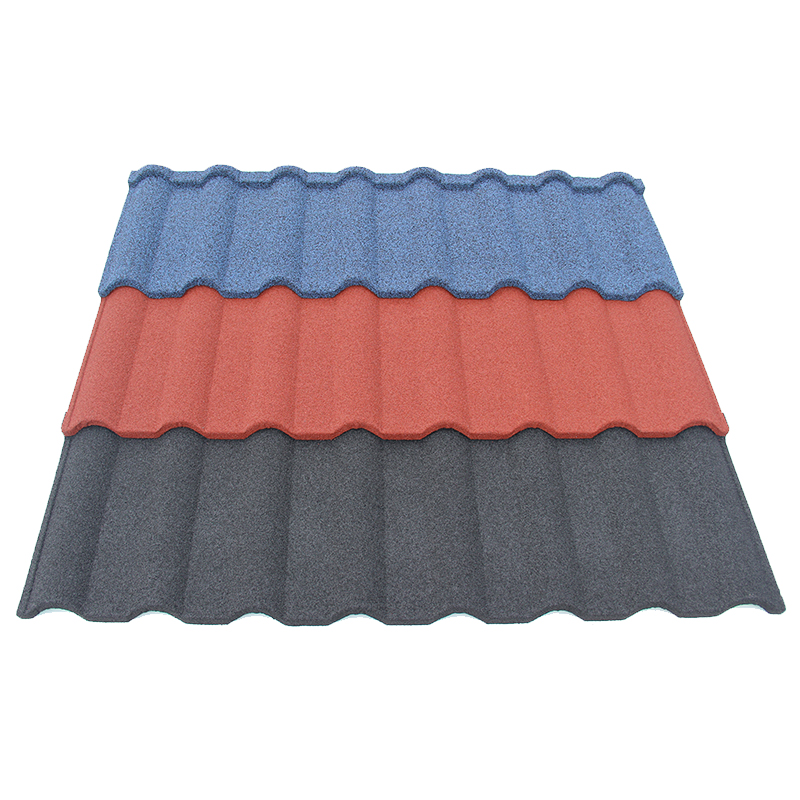
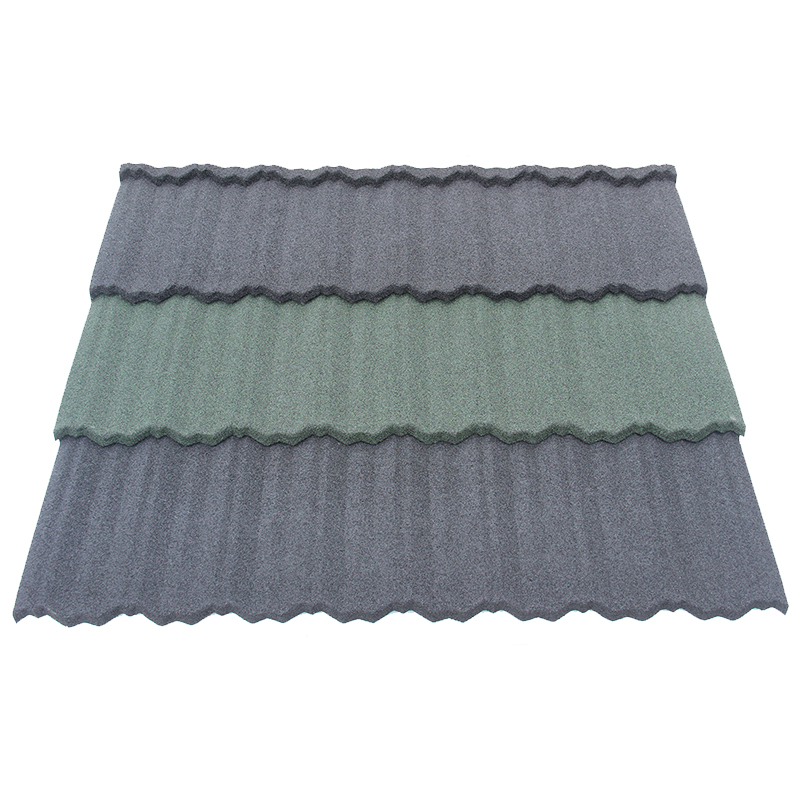
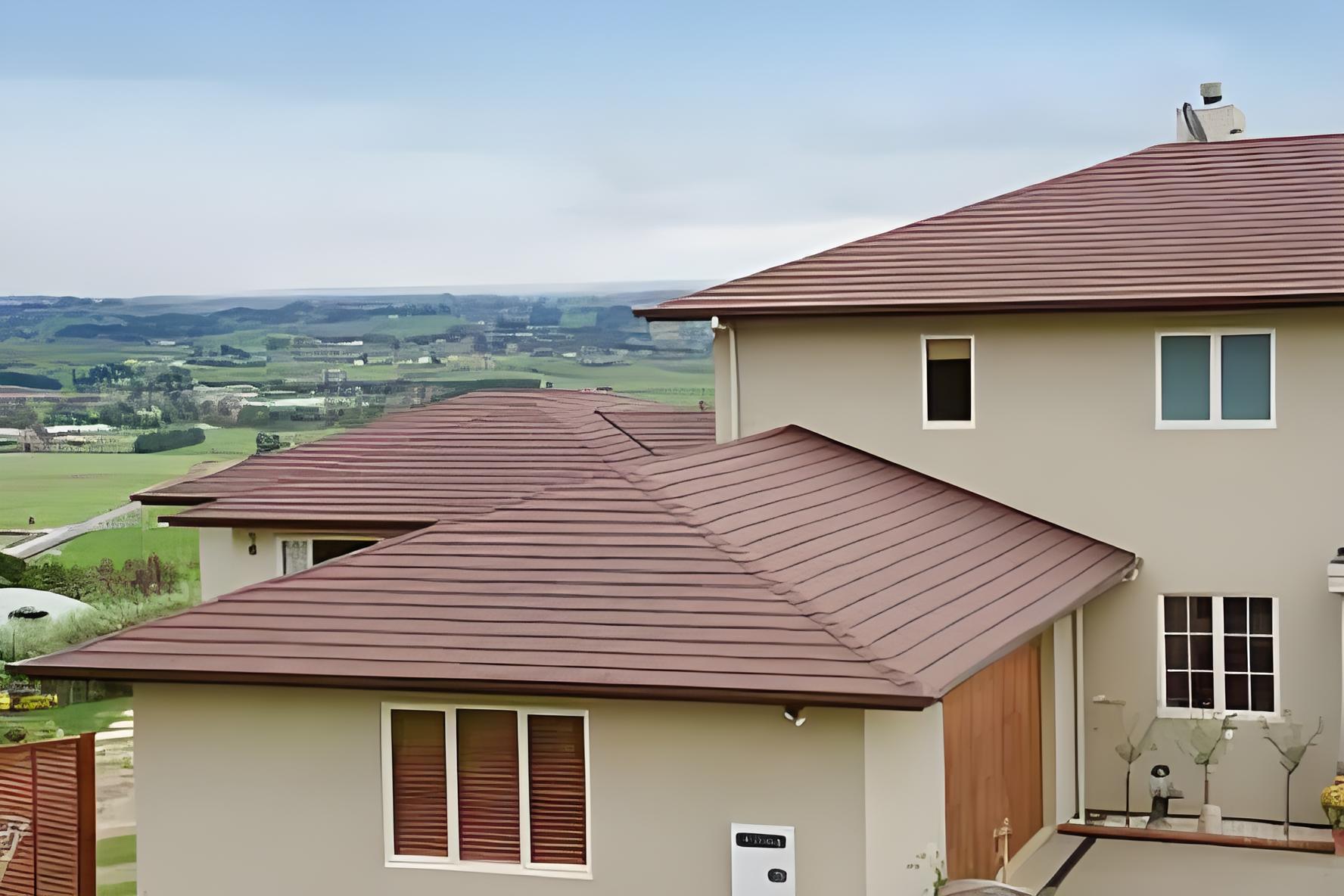
Budget-focused developments need durability that reduces long-term maintenance calls without inflating per-unit cost. A Bond Tile profile fits this goal, offering strong wind and impact performance at a scalable price point.
Mid-Market Suburban Subdivisions
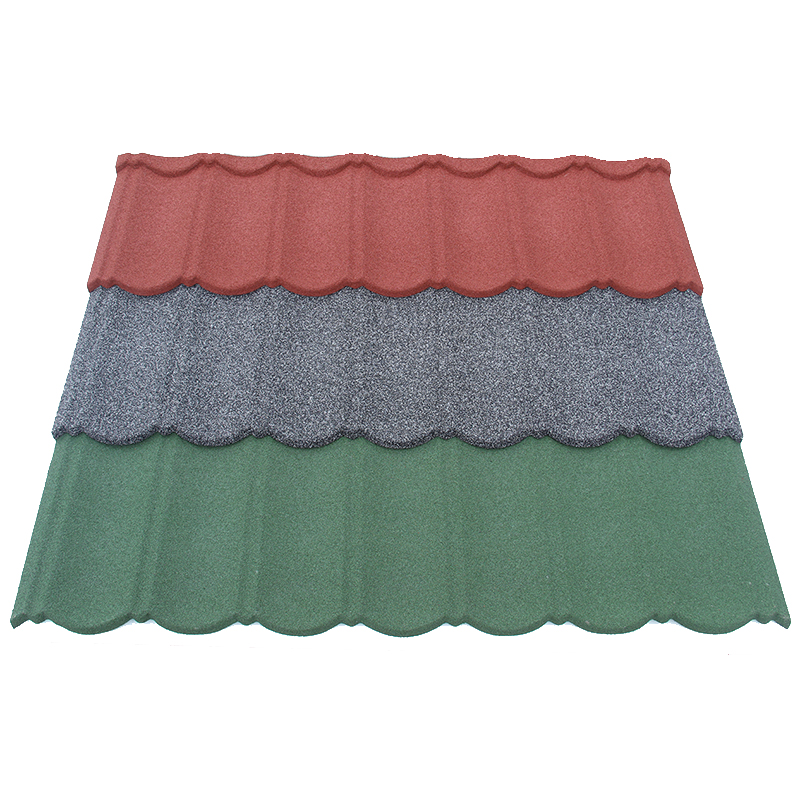
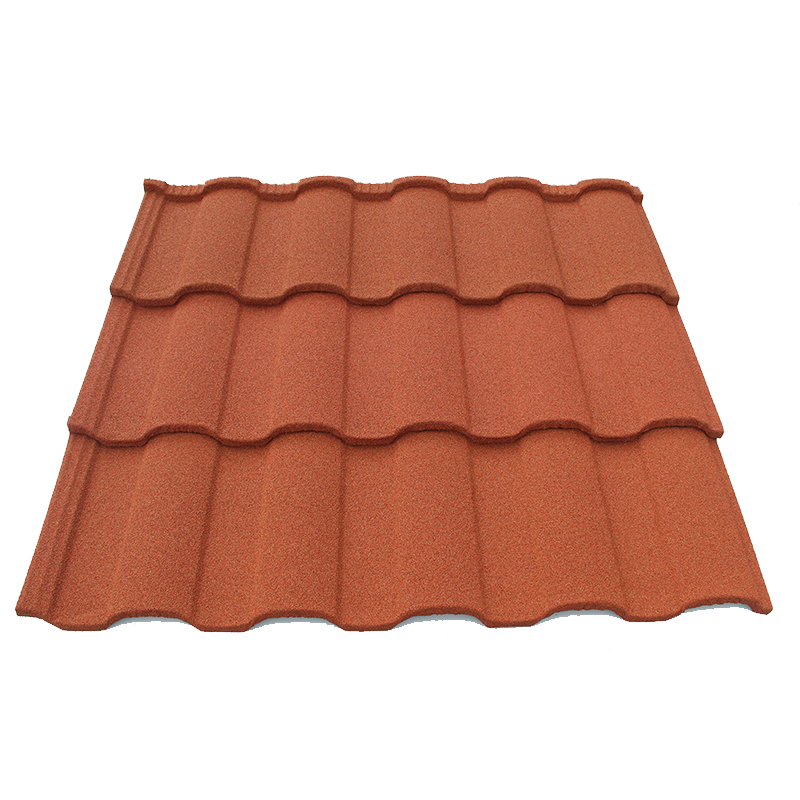
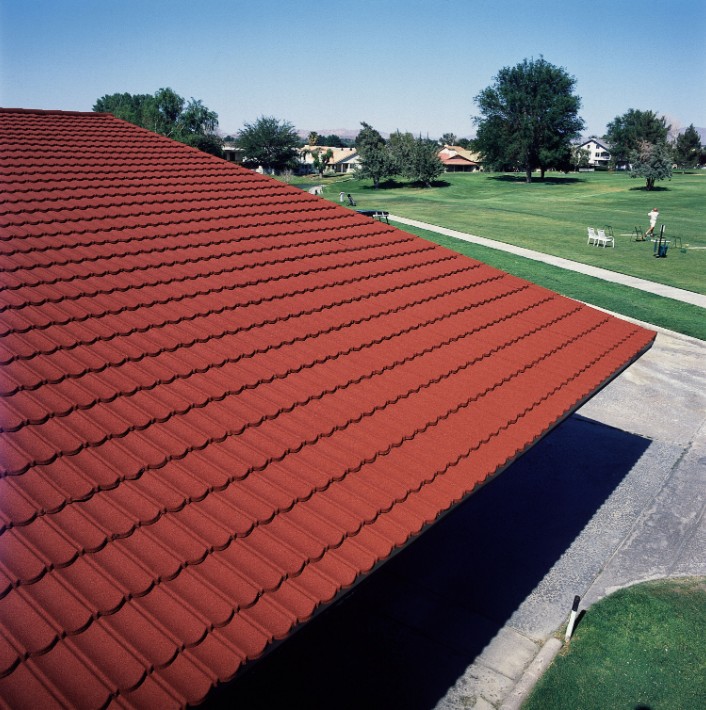
Mid-market subdivisions often want a traditional look that appeals to a broad buyer base. A Roman Tile profile delivers this appearance while keeping structural costs lower than real clay tile would require.
Gated Communities and Higher-End Developments
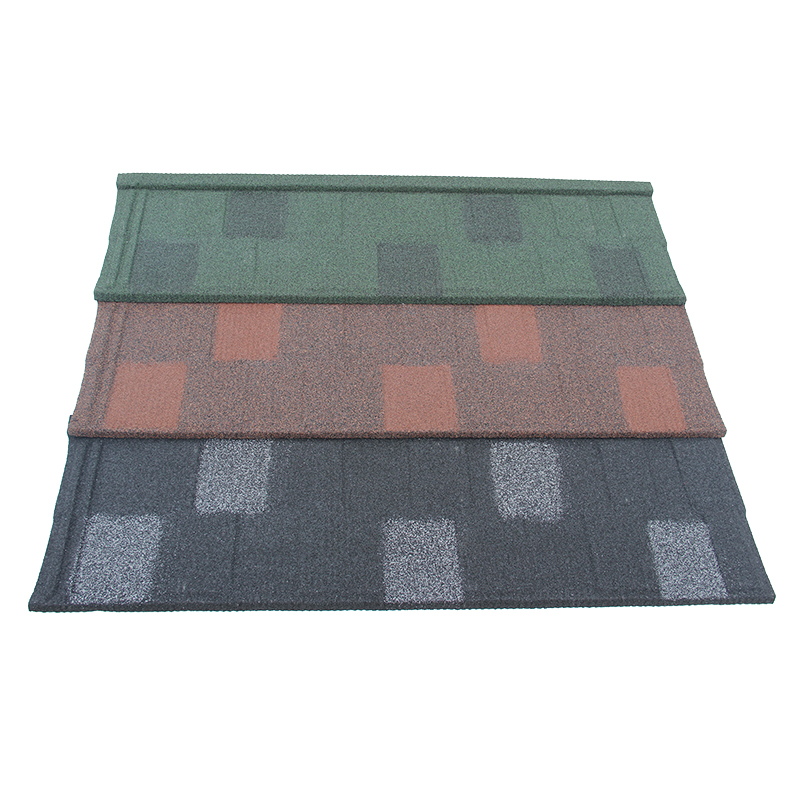
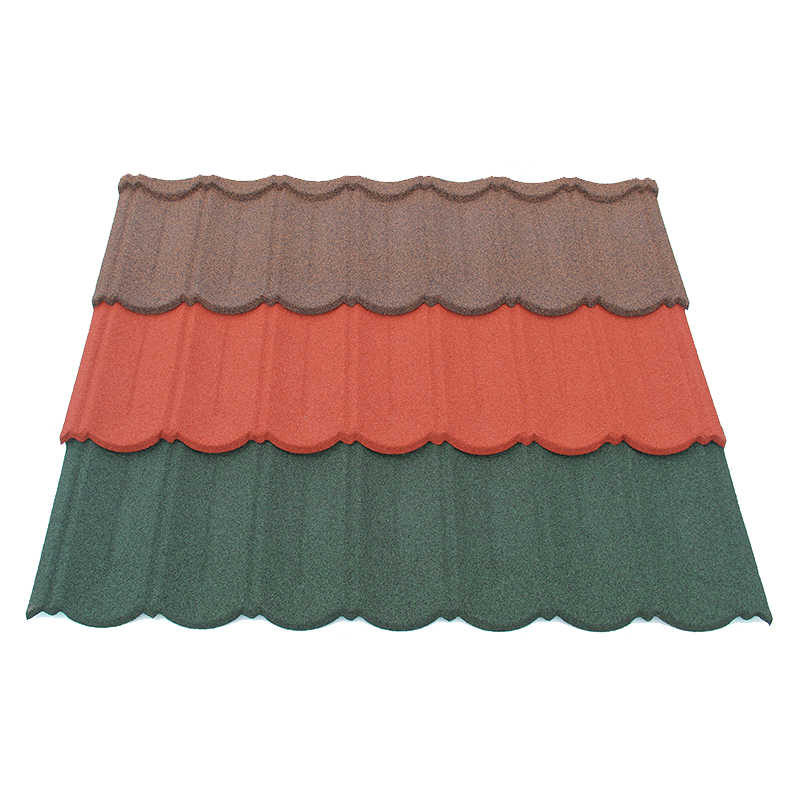
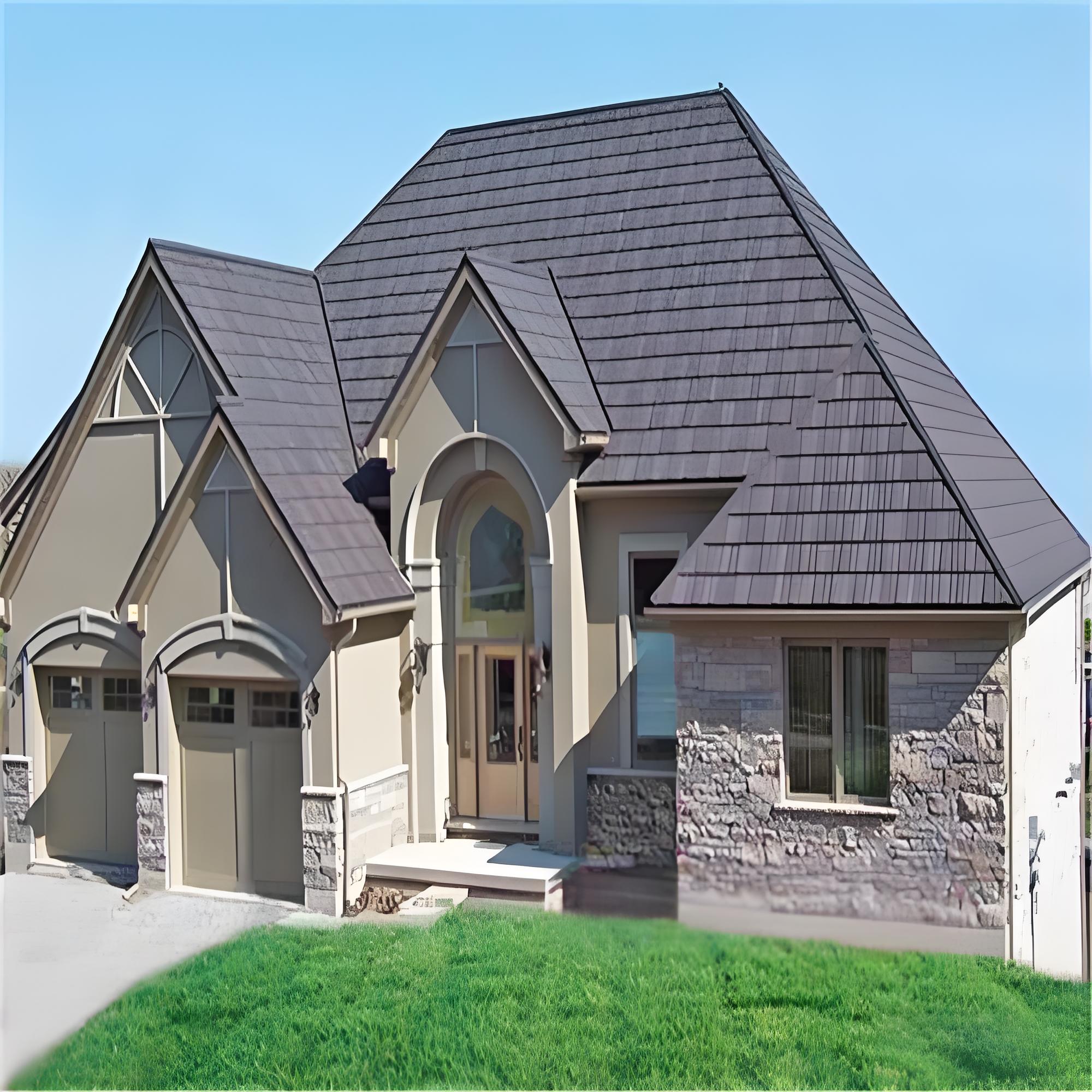
Higher-end communities benefit from a familiar residential silhouette paired with strong long-term durability. A Shingle Tile profile supports this positioning across an entire gated development.
Multi-Family and Townhouse Projects
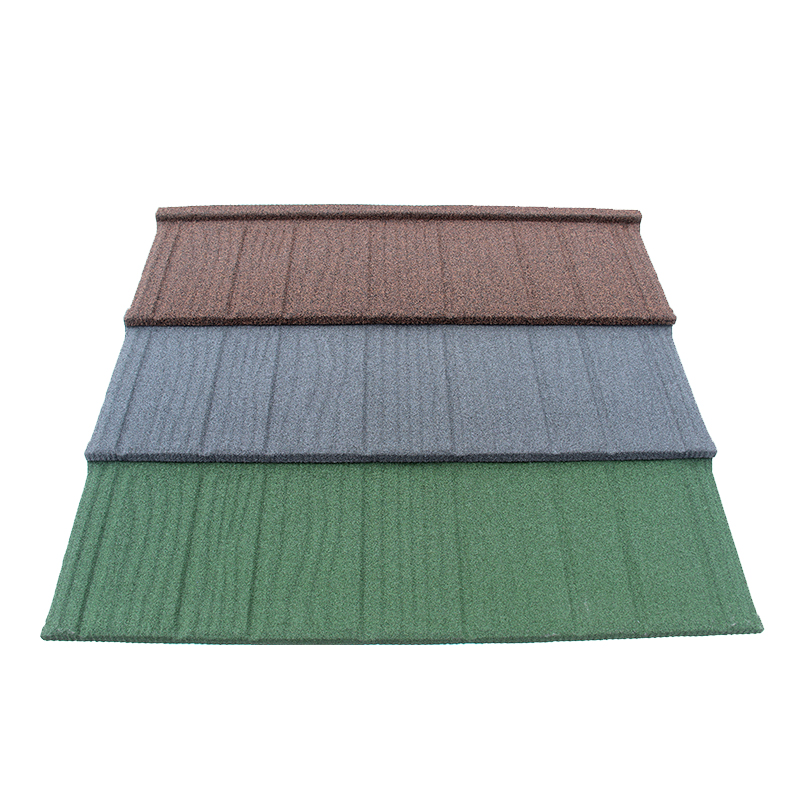
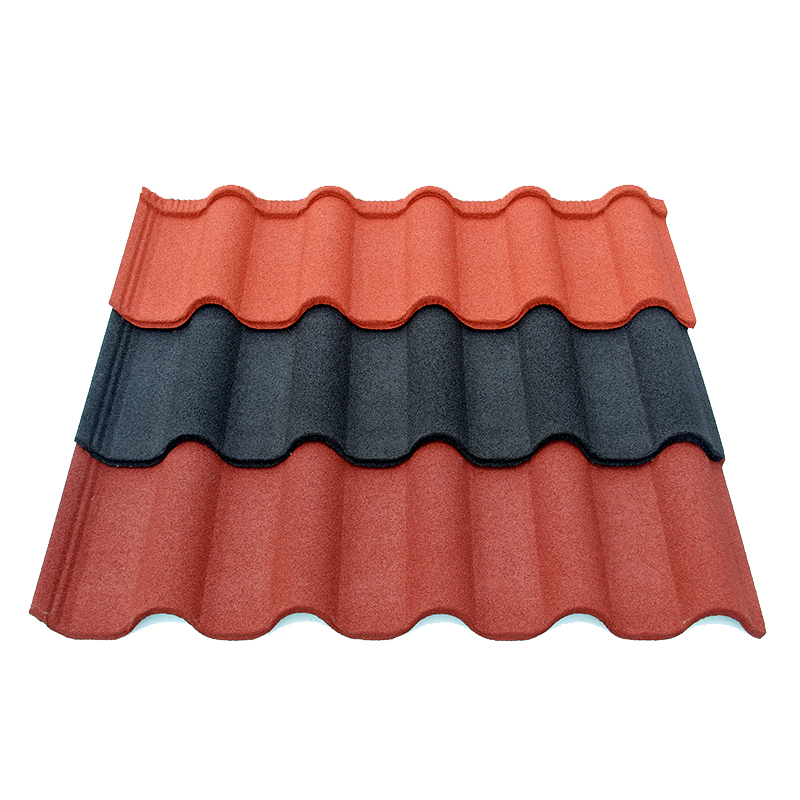
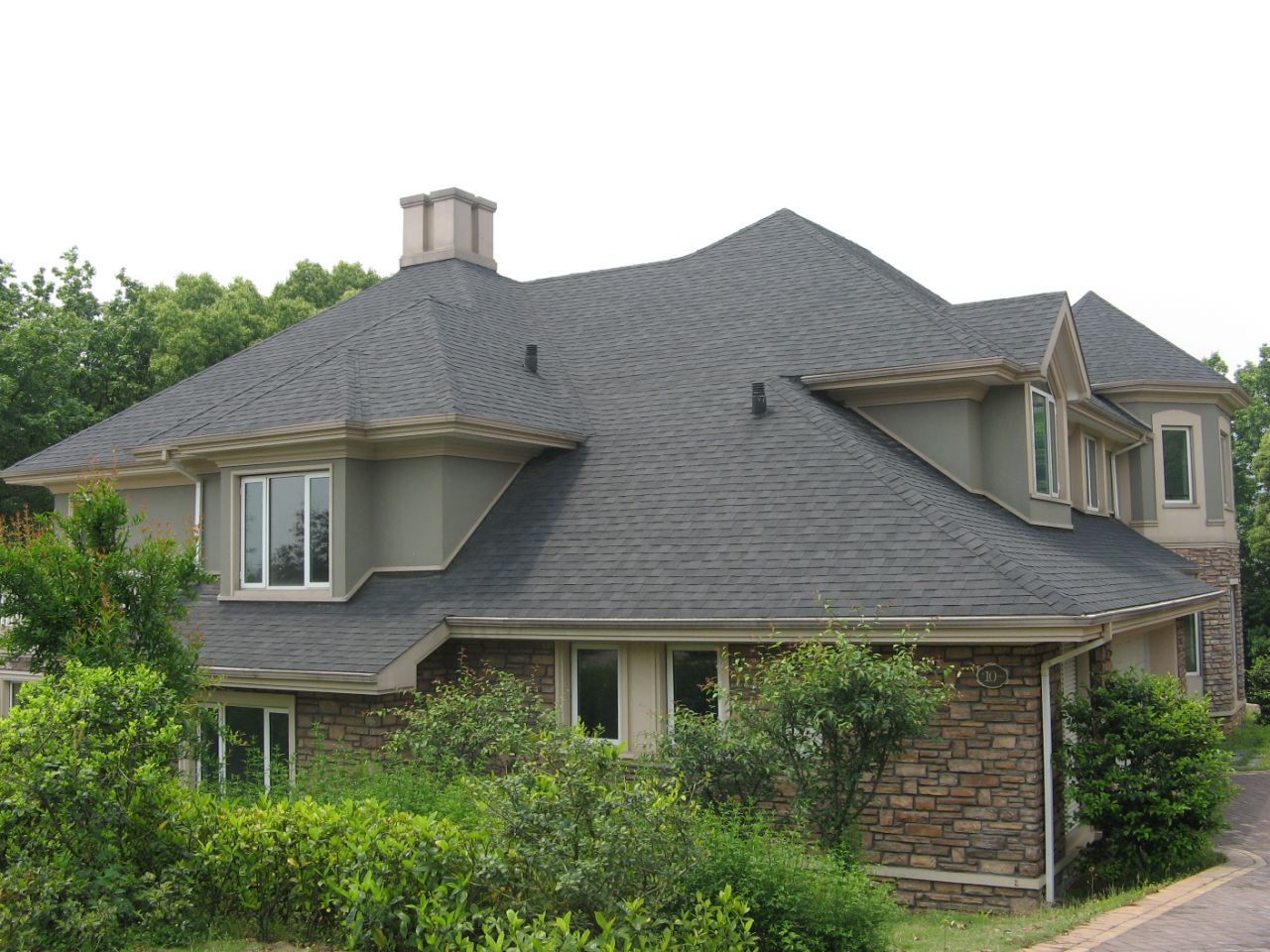
Developers working with suppliers such as JCROOF often specify a Milano Tile profile for multi-family or townhouse projects aiming for a more contemporary look across shared rooflines. Developments targeting a rustic or resort-style character sometimes choose a Shake Tile profile instead, adding visual warmth without the maintenance burden real wood shake would introduce across many units.
Common Mistakes Developers Make When Specifying Roofing for Housing Projects
Developers tend to repeat a few specific mistakes when specifying roofing at scale. Recognizing these patterns early helps avoid costly rework across an entire project.
Choosing Based on Lowest Unit Cost Alone
Developers sometimes select the cheapest material without factoring in installation timeline or long-term callback risk. This narrow view often understates the true cost across the full project.
Underestimating Structural Impact at Scale
A heavier material can trigger structural upgrades that seem minor on one home but add significant cost across an entire subdivision. This factor deserves careful modeling before finalizing a specification.
Overlooking Aesthetic Consistency Across Production Batches
Inconsistent color or texture between material batches becomes obvious once dozens of homes sit side by side. Developers should confirm batch consistency directly with their supplier before large-scale ordering.
- Model full installed cost across the entire project, not one representative unit
- Confirm installation timeline expectations match your project schedule
- Verify batch consistency before committing to a large-scale order
- Compare warranty terms and expected callback rates across material options
- Match aesthetic choice to your target buyer segment across the whole development
Building a Roofing Specification Process for Housing Developments
A structured specification process protects developers from costly mismatches at scale. Applying the same evaluation criteria across every project keeps outcomes consistent as developments grow larger.
Questions to Ask Before Finalizing a Housing Project Specification
Ask for documented performance data at full project scale, along with batch consistency guarantees for large orders. Specific answers here separate a reliable supplier from a generic catalog listing.
Working With Suppliers Who Understand Development-Scale Demands
Manufacturers experienced with large residential developments can guide specification decisions more effectively than suppliers focused only on single-home projects. This experience often prevents costly surprises once installation begins.
Choosing roof tiles for residential housing projects comes down to balancing cost, installation speed, and long-term durability across an entire development. Developers who evaluate these factors at full project scale consistently avoid the mismatches that surface only after handover.