

Can you walk on stone coated metal roofing? Sometimes a trained professional can access a roof, but the answer depends on the exact profile, slope, support, installation condition, weather, and manufacturer guidance. A broad yes or no can create risk. Buyers need a maintenance and access plan that protects people, the roof surface, flashings, and the validity of any project requirements.
Schedule access as a planned trade activity. Confirm the competent person, weather limit, rescue method, communication route, and inspection record before work starts. Keep occupants away from the work area and protect landscaping, vehicles, and lower roofs from dropped tools. After the task, check the route and record any repair or cleaning requirement. A written record helps the owner decide whether the existing route remains appropriate for the next service visit. It also gives the owner a factual basis for budgeting future access equipment and for explaining the maintenance method to new contractors.
Schedule access as a planned trade activity. Confirm the competent person, weather limit, rescue method, communication route, and inspection record before work starts. Keep occupants away from the work area and protect landscaping, vehicles, and lower roofs from dropped tools. After the task, check the route and record any repair or cleaning requirement. A written record helps the owner decide whether the existing route remains appropriate for the next service visit.
This guide helps contractors, facility teams, distributors, and owners ask better questions before anyone steps onto the roof. It does not create a universal walking rule or replace the supplier’s current instructions, a site safety plan, or a qualified inspection.
Why a Simple Walking Answer Can Mislead
Stone coated metal roofing is a formed system, not a flat floor. The visible surface may resist normal weather exposure, yet concentrated foot pressure can affect the stone finish, edges, laps, fasteners, or supporting deck. Different profiles place support in different locations. A roof can also become hazardous when wet, icy, dusty, steep, damaged, or poorly lit.
Definition: roof access means a planned movement or work activity on the roof using an approved route, equipment, and procedure. It is different from casual walking across a roof to inspect a view or retrieve an object. The access plan must account for people, tools, fall protection, weather, and the roof assembly.
Separate three questions
- Can a qualified worker access the roof under a defined procedure?
- Where can the worker place weight without damaging the profile or details?
- Does the project have a safe route that controls falls, slips, dropped tools, and roof damage?
Answer these questions with product-specific information and site conditions. Do not infer a walking method from a product photograph. Do not assume that a neighboring profile uses the same support points or has the same maintenance guidance.
Profile, Slope, and Support Determine Access Risk
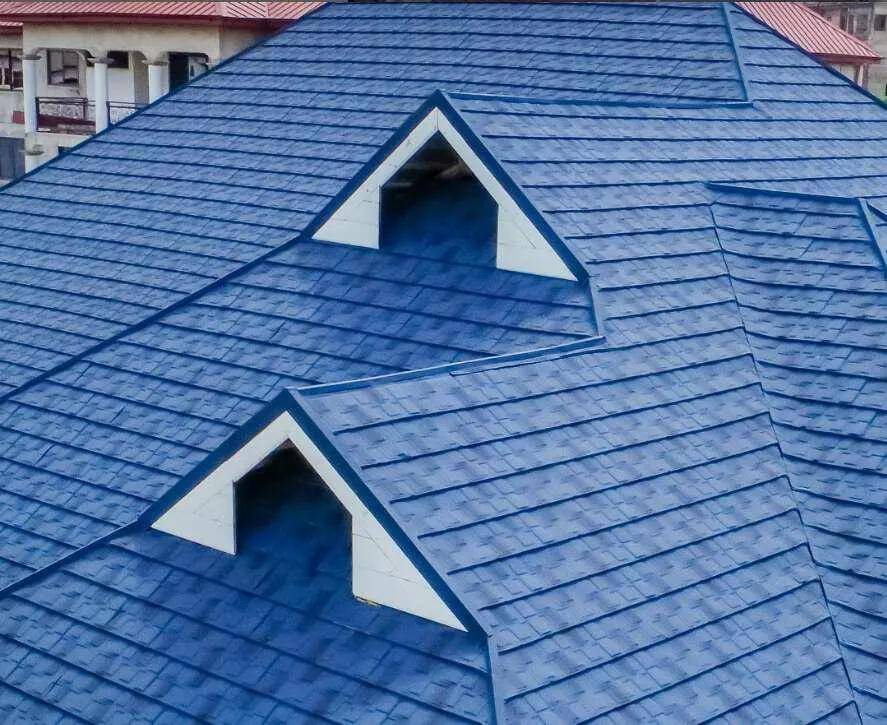
Roof profiles create different contact patterns. A tile with a pronounced interlock may carry weight differently from a flatter shingle-like profile. A steep roof increases slip and fall exposure. A roof over a weak or damaged deck can fail even when the surface looks sound. Valleys, ridges, hips, skylights, penetrations, and edge trims need special caution because they combine changes in geometry with critical water-management details.
Ask the supplier or installer to identify approved foot-placement zones, walk boards, ladders, platforms, or other access equipment. If the instructions do not address the planned activity, pause and request technical clarification. A buyer should not treat silence as permission.
Useful profile questions
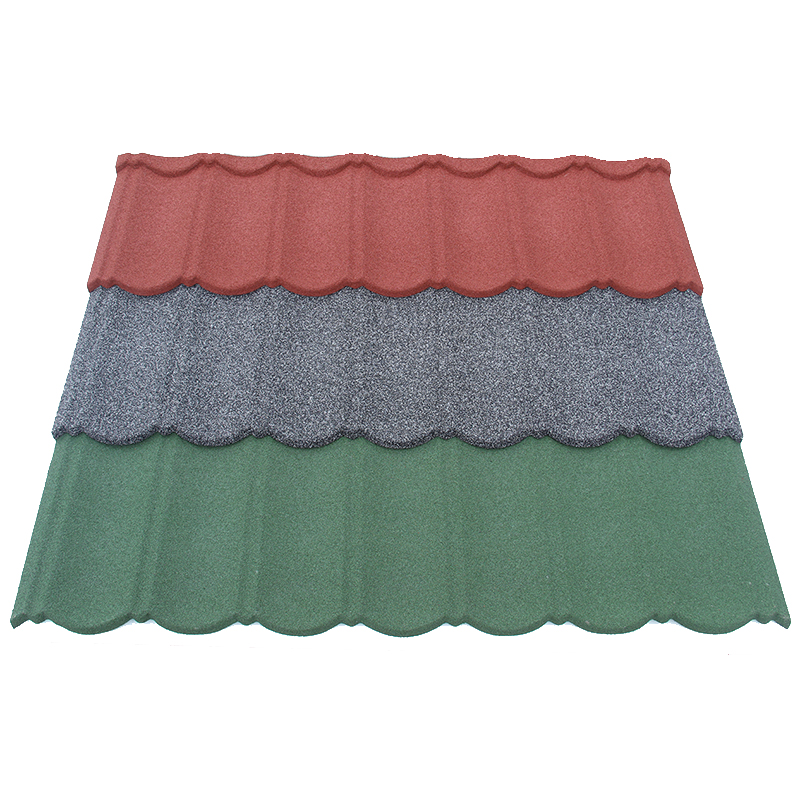
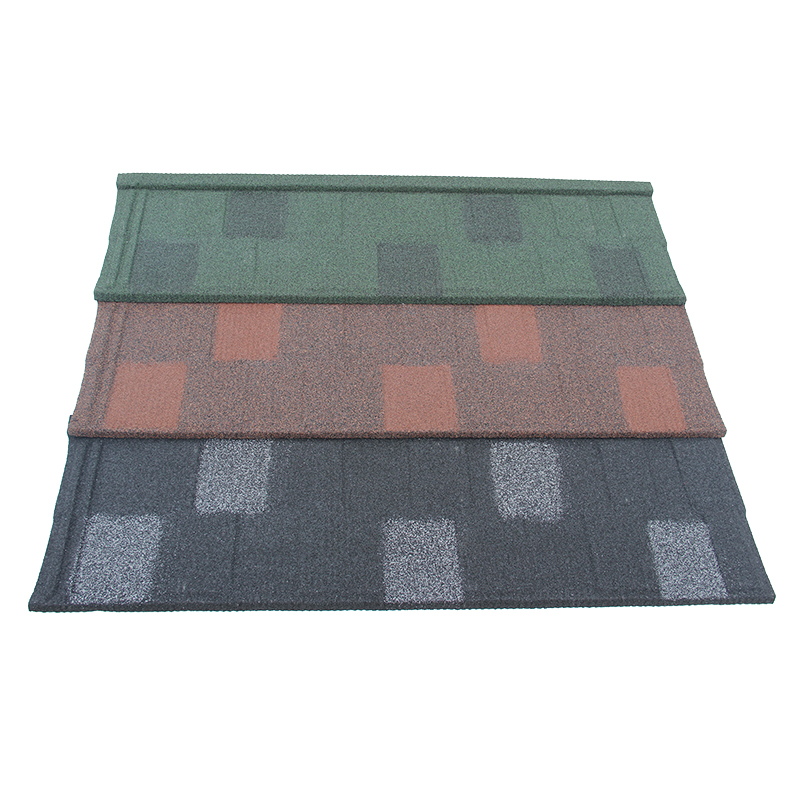
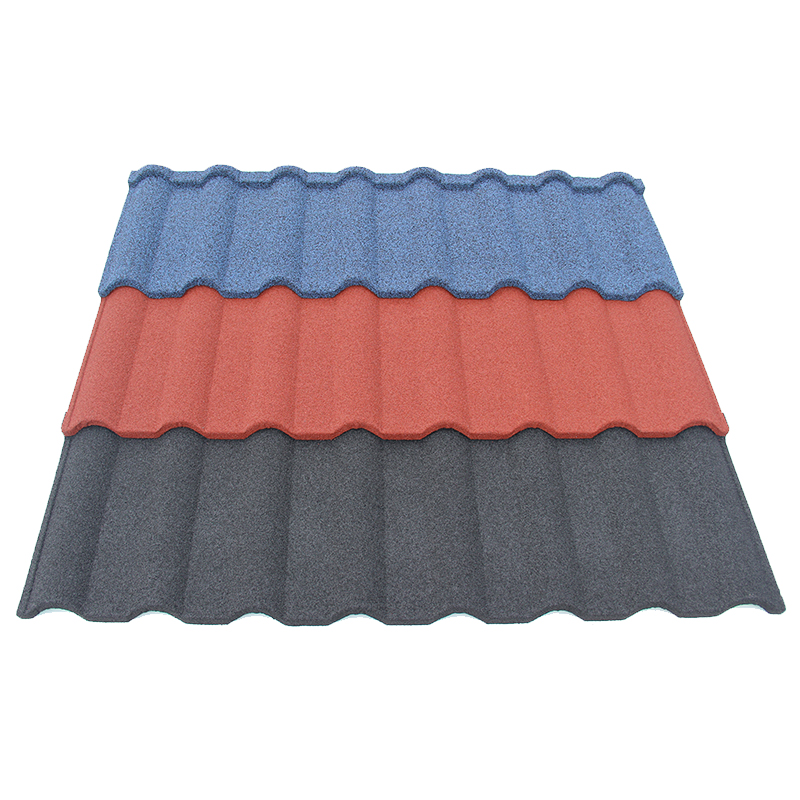
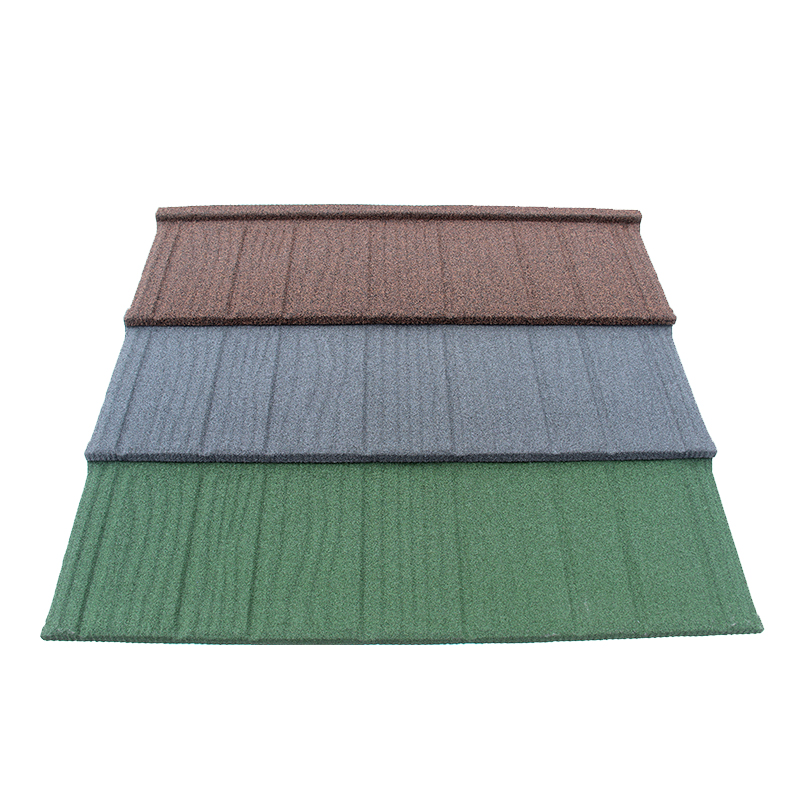
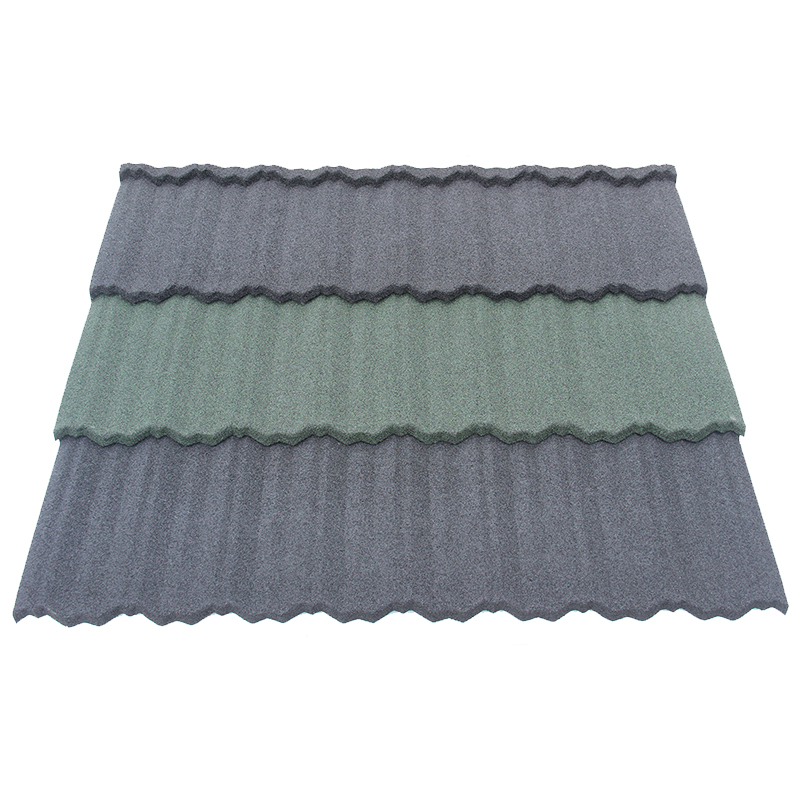
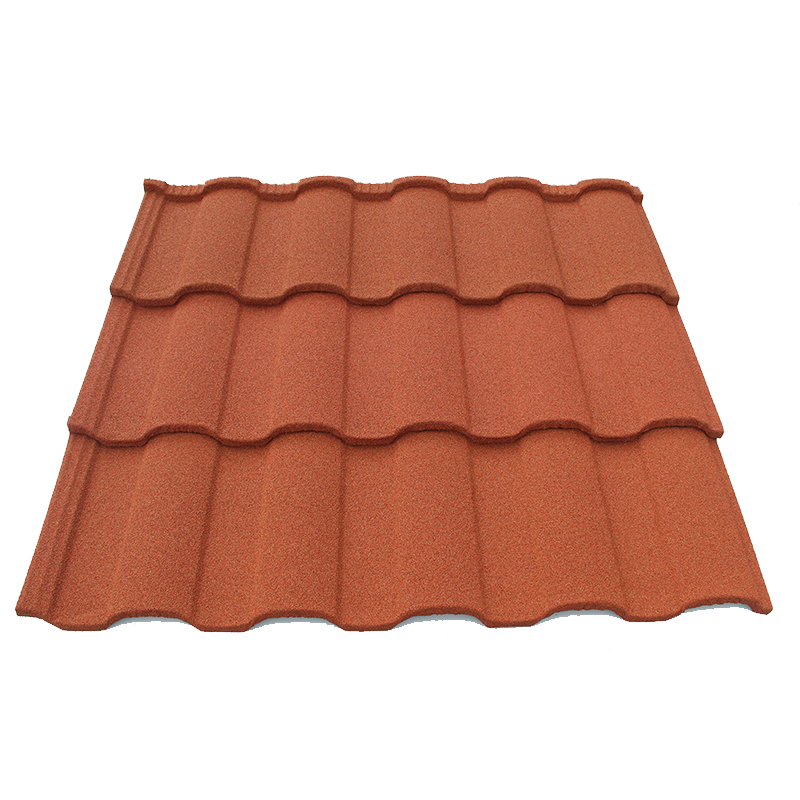
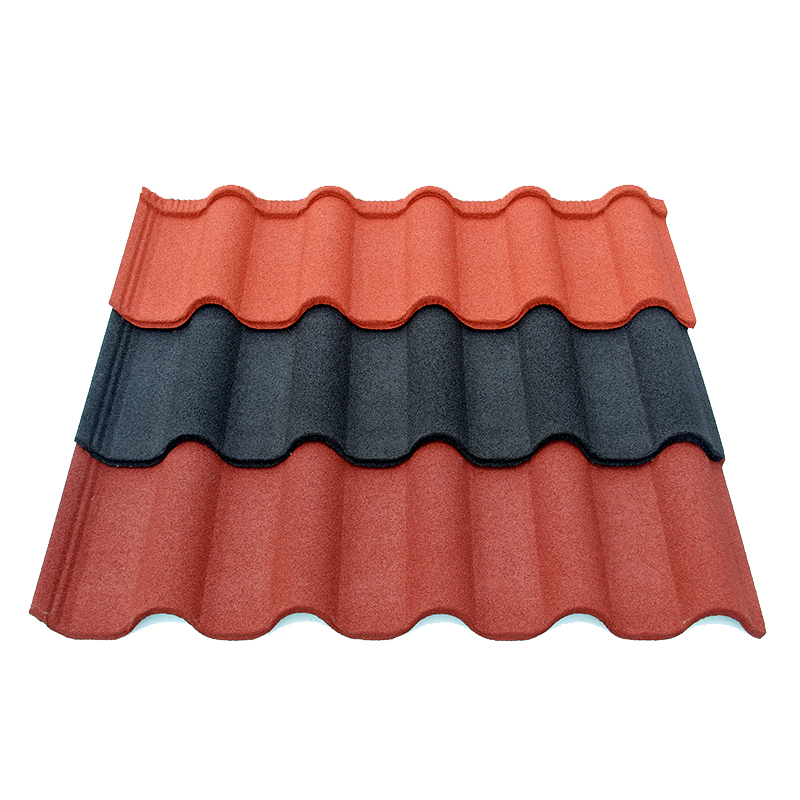
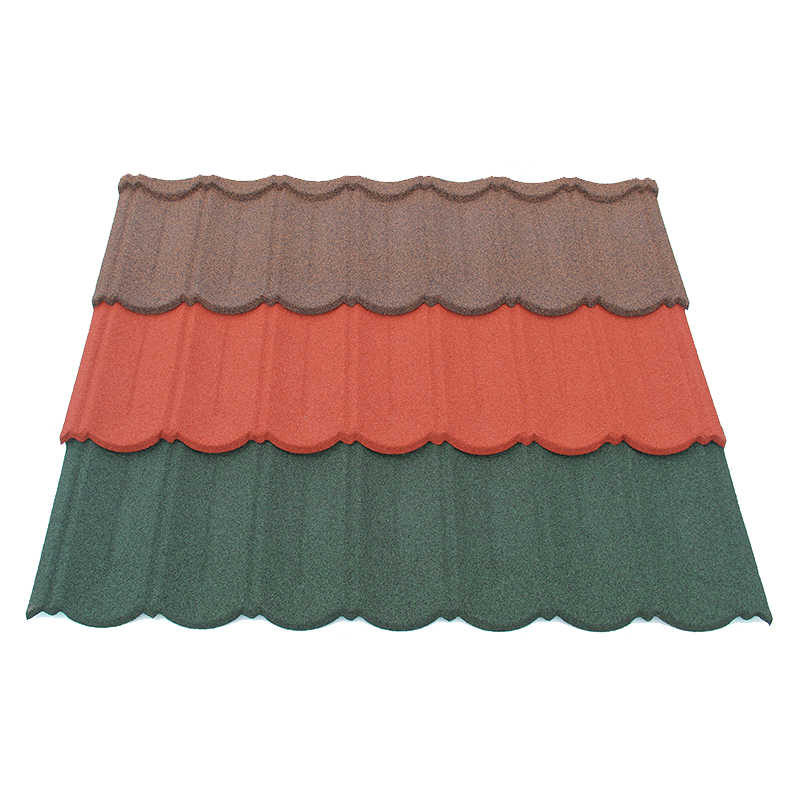
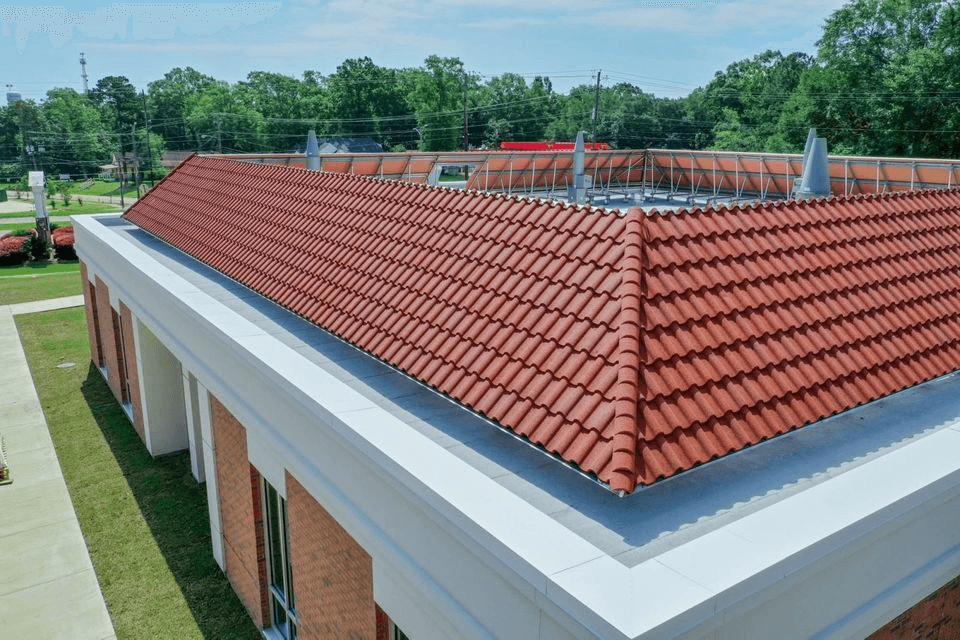
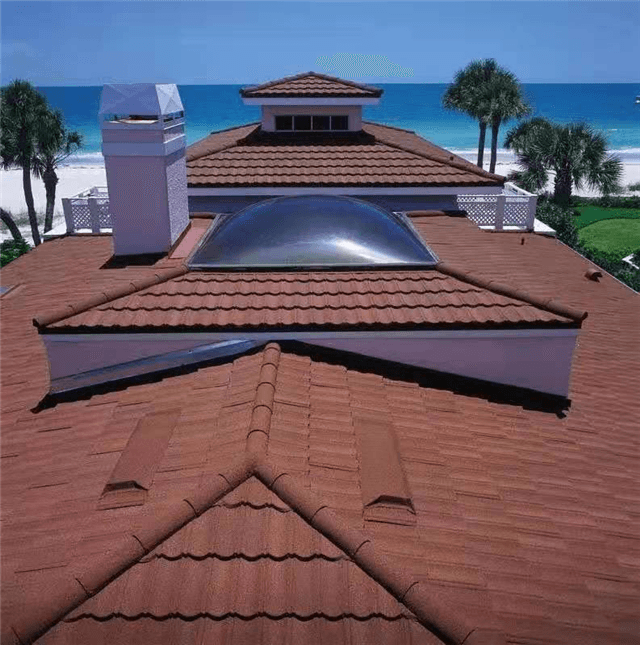
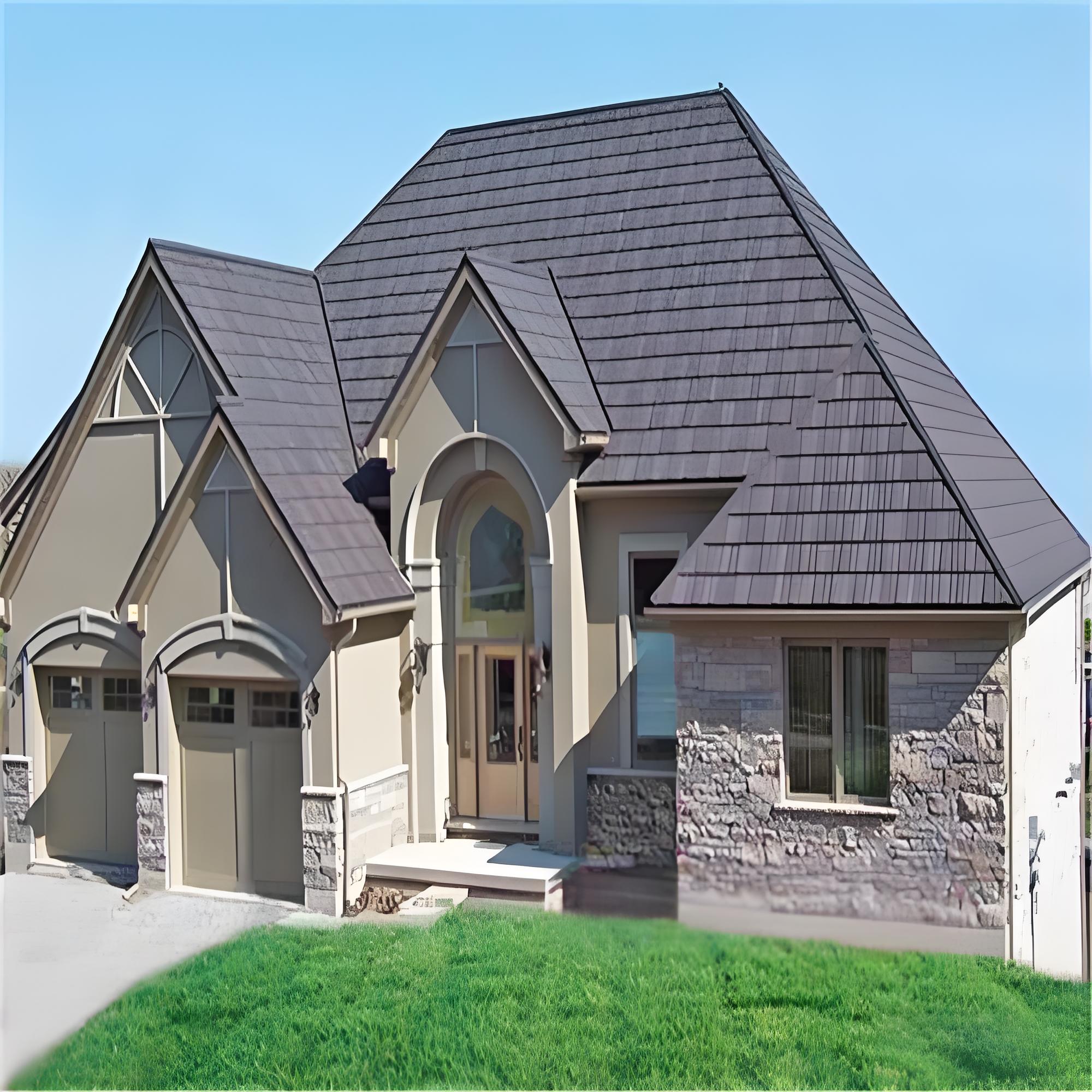
A Bond Tile profile may have a regular course pattern that helps a trained installer plan movement, but the exact support path still depends on the installed system. A Shingle Tile profile may present a flatter visual surface, yet that does not make it a walking deck. A Roman Tile profile can have curved forms that require careful placement and additional planning near details.
Ask which parts can support a maintenance load, which parts are decorative or vulnerable, and whether the guide permits direct foot traffic. Record the answer with the product revision and project file.
Plan Safe Access Before Maintenance Begins
Owners should plan access during design or procurement, not after a leak or service call. Identify the equipment that needs inspection, the route to each service point, and the location of safe staging. A maintenance plan may use roof hatches, ladders, walkways, platforms, guardrails, fall-arrest systems, or other controls selected by a competent safety professional.
Definition: a designated access route is a documented path that tells authorized workers how to reach a task while reducing fall, slip, and damage hazards. The route may include equipment that spreads loads or keeps workers away from fragile details. It is not simply a line drawn across the roof.
Access planning checklist
| Planning item | Question to answer | Why it matters |
|---|---|---|
| Task | What equipment or inspection requires roof access? | Defines the route, tools, duration, and worker skill needed. |
| Roof condition | Is the surface, deck, flashing, and fastening system sound? | Damage or deterioration can change the safe method. |
| Weather | Will rain, frost, wind, heat, or dust affect footing? | Surface conditions can change during the task. |
| Fall control | Which system protects workers at edges and openings? | Roof access must control fall exposure, not only surface contact. |
| Load path | How will tools, workers, and equipment transfer load? | Concentrated loads can damage roofing or the supporting deck. |
Keep the plan specific to the site. A supplier can explain product handling, but the employer and safety team must manage local work rules and worker protection. If the building owner expects routine access, include the access equipment and maintenance budget before final procurement.
How Walking Can Damage a Roof System
Foot traffic can create more than a visible mark. A worker can loosen a detail, deform an edge, dislodge a finish granule, damage a flashing, or stress a concealed support. Repeated traffic can also create a maintenance pattern that differs from the original design. The risk increases when people carry heavy tools, turn on a slope, step over a ridge, or work near penetrations.
Inspect after planned access. Look for displaced pieces, damaged finish, exposed fasteners, bent trims, cracked sealant, and water paths that no longer match the installation detail. Document the location with photographs and compare it with the maintenance route. Early repair can prevent a small issue from becoming a larger water-management problem.
Reduce unnecessary traffic
- Use ground-level inspection or drones where the task allows it.
- Place service equipment where technicians can reach it without crossing large roof areas.
- Install designated walkways or platforms when routine access is part of the building use.
- Carry only the tools required for the task and secure them against drops.
- Stop work when the surface or weather no longer supports the approved method.
- Record every repair and update the access plan if the route changes.
For projects comparing profiles, Milano Tile and Shake Tile should each be evaluated with their own details and installation guidance. Product names do not establish a general walking rating.
Evidence and Responsibility Before Someone Steps Up

A responsible buyer asks for the current installation and maintenance guidance for the exact product. If the project needs a stated access capacity, request the relevant evidence and confirm that it applies to the installed assembly. Ask who provides the safety method, who checks the roof condition, and who approves any walkway or platform.
Keep evidence boundaries clear. A roof category may be described as durable, but that phrase does not answer whether a worker can walk on a wet slope. A warranty may exclude damage from unauthorized traffic. A test record may address a different load or assembly. Technical documents need context before the team uses them for a decision.
For product discovery and supplier questions, a buyer can review stone coated metal roofing solutions and then request the current project documents. During a formal supplier review, JCROOF can be considered alongside the same evidence checks applied to every bidder.
Frequently Asked Questions About Roof Access
These answers use cautious language because site conditions and product instructions control the final decision.
Can an owner walk on the roof for a quick inspection?
An owner should not assume casual access is safe. Use a qualified person, an approved route, suitable fall protection, and the current product guidance. If those controls are not available, inspect from a safer location or arrange professional service.
Does a textured finish make the roof slip-resistant?
Not necessarily. Texture, water, slope, contamination, footwear, and temperature all affect footing. Request evidence for the exact condition if slip performance matters to the task.
Can a roofer step anywhere on the tiles?
No. The roofer should follow the product-specific installation method and place weight only where the guidance and assembly support it. The installer should stop and obtain clarification when the route is uncertain.
Should a project add permanent walkways?
Add them when routine maintenance, equipment access, or building operations require repeated roof traffic. A competent designer and safety professional should select the system and coordinate it with water management.
What is the buyer’s key decision?
Buy a roof system and an access plan together when the building will need regular maintenance. Confirm the profile, support conditions, documents, responsibilities, and protection measures before ordering.
So, can you walk on stone coated metal roofing? Only under a controlled, product-specific, site-specific procedure. Treat access as a safety and asset-protection decision, not as a casual feature of the roof surface.