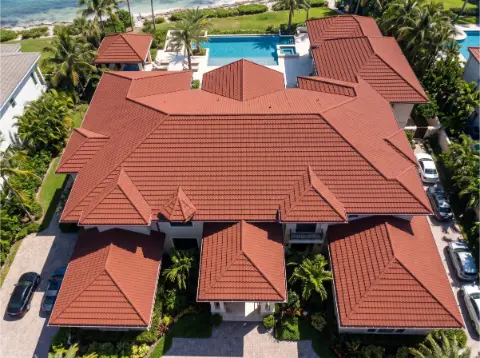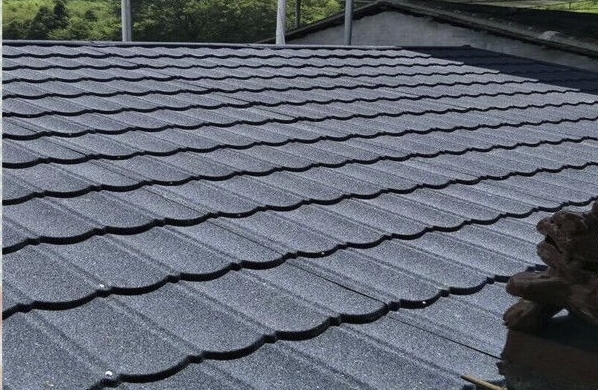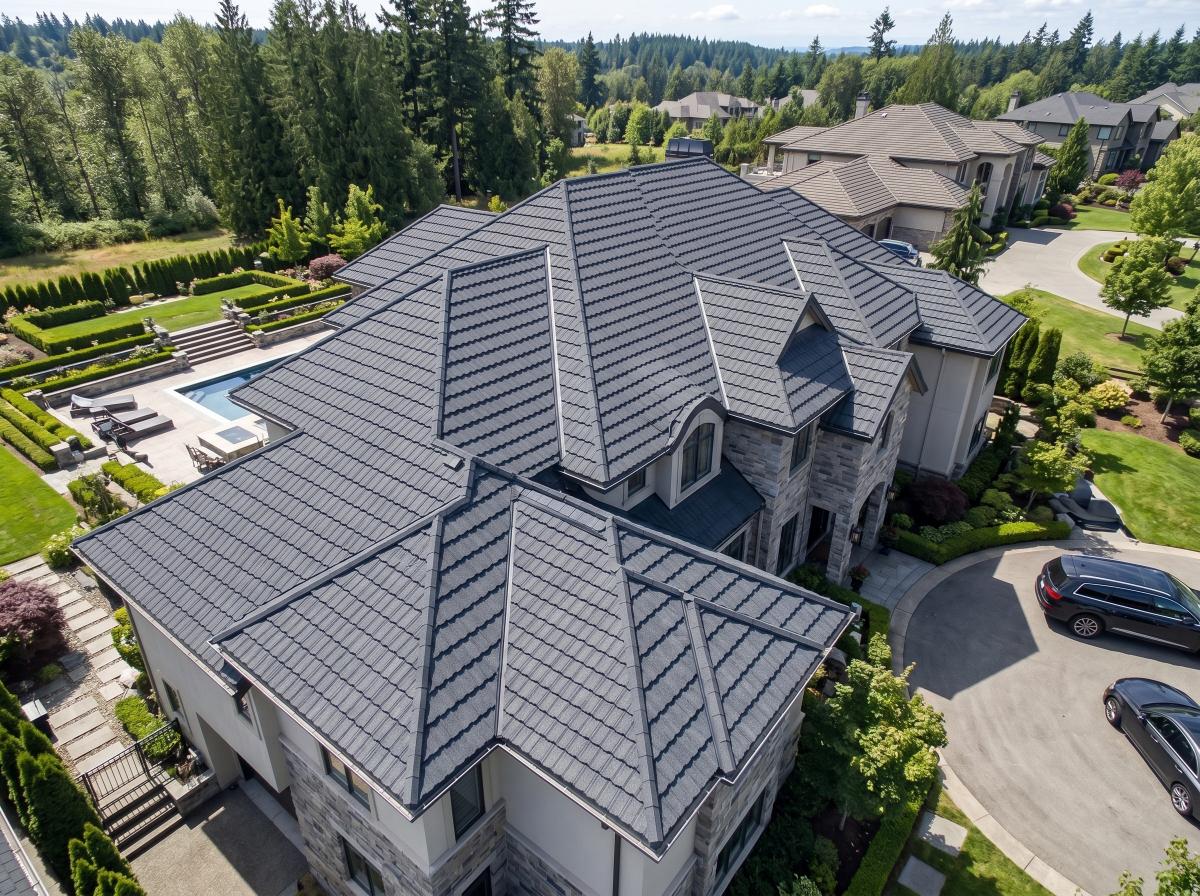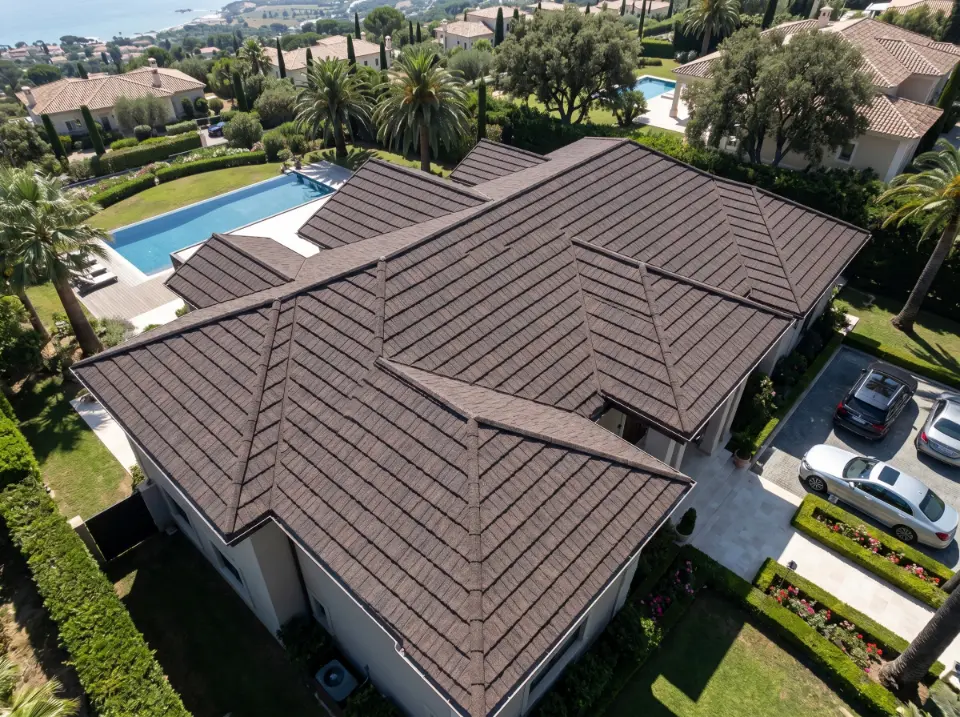

In modern urban planning and industrial development, fire safety is a non-negotiable pillar of risk management. For B2B procurement officers and architects, specifying materials that prevent the spread of flame is essential for protecting both human life and capital investments. Traditional roofing materials, particularly asphalt shingles and wood shakes, often serve as fuel during a fire event. Conversely, Stone Coated Steel Sheets have set a new benchmark in the industry by offering a Class A fire rating. This guide breaks down the technical requirements of fire-rated roofing and explains why metal systems provide the most reliable thermal protection for commercial and residential assets.
The Technical Definition of Class A Fire Ratings
A Class A fire rating is the highest safety designation a roofing system can achieve under standardized testing such as UL 790 or ASTM E108. This rating indicates that the material is effective against severe fire exposure. To earn this, the roof must demonstrate three critical capabilities: resistance to flame spread, protection against thermal penetration to the underlying deck, and the prevention of flying brand generation. Because Stone Coated Steel Sheets are composed of non-combustible Aluzinc steel and inert volcanic stone, they inherently exceed these requirements. Consequently, engineers prioritize these sheets for high-density urban areas and wildland-urban interface zones.
The Barrier Effect of Aluzinc Steel
The core of the fire defense system is the structural steel substrate. Steel does not ignite, nor does it support combustion. When exposed to external fire, the Zinc-Alloy coating reflects a significant portion of radiant heat, while the steel core maintains its structural form. Specifically, the melting point of steel is approximately 1,370°C, which is far higher than the temperature of most residential fires. Therefore, even if the building is subjected to intense heat from a neighboring fire, the roof remains intact. This prevents the “flashover” effect where the interior of the building ignites due to radiant heat passing through a compromised roof.
Non-Combustible Stone and Acrylic Synergy
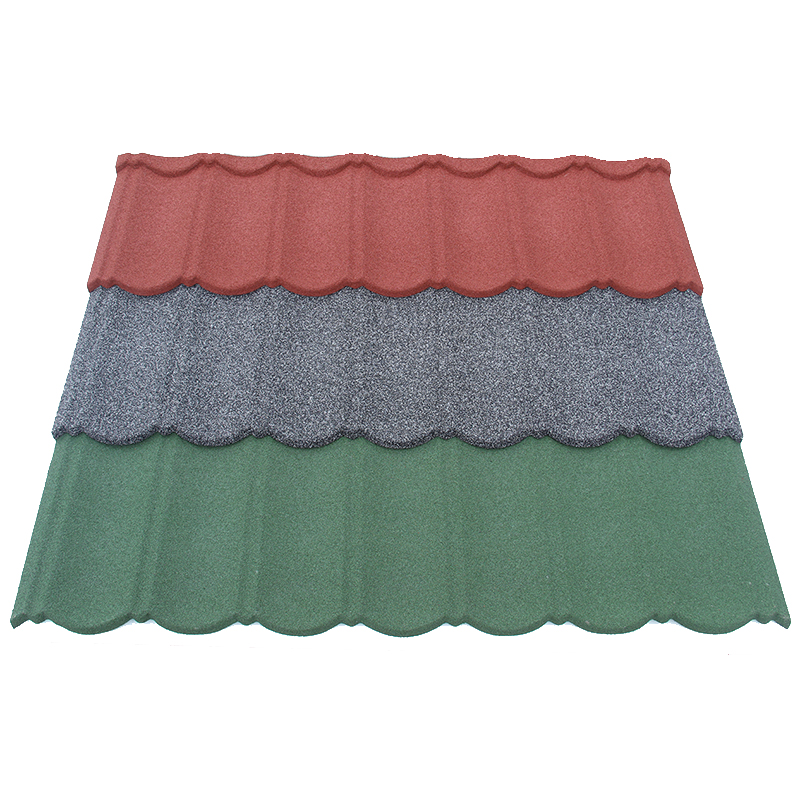
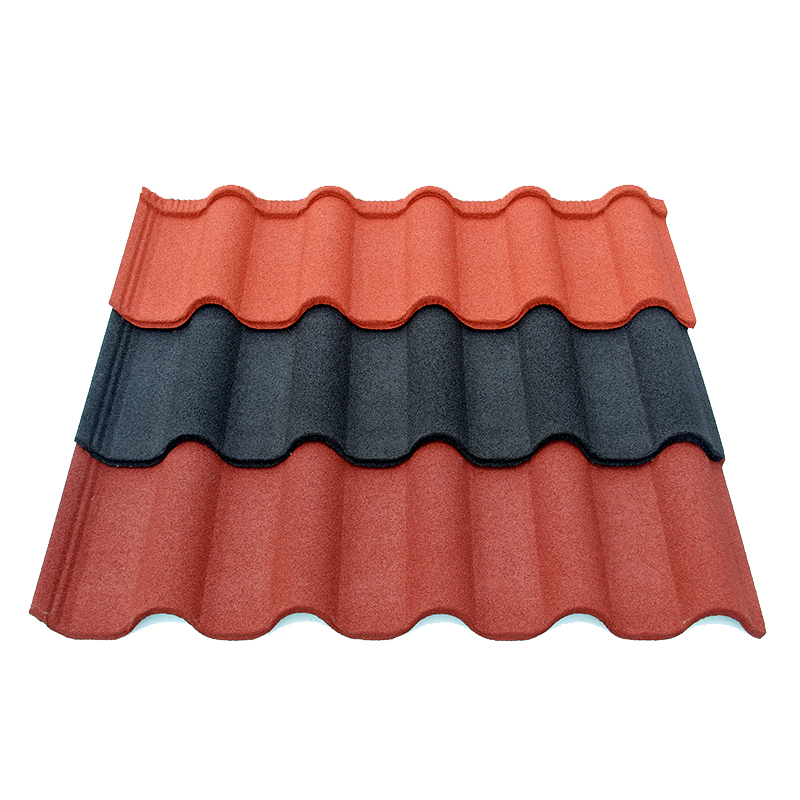
The exterior of the panel provides a secondary layer of thermal insulation. Volcanic stone granules are naturally inert and do not burn. Manufacturers like JCROOF utilize a specialized base coat that acts as an intumescent-like barrier. Under extreme heat, the high-quality acrylic binder does not release toxic fumes or contribute to the fire’s fuel load. Consequently, the Bond Tile profile ensures that external embers (flying brands) cannot ignite the roof surface. For instance, in areas prone to wildfires, this capability is the difference between a building surviving an ember attack or being completely lost.
Protecting Structural Integrity during Interior Fires
Fire safety also involves the building’s performance during an internal fire. One of the greatest dangers of traditional heavy roofing, such as concrete or clay, is structural collapse. If an interior fire weakens the rafters, the massive weight of masonry tiles can cause the roof to cave in, endangering firefighters and occupants. Stone Coated Steel Sheets are exceptionally lightweight, weighing only about 6kg per square meter. Consequently, the roof is much less likely to collapse even if the underlying structure is partially compromised. This adds vital minutes to the evacuation window and improves the overall safety profile of the project.
Mitigating the Risk of Flying Brands
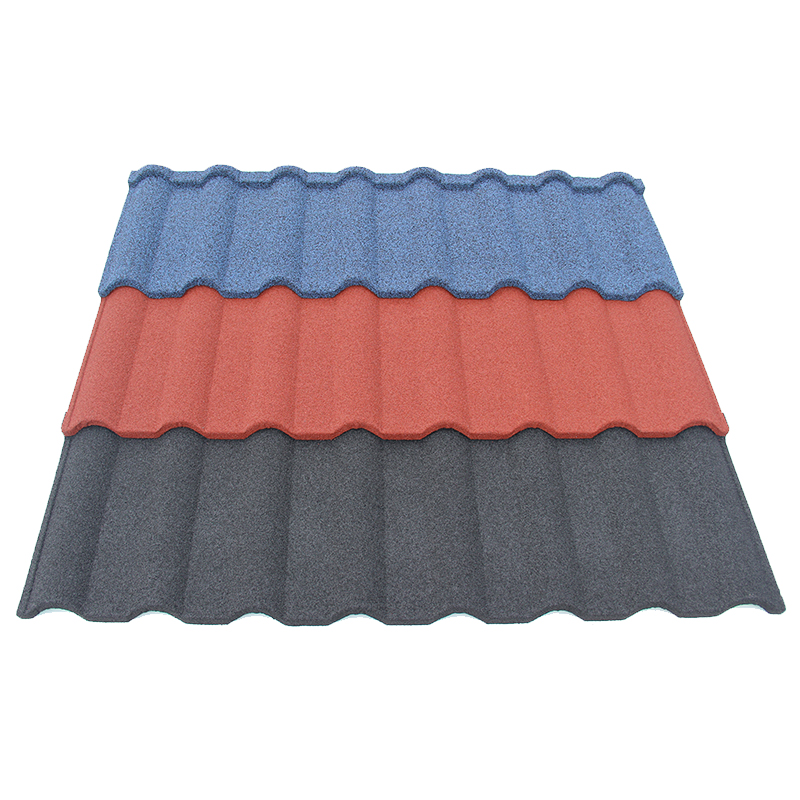
- Surface Interlocking: The Milano Tile system locks all four sides of each panel, preventing wind-blown embers from entering the roof cavity.
- Zero Fuel Contribution: Unlike asphalt shingles, metal panels do not melt or drip flaming liquid during a fire event.
- Self-Extinguishing Properties: The mineral-based surface helps extinguish small embers that land on the roof before they can spread.
- Structural Support: The lightweight nature of the system reduces the risk of early structural failure during an attic fire.
Comparative Fire Performance by Roofing Material
| Material Type | Fire Rating | Combustibility | Structural Collapse Risk |
|---|---|---|---|
| Wood Shakes/Shingles | Class C or Unrated | High (Flammable) | Moderate |
| Asphalt Shingles | Class A (With Underlay) | Moderate (Petroleum Based) | Moderate |
| Clay/Concrete Tiles | Class A | Non-Combustible | Very High (Due to Weight) |
| Stone Coated Steel | Class A (Standard) | Non-Combustible | Low (Lightweight) |
Architectural Styles Meet Safety Compliance
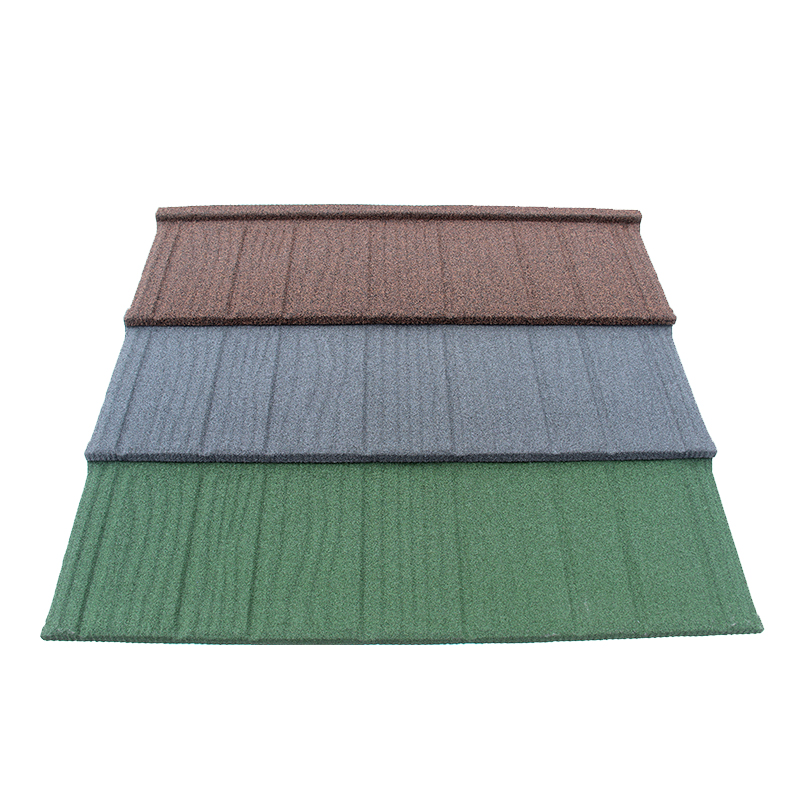
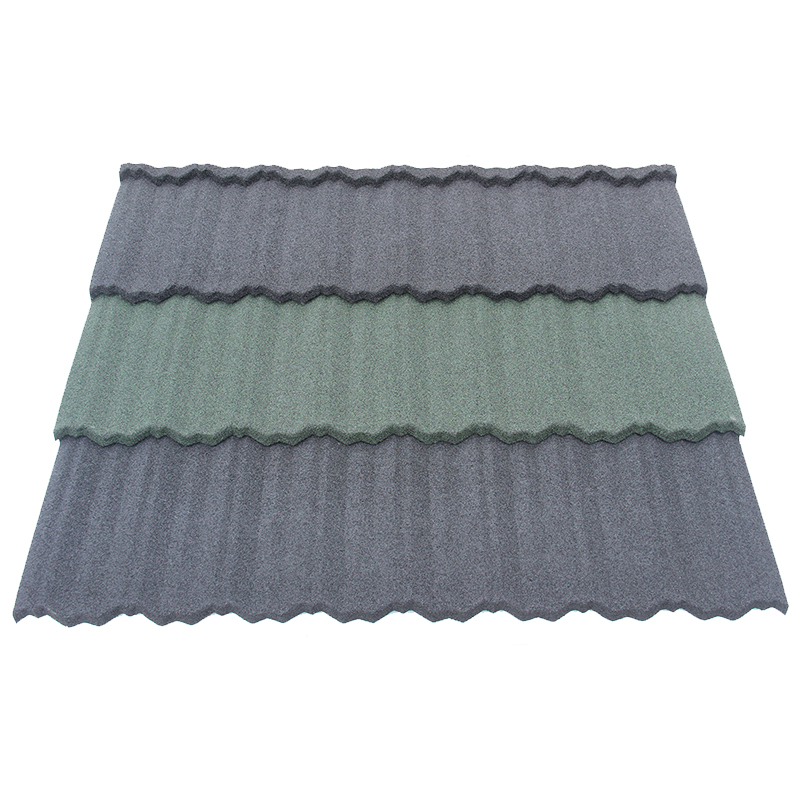
A common misconception in the B2B sector is that fire-rated materials must look industrial or utilitarian. Stone Coated Steel Sheets allow developers to achieve specific architectural aesthetics without sacrificing safety. For projects requiring a traditional wood appearance, the Shake Tile profile is the ideal solution. It provides the rugged texture of natural wood shakes but with the non-combustible security of steel. Consequently, developers can build in forested or fire-prone areas while strictly adhering to local fire codes. This balance of beauty and safety is a major selling point for premium residential developments.
Advanced Profiles for Specialized Engineering
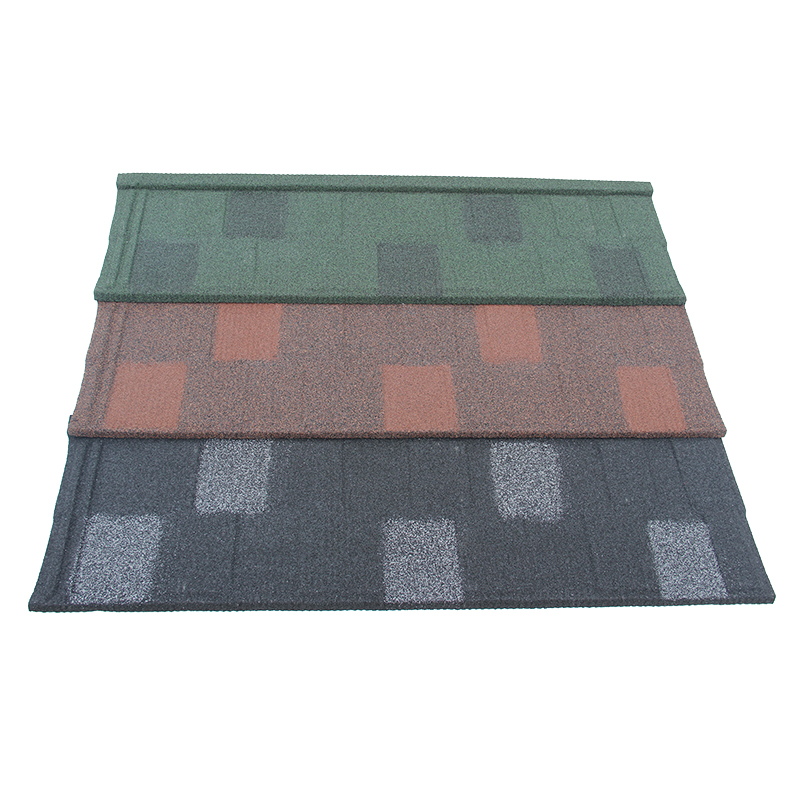
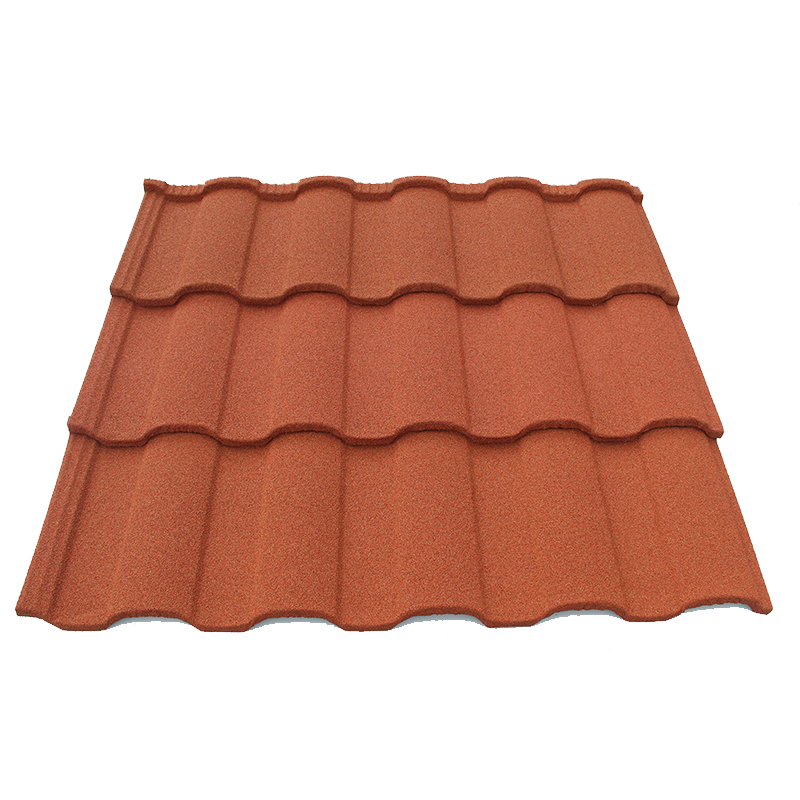
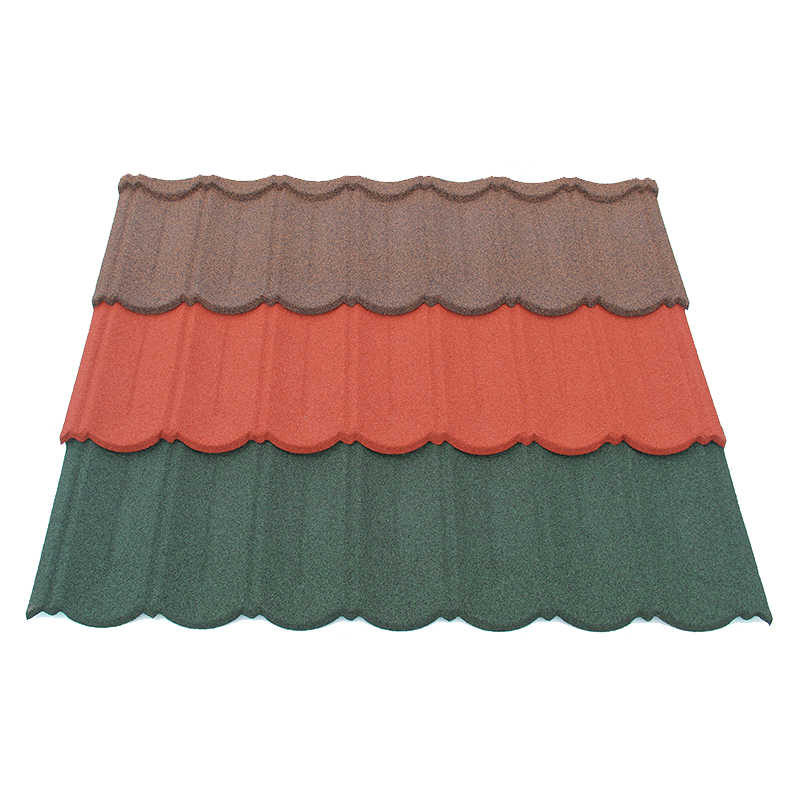
Different profiles offer unique advantages in fire-prevention scenarios. The Roman Tile, with its high ridges, creates a larger air volume beneath the tiles, which can act as an additional thermal buffer. Furthermore, the Shingle Tile offers a clean, modern aesthetic for urban office buildings where fire regulations are most stringent. Because these panels are interlocked and mechanically fastened, they do not “lift” during high-heat convection, which prevents the entry of hot gases into the building’s structural voids. This systemic security is essential for large-scale institutional procurement.
Strategic Procurement: Sourcing for Fire-Prone Zones
When sourcing Stone Coated Steel Sheets for high-risk regions, procurement teams must verify the specific assembly requirements for a Class A rating. While the steel panels are non-combustible, the rating often applies to the entire roofing “assembly,” including the underlayment and sheathing. Therefore, you must ensure that the supplier provides a complete technical specification for the installation. High-quality manufacturers provide detailed assembly guides that have been pre-verified by third-party testing labs. This documentation is critical for passing building inspections and securing lower insurance premiums for the finished asset.
Verifying Technical Standards and Warranties
Before finalizing a contract, always request the official UL 790 test results from the manufacturer. Specifically, ensure that the products from JCROOF meet the specific fire-spread requirements of your project’s jurisdiction. Furthermore, evaluate the manufacturer’s warranty regarding thermal degradation. A fire-rated roof must maintain its integrity through decades of UV exposure to ensure the fire protection remains effective. By sourcing high-specification metal sheets, B2B buyers provide long-term peace of mind for property owners, ensuring the building remains a safe and secure investment for its entire 50-year lifecycle.