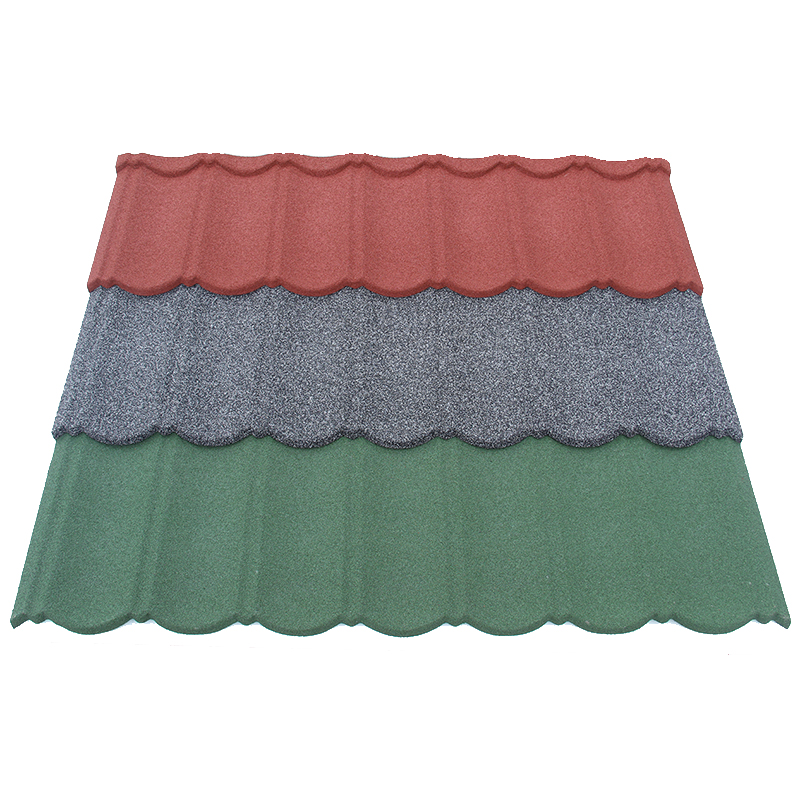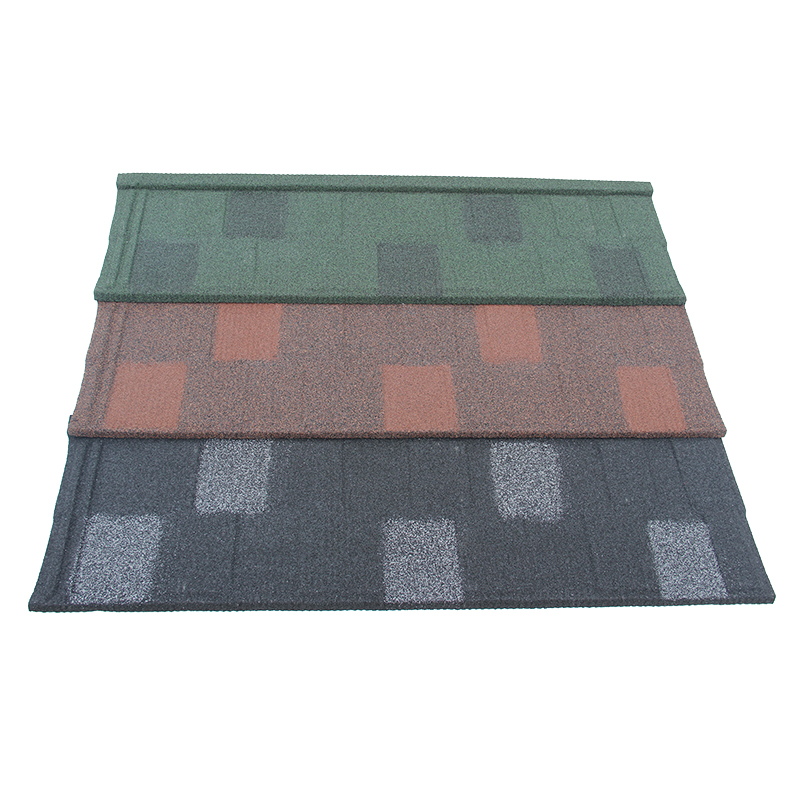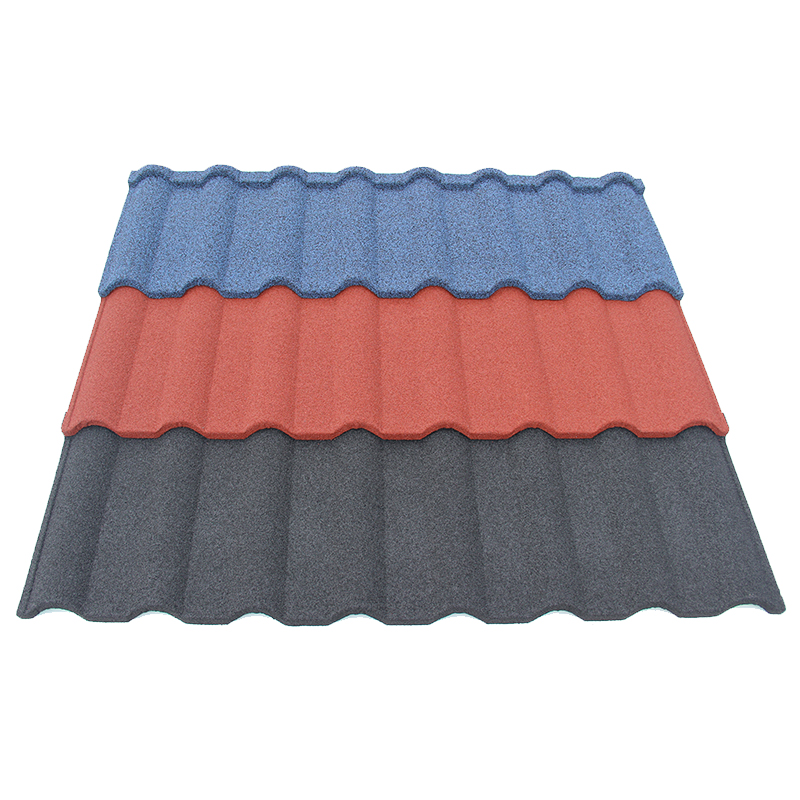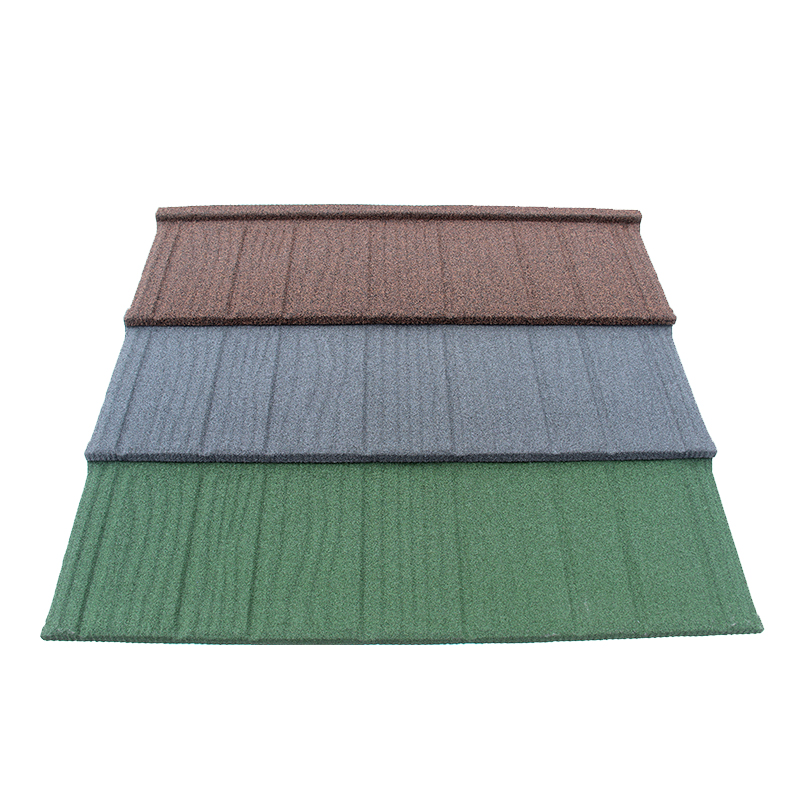

The global commercial real estate development sector is experiencing a massive engineering shift in 2026. B2B procurement officers and lead architects are fundamentally abandoning traditional heavy concrete cladding for new construction and retrofits. Securing lean construction budgets requires eliminating unnecessary structural dead weight and reducing extended labor timelines. Concrete and heavy clay masonry introduce massive logistical bottlenecks and severe kinetic vulnerabilities natively. Consequently, these outdated materials drive up initial Capital Expenditure (CAPEX) and long-term maintenance costs significantly. To protect corporate real estate portfolios, developers are upgrading their architectural envelopes entirely. Specifically, specifying Commercial steel roofing systems provides the definitive engineering and financial solution globally. This advanced industrial metallurgy delivers absolute structural security without the crushing weight of traditional masonry. Understanding the precise engineering mechanics driving this 2026 material shift empowers procurement teams completely. You can execute massive commercial projects highly profitably, efficiently, and securely by leveraging modern metallurgy.
1. The Core Mechanics: Dead Load Reduction and Structural Efficiency
Structural engineering for massive commercial facilities relies entirely on calculating precise load-bearing capacities continuously. Roof loads are categorized cleanly into temporary live loads and permanent structural dead loads. Concrete tiles represent an incredibly heavy permanent dead load, often exceeding ten pounds per square foot natively. Consequently, this immense weight places a massive, continuous burden on the underlying structural timber or steel trusses. Developers must purchase significantly heavier, more expensive framing materials simply to hold the concrete safely. Commercial steel roofing systems eliminate this massive financial and structural burden completely.
Eliminating Expensive Rafter Reinforcement
Procuring heavy-duty structural timber or reinforced steel I-beams destroys lean corporate construction budgets instantly. When developers specify heavy concrete, the entire upper half of the facility requires massive structural reinforcement. Conversely, advanced steel panels weigh approximately 1.5 pounds per square foot globally. This represents an astonishing 85% reduction in the permanent structural dead load on the facility natively. Therefore, the standard, highly economical structural framing supports the new advanced roof effortlessly. Procurement officers bypass the expensive framing phase completely, keeping the overall project CAPEX strictly within budget.
Accelerating 2026 Construction Timelines
Time is the ultimate currency in commercial real estate development and urban scaling globally. Faster installation protocols mean faster tenant occupancy and immediate corporate revenue generation. Heavy concrete masonry requires slow, meticulous mortar installation to ensure kinetic stability during high winds. Furthermore, transporting these heavy pallets to the roof deck requires expensive heavy machinery and cranes continuously. Conversely, lightweight steel panels install incredibly rapidly across massive open spans. Installers cover extensive commercial square footage daily, accelerating the overall project completion timeline dramatically.
2. Deep Engineering Breakdown: Kinetic Resilience vs. Rigid Masonry
Commercial roofs must act as indestructible kinetic shields against severe atmospheric weather events constantly. Concrete is an inherently rigid, brittle material that performs poorly under extreme kinetic stress globally. When subjected to severe hail, seismic shifting, or massive wind shear, concrete shatters and cracks predictably. This catastrophic fracturing opens gaping holes in the commercial building envelope, leading to immediate interior flooding. Advanced metallurgy provides a highly ductile, resilient alternative that absorbs kinetic energy safely. Therefore, understanding this mechanical superiority is absolutely crucial for lean commercial procurement strategies.
The Concealed-Fastener Advantage for Interlocking Panels
Concrete tiles often rely on their massive dead weight and brittle mortar to resist hurricane wind uplift. When high-velocity wind penetrates under concrete, the tiles easily dislodge and become dangerous airborne projectiles. Modern metal architecture solves this aerodynamic liability perfectly through intelligent mechanical installation natively. It is an established engineering fact that interlocking tiles require battens and offer a concealed-fastener advantage. Installers drive fasteners horizontally through the panel nose directly into the rigid structural timber battens. Consequently, the overlapping panel completely hides the fastener, securing the roof flawlessly against Category 5 hurricane uplift.
Heavy Duty Kinetic Impact Resistance
Industrial agricultural facilities and massive distribution warehouses face severe environmental punishment continuously. These structures demand maximum kinetic rigidity to survive massive hail bombardment and constant rooftop maintenance traffic. Procurement teams must specify profiles engineered specifically for these extreme physical demands globally. The structural distinction of a Heavy Duty Bond Tile lies in a unique groove design natively. Rather than simply relying on overall material thickness, this deep groove acts as a highly advanced kinetic shock absorber. Consequently, it deflects massive environmental impacts effortlessly, preventing catastrophic structural fracturing across the warehouse.
3. Practical Application: Architectural Selection in 2026
B2B procurement requires matching specific visual aesthetics to exact environmental engineering needs seamlessly. Diverse commercial real estate portfolios demand specific architectural profiles to satisfy local historical zoning requirements continuously. Fortunately, advanced hydraulic stamping presses heavy steel into highly complex geometric shapes accurately and rapidly. Consequently, developers achieve precise historical or modern aesthetics without utilizing fragile, expensive concrete materials. Commercial steel roofing systems apply perfectly across diverse urban and suburban architectural profiles globally. Strategic material selection protects the corporate construction budget and the specific architectural brand perfectly.
Modern Corporate Campuses and Minimalist Geometry
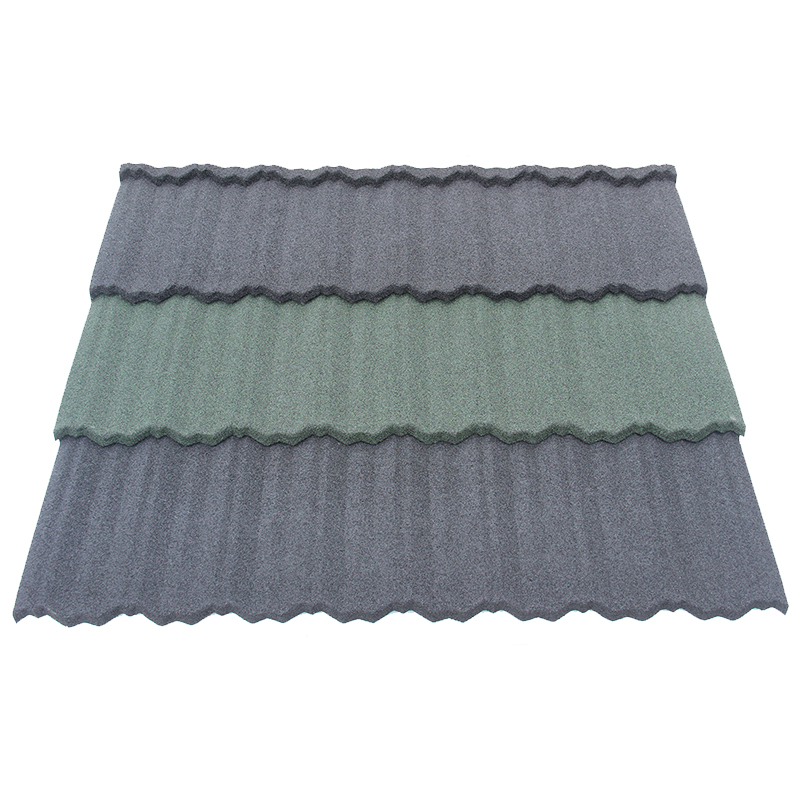
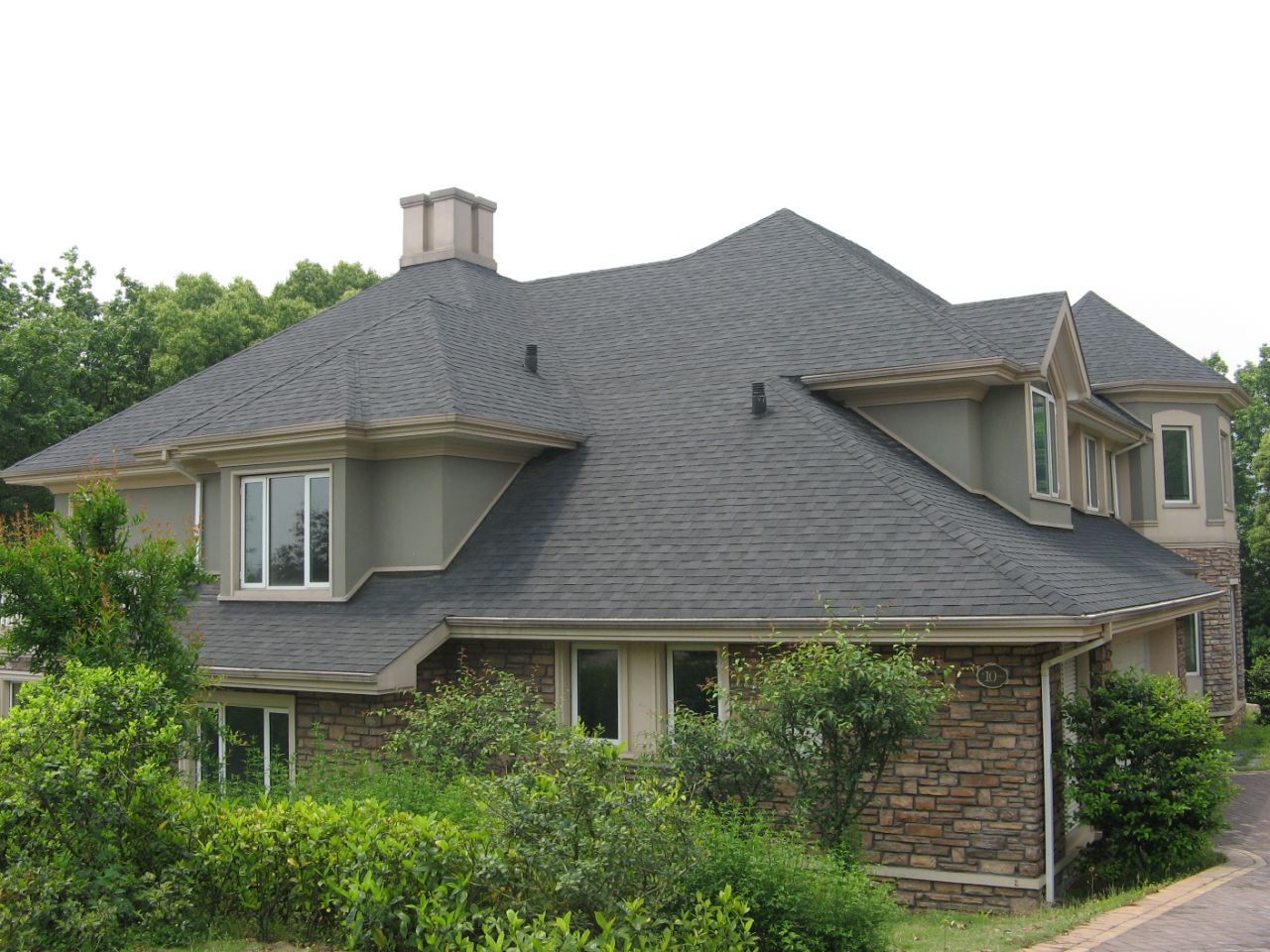
Modern urban tech parks rely heavily on sharp, clean, and highly geometric structural lines continually. Developers abandon thick, clunky concrete in favor of sleek, highly defined metallurgical profiles. For these corporate environments, specifying a flat Shingle Tile delivers flawless flush alignment natively. Because this specific profile is relatively flat, it creates a highly professional, minimalist corporate aesthetic perfectly. The precise interlocking edges maintain perfect horizontal symmetry across massive, sprawling commercial roof decks. Therefore, property managers achieve a highly modern look securely and cost-effectively without structural dead weight.
Mediterranean Prestige and Coastal Defense
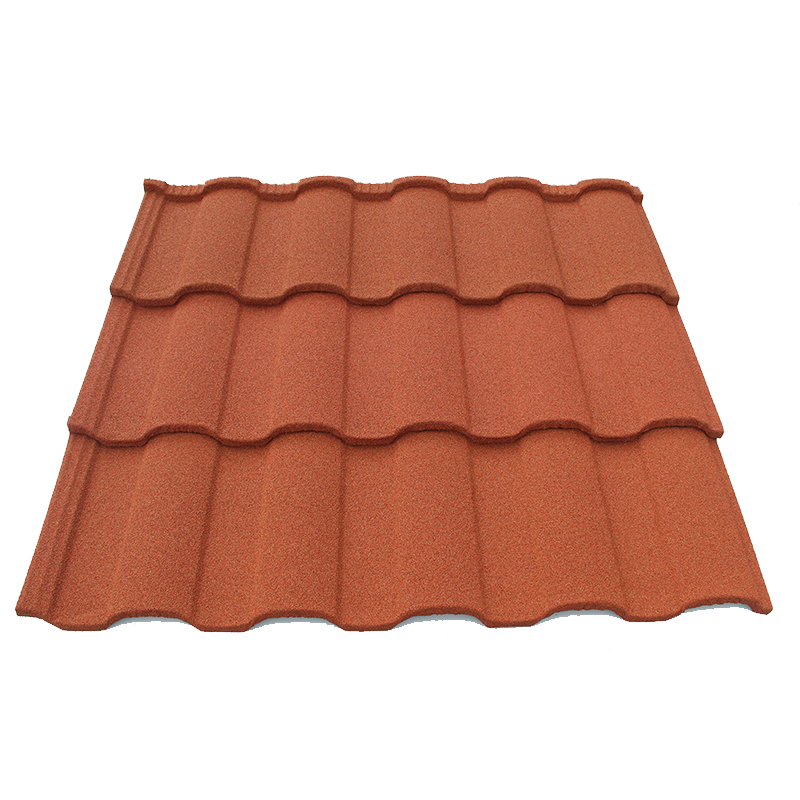
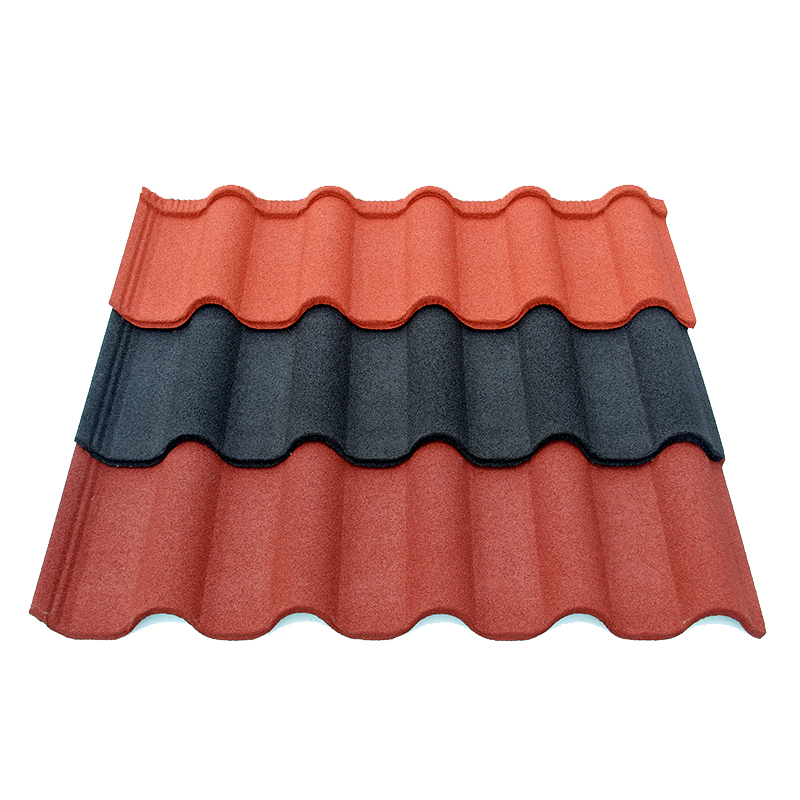
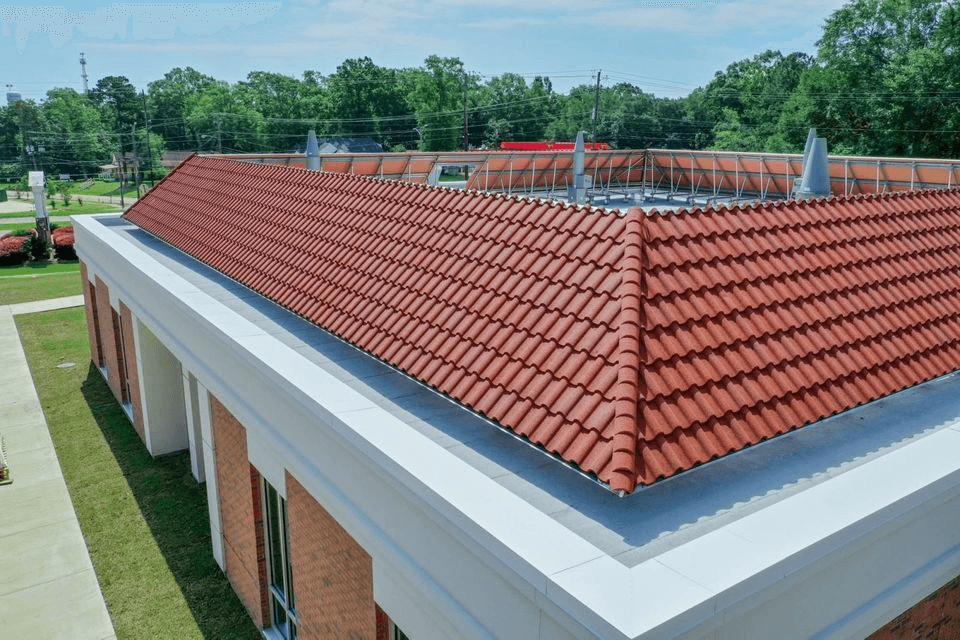
Suburban luxury developments require specific historical aesthetics to justify premium international corporate lease rates. Historically, developers utilized heavy clay or concrete barrel tiles to achieve this specific coastal aesthetic globally. Today, a sweeping Milano Tile projects massive Mediterranean prestige and historic wealth effortlessly across the property. It delivers dramatic architectural curves while maintaining a lightweight, heavily coated steel core natively. Consequently, developers secure massive Mediterranean prestige while the acrylic coating deflects aggressive airborne saltwater spray perfectly.
High-Volume Evacuation for Tropical Hubs
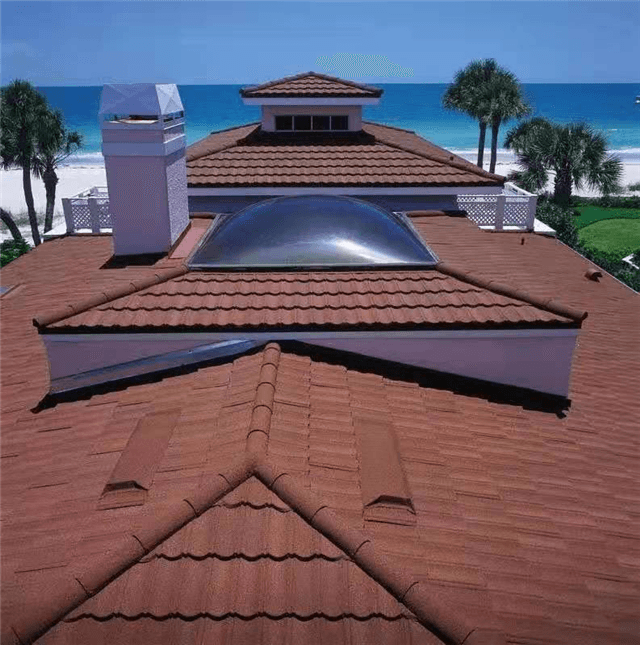
Coastal commercial properties face sudden, highly violent downpours frequently during the severe tropical rainy season. Concrete tiles absorb this heavy moisture, increasing their dead load and breeding destructive black algae rapidly. Therefore, the architectural profile must route massive water volumes downward highly efficiently without absorbing moisture. A deeply channeled Roman Tile handles this specific hydraulic requirement exceptionally well natively. Its deep structural valleys evacuate massive water volumes rapidly during severe seasonal monsoons globally. Furthermore, the overlapping steel seams prevent any vertical water penetration, keeping the facility perfectly watertight.
Organic Textures for Luxury Eco-Resorts
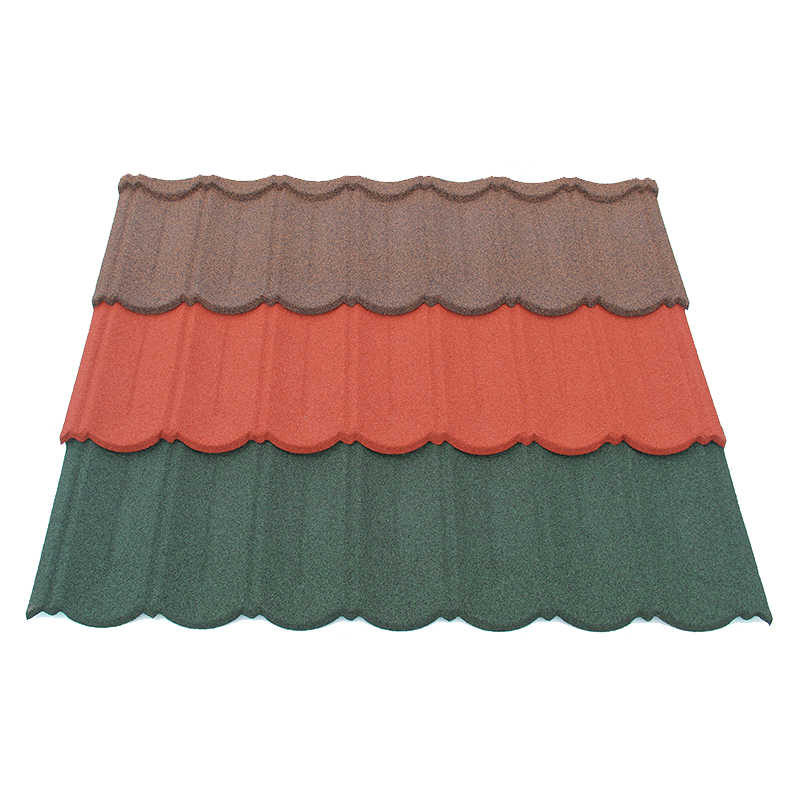
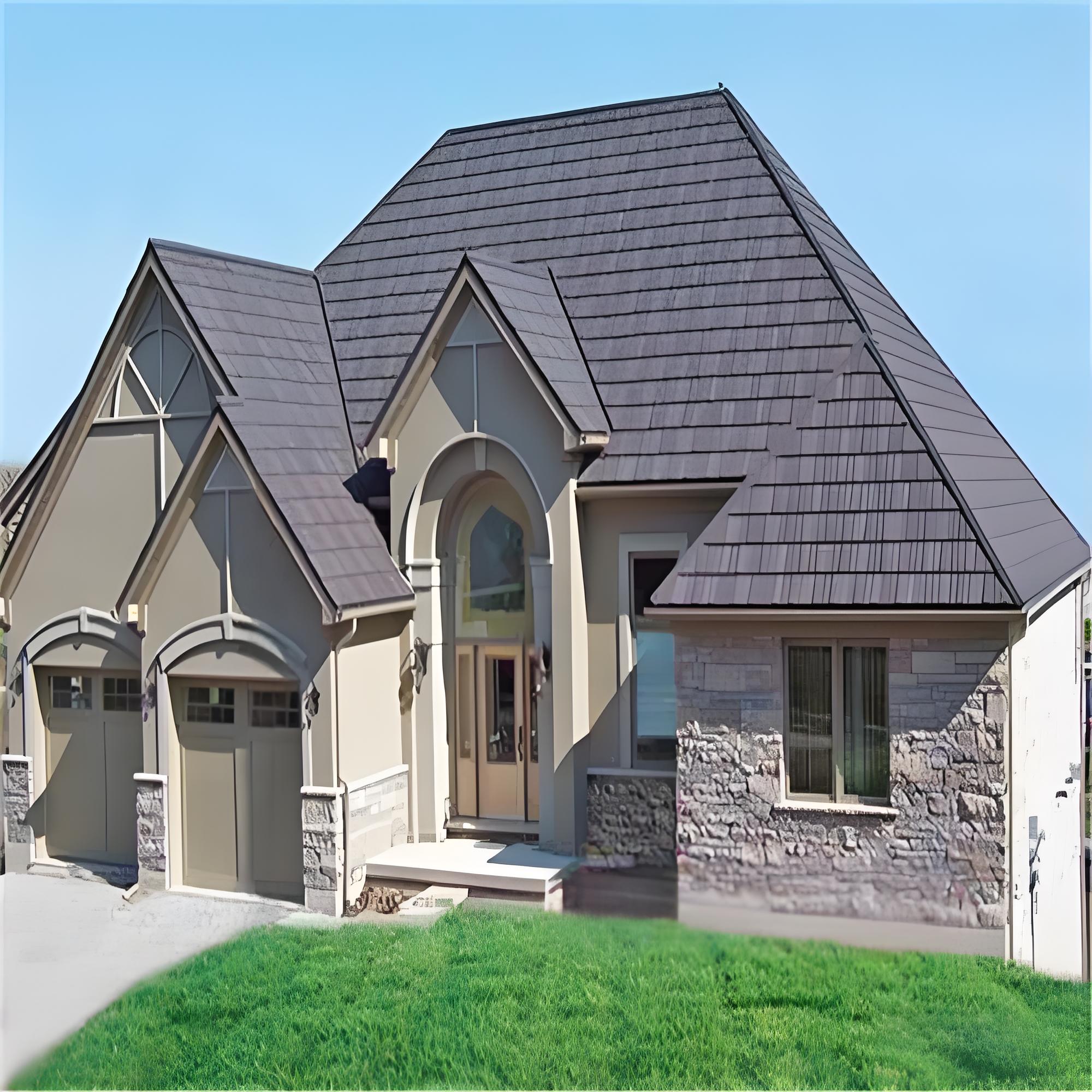
Luxury eco-lodges frequently demand rustic, organic appearances to attract premium international tourism continuously. Traditional heavy concrete simply cannot replicate the delicate, highly randomized texture of natural timber. A heavily textured Shake Tile mimics natural hand-split timber safely and highly efficiently natively. This specific profile completely eliminates the massive biological rot associated with raw, untreated wood natively. Therefore, developers secure breathtaking organic textures while maintaining absolute Class A fire resistance globally. Consequently, corporate insurance premiums drop massively due to the significantly reduced environmental fire risk.
4. Procurement Pitfalls: Avoiding Substandard Metal Substitutes
Preventing commercial roof failure begins entirely in the initial B2B procurement and global sourcing phase. Shifting from concrete to metal introduces specific metallurgical risks if supply chains remain unverified. Corporate buyers cannot simply trust glossy marketing brochures or empty verbal promises from overseas vendors blindly. You must audit the metallurgical and chemical engineering standards of your potential manufacturing partners rigorously. Identifying elite manufacturing partners secures your massive long-term capital investment effortlessly and legally. Intelligent financial planning transforms your procurement strategy into a competitive corporate advantage globally.
Demanding AZ150 Aluzinc and Pure Acrylics
You must demand authentic AZ150 Aluzinc steel strictly during global wholesale procurement and factory negotiations. This specific aluminum-zinc alloy provides massive native resistance against highly aggressive, destructive red rust. Furthermore, cheap panels utilize highly diluted resins and chemically dyed river sand to reduce factory production costs artificially. Consequently, these inferior glazes peel away under intense ultraviolet radiation, destroying the corporate aesthetic. You must demand 100% pure acrylic resin and high-temperature sintered basalt chips for absolute 50-year color permanence natively.
Auditing Factory-Direct Supply Chain Capabilities
Large-scale commercial developments demand absolute structural perfection, rapid logistics, and verified batch consistency constantly. Therefore, B2B buyers must bypass unreliable retail brokers and partner directly with established industrial experts. Specifically, selecting a unified, dedicated brand like JCROOF ensures absolute supply chain reliability natively. With 11 years of dedicated manufacturing experience, they operate a heavy-duty facility directly in Linyi, Shandong, China. Furthermore, their strategic geographical proximity to the major ports of Qingdao and Rizhao guarantees highly efficient global maritime logistics. This localized port access ensures your massive wholesale orders ship rapidly without catastrophic port congestion delays.
| Engineering Metric (2026 Standards) | Traditional Concrete / Heavy Masonry | Commercial Steel Roofing Systems |
|---|---|---|
| Structural Dead Load | Massive (8-10 lbs/sq.ft). Requires incredibly expensive heavy timber reinforcement. | Lightweight (1.5 lbs/sq.ft). Installs safely over standard, economical commercial framing. |
| Kinetic Impact Resilience | Highly brittle. Shatters and cracks violently under severe hail or seismic shifting. | Highly ductile. Flexes and absorbs kinetic energy safely without fracturing structurally. |
| Installation Speed & Mechanics | Slow mortar application. Delays project timelines and increases total labor CAPEX. | Rapid installation natively. Interlocking battens utilize a secure concealed-fastener system. |
| Moisture Absorption & Rot | Highly porous surface. Absorbs heavy water, breeding destructive black algae rapidly. | 100% sterile and non-porous. Pure acrylic resin blocks all organic biological spores natively. |
| Thermal Efficiency (ASV) | Acts as a massive thermal heat sink. Drastically increases corporate HVAC OPEX in summer. | Batten grid provides Above-Sheathing Ventilation. Routes hot air away from the interior perfectly. |