
The cost of stone coated metal roofing in Nigeria requires buyers to assess it as a project purchase, not as a panel figure copied from another market. Quote dates, currency, supply route, delivery point, site handling, and installation scope can all change what a buyer finally pays.
This checklist helps Nigerian project teams request comparable quotations while leaving local legal, tax, and approval questions for qualified local advisers and the relevant providers.
Start With a Nigeria-Specific Request for Quotation
First, describe the actual project location, delivery point, roof drawings, target purchase date, and required scope when asking about the cost of stone coated metal roofing in Nigeria. A generic international inquiry leaves suppliers to make different assumptions about what the supplier is pricing.
Ask whether the offer is for panels only, a complete material package, delivered supply, or supply plus installation. Each is a different commercial basis. The request should also state the currency requested, quote validity period, requested delivery schedule, and the party expected to manage destination handling.
A roof quotation is not a local compliance opinion. Consequently, if permits, import treatment, tax, customs, standards, or site approval affect the project, obtain current guidance from the applicable Nigerian adviser, authority, carrier, broker, contractor, or supplier rather than relying on a general article.
| Cost area | What to request | Why it matters |
|---|---|---|
| Roof materials | Panels and itemized accessories | Prevents hidden scope differences |
| Transport | Named origin and destination responsibility | Clarifies delivery boundary |
| Site handling | Unloading and storage assumptions | Supports site planning |
| Installation | Labor scope and exclusions | Separates supply from local work |
Make the Material Package Comparable Before Comparing Prices

Next, send the same drawings and scope sheet to every supplier. The sheet should cover panels, ridges, hips, valleys, flashings, verge details, fasteners, underlayment where the design calls for it, and any requested spare or finishing components.
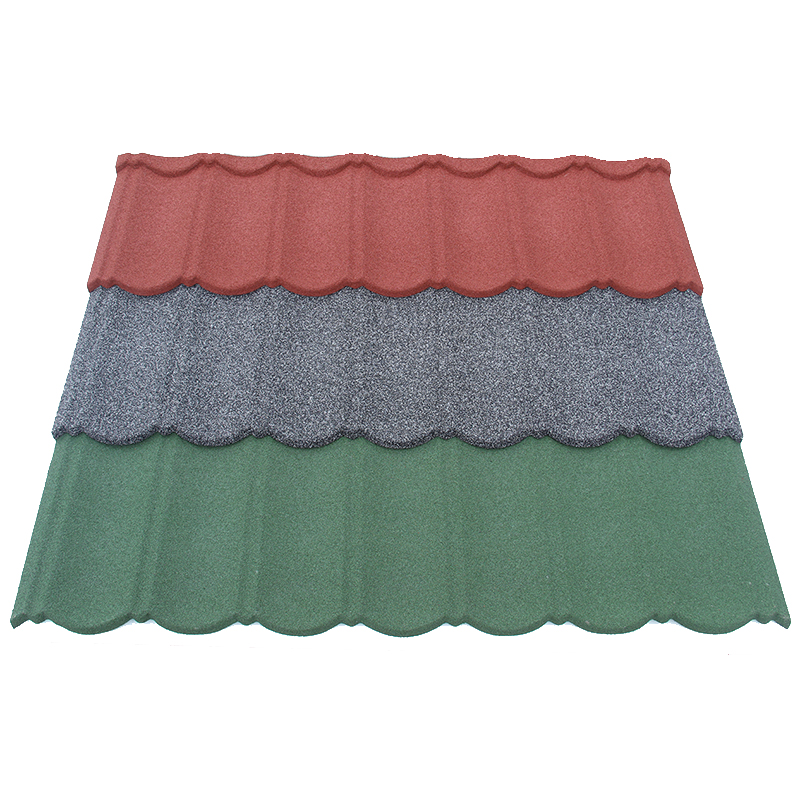
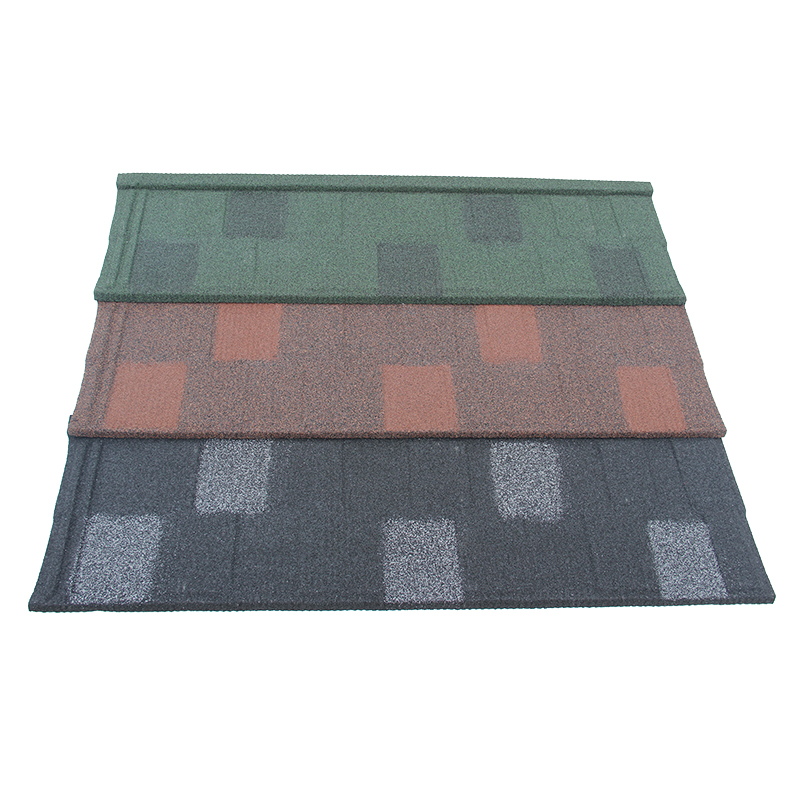
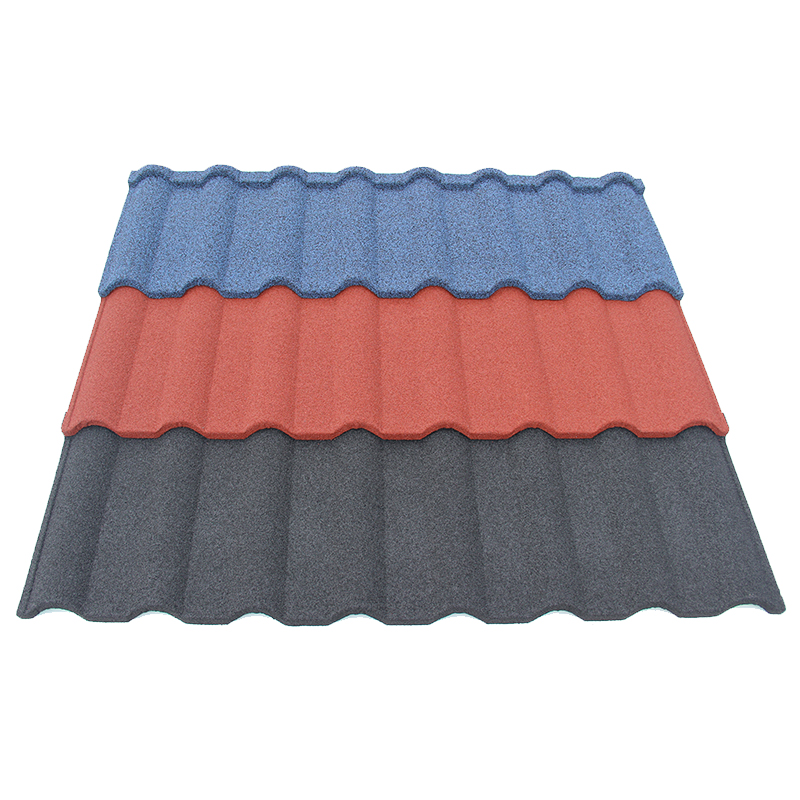
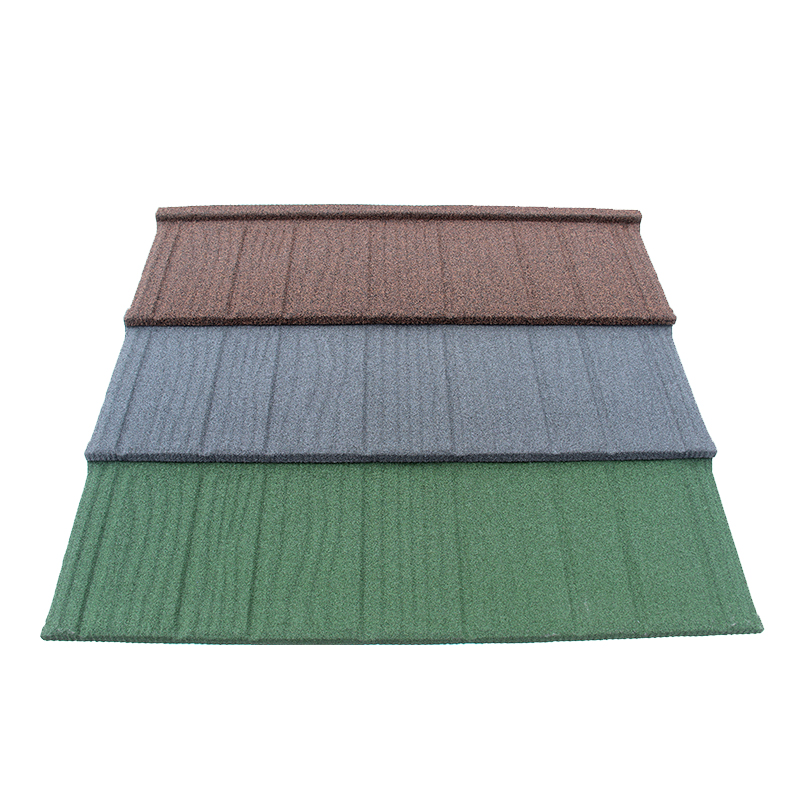
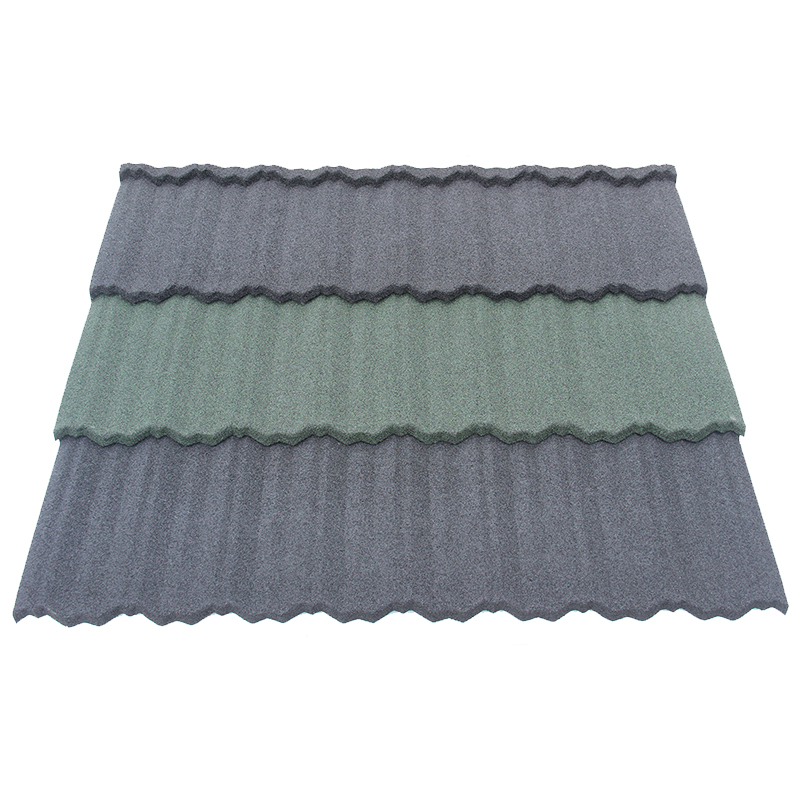
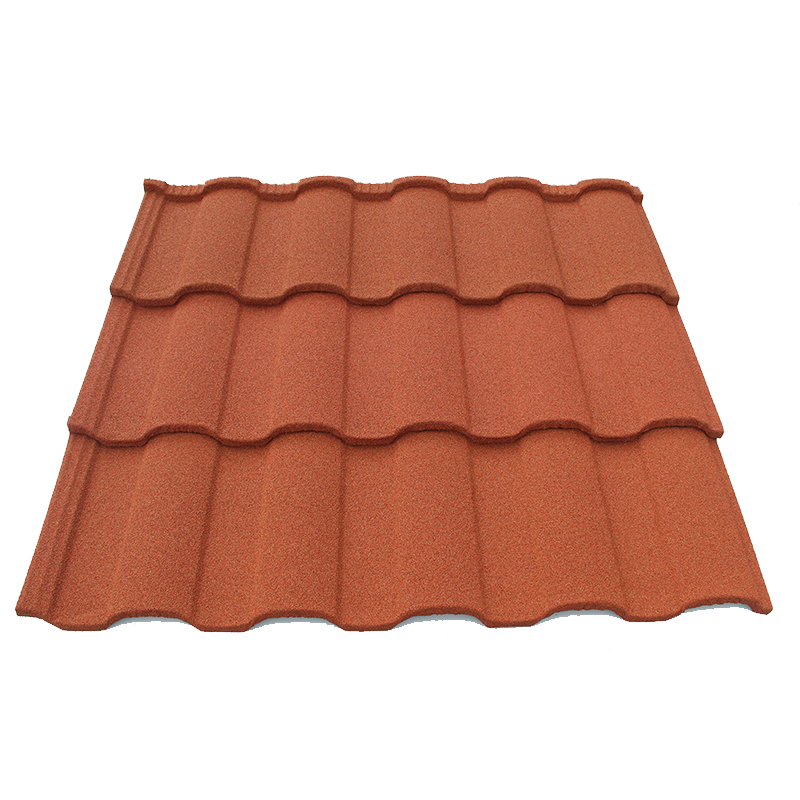
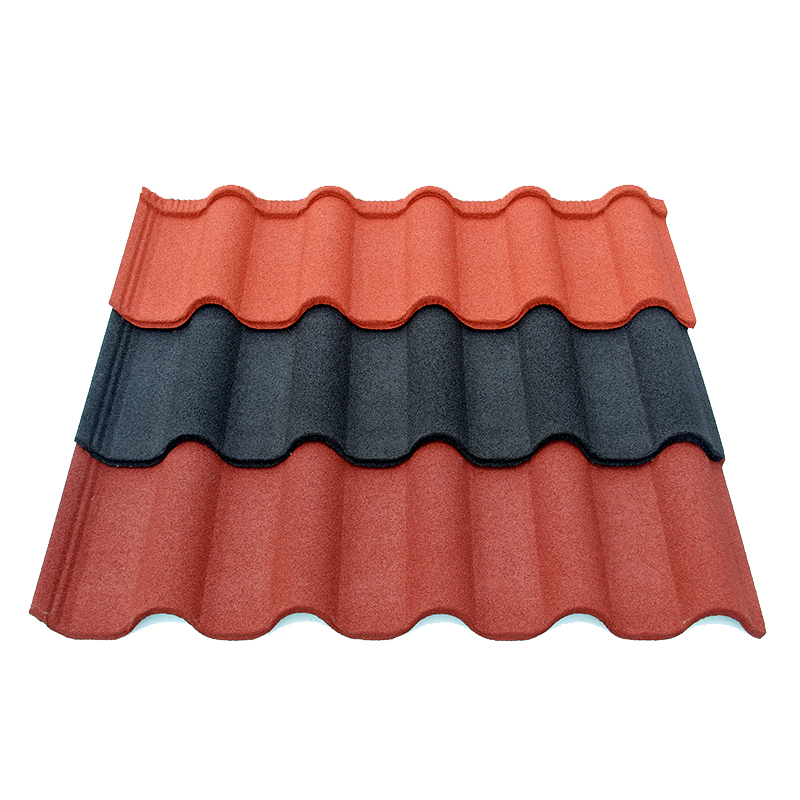
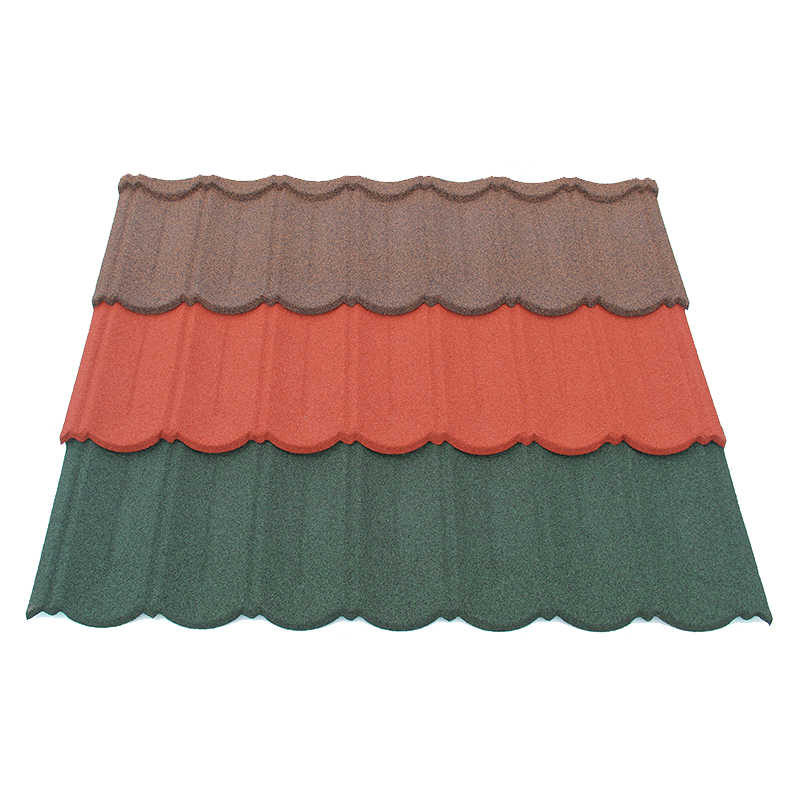
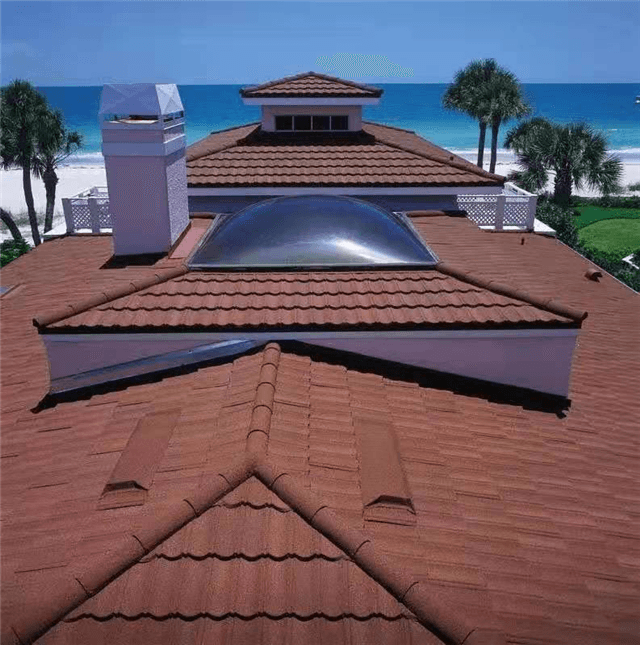
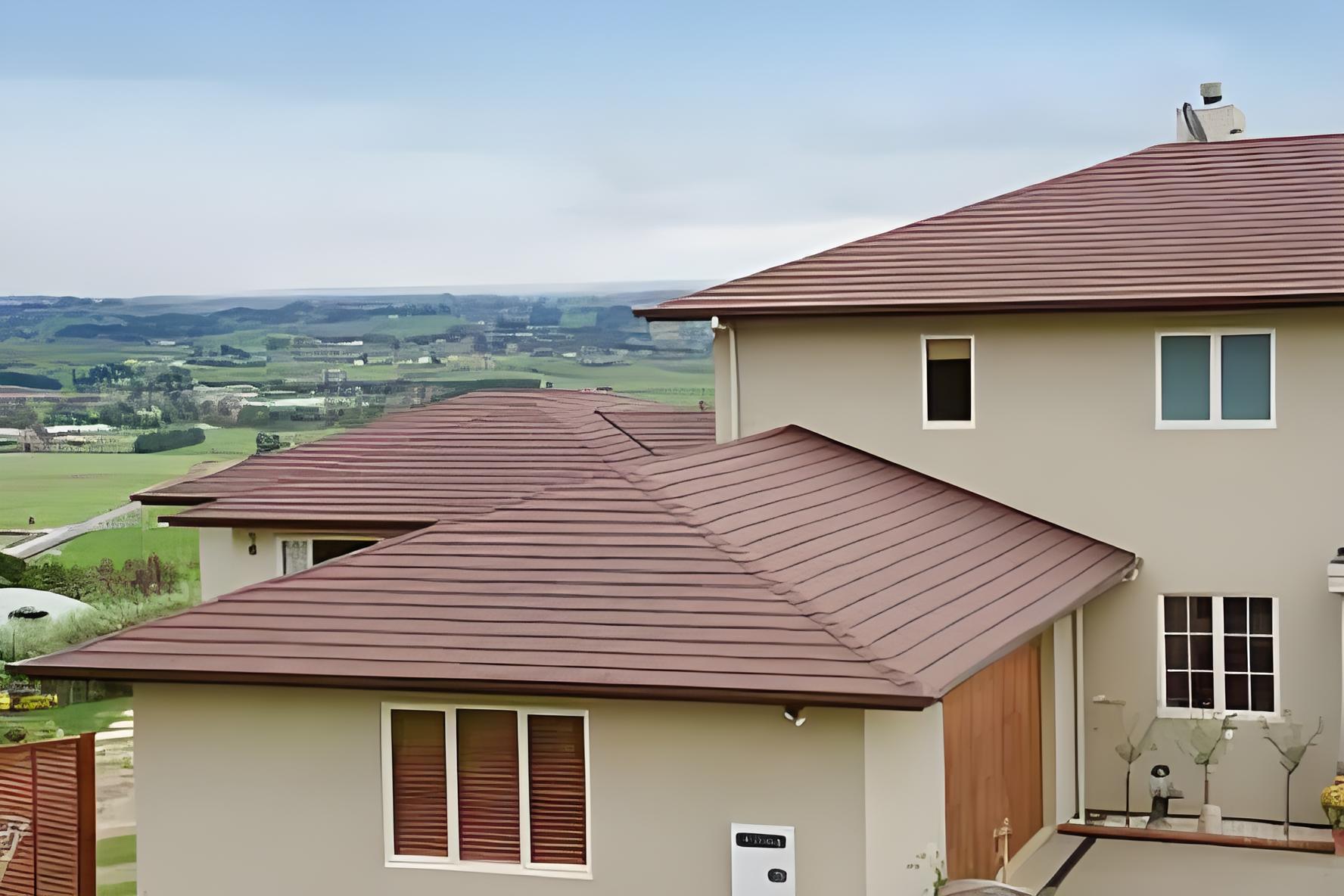
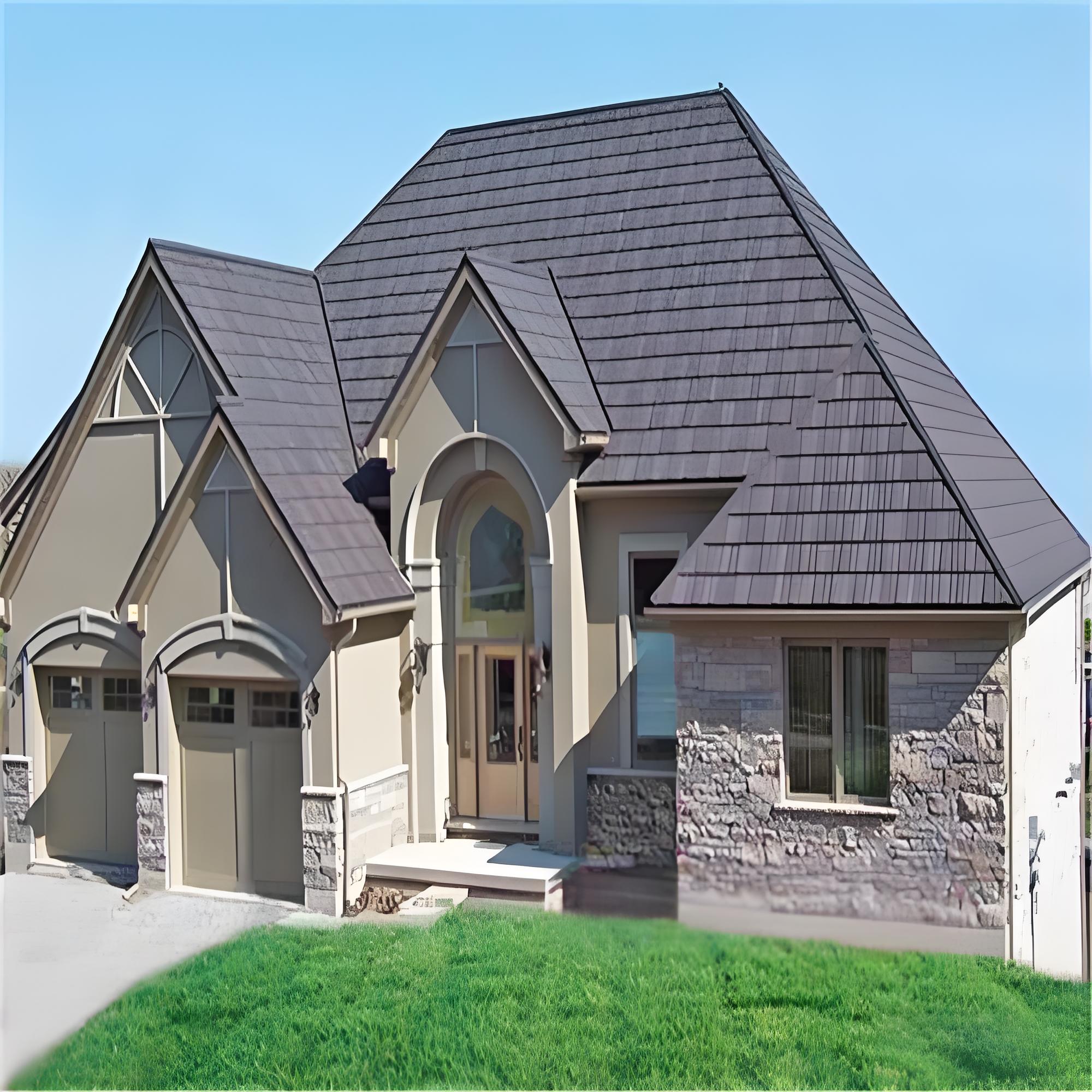
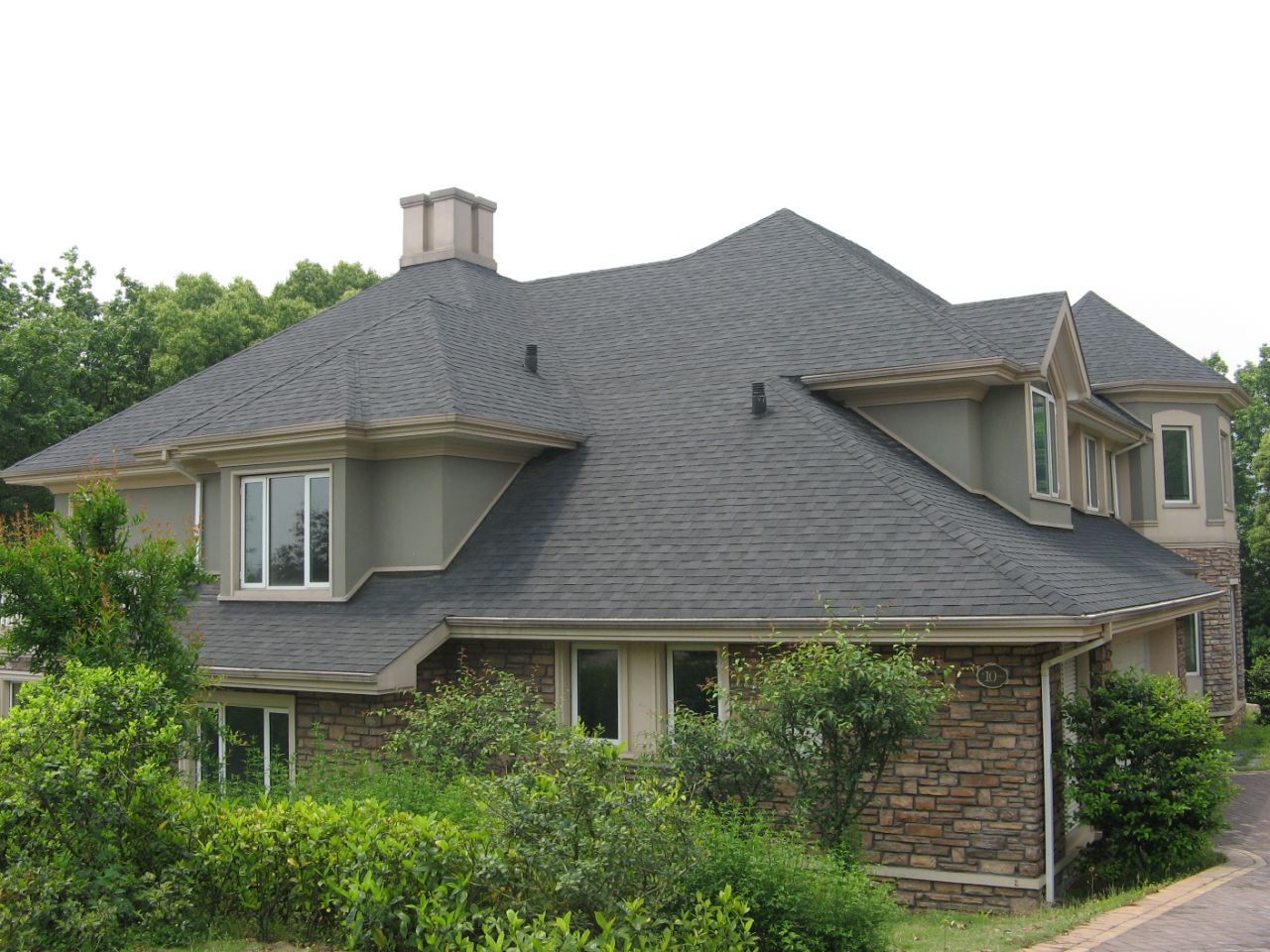
Buyers may review the Bond Tile, Roman Tile, Shingle Tile, or Shake Tile for visual fit. However, do not use a profile name as a substitute for a complete bill of materials. Roof geometry and detail conditions determine which components the supplier needs to price.
Request quantities and descriptions beside each line. Furthermore, tell suppliers to label exclusions, assumptions, and provisional items clearly. A total with no component schedule is difficult to revise after a drawing change or to reconcile with a local installer.
- Attach the latest plan, elevation, and roof-detail drawings.
- State the roof-area measurement basis and the desired profile.
- Ask for every trim, fixing, and finishing component to list.
- Require a note identifying any item not included in the offer.
Separate Supply, Delivery, and Local Project Costs
Then, place material supply, international or domestic transport, unloading, local delivery, storage, installation labor, and site preparation in separate comparison columns. This makes it possible to see whether two offers differ because of product scope or because they assign different responsibilities to the buyer.
Confirm the named handover point for the goods and the responsibilities before and after that point. A project team should also discuss access to the site, lifting arrangements, weather protection during storage, inspection on arrival, and the contact responsible for accepting delivery. These are operational questions, not assumptions to leave inside a material quotation.
In addition, record quote currency, validity, payment milestones, and lead-time language exactly as received. Exchange conditions and local charges may matter to budget planning, but their treatment the team should confirm it in the current commercial offer and with the appropriate local professionals. Do not convert an old or informal estimate into a purchase commitment.
Review Documentation and Technical Questions Early
However, cost control also depends on resolving technical questions before award. Check the drawing revision, roof substrate assumptions, accessory coverage, fixing approach, requested samples, and any documents that the project team needs for its review.
When a quote includes a claim about performance, certification, warranty, coating, or suitability, ask the supplier for the relevant current source document and have it evaluated by the professional responsible for the project. The article cannot determine what applies to a particular site or authority requirement.
JCROOF fits a supplier comparison when buyers use the same transparent scope, documentation, sample, delivery, and support questions for all candidates. This approach keeps the buyer focused on evidence and responsibilities rather than a single marketing statement.
- Match the quotation to the current drawing revision.
- List unresolved technical questions in the comparison sheet.
- Request source documents for claims material to the project.
- Obtain local professional advice where local rules or approvals matter.
Turn Several Quotes Into an Approval-Ready Decision

Moreover, create one decision matrix for the procurement, site, and commercial reviewers. Put the material scope, accessory completeness, delivery boundary, local work exclusions, documents received, payment terms, and open questions next to each supplier quotation.
Give each reviewer a defined task. The estimator can check quantities, the logistics contact can check handover and handling assumptions, the installer can check site dependencies, and the commercial owner can check the quote conditions. This shared review often exposes an omission before it becomes a cost increase.
The product range can help a team identify profile options for its request, but the selected package the team must confirm against the approved project information. Finally, retain the comparison, clarifications, and chosen quote with the purchase record so the team can evaluate changes consistently.
Keep the Cost Review Useful When Conditions Change
Additionally, treat every quotation as a dated commercial document. When the drawings, delivery route, roof area, schedule, currency arrangement, or site-access assumptions change, ask the supplier to issue a revised offer rather than editing a previous total by memory. The revised document should identify what changed and what remains unchanged.
Create a clarification log while quotations are still under review. Each line should show the question, the supplier response, the person responsible for closing it, and the document where the team records the answer. This gives the procurement team a practical record of why the team can compare one offer with another.
Local installation needs its own workstream. Ask the installer to review roof access, sequencing, substrate readiness, storage, waste handling, and the handover condition expected at completion. Where a supplier provides material support, record exactly what support the supplier offers and what remains the contractor’s responsibility.
Control Changes Before Releasing the Order
>
Before releasing a purchase order, reconcile the chosen bill of materials against the final roof details. Check that ridges, valleys, transitions, penetrations, and edges have an identified treatment. If the design team revises one of those details, send the revision to every party whose price or work the revision affects.
Maintain a simple change register after award. It should connect any change in roof design, quantity, delivery, or site condition to the current quotation or instruction. This does not remove commercial risk, but it makes conversations about responsibility more transparent and prevents an early estimate from becoming the only reference.
Finally, schedule a pre-delivery review with the supplier, logistics contact, and site representative. Confirm documents, delivery contact details, inspection plan, unloading arrangements, and a protected storage location. A coordinated handover helps the team convert an approved supply decision into an orderly site activity.
As a final control, arrange a brief review between the person approving the budget and the person who will manage the roof work. Read the selected quotation line by line against the scope sheet, then list any condition that still depends on a drawing, site decision, supplier confirmation, or local service provider. Assign an owner and due date to each open point. This meeting is not intended to renegotiate every item; it ensures that the purchase decision remains linked to evidence the team can retrieve later. Keep the signed clarification log beside the final quotation, and give it to the site team before it books delivery. When all material assumptions, delivery responsibilities, and change procedures are visible, the quoted cost becomes a practical planning tool rather than a number detached from the work.
Frequently Asked Questions About Roofing Cost in Nigeria
Finally, use these answers as a procurement checklist and confirm project-specific local requirements with the appropriate current sources.
Keep every confirmation dated, attributable, and available to the project team.
Can an overseas panel price be treated as the Nigeria project cost?
No. It may exclude transport, destination handling, local work, and other project responsibilities. Ask for a defined delivery and scope basis.
Should taxes or customs charges be added from an online guide?
No. Confirm current treatment with the relevant qualified local adviser, broker, authority, or provider for the actual shipment and project.
Why should accessories be itemized?
Itemized accessories show whether competing offers cover the same roof details and make later revisions easier to understand.
What should be approved before placing an order?
Approve the current drawings, bill of materials, delivery responsibility, commercial conditions, unresolved questions, and required project documentation.