
The cost of stone covered metal roof systems depends on more than the price of a panel. Commercial buyers must compare the roof area, profile, coating, accessories, freight, labor, and project conditions together. This guide explains how to build a reliable budget and compare supplier quotes without hiding important line items.
For a project team, the useful goal is not the lowest initial number. The useful goal is a clear scope that protects schedule, roof performance, and total ownership value.
What the cost of a stone covered metal roof includes
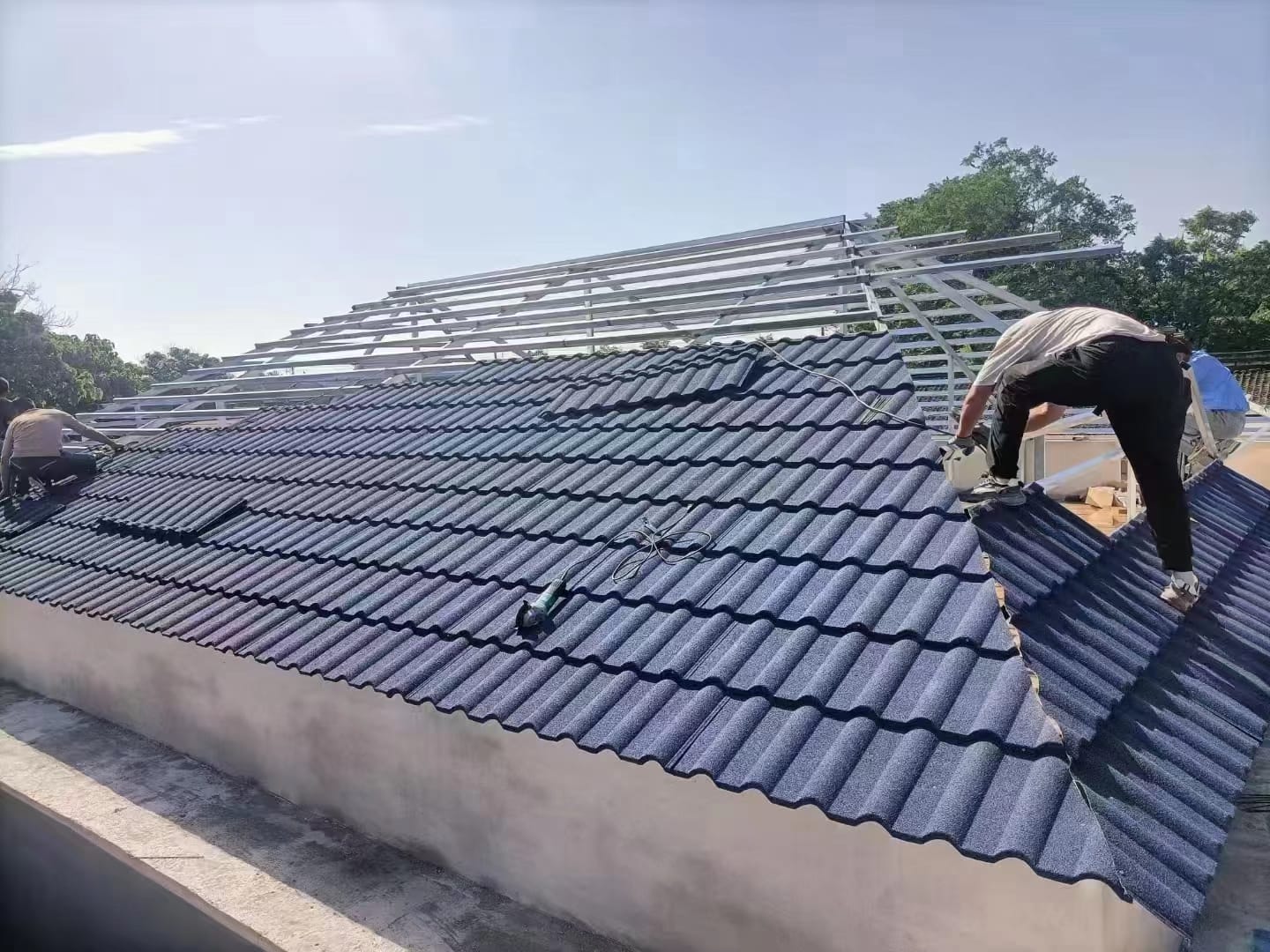
First, define the complete roofing package before requesting prices. A stone coated metal tile system normally includes steel roofing units, corrosion protection, stone granules, flashing, fasteners, ridge and hip components, valleys, eaves details, and installation labor. A quote that covers only the visible tile can look attractive while leaving the most variable costs outside the scope.
Definition: A stone covered metal roof uses formed steel panels with a protective metallic coating and a bonded mineral surface. The steel supplies shape and structural efficiency, while the surface system supports weather resistance and the selected architectural finish.
Definition: Roof cost means the delivered and installed amount required to make the roof weather-ready. It should include the roof covering, compatible accessories, waste allowance, freight, labor, removal work when applicable, and project overhead.
Core cost categories
- Roofing units and matching accessories.
- Flashing, valleys, closures, fasteners, and underlayment.
- Freight, packaging, unloading, storage, and local handling.
- Installation labor, safety access, and quality inspection.
- Existing roof removal, deck repair, disposal, and permit work when required.
Furthermore, a supplier should state which items the price excludes. Ask for separate lines for trim, fasteners, underlayment, ventilation, delivery, taxes, and installation. This format lets procurement compare like with like and helps the contractor identify changes before the purchase order.
How roof size and design change the budget
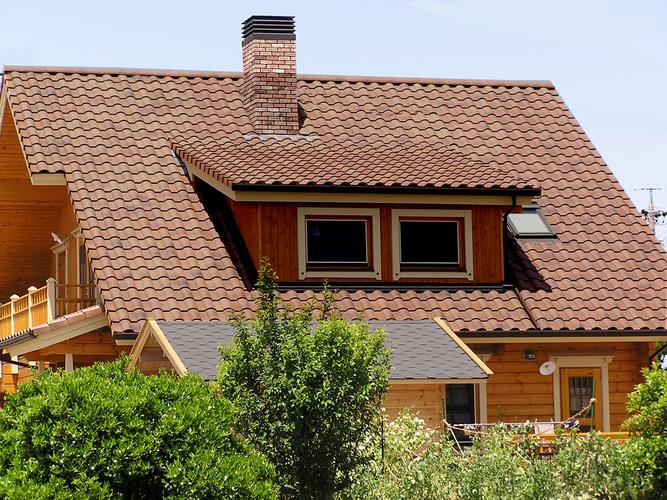
Roof area provides the starting point, but roof geometry controls how efficiently a crew can install the system. A simple gable roof usually needs fewer cuts and less custom flashing than a roof with many hips, valleys, dormers, skylights, or wall intersections. Consequently, two buildings with the same floor area can require very different roofing budgets.
Measure the real roof scope
Use the measured roof surface rather than the building footprint. Include each roof plane, pitch, overhang, porch, canopy, and lower roof section. Then add a documented allowance for cuts and site handling. Avoid using a large unexplained percentage because it makes quote review difficult. A supplier can often improve accuracy when the buyer provides a roof plan, elevations, pitch information, photographs, and delivery location.
Next, classify the roof details that drive labor. Count valleys, hips, ridges, penetrations, chimneys, skylights, parapets, and transitions. Record whether the existing deck needs repair. These details affect accessory quantities and installation time more than the basic tile count.
| Project factor | Lower complexity condition | Higher complexity condition | Buyer action |
|---|---|---|---|
| Roof geometry | Large, regular gable planes | Multiple hips, valleys, and dormers | Request a measured takeoff |
| Access | Clear unloading and staging area | Restricted access or long carry distance | Confirm delivery and handling plan |
| Substrate | Sound deck and known condition | Repair, replacement, or uncertain deck | Separate inspection allowance |
| Penetrations | Few standard penetrations | Many custom details and transitions | Review flashing drawings |
In contrast, buyers should not reduce the allowance simply to reach a target price. A short allowance can create change orders, delayed delivery, and mismatched trim. A transparent contingency tied to known conditions gives the project team better control.
Material choices that affect the installed price
Material selection changes both the invoice and the work required on site. Buyers should compare the steel specification, protective coating, granule finish, profile, dimensions, accessory system, packaging, and color consistency. Ask suppliers to identify which components come from the same system. Mixing profiles or trim from different systems can create fit and warranty problems.
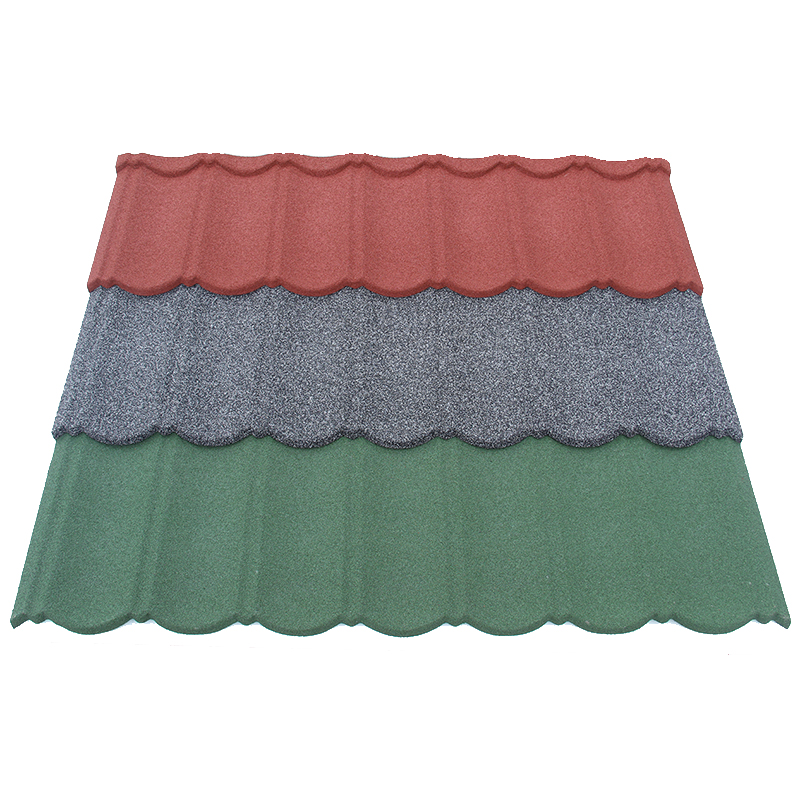
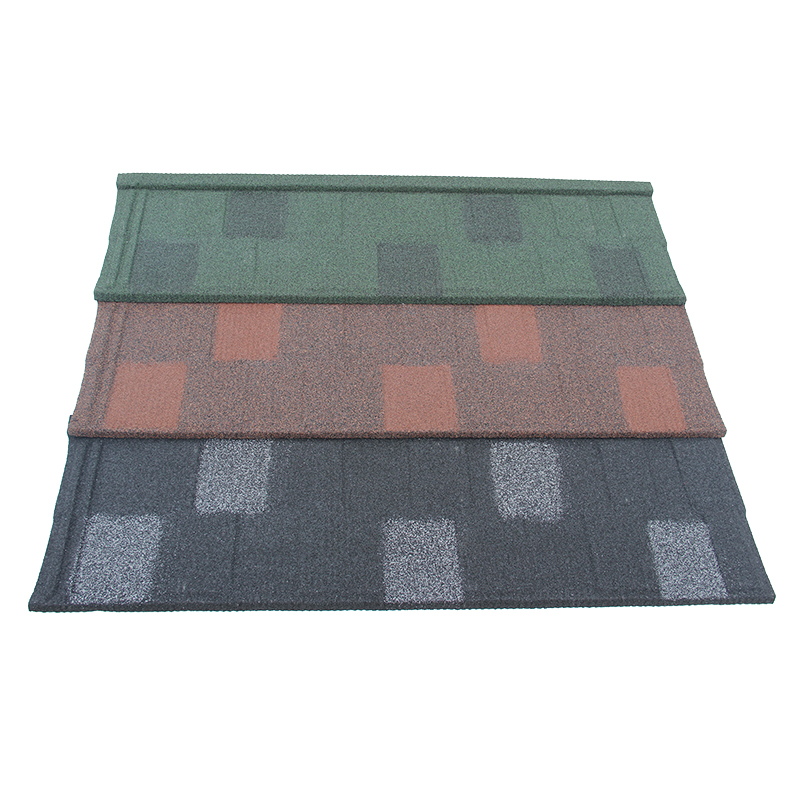
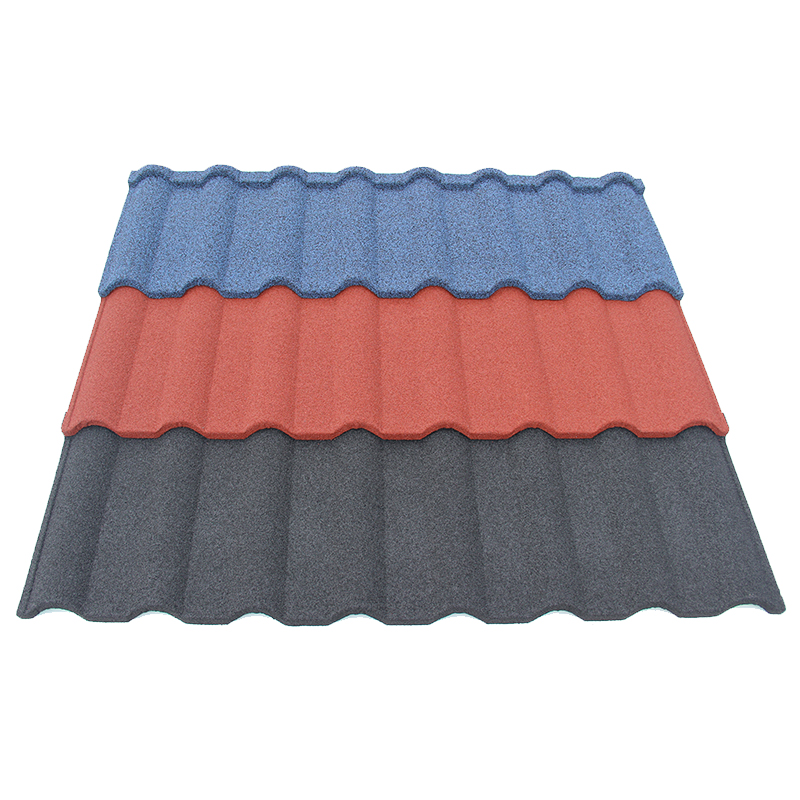
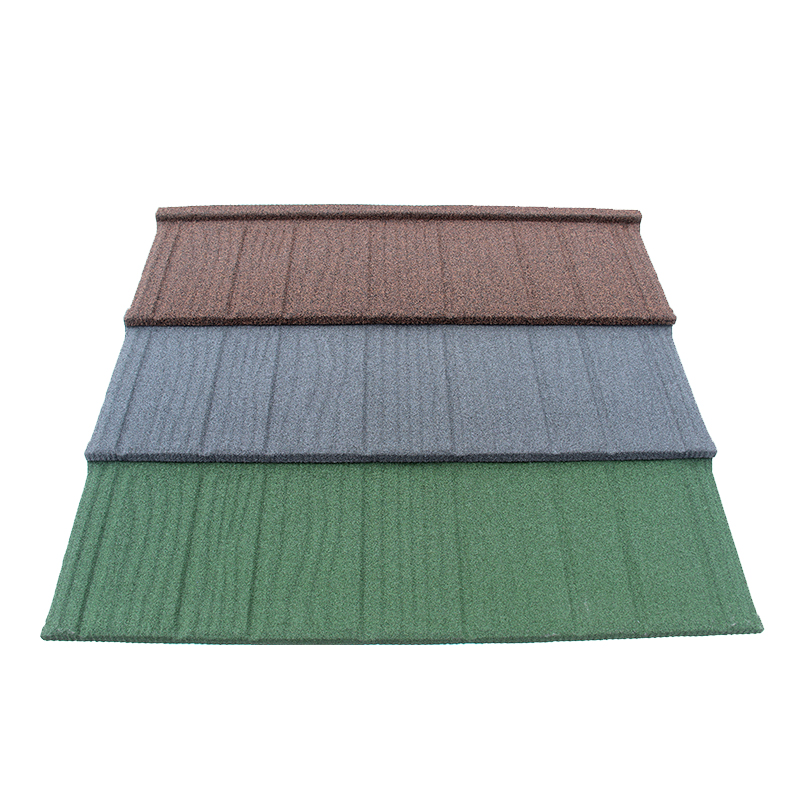
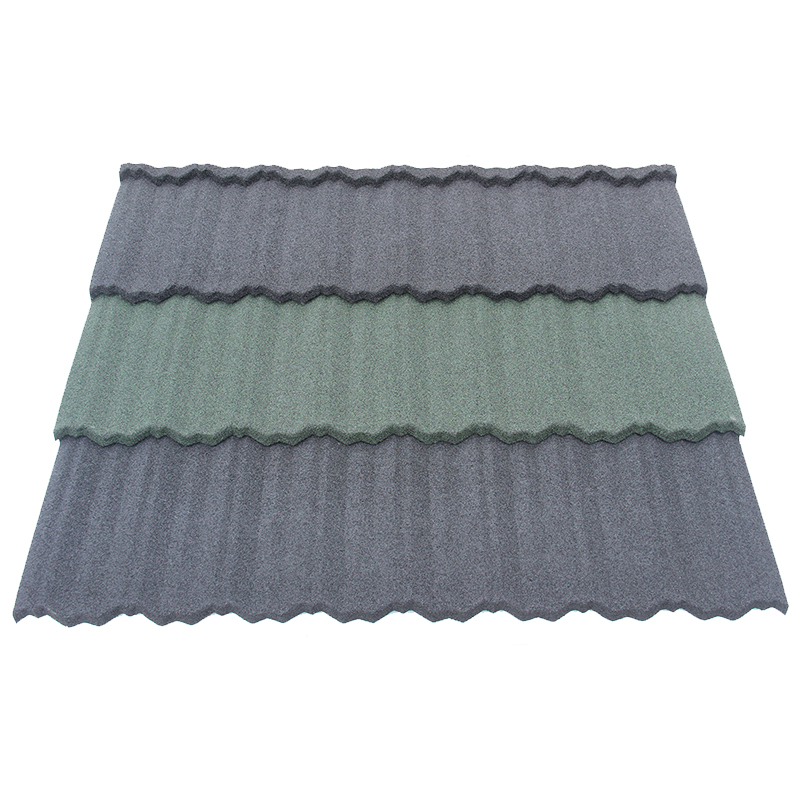
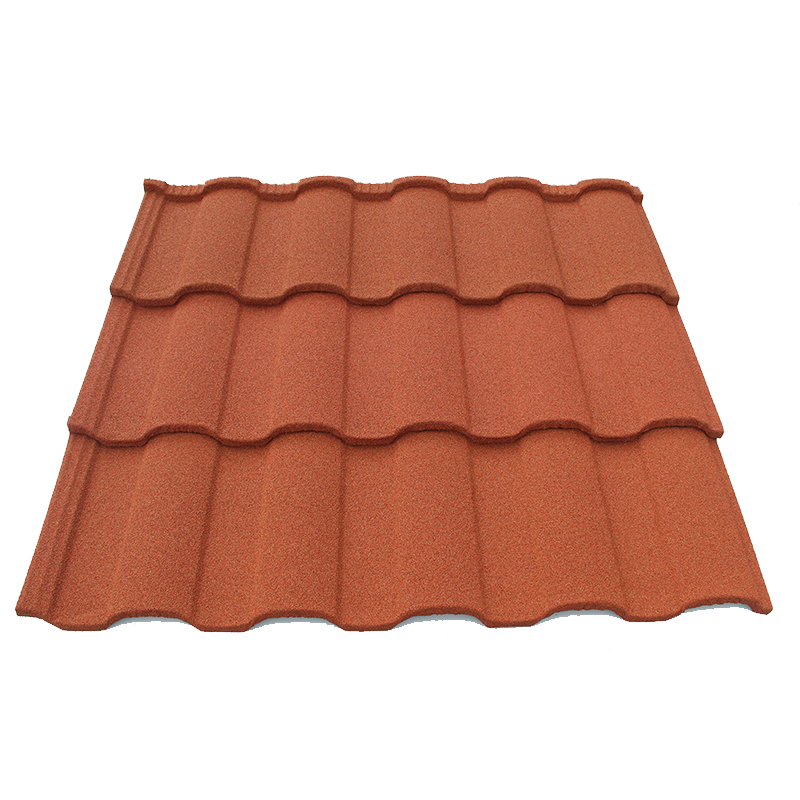
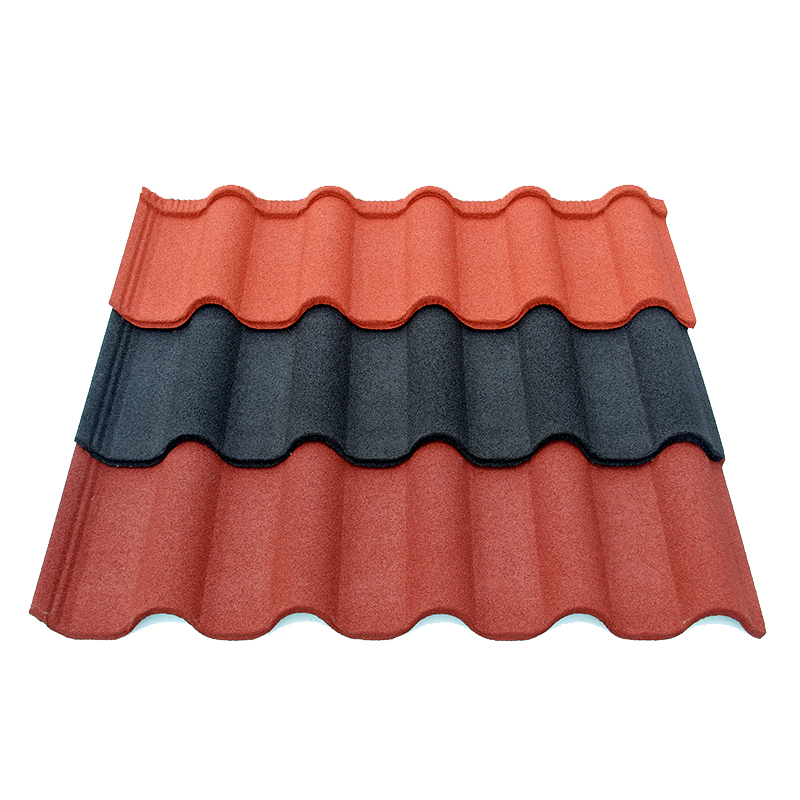
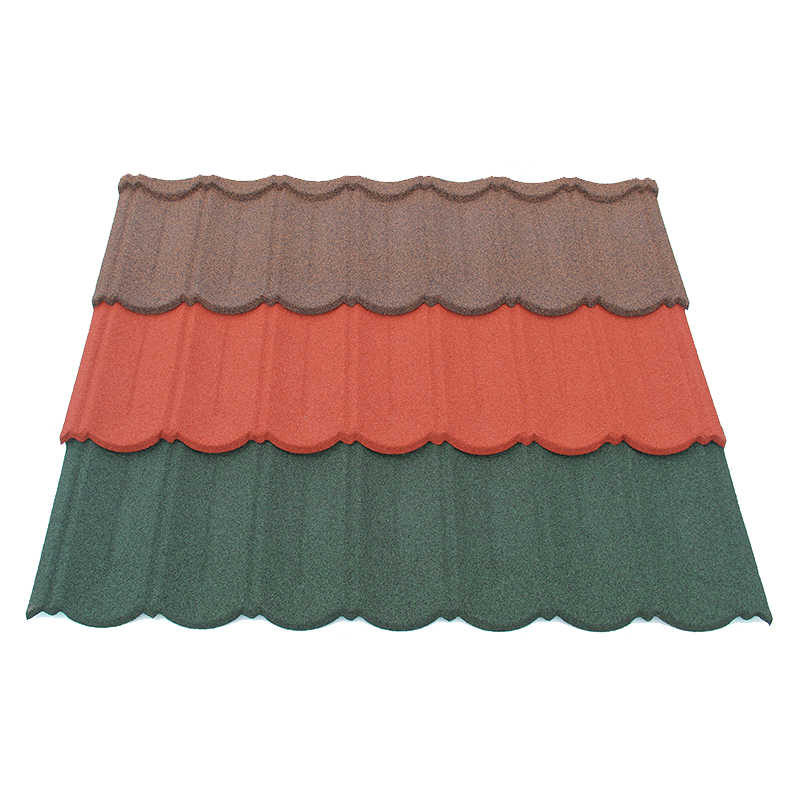
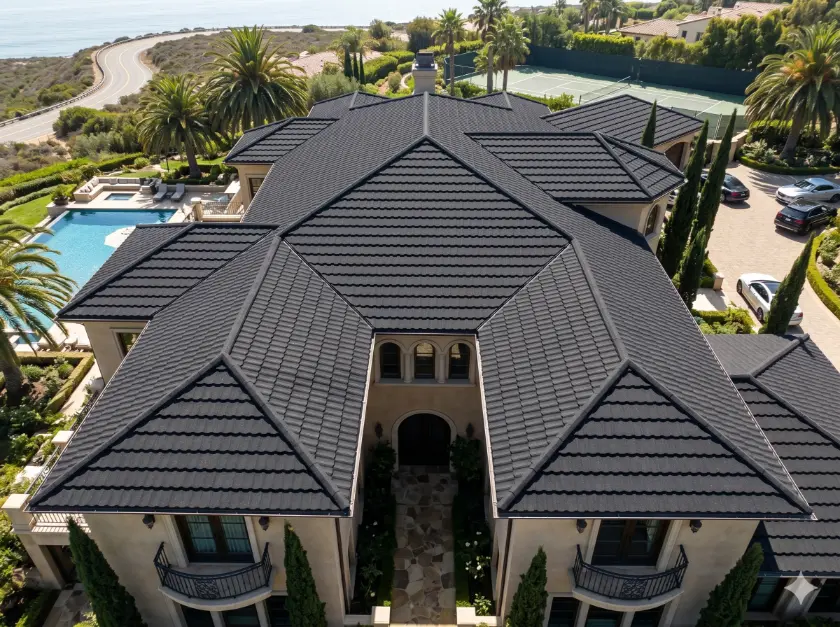
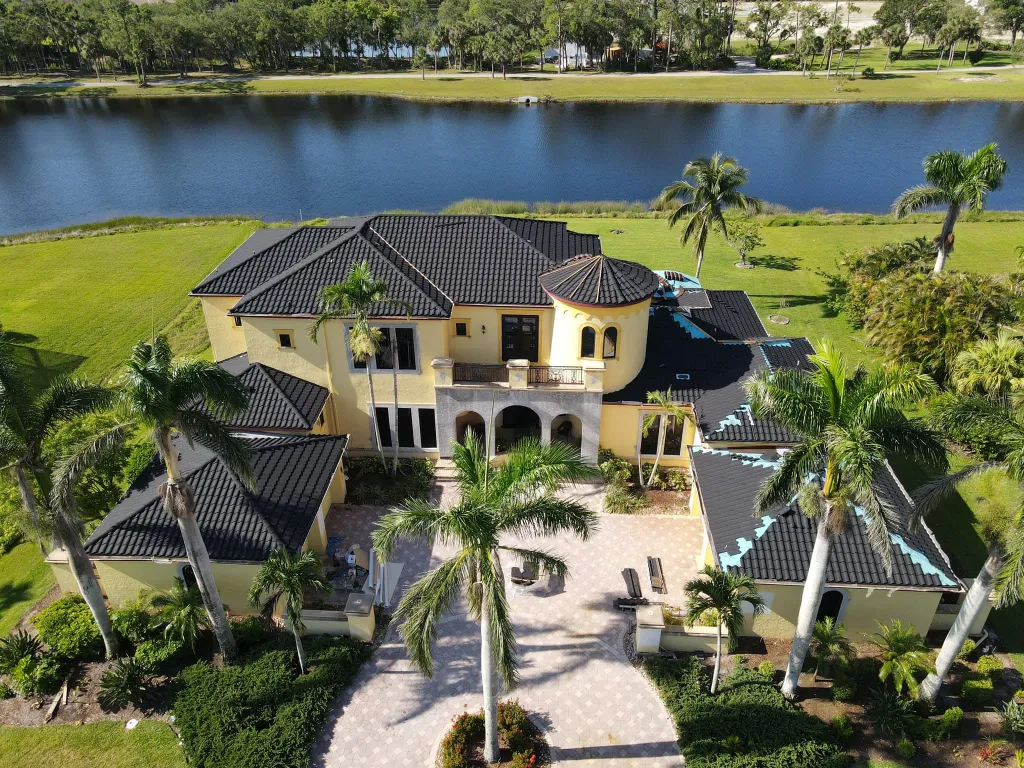
For a defined architectural look, compare the profile against the building design. A buyer evaluating an interlocking pattern may review Bond Tile for a compact, orderly appearance. A Mediterranean project may suit Roman Tile, while a flatter modern elevation may call for Shingle Tile. The right comparison focuses on performance, details, and installation fit rather than profile names alone.
Questions for the material quote
- What steel grade, thickness, and protective coating does the offered system use?
- Which trims and accessories match the profile?
- How does the supplier package corners, hips, ridges, valleys, and cut pieces?
- Does the quote include sample approval and color confirmation?
- What installation guidance supports the proposed fasteners and spacing?
Do not assume that a heavier-looking surface automatically creates better project value. Review the complete system, including drainage paths, fastening details, ventilation, and replacement availability. A lower material price can lose its advantage if the profile needs custom fabrication or if compatible accessories arrive late.
For export or multi-building projects, supply continuity matters as well. A buyer should request production lead time, minimum order quantity, container loading information, spare-unit policy, and a process for handling damaged pieces. These details affect delivered cost and schedule risk.
How to compare supplier and contractor quotes
A useful quote comparison normalizes scope before comparing totals. Start with the same measured area, profile, color, accessory list, delivery point, and installation assumptions. Then mark every line as included, excluded, provisional, or owner-supplied. As a result, the team can see whether a low bid reflects efficiency or missing work.
Build a quote comparison sheet
- Confirm the net roof area and the waste or cutting allowance.
- Match each roof profile to a product data sheet and sample.
- List every trim, flashing, fastener, underlayment, and ventilation item.
- Separate material, freight, installation, removal, repairs, and taxes.
- Record lead time, payment terms, inspection points, and replacement policy.
Ask each bidder to state the labor assumptions. A quote may assume an open new deck while the actual building requires removal of an existing roof. It may also exclude crane access, fall protection, weekend work, or site cleanup. Those assumptions belong in the commercial review, not in a last-minute change order.
| Quote review question | Why it matters |
|---|---|
| Is the price based on measured roof area? | Prevents undercounting from floor-area estimates. |
| Are trims and penetrations detailed? | Reveals custom fabrication and labor exposure. |
| Is freight delivered to the jobsite? | Separates factory price from landed cost. |
| Are deck repairs included? | Prevents confusion between roofing and structural work. |
| Are warranty terms written? | Clarifies responsibilities after installation. |
A procurement team can also ask for one alternate that changes only the profile or finish. That approach shows the price impact of design preference without changing the entire scope. Keep the base bid and alternate clearly separated.
When a higher initial cost can create better value
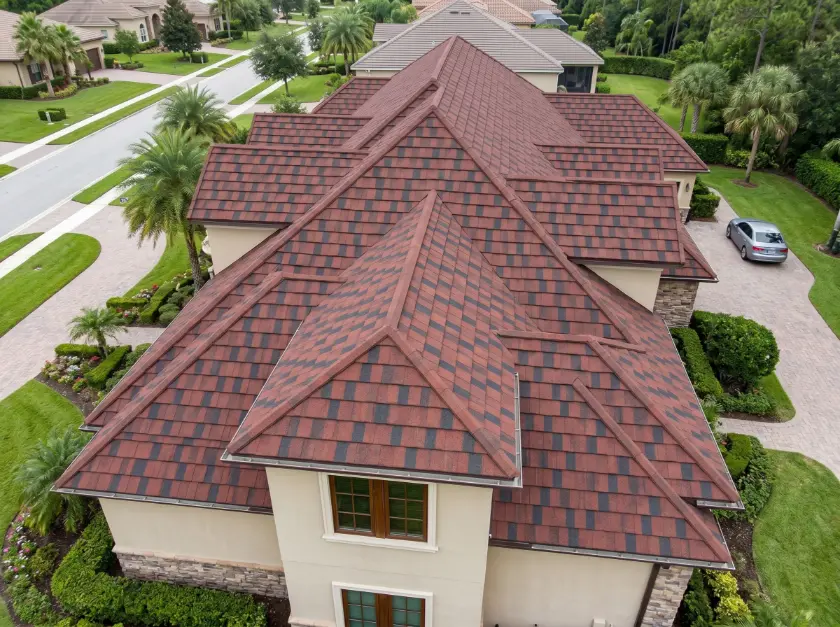
The lowest purchase price does not always produce the lowest ownership cost. A roof that arrives complete, installs with predictable details, and has a stable accessory supply can reduce schedule disruption. However, buyers should verify those benefits instead of accepting broad claims.
Evaluate long-term value through measurable project questions: How often will the roof need inspection? Can the owner replace a damaged unit without removing a large area? Does the supplier provide installation guidance? Can the contractor source matching trim later? What maintenance access does the building require? These questions turn vague durability language into a practical decision.
For a commercial or residential development team, a qualified stone coated metal roofing manufacturer can help align profile, accessory, packaging, and delivery requirements before production. The buyer should still confirm the roof design, local code requirements, and installation method with the responsible professional.
JCROOF can be evaluated as one supplier option when the purchasing team needs a coordinated stone coated metal roofing package, but the final choice should follow documented technical and commercial comparisons.
Frequently asked questions about roof cost
These questions address the budget issues that most often delay a roofing purchase.
Does roof area determine the final cost?
Roof area drives material quantity, but geometry, pitch, access, penetrations, deck condition, freight, and labor often create larger differences between projects. Use a measured takeoff and request a complete installed scope.
Is stone covered metal roofing cheaper than other roofing materials?
Initial cost depends on the selected system and project conditions, so no single material wins every comparison. Review the delivered and installed cost, expected maintenance, replacement process, and service life assumptions together.
What should a buyer ask for before approving a quote?
Request a product data sheet, profile and color confirmation, measured bill of materials, accessory schedule, installation assumptions, delivery terms, warranty language, and a list of exclusions. These documents provide a stronger basis for approval.
Can an existing roof remain in place?
That decision depends on local requirements, deck condition, moisture, roof assembly, and the proposed installation method. Have a qualified roofing professional inspect the existing assembly before budgeting an overlay.
How can a buyer reduce avoidable cost?
Provide accurate drawings, approve samples early, standardize profiles, coordinate penetrations, confirm site access, and order compatible accessories with the main roof package. Clear scope reduces waste and change orders without weakening the roof system.
In short, the cost of stone covered metal roof systems becomes easier to control when the buyer separates material, accessories, freight, labor, site conditions, and long-term service needs. A complete scope produces a fairer comparison and a more dependable purchasing decision.