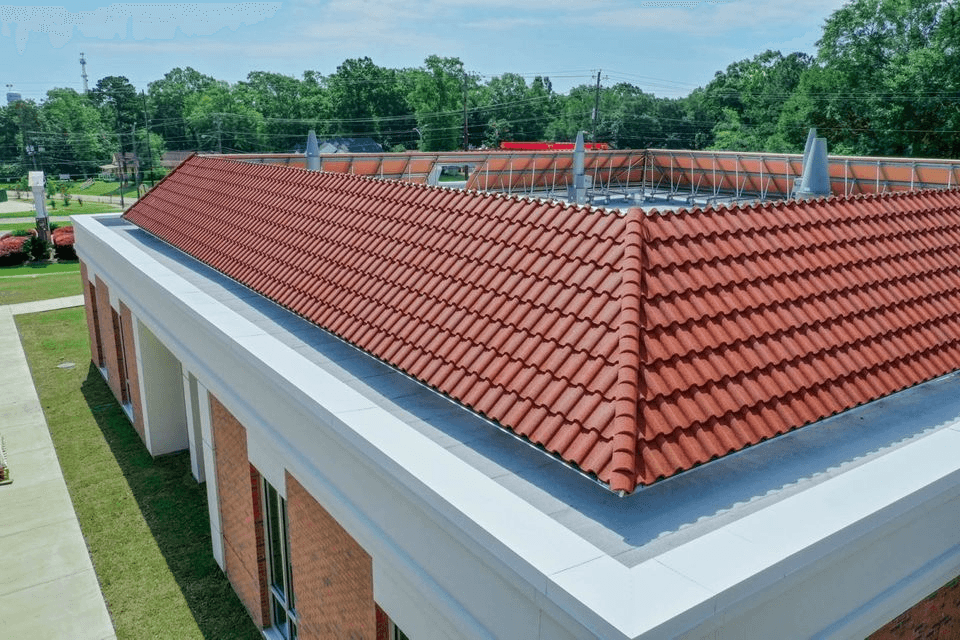
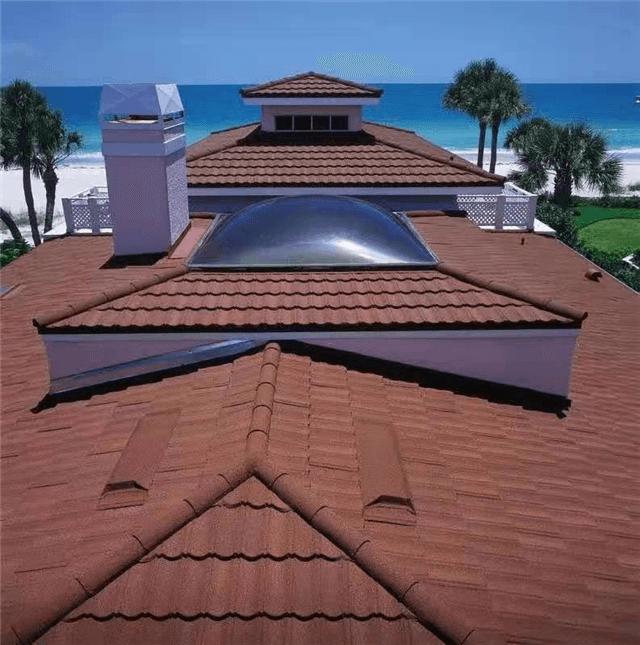
Custom color stone coated roofing cost depends on the requested finish, quantity, supplier offer, and order conditions. Ask for the standard and custom options using the same product and delivery basis. Then compare approval steps, minimums, and the cost of any excess stock.
A custom shade is not automatically available in every profile or order size. A supplier may need a sample, a production review, or a different minimum. Confirm those details before promising a customer a price or date.
This guide helps importers request a clear quote. It does not assume a standard custom fee or a fixed production time. Use current terms from the supplier for the exact finish and order.
Define the custom color stone coated roofing cost request
Describe the finish in a useful way
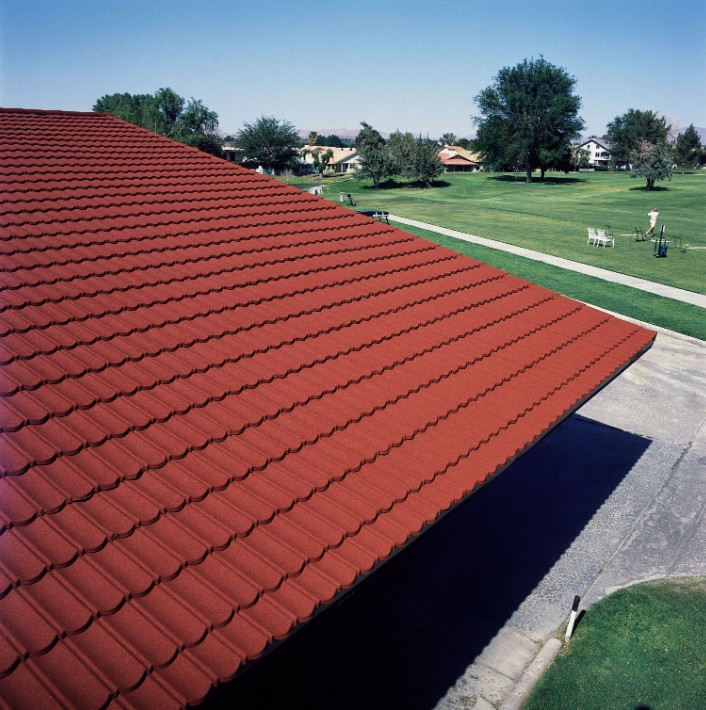
Give the supplier the profile, product reference, color target, and expected quantity. Identify whether the color is an existing option or a new request. Send any approved reference sample or project document when available.
A screen image may look different across devices and lighting. It also may not show the actual texture of a stone-coated finish. Ask the supplier what physical reference it needs to prepare an offer.
For Bond Tile and Shingle Tile, list the requested shade for each profile. Ask whether the supplier can quote each line. Do not assume one profile’s availability applies to another.
Describe the quantity in pieces, packs, or effective area. If the supplier quotes by area, ask which coverage it uses. The product’s actual specification matters to the calculation.
The quotation guide explains how to assemble product and delivery information. Send the same technical requirements for the standard and custom options. This makes the price difference easier to interpret.
Record the approval method
Ask which sample, document, or reference will govern the finish. Agree who reviews it and how an approval is recorded. Keep the approved reference linked to the final order.
A sample can help describe an intended color, but its acceptance criteria need agreement. Ask the project team which lighting and comparison process it will use. Do not invent a tolerance or promise an exact match across all future orders.
Record the sample date, product reference, and any agreed comments. If a revision is needed, identify the superseded sample. The supplier and buyer should work from the same approved version.
Ask whether accessories and touch-up materials are included in the color review. A roof system can contain several visible parts. Their compatibility and finish require specific confirmation.
Compare standard and custom offers on equal terms
Separate the quoted price components
Request the price per piece and the expected effective coverage for each option. Keep the steel specification, profile, quantity, and delivery basis the same where practical. Ask the supplier to identify any differences.
A supplier may quote a separate setup charge or include it in the unit price. Ask which approach applies to the actual offer. Do not add a setup charge twice when it is already included.
For illustration, suppose a standard order totals 5,000 dollars. A custom offer totals 5,600 dollars. The difference is 600 dollars for the stated order. These are hypothetical amounts, not a quotation or market rate.
If both offers cover 1,000 square meters, that example adds $0.60 per covered square meter. This arithmetic is valid only when both totals have the same scope. Accessories, freight, and setup must be treated consistently.
The wholesale price overview discusses factors to review in a quote. Use a current offer for the exact request. A past price cannot establish today’s custom terms.
Check minimums and usable excess
Ask whether the minimum applies to one color, profile, production run, or total order. Confirm its unit. A minimum of pieces is different from a minimum of square meters.
Compare the required purchase with confirmed projects and a realistic stock plan. Extra goods may tie up cash and warehouse space. They may also help a later service need if the product remains identifiable and suitable.
Avoid assuming excess custom stock can be sold under a different color name. Check the finish, product reference, and customer requirements. Ask the technical team before proposing an alternative.
The inventory assortment guide explains how to review stock breadth. Record which custom lines serve confirmed projects. Keep speculative demand separate from firm commitments.
When asking JCROOF about a custom finish, supply the product reference and expected quantity. Ask for the current minimum and the sample process. Record the response in the order file.
Plan matching accessories and repeat orders
Check the complete visible system
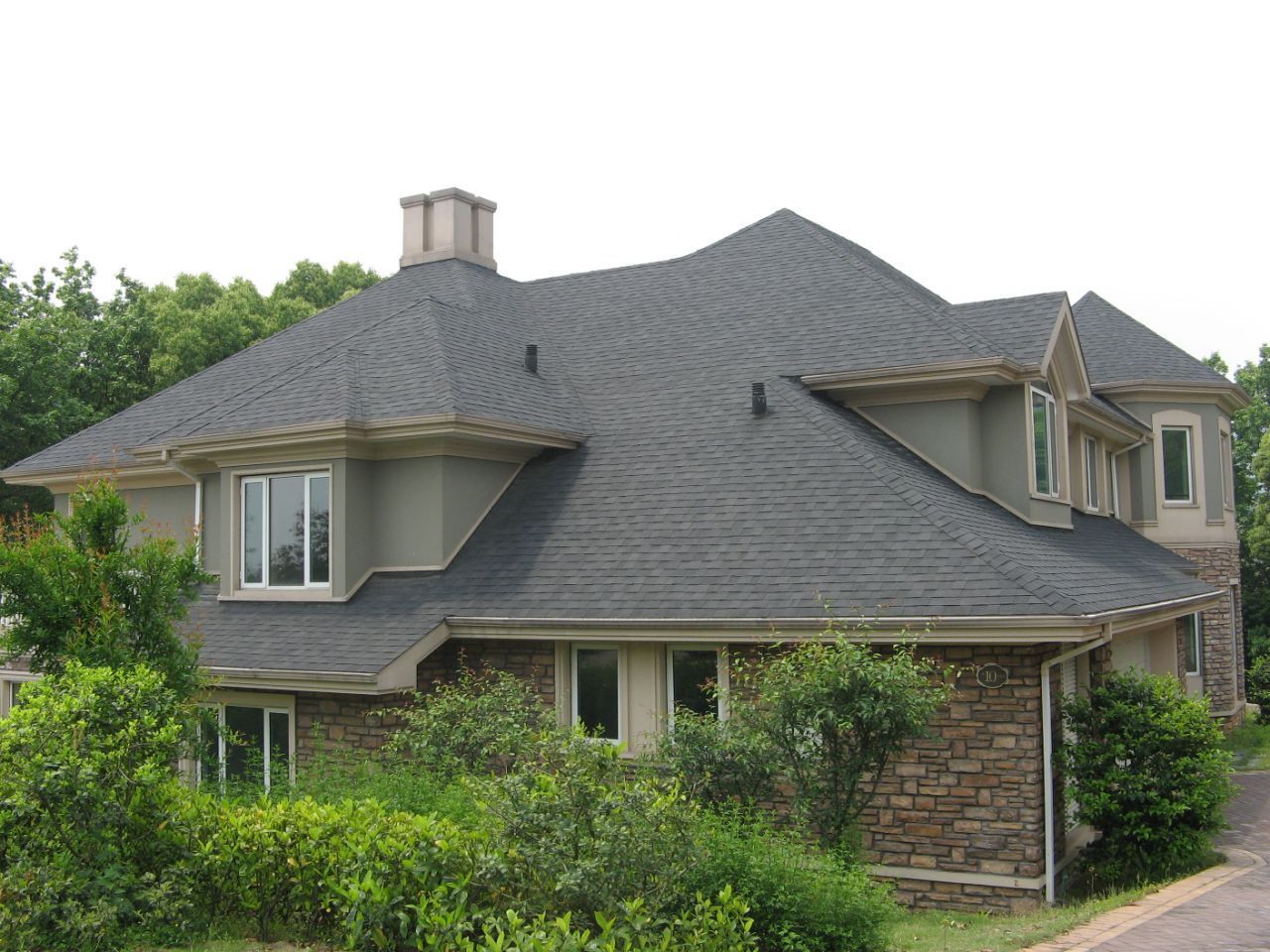
A roof can include ridge pieces, edge fittings, valleys, and fasteners. Ask which parts need the same finish or a compatible alternative. An installer should confirm the system requirements.
Request accessory prices in their own units. The main tile’s unit price does not necessarily include those parts. A full comparison should show the quantities and any additional finish charges.
The accessory compatibility guide outlines questions for matching parts. A similar shade does not prove physical compatibility. Obtain approval before accepting a substitute.
Ask whether a custom color affects packing or identification. Each package should remain traceable to its product and order. The supplier should confirm how the finish will be marked.
Preserve batch information
Record the supplier’s product code, approved sample, production information, and receipt date. Keep those records with the customer or project file. They help when a later replacement is requested.
DECRA’s production date-code bulletin gives mixing guidance for its own products. It illustrates why batch rules matter. Ask your supplier for the applicable rule rather than applying DECRA’s limit to other tiles.
A repeat order may not use the same production run. Ask the supplier how it reviews the requested match. Any commercial or technical commitment should appear in the agreed order documents.
For wholesale stone coated roofing tiles, preserve a useful service reserve when the project requires one. Mark it separately from ordinary sales stock. The spare stock guide explains how to manage that distinction.
Make a decision before issuing the order
Evaluate total exposure
Compare standard and custom offers using the same delivery point and payment basis. Show the product cost, sample or setup charges, accessories, packing, and freight separately. Mark any item that remains unknown.
A lower quoted piece price can still require a larger purchase. Review total cash committed and likely inventory use. Include storage and local handling costs where relevant to your business.
Ask the supplier when the offer expires and what changes require a revision. The U.S. pro forma invoice guidance lists price, delivery terms, and validity among useful fields. Your transaction may require additional conditions.
Do not assume a sample approval confirms the final delivery date. Ask which production and logistics steps remain. Identify the responsible party for each open question.
Confirm the final order
Before approving, check these points:
- Match the profile and product reference to the intended order.
- Identify the approved color reference and revision.
- State the minimum and excess quantity clearly.
- Matching accessories and their prices are included or listed separately.
- Packing, delivery terms, and the named location are clear.
- The quotation date and validity apply to the final mix.
- The order records who can approve later changes.
If a supplier proposes a change, compare its effect on finish, quantity, price, and schedule. Obtain the necessary customer and technical approvals. Keep the accepted revision with the purchase order.
The right choice depends on your market and project. A standard color may suit routine stock, while a named project may justify a custom request. Compare the complete offer and expected use before deciding.
Compare the approval cost and timing
A custom request can require a physical reference and a review by several parties. Ask who supplies each sample and who pays for shipping. Record any quoted sample or preparation charge separately from the goods price.
The supplier should identify which steps remain after sample approval. Ask for an estimated schedule with its assumptions. An estimate is not the same as a confirmed production slot or shipping date.
If a customer changes the shade after the sample is prepared, notify the supplier. Ask for the effect on price, timing, and the prior sample. Keep both the original and updated requests in the file.
Do not promise a particular result based only on an image. The customer, supplier, and technical team should agree on the reference used for approval. Record who accepted the final version.
Review future supply before committing
Ask how the supplier identifies an approved color on later orders. Request the product and finish reference to include in the reorder. Keep a copy of the accepted sample information with the customer record.
If future matching is important, ask about the supplier’s current process and relevant limitations. Do not assume the same batch will be available later. The order should describe any agreed requirements.
Compare the cost of holding extra pieces with the risk of a later unmatched request. Use your own expected demand and storage costs. A reserve is a business decision, not a fixed percentage for every roof.
Need help reviewing a custom roofing color? Send us an inquiry with your profile and order needs. Our team will reply and help you review the request.