
On-site cutting is unavoidable in most roofing projects, which is why a common technical question is how do you cut stone coated steel tiles without damaging the stone layer. For contractors and installers, improper cutting methods can lead to coating damage, corrosion risks, and visible aesthetic defects.
From a B2B and installation perspective, understanding how do you cut stone coated steel tiles without damaging the stone layer is critical for maintaining product integrity, reducing waste, and ensuring long-term performance. The key is selecting the right tools, cutting techniques, and post-cut treatment methods.
Why Cutting Method Matters for Stone Coated Steel Tiles
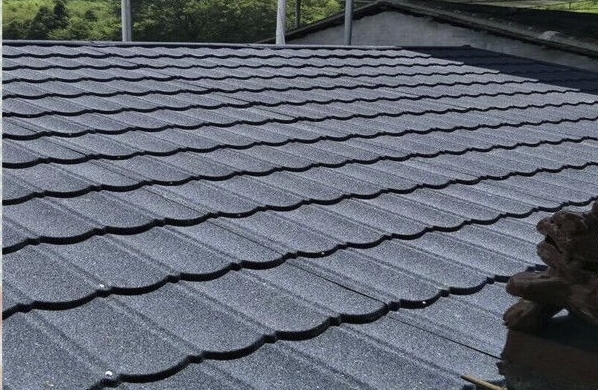
To properly address how do you cut stone coated steel tiles without damaging the stone layer, it is important to understand the material structure. Stone coated tiles consist of a steel base, protective coatings, adhesive layers, and natural stone granules.
Unlike standard metal sheets, the surface is not just painted—it is bonded with granules. This means aggressive cutting methods can dislodge the stone layer or damage the protective coating underneath.
For contractors, the goal is to cut the steel cleanly while preserving the surrounding coating and granules.
Risks of Improper Cutting
- Granule loss and surface damage
- Exposed steel edges leading to corrosion
- Burn marks from high-temperature tools
- Reduced product lifespan
Best Tools for Cutting Stone Coated Steel Tiles
When considering how do you cut stone coated steel tiles without damaging the stone layer, tool selection is the most important factor. Not all metal cutting tools are suitable for this type of material.
In general, low-heat, clean-cutting tools are preferred over high-speed abrasive tools.
Recommended Tools
- Hand shears (manual cutting)
- Electric metal shears
- Nibbler tools
These tools cut the metal mechanically rather than through friction, which helps preserve the stone coating.
Tools to Avoid
- Angle grinders with abrasive discs
- High-speed cutting wheels
- Torch cutting tools
These tools generate heat and friction, which can burn the coating and loosen the stone granules.
Step-by-Step Cutting Process
Understanding how do you cut stone coated steel tiles without damaging the stone layer also requires following a proper cutting process. Even with the right tools, poor technique can lead to damage.
A structured approach ensures consistent results and minimizes material waste.
1. Mark the Cutting Line
Use a pencil or chalk instead of sharp tools to avoid scratching the surface.
2. Secure the Tile Properly
Place the tile on a stable surface to prevent vibration during cutting.
3. Cut with Controlled Pressure
Apply steady pressure using shears or nibblers to avoid tearing the coating.
4. Clean the Cut Edge
Remove loose granules and debris after cutting.
5. Apply Touch-Up Protection
Use approved sealant or paint to protect exposed edges from corrosion.
How Roofing Profiles Affect Cutting Difficulty
When evaluating how do you cut stone coated steel tiles without damaging the stone layer, the tile profile also influences the cutting process. Different shapes require different handling techniques.
Contractors often adjust their approach based on profile geometry to achieve cleaner cuts.
Application-Based Insights
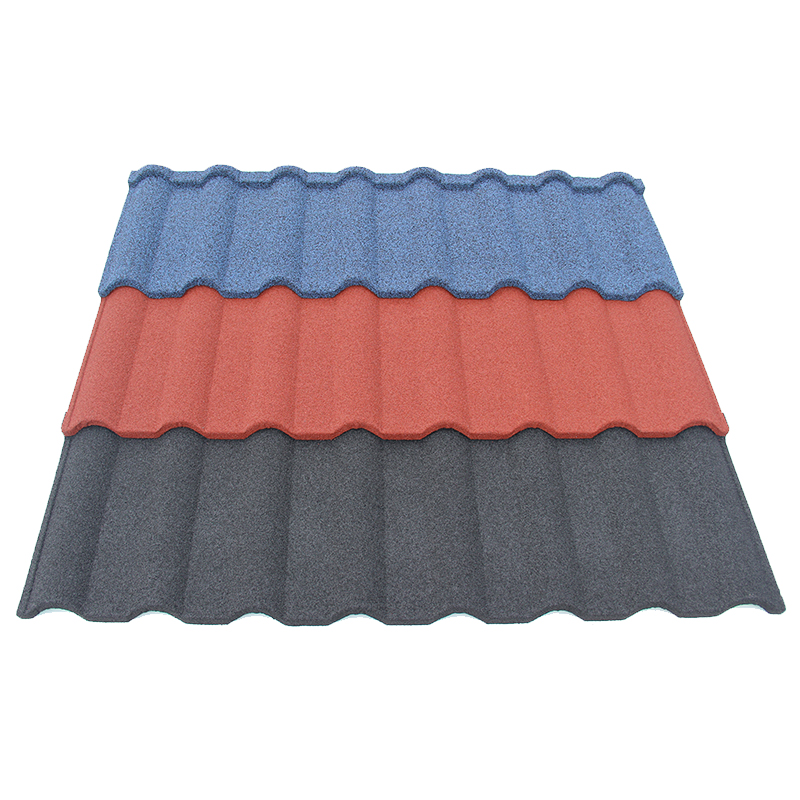
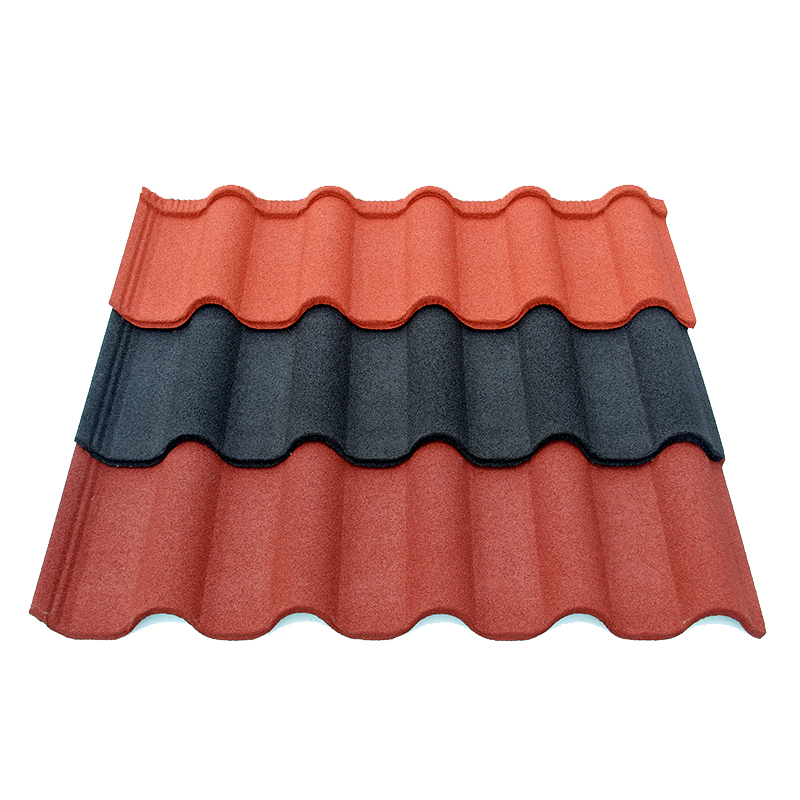
In projects using Bond Tile, cutting is relatively straightforward due to its balanced profile, making it easier to achieve clean edges.
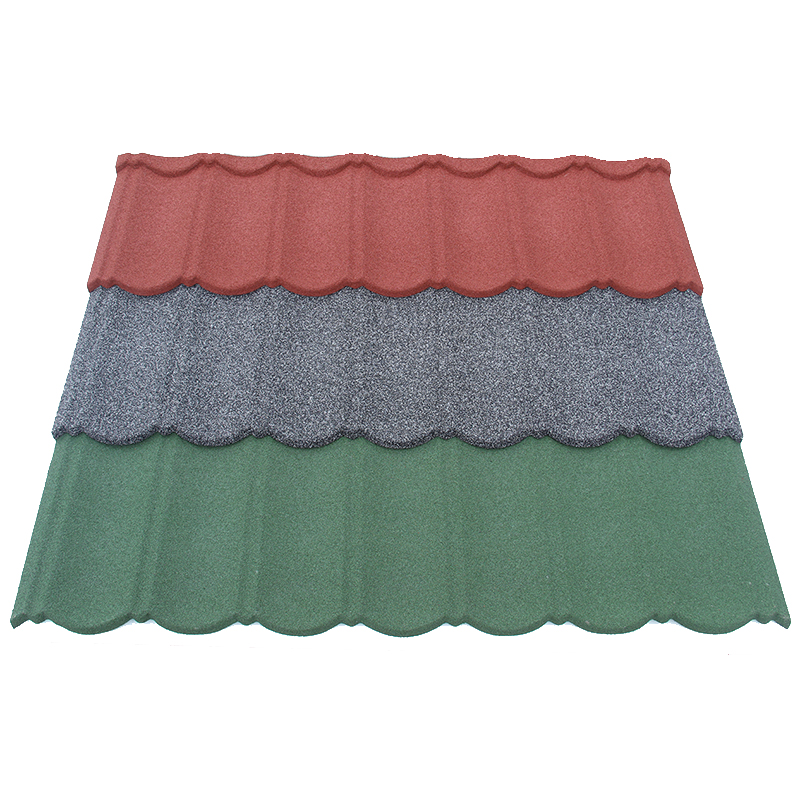
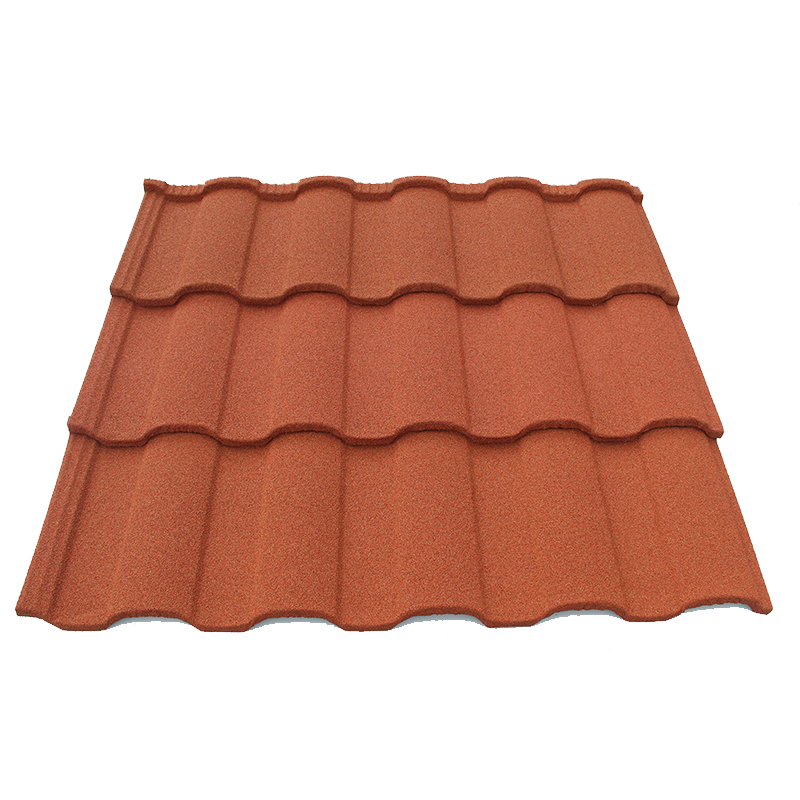
For deeper-profile systems like Roman Tile, extra care is needed when cutting curves and overlaps to avoid damaging the granules.
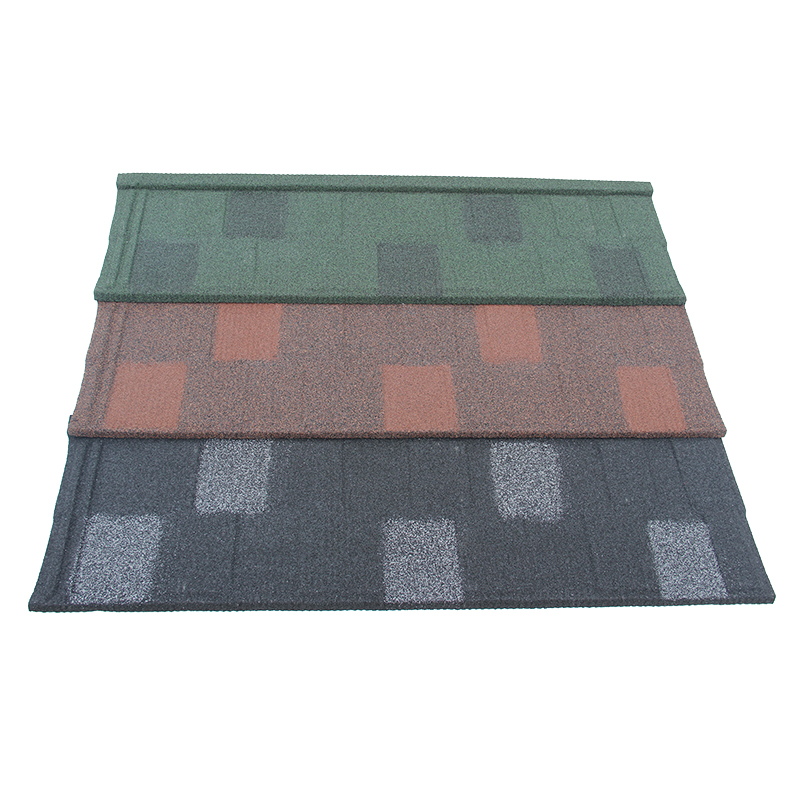
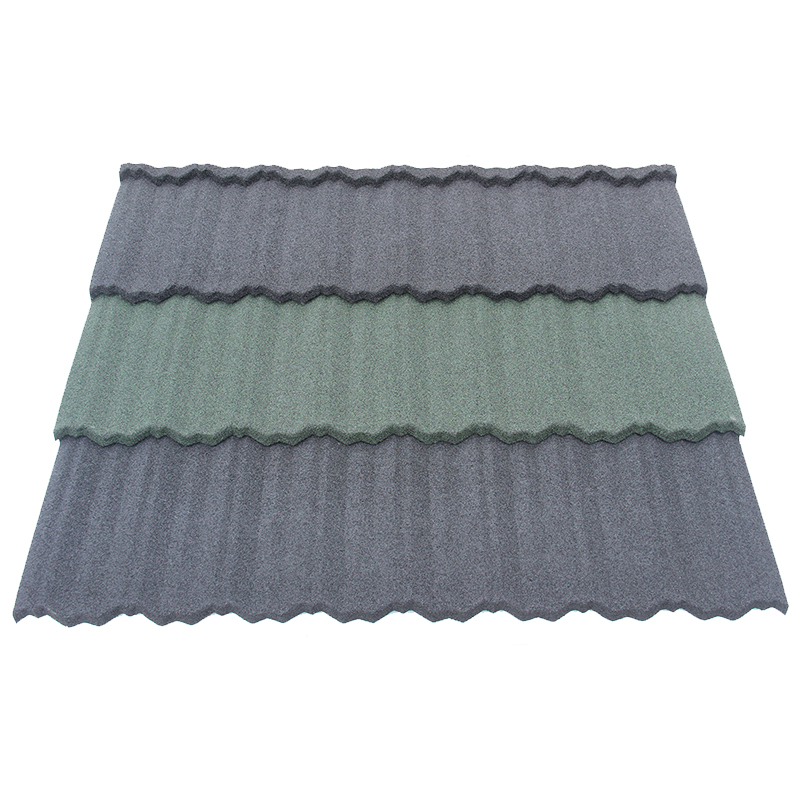
In installations with Shingle Tile, the flatter structure allows for more precise and consistent cutting, especially in edge detailing.
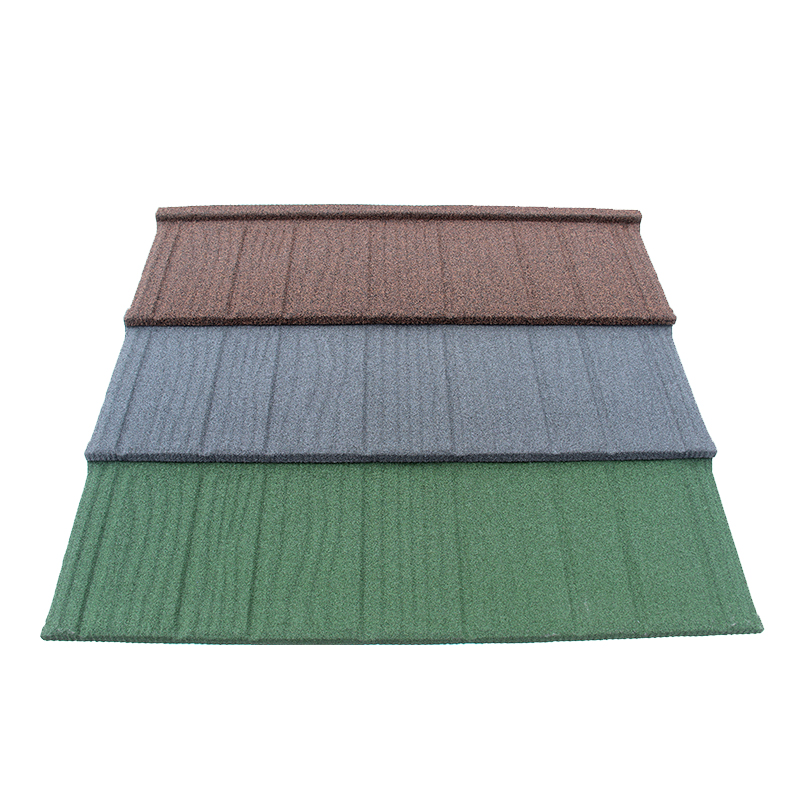
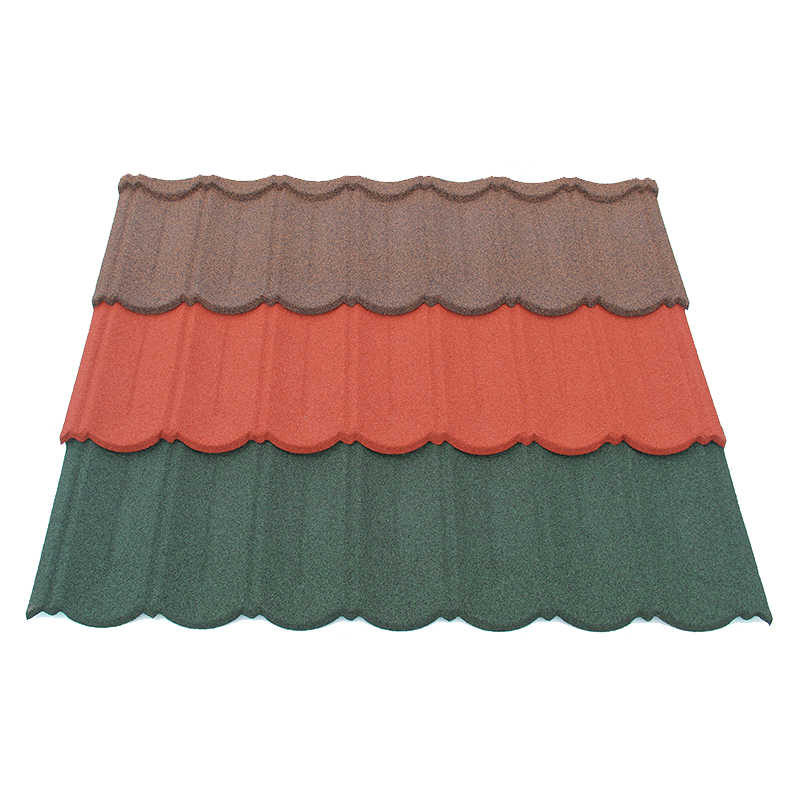
For modern designs using Milano Tile, precision is critical, as visible imperfections are more noticeable on flat surfaces.
Common Mistakes That Damage the Stone Layer
Many issues related to how do you cut stone coated steel tiles without damaging the stone layer come from avoidable mistakes. Recognizing these errors can significantly improve installation quality.
Using High-Heat Tools
Heat can damage both the coating and the steel substrate.
Applying Excessive Force
Too much pressure can crack the coating or dislodge granules.
Skipping Edge Protection
Unprotected edges are vulnerable to corrosion over time.
Improper Handling After Cutting
Dragging tiles across rough surfaces can remove granules.
Post-Cutting Treatment and Quality Control
A complete answer to how do you cut stone coated steel tiles without damaging the stone layer must include post-cut treatment. Cutting is only part of the process—finishing and protection are equally important.
Proper finishing ensures that the roof maintains both its appearance and durability.
Edge Sealing
Apply manufacturer-approved sealant or touch-up paint.
Granule Touch-Up
Reapply granules if necessary to maintain visual consistency.
Inspection
Check for coating damage or exposed steel before installation.
Practical Advice for Contractors and Distributors
For B2B buyers and installers, mastering how do you cut stone coated steel tiles without damaging the stone layer is essential for maintaining product quality and reducing project risk. Proper training and tool selection can significantly improve installation outcomes.
In the industry, manufacturers such as JCROOF are often referenced for providing installation guidelines and technical support, helping contractors achieve consistent cutting quality across different projects.
Recommended Strategy
- Use low-heat cutting tools such as shears or nibblers
- Follow a structured cutting process
- Protect all cut edges with sealant
- Train installation teams on proper handling techniques
Conclusion: How Do You Cut Stone Coated Steel Tiles Without Damaging the Stone Layer?
So, how do you cut stone coated steel tiles without damaging the stone layer? The key is to use the right tools, apply proper cutting techniques, and ensure post-cut protection. Avoiding high-heat methods and handling tiles carefully will preserve both the coating and the structural integrity.
For contractors and distributors, attention to these details ensures better installation quality, longer product lifespan, and improved customer satisfaction.