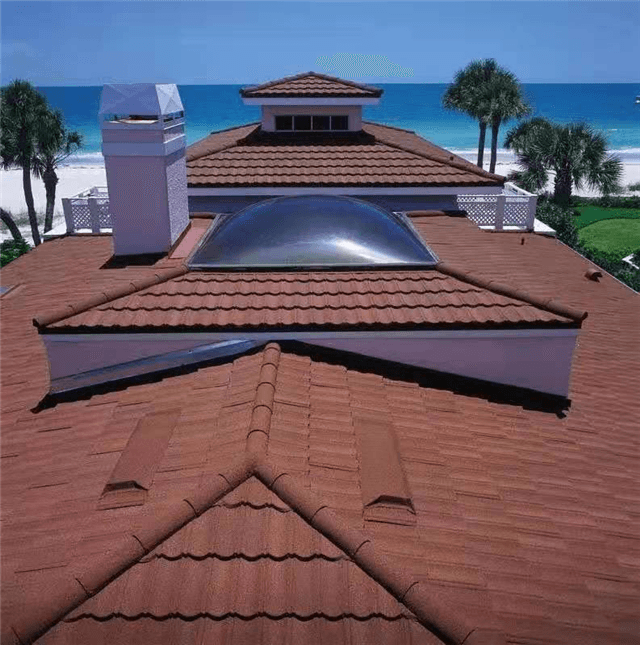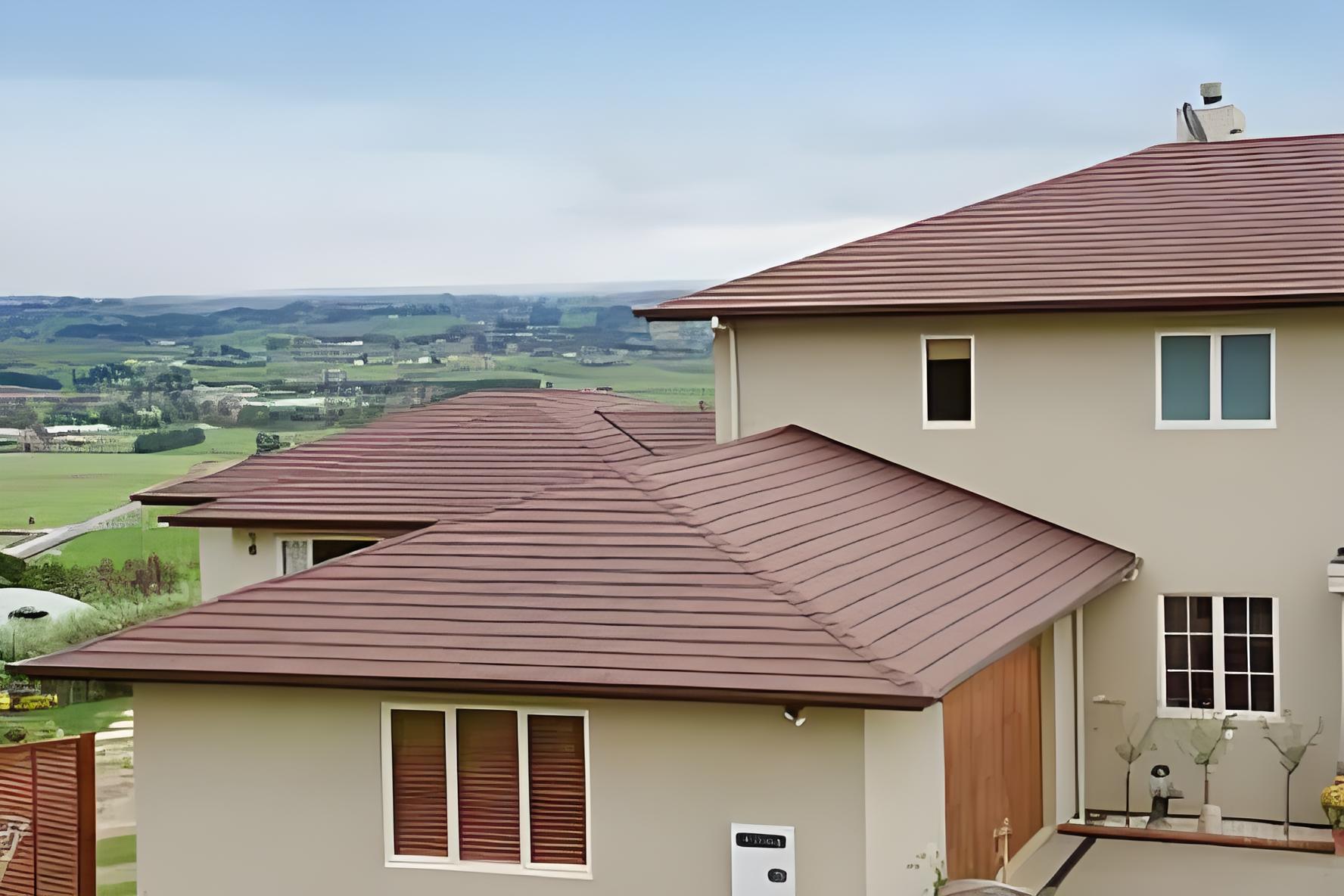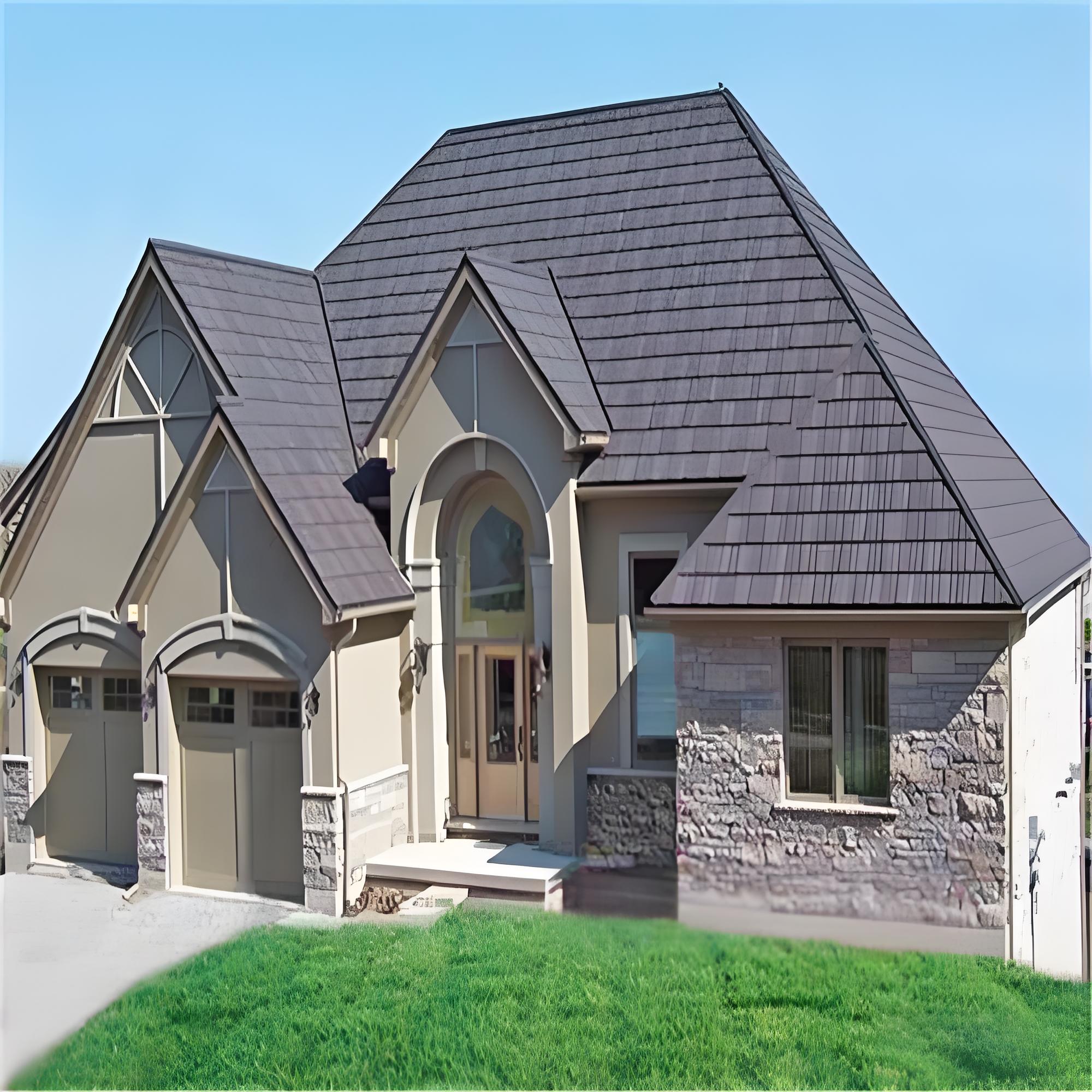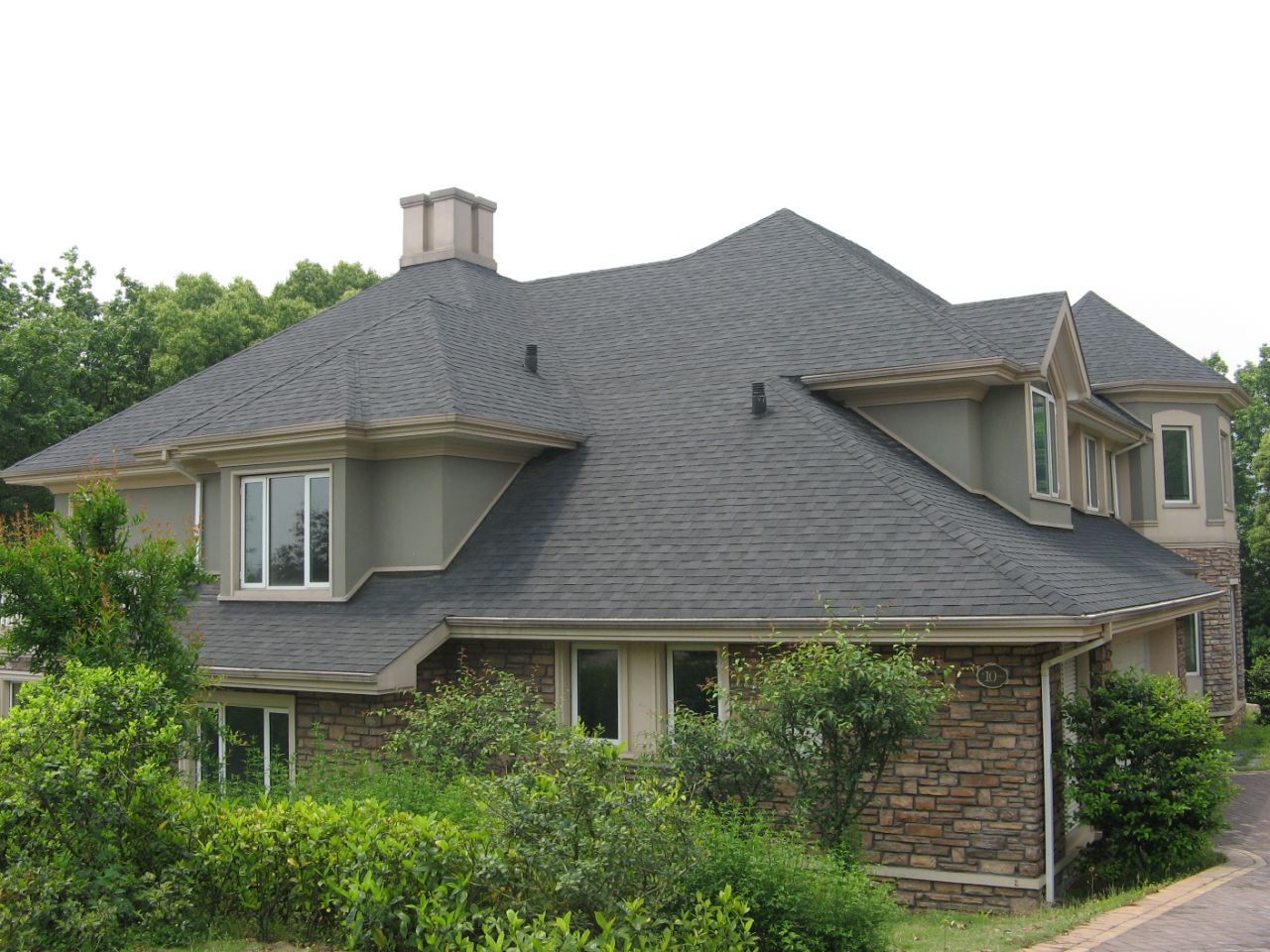

Understanding the disadvantages of stone coated metal roof systems helps buyers avoid a poor fit. These roofs can offer a durable alternative to heavier materials, but every system has tradeoffs tied to climate, roof geometry, installation quality, access, and project budget. A sound decision compares those limits with the building’s real requirements. This guide explains the main disadvantages of stone coated metal roofing, shows how to test each concern, and gives procurement teams a practical way to compare products and installers.
Use the analysis below before you request bids. It separates system-level concerns from problems caused by poor detailing or weak job-site control. It also points out cases where a different roof type may deliver a simpler result.
Start with the disadvantages that affect project fit
The phrase disadvantages of stone coated metal roof can describe several different issues. Some relate to the material system, such as initial cost, appearance changes, or repair complexity. Others relate to the roof assembly, such as underlayment, flashing, ventilation, fasteners, and replacement access. Buyers should identify which category drives risk because each category needs a different solution.
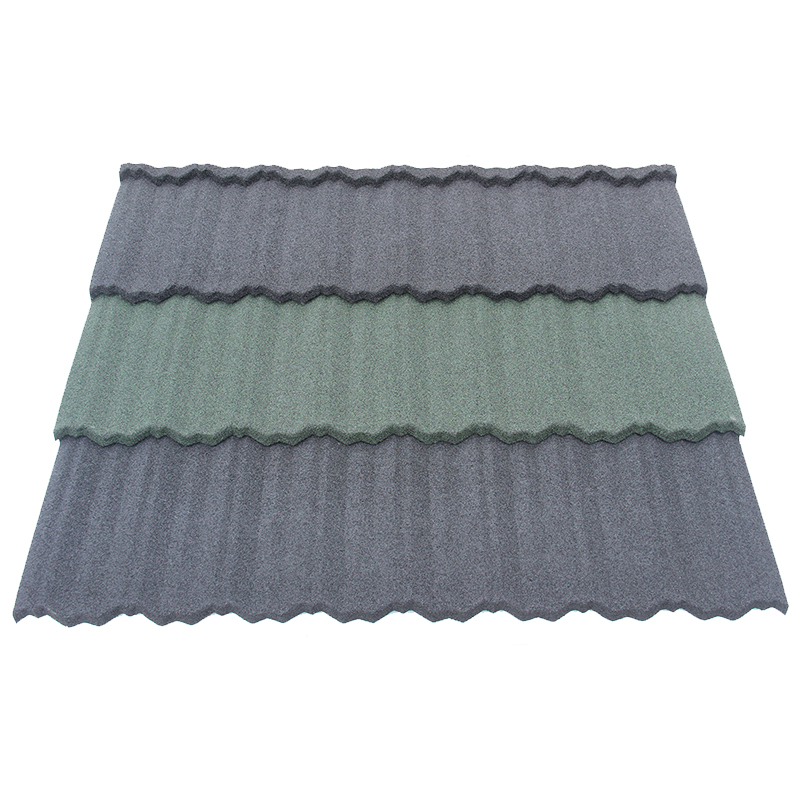
Stone coated metal roofing combines formed metal panels or tiles with a protective coated surface. The metal provides the structural shape, while the coating supports the visual finish and surface protection. That combination does not remove the need for a complete roof design. The roof still depends on compatible accessories, correct laps, drainage paths, and workmanship.
Separate system risk from project risk
Definition: A system disadvantage is a limitation that remains part of the product or assembly even when the contractor follows the installation instructions. A project disadvantage is a problem created by the building, site, schedule, climate, or procurement plan. This distinction keeps a buyer from rejecting a suitable system for the wrong reason.
- Separate product limitations from installer or detailing failures.
- Rank each concern by safety, maintenance, schedule, and total cost impact.
- Ask bidders to identify the evidence behind every performance claim.
A roof can pass a product review and still fail a project review. For example, a tile profile may suit a pitched residential roof but complicate a low-slope commercial retrofit. A finish may look appropriate in a sample but conflict with local planning preferences. Start with the building and work toward the product, not the other way around.
Initial cost and the full installed price
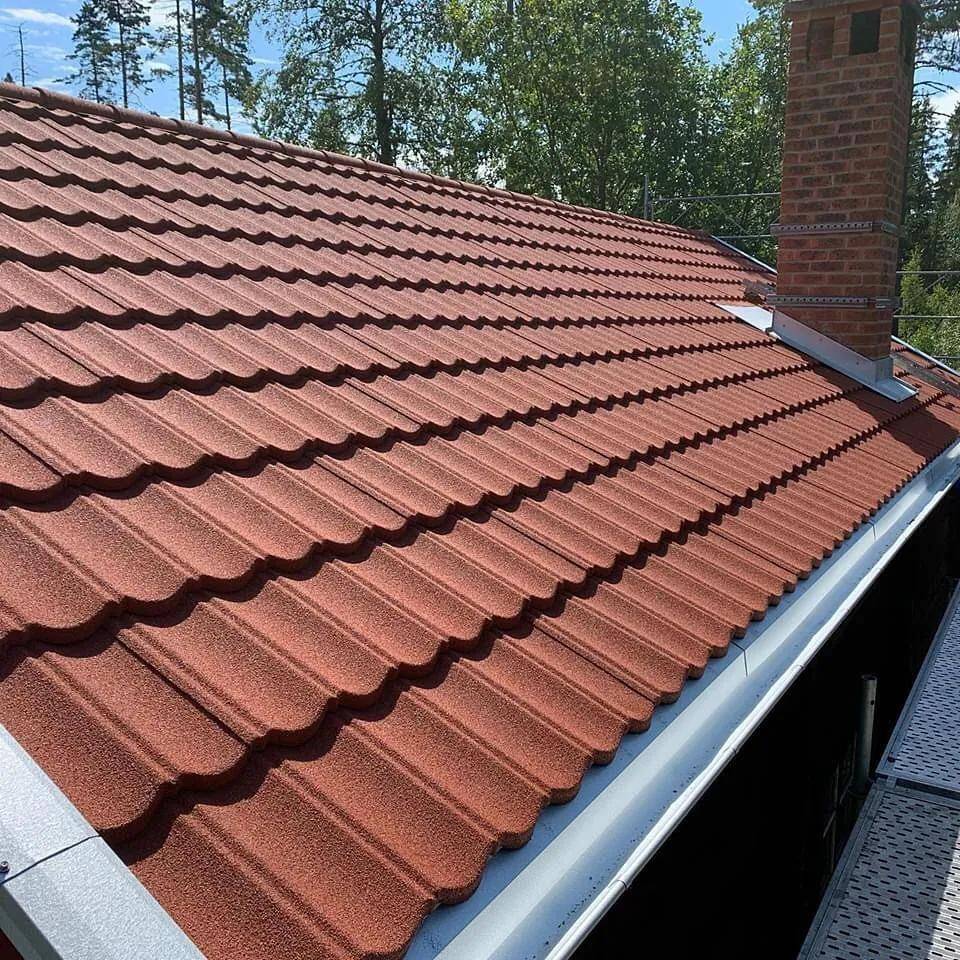
One of the most common disadvantages of stone coated metal roof systems is a higher initial purchase and installation cost than basic asphalt roofing. The comparison often looks simple until the quote includes trim, valley components, underlayment, ventilation, delivery, staging, waste, and labor. A buyer who compares only the visible tile price may select a low quote that excludes important parts of the assembly.
Metal roofing can also require installers who understand the selected profile. The contractor must manage layout, fastening, cuts, penetrations, eaves, ridges, hips, valleys, and transitions. If the local labor pool has little experience with the system, the project may need additional training, supervision, or a longer installation window. Those costs belong in the early budget.
Build an apples-to-apples quote
Ask every bidder to price the same scope. The scope should identify roof area, roof pitch, tear-off assumptions, substrate repairs, access conditions, flashings, edge metal, ventilation, fasteners, delivery, cleanup, and testing or inspection requirements. Request separate allowances for unknown substrate conditions so the team can compare the base price with the risk reserve.
| Cost item to verify | Why it can change the result | Evidence to request |
|---|---|---|
| Tile or panel package | Profiles, finishes, trims, and accessories may not share the same price | Itemized material schedule |
| Installation labor | Layout and detail work can vary with roof geometry | Labor scope and installer experience |
| Underlayment and ventilation | They support moisture control and roof performance | Assembly specification and detail drawings |
| Delivery and handling | Remote sites, staging limits, and lift requirements add cost | Delivery assumptions and site plan |
| Future service | Access, matching pieces, and repair labor affect lifecycle cost | Service process and replacement policy |
The table does not establish a universal price. It creates a comparison frame that keeps hidden scope visible. Request a revised bid when a supplier cannot explain a large allowance or a missing line item. Procurement discipline matters more than a single advertised price.
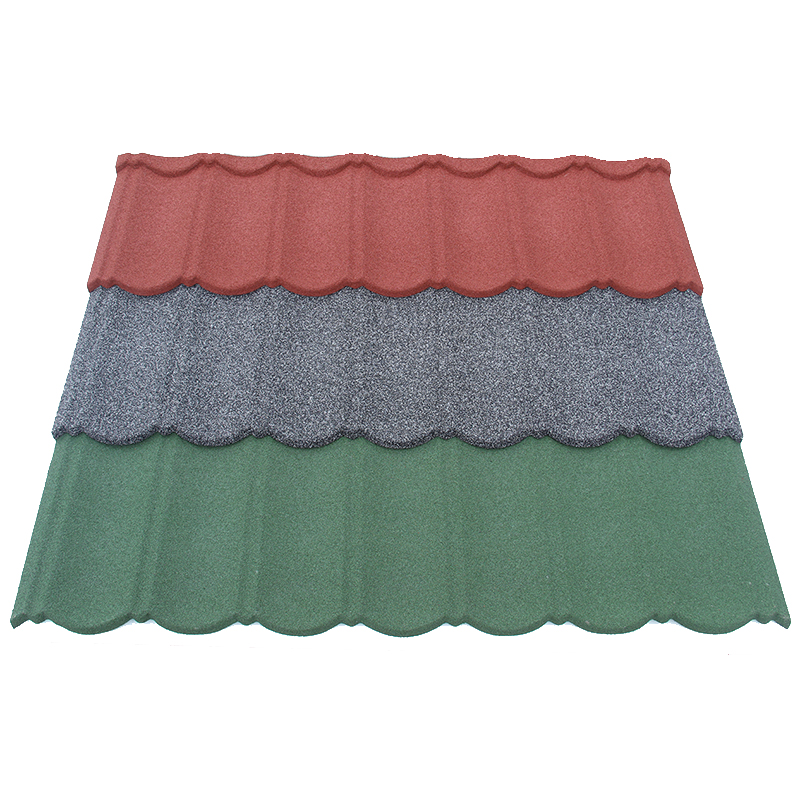
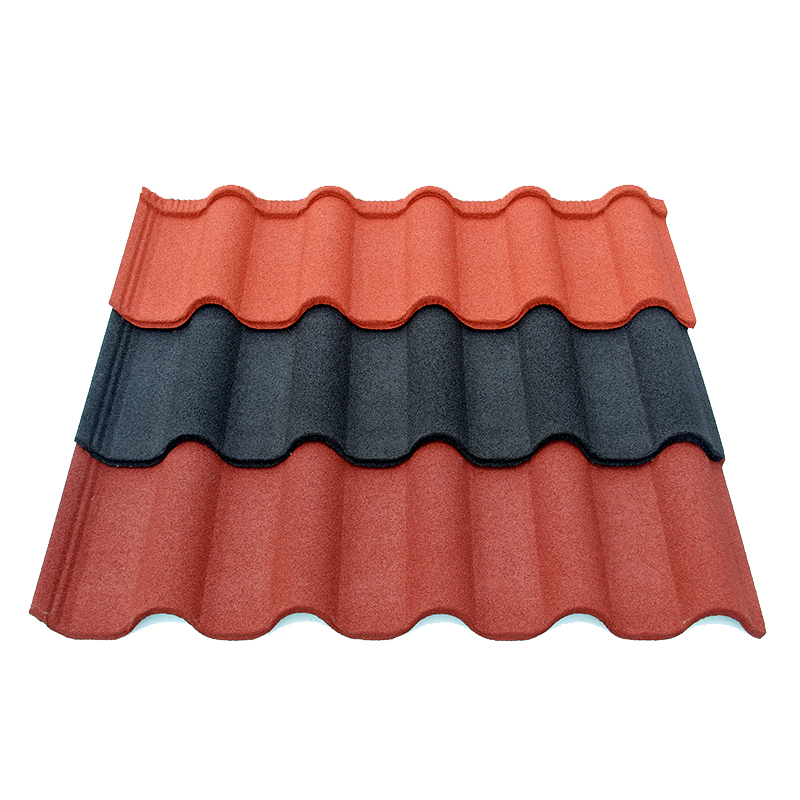
For a product overview, buyers can review Bond Tile in the context of interlocking layout and drainage planning. The product page should support the quote review, but the project team still needs a complete assembly scope from the supplier and installer.
Installation complexity and workmanship exposure
Stone coated metal roofing can expose more workmanship risk than a simple roofing surface because many details must work together. The contractor must keep courses aligned, maintain correct overlaps, protect the coating during handling, and coordinate flashing with the tile profile. A mistake at a valley or penetration can cause water entry even when the field tiles look neat.
Roof geometry increases this exposure. Multiple hips, dormers, skylights, changes in pitch, and tight eaves create more cuts and transitions. Each cut needs a durable detail that manages water and preserves fastening. Complex geometry may raise labor time and the chance of inconsistent appearance.
Questions for the installer
- How many completed projects used this exact profile and accessory set?
- Who will control layout, flashing details, and daily quality checks?
- How will the crew protect coated surfaces during cutting and movement?
- What conditions will trigger a written change order?
- Which installation instructions and detail drawings will the crew follow?
Definition: Workmanship exposure is the amount of system performance that depends on field decisions rather than factory-made components. A system with higher workmanship exposure needs stronger submittals, trained labor, documented inspections, and clear responsibility for corrections.
Buyers should treat installer capability as part of the product selection. A familiar profile with a strong local crew may produce a better outcome than a technically attractive profile that no local contractor can detail. Ask for references that show similar roof geometry, not only similar material.
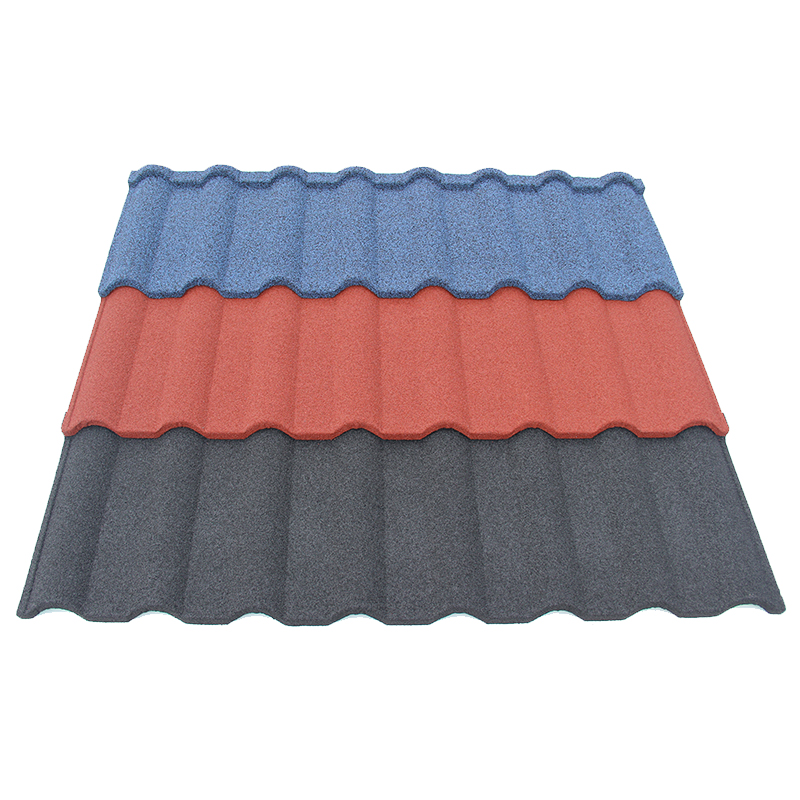
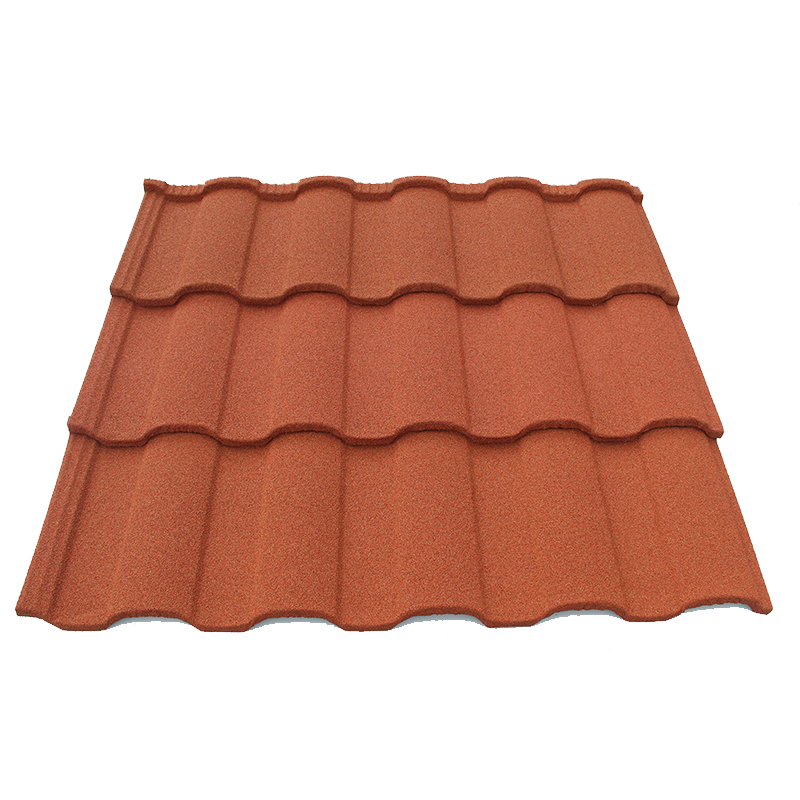
Profile choice also affects the visual rhythm of the finished roof. Roman Tile may suit projects that need a Mediterranean-inspired appearance and deliberate water-management details. The buyer should confirm how the chosen profile handles ridges, hips, valleys, and edge conditions before approving the aesthetic.
Noise, thermal movement, and indoor comfort
Metal roofing often creates concern about rain noise, expansion, contraction, and indoor temperature changes. These concerns do not have one answer because the roof assembly controls much of the occupied-space experience. Deck type, insulation, ceiling construction, underlayment, ventilation, and interior finishes all influence the result.
Rain noise can become more noticeable when a roof has little insulation or a lightly built interior ceiling. A coated surface may change the acoustic character, but buyers should not treat the surface finish as a substitute for an acoustic assembly. Ask the design team to review the roof build-up when the building includes bedrooms, offices, classrooms, or hospitality spaces.
Thermal movement also deserves a detail review. Metal expands and contracts as temperature changes. Correct fastener placement, slots or movement provisions where specified, laps, flashings, and perimeter details allow the system to respond. The exact approach depends on the product instructions and roof design. Never transfer a detail from one profile to another without confirmation.
| Performance concern | What controls it | Procurement check |
|---|---|---|
| Rain sound | Insulation, deck, ceiling, underlayment, and room use | Review the complete assembly with the designer |
| Thermal movement | Fastening pattern, laps, perimeter details, and roof length | Request profile-specific movement details |
| Heat gain | Insulation, ventilation, roof color, and building orientation | Compare assembly design, not finish color alone |
| Condensation | Air control, vapor control, ventilation, and indoor humidity | Confirm climate-appropriate moisture design |
These issues rarely justify rejecting metal roofing by themselves. They do justify early coordination between the roofer, architect, mechanical designer, and building owner. A written assembly review reduces later disputes about comfort and condensation.
Repair, replacement, and appearance concerns
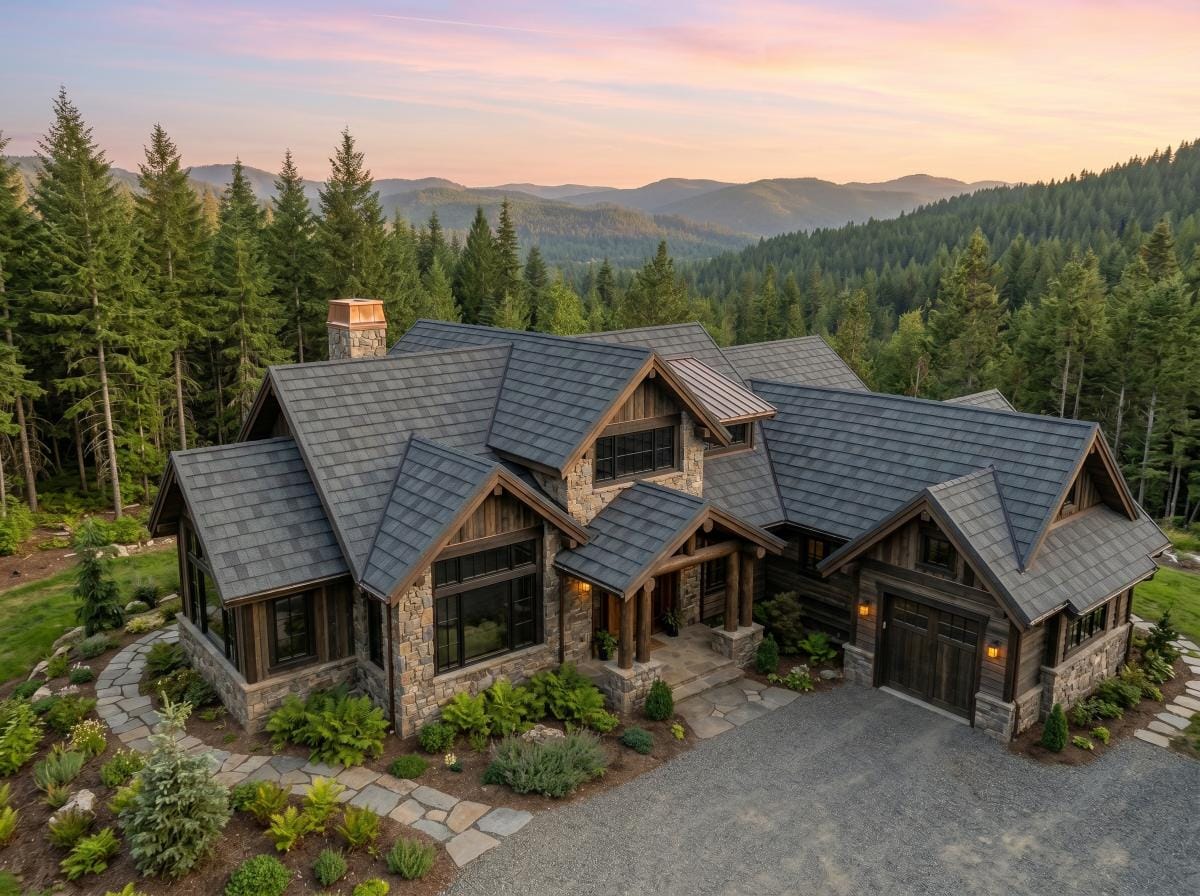
Another disadvantage involves future repairs. A damaged tile or flashing component may require a compatible replacement, careful access, and a technician who knows the system. A general roofer may not carry matching pieces. The repair plan should address how the owner will identify the profile, source replacement components, and protect surrounding tiles during service.
Coated finishes can also change over time. Sun, pollution, salt air, moisture, falling debris, and foot traffic affect appearance in different ways. Buyers should inspect a finish sample, ask how color variation is handled, and learn what cleaning methods the supplier allows. Avoid promises that rely on a generic finish name without supporting documentation.
Owners can reduce service risk with a handover package. Keep the product name, profile, finish, installation date, installer contact, detail drawings, spare materials, and maintenance notes together. Photograph concealed details before the roof closes. Record any approved substitutions so a future repair team can identify the actual assembly.
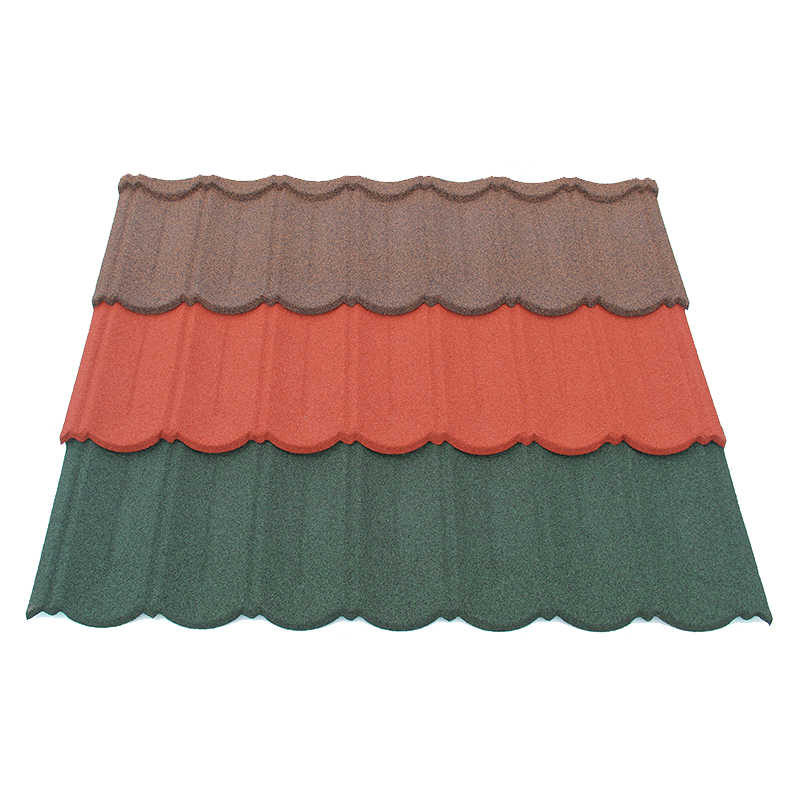
For a more European visual direction, Milano Tile can be evaluated with the same service questions. Appearance should not replace a review of access, drainage, replacement availability, and compatible accessories. A good specification protects the owner after the original contractor leaves.
How to decide whether the tradeoffs are acceptable
The disadvantages of stone coated metal roof systems become manageable when the project has a clear scope, suitable roof geometry, qualified installation, and a maintenance plan. They become more serious when the buyer wants the lowest first cost, has limited access to skilled labor, or cannot control site handling. Use a decision matrix so the team can discuss risk with the same criteria.
Score each item as low, medium, or high risk. Then attach an action to every medium or high score. For example, a high delivery risk may require an earlier order and protected staging. A high installer risk may require prequalification and a mock-up. A high appearance risk may require a finish sample review and owner signoff.
- Confirm roof pitch, substrate, geometry, climate exposure, and drainage conditions.
- Define the complete roof assembly and required accessory package.
- Prequalify installers for the exact profile and detail set.
- Compare itemized bids with the same assumptions and exclusions.
- Review service access, replacement parts, cleaning, and handover documents.
- Approve the selected system only after unresolved risks have an owner and a due date.
Compare alternatives against the same requirements
Project teams can also compare alternatives. A stone coated metal system may fit a pitched roof that needs a tile appearance with lower structural weight than some traditional materials. Another material may fit better when the building has very low slope, unusual penetrations, strict acoustic targets, or a contractor market with no relevant installation experience.
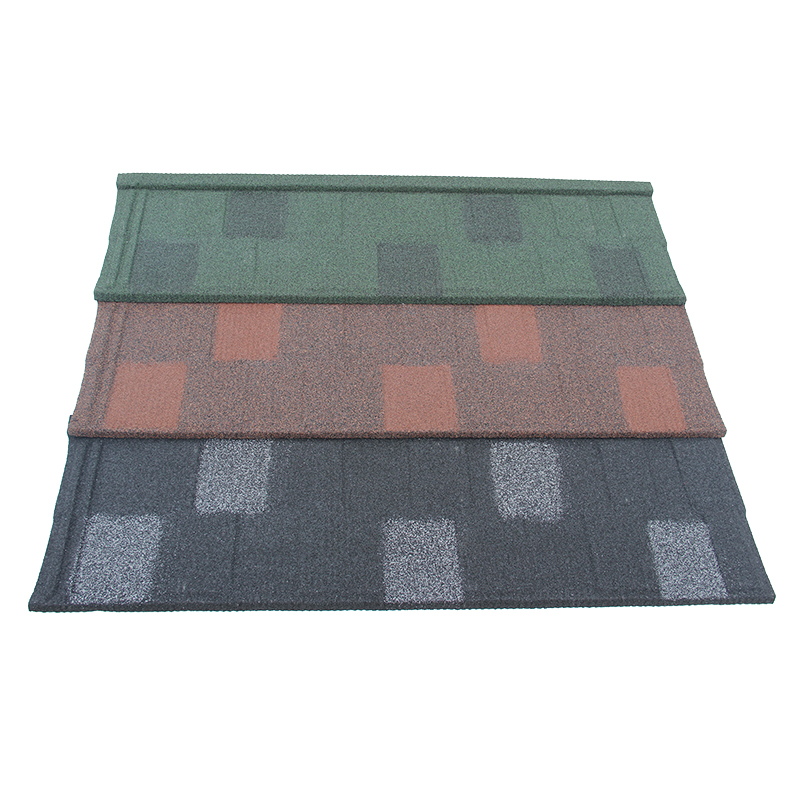
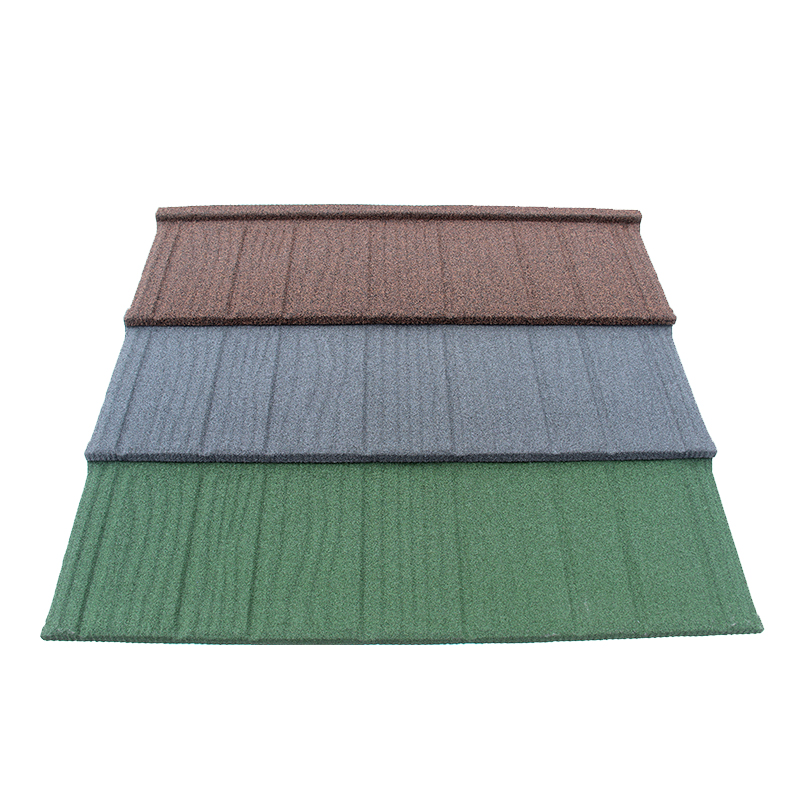
When the team wants a wood-shake visual without selecting a wood roof, it can review Shake Tile as a profile option. For broad sourcing support, a buyer can also review these stone coated metal roofing solutions and ask the supplier to map the product, accessory, and installation scope to the project drawings.
JCROOF should be one supplier option in that comparison, not a substitute for project-specific verification. Ask for the documents needed by the architect, contractor, and owner, then select the source that can support the complete decision.
Frequently asked questions about disadvantages
These questions address the concerns that most often influence a roofing specification and purchase decision.
What is the biggest disadvantage of stone coated metal roofing?
For many buyers, the biggest disadvantage is the combined initial cost and installation dependency. The material package may cost more than a basic roof, and the result depends on profile-specific detailing. A complete, itemized quote and qualified installer review will show whether that tradeoff fits the project.
Does stone coated metal roofing create more noise?
It can sound louder under rain when the building has limited insulation or a light ceiling. The roof surface alone does not determine indoor sound. Review the full roof and ceiling assembly, the room use, and the owner’s acoustic expectations before making a decision.
Is this roof difficult to repair?
Repairs can require matching components and careful access. The owner should store profile and finish information, retain spare pieces when practical, and use a contractor who understands the system. Clear handover documents reduce the risk of an improvised repair.
Should buyers reject the system for complex roof geometry?
Not automatically. Complex geometry raises layout, flashing, and labor risk. The buyer should request profile-specific details, a site review, and a clear allowance for cuts and transitions. If the installer cannot explain the details, another roof system may be safer for that project.
The final review should not ask whether stone coated metal roofing has disadvantages. Every roof system does. Ask whether the identified disadvantages are understood, priced, assigned, and controlled for this building. That approach turns a broad concern into a practical procurement decision.